8 Reasons Tipping on Takeout Is a Guilt Trip You Can Skip

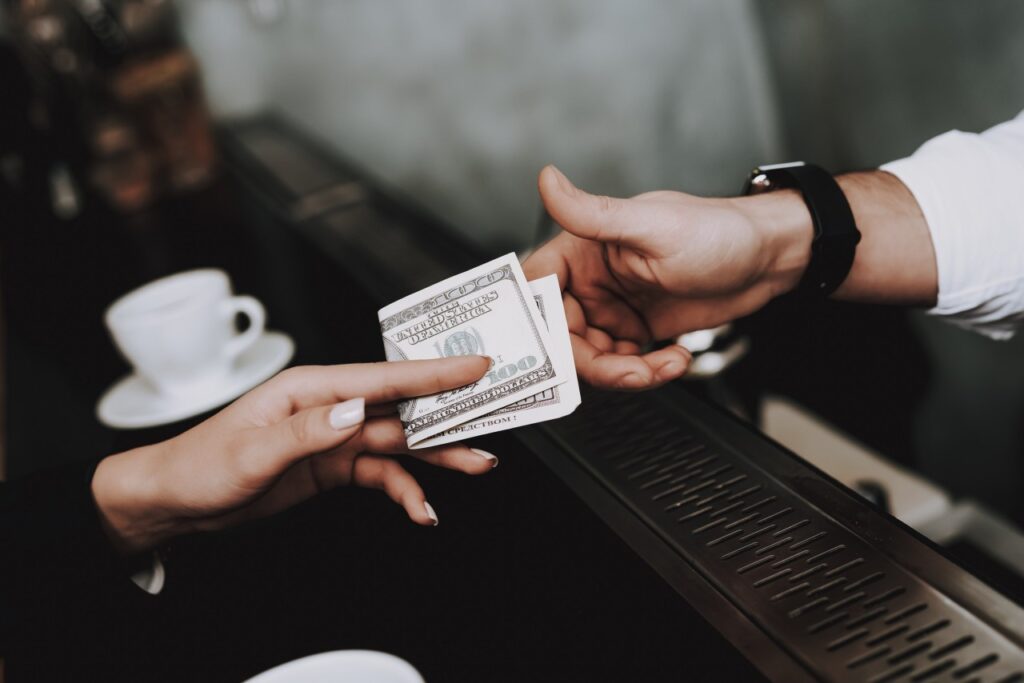
A simple takeout run used to feel effortless. You ordered, you paid, you left with dinner in hand. Now, before you can grab the bag, a glowing screen quietly asks for 20 percent. The moment lingers longer than it should, turning a quick errand into an unexpected pause.
Tipping has long been tied to attentive table service. But as digital prompts spread, the rules feel less clear and more complicated. Are you rewarding hospitality, or simply responding to a preset suggestion built into the system?
This guide looks at where tipping began, how it expanded, and why skipping a gratuity on basic pickup is not a moral failure. It is a thoughtful choice shaped by changing norms, rising costs, and the steady shift toward automated expectations.
1. You’re Not Receiving Table Service
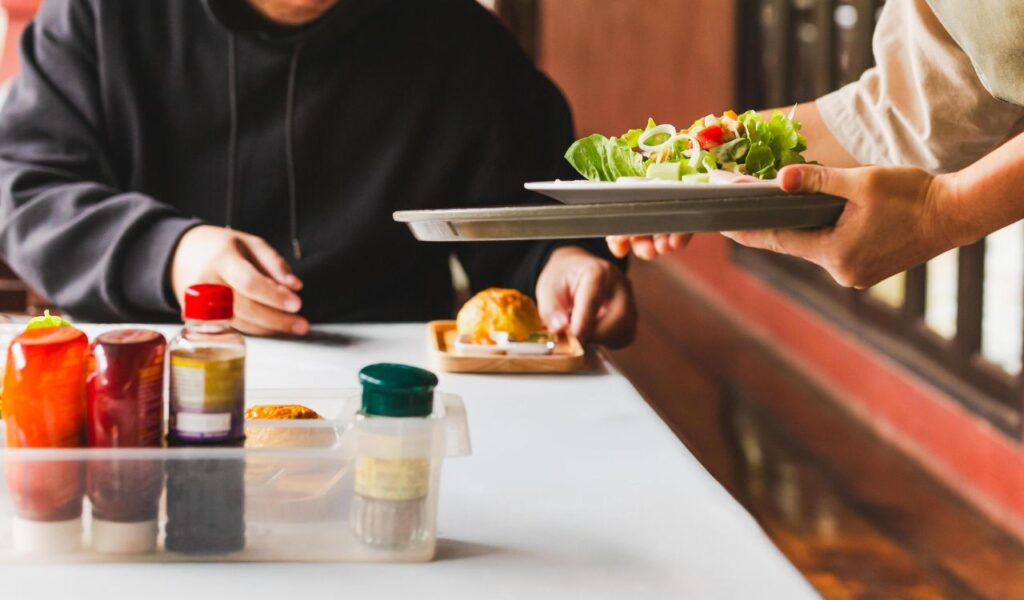
A tip was meant to reward attention, timing, and care during a meal. In a full-service restaurant, servers greet you, explain dishes, monitor your table, refill drinks, correct mistakes, and manage pacing from appetizer to dessert. Their income often depends on gratuities because tipped wage laws allow lower base pay.
With takeout, that ongoing service does not exist. You usually interact with a host or cashier briefly. There is no table maintenance, no drink refills, and no follow-up after you leave.
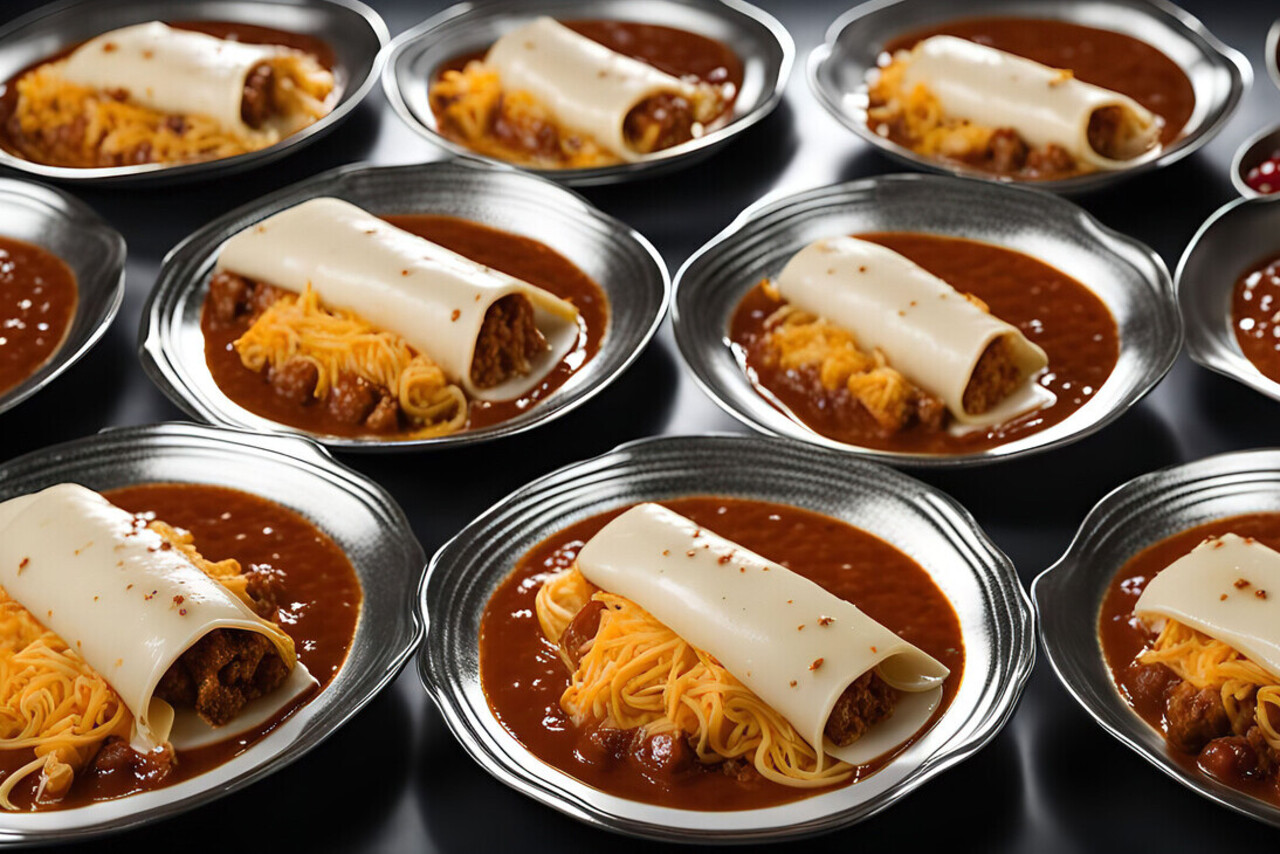
The kitchen prepares your food as it would for dine-in guests, but the hospitality layer tipping was designed to reward is absent. Skipping a takeout tip is not dismissive. It reflects the difference between counter pickup and full table service.
2. Menu Prices Already Cover Preparation
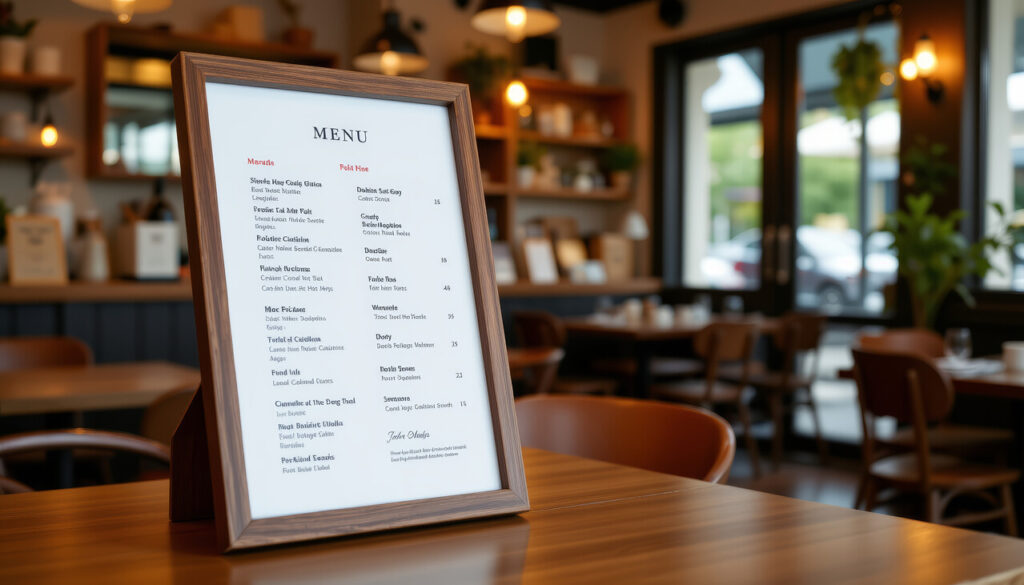
When you scan a menu, the price beside each dish is calculated. It includes ingredients, kitchen labor, rent, utilities, insurance, packaging, and a margin that keeps the business running. Restaurants build preparation costs directly into the listed price because cooking is the core product being sold.
Back-of-house staff such as line cooks and prep cooks are usually paid hourly wages rather than relying on tips. Their compensation is structured differently from servers.
Because cooking and boxing your meal is already priced in, adding a percentage-based gratuity on a simple pickup order can feel like paying twice for the same labor. Choosing not to tip in that case is a budgeting decision grounded in how restaurant pricing works.
3. Tipping Prompts Are Often Automated
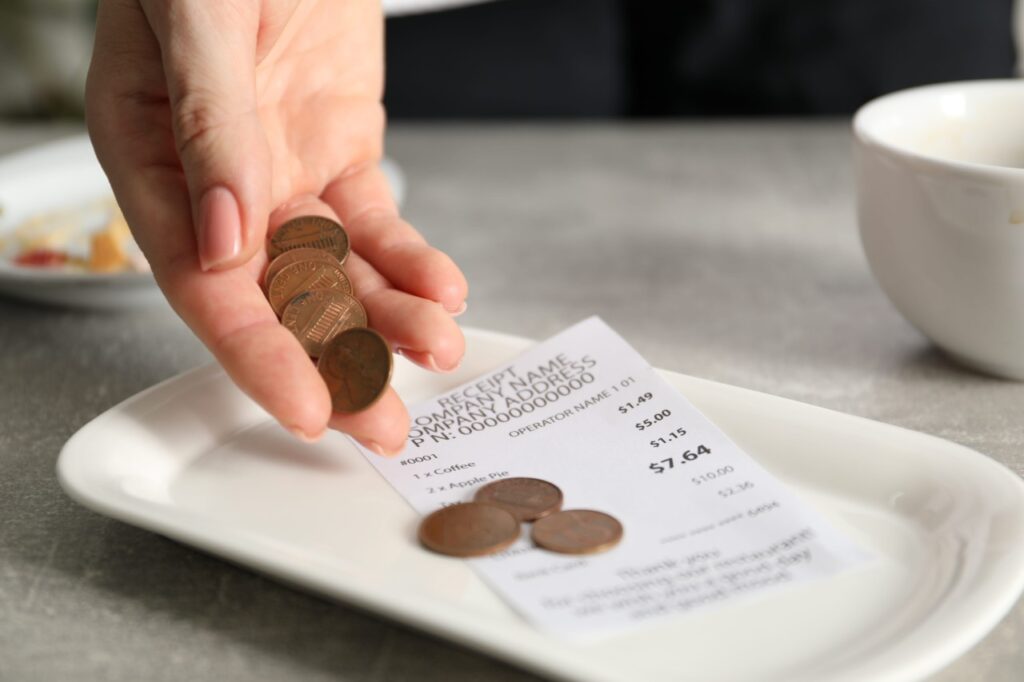
Modern payment systems are designed to maximize revenue, and tip prompts are part of that design. Many point-of-sale tablets suggest 18, 20, or 25 percent gratuities, even for transactions with minimal service. The options appear by default, not because someone reviewed your order.
Behavioral research shows that preset percentages influence customer choices. People often select one of the visible options rather than entering zero. The presence of staff nearby can heighten social pressure.
Pressing “no tip” on a takeout screen is not a statement about the employee in front of you. It is declining an automated suggestion built into the software. Recognizing that helps remove the emotional weight from what is, at its core, a digital nudge.
4. You’re Providing Part of the Service Yourself
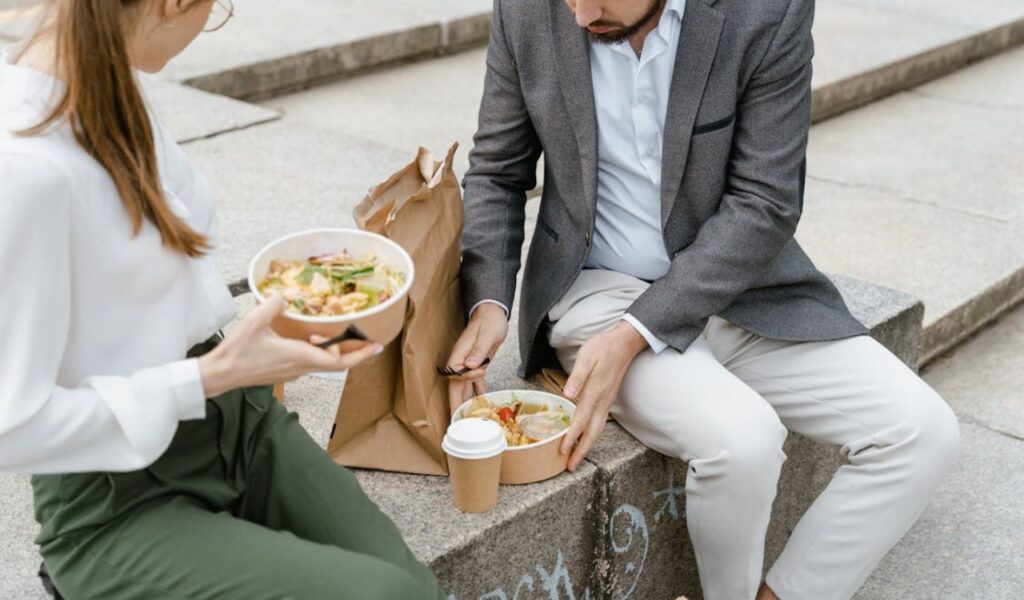
With takeout, the service model quietly shifts. You place the order, travel to the restaurant, wait if it is not ready, carry it home, plate it, pour drinks, and clean up afterward. In a dine-in setting, much of that work is handled by staff whose income relies on gratuities.
Tipping traditionally compensates for that hands-on hospitality. It covers the time spent managing your experience beyond the kitchen.
When you assume those responsibilities yourself, the balance changes. You are effectively handling transportation and table service at home. In that light, choosing not to add a standard restaurant tip to a pickup order is not ungenerous. It reflects the shared workload between you and the business.
5. Delivery Fees and Service Charges Already Add Up
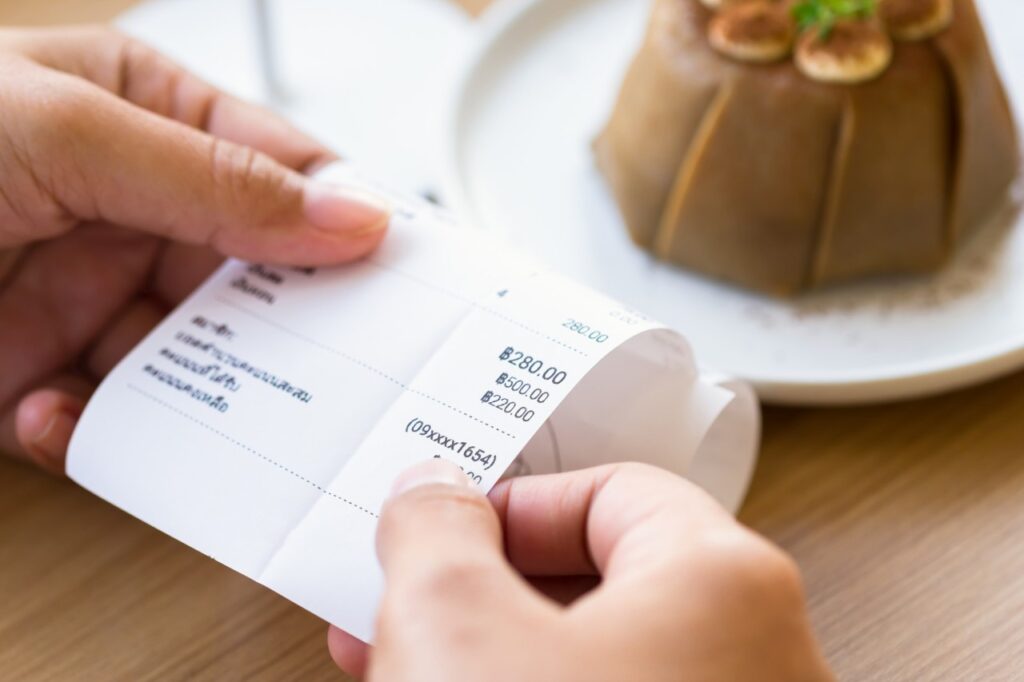
The final total on a takeout order is often higher than the menu price suggests. Service fees, packaging charges, small order fees, and taxes can significantly increase the bill. Even when you pick up the food yourself, some establishments include added operational costs in the checkout screen.
These fees may not go directly to staff, but they raise the customer’s out-of-pocket expense. For many households, dining out is already a stretch.
When the base cost has climbed due to inflation and added charges, skipping an optional gratuity on a straightforward pickup can be a practical financial choice. It acknowledges the growing stack of built-in costs without diminishing appreciation for the food itself.
6. Tipping Culture Is Expanding Beyond Its Original Purpose
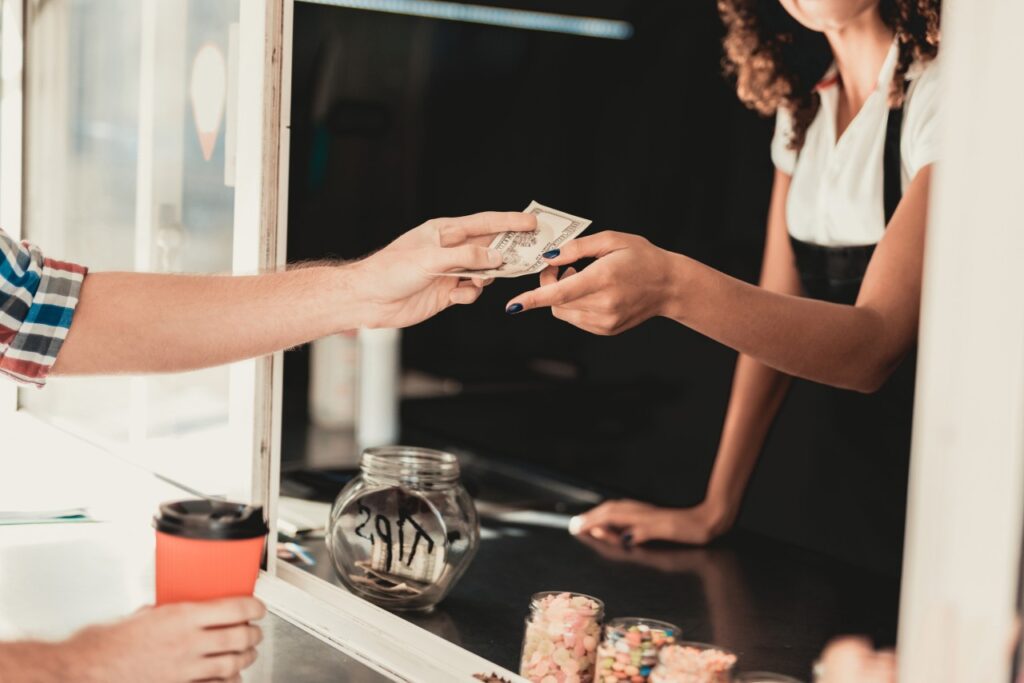
Tipping in the United States began as a way to reward personal service in hospitality settings. Over time, it has spread into coffee shops, bakeries, food trucks, and some retail counters. Digital payment systems have accelerated that shift by making tipping a standard screen in many transactions.
Economists note that this growth blurs the line between service-based gratuity and general price support. Customers are now asked to tip in situations that involve little or no individualized service.
Drawing a boundary around takeout tipping is not a rejection of generosity. It is a response to a changing norm. Choosing when to tip preserves the original intent of rewarding attentive service rather than turning every purchase into a moral test.
7. Not All Staff Benefit Equally
Many customers assume that a takeout tip goes directly to the person who cooked the meal. In reality, tip distribution policies vary widely by restaurant. Some businesses pool tips among front-of-house staff, while others allocate only a portion to kitchen employees. Transparency is not always clear at checkout.
Federal and regional labor laws regulate who can share in pooled tips, especially in places where employers pay full minimum wage. These rules differ by jurisdiction and can affect how gratuities are divided.
Without clear insight into where the money goes, customers may hesitate to add an extra percentage on pickup. Skipping a takeout tip can reflect uncertainty about distribution rather than unwillingness to support workers.
8. It Should Be a Choice, Not a Guilt Obligation
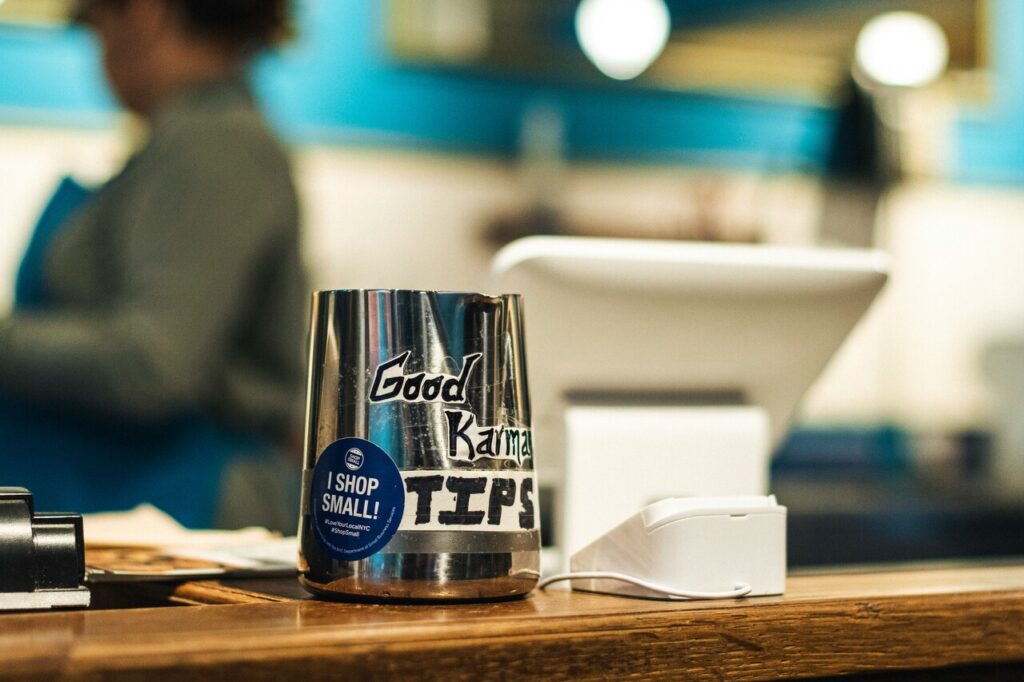
Gratuity was designed as a voluntary gesture, not a compulsory fee. When tipping becomes emotionally charged, it can overshadow the simple act of buying a meal. Social pressure at payment screens often makes customers feel judged for declining.
Financial realities vary widely. What feels like a small extra amount to one person may matter significantly to another. Making tipping feel mandatory removes the element of choice that defines it.
Opting out of a takeout tip is not a sign of disrespect. It is a reminder that generosity carries meaning when it is freely given. Preserving that choice keeps tipping intentional rather than automatic, especially in situations where full service is not part of the experience.