9 Packaged Foods That Cook Faster Because Ingredients Changed

Packaged foods promise speed, and over time, they’ve quietly delivered it. Meals that once took patience now finish in minutes, thanks to ingredient tweaks most shoppers never notice. The box looks familiar, but what’s inside behaves differently under heat.
Shorter cook times are intentional. Grains are pre-cooked, doughs rise faster, proteins are treated, and starches thicken quickly. These changes save time and energy while keeping results consistent for busy schedules.
This list looks at packaged foods that cook faster because ingredients changed, not appliances. It explains what was adjusted and why quicker cooking often alters texture and structure.
1. Instant Rice Packs
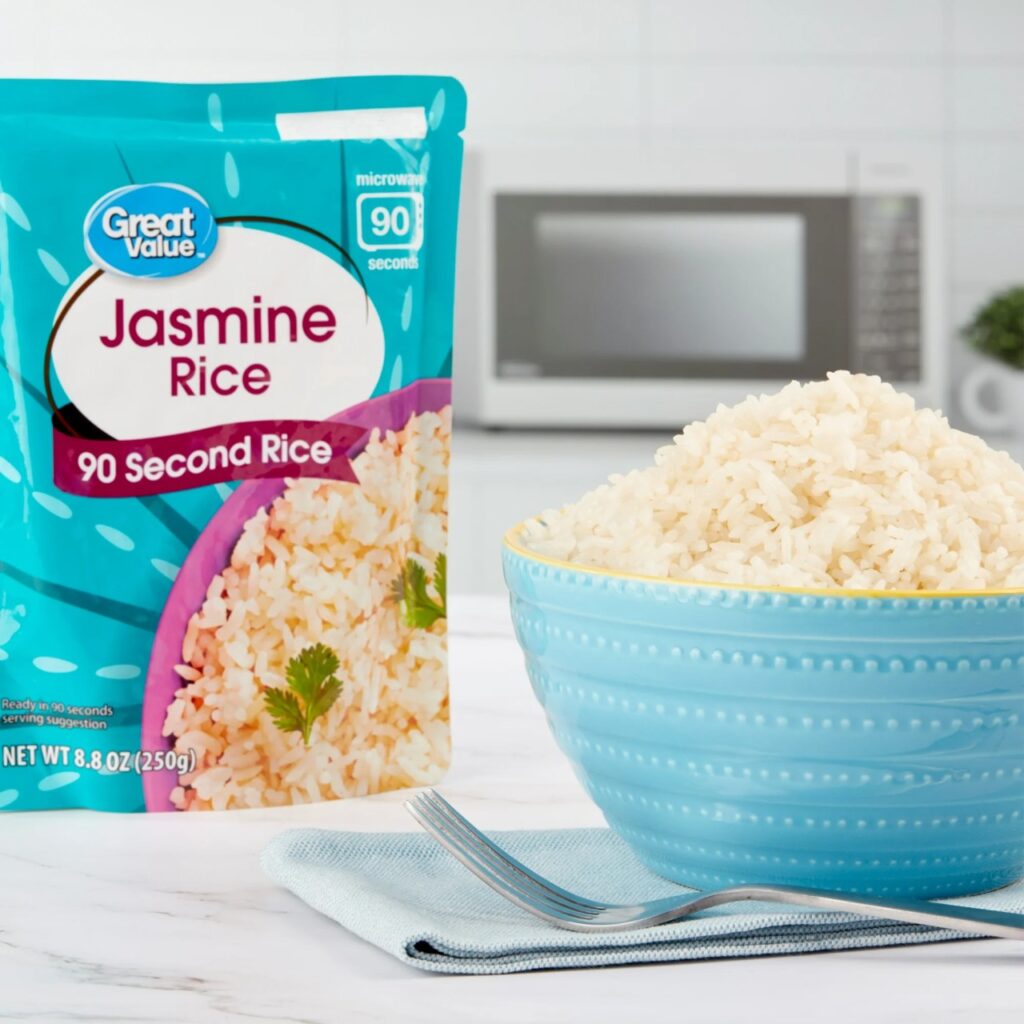
Instant rice did not become faster by chance. Modern versions are fully cooked during processing, then dehydrated so the starch structure is already set. When heat and moisture are added again, the grains simply rehydrate instead of cooking from raw. That shortcut removes most of the time rice traditionally needs.
The rice itself is often milled smaller or treated to absorb water more efficiently. This speeds hydration but also changes texture, making grains softer and more uniform. The chew and individual grain separation people expect from stovetop rice are reduced.
The benefit is speed and consistency. The trade-off is flavor depth and texture, which no longer develop slowly through simmering.
2. Quick-Cook Pasta
Quick-cook pasta reaches doneness faster because the manufacturing process does some of the cooking upfront. Pasta is often partially steamed or extruded thinner, which shortens the time needed for water to penetrate the core. This pre-treatment reduces the need for long boiling.
Wheat selection matters too. Softer wheat varieties hydrate faster but produce a less firm bite. Some pastas also contain enzyme-treated flour that weakens the structure, allowing noodles to soften rapidly. This speeds cooking at the cost of resistance.
This saves time but changes mouthfeel. The pasta cooks evenly and quickly, yet loses the resistance and chew associated with traditional, slower-dried pasta. The bite feels smoother and less substantial.
3. Microwave Frozen Meals
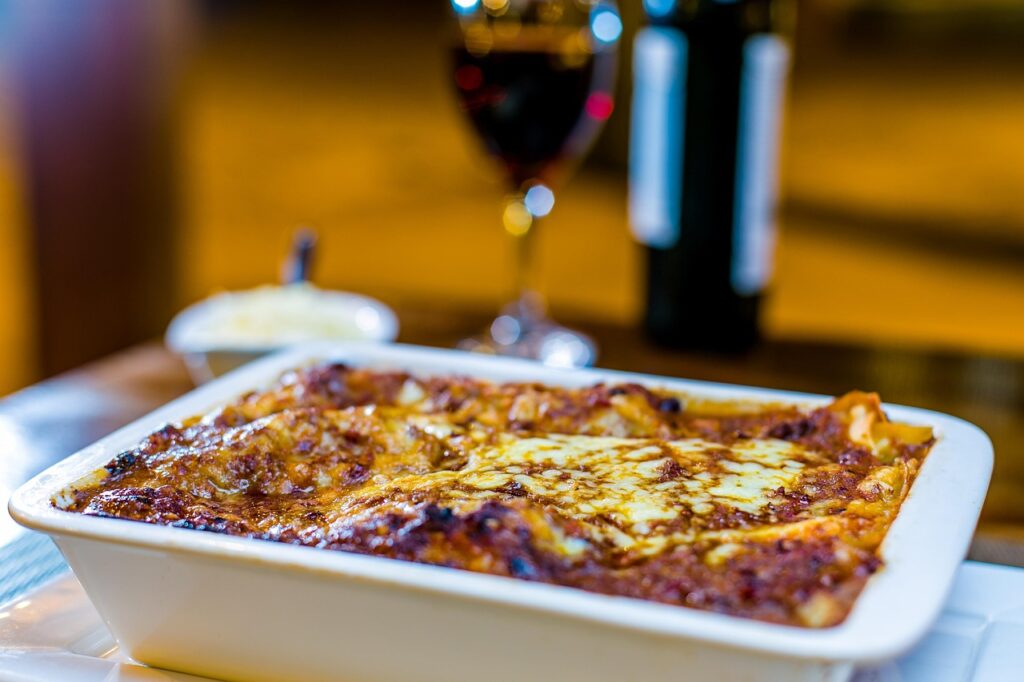
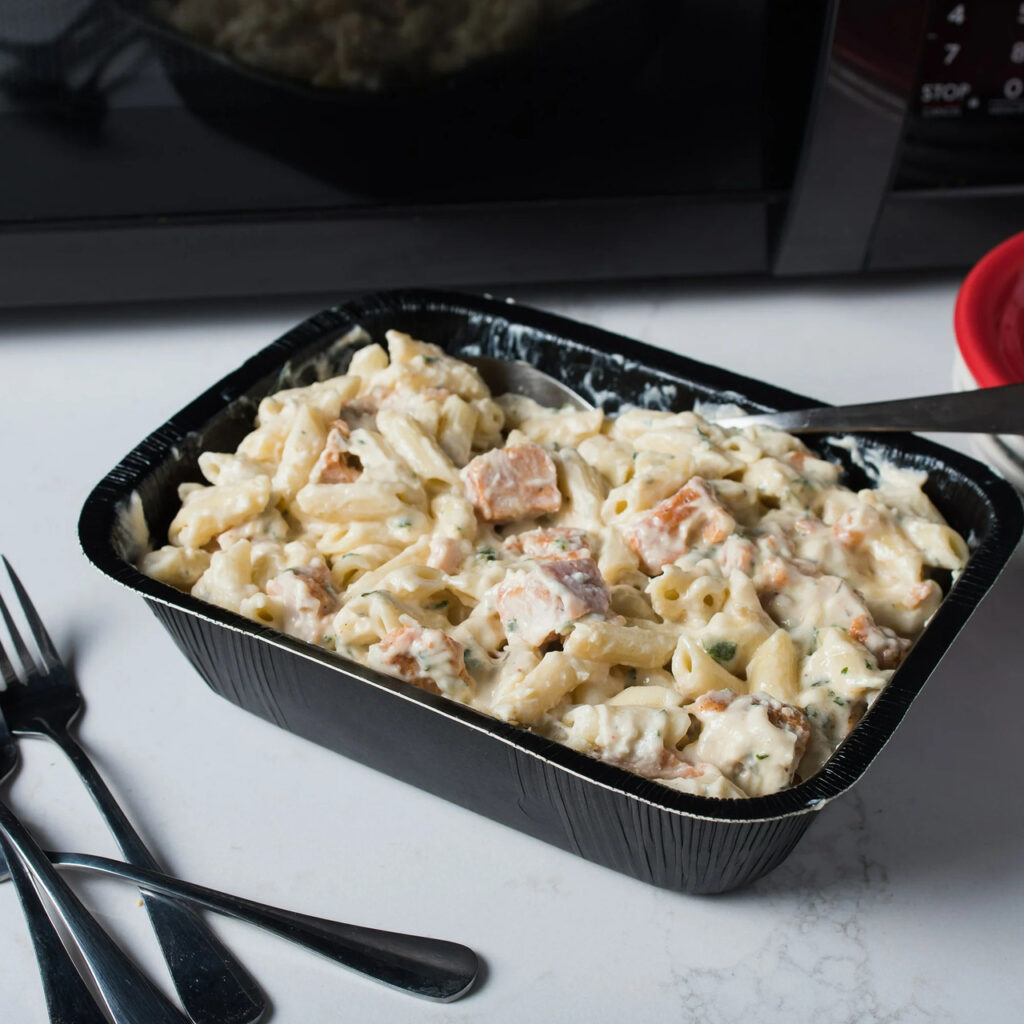
Frozen meals cook faster because most components are already cooked before freezing. Proteins are par-cooked, vegetables are blanched, and sauces are pre-thickened so microwaves only need to reheat rather than cook. Very little raw cooking remains.
Ingredients are also cut smaller and layered strategically to heat evenly. This reduces cold spots but softens structure, especially in vegetables and starches that continue absorbing moisture. Texture becomes more uniform.
The result is speed and predictability. Texture suffers slightly, as reheating cannot recreate the firmness and contrast of freshly cooked components. Fresh-cooked tension is lost.
4. Boxed Mac and Cheese
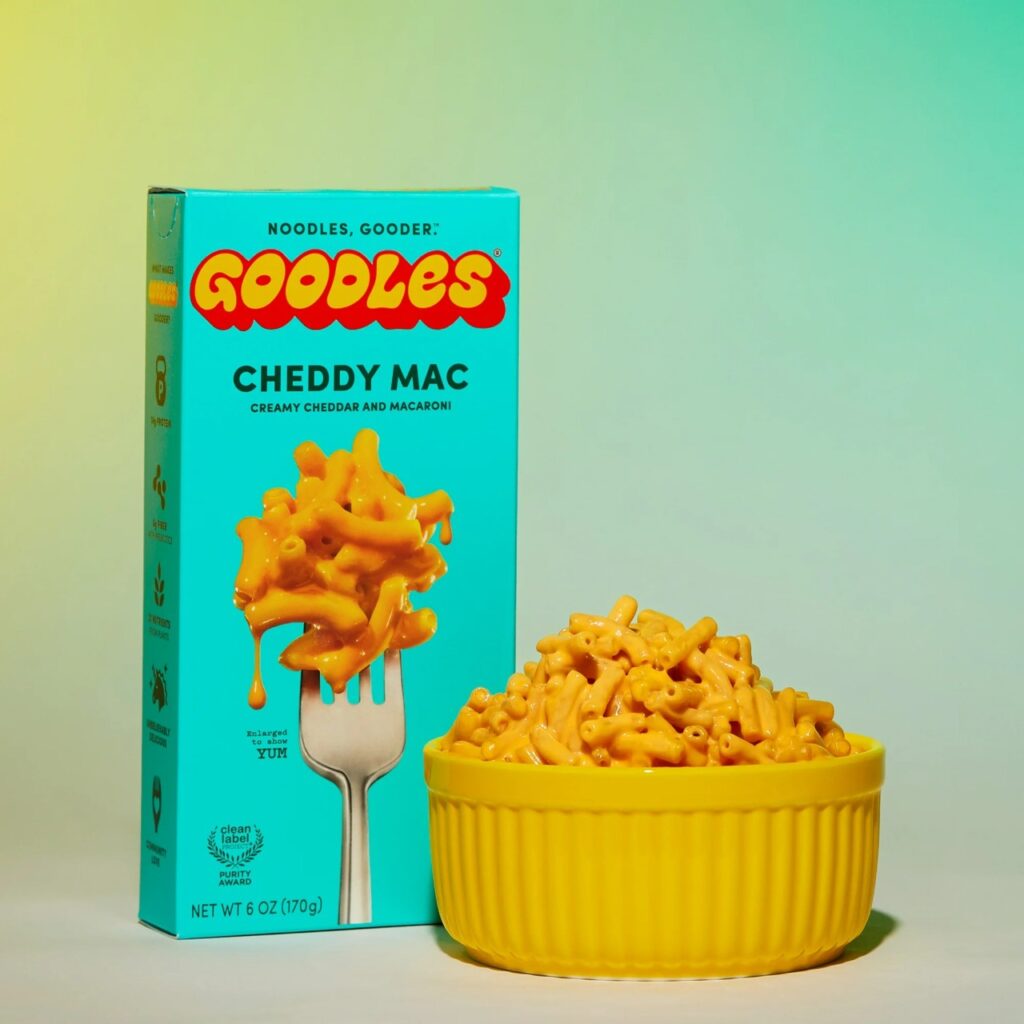
Boxed mac and cheese cooks faster today because both pasta and sauce have changed. Pasta shapes are often smaller and thinner, allowing water to penetrate quickly. Some are pre-steamed during production. Boil times are shortened. Cooking becomes more predictable.
The cheese sauce relies on modified starches and emulsifiers that thicken almost instantly. These ingredients eliminate long simmering while stabilizing texture under heat. Consistency forms rapidly. Sauce timing is tightly controlled.
The trade-off is texture complexity. The sauce forms quickly but lacks the gradual creaminess that develops when dairy thickens naturally over time. Depth is reduced. Mouthfeel feels flatter.
5. Instant Oatmeal
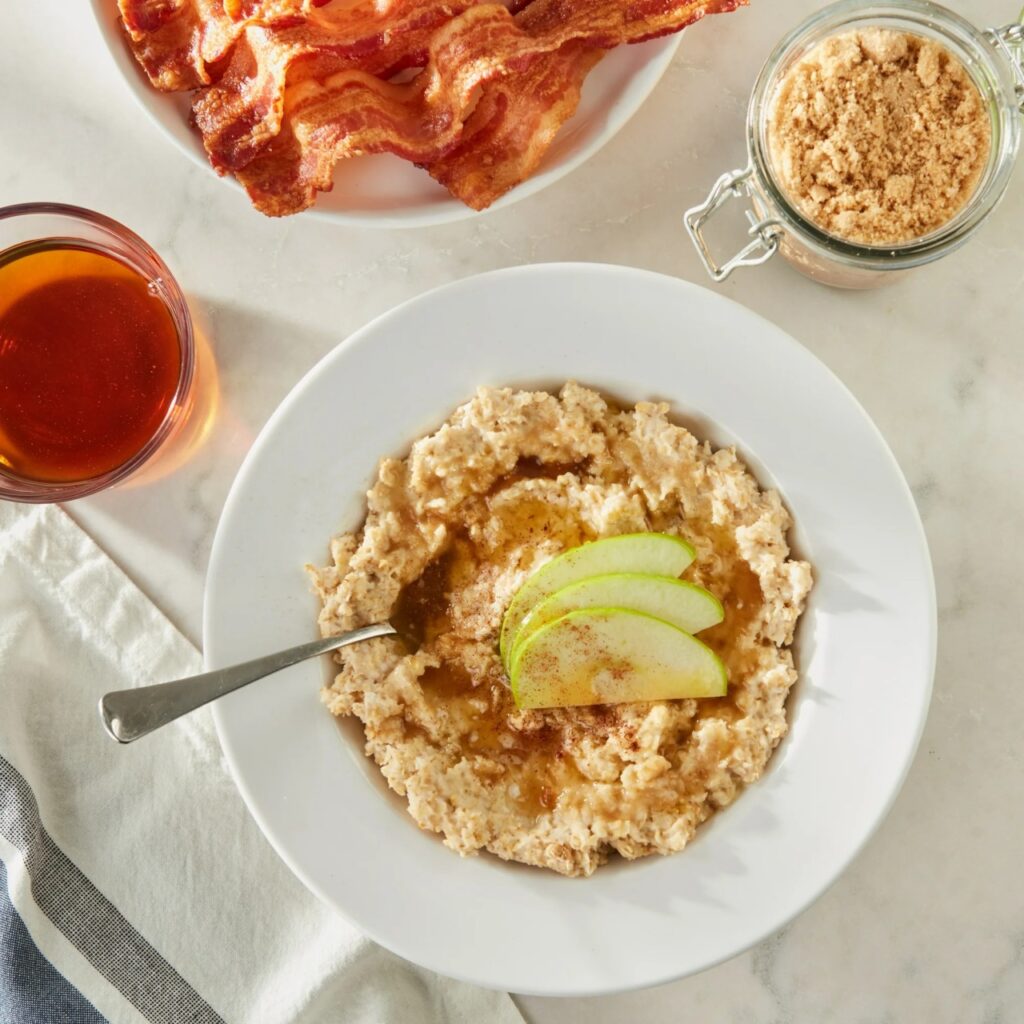
Instant oatmeal cooks quickly because the oats are rolled extremely thin and partially cooked before packaging. This breaks down the grain structure so hot water can hydrate it almost immediately. Structural strength is lost early. Hydration happens fast.
Steel-cut or thick rolled oats require longer cooking because their interior remains intact. Instant oats sacrifice that integrity for speed, creating a softer, more uniform texture. Chew is minimized. Resistance disappears.
This makes breakfast faster but changes how oats feel and taste. The chew is reduced, and flavors develop less during cooking. Texture becomes more porridge-like. Complexity is limited.
6. Pre-Marinated Meats
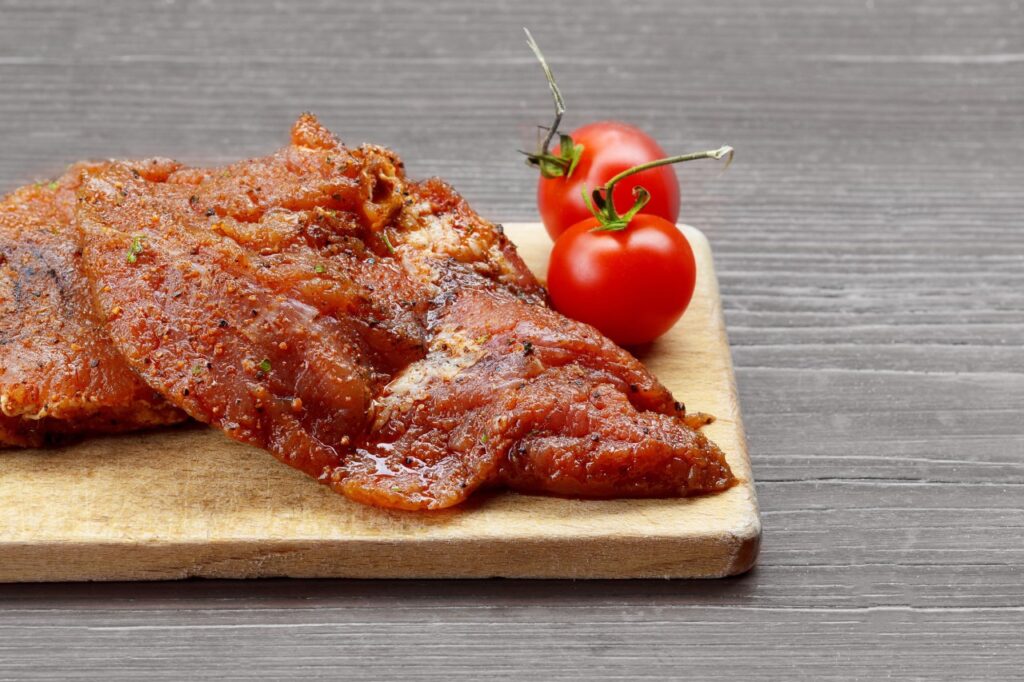
Pre-marinated meats cook faster due to added salt solutions and tenderizers. Salt alters muscle fibers, allowing heat to penetrate more quickly while retaining moisture. Cooking becomes more predictable. Timing is shortened.
Some marinades include enzymes that break down connective tissue before cooking even begins. This reduces required cook time but can create a softer, less structured bite. Texture loosens early. Firmness declines.
The benefit is convenience and consistency. The cost is texture that feels processed rather than naturally cooked. The bite lacks firmness. Structure feels altered.
7. Frozen Fries
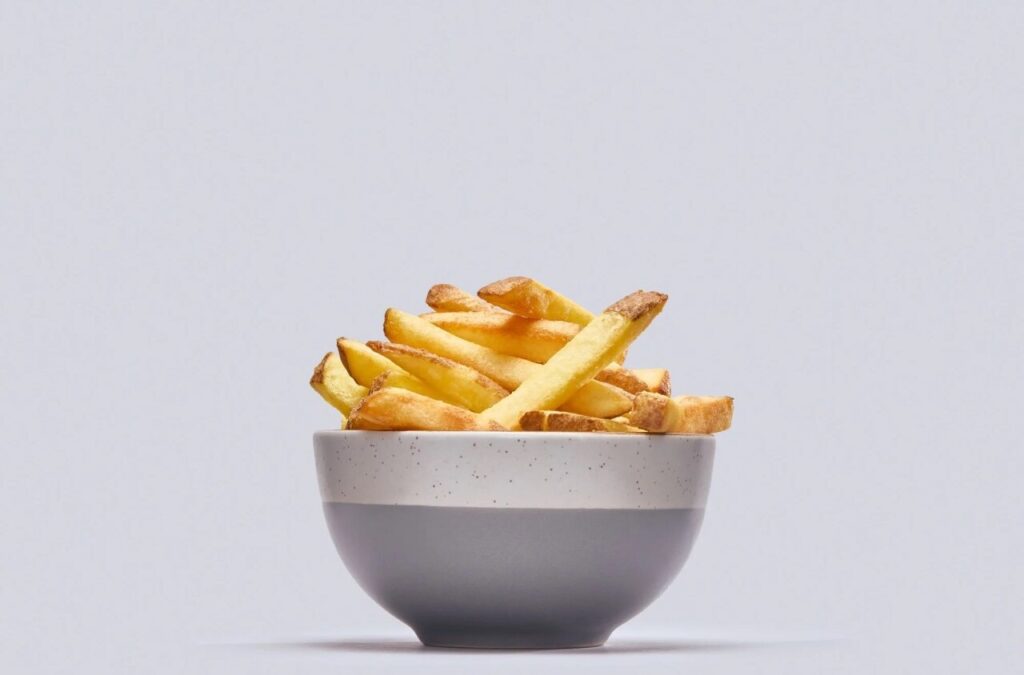
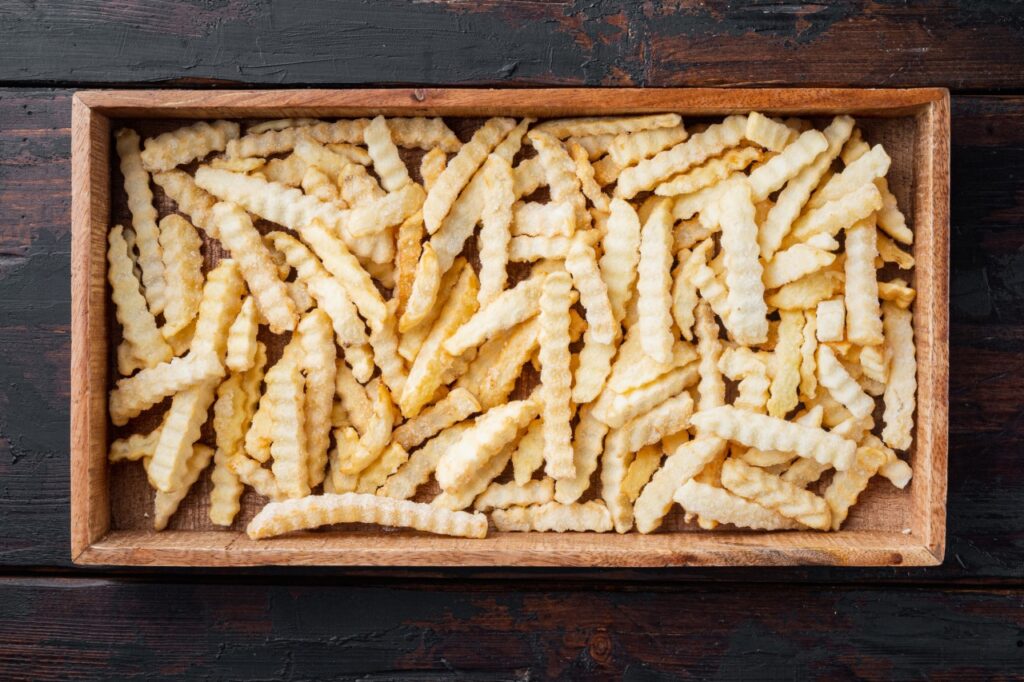
Frozen fries cook faster because they are blanched before freezing. This partially cooks the potato and sets surface starches so browning happens quickly during final cooking. Interior moisture is already reduced. Heat works faster.
Many also contain surface coatings that promote crisping at lower temperatures. These coatings accelerate moisture loss and browning without extended frying or baking. Color develops faster. Crisping is assisted.
The result is faster cooking and consistent color. Texture shifts slightly, with a thinner crust and softer interior than freshly cut fries. Contrast is reduced. Bite feels lighter.
8. Shelf-Stable Noodles
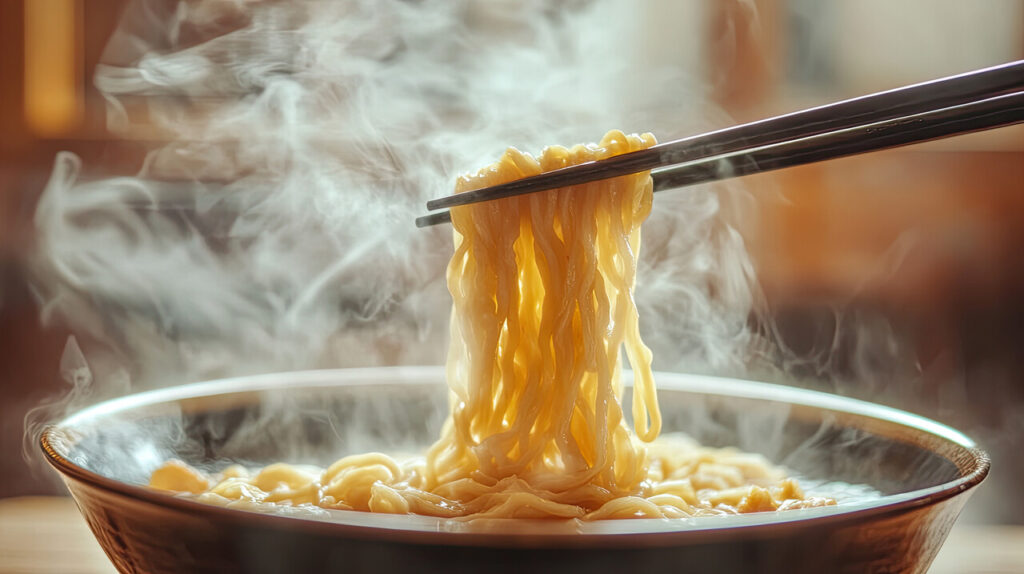
Shelf-stable noodles soften quickly because they are pre-fried or treated with alkaline salts. These processes weaken gluten structure and allow water to penetrate instantly. Rehydration is rapid. Softening begins immediately. Cooking becomes nearly passive.
Pre-frying removes moisture and creates porous strands that rehydrate rapidly. Alkaline treatment further softens texture under heat. Structural strength declines. Elasticity drops. Firmness is compromised early.
Speed improves dramatically, but the noodles lose elasticity. The bite becomes springy at first, then soft, rather than firm throughout. Chew fades quickly. Texture collapses sooner. Longevity is reduced.
9. Ready-to-Bake Biscuits
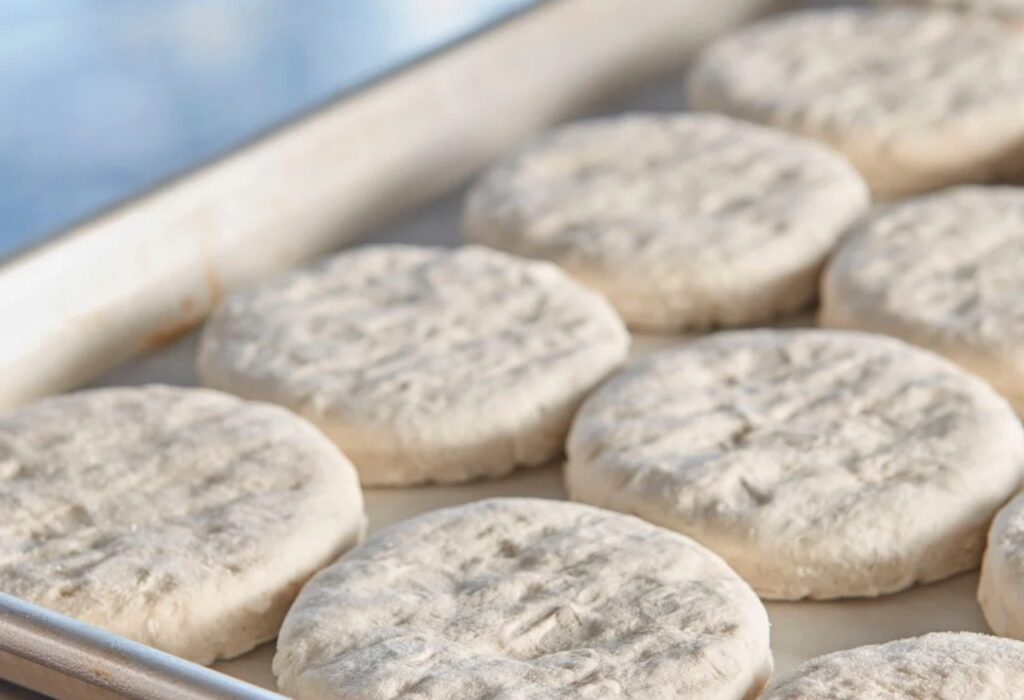
Modern biscuits bake faster due to chemical leaveners and softer fats that activate quickly. These ingredients expand early in baking rather than slowly over time. Rise begins almost immediately. Oven time shortens. Heat efficiency increases.
Doughs are formulated to warm and rise rapidly, reducing bake time and improving consistency. Fat distribution is optimized to melt sooner. Layers form faster. Structure sets early. Timing becomes predictable.
This shortens oven time but affects structure. Biscuits rise fast but may lack the layered crumb of older, slower-forming doughs. Flakiness is reduced. Texture feels simpler. Depth is lost.