10 Budget-Friendly Soup Recipes That Taste Surprisingly Fancy

Great soup does not depend on expensive ingredients or long shopping lists. It depends on understanding how vegetables, grains, and proteins behave when given time and gentle heat. Many budget-friendly soups taste surprisingly refined because they rely on natural starches, slow simmering, and careful seasoning rather than cream or costly cuts of meat. When aromatics are cooked properly, and ingredients are layered with intention, even the simplest pantry items develop depth and richness. These soups prove that elegance can come from patience and balance, turning everyday staples into bowls that feel thoughtful, comforting, and far more luxurious than their price tag suggests.
1. Lentil Soup with Garlic and Herbs
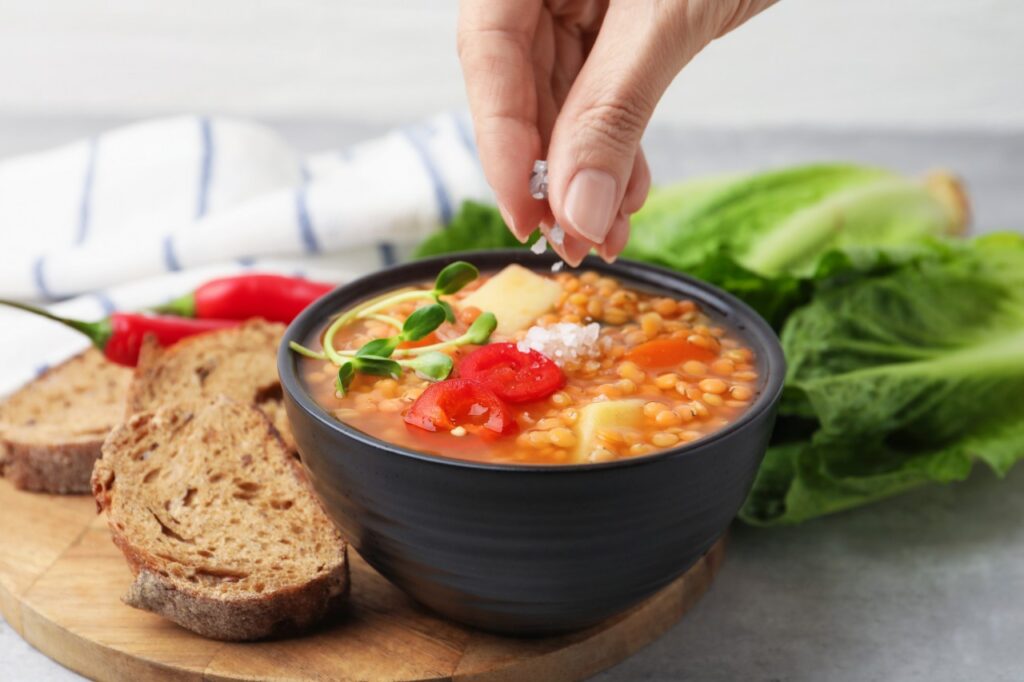
Lentil soup feels elegant when technique does the heavy lifting instead of expensive ingredients. Lentils are rich in protein and starch, which allows them to thicken a broth naturally as they simmer. Starting with a slow sauté of onion and garlic builds a savory base through gentle caramelization. Dried herbs like thyme or bay release flavor gradually, creating depth without fresh produce. Salt timing matters here. Salting after lentils soften prevents tough skins and keeps the texture creamy. A small splash of acid near the end, such as vinegar or lemon juice, brightens the entire pot and sharpens flavors. The soup improves as it rests, making it ideal for cooking ahead.
2. Potato Leek Soup
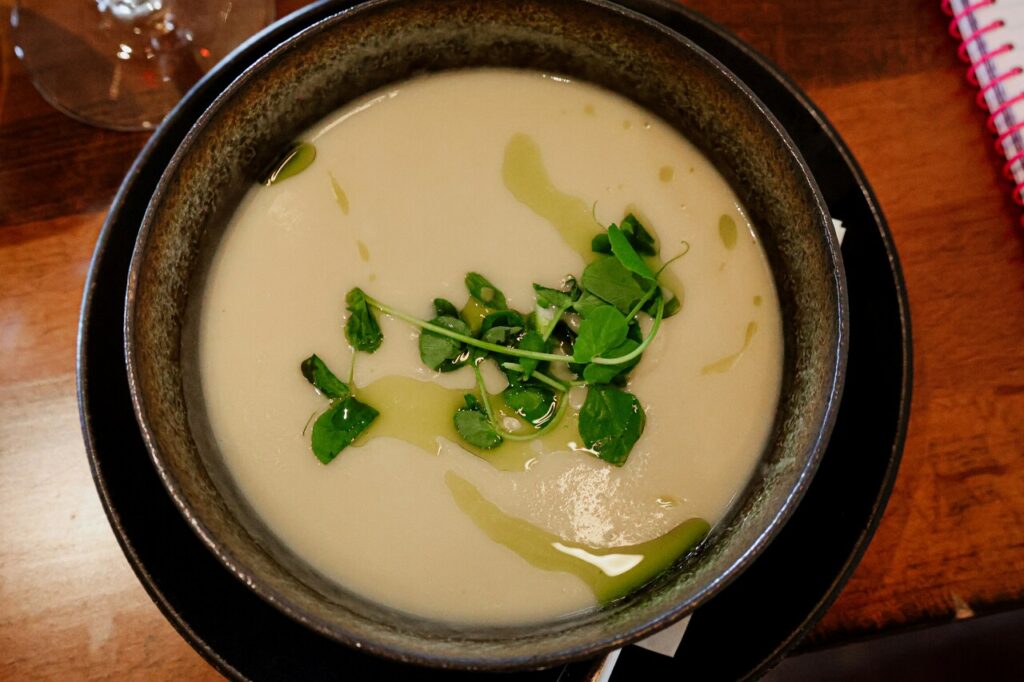
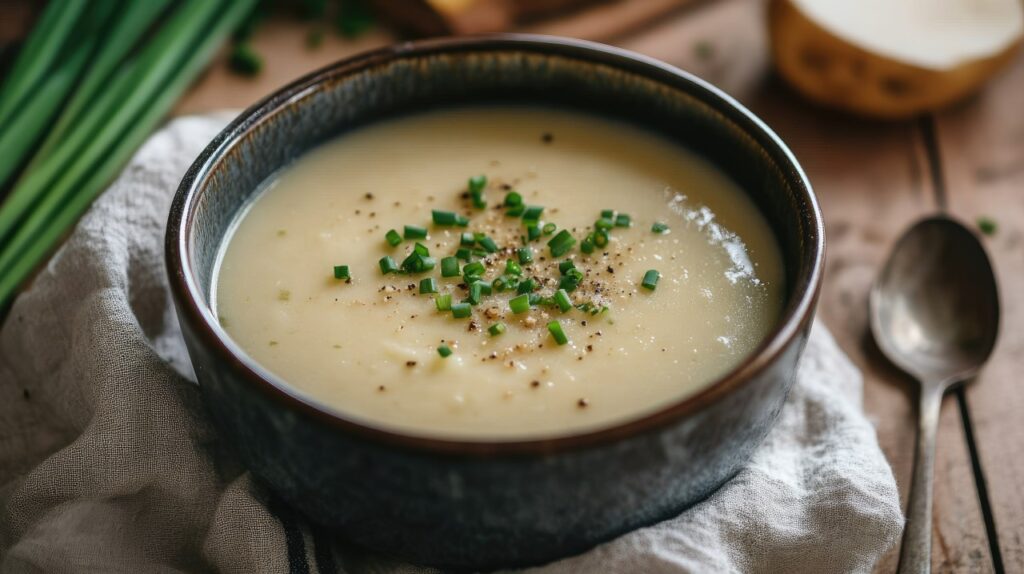
Potato leek soup relies on restraint and precision rather than complexity. Potatoes contain starch that thickens liquid when heated, creating a naturally silky texture without cream. Leeks add sweetness and mild onion flavor, but only when cleaned thoroughly and cooked slowly. Rushing this step leaves bitterness behind. Butter helps extract flavor from the leeks while adding richness. Once potatoes soften, blending creates a smooth consistency that feels luxurious. Water or simple stock works well because the ingredients are doing the flavor work themselves. Over-seasoning dulls the elegance, so salt should be added gradually.
3. Tomato Basil Soup
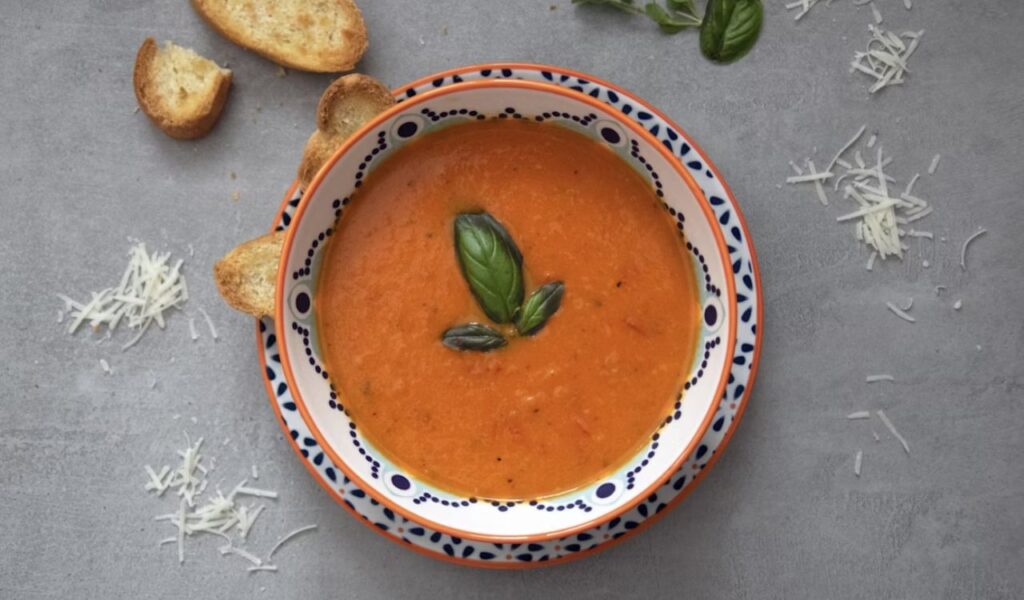
Tomato basil soup becomes sophisticated when acidity and fat are balanced carefully. Canned tomatoes are often more consistent than fresh and contain natural sugars that deepen when simmered. Cooking them down reduces harsh acidity and concentrates flavor. Butter or olive oil softens sharp edges and carries aroma across the palate. Basil is best added at the end to preserve its fresh, herbal quality. Blending creates a smooth body, while straining removes seeds for an even cleaner finish if desired. This soup feels elevated because it transforms a common pantry ingredient into something rounded, comforting, and intentional through time and temperature rather than added cost.
4. Classic Chicken Noodle Soup
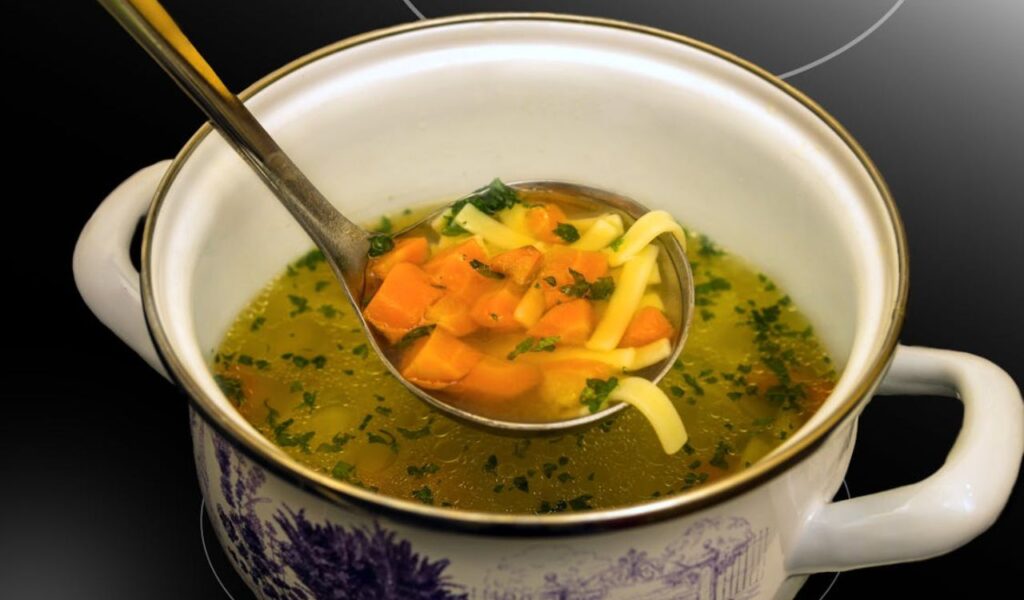
Chicken noodle soup tastes refined when the broth is treated with care. Using affordable cuts like thighs or drumsticks adds flavor because bones and connective tissue release gelatin during simmering. Starting with cold water and heating slowly produces a clear, clean broth. Aromatics such as onion, carrot, and celery build a subtle base without overpowering the chicken. Skimming impurities early keeps the soup light rather than greasy. Noodles are added near the end to avoid overcooking and clouding the broth. The final seasoning should be restrained, letting the chicken flavor remain forward.
5. Rustic Cabbage Soup
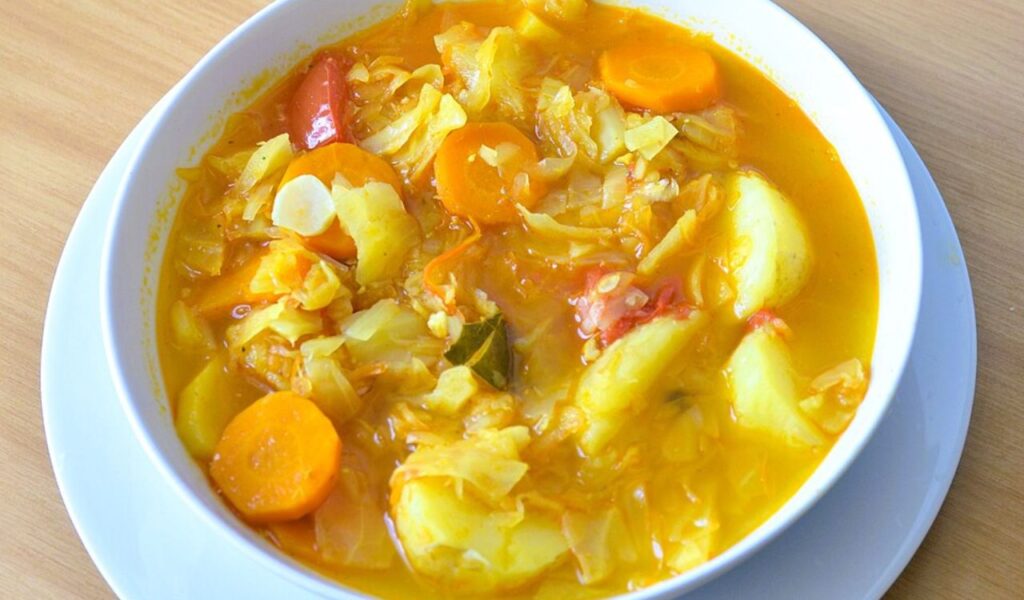
Cabbage soup feels elevated when cooked patiently. Cabbage contains natural sugars that develop sweetness as it softens. Sautéing onion and carrot first builds a base that supports the cabbage rather than competing with it. As the cabbage simmers, it releases water and thickens the broth slightly. Simple seasonings like garlic, pepper, and a touch of vinegar add dimension without masking the vegetable’s character. The soup becomes richer the longer it cooks, making it ideal for low and slow preparation. Its elegance comes from transformation. A humble vegetable becomes tender, aromatic, and satisfying through proper heat and timing alone.
6. Split Pea Soup
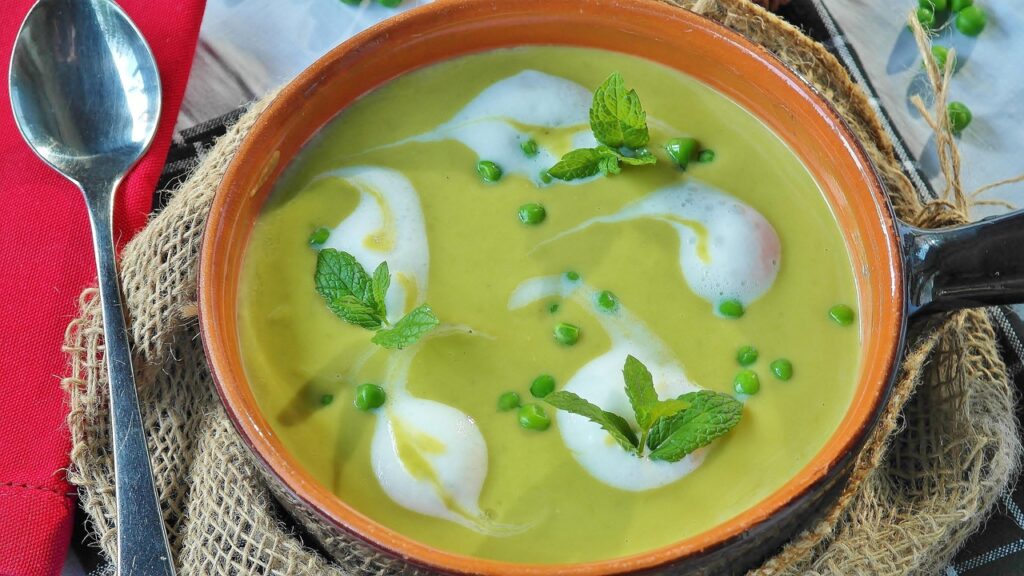
Split pea soup achieves richness without dairy by relying on starch and protein. As peas cook, they break down and thicken the soup naturally. Onion, garlic, and bay leaf create a savory backbone, while carrots add subtle sweetness. Slow simmering is essential. Rapid boiling can scorch peas and create uneven texture. Salt is added later to avoid toughening. Blending part of the soup enhances creaminess while keeping some texture intact. This soup tastes refined because it is cohesive and smooth, with depth built from patience rather than added fat. Its structure feels intentional and comforting rather than heavy.
7. White Bean and Rosemary Soup
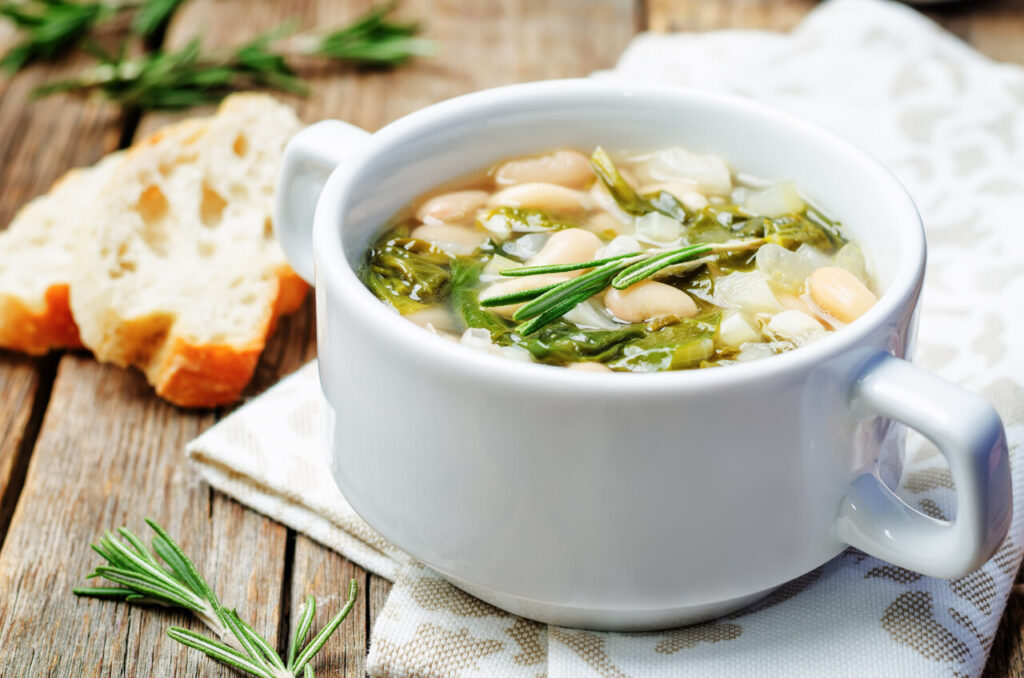
White bean soup feels sophisticated when beans are cooked until creamy but intact. Beans release starch as they simmer, thickening the broth naturally. Rosemary adds aroma, but must be used sparingly to avoid bitterness. Olive oil contributes body and carries herbal notes. Garlic is cooked gently to prevent harshness. Blending a portion of the beans creates a velvety texture while keeping the soup rustic. Salt and acid are balanced carefully to highlight the beans’ mild flavor. This soup feels fancy because it relies on aroma, texture, and restraint, turning pantry staples into something composed and restaurant-worthy.
8. Mushroom Barley Soup
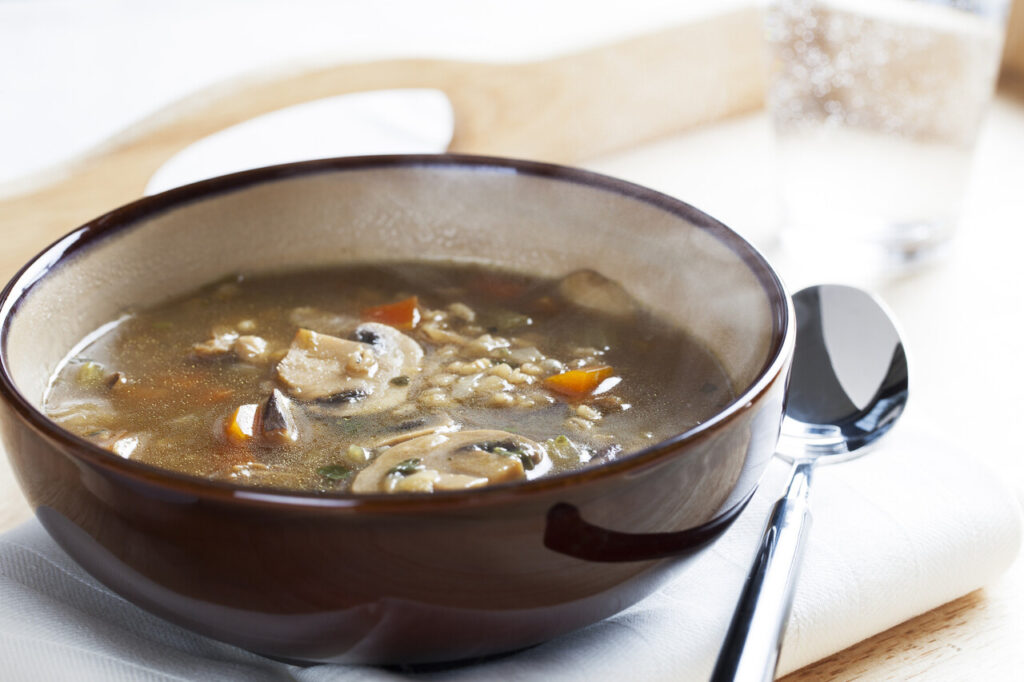
Mushroom barley soup gains depth from umami and texture contrast. Mushrooms release savory compounds when browned properly, which enrich the broth without meat. Barley absorbs liquid slowly and releases starch, creating a hearty yet refined body. Onions and garlic form a base that supports the earthiness of mushrooms. Slow simmering allows barley to soften while maintaining chew. Seasoning is layered gradually to avoid overpowering the delicate balance. This soup feels elevated because it delivers richness through natural glutamates and careful cooking rather than added fats or proteins. Letting the soup rest briefly before serving allows flavors to fully meld and deepen.
9. Carrot Ginger Soup
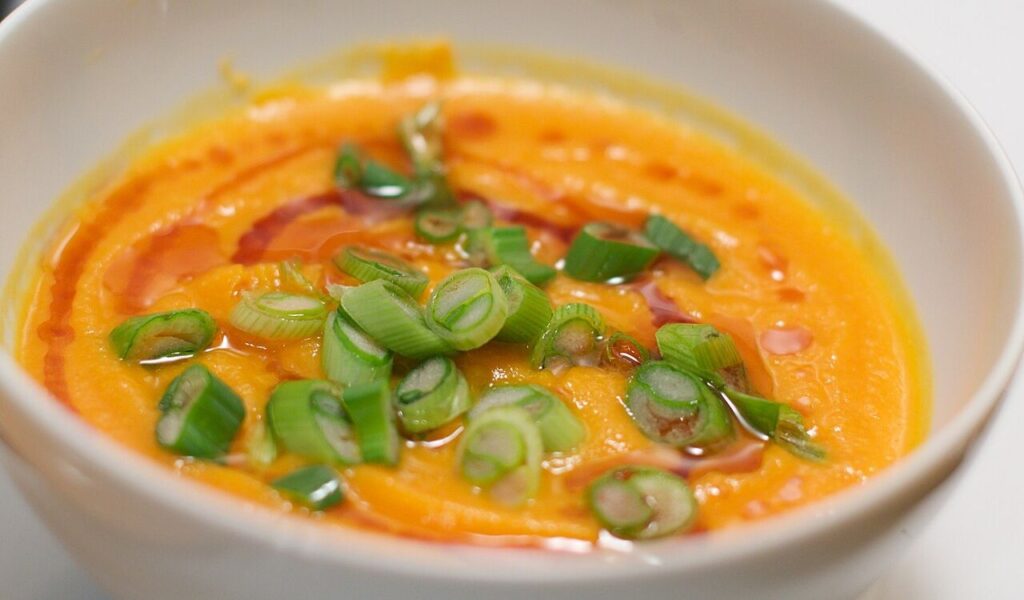
Carrot ginger soup tastes elegant when the sweetness and spice are controlled. Carrots become sweeter as they cook, especially when sautéed briefly before simmering. Ginger adds warmth and brightness but must be measured carefully to avoid dominance. Blending produces a smooth, vibrant texture that feels refined. A small amount of fat, such as butter or coconut milk, rounds out sharp edges without masking flavor. Acid added at the end enhances freshness. This soup feels fancy because of its clean flavor profile and vivid color, both achieved through proper technique rather than costly ingredients.
10. Minestrone Soup
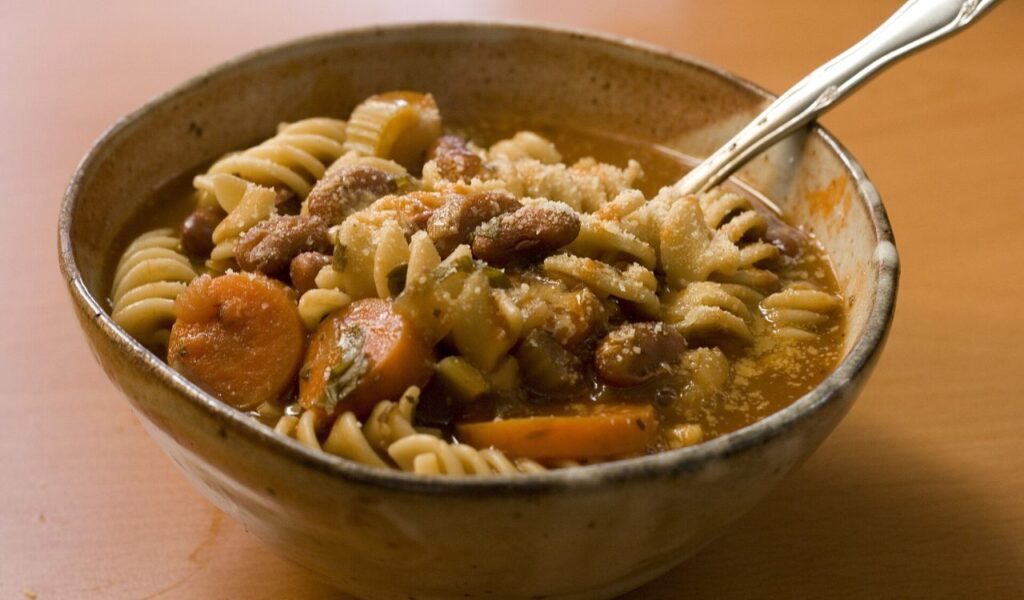
Minestrone feels sophisticated when built in stages. Aromatics are cooked first to develop flavor, followed by vegetables added according to density. Beans provide protein and starch, while pasta thickens the broth as it cooks. Using small pasta prevents heaviness and keeps the soup balanced. Herbs added in layers create depth rather than sharpness. The soup adapts to what is available, yet still feels composed when seasoning is controlled. What makes minestrone taste fancy is its structure. Each ingredient has a role, and nothing overwhelms the whole, resulting in a bowl that feels abundant yet thoughtfully assembled.