11 Korean Inspired Recipes That Taste Like Anything But Korean

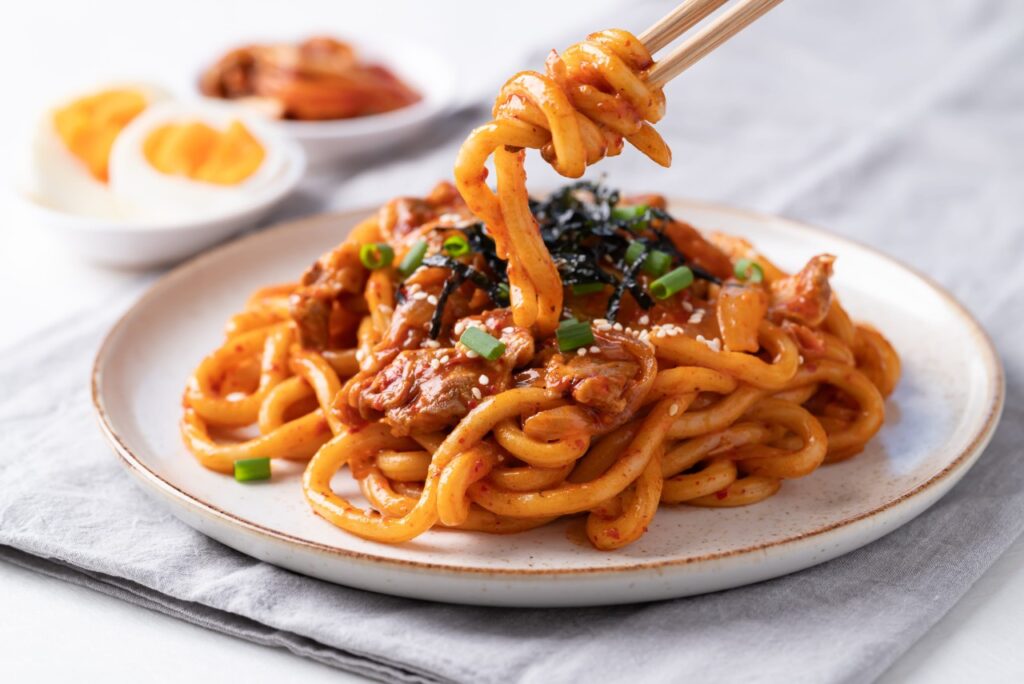
Korean flavors have a way of sneaking into dishes you already love, quietly transforming them without announcing themselves. A spoonful of gochujang, a touch of kimchi, or a Korean-style glaze can add depth, warmth, and richness while still feeling familiar. These recipes borrow techniques and ingredients, not tradition or structure. The results taste comforting, playful, and unexpected, often closer to classic comfort food or modern fusion than anything traditionally Korean. They surprise people at the table, sparking curiosity without challenging comfort. Familiar formats lead the way, while Korean inspiration works behind the scenes to deepen flavor and create something new.
1. Gochujang Honey Chicken
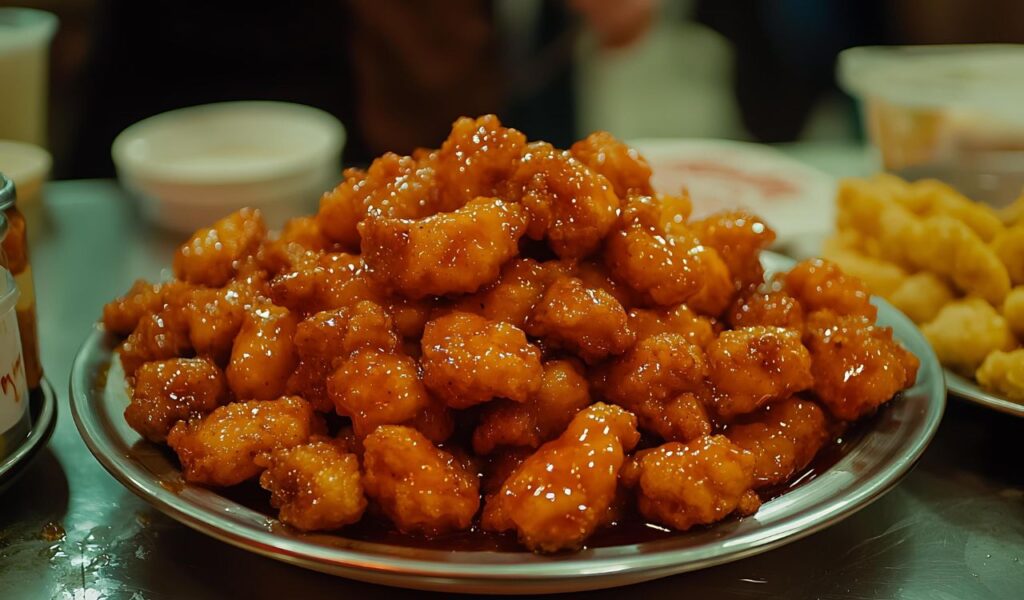
This dish works because it softens gochujang’s fermented intensity into something broadly familiar. Gochujang brings chili heat, salt, and umami, but honey shifts the balance toward sweetness, creating a glaze that behaves more like a classic sticky chicken sauce than a Korean staple. As the sauce cooks, sugars caramelize and thicken, coating the chicken evenly and producing a glossy finish. Chicken thighs or wings work best because their higher fat content prevents dryness under heat. The result tastes closer to comfort-style glazed chicken than traditional Korean fare. The fermentation note becomes subtle, functioning as background depth rather than a defining flavor.
2. Kimchi Grilled Cheese

This sandwich succeeds because butter and melted cheese dominate the sensory experience. Kimchi is acidic, fermented, and pungent on its own, but grilling changes its role entirely. Heat softens its sharpness, while fat from cheese and butter mutes its bite. The bread crisps and browns, creating familiar grilled cheese aromas that take over the palate. Kimchi adds texture and tang rather than defining flavor. The end result tastes like an upgraded comfort sandwich, not a traditional Korean dish. Cheese provides salt and richness, bread adds crunch, and kimchi functions like a bold condiment. It appeals most to people who enjoy familiar flavors with just a hint of edge.
3. Bulgogi Beef Tacos
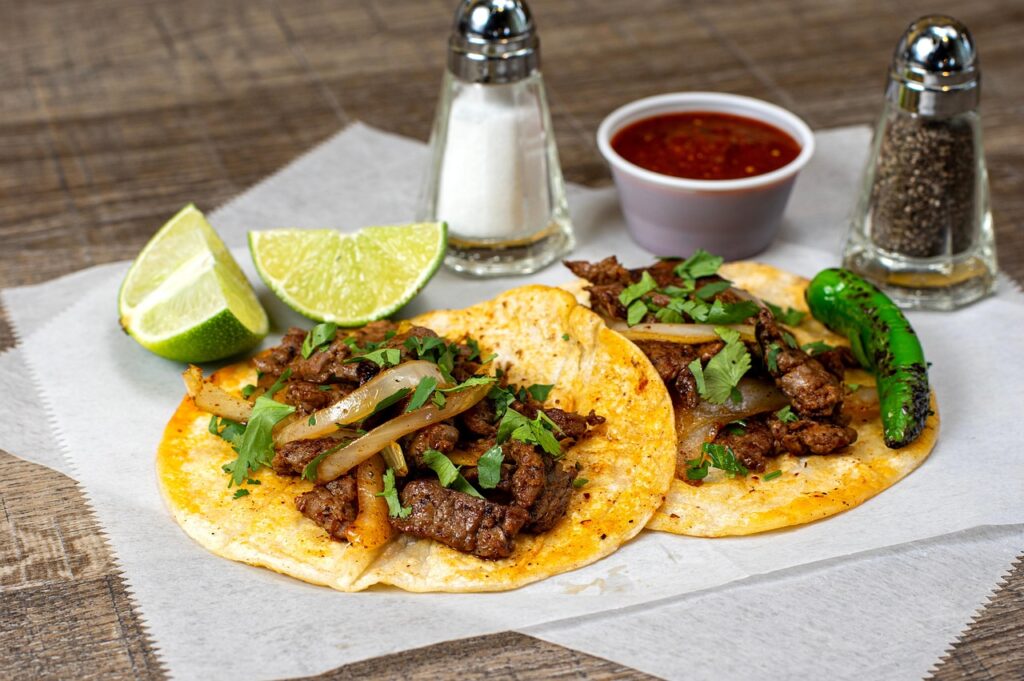
These tacos move away from Korean identity because format and freshness lead the experience. Bulgogi-style marinade adds sweetness and umami to the beef, but tortillas, raw vegetables, and salsa reshape how that flavor is perceived. The beef cooks quickly and caramelizes, but once tucked into a taco, it reads more like seasoned street meat than Korean barbecue. Fresh toppings add acidity and crunch, shifting focus away from marinade complexity. The result feels closer to fusion street food than traditional Korean dining. Texture contrast and handheld convenience dominate, making the dish approachable and familiar.
4. Gochujang Mac and Cheese
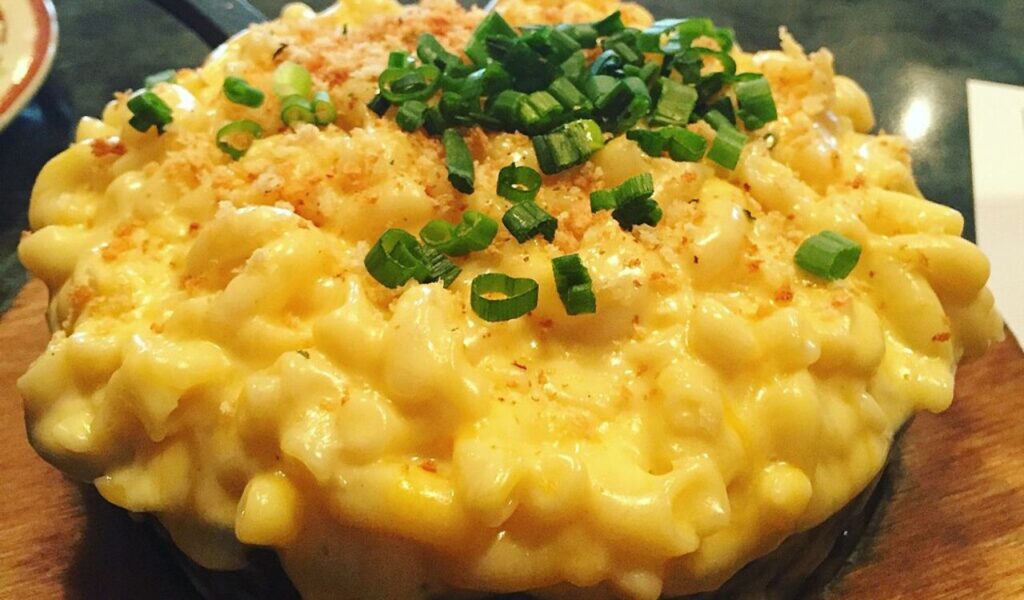
Mac and cheese remains firmly in comfort food territory, even with gochujang added. Cream, butter, and cheese establish richness first, coating the palate and softening spice. Gochujang blends into the sauce, contributing color and subtle warmth rather than fermented punch. Because dairy tempers heat and acidity, the chili paste becomes mellow and rounded. Pasta absorbs the sauce evenly, distributing flavor without intensity. The dish tastes indulgent and familiar, with savory depth underneath. It does not resemble Korean cuisine in structure or balance. Instead, gochujang functions like a seasoning twist, similar to adding mustard or paprika, enhancing a classic.
5. Korean BBQ Sloppy Joes
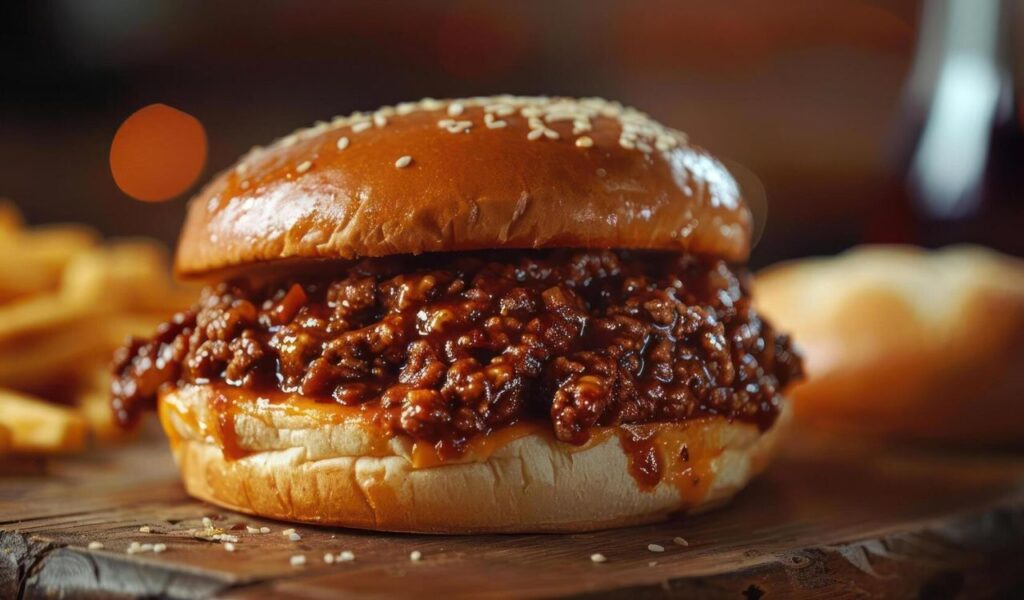
This recipe feels nontraditional because the sandwich format defines the experience. Ground meat cooked in a sweet savory sauce resembles classic sloppy joes regardless of seasoning origin. Korean-style sauces replace ketchup and brown sugar, but the texture and delivery remain unchanged. Soft buns absorb sauce, making sweetness and richness more prominent than spice or fermentation. The meat mixture stays loose and spoonable, reinforcing comfort food expectations. The flavor reads as bold and smoky, but familiar. It adapts Korean-inspired flavors to an American structure, which is why it feels playful rather than culturally specific.
6. Kimchi Fried Rice Arancini

Frying transforms kimchi fried rice into something entirely different. Once rice is formed into balls, breaded, and fried, crispness becomes the defining feature. Cheese added to the center further shifts the flavor toward Italian comfort food. Heat dulls kimchi’s sharpness, while frying masks fermentation with fat and crunch. The rice interior becomes mild and creamy compared to traditional kimchi fried rice. The experience is driven by texture contrast rather than spice or acidity. Served with dipping sauce, these bites feel like party snacks rather than a rice dish. Kimchi becomes an accent, not a central identity, which is why the result tastes globally familiar.
7. Gochujang Glazed Meatballs
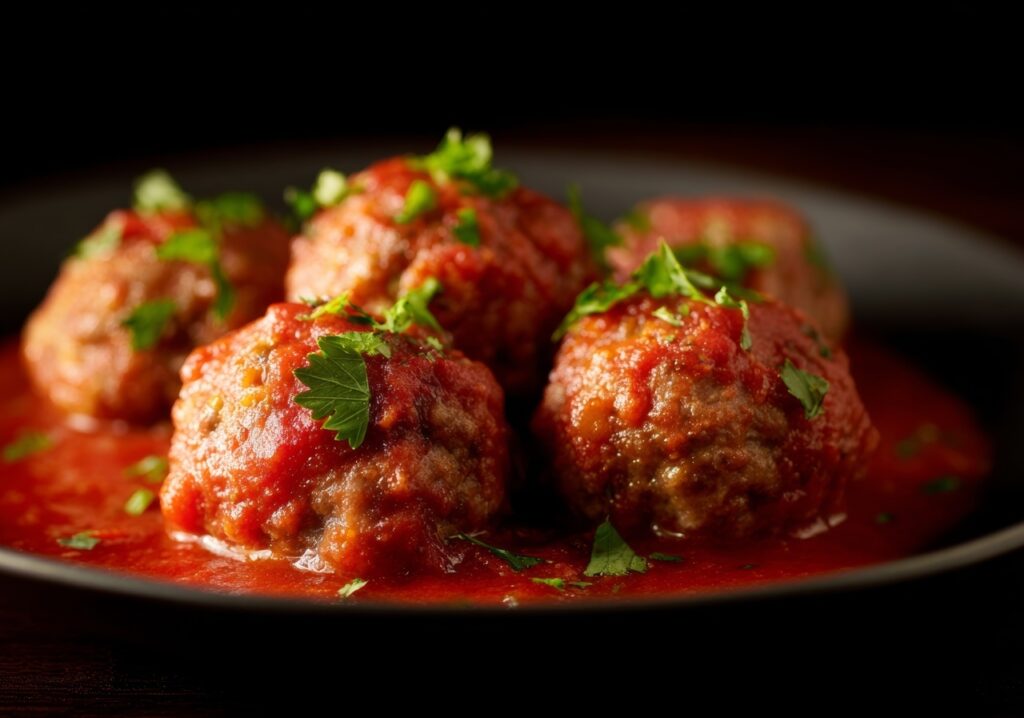
Meatballs have a strong identity that overrides many sauces. Their tender interior and browned exterior set expectations before flavor even registers. Gochujang glaze behaves like a sweet spicy barbecue sauce once heated, losing some fermented sharpness. Sugar and fat smooth out intensity, creating a sticky coating that clings to the meat. Served as appetizers or over pasta, these meatballs feel versatile and crowd-friendly. The flavor profile leans savory sweet with mild heat. Nothing about the structure signals Korean cuisine. Instead, gochujang functions as a flavor enhancer within a universally recognizable format, making the dish feel more modern fusion than traditional.
8. Korean-Inspired Caesar Salad
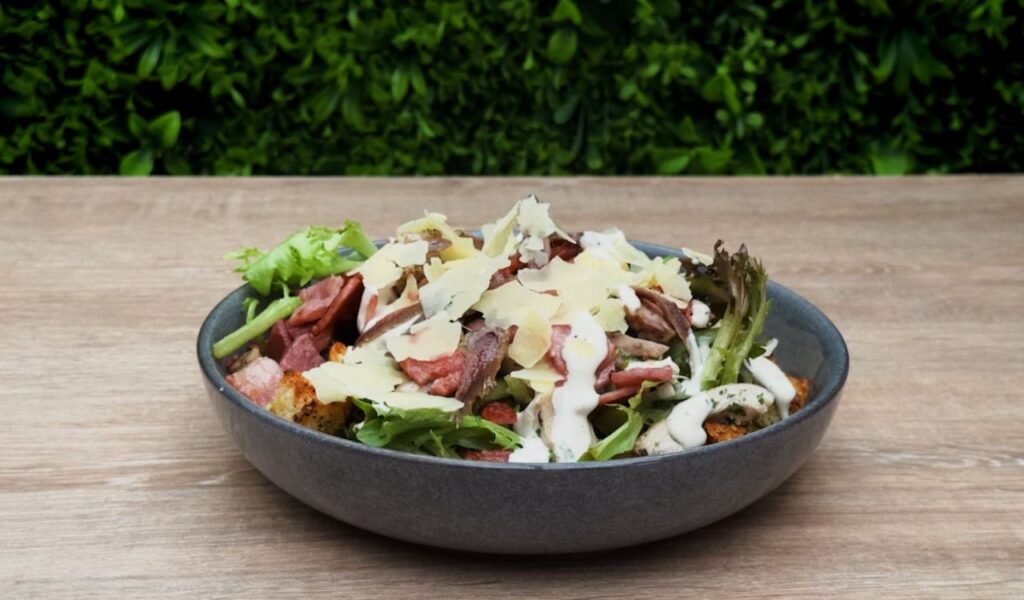
This salad tastes familiar because classic Caesar elements remain dominant. Parmesan, lemon, garlic, and anchovy define the dressing’s core profile. When gochujang is added, it deepens the color and adds mild warmth without replacing those flavors. Creaminess and acidity stay front and center. Romaine provides crunch, and croutons reinforce texture. The result feels like a contemporary Caesar variation rather than a Korean dish. Gochujang works quietly, similar to adding chili paste or hot sauce. The salad structure, balance, and eating experience remain Western, which keeps the flavor recognizable and approachable to a wide audience.
9. Kimchi Cream Pasta
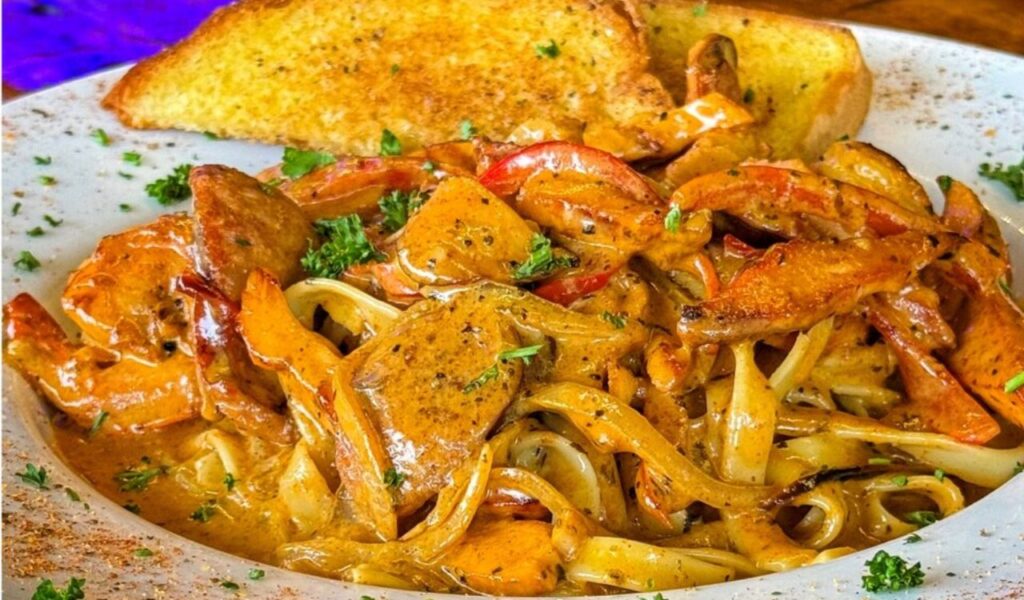
Cream sauce neutralizes kimchi’s defining traits. Dairy coats the palate, softening acidity and fermentation. Pasta absorbs the sauce evenly, creating a mild, cohesive flavor rather than a sharp contrast. Heat reduces kimchi’s bite, while butter and cream emphasize richness. The dish eats like comfort pasta first, with kimchi contributing gentle tang in the background. Texture becomes smooth and familiar, lacking the brightness typical of Korean meals. The final result resembles a bold cream pasta more than a cultural crossover. Kimchi serves as a flavor layer, not a centerpiece, which is why the dish feels comforting and accessible.
10. Gochujang Roasted Vegetables
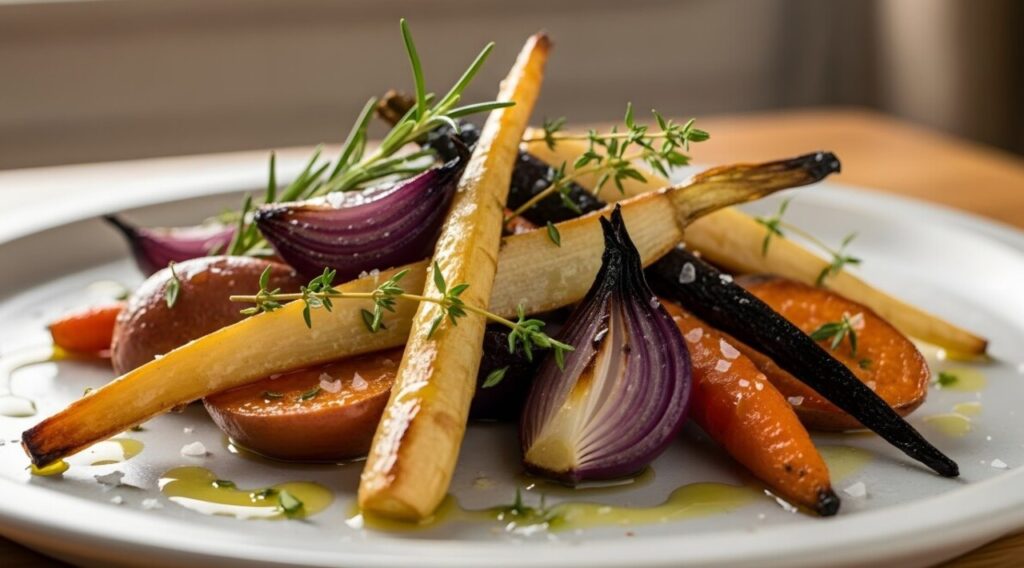
High heat changes everything about how gochujang behaves. When used as a coating, it caramelizes rather than ferments. Vegetables roast, brown, and develop sweetness, which dominates the flavor profile. Gochujang adds salt, color, and mild spice but loses its sharp edges. The taste becomes similar to spiced roasted vegetables found across many cuisines. Texture and caramelization lead the experience. Served as a side dish, it feels modern and versatile rather than tied to Korean tradition. The technique transforms gochujang into a seasoning rather than a cultural marker. This makes the dish easy to pair with almost any main course without clashing flavors.
11. Korean-Inspired Fried Chicken Sandwich

The sandwich format controls the experience from the first bite. Crunchy fried chicken, soft buns, and creamy sauces define texture and flavor. Korean-style sauce adds sweetness and heat, but breading and frying dominate. Fermented notes fade behind fat and crunch. Slaw or pickles add freshness similar to classic fried chicken sandwiches. The overall impression is indulgent and familiar. It tastes like a gourmet sandwich with a bold sauce rather than a Korean dish. Gochujang or chili paste functions as flair, not foundation, which keeps the dish accessible and universally appealing. It feels designed for comfort and indulgence rather than cultural specificity.