10 Garlic Cooking Mistakes Chefs Say to Avoid

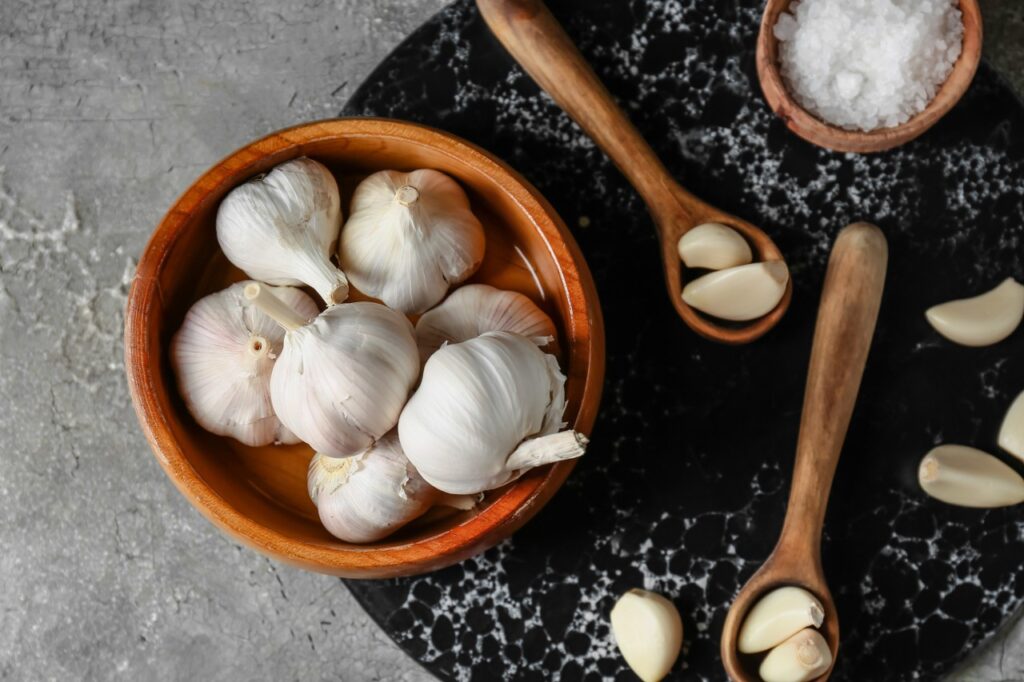
Garlic shows up in nearly every cuisine, yet it is one of the most misunderstood ingredients in everyday cooking. A single clove can add warmth, depth, and aroma, but one wrong move can turn it bitter, harsh, or flat. Many garlic mistakes happen quietly, without obvious signs, until the dish tastes off and it is hard to pinpoint why. Heat level, timing, cut size, and even freshness all play a role in how garlic behaves in the pan. Chefs treat garlic with care because they know it reacts quickly and carries flavor far. Understanding how garlic changes as it cooks helps home cooks avoid common pitfalls and use it with confidence.
1. Burning Garlic Over High Heat
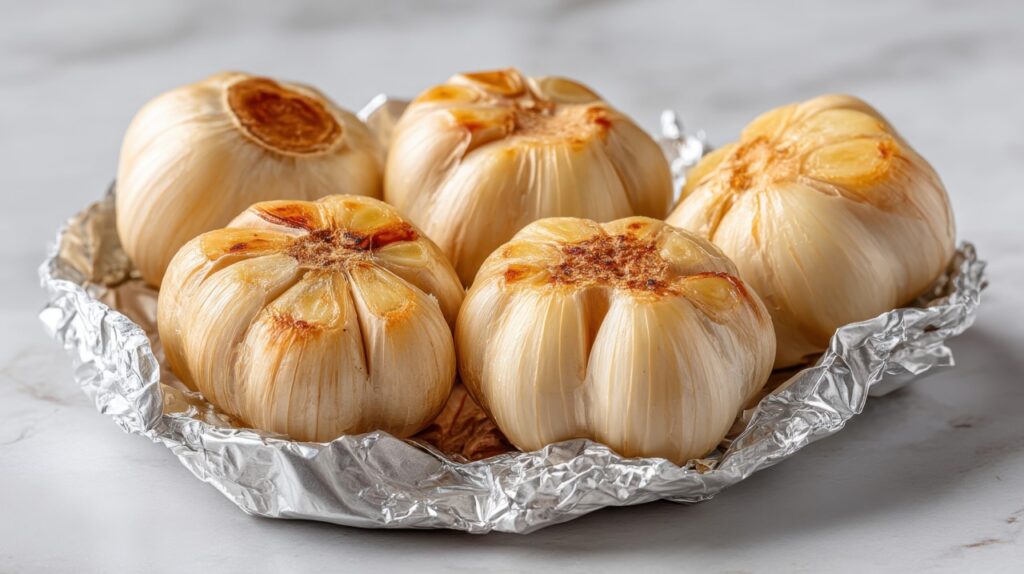
Garlic reacts to heat faster than most ingredients, which is why chefs warn against cooking it over high heat. The natural sugars in garlic brown quickly, and once they pass a light golden stage, they turn bitter. That bitterness spreads through oil, sauces, and proteins, making the entire dish taste harsh. Burnt garlic cannot be corrected later with salt, acid, or sweetness. Professional cooks keep the heat moderate so garlic can release aroma slowly and evenly. When garlic gently sizzles, it develops nutty depth instead of sharpness. The goal is fragrance, not color. Watching garlic closely and lowering the heat early prevents a mistake home cooks make when chasing speed instead of control.
2. Adding Garlic Too Early in the Cooking Process
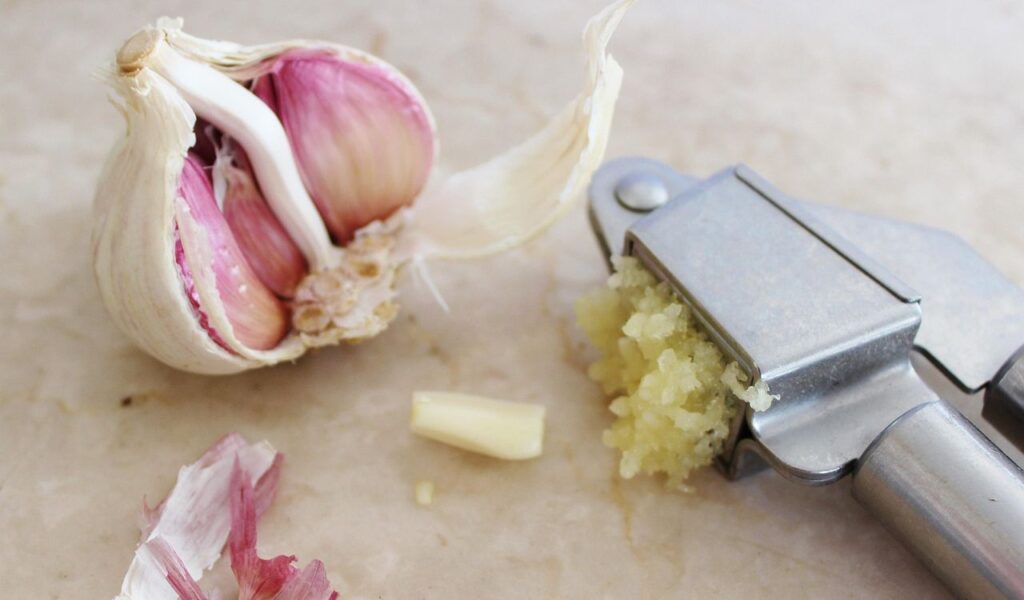
Garlic does not benefit from long cooking the way onions or carrots do. When added too early, it continues cooking while other ingredients soften, causing its flavor to fade or turn bitter. Chefs usually wait until onions or vegetables have released moisture before adding garlic. This gives garlic a short cooking window where it blooms in oil without breaking down. In slow-cooked dishes, garlic is often added later or left in larger pieces to protect flavor. Proper timing keeps garlic present but balanced. Adding it at the right moment ensures aroma stays bright and integrated instead of disappearing into the background or overpowering the dish.
3. Using Old or Sprouted Garlic
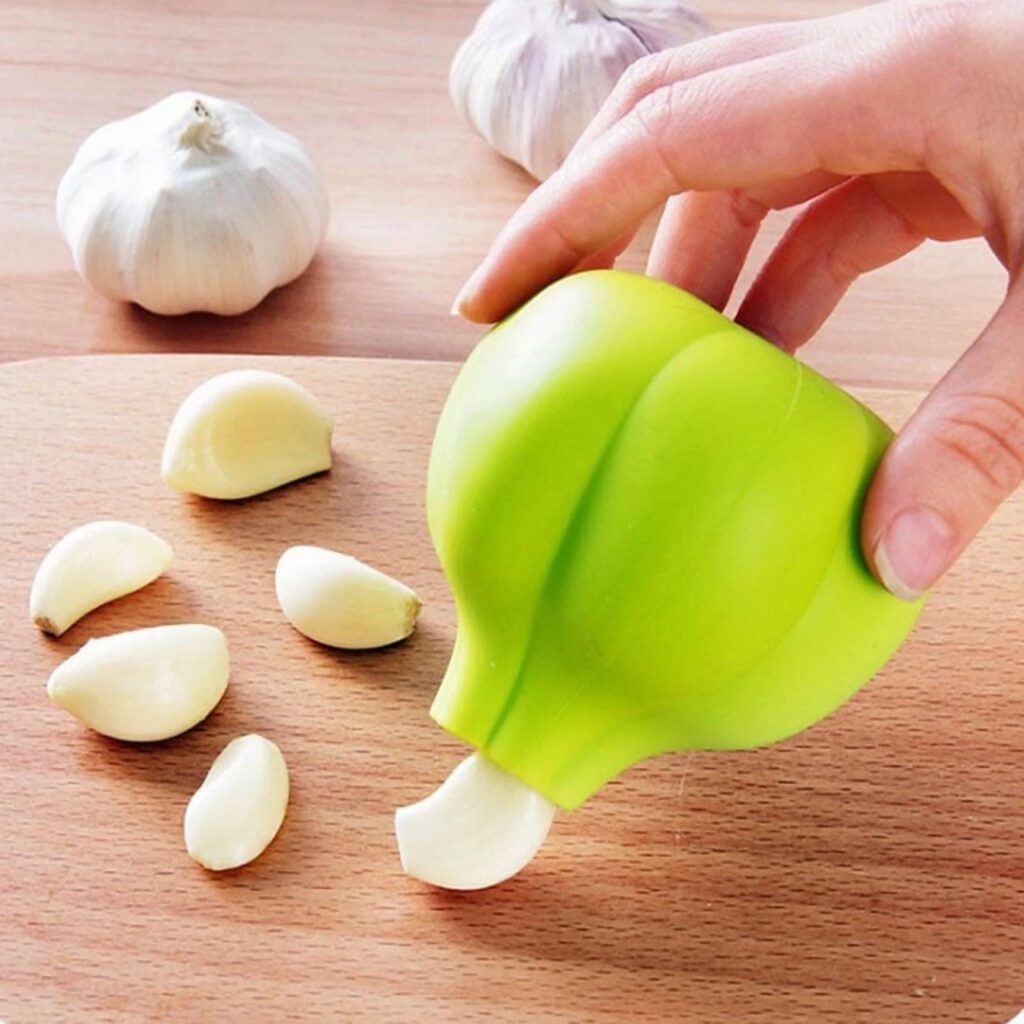
Fresh garlic has firm cloves and a clean, sharp aroma that cooks evenly. As garlic ages, it dries out and often sprouts a green shoot in the center. That sprout carries bitterness that becomes more noticeable when cooked. Old garlic also browns unevenly because it lacks moisture, increasing the risk of scorching. Chefs prefer fresh bulbs because they deliver sweetness, depth, and consistency. While sprouted garlic can be trimmed and used in emergencies, it rarely performs as well. Using fresh garlic improves both flavor and texture, especially in recipes where garlic plays a leading role rather than a background note.
4. Crushing Garlic Too Far Ahead of Time
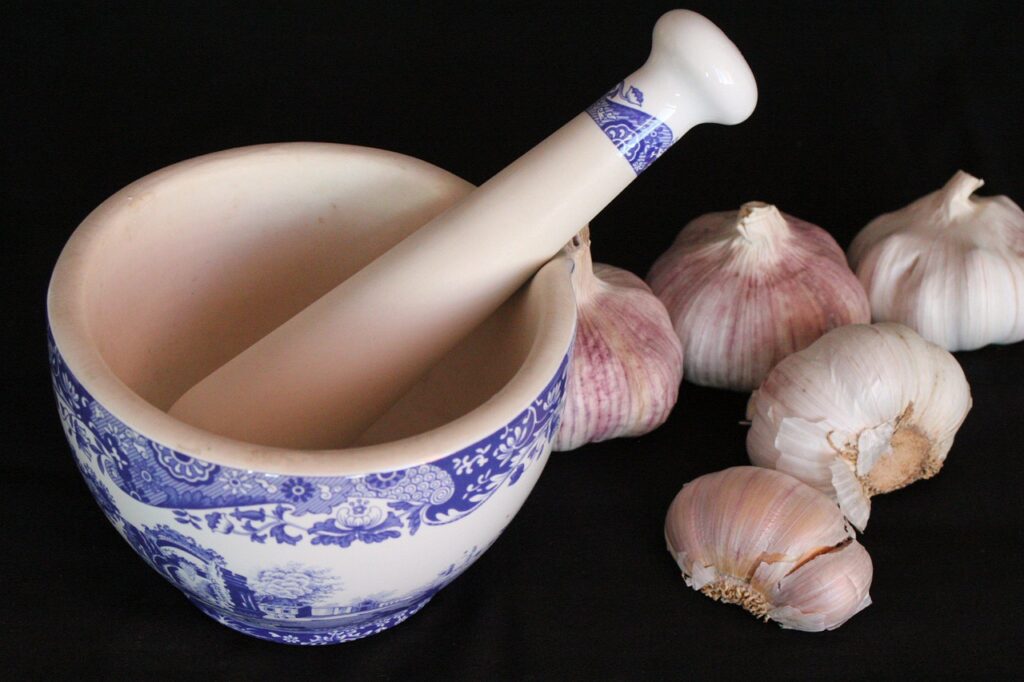
Once garlic is crushed or chopped, chemical reactions begin immediately. These reactions intensify sharp sulfur compounds, which can make garlic harsh if it sits too long before cooking. Pre-crushed garlic also oxidizes, losing freshness and balance. Chefs usually prepare garlic close to cooking time to control intensity. If garlic must rest briefly, keeping cloves whole or lightly smashed slows flavor changes. Timing prep correctly helps garlic taste rounded rather than aggressive. This small adjustment makes a noticeable difference, especially in dishes with delicate flavors where overly sharp garlic can dominate instead of support.
5. Overusing Garlic and Overpowering the Dish
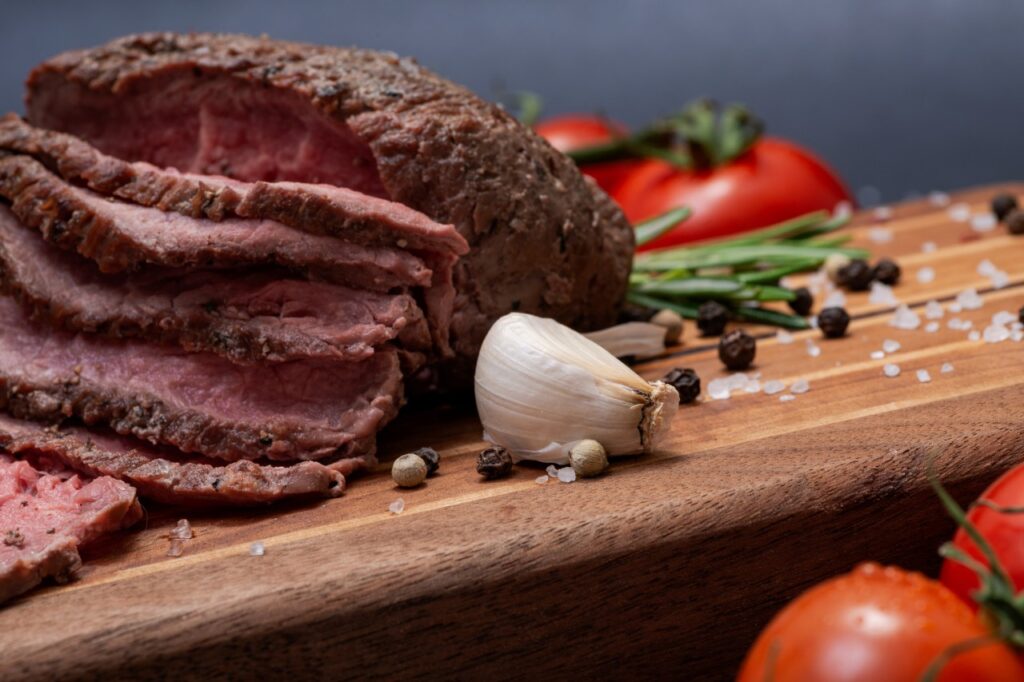
Garlic is powerful, and more is not always better. Too much garlic can mask herbs, vegetables, and proteins, leaving a dish one-dimensional. Chefs think about garlic as part of a system that includes fat, acid, and seasoning. Different cuisines use garlic in varying amounts, from subtle warmth to bold presence. Adding garlic gradually and tasting as you go helps prevent overload. When garlic overwhelms, it often leaves a lingering sharpness that tires the palate. Balance allows garlic to enhance complexity rather than become the only thing people remember after the meal. Using restraint also makes it easier to appreciate how garlic interacts with other ingredients instead of competing.
6. Cooking Garlic Straight from Cold Oil
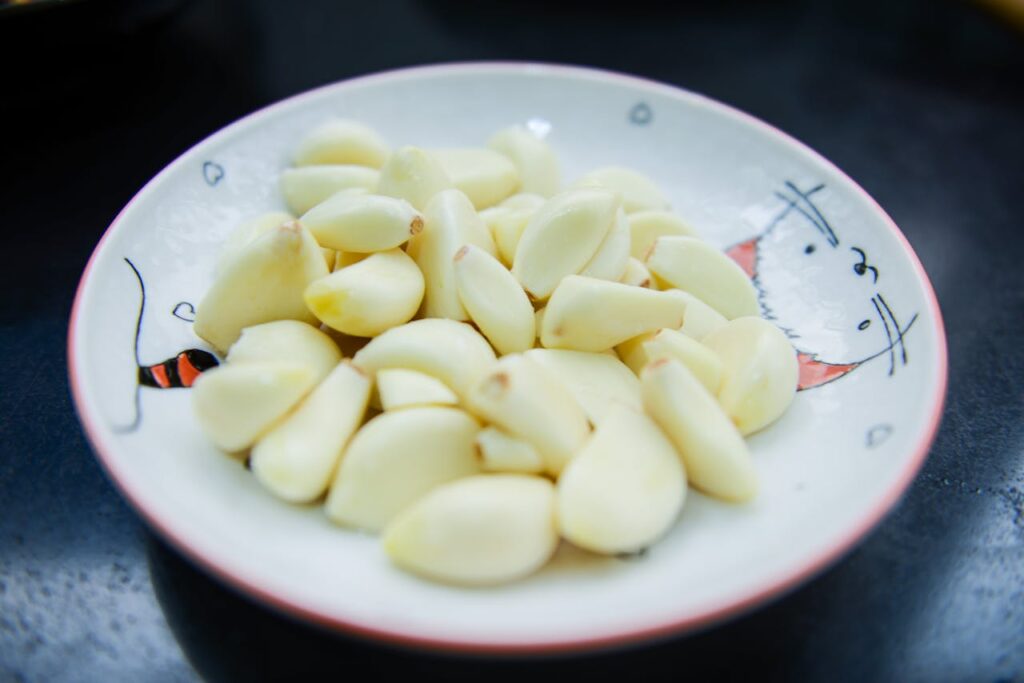
Starting garlic in cold oil seems gentle, but it often causes uneven cooking. As oil heats slowly, garlic releases moisture and sits too long before sizzling, which can lead to bitterness. Chefs usually heat oil first, then add garlic once it is warm but not smoking. This creates immediate, gentle sizzling that activates aroma without soaking or scorching. Proper oil temperature helps garlic bloom quickly and evenly. That short, controlled cook brings out sweetness and depth. Managing oil heat is a simple step that dramatically improves garlic’s final flavor. It also gives cooks clearer visual cues, making it easier to remove garlic at the right moment.
7. Skipping Salt When Cooking Garlic
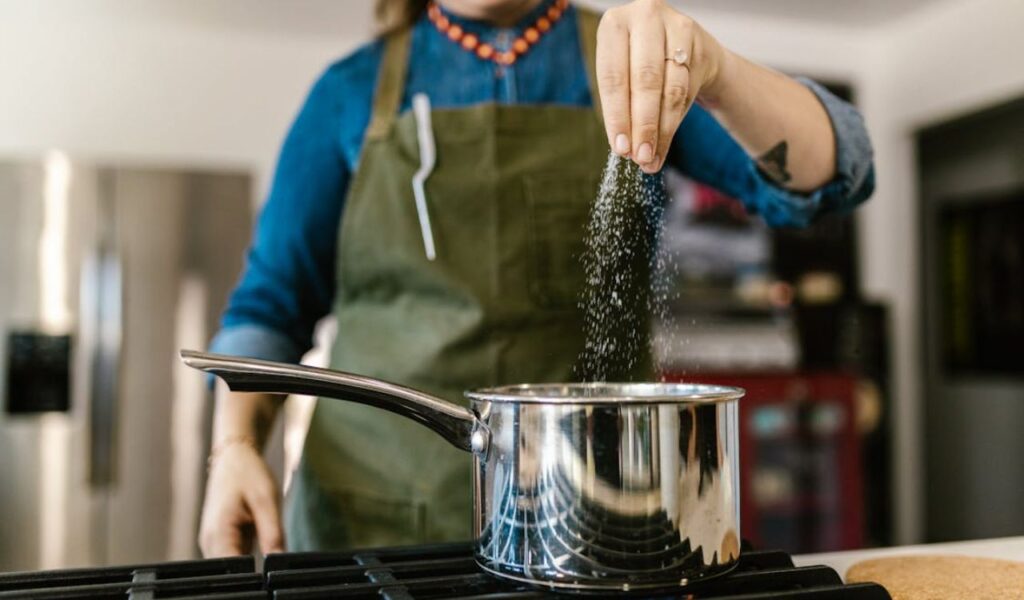
Salt does more than season garlic. It draws out moisture, helping garlic cook evenly and preventing scorching. Without salt, garlic can brown unpredictably and taste flat. Chefs add a small pinch early so garlic integrates smoothly with oil and other ingredients. Salt also enhances garlic’s natural sweetness once cooked. Used correctly, it supports aroma rather than making the dish salty. This early seasoning step improves texture, color, and flavor development. Garlic cooked with proper seasoning tastes fuller and more rounded than garlic added without salt. Even a minimal amount of salt can significantly improve how garlic behaves in the pan.
8. Using Jarred Garlic Instead of Fresh
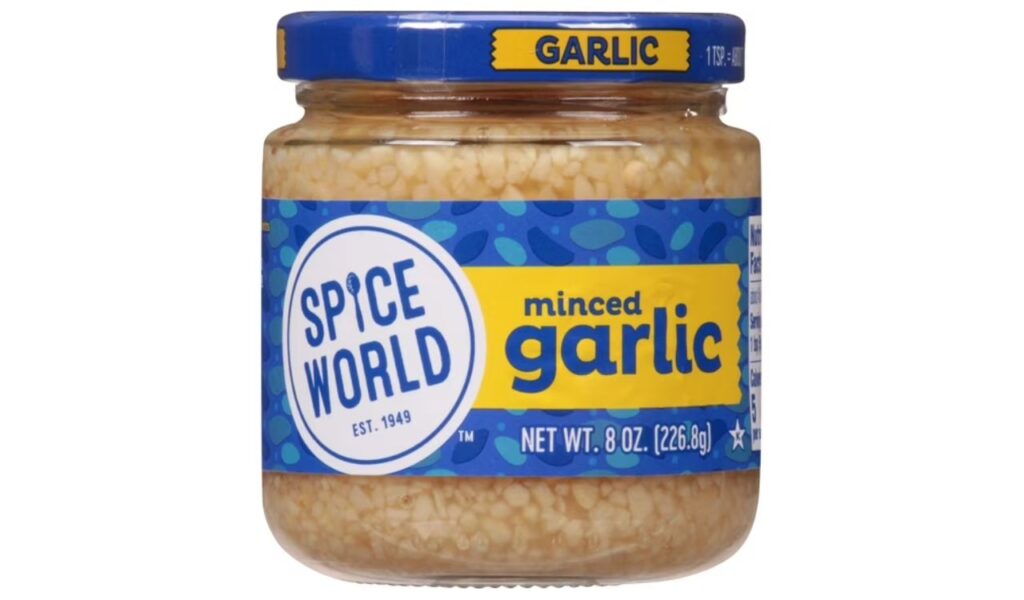
Jarred garlic is convenient, but it undergoes processing that alters flavor and texture. Preservatives dull the aroma and introduce sour or metallic notes. Jarred garlic also browns poorly, often burning or turning mushy. Chefs prefer fresh garlic because it offers control over intensity and cut size. Fresh cloves can be sliced, minced, or smashed depending on the recipe. That flexibility allows garlic to behave correctly in different cooking methods. While jarred garlic saves time, it sacrifices depth and reliability, making fresh garlic the better choice for most dishes. Fresh garlic also responds more predictably to heat, reducing the risk of bitterness.
9. Not Adjusting Garlic Form for the Recipe
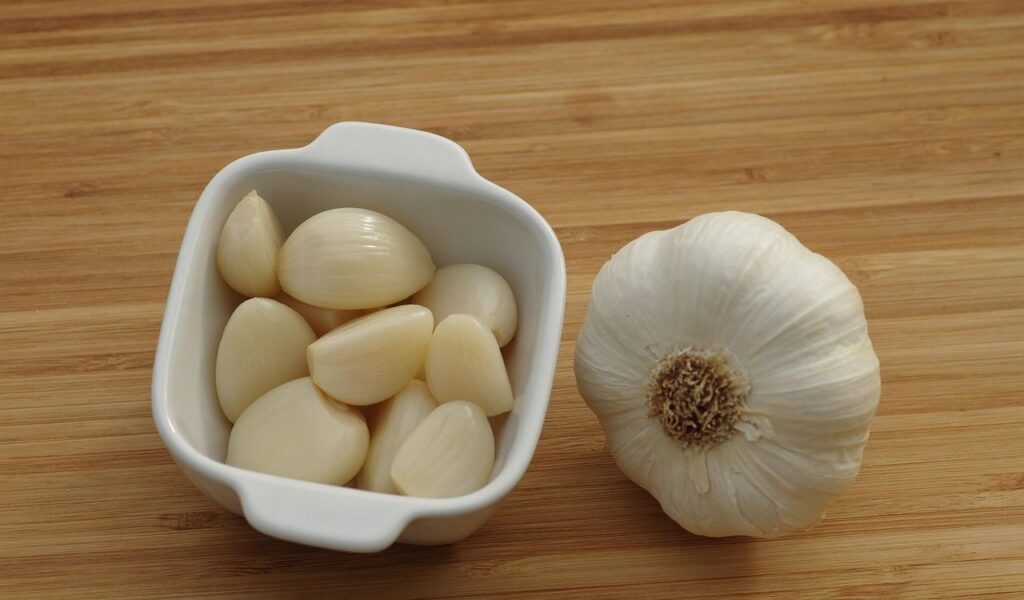
How garlic is cut directly affects how it tastes. Finely minced garlic releases strong compounds quickly, while sliced or whole cloves cook gently and sweetly. Using the wrong form can overwhelm or underdeliver flavor. Chefs choose the cut based on cooking time and desired intensity. Long-simmered dishes benefit from whole cloves, while quick sautés work best with minced garlic. Matching the cut to the method ensures garlic integrates properly. This small decision separates balanced dishes from ones where garlic feels misplaced or harsh. Choosing the right cut helps garlic complement the dish rather than dominate it.
10. Forgetting That Raw and Cooked Garlic Taste Very Different
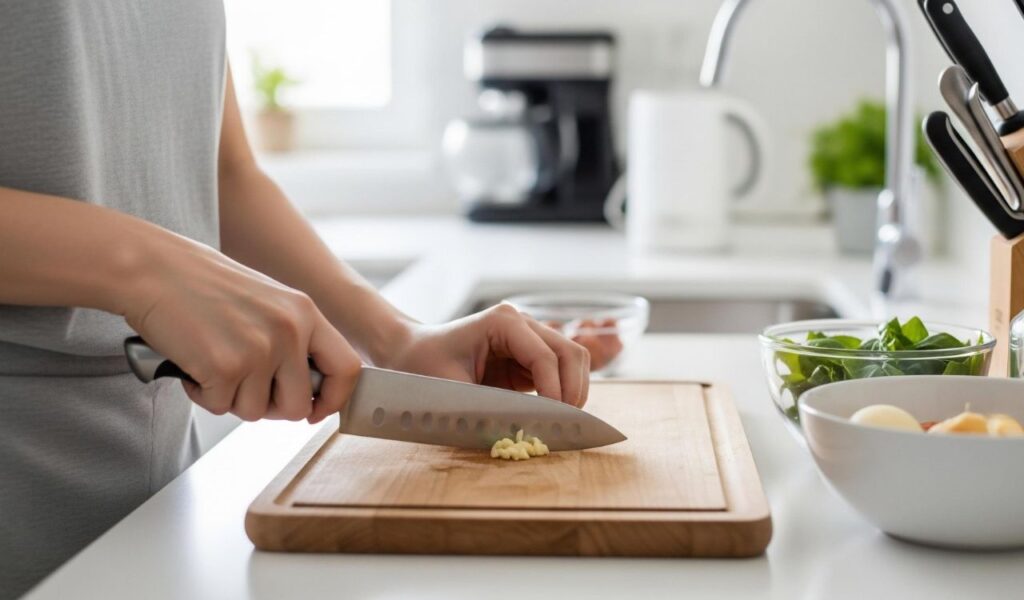
Raw garlic is sharp, spicy, and aggressive, while cooked garlic becomes mellow and sweet. Treating them as interchangeable is a common mistake. Chefs understand that raw garlic should be used sparingly and intentionally. In cooked dishes, garlic transforms through heat into something richer and more complex. Knowing which form the recipe requires prevents harsh surprises. Respecting garlic’s transformation is essential for proper seasoning. Using raw and cooked garlic appropriately ensures flavor feels intentional rather than accidental. Recognizing this difference allows cooks to choose garlic forms with confidence instead of guesswork.