The Truth About Truffle Oil and How It Became Cheap Perfume on Fries

Truffle oil’s rise from niche ingredient to a kitchen staple was surprisingly swift. In the late 20th century, chefs began experimenting with truffle aroma as a way to impart luxurious notes without the expense of real truffles. The early adopters were high-end restaurants seeking to evoke opulence in small touches. Over time, this practice trickled down into casual dining, gastropubs, and even food trucks. An ingredient once associated with seasonal delicacy became a symbol of elevated cuisine. Restaurants discovered that diners responded strongly to the word “truffle.” The scent created an instant perception of indulgence.
Part of the appeal for chefs and restaurateurs was predictability. Real truffles vary in availability, quality, and cost, making them impractical for consistent menu use. Truffle oil, in contrast, offered a stable, affordable alternative that could be stocked year-round. Its strong scent worked in small doses to signal “truffle” to diners without requiring costly ingredients. This reliability made it particularly attractive in fast-paced kitchens where consistency matters. The oil could be drizzled just before serving. It required no special storage conditions. It fit easily into existing prep routines.
Marketing also played a role. As food culture embraced artisan trends and ingredient stories, truffle oil became shorthand for gourmet flair. Menus labeled with “truffle oil” seemed instantly elevated in diners’ minds. It became common to see the oil drizzled on fries, pizzas, pastas, and even eggs. The association between truffle scent and luxury allowed restaurants to charge premium prices even when the true ingredient value was minimal. Social media amplified this trend. Photos of glossy fries labeled “truffle” spread quickly. The aroma became a branding tool as much as a flavor. Over time, repetition made the scent familiar rather than rare.
Criticism From Culinary Purists
Culinary experts who prioritize ingredient integrity often view truffle oil with skepticism. They argue that the synthetic aroma oversimplifies what makes truffles valuable in the first place. Rather than enhancing delicate flavors, truffle oil’s concentrated scent can overwhelm other components of a dish. This criticism stems from a deeper philosophy about how ingredients should interact in cooking, where balance and complexity matter more than singular sensory hits. Purists see cooking as composition, not exaggeration. They value restraint over intensity. Truffle oil often disrupts that balance.
Many chefs point out that truffle oil rarely tastes like real truffles, despite its familiar scent. Because the synthetic molecules used in most products highlight one note of truffle aroma, the result can seem flat or even artificial. This narrow sensory profile contrasts sharply with the layered experience offered by fresh truffles, which evolve as they warm in a dish and interact with fats, salts, and other flavors. Chefs who cook with real truffles emphasize texture and aroma synergy, aspects absent in many commercial oils. Real truffles integrate gradually. Their aroma blooms softly. Oil tends to sit on top of a dish instead.
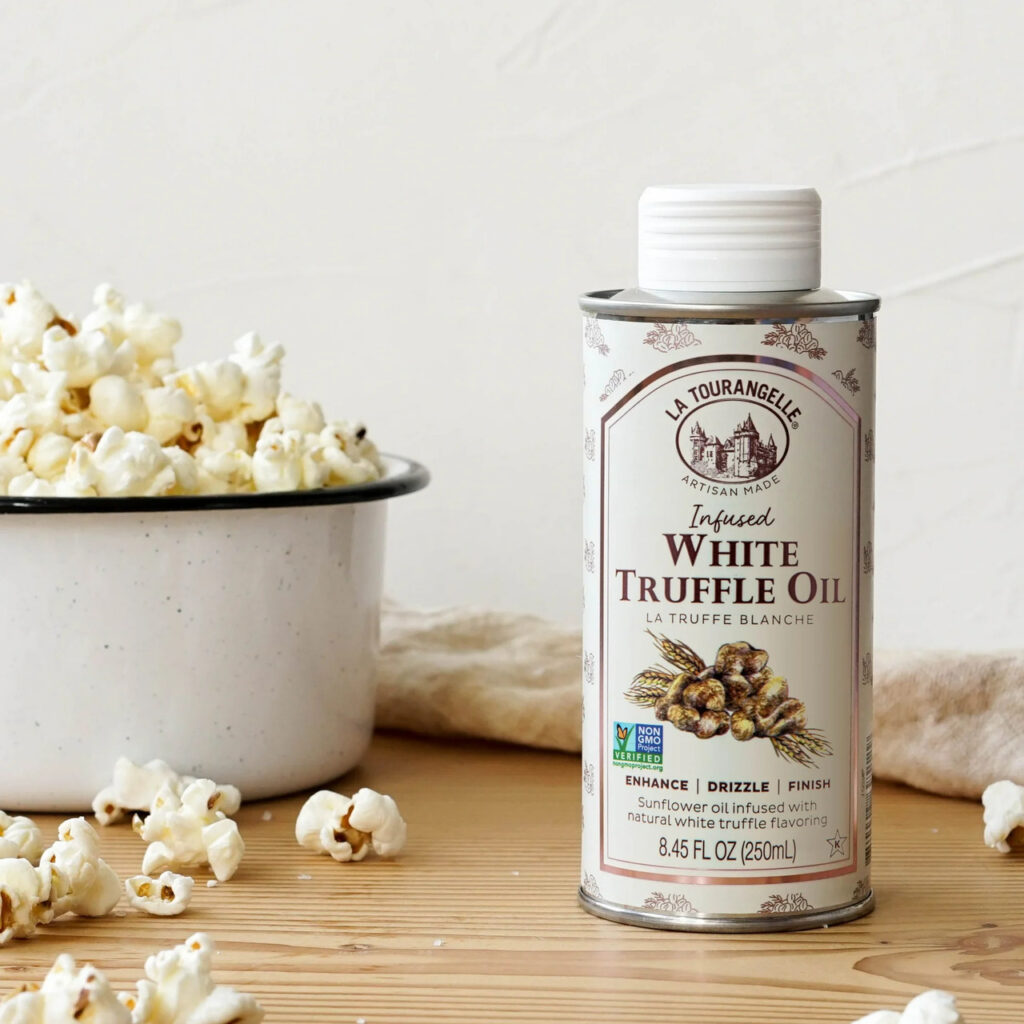
Another critique focuses on overuse and misapplication. Truffle oil’s strong perfume-like scent can become a crutch, leading cooks to rely on it rather than developing dishes with thoughtful seasoning and ingredient relationships. Purists argue that true culinary elegance arises from harmony rather than bold gimmicks. The prevalence of truffle oil on fries and popcorn, in their view, undercuts the ingredient’s potential when used judiciously or in authentic form. Excess use dulls its impact. Diners become desensitized to the aroma. What once felt luxurious begins to feel ordinary. Subtle ingredients lose space when one dominant scent overwhelms the plate.
How to Identify Authentic Truffle Products
Consumers willing to seek authentic truffle experiences can educate themselves on how to differentiate products. One key signal is ingredient transparency. Authentic truffle oil should list real truffle extract or truffle pieces as part of its ingredient list. If a product lists only oil and flavorings without specifying real truffle content, it is likely relying primarily on synthetic scent. Knowing how to read labels helps set accurate expectations before opening a bottle. Price can also offer clues. Extremely inexpensive truffle oil rarely contains real truffles. Authentic products usually reflect the cost of raw ingredients.
Fresh truffles themselves represent the gold standard, though they are seasonal and costly. When available, they should feel firm, slightly moist, and aromatic even before cooking. Their scent should be rich and multi-layered, with subtleties that evolve with heat and time. Shaved or grated fresh truffles impart both aroma and texture, unlike oil, which only contributes one sensory dimension. This depth of experience is one reason why authentic truffle usage remains prized by chefs despite its expense. The aroma should not feel sharp or chemical. It should feel earthy and rounded. Subtle sweetness should balance the muskiness.
There are also truffle-infused products that use natural extracts or distillates rather than synthetic compounds. These may offer a closer approximation to real truffle aroma than some commercial truffle oils. However, they still lack the full complexity of fresh fruit. For shoppers seeking genuine flavor, combining fresh truffles, truffle salt, or finely grated truffle products with mindful cooking techniques yields a more satisfying sensory experience. Moderation remains essential. A small amount often delivers the best result. True truffle flavor works best when allowed to complement rather than dominate.
The Myth vs Reality of Truffle Oil
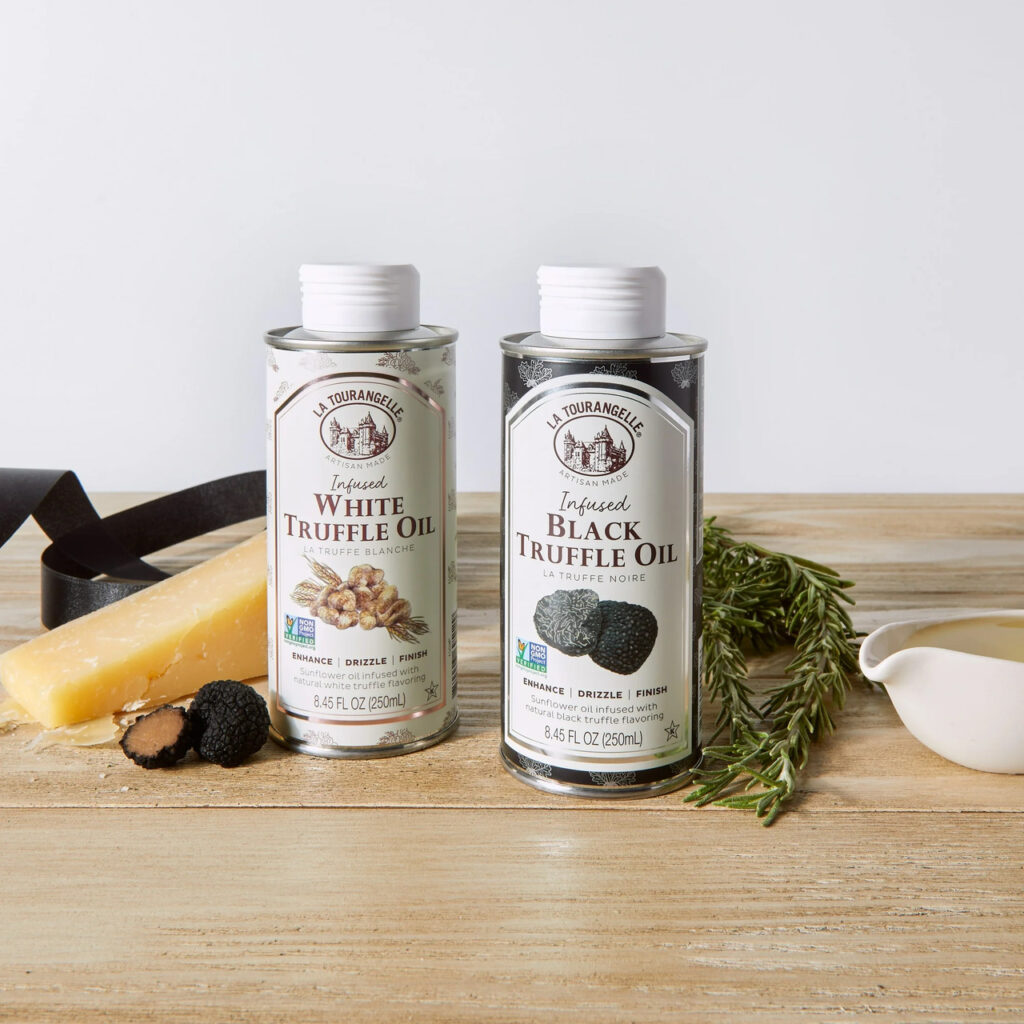
Truffle oil has become one of those culinary ingredients that elicits strong reactions. To many diners, it sounds luxurious and exotic, a shortcut to the earthy elegance of real truffles. The reality, however, is more complicated. While real truffles are prized for their deep, complex aromas and rarity, most truffle oils do not actually contain real truffle extracts. Instead, they rely on synthetic compounds that mimic only a narrow slice of the sensory experience associated with fresh truffles. This distinction is rarely obvious to diners reading a menu. The word “truffle” alone often implies authenticity and expense.
This means that the smell many people associate with “truffle essence” is not a naturally occurring aroma from truffles but a manufactured scent designed to approximate it. The most common compound used in truffle oil, known as 2,4-dithiapentane, is engineered to replicate one element of truffle aroma. It can be quite potent, which explains why a few drops on fries or pasta can fill a room with fragrance. Yet potency is not depth. Authentic truffle aroma arises from a complex mixture of volatile molecules interacting in subtle ways, which synthetic scents fail to capture. Real truffles contain dozens of aromatic compounds working together.
Because truffle oil does not match the authentic sensory profile of fresh truffles, it often disappoints consumers seeking true culinary nuance. The disconnect between expectation and reality fuels criticism from chefs and food lovers alike. For some, this gap represents a broader issue in modern cuisine: the use of engineered flavor shortcuts rather than ingredients that reflect true taste complexity. Understanding this myth versus reality dynamic helps explain why truffle oil’s reputation is so polarizing. Some diners enjoy its intensity at the first bite. The divide stems from how closely people associate it with real truffles.
What Truffle Oil Actually Is
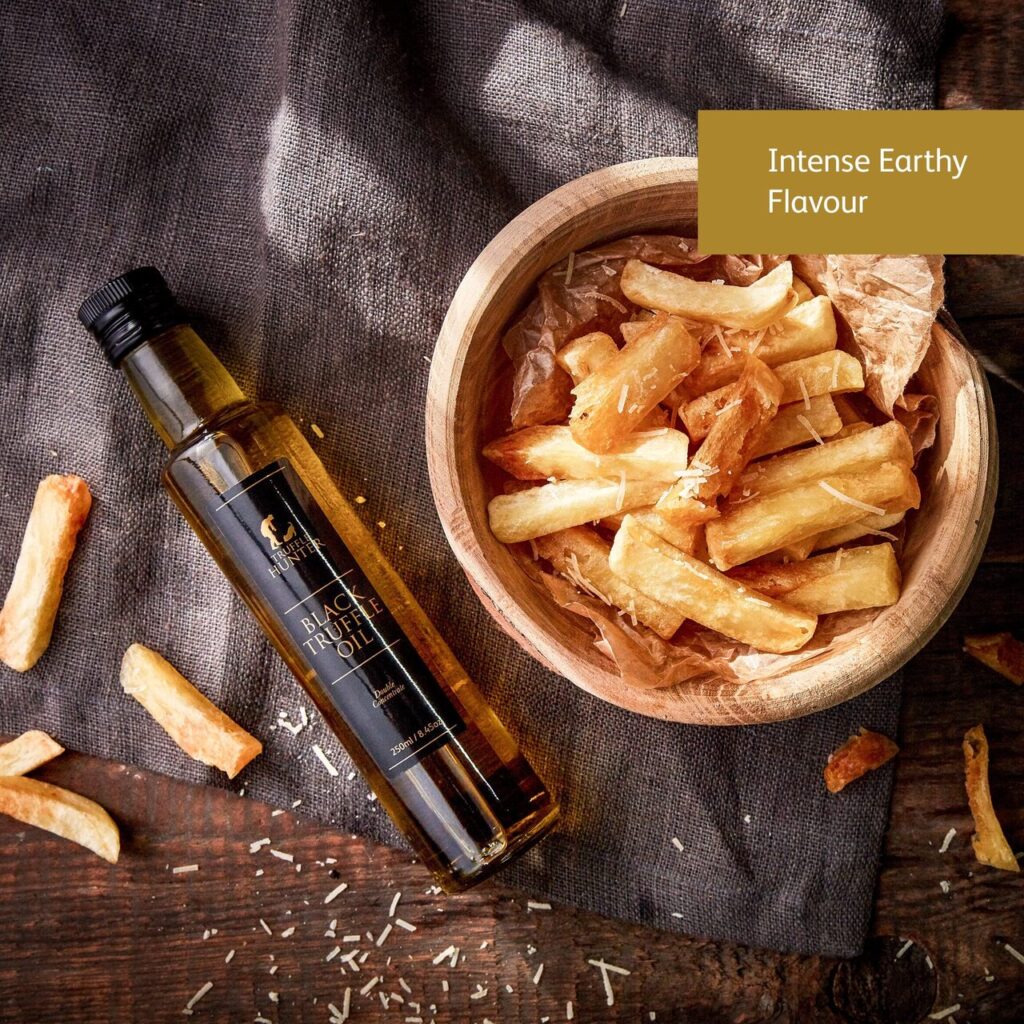
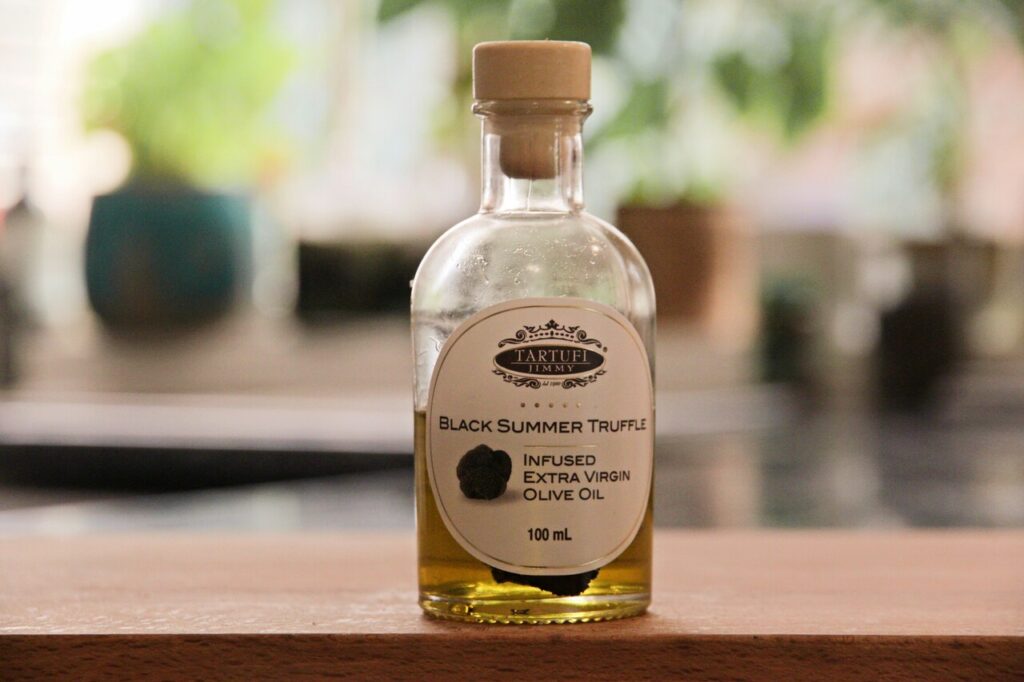
At its core, truffle oil is a flavored oil intended to evoke the scent of truffles. It typically has a neutral base, such as olive or grapeseed oil, infused with aromatic compounds. While some specialty products may include small amounts of actual truffle pieces or truffle essence, most commercial truffle oil derives its aroma from synthetic ingredients. These compounds are selected for their strong resemblance to one identifiable note from truffle fragrance, often leaving out the complexity and roundness of real truffle aroma. The base oil itself usually contributes little flavor. Its role is simply to carry the scent.
The most widely used synthetic compound in truffle oil is 2,4-dithiapentane, a molecule that can replicate what many perceive as “truffle scent.” This molecule does not exist in isolation in real truffles but rather as part of a greater ensemble of volatile substances. The dominance of this single compound creates a simplified, one-dimensional aroma that can be intense but not layered. In contrast, fresh truffles release dozens of aromatic chemicals that interact to produce subtle microbial, woody, and nutty notes. These additional notes give real truffles their mystery. They evolve slightly as the dish warms.
Consumers should also know that labeling regulations vary widely. Some products labeled as “truffle oil” do not specify whether they include real truffle material or just synthetic flavoring. This ambiguity can mislead shoppers into believing they are purchasing a more authentic product than they actually are. Awareness of these distinctions allows consumers to make informed decisions about where and when to use truffle oil, and what to expect from its sensory impact. Reading ingredient lists becomes essential. Clear labeling builds trust. Vague labeling raises questions. Terms like “natural flavor” may obscure the source of aroma compounds.
Natural Truffles Versus Synthetic Aromas
Real truffles are fungi that grow underground in symbiosis with tree roots, mostly in specific regions of Europe and North America. Their aroma develops through interaction with soil, microbes, weather, and the life cycle of the truffle itself. These complex interactions produce a broad spectrum of volatile compounds that yield a deeply layered and elusive scent. True truffle scent evolves with age and exposure to air, making fresh truffles a dynamic ingredient, sensory-wise. Each harvest can differ slightly in character. Even truffles from nearby regions may taste distinct. That variability is part of their appeal.
Synthetic aromas attempt to capture the essence of truffle scent by isolating one or a few of the key molecules responsible for the perceived truffle aroma. This approach prioritizes a recognizable “truffle note,” but it sacrifices context. Synthetic aroma does not replicate the interplay of molecules that creates nuanced sensory experiences with fresh truffles. As a result, truffle oil often smells sharper or more artificial than its natural counterpart. It rarely integrates seamlessly into complex dishes. Instead of evolving, it sits on top of the food. The singular intensity can overshadow subtler ingredients beneath it.
When chefs use fresh truffles, the goal is not merely to impart a single odor but to enhance a dish with multi-layered sensory cues such as earthiness, sweetness, depth, and mouthfeel that meld with other ingredients. Truffle oil, especially when highly concentrated with a single synthetic compound, can overpower rather than complement a dish. This difference in aromatic depth explains why many culinary professionals prefer fresh truffles or truffle products that retain a greater proportion of natural complexity. Balance becomes easier with real truffles. The ingredient supports rather than dominates.
How to Identify Authentic Truffle Products
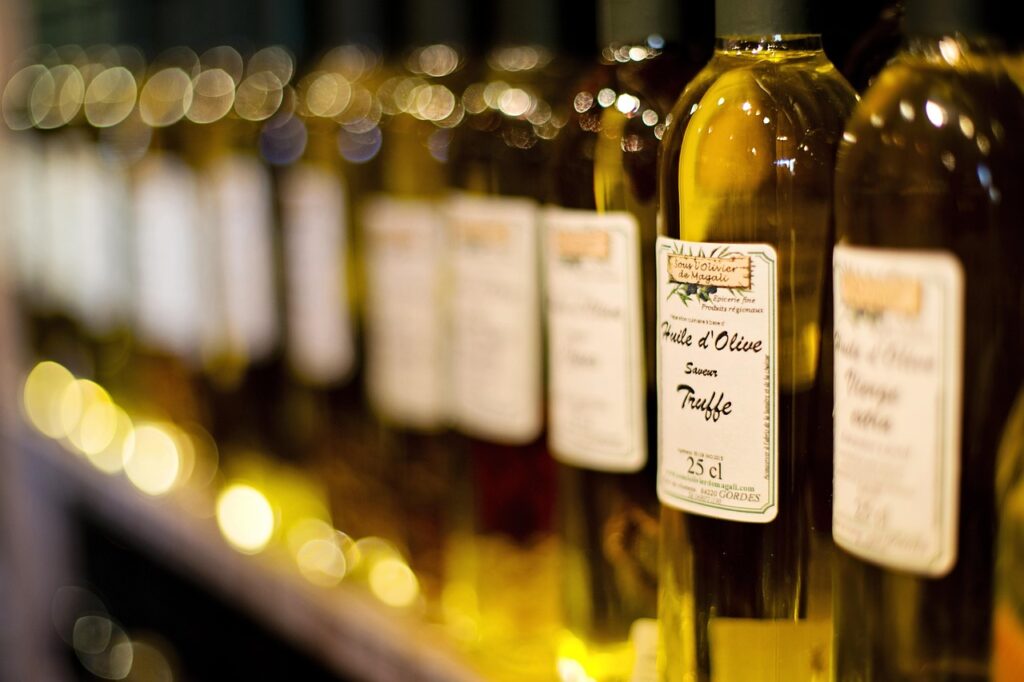
Consumers willing to seek authentic truffle experiences can educate themselves on how to differentiate products. One key signal is ingredient transparency. Authentic truffle oil should list real truffle extract or truffle pieces as part of its ingredient list. If a product lists only oil and flavorings without specifying real truffle content, it is likely relying primarily on synthetic scent. Knowing how to read labels helps set accurate expectations before opening a bottle. Price can also offer clues. Extremely inexpensive truffle oil rarely contains real truffles. Authentic products usually reflect the cost of raw ingredients.
Fresh truffles themselves represent the gold standard, though they are seasonal and costly. When available, they should feel firm, slightly moist, and aromatic even before cooking. Their scent should be rich and multi-layered, with subtleties that evolve with heat and time. Shaved or grated fresh truffles impart both aroma and texture, unlike oil, which only contributes one sensory dimension. This depth of experience is one reason why authentic truffle usage remains prized by chefs despite its expense. The aroma should not feel sharp or chemical. It should feel earthy and rounded. Subtle sweetness should balance the muskiness.