The Sad Reason Modern Strawberries Are Giant Red Disappointments

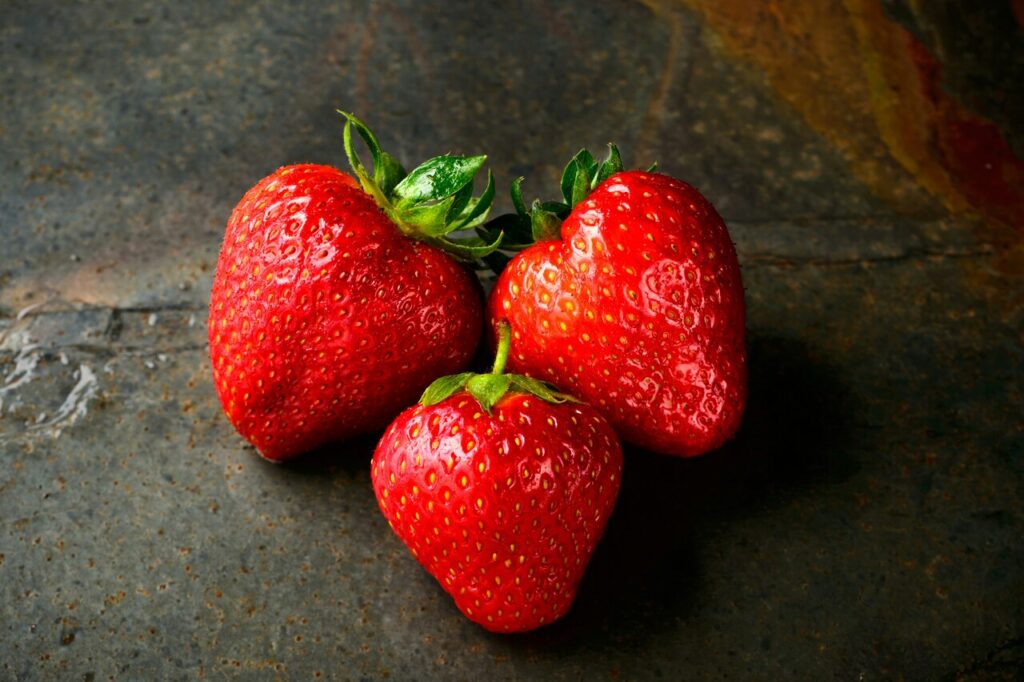
Supermarket strawberries are bigger, brighter, and more uniform than ever before. Yet for many shoppers, they taste surprisingly flat. The problem is not nostalgia alone. Modern strawberries are bred for size, firmness, and long travel, not peak flavor. Harvested early and shipped across long distances, they arrive looking flawless but lacking the sweetness and aroma that once defined strawberry season. Behind their glossy red exterior lies a system designed for durability and scale, not for the rich taste people remember.
The Rise of Engineered Strawberries
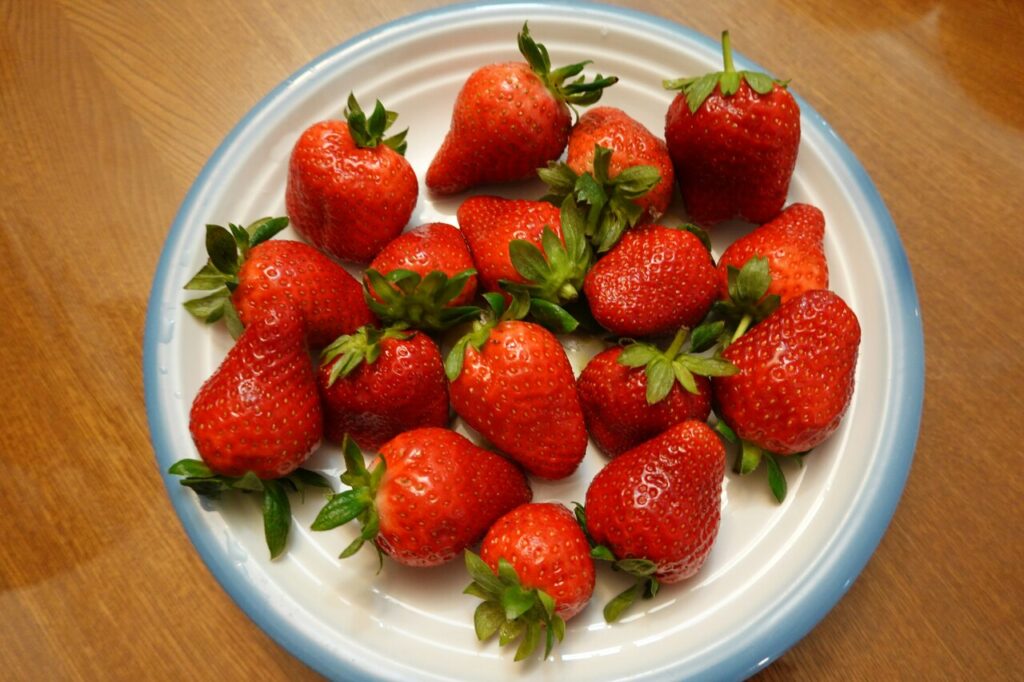
At first glance, the strawberries at many grocery stores seem like a sweet dream. They are large, glossy, and vividly red, the picture of freshness. Yet many people find their actual flavor disappointing compared to memories of summer berries picked in a patch or sold at a local stand. This disconnect exists because commercial strawberries are engineered not for taste but for traits like shelf life and uniformity. Breeders prioritize characteristics that survive transport and storage, meaning flavor often becomes secondary. The size, color, and firmness consumers see on supermarket shelves are the result of choices made in breeding programs that emphasize practicality for the modern supply chain.
Commercial strawberry varieties are selected for their ability to endure long distances and varying conditions without bruising. This means that firmness and bright hue become markers of quality on the supply side, even though they do not correlate with natural sweetness. In many cases, strawberries bred for superior taste cannot withstand the rigors of mass distribution and are thus left to local growers who sell directly to consumers. For most large retailers, consistent appearance and the ability to remain intact under refrigeration take precedence over flavor. This has contributed to the rise of the strawberry fruit, which is visually appealing but lacks sensory satisfaction when eaten.
Today’s strawberries are part of an engineered food system in which producers must balance grower capacity, consumer demand, and logistics. Even though consumers often vocalize a taste preference, purchasing decisions at the shelf level are influenced more by appearance and availability. The culmination of these breeding priorities shapes what the typical shopper experiences as a strawberry. As a result, many reach for fruit that looks perfect but fails to deliver the rich, complex taste that once defined strawberry season.
Appearance Over Flavor
Modern strawberries make a striking first impression. Their bright red color and large size suggest sweetness and ripeness. Shoppers often judge produce by what they see, assuming that bigger and redder means better. Yet this assumption rarely holds with strawberries. Appearance can be misleading because the attributes that appeal visually are not the same ones that make fruit taste delicious.
Plant breeders have learned how to manipulate traits like pigment and firmness without necessarily enhancing flavor compounds. Color results from specific genetic expressions, and strawberry breeders have been able to select varieties that produce intense red hues under a range of conditions. These appearances satisfy consumer expectations influenced by packaging, advertising, and historical associations between red fruit and sweetness. But visual appeal does not guarantee natural sugars or aromatic compounds that make strawberries truly flavorful. Because flavor molecules are more complex and less stable, they are often sacrificed in favor of visual traits that survive long trips from farm to supermarket.
Worse still, appearance becomes the primary quality cue for most consumers. Unless someone tastes many varieties grown at peak ripeness, the connection between looks and taste remains untested. People may remember sweeter strawberries from childhood or from farmers’ markets, but those memories clash with the uniform supermarket fruit they encounter now. The result is a widening gap between expectation and reality. A strawberry’s color and size can distract from its lack of complex flavors, making even nostalgic eaters feel disappointed when they take the first bite.
Breeding for Size and Durability
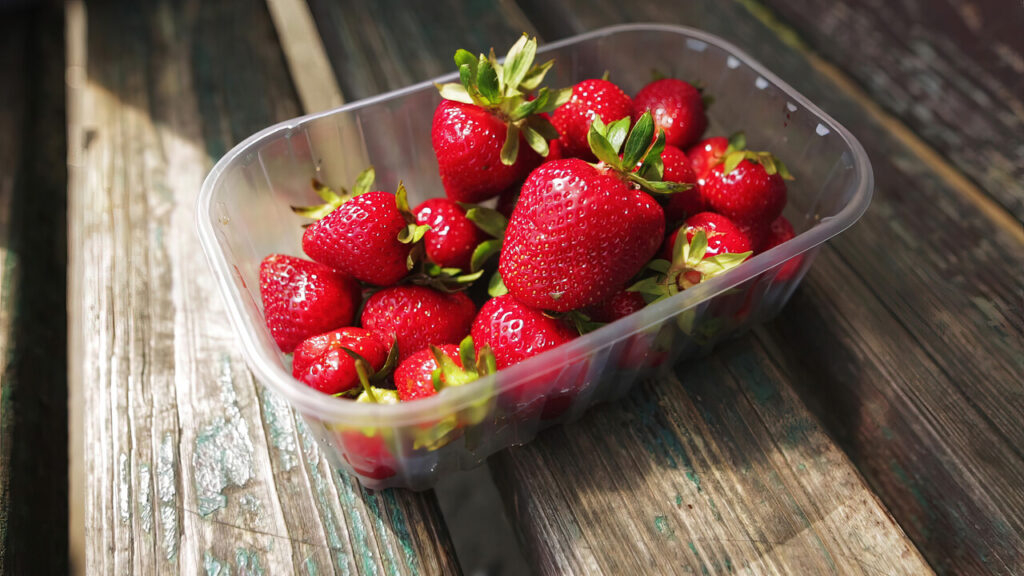
Strawberry breeding today is heavily influenced by commercial pressures. Growers and distributors want fruit that can withstand mechanical harvesting, long storage, and extended travel without breaking. This means selecting varieties with firm flesh and robust surfaces capable of resisting bruising. Over the decades, these traits have become more desirable than natural sweetness or nuanced flavor characteristics. Growers who focus on yield and resilience help supply year-round demand, but this comes at the cost of sensory richness.
Increasing berry size often correlates with dilution of flavor compounds. Small, wild strawberries concentrate flavor molecules more efficiently than large cultivated varieties. When breeders emphasize size, the internal balance of acidity, sugar, and volatile compounds shifts, often flattening the taste profile. The payoff of impressive size ends up masking the fruit’s internal complexity. In addition, breeders sometimes select for traits that reduce susceptibility to environmental stress, further diverting genetic resources away from flavorful characteristics.
Modern bred varieties also aim for uniform ripening, ideal for predictable harvest schedules. Unfortunately, uniformity also means that the nuanced ripening cues that develop complex flavor profiles are absent. In traditional field-ripened fruit, sugar and aromatic compounds evolve over days in response to sunlight and temperature changes. Commercial varieties are often picked early to preserve firmness for shipment, leaving less time for full flavor development on the plant. This careful coordination of size and durability inevitably sidelines the sensory profiles many people crave.
The Role of Commercial Distribution
In the past, strawberry season was a fleeting, local event. People consumed berries close to where they were grown, and ripeness peaked at the point of sale. Today, strawberries travel vast distances across states or even continents before reaching the supermarket. This extended journey requires fruit that can be harvested slightly unripe, shipped under refrigeration, and sold with minimal spoilage. These logistical demands affect both texture and taste.
Harvesting strawberries before they reach peak ripeness prevents them from developing full sweetness and aromatic richness. Transport systems with controlled temperatures preserve appearance and limit decay, but they also delay or disrupt biochemical changes that enhance flavor. Refrigeration slows metabolic processes, so strawberries may arrive looking pristine yet remain dull in taste. Consumers end up with fruit that is technically intact but sensorially flat compared to fruit allowed to fully ripen on the stem.
The modern distribution model values durability and consistency over delicate flavor expression. Centralized packing facilities sort, grade, and ship fruit that meets aesthetic standards, often at the expense of individual variability. Smaller, local growers cannot match the scale of these operations, so their more flavorful fruit rarely appears in supermarkets. Instead, it thrives at farmers’ markets and niche retailers. For most shoppers accustomed to supermarket fruit, this means encountering strawberries that are bred and handled to survive the supply chain rather than to deliver peak flavor.
Loss of Genetic Diversity
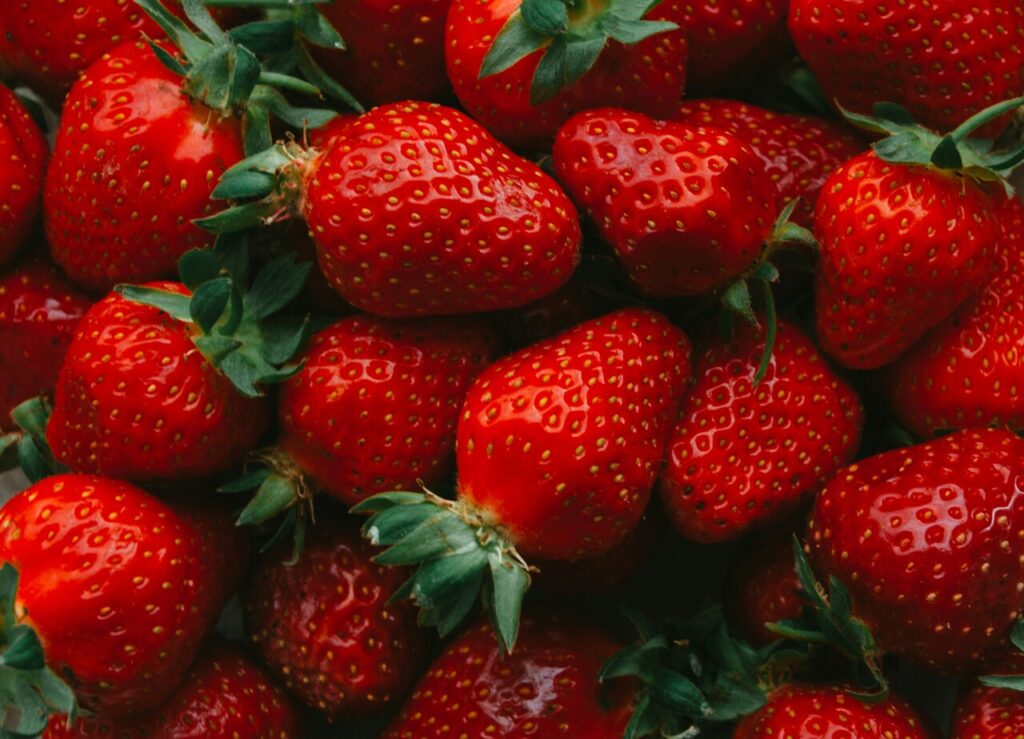
Wild strawberries and heirloom varieties once boasted a remarkable range of flavors, textures, and aromas. Each region developed its own distinctive strains, shaped by local climate and soil conditions. These traditional varieties maintained a broad genetic base, contributing to rich sensory profiles and resilience against pests and diseases. Modern commercial breeding, however, often narrows this diversity in pursuit of uniformity and high yields.
When breeders prioritize a narrow set of traits such as size, firmness, and color, the genetic pool shrinks. This reduction in diversity limits the expression of unique flavor genes. As a result, many cultivated strawberry varieties begin to taste increasingly similar to one another, even when grown in different conditions. Genetic bottlenecks make it harder to recover distinctive flavor traits without intentional selection for taste, a task overlooked for decades in favor of commercial traits. The consequence is fruit that looks almost identical across regions but lacks the complexity once inherent to local varieties.
The diminished genetic variety also affects resilience. With fewer genetic pathways available to respond to stress, modern strawberry crops can be more vulnerable to environmental challenges. Growers may rely more on chemical inputs or controlled environments, further distancing production from natural, flavor-enhancing growing conditions. The loss of genetic richness mirrors the loss of flavor richness, creating fruit that translates consistently in the supply chain but disappoints on the palate. Reviving heirloom and specialty varieties would require intentional breeding efforts geared toward flavor rather than logistical convenience.
Seasonality Versus Year-Round Supply
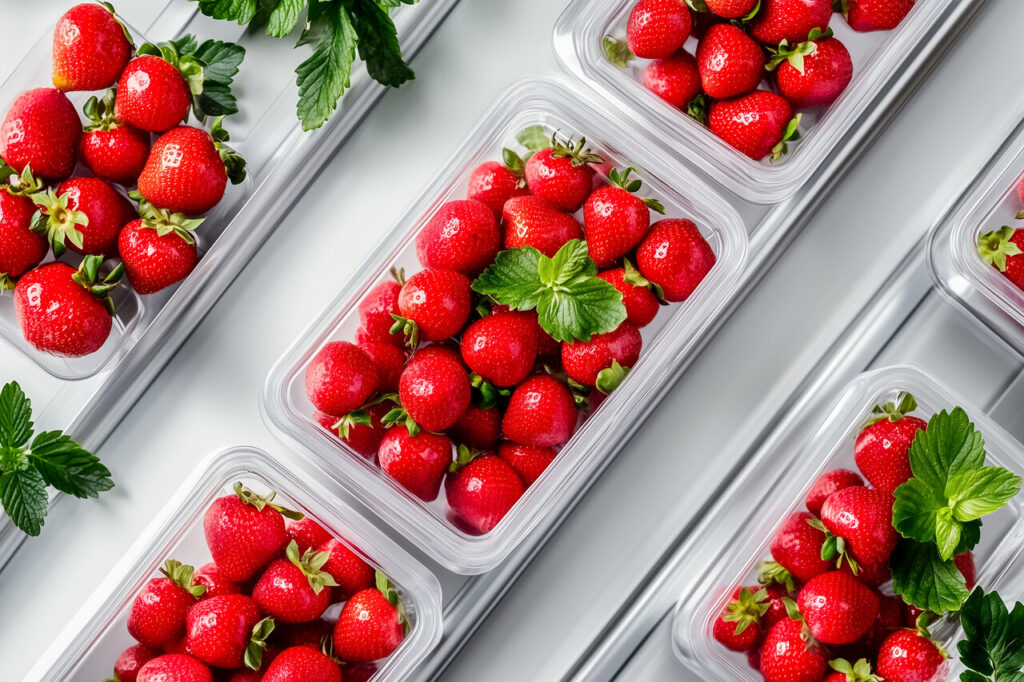
In an ideal world, strawberries would be enjoyed only when fully ripe at their seasonal peak. Natural seasonality encourages berries to develop sweetness and aroma over the course of warm days and cool nights. Today’s globalized supply chain undermines this rhythm. Consumers now expect strawberries year-round, regardless of local growing seasons. This demand pressures growers to produce outside natural cycles using greenhouses, controlled environments, or imports from distant regions with different seasonal patterns.
Out-of-season production often involves fruit that is harvested before it reaches optimal sensory maturity. Regardless of how advanced greenhouse technologies become, the signals of full ripening sunlight intensity, temperature shifts, and soil dynamics cannot be perfectly replicated. This means that strawberries grown in controlled environments often lack the same richness of flavor as those ripened naturally in fields. The desire for continual availability thus still results in perennial disappointment for consumers craving authentic taste.
This disconnect between seasonal rhythms and year-round demand also influences consumer expectations. People grow accustomed to seeing strawberries in winter grocery aisles, but this availability comes with trade-offs. The sensory experience of strawberries shifts as the supply chain accommodates constant availability instead of peak ripeness. The result is fruit that satisfies visual craving but rarely satisfies the palate. As consumers, we pay the price for convenience in the form of flavor loss.
Small Farms Versus Industrial Production
Small farms often hold the key to better-tasting strawberries because they can prioritize flavor and local conditions over broad market compatibility. Field-grown berries from local growers are often harvested at peak ripeness and sold quickly, translating to a richer sensory experience for consumers. These farms tend to manage multiple varieties and preserve genetic diversity, contributing to flavor variation and complexity that supermarket fruit rarely matches.
Industrial production, by contrast, favors uniform varieties that can meet high volume demands. These farms operate on contracts with large retailers and must guarantee consistent deliveries across seasons. Because supermarkets demand predictable supply, growers adopt varieties that meet those needs first, and taste becomes secondary. The result is fruit that meets shelf requirements but rarely satisfies the palate.
Despite this divide, consumers increasingly seek out farmers’ markets, CSA programs, and local growers as alternatives to industrial fruit. These avenues offer berries at the height of flavor, directly linking harvest and consumption. Supporting small farms not only delivers better taste, but it also reconnects people to seasonal rhythms and regional character. The contrast between small-scale and industrial production highlights why modern supermarket strawberries leave many buyers feeling disappointed.
What Truly Good Strawberries Want
A truly good strawberry is more than red and large. It is a balance of sugar, acidity, aroma, and texture that reflects growing conditions and genetic potential. These qualities develop in environments where fruit is allowed to ripen fully under sunlight and then sold quickly to consumers. The sensory richness of such strawberries creates joy in eating rather than mere satisfaction of visual expectations.
Field-grown fruit benefits from natural fluctuations in temperature and light, which stimulate hormonal changes driving sugar and aromatic compound production. When picked at the right moment, these strawberries offer vibrant, sweet notes supported by subtle tang. This deeper sensory experience contrasts starkly with the mechanically firm fruit engineered for logistics.
Good strawberries also reflect regional heritage. Varieties developed over generations in local climates reveal tastes that cannot easily be replicated through uniform commercial breeding. When growers focus on flavor and environment, fruit becomes memorable rather than merely serviceable. Recognizing what good strawberries want helps consumers recalibrate expectations and identify genuinely delightful fruit.
How Growers and Shoppers Can Shift Toward Better Fruit
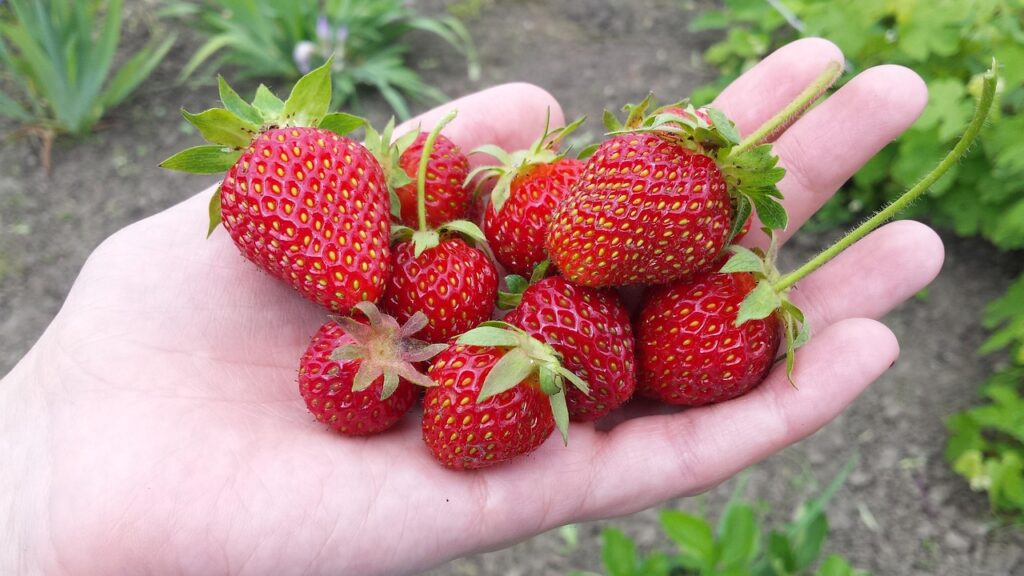
Improving the strawberry experience requires action from both growers and consumers. Growers can invest in breeding programs that prioritize flavor alongside durability. They can diversify varieties, enhance soil health, and embrace seasonal rhythms rather than a year-round supply. Retail partnerships with local producers also help bring better fruit to consumers without relying on extended supply chains.
Consumers can support these changes by choosing berries from local farms, seeking heirloom varieties, and adjusting expectations around appearance. Paying attention to seasonality, seeking field-ripened fruit, and exploring farmer markets enrich the strawberry experience. Understanding why flavor disappeared helps consumers make informed choices and advocate for better fruit.
Education about breeding priorities and sensory science can also reshape demand. When shoppers articulate what they want, rich sweetness, aromatic complexity, satisfying texture, market forces begin to respond. The path to better strawberries lies in aligning consumer desires with sustainable, flavor-centric production. Doing so makes strawberries once again something people look forward to eating.