13 Fast Food Favorites That Would Never Survive a Real Cooking Contest

Fast food is built to taste great in the moment, with tight systems that protect consistency, speed, and immediate gratification. Cooking contests work differently. Judges taste on a delay, score texture after sitting, and reward from-scratch technique, balance, and presentation. That gap is why fries go limp, fried chicken loses crunch, layered items turn soggy, and blended treats melt into a sweet puddle. The picks below are popular for good reasons, yet the same design choices that make them craveable in a car or at a counter can work against them under judging lights.
1. Chick-fil-A Waffle Fries
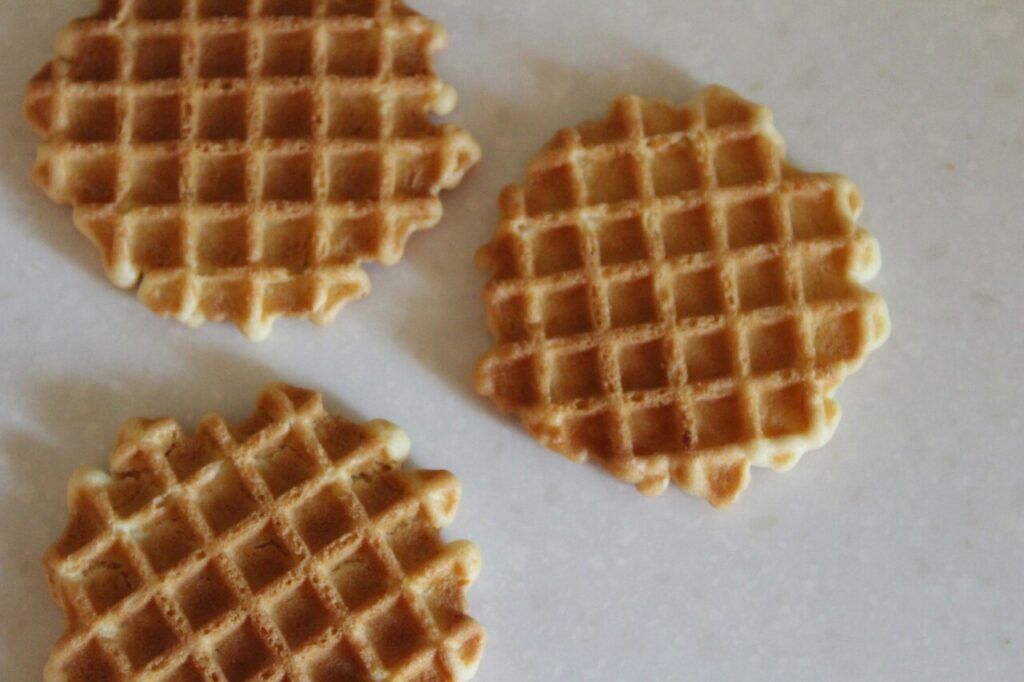
The best version of this fry is a stopwatch food, because the texture that people love depends on a narrow window where the outside is crisp, the inside is tender, and the surface salt still tastes bright rather than stale. In a cooking contest, that fragility becomes a weakness, since fries lose crunch fast as steam softens the crust, and waffle fries have extra surface area and pockets that trap moisture once they sit. Oil temperature control matters too: too cool and fries absorb oil and turn limp, too hot and the outside browns before the center finishes. Seasoning consistency is another issue, because salt sticks best right after frying.
2. McDonald’s Fries
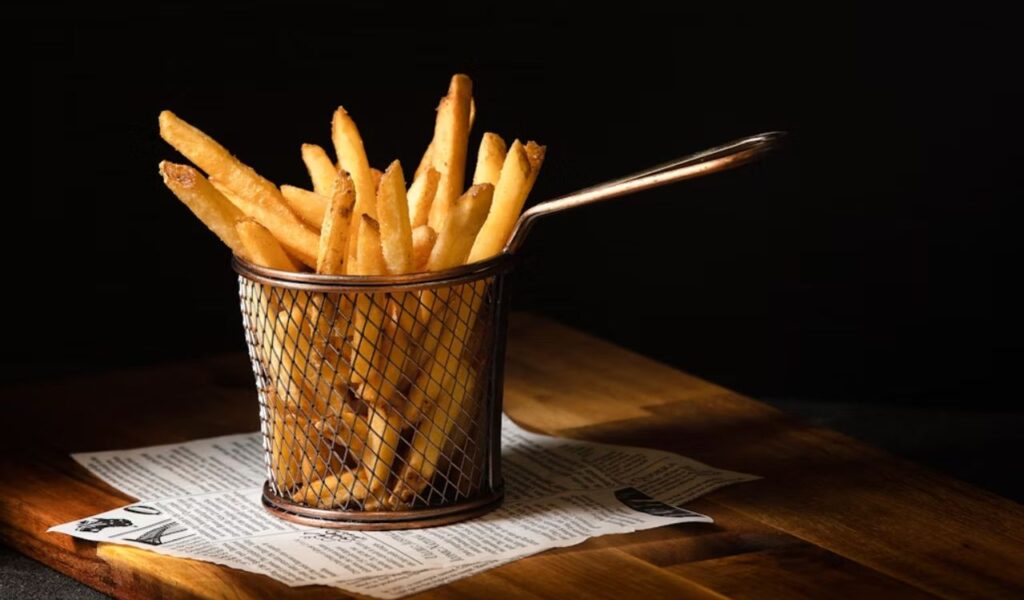
Iconic fries can still be a contest liability, because the experience is built on peak freshness and a highly consistent production system, not on a chef’s personal technique in a one-off competition. The most noticeable flaw is how quickly the texture falls apart: a crisp fry turns soft and hollow as it cools, and once that happens, the same salt level tastes harsher, and the potato flavor feels flatter. Fries are also difficult to plate and present elegantly, and contests often score presentation. A fast food legend can still lose points simply because it is designed for immediate eating, not for judging tables.
3. In-N-Out Double-Double
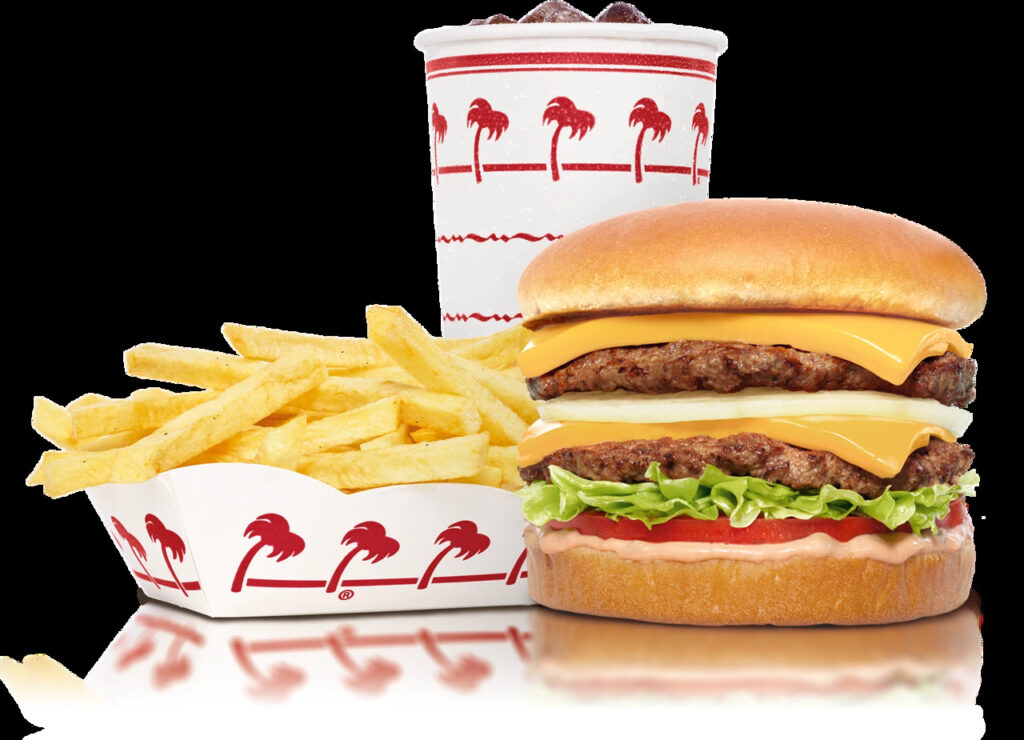
A great fast-food burger can be more about systems than cooking artistry, and a Double-Double is a strong example because its appeal comes from a controlled build, repeatable griddle work, and a signature balance of bun, meat, cheese, and sauce. In a cooking contest, that becomes tricky to score as “skill,” since the burger is not defined by unusual technique, careful sauce making, or complex preparation, but by consistency and speed. Burger judging also tends to favor clean, from-scratch sauces, freshly baked buns, and distinct seasoning choices, while a famous fast-food build is intentionally standardized.
4. Popeyes Fried Chicken

Fried chicken can win contests, but the fast food version is built around industrial control, and that is the catch. The crispy crust that makes Popeyes famous depends on tight frying temperature, careful timing, and holding methods that keep steam from ruining the crunch, and those conditions are harder to replicate in a contest setting where equipment varies, and tasting takes time. In contests, fried chicken is often judged on its crust integrity, clean flavor, and juiciness simultaneously, and fast food chicken is optimized for hot delivery and quick consumption rather than long judging windows.
5. Chick-fil-A Chicken Sandwich
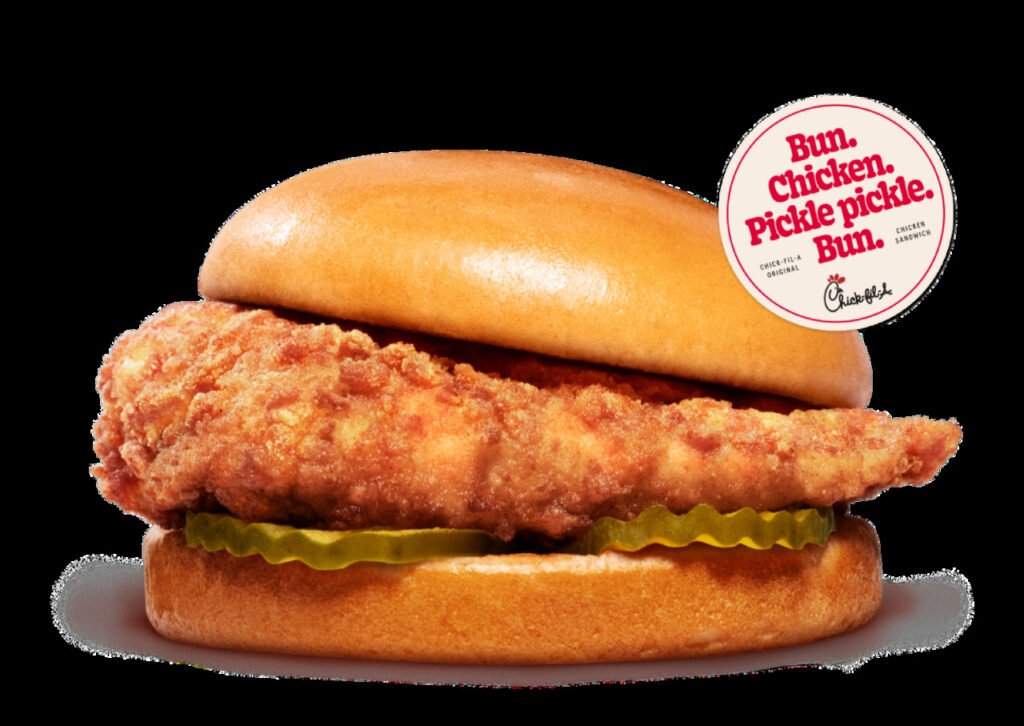
A simple chicken sandwich can still be technically demanding, yet the fast-food version is engineered to be consistent, and that can work against it in a contest built on craft. The crispness of breaded chicken fades quickly once it meets steam and bun moisture, so the sandwich can go from crunchy to soft during a short wait, and judging tables always involve waiting. The seasoning profile is also designed to be widely liked, which often means it is restrained rather than distinctive, and contests tend to reward bold but controlled flavor. It tastes great fresh, but the contest environment punishes foods that peak for only a few minutes.
6. Dairy Queen Blizzard
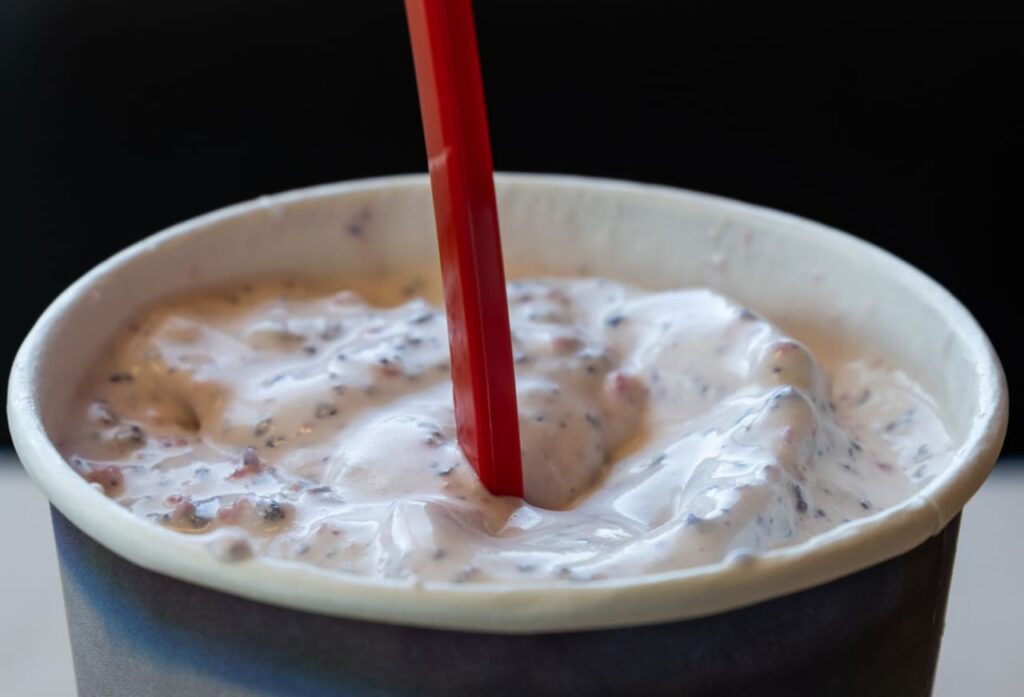
Soft-serve mix-ins are fun, but a cooking contest usually rewards cooking, and a Blizzard is more about machinery and texture management than heat, timing, or flavor building from raw ingredients. The signature thickness comes from soft-serve structure and mixing technique, and that depends heavily on machine temperature, overrun, and consistency, which are equipment variables rather than culinary decisions. It also melts quickly once served, so the texture changes while judges are still tasting, and melted ice cream is rarely judged kindly. Presentation can also suffer because it is designed for a cup and spoon, not for plated dessert judging.
7. Taco Bell Crunchwrap Supreme
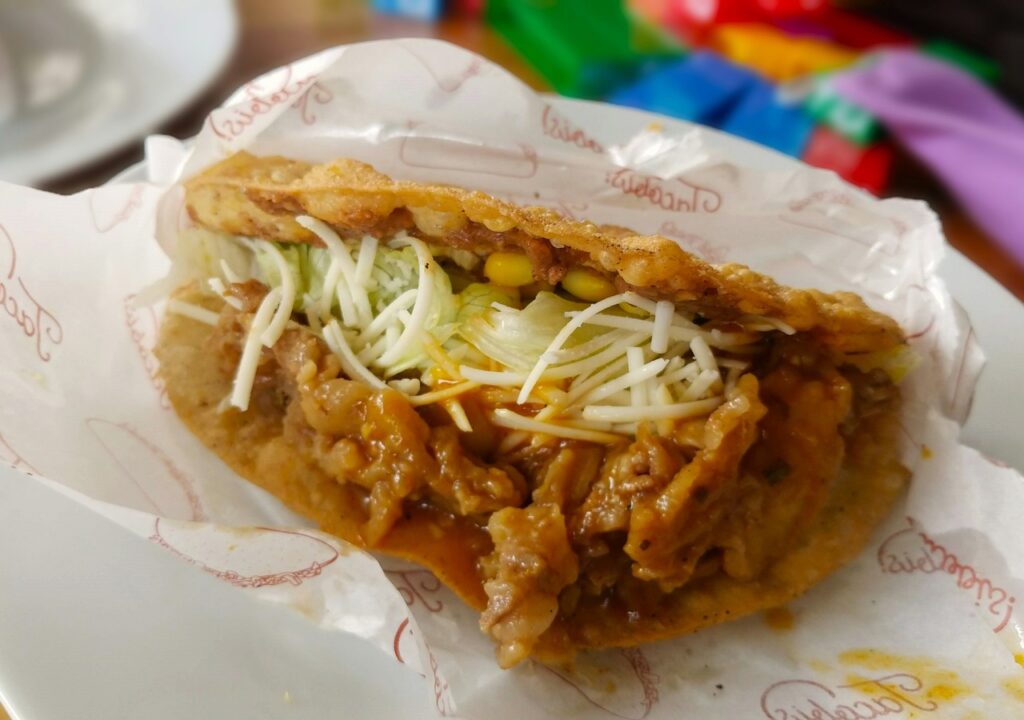
This item is a brilliant piece of fast-food engineering, and that is exactly why it can fall short in a cooking contest, because the success is driven by assembly structure more than deep cooking technique. The appeal is the layered bite: warm tortilla, crunchy shell, meat, cheese, and cold toppings, yet the crunch is fragile, since steam and sauce moisture soften the crisp layer quickly. Judges also tend to reward clarity, where each component tastes distinct, and heavily layered fast-food builds can blur together. It is clever, filling, and satisfying, but it is optimized for speed and consistency, not for cook-off scoring.
8. KFC Original Recipe Chicken
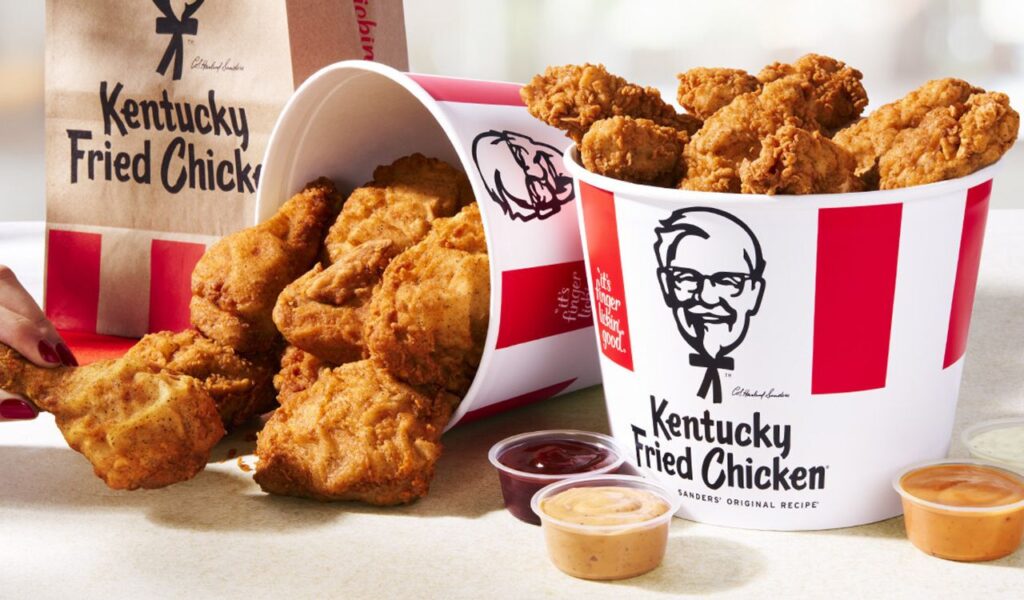
The signature here is seasoning and process consistency, not novelty, and that matters in contests where judges reward originality and clear technical choices. KFC-style chicken is closely associated with standardized spice blends and controlled frying methods, and many people also link it to pressure-frying style equipment, which changes crust texture and moisture retention in ways that are hard to replicate without similar tools. In a contest kitchen, equipment differences can push results toward greasy crust, uneven browning, or dry meat, and those flaws get scored harshly. The result is famous, yet the contest criteria can be unfriendly.
9. McDonald’s Big Mac

The Big Mac is a brand-built flavor equation, and contests usually prefer chef-built flavor from scratch. Much of the identity comes from the exact assembly, the sauce, and the texture balance of two patties, bun layers, lettuce, pickles, and cheese, yet that same structure also creates problems under judging conditions. Shredded lettuce wilts quickly, buns absorb moisture, and the sandwich can shift from crisp and layered to soft and muddled in a short time. It is a veery popular cultural icon, but it is tuned for consistency and nostalgia rather than the craftsmanship categories that contests grade.
10. Chicken McNuggets
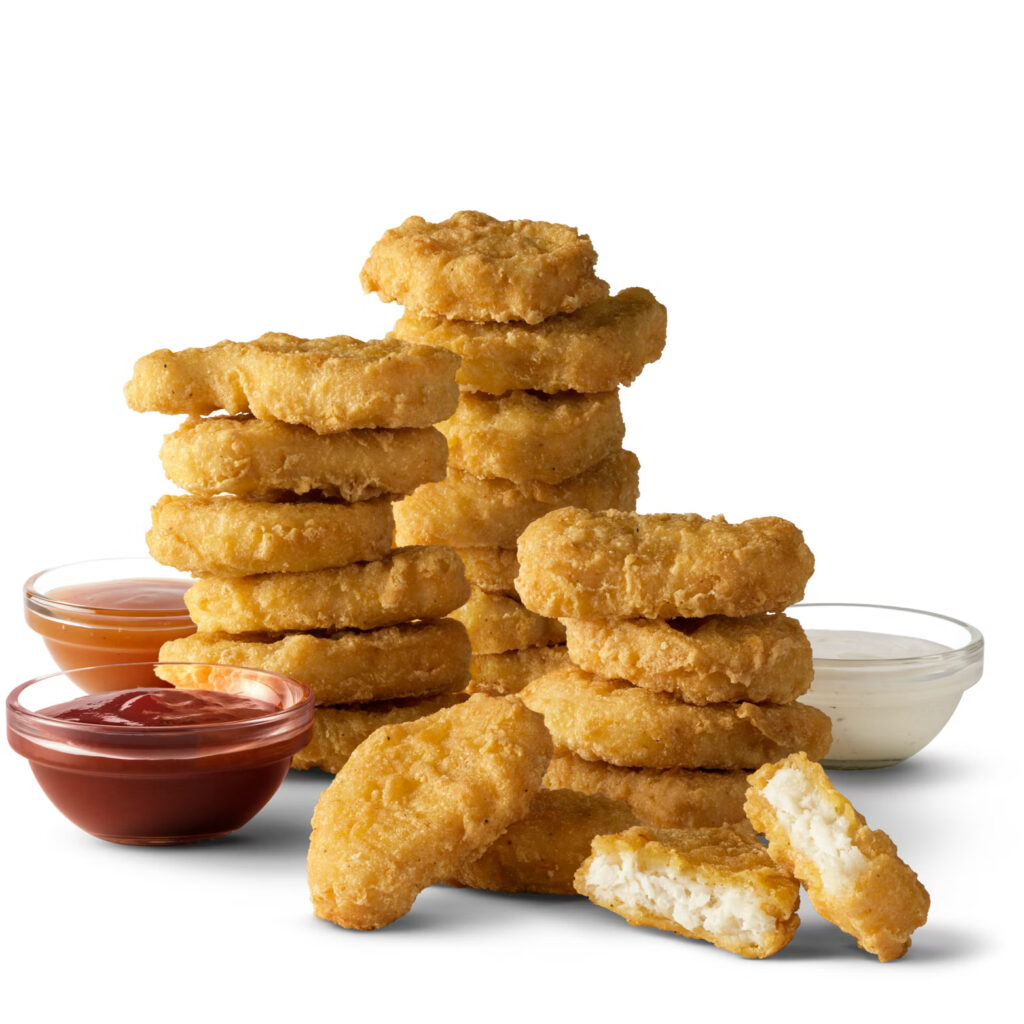
Nuggets are designed for uniformity, and that design can look weak in a contest setting where judges want visible technique and ingredient integrity. Nuggets also suffer from the same timing issue as fries: crispness fades quickly, and once the crust softens, the interior can taste bland, and the coating can feel oily. Another contest disadvantage is that the best nugget experience often depends on dipping sauces, and contests may score the base item more than the condiments. Presentation is also limited, since nuggets are finger food by design. They can taste comforting and familiar, yet the format rewards technique that nuggets are not built to showcase.
11. Subway Footlong Sub
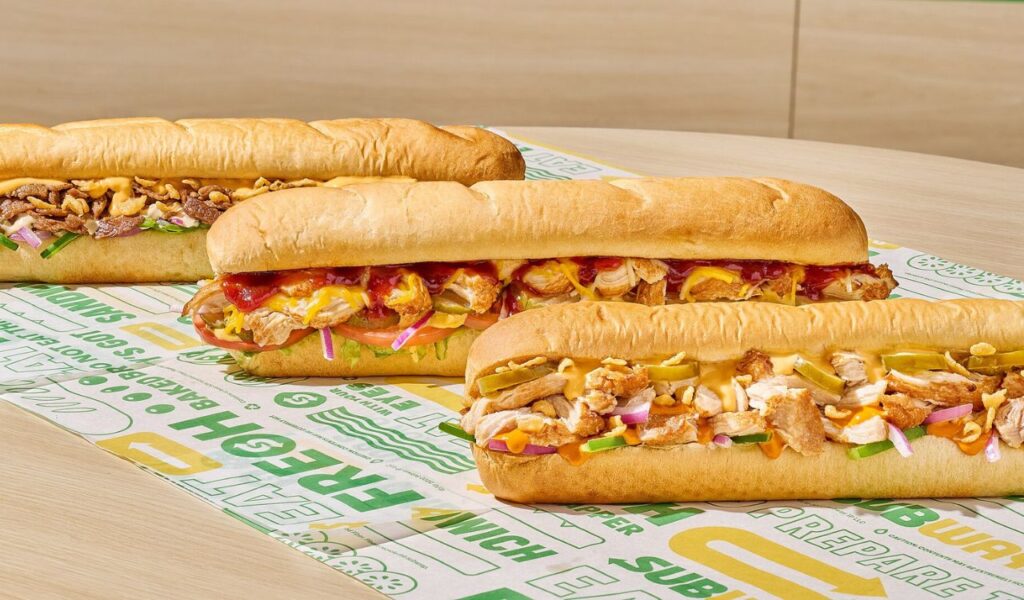
A sub is largely a cold assembly project, and cooking contests usually reward heat work, sauces, seasoning, and technique rather than slicing and stacking. Bread quality is a major driver of how a sub tastes, and large chains rely on standardized bread and prepped ingredients, which can limit depth and freshness compared with a contest build using freshly baked rolls and scratch-made spreads. Flavor also depends heavily on condiments and cured meats, which can taste salty and one-note without balancing elements like pickled vegetables, herbs, or a brighter dressing. That makes it a tough contender under typical cook-off scoring.
12. Starbucks Frappuccino
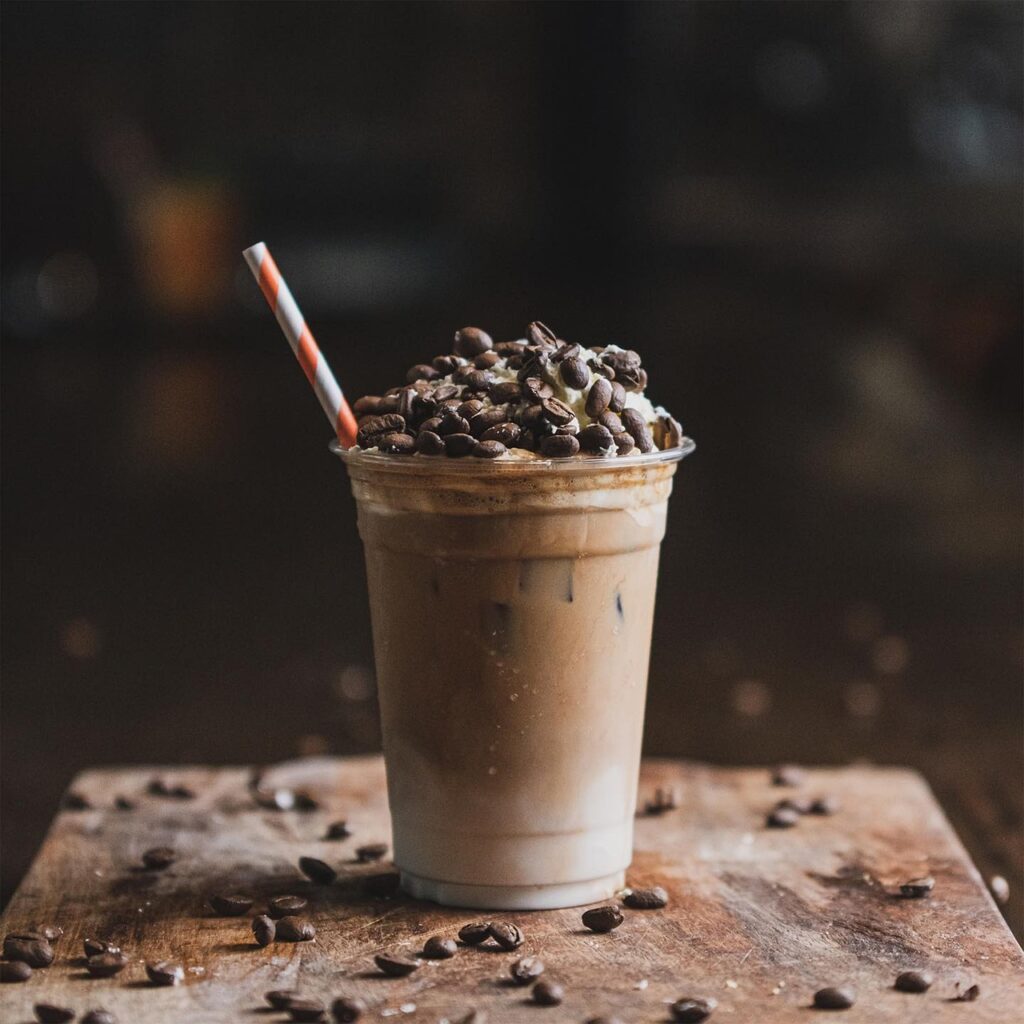
A blended drink can be delicious, but in a cooking contest, it faces a category problem, since it is built on ice texture, syrups, and blending ratios rather than cooking methods like reduction, baking, or caramelization. The drink’s success depends on getting the ice particle size and thickness right, and that outcome relies on blender power, recipe standardization, and stabilizers that keep the mixture smooth. Sweetness levels can also be extreme, and contests often score balance, so high syrup concentration can lose points. Coffee flavor may be muted by sugar and dairy-like bases, which can make the drink taste more like dessert syrup than coffee.
13. Wendy’s Frosty
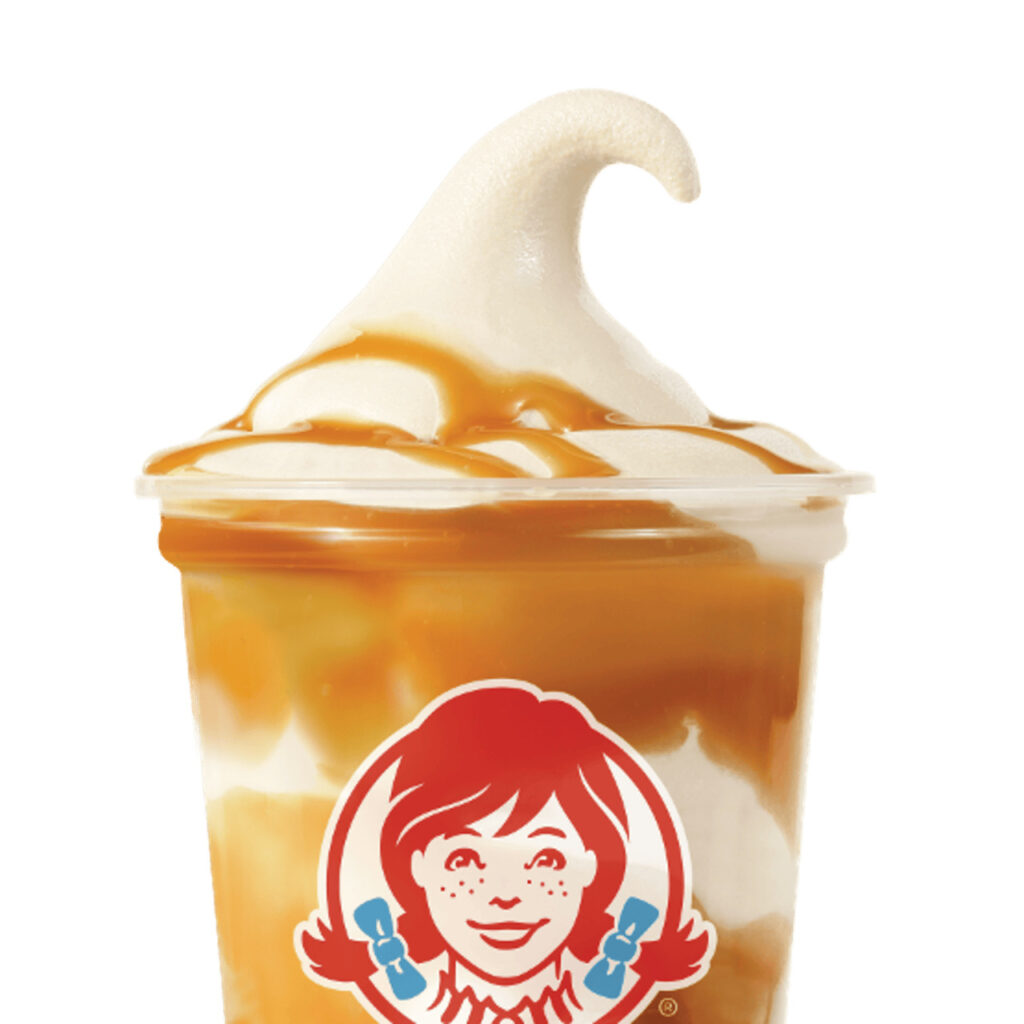
A Frosty is built for spoonable nostalgia, not for competitive dessert judging, because its signature appeal comes from factory-controlled texture and a narrow serving temperature rather than culinary technique. The thickness depends on dairy base formulation, stabilizers, and machine settings that control air and freezing, and those are equipment advantages, not skills that translate cleanly into a cook-off where desserts are expected to show craft like custard control, baking accuracy, caramel work, or balanced plating. It is a great fast-food treat, yet in a contest, it can feel like a soft-serve product rather than a built dessert.