9 Backyard BBQ Tips That Actually Make Food Taste Worse

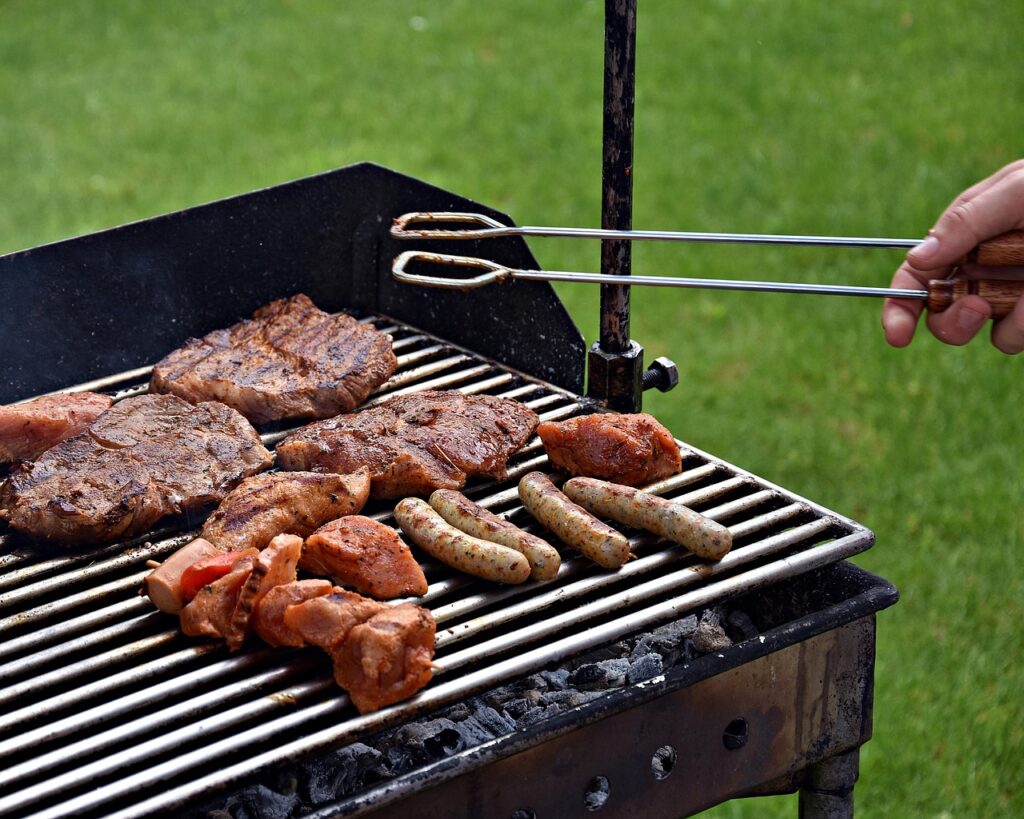
Backyard grilling is often treated like instinct, yet small habits can quietly wreck flavor and texture. Water on flare-ups creates dirty smoke, lighter fluid can leave chemical notes, and a cold grill causes sticking instead of browning. High direct heat burns surfaces before centers cook, repeated lid-lifting destroys temperature stability, and early sauce turns sweet glazes bitter. Even a perfect cook can be ruined at the end when the meat is sliced too soon, or doneness is guessed instead of measured. These tips sound helpful, but they often make food taste worse.
1. Dousing Flare-Ups With Water
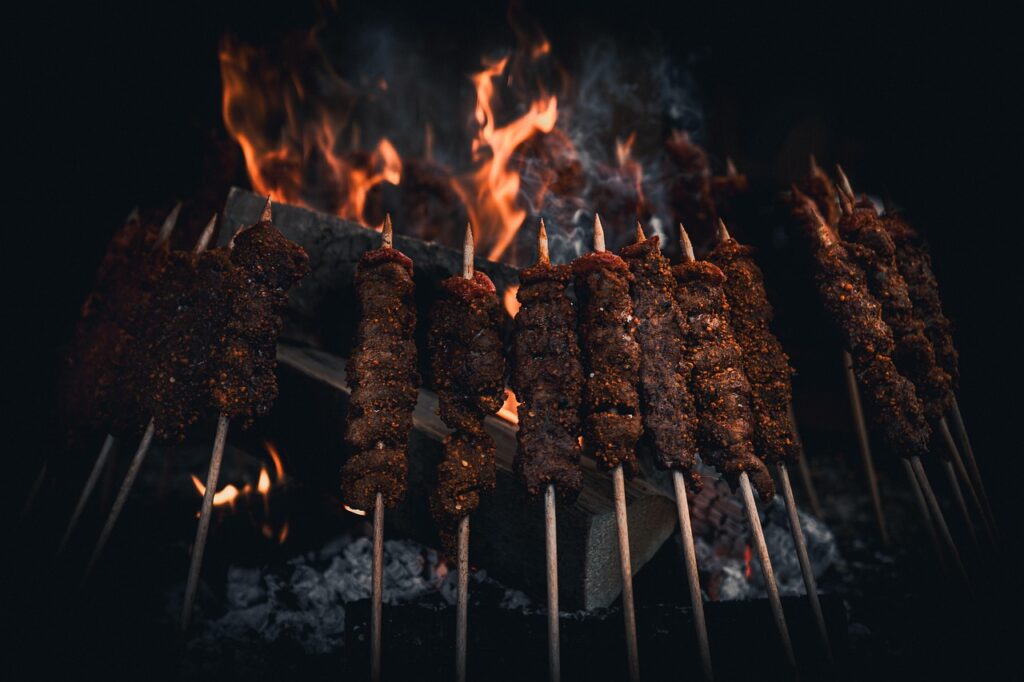
Fire feels urgent, so the instinct is to splash, yet water on a greasy grill is one of the fastest ways to make food taste worse. When water hits hot fat, it can spread burning grease, intensify flare-ups, and kick up dirty smoke that coats meat in a sooty, bitter film. That smoke is not the pleasant wood aroma people chase, since it comes from burning drippings and residue, and it can leave an acrid aftertaste that no sauce can hide. Water can also send ash and debris upward, so the surface of food picks up grit that tastes dusty. Flare-ups are normal, but handling them with water often turns a good char into harsh burn notes.
2. Using Too Much Lighter Fluid
A grill should smell like smoke and meat, not like chemicals, and too much lighter fluid can leave a flavor that feels “off” even when the food looks fine. Lighter fluid produces fumes while it burns, and if cooking starts before the coals are fully lit and coated with gray ash, those fumes can cling to food and create a petroleum-like edge. It also encourages uneven heat, since parts of the charcoal can be hotter than others during the lighting phase, which increases the chance of random scorching. Good smoke flavor comes from clean heat and patience, not from a shortcut that adds non-food aromas.
3. Skipping Preheating the Grill
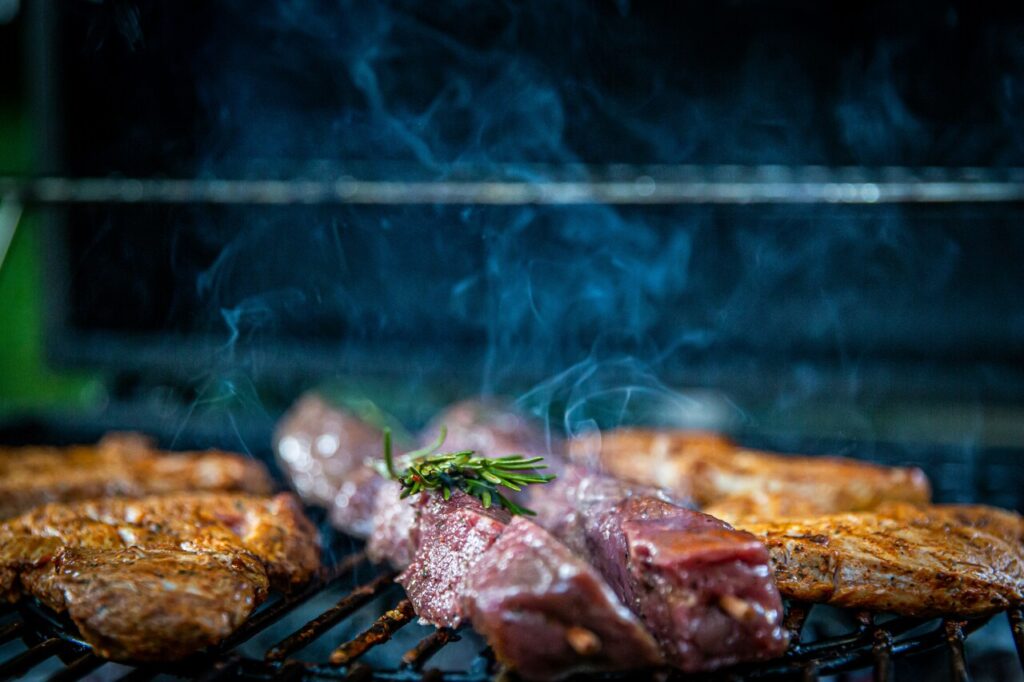
Cold grates create sticky food and a pale flavor, and that is why skipping preheat can quietly ruin a cookout. When the grill is not fully hot, proteins stick, tear, and lose their surface, and that torn surface leaks moisture, which makes burgers and chicken feel drier. Browning also suffers, since the Maillard reaction needs real heat, and without it, the food steams and turns gray instead of developing deep roasted notes. Preheating also helps burn off residue, which improves flavor and reduces sticking. The payoff is simple: clean release, better crust, and fewer panic flips, all of which taste better than rushed cooking on lukewarm metal.
4. Not Cleaning the Grates
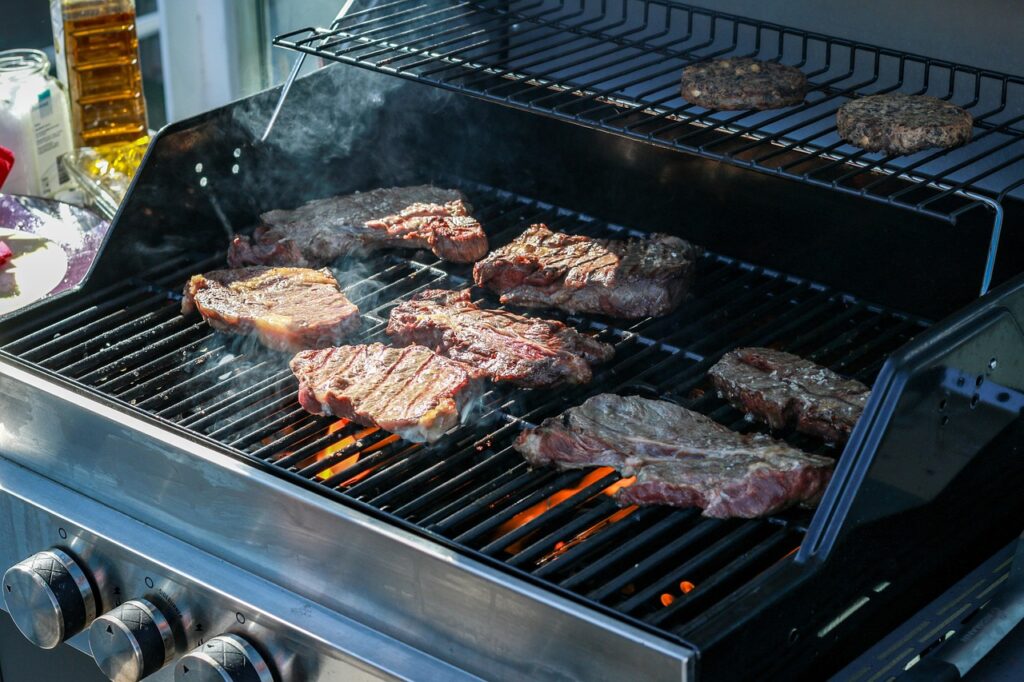
Old bits on the grates are not “extra flavor,” they are yesterday’s burn, and they can make new food taste bitter and dirty. Burnt residue turns into carbonized flakes that stick to fresh meat and vegetables, and those flakes taste harsh, especially on delicate foods like fish, shrimp, and chicken. Dirty grates also increase sticking, because the surface becomes uneven and coated, so food tears and leaves pieces behind, which then burn even more and create a cycle of bitterness. A quick brush while the grates are hot, followed by a light oiling, creates a cleaner surface that releases food and keeps the smoke cleaner.
5. Cooking Everything on High Direct Heat
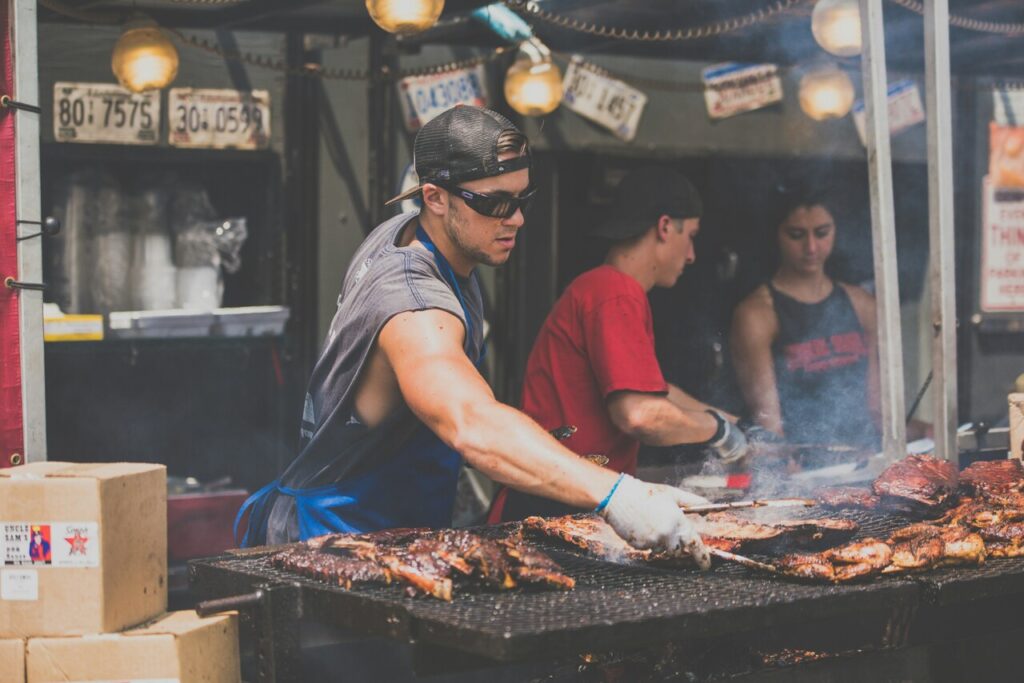
High heat is useful, but using it for everything often turns barbecue into burnt outsides and undercooked centers. Thick cuts need time for heat to move inward, and direct high heat can char the exterior before the interior reaches safe temperatures, which forces longer cooking that dries the meat. High flames also trigger more flare-ups as fat drips, and that produces acrid smoke and blackened spots that taste bitter rather than pleasantly charred. Vegetables suffer too: delicate ones can burn before they soften, and starchy sides like corn can go from sweet to scorched fast. That approach builds flavor through browning without turning the surface into carbon.
6. Lifting the Lid Too Often
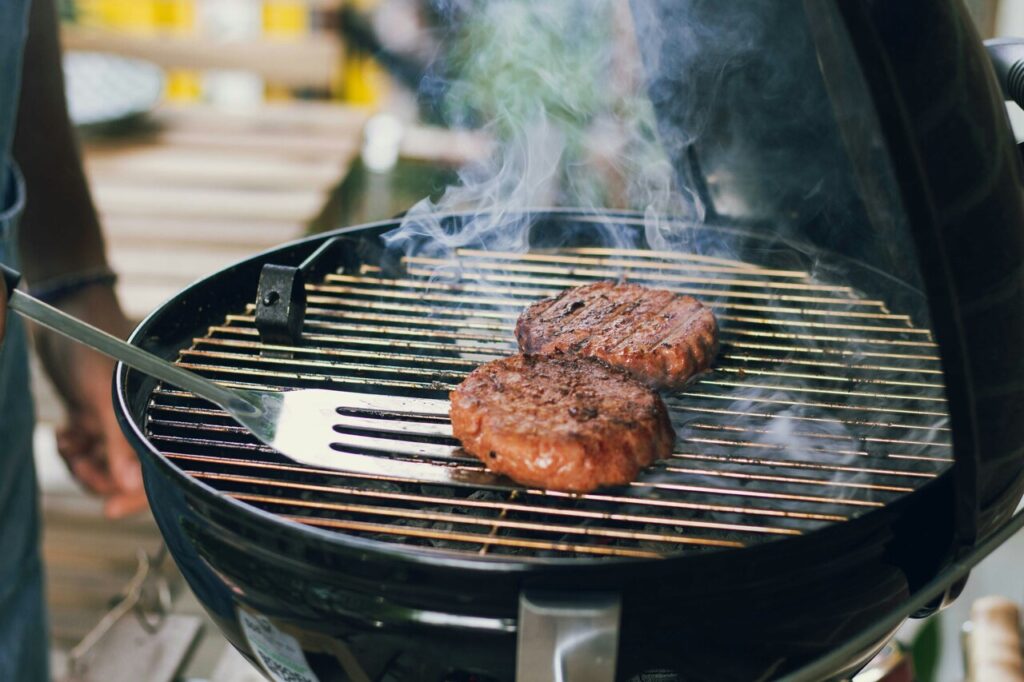
Curiosity can be expensive on a grill because every lid lift dumps heat and disrupts the cooking environment. On gas grills, heat escapes quickly, and burners need time to recover; on charcoal, oxygen rush can spike flames and create flare-ups, then temperature drops as the lid stays open. Those swings make cooking uneven, which encourages more flipping and poking, and that constant handling can dry out meat by tearing surfaces and letting juices escape. A lid is not just a cover; it is temperature control, and a stable temperature is what gives juicy interiors and even browning. Checking constantly often trades patience for dryness and tougher texture.
7. Saucing Too Early
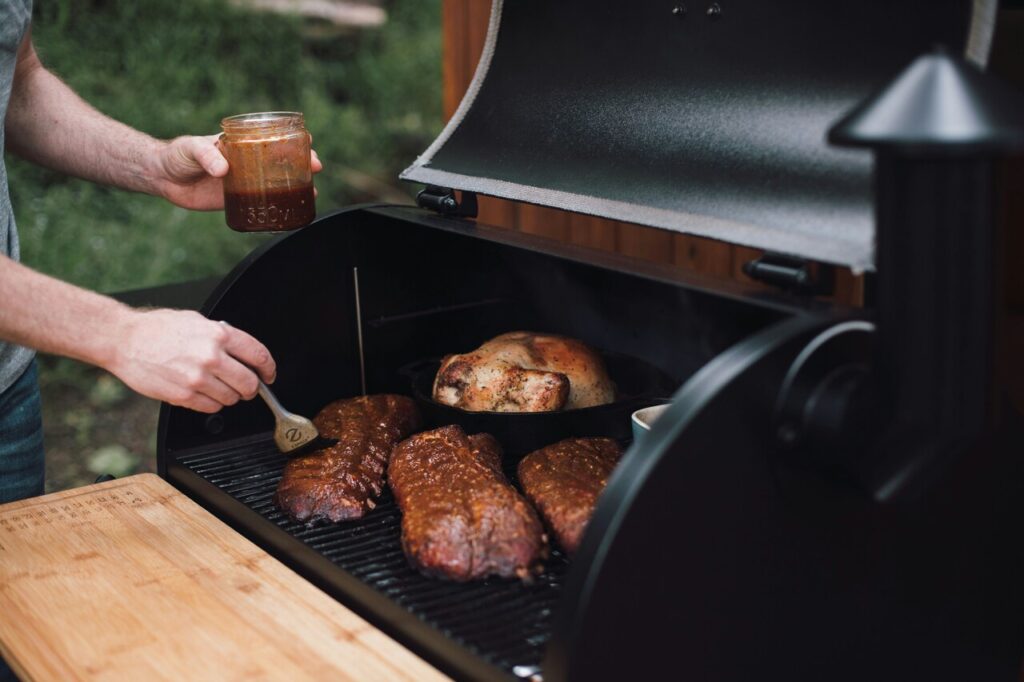
Sauce can make grilled food taste incredible, yet applying it too early can turn that same sauce into bitterness. Many barbecue sauces contain sugar, honey, molasses, or fruit sugars, and those sugars burn quickly over direct heat, creating a dark, sticky layer that tastes scorched. Early saucing also encourages sticking, since thick sauces glue food to grates and tear when flipped. A smarter timing is late glazing: cook most of the way first, then brush on sauce during the final minutes so it sets and caramelizes lightly without burning. The result tastes cleaner, with smoke and seasoning still present, and sauce that tastes like sauce rather than char.
8. Skipping Rest Time After Grilling
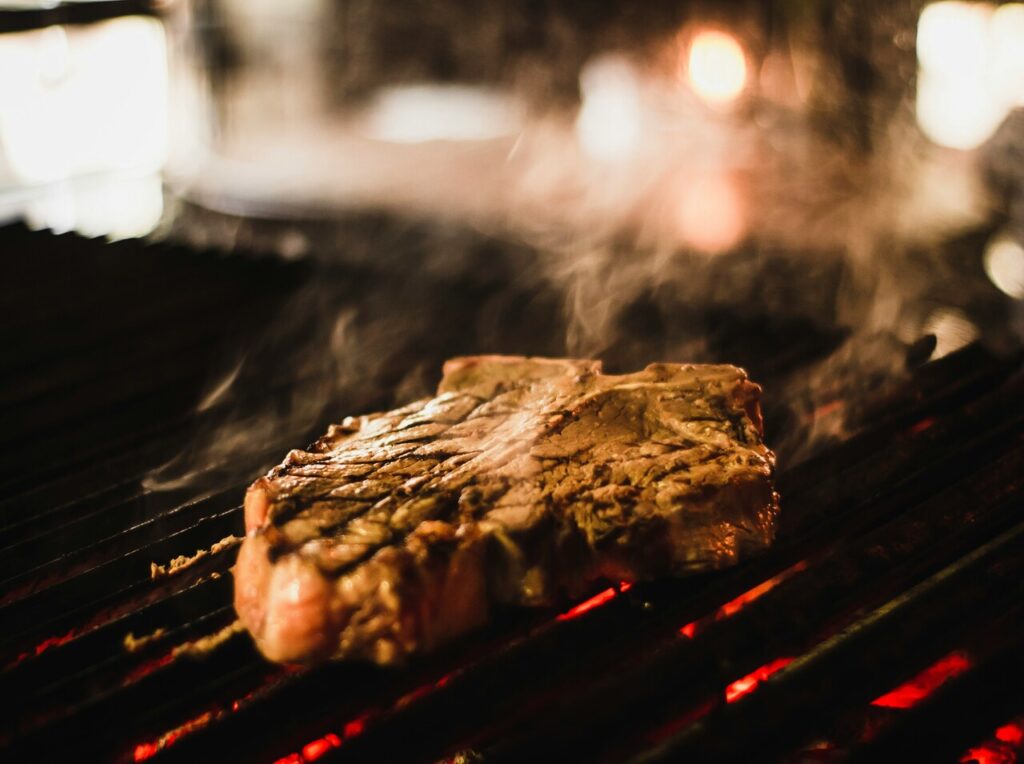
The moment food comes off the grill feels like the finish line, yet skipping rest can make the first bite noticeably drier. Heat pushes juices toward the surface during cooking, and cutting immediately lets those juices spill out onto the board instead of staying in the meat. Resting gives proteins time to relax and lets moisture redistribute, which improves tenderness and keeps the interior juicy. The rest does not need to be long, but it needs to exist, and loosely tenting with foil can help without trapping too much steam. The difference is visible: rested meat holds its juices, while rushed meat bleeds them out.
9. Guessing Doneness by Poking or Cutting Too Early
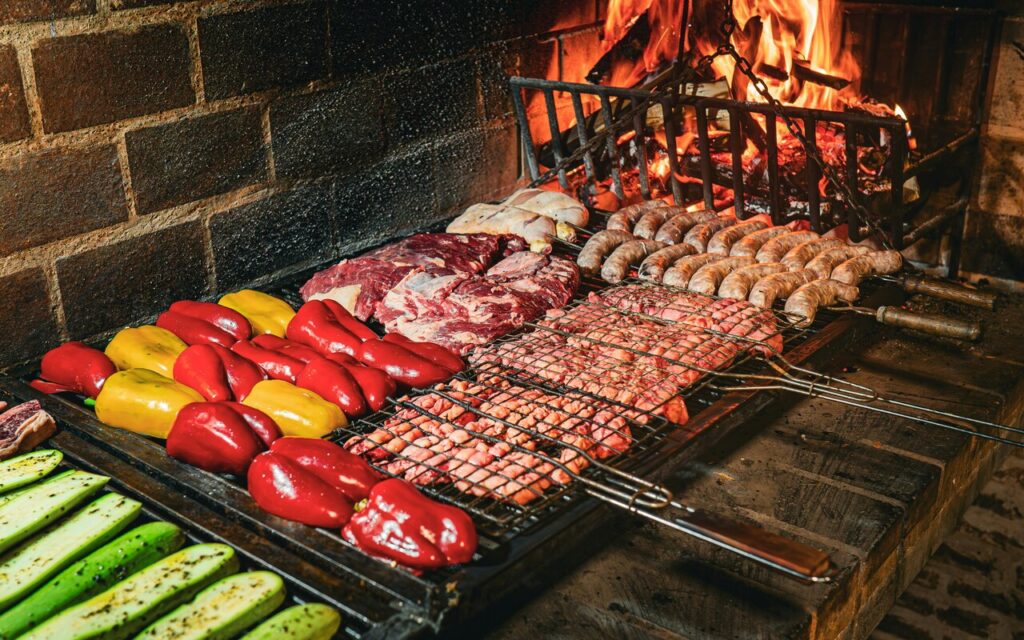
Guesswork is the silent cause of dry barbecue, because poking and slicing early often leads to overcooking and moisture loss. A poke test can be misleading, since firmness varies by cut, thickness, and fat content, and surface feel does not always match internal temperature. Cutting to “check” also releases juices and creates a weak spot that dries faster, which is why repeated checking can make meat tougher. A thermometer solves this cleanly, since internal temperature is the most reliable indicator of doneness and safety. Better control means less stress and better taste, because the goal is juicy, properly cooked meat.