10 Rosemary Recipes That Actually Make the Herb Taste Like Something Special


Rosemary can taste incredible, but it needs the right setup. Its flavor lives in aromatic oils, so the best recipes use fat to capture it, then heat to release it, while avoiding long cooking that can turn it dull or bitter. High-heat baking can crisp the needles, gentle steeping can perfume syrups and sorbets, and quick basting can push aroma straight onto meat.
Pairings matter too: potatoes, lamb, citrus, nuts, and butter all make rosemary feel clearer and more intentional. These recipes focus on methods that let the herb lead.
Strong partners highlight rosemary’s piney, resinous notes instead of burying them under heat or sugar. When the pairing is right, the herb tastes integrated rather than scattered.
1. Rosemary Focaccia
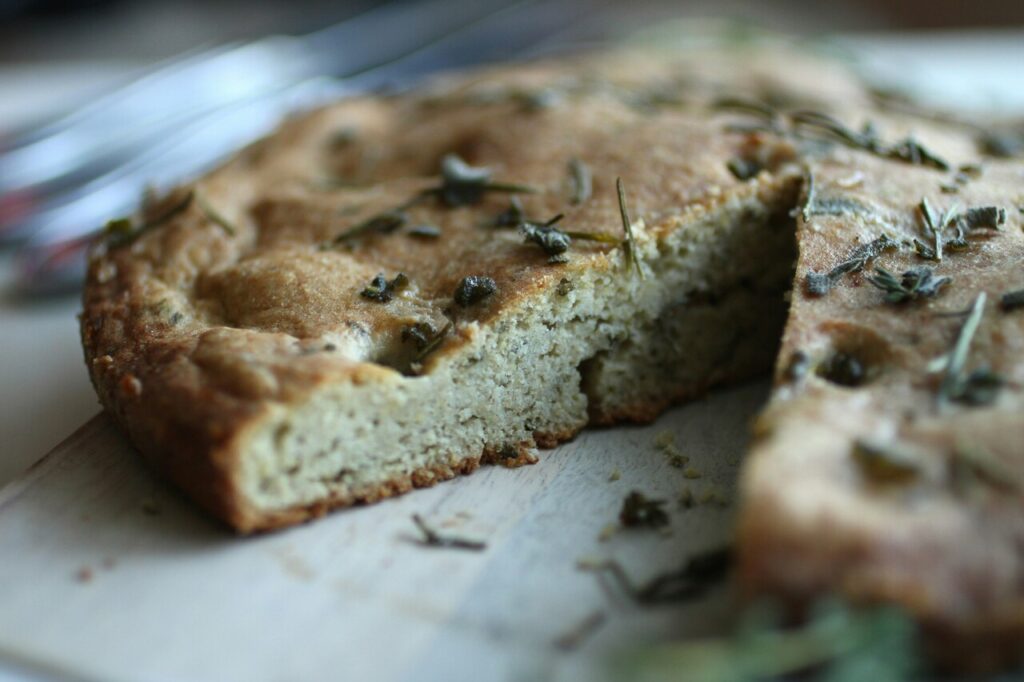
Bread is one of the easiest places for rosemary to feel unforgettable, because the herb sits right on the surface where heat can wake up its essential oils and push that piney, resinous perfume into the whole loaf.
The technique matters more than extra ingredients. Pressing dimples into the dough creates little pools of oil, and rosemary nestled in those pools toasts gently rather than scorching. A hot oven finishes the job by crisping the tips of the rosemary while the interior stays soft, giving contrast that makes the herb taste louder.
Salt completes the effect. When baked well, the loaf smells like a herb garden and tastes like olive oil turned into something richer.
2. Garlic Rosemary Steak
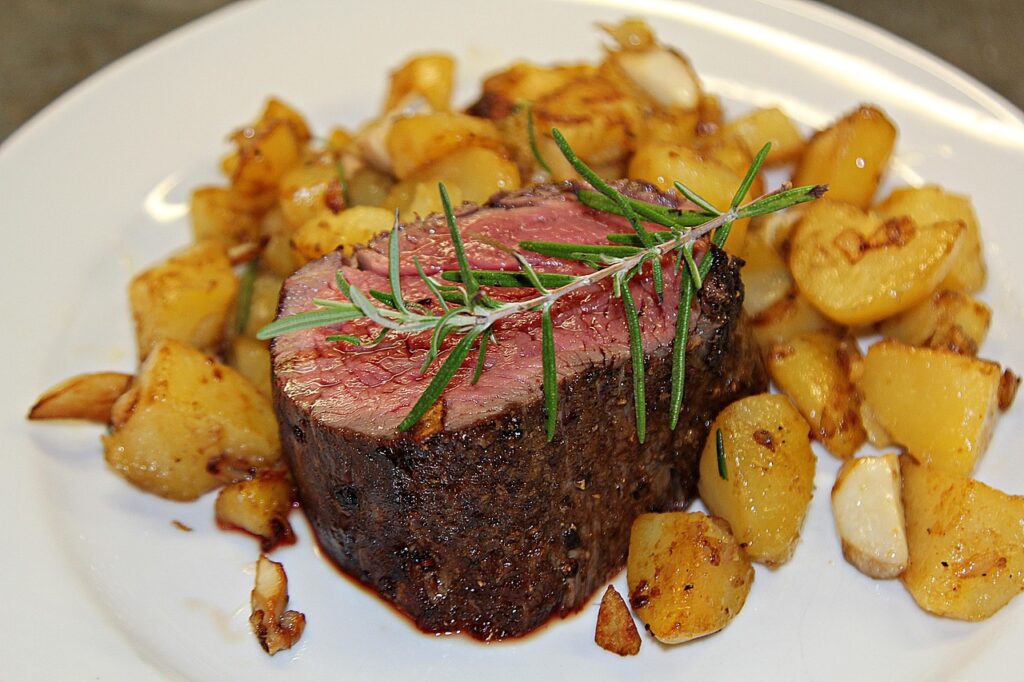
Rosemary shines with steak because it thrives in fat and high heat, and a pan full of hot butter or oil becomes a fast infusion tool that pulls flavor out of the herb in minutes. Unlike long simmering, which can dull rosemary into a muted background, its oils get painted directly onto the meat.
Timing protects the flavor. Rosemary can burn easily, and burnt rosemary tastes harsh. Garlic fits naturally here, too, but it needs the same caution, since it can scorch faster than the steak cooks.
A good finish is simple. Resting the steak matters because the surface carries concentrated flavor from the baste. The result tastes clean and savory, with rosemary acting like a fresh top note instead of a dull dried herb.
3. Rack of Lamb With Rosemary Butter
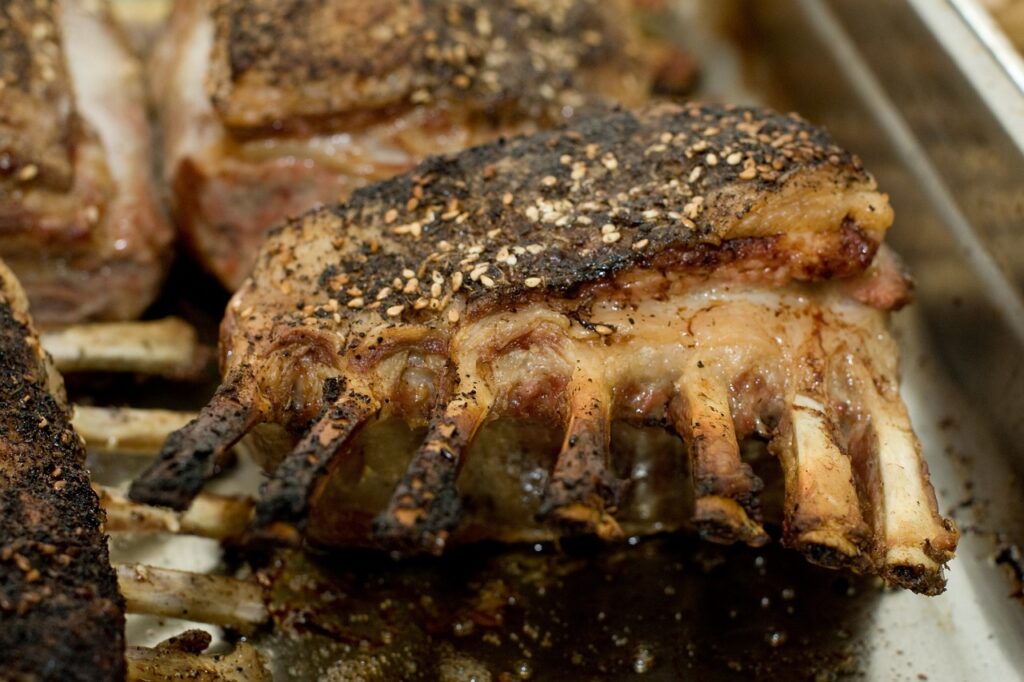
Lamb and rosemary are a classic match because the herb’s piney, earthy aroma stands up to lamb’s rich flavor without being overwhelmed. A rosemary butter takes that pairing further, so rosemary tastes rounded and intentional rather than sharp.
The best impact comes from controlled extraction. Gently warming rosemary in butter releases aromatic oils into the fat. High heat can still be part of the plan, but the butter should not be cooked to the point of browning too aggressively, since that can shift rosemary toward bitterness.
Balance matters at serving. Lamb is rich, so salt and a bright element like lemon zest or a small splash of acidity can make the rosemary taste more vivid and keep the bite from feeling heavy.
4. Roasted Potatoes With Rosemary
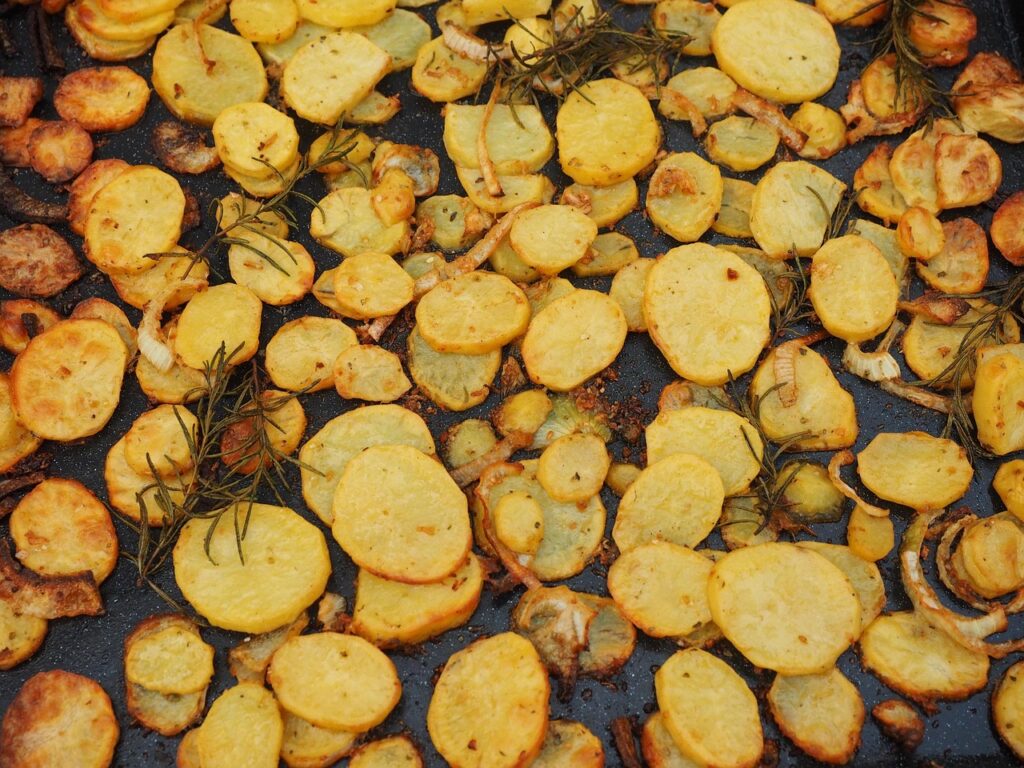
Potatoes are mild, which makes rosemary’s aroma feel dramatic, especially when the herb gets exposed to dry heat and hot oil. Roasting creates browned edges and fluffy centers, releasing a bold scent that clings to the starch.
Texture is the secret weapon. Parboiling or roughing up the potato surface creates more craggy edges. Rosemary added early can perfume the oil, but it should be watched, and that can turn the flavor bitter rather than fragrant.
Salt and fat carry the finish. Olive oil is common, but rendered fat like duck fat can make rosemary feel deeper and more savory, while keeping the herb’s aroma intact. The best trays smell like rosemary and toasted potato, and each bite tastes like the herb was meant to be there.
5. Rosemary Popcorn

Popcorn is a blank canvas, and rosemary becomes special here because the flavor has nowhere to hide, so even a small infusion changes the entire bowl. Rosemary’s oils dissolve into butter or oil far better than they dissolve into air.
Infusion is simple but precise. Warm butter or oil with rosemary just long enough to smell strongly aromatic. Tossing popcorn while it is hot helps the infused fat coat evenly, and that even coating makes the rosemary taste clear instead of patchy.
Salt makes the aroma pop. Rosemary has a savory edge that becomes more noticeable with proper seasoning. The result is snacky and fragrant, with rosemary tasting like a deliberate flavor choice rather than a random herbal sprinkle.
6. Lemon Rosemary Sorbet

Cold desserts can make rosemary taste sharper and more perfume-like, and that is exactly why it works so well with lemon. Citrus brings acidity and brightness, while rosemary adds depth and a faint piney backbone that keeps the sorbet from tasting like plain frozen lemonade.
Extraction needs care. Rosemary can dominate fast, so the best approach is steeping it briefly in hot syrup, then removing it before the infusion becomes medicinal. The goal is aroma, not bitterness, and short steeping keeps the flavor clean while still clearly herbal.
Texture and balance matter. Sorbet needs enough sugar to stay scoopable, and enough acid to taste fresh, and rosemary fits between those two forces by adding complexity without extra heaviness.
7. Rosemary-Cranberry Margarita

A cocktail can make rosemary feel special because liquid extracts the aroma quickly, and a rosemary simple syrup gives control over strength. Cranberry brings tartness and color, and rosemary adds an herbal depth that keeps the drink from tasting like straight fruit and sugar.
Syrup technique shapes the result. Rosemary steeped in warm syrup releases its oils into the sugar base. Straining keeps the drink smooth and prevents bitter particles from sitting in the glass.
Balance is the whole point. Margaritas rely on sweet, sour, and spirit working together, and cranberry can be sharp, so the syrup helps round edges while the rosemary adds structure. The best version tastes bright and refreshing, with rosemary as a clean aromatic lift.
8. Brown Butter Basted Steak With Rosemary
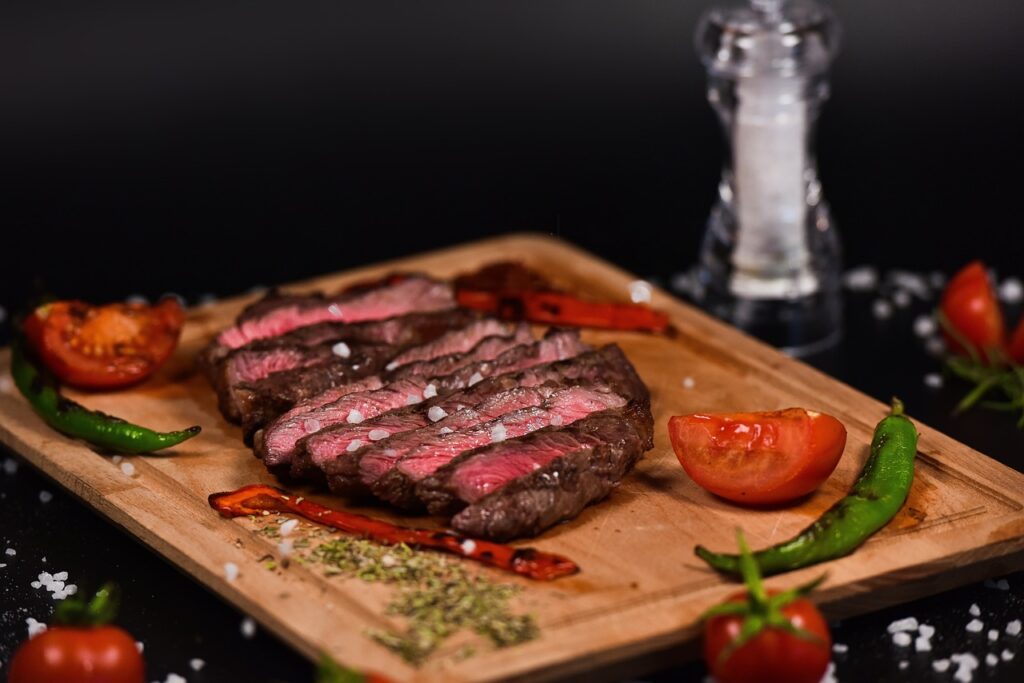
Brown butter has a nutty aroma that pairs naturally with rosemary, because both read as warm and toasted. Rosemary’s oils bloom in hot fat, and brown butter adds depth that plain oil cannot match.
Control keeps it elegant. Butter can burn quickly once it browns, so the heat needs to be managed, and rosemary should be added when the butter is foaming but not smoking. Basting for a short window coats the crust with rosemary aroma and browned butter flavor.
The finish should stay clean. A brief rest helps keep juices in the meat, and a final spoonful of the butter from the pan can act like a sauce, carrying rosemary flavor into each slice. The result tastes bold but not heavy, with rosemary adding a sharp, fresh edge to the buttery roast notes.
9. Toasted Pecans With Rosemary
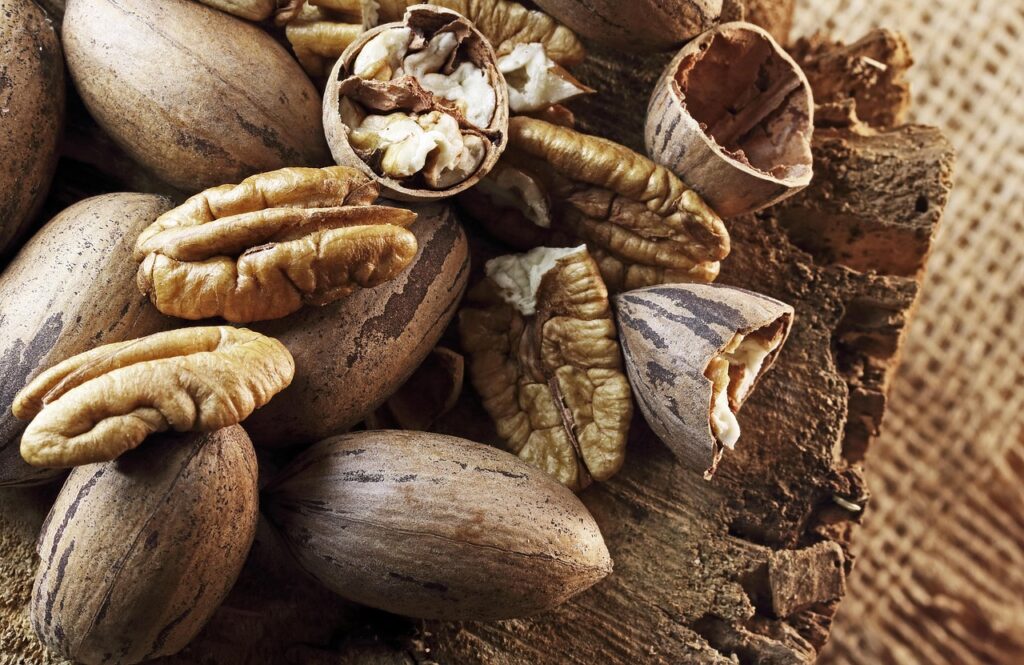
Nuts make rosemary taste more savory because their natural oils carry the herb’s aroma, and heat intensifies both at the same time. Pecans are especially good here since they are naturally sweet and rich, so rosemary adds contrast and keeps the snack from tasting one-note.
Toasting is where flavor is built. Warm nuts release oils, and rosemary added with fat and salt perfumes that oil and spreads evenly, but timing matters because herbs can scorch.
Seasoning shapes the final character. Salt makes the herb taste clearer, and a small touch of sweetness, like maple or brown sugar, can highlight pecan flavor without drowning the rosemary. The result tastes like a bar snack upgrade, with rosemary acting as the signature aroma.
10. Rosemary Biscuits Stuffed With Sausage and Cheese

Rich fillings need an herbal counterpoint, and rosemary works because its aroma cuts through fat and makes heavy flavors feel brighter. In a stuffed biscuit, the herb is trapped in dough, so its scent stays concentrated, and every bite carries rosemary even when sausage and cheese are loud.
Dough handling matters. Overmixing makes biscuits tough, so rosemary should be folded in quickly, and cold fat should be kept cold to create flaky layers. Baking then turns the rosemary aromatic, and the herb perfumes the biscuit.
The filling benefits too. Sausage brings salt and spice, cheese brings richness, and rosemary adds a clean. When baked well, the biscuit smells fragrant, tastes savory, and makes rosemary feel like the main idea.