11 Popular Foods That Taste Worse Because Recipes Were Simplified


Many beloved foods taste different today because recipes were simplified to save time, cut costs, or allow mass production. Ingredients once prepared slowly and carefully are now replaced with powders, stabilizers, and quick methods designed for convenience. While these changes make meals easier to prepare and widely available, they often sacrifice the depth, texture, and freshness that defined original recipes, leaving familiar dishes tasting noticeably different from the versions people remember enjoying.
1. Boxed Mac and Cheese
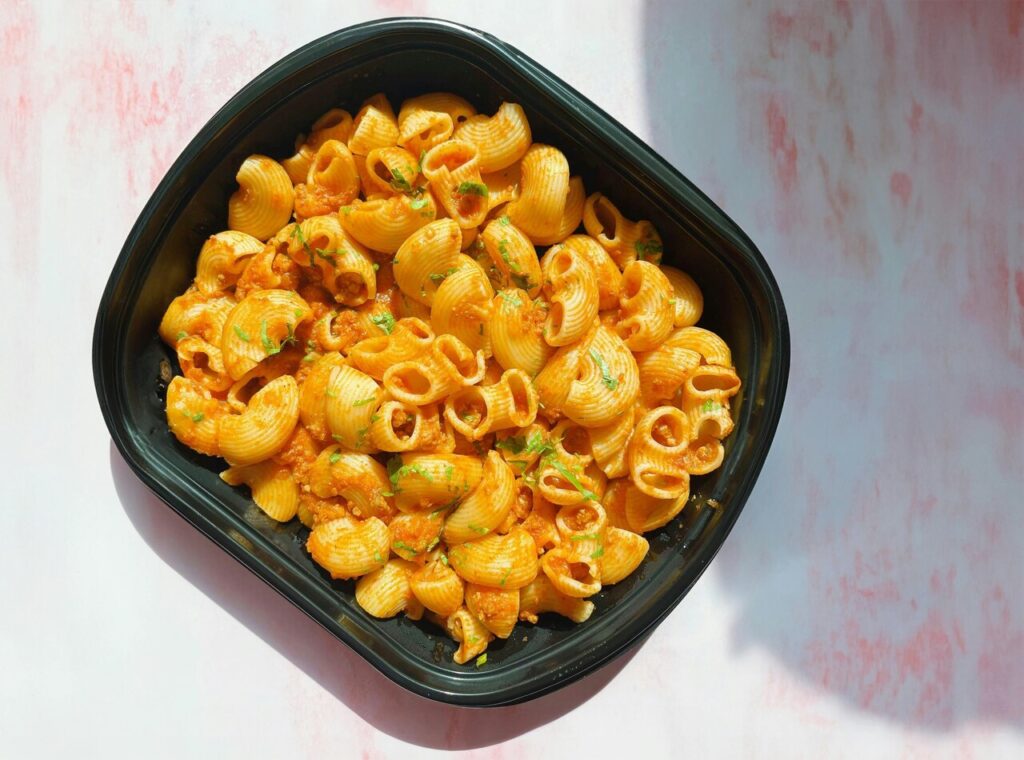
Few comfort foods feel as nostalgic as macaroni and cheese, yet boxed versions simplified preparation by replacing real cheese sauces with powdered blends designed for shelf stability. Traditional recipes relied on butter, milk, and slowly melted cheese, creating a creamy texture and layered flavor.
Powdered cheese mixes prioritize consistency and cost control. While convenient, the result lacks the richness and depth that slow cooking and fresh ingredients naturally provide.
Modern boxed versions still appeal for speed, but many diners notice a thinner texture and sharper artificial flavor compared with homemade versions. Simplification solved convenience needs, though it quietly changed what many once recognized as classic comfort food.
2. Instant Ramen

Ramen traditionally involves carefully simmered broth, fresh noodles, and layered toppings that develop deep flavors over hours of cooking. Instant ramen simplified this experience into dehydrated noodles paired with powdered seasoning for quick preparation.
To achieve long shelf life, manufacturers removed fresh elements and condensed flavors into salt-heavy packets. The process delivered affordability and speed but flattened the complex balance that defines authentic ramen bowls.
While instant ramen remains popular among students and busy households, its flavor rarely matches freshly prepared versions. Simplification transformed a culinary craft into convenience food, trading depth for accessibility.
3. Frozen Pizza

Classic pizza relies on fresh dough fermentation, quality cheese, and balanced sauce, yet frozen versions simplified production through preservatives and industrial preparation for mass distribution. Shelf stability became more important than traditional craftsmanship.
Freezing alters crust texture and limits ingredient freshness, while cost control encourages lower-quality cheese blends and simplified sauces. These changes ensure pizzas survive transport but reduce flavor complexity and freshness.
Though frozen pizzas offer convenience, many consumers notice differences in crust chewiness and topping taste. Simplified production keeps prices low but often sacrifices the experience associated with freshly baked pies.
4. Canned Soup
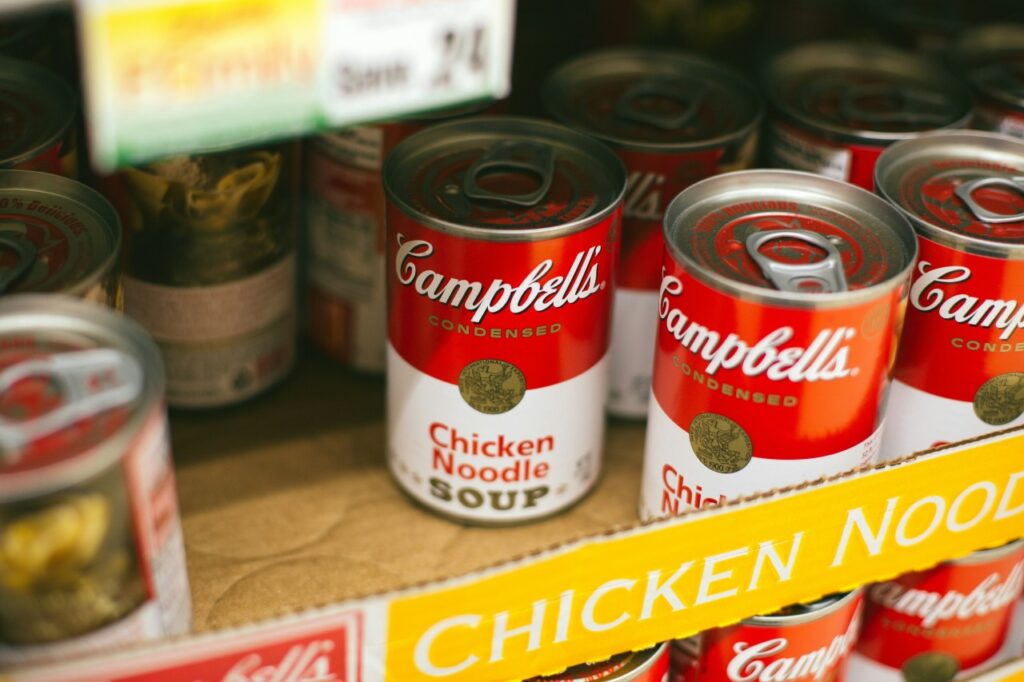
Homemade soups typically develop flavor through slow simmering of bones, vegetables, and herbs, creating rich broths that vary with ingredients and cooking time. Canned soups simplified preparation by condensing recipes into shelf-stable formats.
To preserve soups safely, manufacturers rely on high sodium levels and stabilizers, altering taste and texture compared with freshly made versions. Ingredients also cook differently during canning, softening vegetables and meats beyond traditional preparation.
Canned soups remain convenient pantry staples, yet many diners notice muted flavors compared with fresh soups. Simplification enabled widespread availability but reshaped expectations around soup quality and depth.
5. Fast Food Burgers

Early hamburgers focused on freshly ground beef cooked quickly and served simply, allowing meat flavor to dominate. Fast food chains simplified production through standardized patties and assembly processes, supporting rapid service nationwide.
Mass production requires consistent meat blends, freezing, and preservatives to maintain supply, sometimes diluting flavor compared with fresh-ground beef. Toppings and sauces compensate for taste uniformity rather than highlight meat quality.
Convenience keeps fast food burgers popular, yet many consumers notice differences compared with freshly prepared burgers. Simplification prioritized speed and scalability, often softening the bold flavors associated with classic diner-style burgers.
6. Machine Bread

Traditional bread baking involves slow fermentation that develops flavor and texture through natural yeast activity. Bread machines simplified baking by speeding production using quick-rise yeast and automated mixing cycles.
Rapid baking shortens fermentation, reducing flavor complexity and often producing softer, less textured loaves compared with artisanal bread. Additives sometimes assist consistency when speed replaces long proofing methods.
Machine bread offers convenience for home bakers, yet many notice less pronounced flavor compared with slowly fermented loaves. Simplification helped modern kitchens bake quickly but altered characteristics once achieved through patience and craft.
7. Store Cookies

Homemade cookies rely on butter, fresh eggs, and careful baking to achieve chewy centers and crisp edges. Commercial cookies simplified production through shelf-stable fats and preservatives, extending storage life.
Manufacturers often replace butter with cheaper oils and stabilizers that withstand shipping and long display times. While appearance remains appealing, flavor and texture differ from freshly baked cookies eaten warm.
Packaged cookies remain popular snacks, yet many consumers recognize differences compared with homemade versions. Simplification made cookies portable and long-lasting, but changed the sensory qualities people associate with fresh baking.
8. Pancake Mix

Classic pancake batter blends flour, eggs, milk, and butter to create a light texture and balanced flavor when cooked fresh. Pancake mixes simplify preparation by combining dry ingredients requiring only liquid additions.
Dry mixes often include preservatives and added sugars to maintain shelf stability, subtly shifting flavor profiles. Simplification reduces preparation effort but can limit the customization possible with fresh ingredients.
Mixes remain practical for quick breakfasts, though many diners notice a richer flavor when the batter uses fresh components. Simplified preparation increased convenience but altered the taste experience once shaped by simple kitchen staples.
9. Bottled Dressing
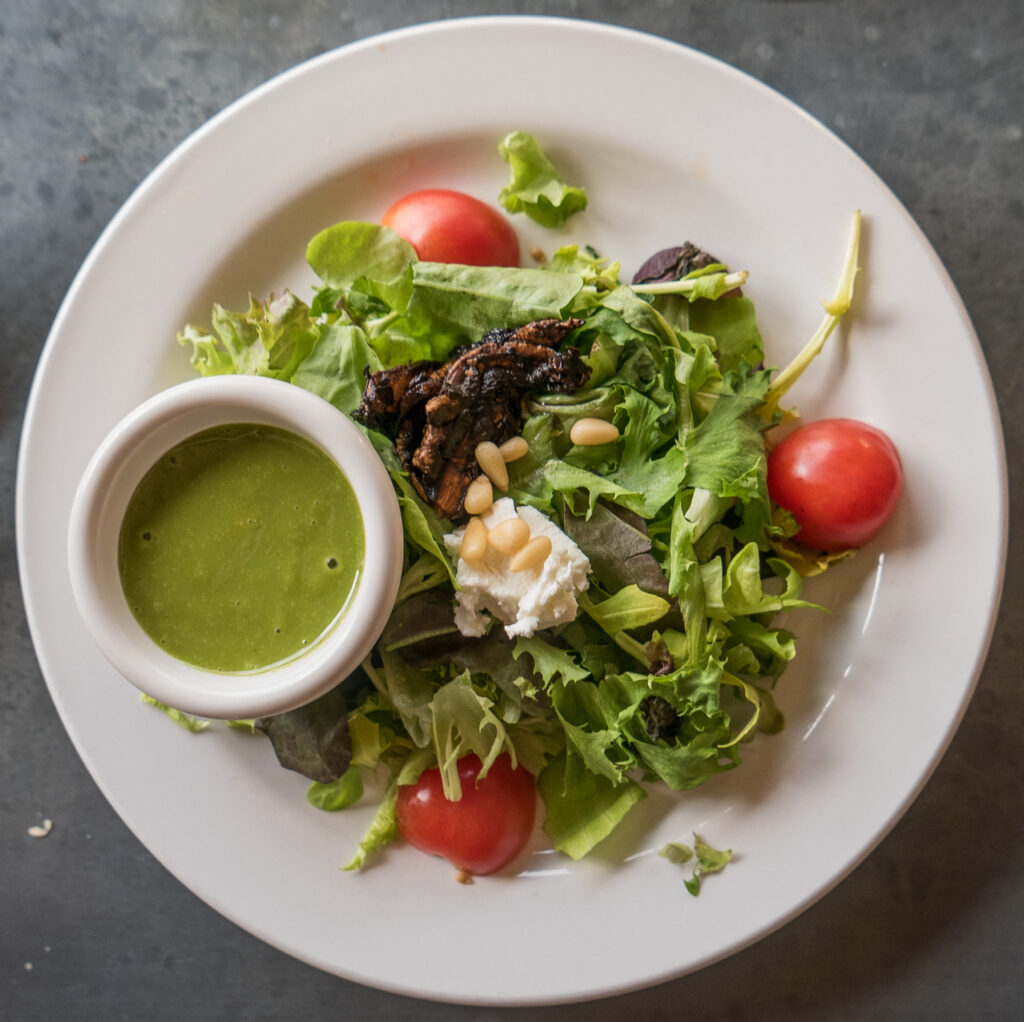
Fresh salad dressings typically combine oil, vinegar, herbs, and emulsifiers whisked just before serving, offering bright flavor and customizable balance. Bottled dressings simplified preparation through mass production and extended storage.
Shelf-stable formulas often include stabilizers and sweeteners preventing separation while preserving texture over time. These additions sometimes mute freshness compared with dressings prepared moments before serving.
Bottled dressings remain convenient options, yet many diners prefer freshly mixed versions delivering sharper flavors. Simplification extended usability but reduced the vibrancy associated with homemade preparations.
10. Packaged Ice Cream

Traditional ice cream relies on high butterfat, slow churning, and minimal air incorporation to create a dense, creamy texture. Mass-produced ice cream simplified production through faster freezing and air incorporation, improving yield.
Increased air content and lower dairy fat reduce production costs while maintaining volume, yet texture becomes lighter and flavors less intense. Stabilizers also help maintain consistency during long storage periods.
Although packaged ice cream remains popular, many consumers notice differences compared with premium small-batch varieties. Simplification allowed widespread distribution but softened the qualities that define classic rich ice cream.
11. Microwave Meals
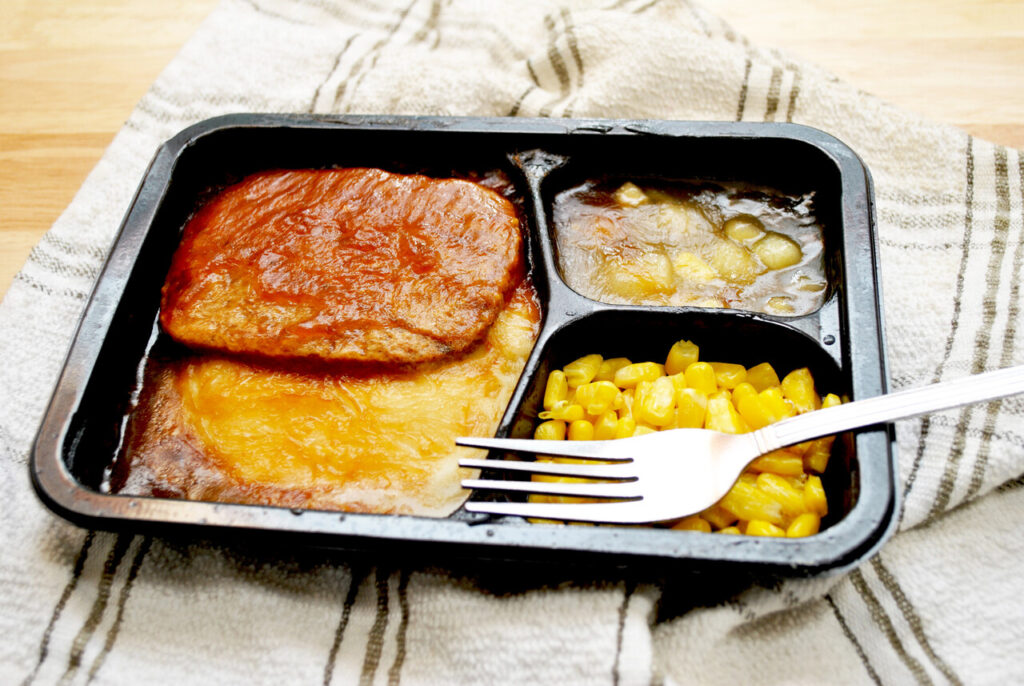
Home-cooked meals traditionally involve layered cooking methods, developing flavor and texture over time. Microwave meals simplified preparation into single-serving trays designed for quick reheating rather than culinary refinement.
To survive freezing and reheating, ingredients often include stabilizers and higher sodium levels, preserving taste after microwave cooking. Texture and freshness frequently differ from stovetop or oven-prepared meals.
Microwave meals provide unmatched convenience, yet diners often note muted flavors compared with freshly cooked dishes. Simplification meets busy lifestyles while reshaping expectations of how complete meals taste when prepared rapidly.