Rising Grocery Prices Are Changing What Americans Put on the Dinner Table


The grocery store once felt like one of the most predictable parts of a household routine. Most shoppers had a rough idea of what a cart of essentials would cost, and weekly meals followed familiar patterns built around comfort and convenience. In recent years, that sense of certainty has slowly faded. Across the United States, grocery prices have climbed enough to make many shoppers pause before filling their carts. Items that once felt routine now demand a second look at the price tag, and families are adjusting expectations each time they walk through the aisles. What used to be a quick weekly errand has turned into a careful balancing act between needs and a tighter budget.
As prices continue to rise, the ripple effects are showing up at dinner tables across the country. Families are rethinking recipes, swapping expensive ingredients for simpler options, and relying more on store brands that offer similar quality at lower prices. Leftovers are stretched into new meals, bulk ingredients get more attention, and weekly meal plans are often built around whatever happens to be on sale. These changes may seem small at first, but together they show how grocery inflation is quietly reshaping everyday eating habits. What people cook each week is now guided not only by taste or tradition, but also by the growing need to keep meals satisfying and affordable.
The Steady Climb of Grocery Prices
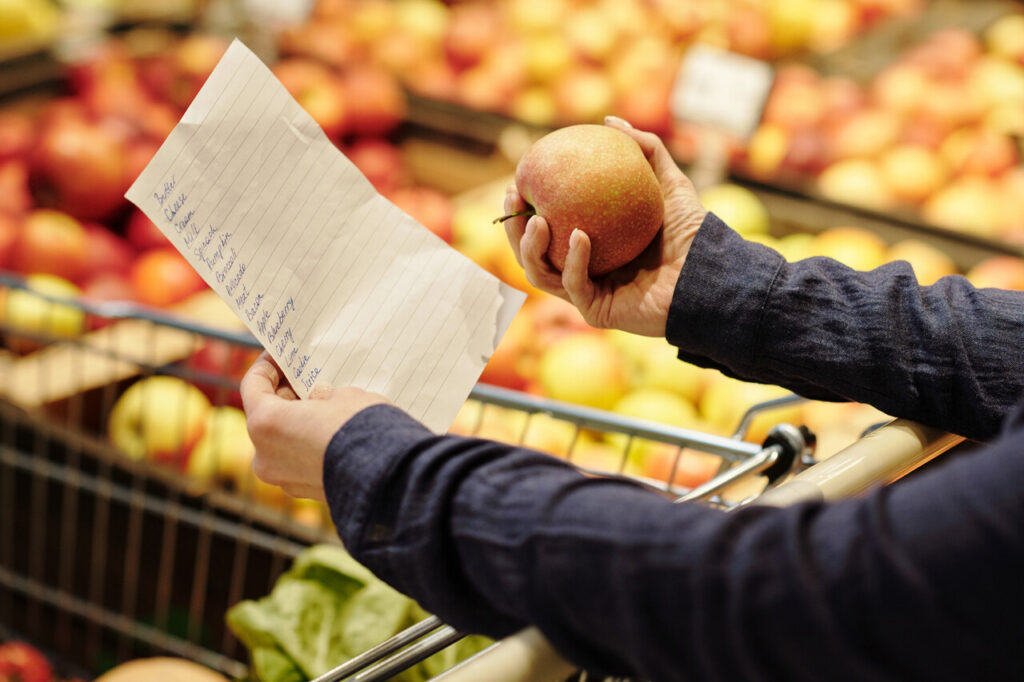
For many American households, the grocery store has quietly become one of the most unpredictable parts of the monthly budget. Over the past few years, food prices have risen faster than many families expected, forcing shoppers to pay closer attention to every item in their carts. Everyday staples such as eggs, dairy products, cooking oils, bread, and meat have seen noticeable price increases that quickly add up during a typical weekly trip. What once felt like a routine purchase now requires a second glance at the price tag, and many shoppers are becoming far more deliberate about what they choose to bring home.
Several factors are driving these rising costs across the food system. Supply chain disruptions, higher transportation expenses, and labor shortages have all increased the cost of getting food from farms to store shelves. Farmers and food producers are also paying more for feed, fertilizer, fuel, and packaging materials, which raises production costs. Climate events such as droughts and extreme heat have also affected crop yields in key agricultural regions. When these pressures combine, the added expenses eventually appear in grocery prices, leaving many shoppers paying more for the same familiar items.
How Families Are Reshaping Everyday Meals
When grocery prices rise, the first place many families begin adjusting is the dinner table. Meals that once followed familiar routines are now being reconsidered with cost in mind. Households are increasingly choosing dishes that stretch ingredients further and rely on fewer expensive components. Recipes that once included multiple proteins or specialty items are often simplified into practical, budget-friendly versions. The goal is not only to save money but also to keep meals filling and satisfying. As a result, many home cooks are rediscovering simple, flexible recipes that allow them to make the most of ingredients already sitting in the pantry.
Protein choices are often where the biggest changes appear. Beef and seafood, which usually carry higher price tags, are sometimes replaced with more affordable options such as chicken, eggs, beans, or lentils. These foods still provide important nutrients while costing far less per serving. Pasta dishes, casseroles, soups, and rice-based meals are also becoming more common because they can feed several people with relatively inexpensive ingredients. Many families now plan meals around weekly grocery sales and rely on leftovers to create additional dishes, helping stretch ingredients further while keeping grocery spending manageable.
Budget Shopping Is Becoming the New Normal

Saving money at the grocery store is no longer a habit limited to dedicated bargain hunters. For many Americans, it has become a regular part of everyday shopping. As food prices rise, shoppers are paying closer attention to what they buy and how much they spend. Many people now compare prices across different stores, check weekly flyers before leaving home, and adjust their shopping lists around discounts. Planning purchases around promotions has become a practical way to control grocery bills, especially for families trying to stretch their budgets without sacrificing the meals they rely on each week.
Store brands have gained strong popularity as shoppers search for reliable but lower priced alternatives. These products are usually priced below well known national brands, yet often offer similar taste and quality. Many grocery retailers have expanded their private label selections, adding more options across pantry staples, frozen foods, dairy products, and snacks. Discount grocery chains are also drawing more customers because of their competitive pricing and simpler product ranges. At the same time, digital coupons, store apps, and loyalty programs make it easier for shoppers to track deals and find ways to reduce the total cost at checkout.
Changing Diets and Compromises at the Dinner Table
Rising grocery prices are quietly influencing the kinds of foods many families bring home each week. When budgets become tighter, shoppers often prioritize items that offer more servings for the price. Fresh produce and specialty health foods can sometimes cost more than shelf-stable alternatives, which leads many households to lean toward ingredients that last longer. Frozen vegetables, canned beans, pasta, and rice are gaining attention again because they are affordable, easy to store, and flexible in many recipes. These choices help families keep meals on the table while managing grocery costs that seem to climb a little more with every shopping trip.
Portion size is another area where subtle adjustments are taking place at the dinner table. Instead of meals built around large portions of meat or other costly ingredients, many households are creating plates that rely more on grains, vegetables, or legumes to fill out the dish. This approach stretches expensive foods further while still providing a balanced meal. Nutrition specialists note that these changes can be practical, but they also highlight the challenge families face when trying to balance affordability, convenience, and long-term dietary health. Many households are adjusting recipes and portion sizes so meals remain nutritious and financially manageable.
What Rising Food Costs Could Mean for the Future of American Eating
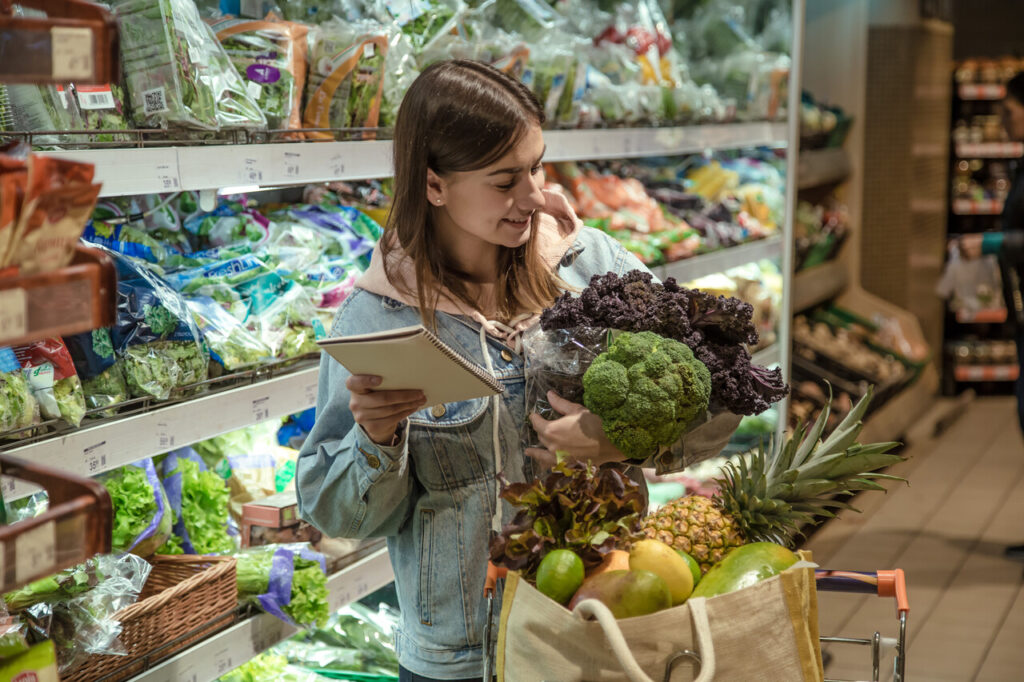
Rising grocery prices may continue shaping how Americans eat long after inflation slows. When households adjust their shopping habits during periods of higher costs, those changes often become lasting routines. Many families have started planning meals more carefully, cooking at home more often, and choosing ingredients that stretch across multiple dishes. These habits help control spending while still providing filling meals. Over time, this shift may strengthen the role of home cooking in daily life. Instead of relying on convenience foods or frequent restaurant visits, more households are learning practical ways to prepare affordable meals that balance cost, nutrition, and familiarity.
Food companies and grocery retailers are also responding to these changes in consumer behavior. As shoppers look for better value, stores are expanding store-brand products, larger value packs, and affordable meal solutions designed for families. Manufacturers are introducing budget-conscious ingredients and simpler meal kits that focus on cost and convenience. At the same time, discussions about rising food costs are pushing broader conversations about food security, farming challenges, and supply chain stability. These trends suggest that the way Americans shop for and prepare food may continue evolving as households look for practical ways to keep meals affordable.