10 Foods Chefs Say Many Americans Eat the Wrong Way

Food habits often feel natural because they are shaped by family traditions and everyday routines. Over time, certain ways of eating become second nature, even if they differ from how chefs or culinary traditions intended the dish to be enjoyed.
Professional chefs spend years learning how ingredients, textures, and flavors work together. Because of this, they often notice small habits that can change how a dish tastes or feels. Something as simple as how a sauce is added or how a bite is taken can make a difference.
Looking at a few common foods through a chef’s perspective can reveal simple adjustments that improve the experience. With just a few small changes, many everyday dishes can taste closer to how they were meant to be enjoyed.
1. Steak
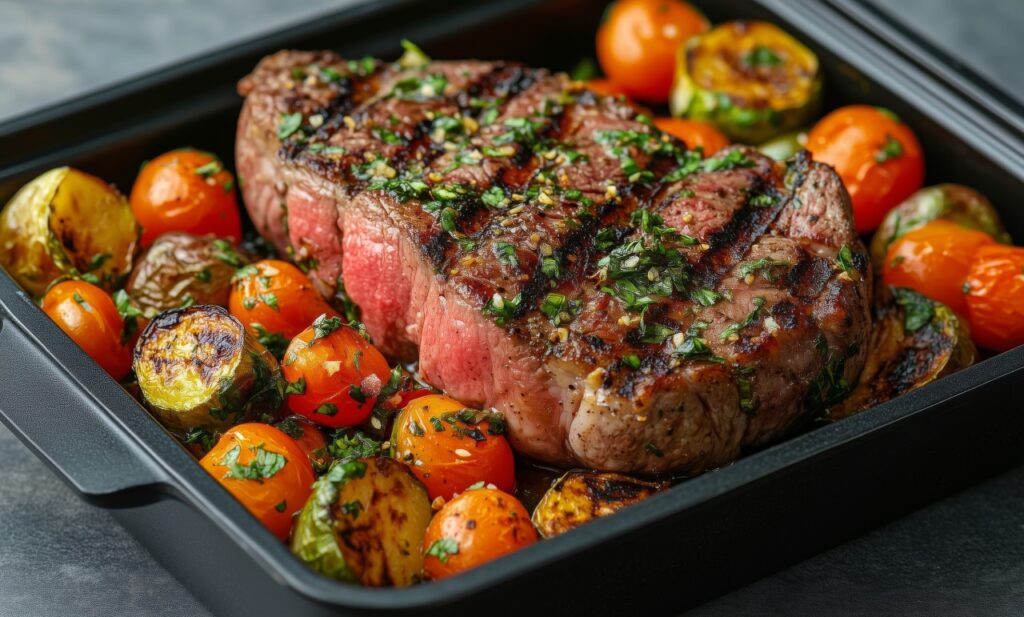
A well-cooked steak is often the highlight of a meal, yet chefs say many diners unknowingly reduce its quality with small habits at the table. Simple actions can affect both flavor and texture.
One common mistake is slicing the entire steak right away. Cutting it all at once lets heat escape and causes juices to run out more quickly. Chefs recommend cutting one bite at a time so the meat stays warmer and moister.
Another habit is adding steak sauce before tasting the meat. A properly cooked steak is seasoned to highlight the natural flavor of the beef, and strong sauces can hide that balance.
Resting the steak before eating also matters. A short rest allows the juices to settle back into the meat, helping keep each bite tender and flavorful.
2. Sushi
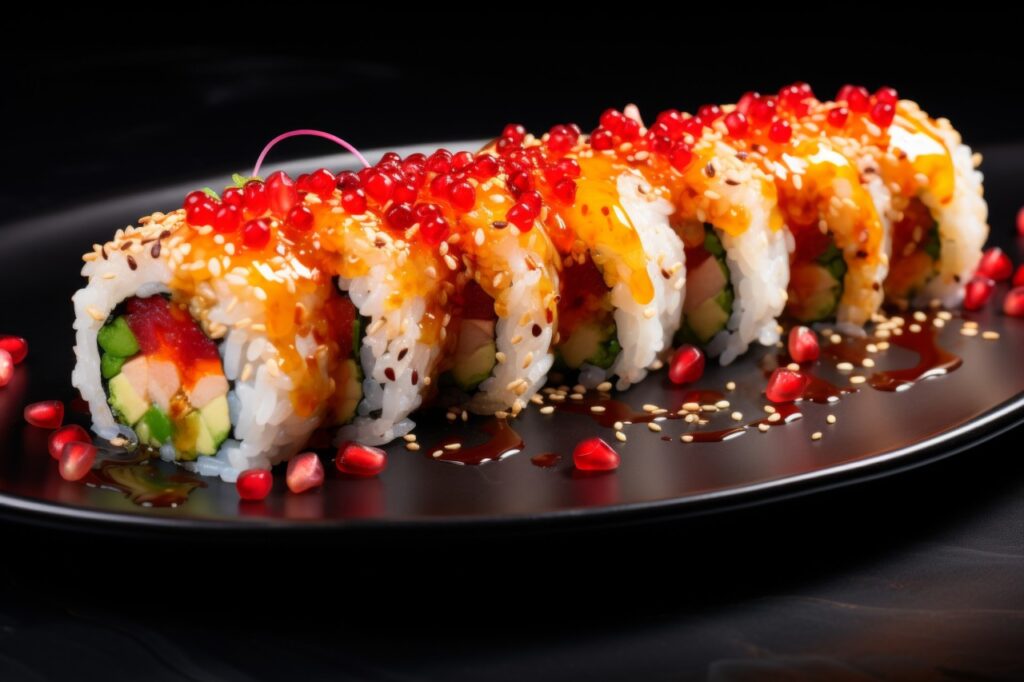
Sushi may look simple, but chefs often note that many people eat it in ways that overpower the carefully balanced flavors. The combination of rice, fish, and seasoning is designed to work together.
A common mistake involves dipping the rice side of sushi directly into soy sauce. The rice absorbs too much liquid and can fall apart. Chefs recommend dipping the fish side lightly into soy sauce instead.
Another habit is mixing large amounts of wasabi into soy sauce. While this mixture is common in some restaurants, traditional sushi preparation already includes the right amount of wasabi between the fish and rice.
Eating sushi in one bite is also encouraged. This allows diners to experience the intended balance of texture and flavor.
3. Pasta
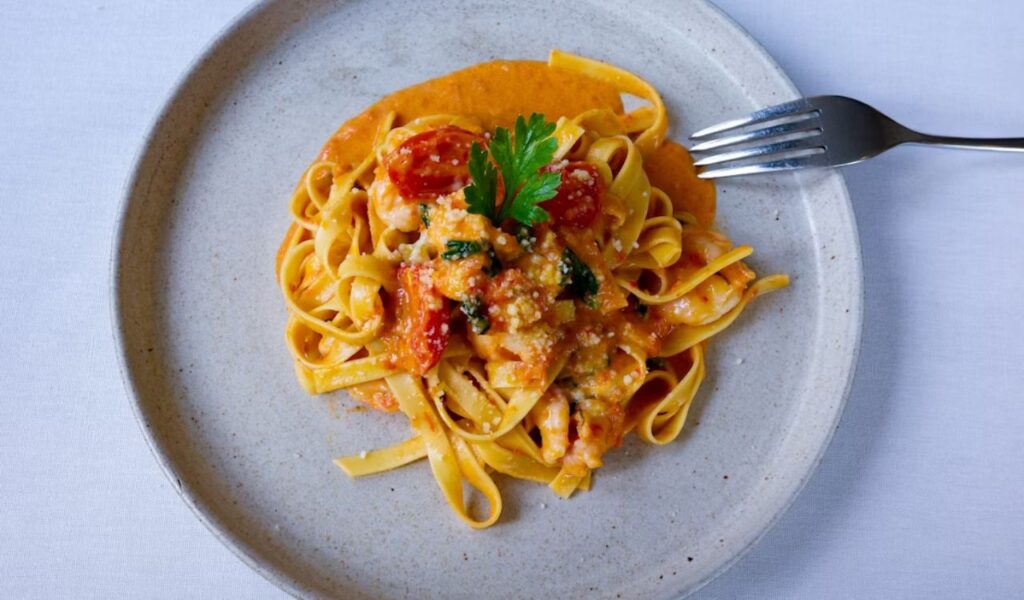
Pasta is a staple in many American homes, yet chefs often point out that its preparation and serving can stray far from traditional methods. Small details make a big difference in the final dish.
One frequent mistake is overcooking pasta until it becomes very soft. Authentic Italian pasta is usually cooked al dente, which means it remains slightly firm when bitten.
Another issue is rinsing pasta after cooking. Rinsing removes the starch that helps sauce cling to the noodles. Without that starch, sauces may slide off instead of coating the pasta evenly.
Chefs also emphasize finishing pasta in the sauce rather than simply pouring sauce on top. This allows the pasta to absorb flavor and creates a more cohesive dish.
4. Pizza
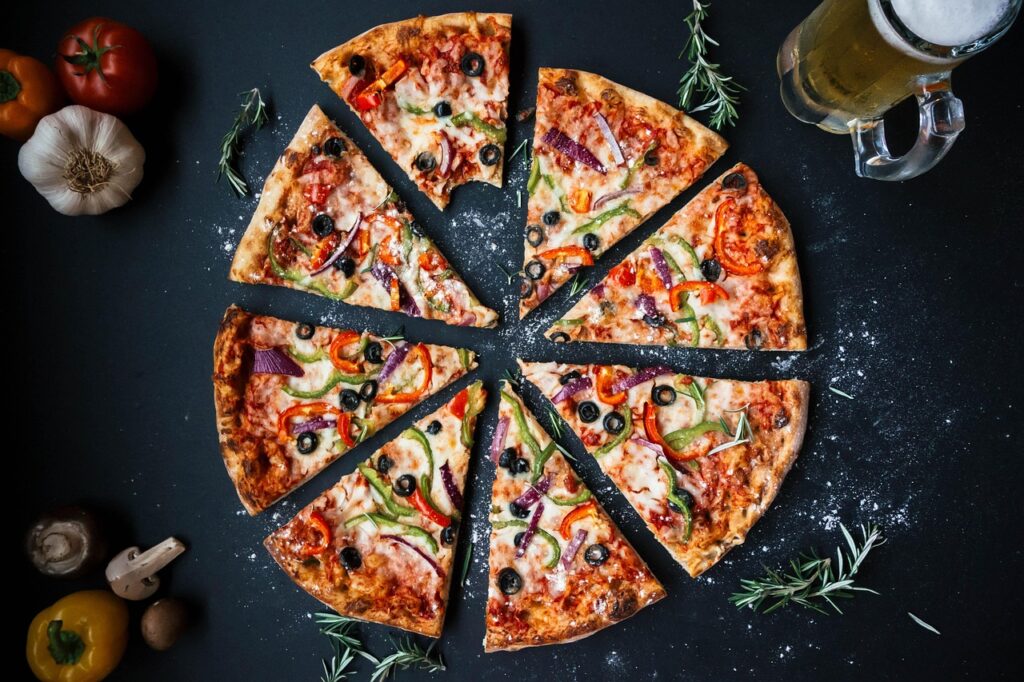
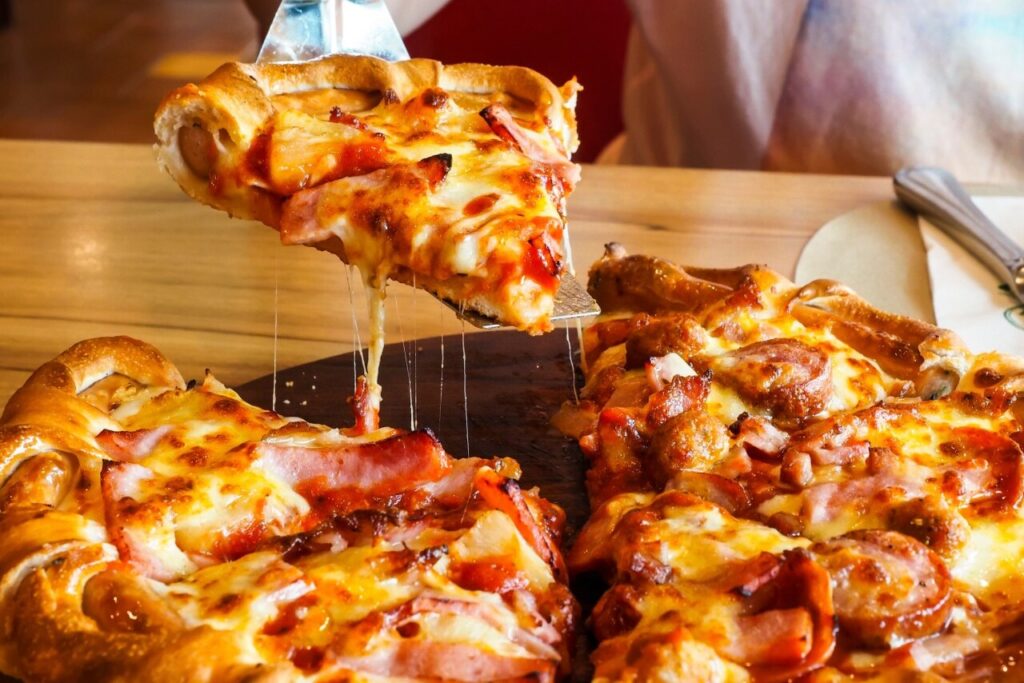
Pizza is one of the most popular foods in the United States, but chefs often say many people eat it in ways that ignore how the dish was designed to be enjoyed.
One common habit is loading slices with extra toppings or condiments before tasting the original recipe. Adding ranch dressing, garlic sauce, or other extras can overpower the intended balance of dough, sauce, and cheese.
Another issue is eating pizza with a knife and fork when the crust is meant to be held and folded. Folding the slice slightly helps support the toppings and keeps the ingredients together.
Temperature also matters. Pizza tastes best when eaten soon after baking, while the crust remains crisp and the cheese is still melted.
5. Bread with Olive Oil
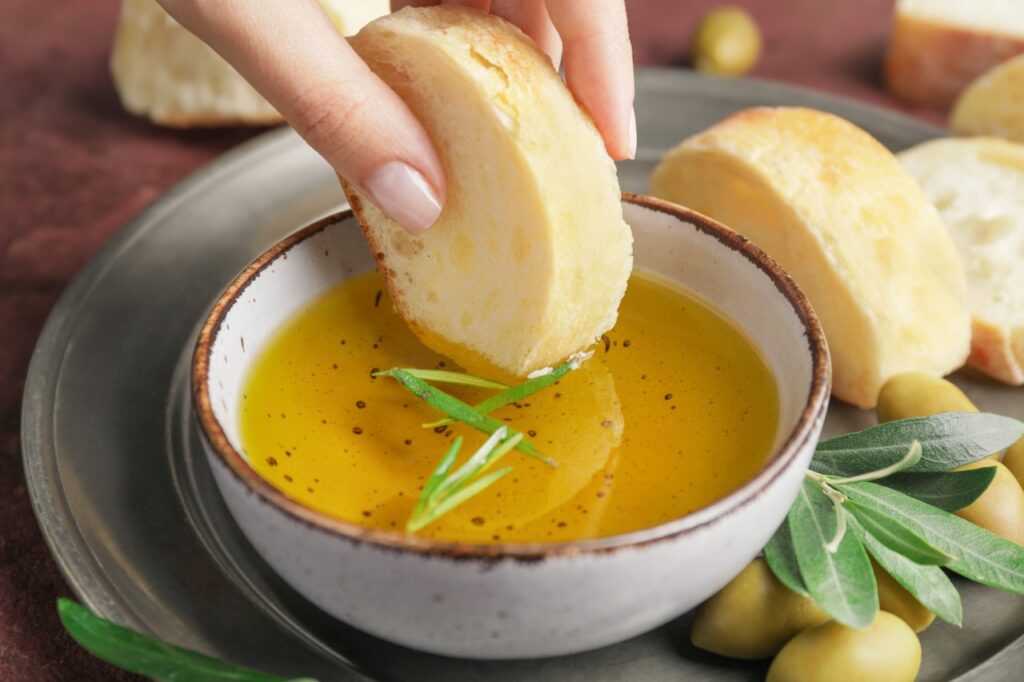
Bread served with olive oil is meant to highlight the flavor of high-quality oil and fresh bread. However, chefs often see diners using the combination incorrectly.
A common mistake is pouring large amounts of oil and dipping repeatedly until the bread becomes soaked. Excess oil can overwhelm the natural flavor of the bread.
Another issue involves adding too many seasonings to the oil. While herbs or pepper may be offered, high-quality olive oil already contains delicate flavors that can be masked by heavy seasoning.
Chefs recommend tearing bread into small pieces and dipping lightly. This approach allows the taste of the bread and oil to remain balanced.
6. Oysters
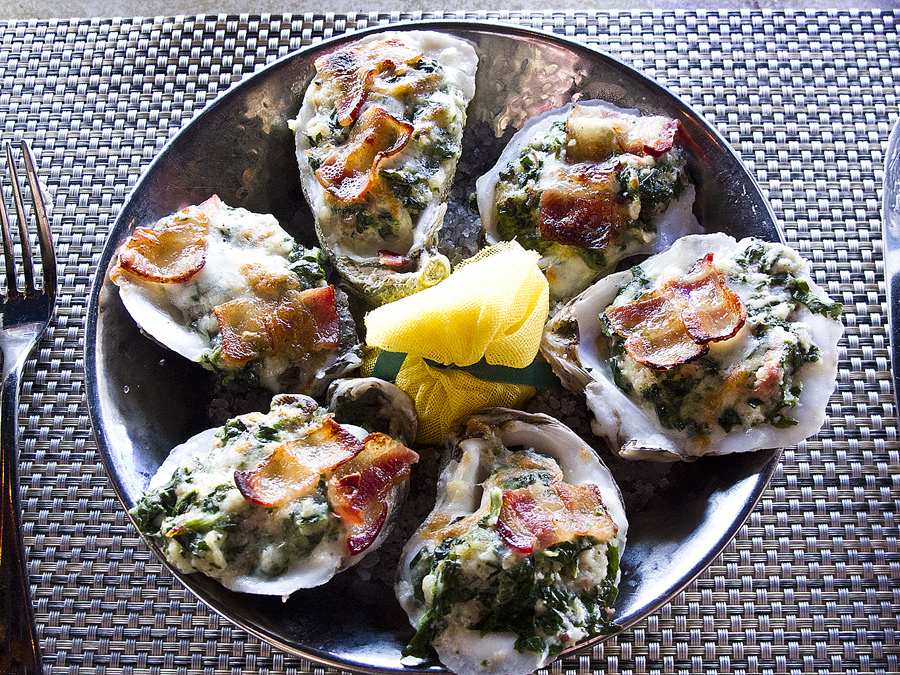
Oysters are prized for their delicate ocean flavor, yet chefs often notice diners masking that taste with strong condiments. The result can hide the natural qualities that make oysters unique.
Many people immediately add large amounts of cocktail sauce, lemon juice, or hot sauce. While these condiments are common, they can overpower the subtle flavor of fresh oysters.
Chefs often suggest tasting the oyster on its own first. High-quality oysters carry distinct flavor notes depending on where they are harvested, including mild sweetness or briny saltiness.
Another tip is to chew the oyster rather than swallowing it whole. Chewing releases the full flavor and texture.
7. Burgers
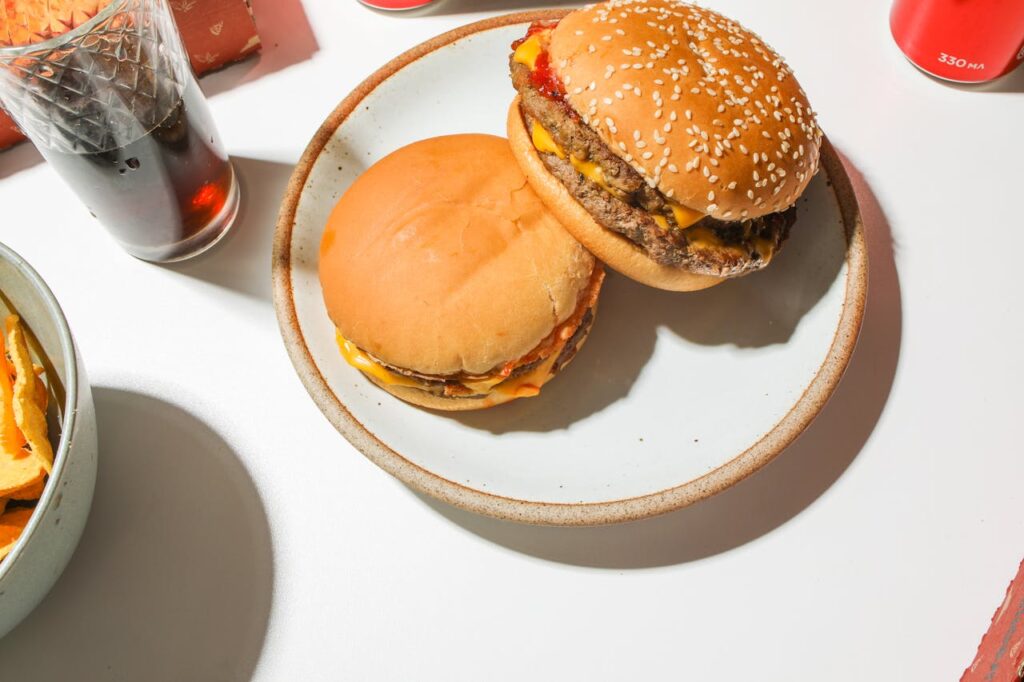
A well-made burger may seem simple, but chefs often say the way it is eaten can affect both flavor and texture. The balance between meat, bun, and toppings is key.
One common mistake is overloading the burger with condiments. Too much ketchup, mayonnaise, or sauce can overpower the flavor of the beef and make the sandwich messy.
Another issue is pressing the burger down while eating. This can squeeze out juices that keep the patty moist and flavorful.
Chefs also recommend holding the burger firmly with both hands and taking even bites. This keeps the layers balanced and prevents ingredients from sliding out.
8. Salad
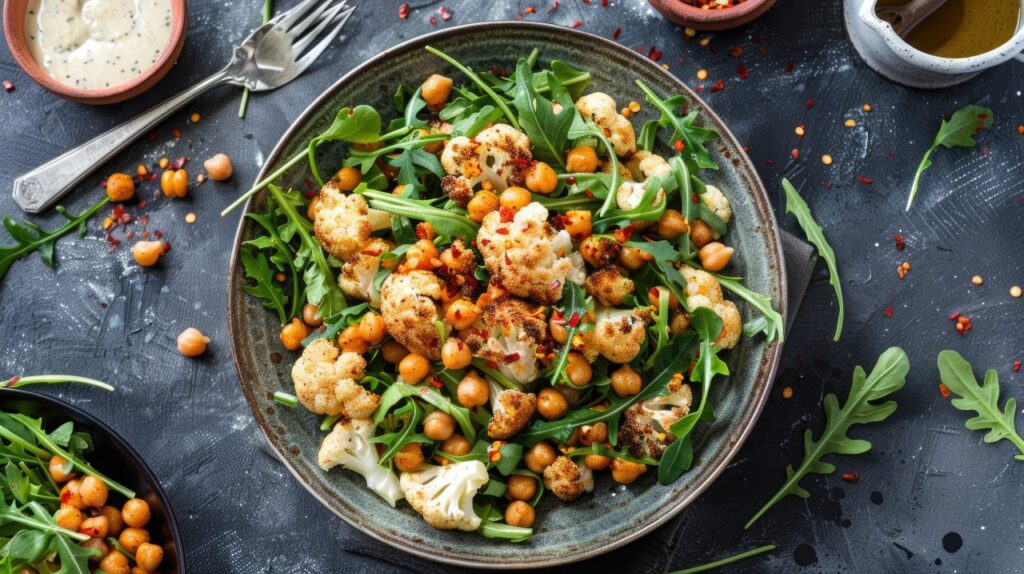
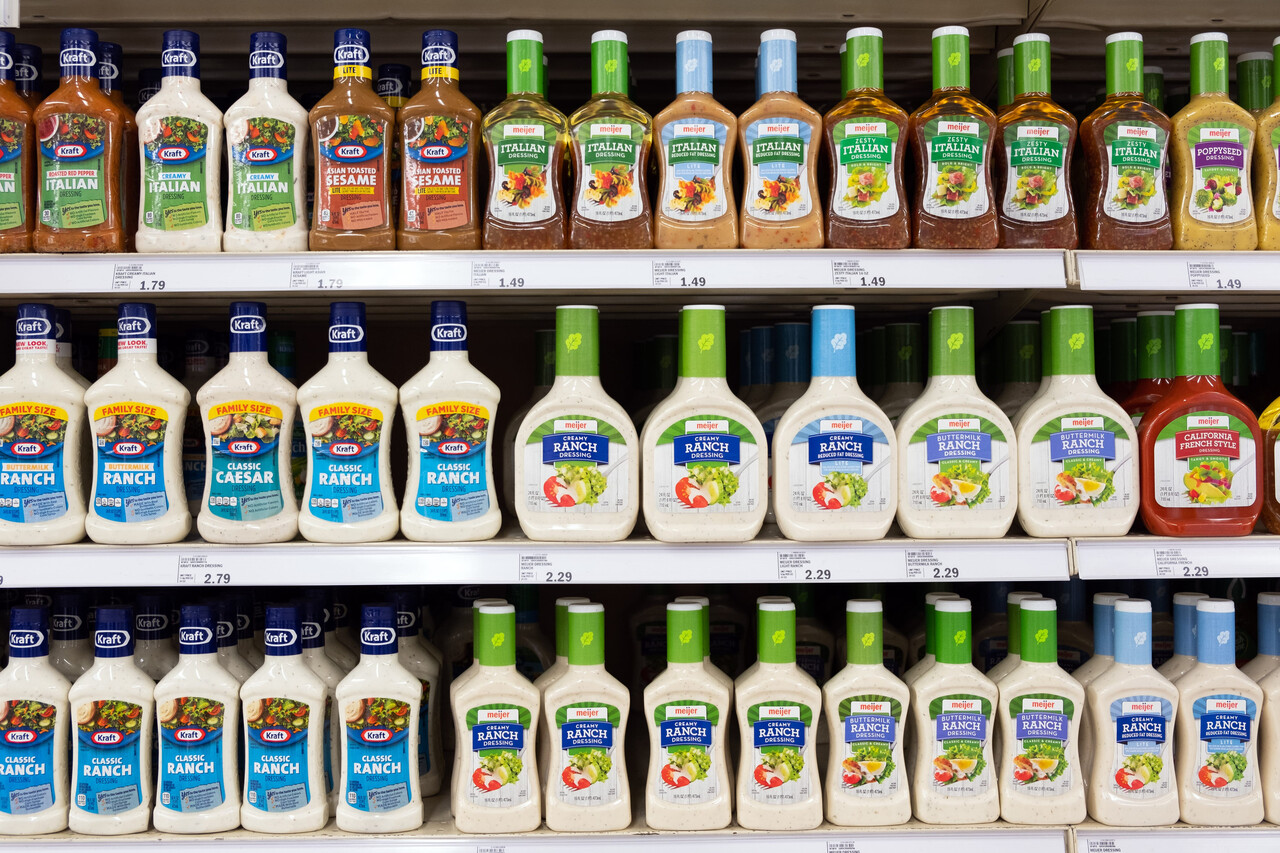
Salad may appear straightforward, but chefs often point out that dressing is frequently used in excess. Too much dressing can quickly overwhelm fresh ingredients.
A well-balanced salad uses just enough dressing to lightly coat the leaves. When greens are drenched, the texture becomes heavy, and the natural flavors disappear.
Another mistake involves adding dressing directly to the plate rather than tossing it evenly. Tossing helps distribute the dressing so every bite has a balanced flavor.
Chefs often emphasize using fresh ingredients and simple preparation so the vegetables remain the focus of the dish.
9. Spaghetti and Meatballs
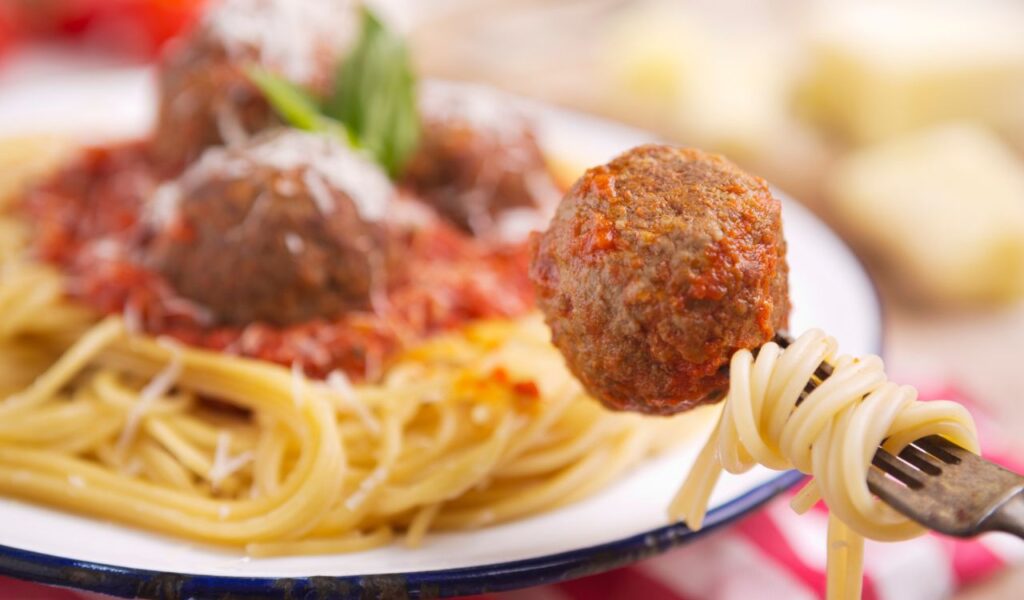
Spaghetti and meatballs are widely recognized in the United States, but chefs often explain that the dish is commonly eaten in ways that differ from traditional practice.
One common habit is cutting spaghetti into small pieces before eating. This changes the texture and removes the classic twirling technique that keeps the noodles intact.
Another issue is placing large meatballs directly on top of pasta without mixing the sauce. In many traditional preparations, pasta is first tossed with sauce before meat is added.
Using a fork to twirl the pasta allows the sauce to coat the noodles evenly and creates the intended texture.
10. Cheese
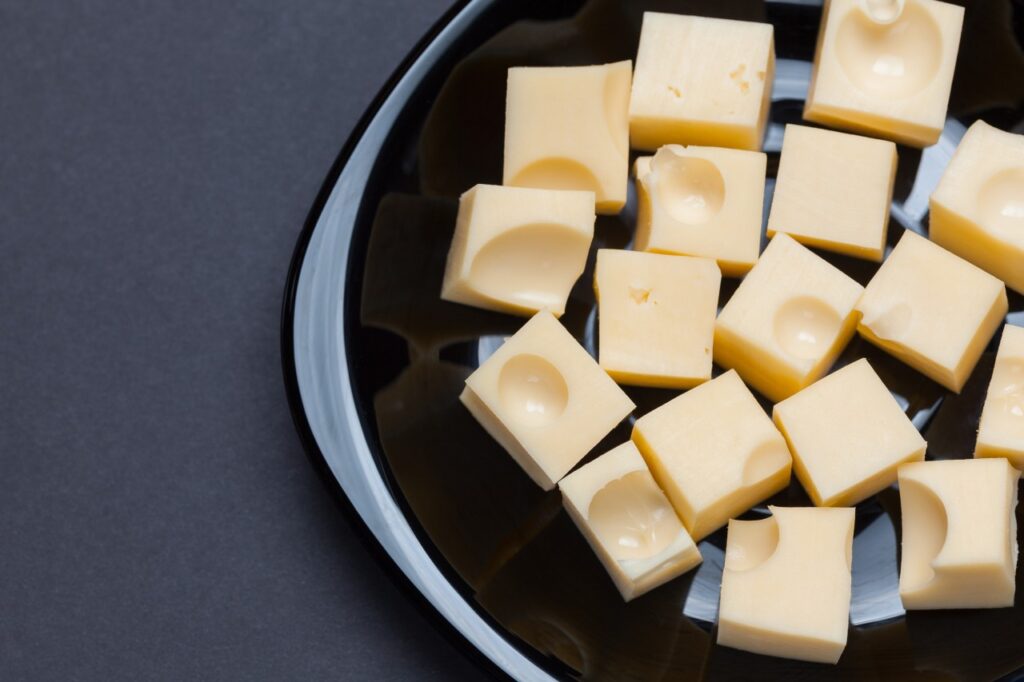
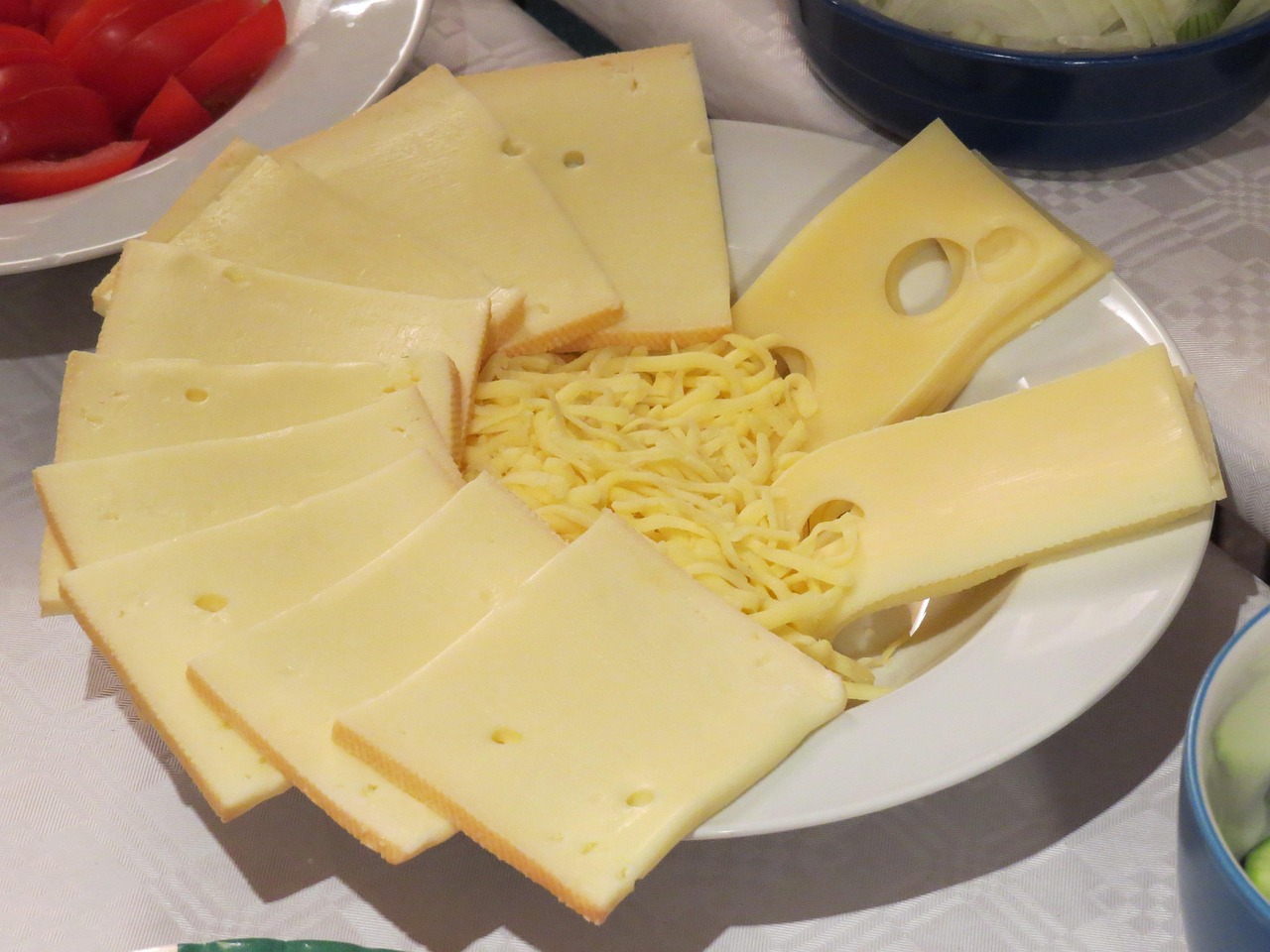
Cheese is often served incorrectly simply because many people eat it straight from the refrigerator. Temperature can greatly affect both flavor and texture.
Cold cheese tends to be firmer and less aromatic. Allowing cheese to sit at room temperature for a short time helps release its natural flavors.
Another common mistake is pairing strong cheeses with overly sweet accompaniments that dominate the taste. Balanced pairings allow the cheese itself to remain the highlight.
Chefs often recommend cutting cheese into smaller portions and letting it breathe slightly before serving. This helps showcase its full character.