10 Cheese Board Trends That Impress on Camera but Feel Impractical in Real Life

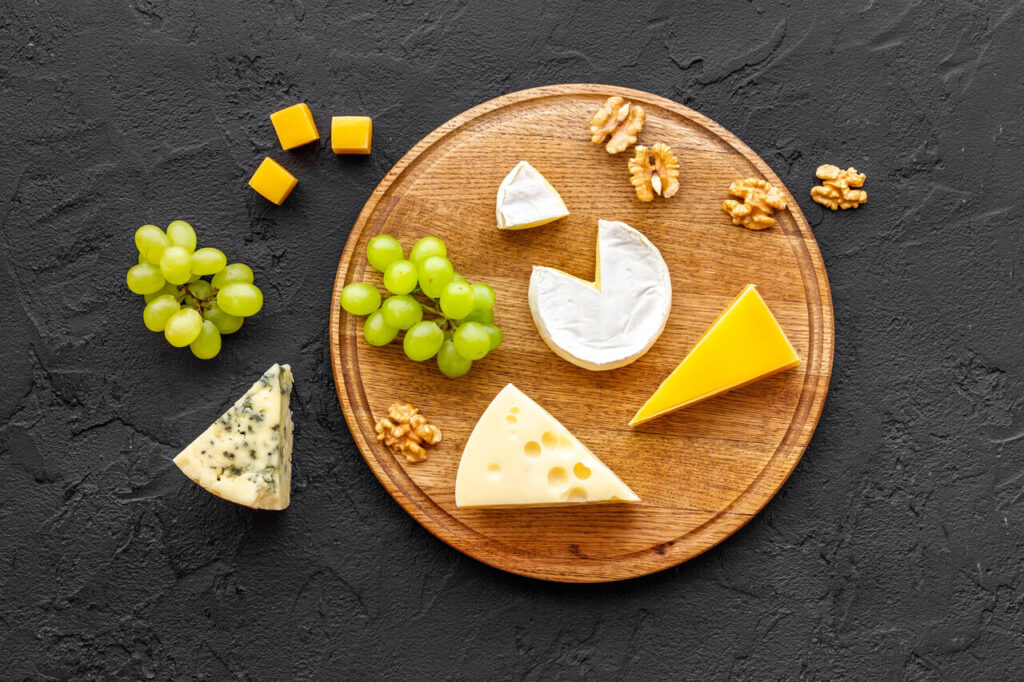
Cheese boards have gone from simple appetizers to full visual statements. Scroll through any social feed, and you will see towering displays, color-perfect spreads, and carefully styled arrangements that look almost too polished to touch. They are designed to impress instantly, and in that sense, they work.
But here’s the part people notice once the guests arrive. Not every trend that looks great on camera holds up in real life. Some make serving awkward, others limit choice, and a few add more effort than they are worth. The gap between presentation and practicality becomes clear the moment people actually start eating.
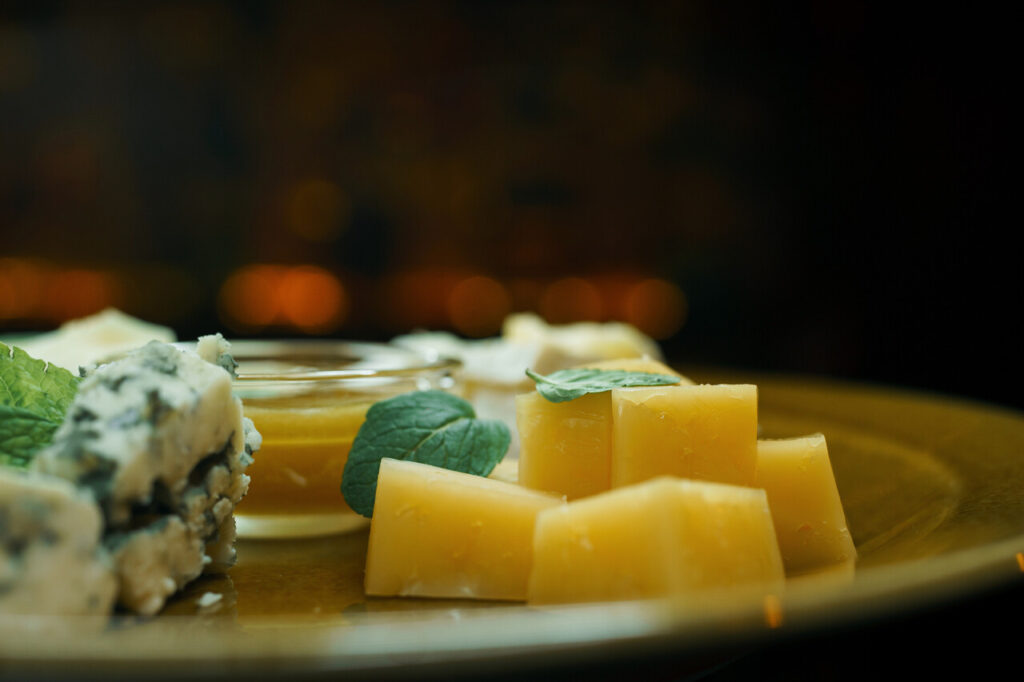
A full grazing table can look impressive at first glance. Rows of cheeses, meats, fruits, and crackers spread across a large surface create a sense of abundance that photographs well. The idea is to make guests feel like there is something for everyone.
In practice, these setups often create crowding. Guests reach across the table, items get mixed, and serving utensils can be hard to manage. Food placed far from the edge may not be touched at all, while popular sections become overcrowded and messy.
What starts as a visual centerpiece can turn into a logistical challenge. A well-organized board with clear sections is often easier to use and just as enjoyable. Accessibility matters more than sheer volume once people begin eating.
2. Color Coordinated Boards Trade Variety for Visual Appeal
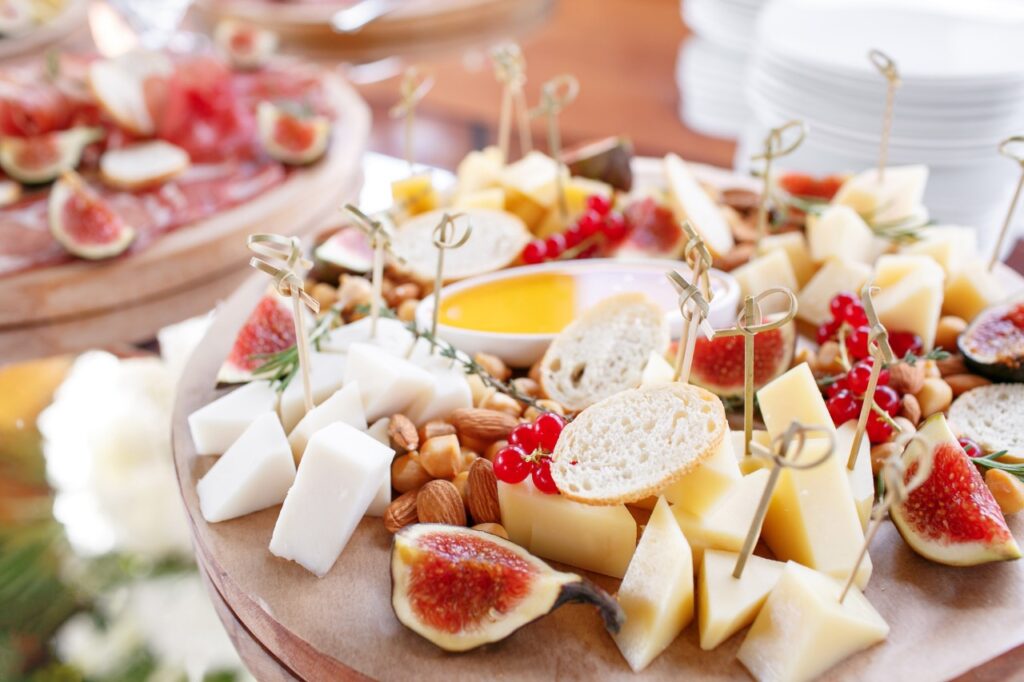
Color-themed boards are designed to look clean and cohesive. Everything is arranged around a specific palette, whether it is all whites, greens, or warm tones. This creates a polished look that stands out in photos.
The limitation comes from ingredient selection. Focusing on color can reduce the range of flavors and textures available. A board may end up repeating similar items just to maintain the theme, which makes the experience less interesting for guests.
A good cheeseboard relies on contrast. Different textures, strengths, and pairings create balance. When color becomes the priority, that balance can be lost, making the board less satisfying to eat, even if it looks appealing.
3. Dessert Boards Blur the Line Between Cheese and Sweets
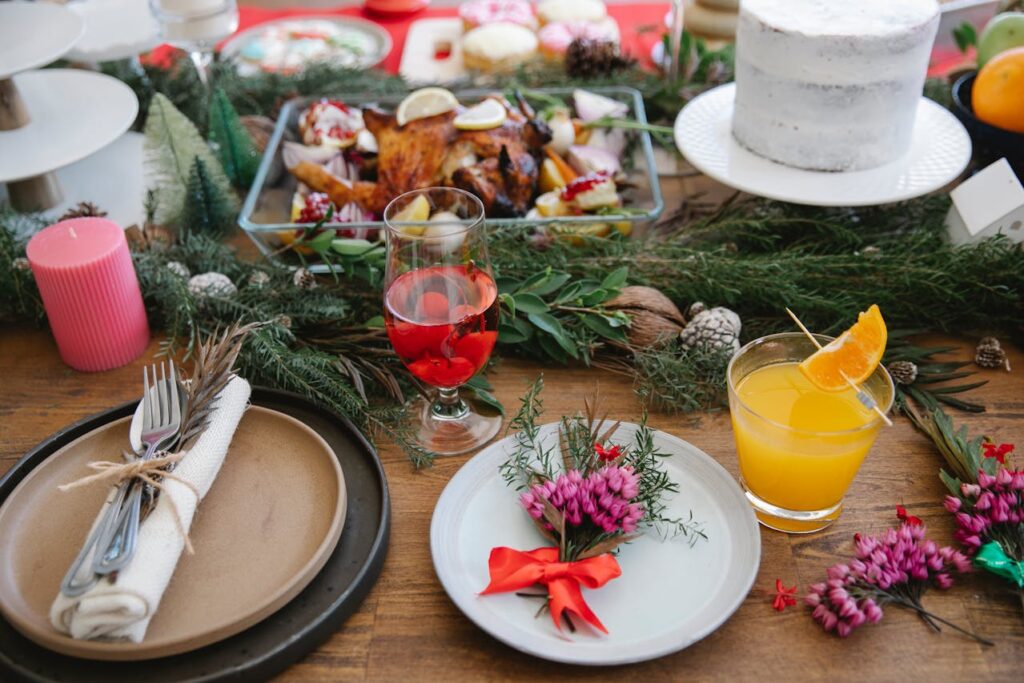
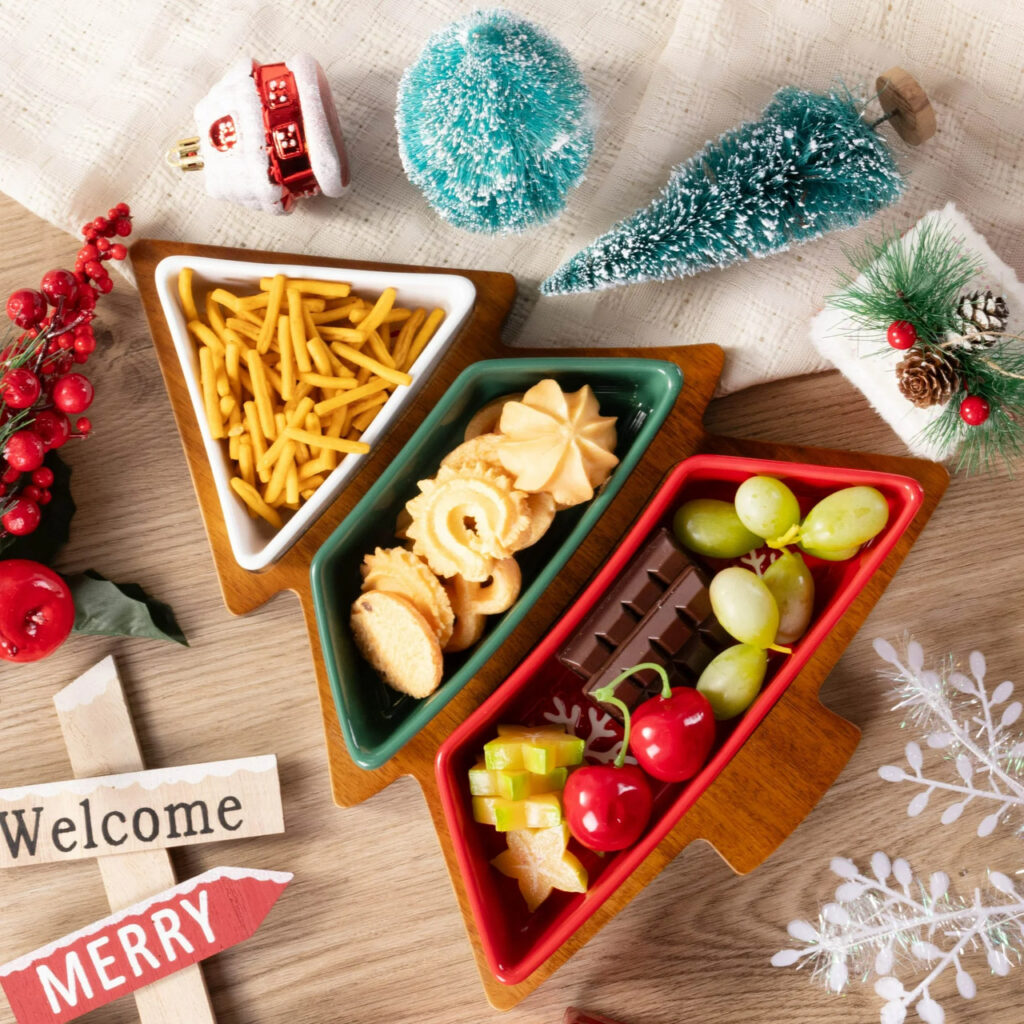
Dessert-style boards replace traditional savory elements with sweets like chocolate, cookies, and fruits. They are designed to feel indulgent and are often styled to resemble a dessert spread rather than a classic cheese board.
While they can be enjoyable, they move away from the original purpose of a cheese board, which is to balance flavors and textures. Without savory elements, the board can feel one-dimensional, with sweetness dominating every bite.
This trend works well for specific occasions, but it is not always practical for general entertaining. Guests may prefer a mix of sweet and savory options rather than a board focused entirely on dessert. Balance tends to keep people engaged longer.
4. Mini Boards for Each Guest Create More Work Than Needed
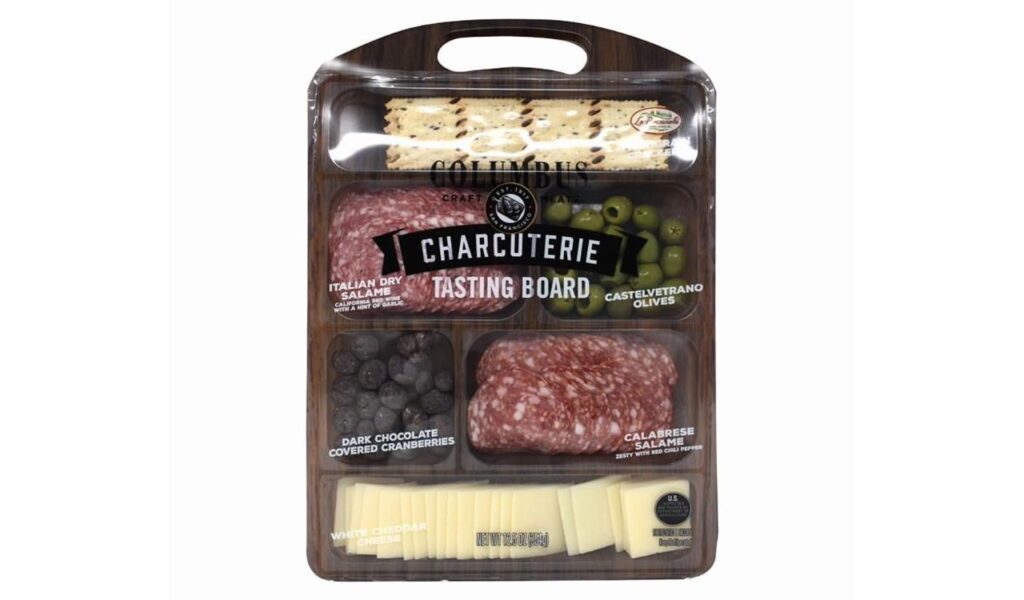
Individual boards are often presented as a personalized touch. Each guest receives their own small arrangement, which looks thoughtful and neatly organized. It also photographs well because each portion appears carefully styled.
The challenge is in preparation. Creating multiple boards requires more time, more ingredients, and more cleanup compared to assembling a single shared display. It also limits flexibility, since guests cannot easily choose what they want beyond what is already included.
In many cases, a shared board offers more value and variety. It allows guests to mix and match items based on their preferences. Individual boards may look refined, but they often add effort without improving the overall experience.
5. Vertical Displays Look Creative but Are Hard to Serve
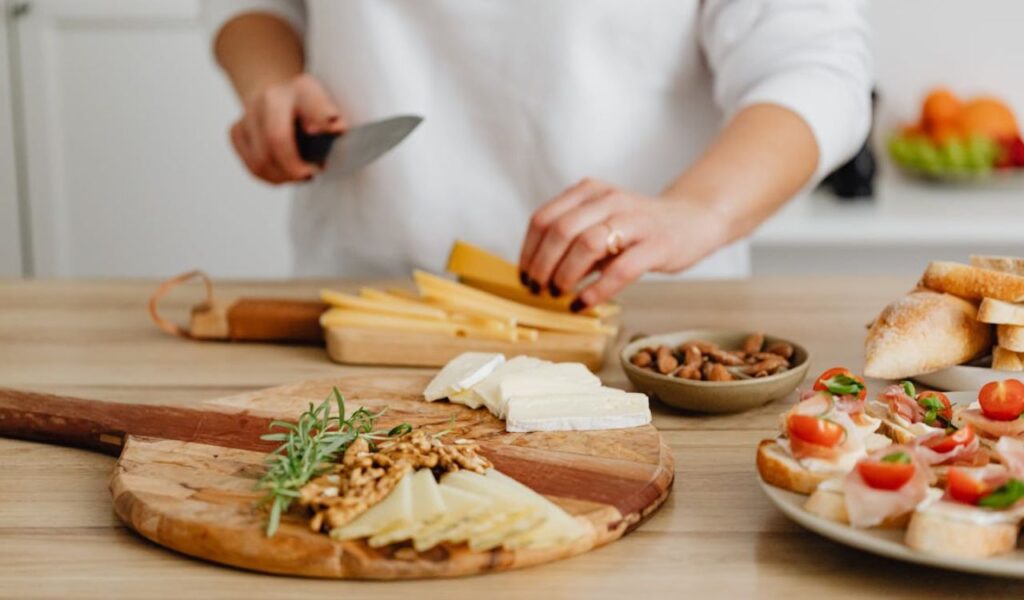
Stacked or vertical cheese displays bring height and structure to a table. They are designed to stand out visually, turning the board into a centerpiece rather than just a serving option. The layered look creates depth that works well in photos.
However, serving from these displays can be awkward. Items placed on higher levels may be difficult to reach, and removing one piece can disturb the entire arrangement. Stability becomes an issue as the board is used.
A flatter layout tends to be more practical. It allows easy access and keeps the arrangement intact as guests serve themselves. While vertical designs add visual interest, they often sacrifice usability.
6. Theme-Based Boards Can Limit Flavor Pairing
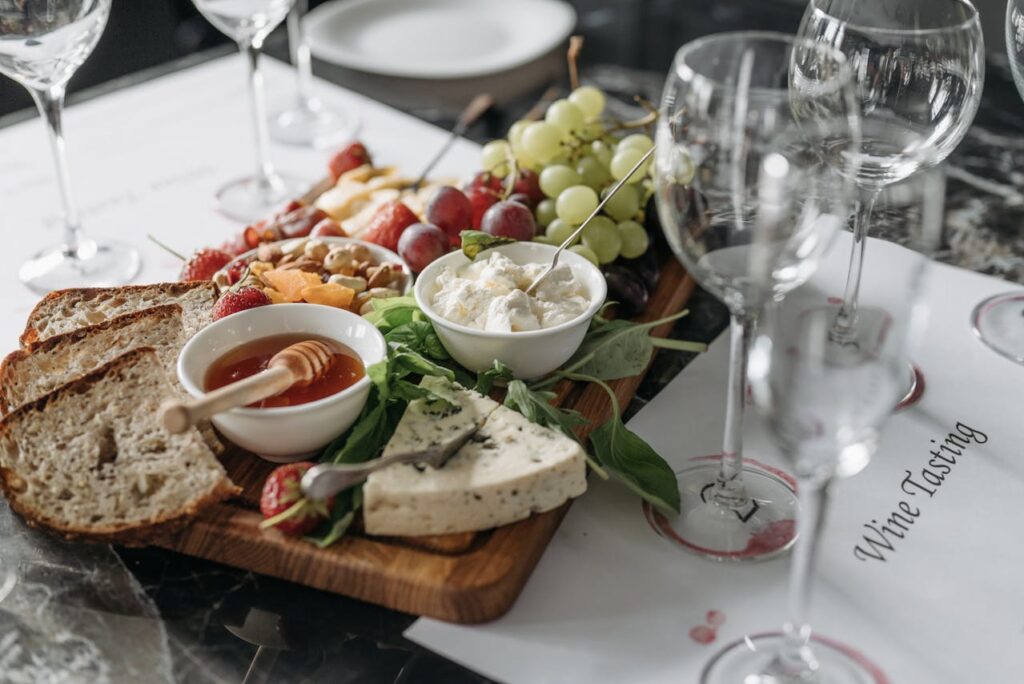
Themed boards focus on a specific idea, such as a regional cuisine or a seasonal concept. This approach can make the presentation feel curated and intentional, which adds a layer of storytelling to the display.
The downside is that strict themes can restrict ingredient choices. Not all items within a theme pair well together, which can lead to combinations that look cohesive but do not work as effectively in taste.
A balanced board benefits from flexibility. Mixing complementary flavors from different categories often creates a better experience. When a theme becomes too rigid, it can limit the variety that makes a cheeseboard enjoyable.
7. Heavy Garnishing Gets in the Way of Eating
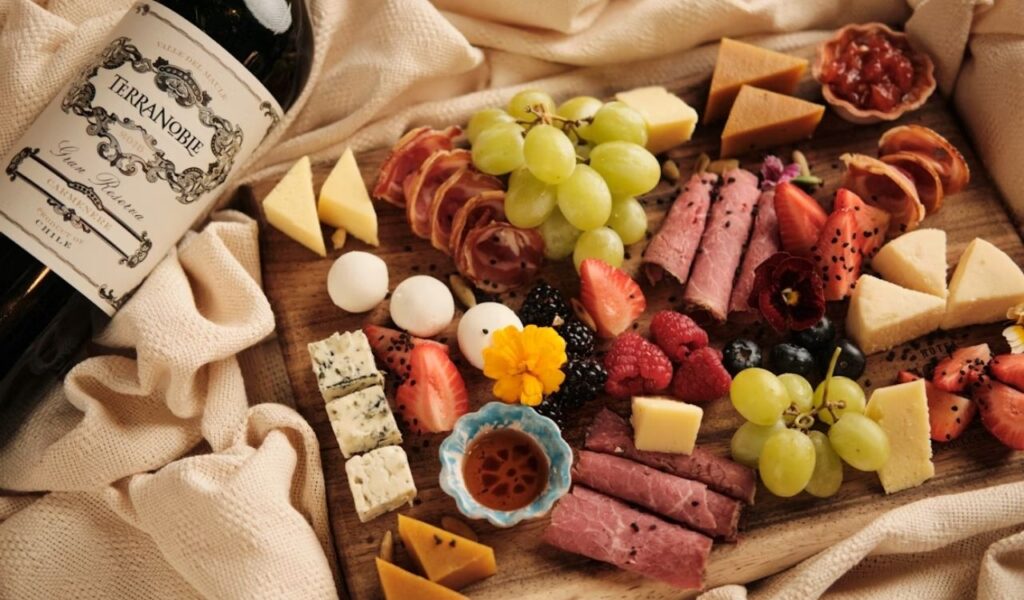
Garnishes like herbs, flowers, and decorative elements add visual appeal. They fill gaps and make the board look abundant, which is why they are commonly used in styled presentations.
In practice, too many garnishes can interfere with serving. Guests may need to move or avoid decorative elements to reach the food, which disrupts the flow of the board. Some garnishes may not even be edible, adding confusion.
A simpler approach often works better. Using a few thoughtful accents can enhance the look without creating obstacles. The focus should remain on the food rather than the decoration surrounding it.
8. Pre-Cut Cheese Loses Freshness Faster Than Expected
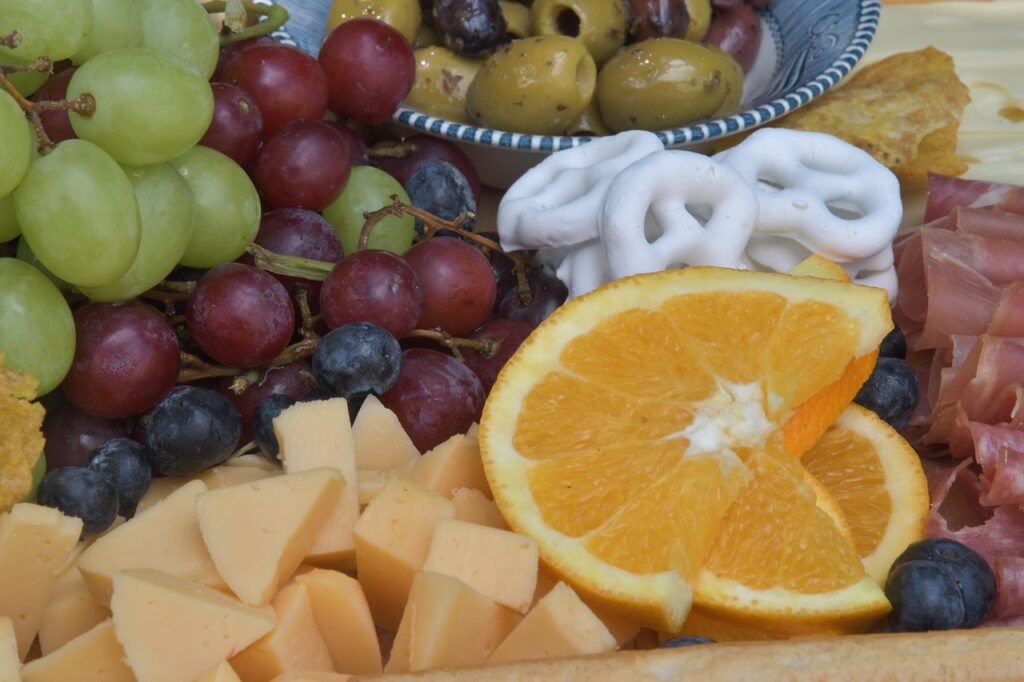
Cutting cheese in advance makes a board look ready to serve. Slices and cubes are easy to grab, which adds convenience during gatherings. It also helps create a uniform presentation.
The issue is that exposure to air affects texture and flavor. Cheese can dry out, harden, or lose its aroma when left out for too long. The longer it sits, the more noticeable these changes become.
Serving larger pieces with knives allows guests to cut what they need. This helps maintain freshness and preserves the quality of the cheese throughout the event. Pre-cutting may save time initially, but it can reduce overall enjoyment.
9. Charcuterie Cups Look Cute but Limit Choice
Charcuterie cups package small portions of meats, cheeses, and snacks into individual servings. They are easy to hold and distribute, which makes them popular for events and gatherings.
The limitation is in variety. Each cup contains a fixed selection, which removes the ability to choose or customize. Guests may end up with items they do not prefer while missing out on others.
A shared board allows for more flexibility and interaction. People can select what they enjoy and create combinations that suit their taste. While cups are convenient, they reduce the freedom that makes cheese boards appealing.
10. Rare Ingredients Make Boards Hard to Recreate and Maintain
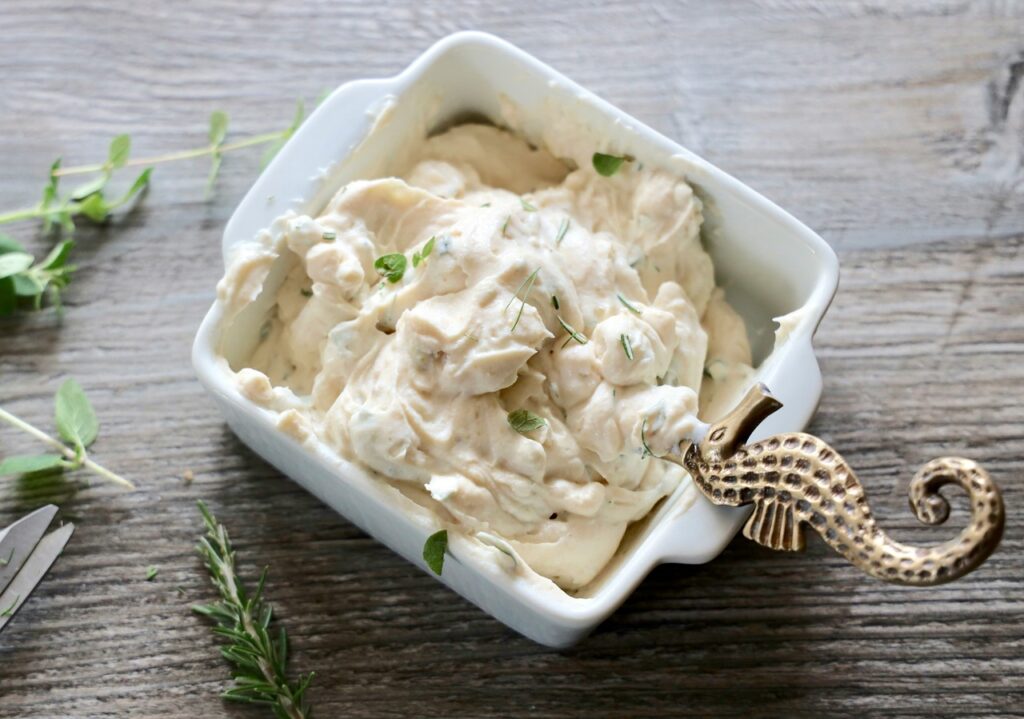
Using specialty cheeses and unique ingredients can elevate a board and make it feel exclusive. These items often attract attention because they are less familiar and add a sense of discovery.
The challenge is availability and cost. Rare ingredients can be difficult to find consistently and may not appeal to all guests. If a board relies too heavily on them, it can become less practical for regular use.
A well-balanced board often combines familiar favorites with a few standout items. This approach keeps it accessible while still offering something interesting. Relying entirely on rare ingredients can make the experience feel less approachable and harder to repeat.