Many International Dishes Struggle to Succeed in U.S. Restaurants

American diners have long shown a willingness to explore flavors from around the world. Over the past few decades, foods once considered unfamiliar, from sushi to tacos and pho, have become part of everyday dining across the country. This openness has helped the United States develop one of the most diverse restaurant scenes anywhere. Still, not every international dish experiences the same journey to popularity. Many arrive with rich traditions, distinctive ingredients, and preparation methods shaped by generations of cooks. While those qualities make them special, they can also make it harder for dishes to fit into the fast-moving rhythm and expectations of American restaurant culture.
Behind the dining room doors, restaurant owners and chefs often face a complex set of challenges when introducing unfamiliar global dishes. Some traditional ingredients are difficult or expensive to source in U.S. markets, while certain recipes require specialized techniques that demand time, training, and patience. Even the way dishes are named on menus can influence whether diners feel comfortable ordering them. When guests are unsure what a dish contains or how it will taste, they often gravitate toward something familiar instead. These practical and cultural factors reveal why some authentic international foods struggle to find lasting success on American restaurant menus.
Flavor Profiles That Challenge American Palates
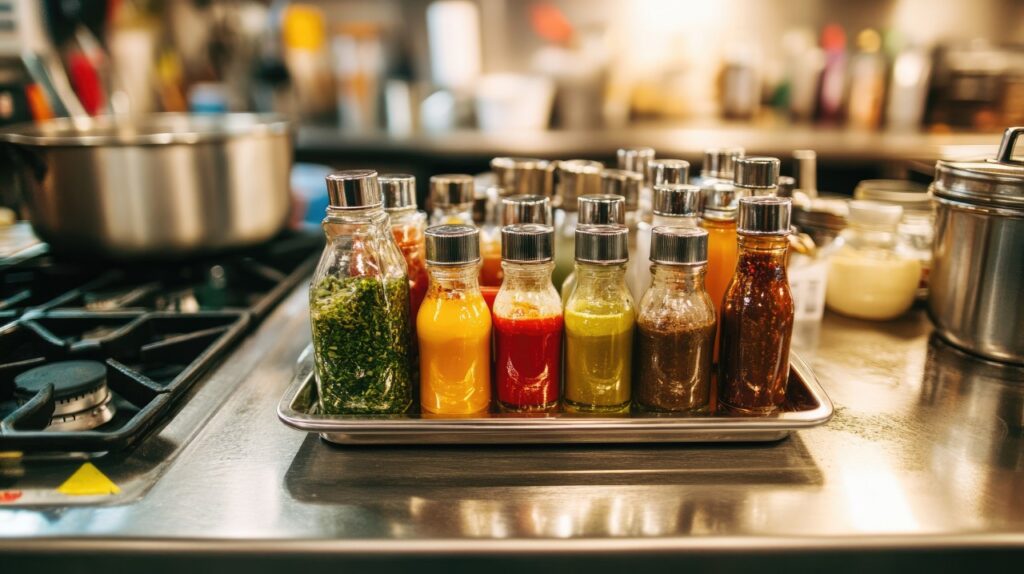
Many international dishes are shaped by flavor traditions that reflect generations of cooking in their home regions. These combinations often highlight contrasts such as sharp acidity, fermented depth, or layered spices that build complexity in every bite. While these tastes are widely appreciated in cultures where they originate, they do not always match the expectations of many American diners. In the United States, restaurant guests often gravitate toward flavors that feel balanced and familiar, such as mild sweetness, gentle spice, creamy textures, or savory richness. When a dish introduces pungent aromas, bitterness, or intense sourness, it can feel surprising rather than comforting.
Several global cuisines depend on ingredients that create bold and distinctive taste profiles. Fermented fish sauces common in Southeast Asian cooking, preserved vegetables used in parts of Eastern Europe, and tangy broths found in regional soups all contribute to authentic flavor. These ingredients provide depth and character, but they can also be challenging for diners encountering them for the first time. Restaurants sometimes adjust recipes by reducing strong components or altering seasoning to make the dishes easier to approach. While these changes may attract cautious diners, they can soften the defining qualities of the dish and make it harder to present the cuisine in its true form.
Ingredients That Are Difficult to Source Consistently
Authentic international dishes often rely on ingredients that are easy to find in their home countries but far less accessible in the United States. Many traditional recipes depend on regional herbs, unique spices, specialty grains, or specific seafood varieties that are harvested locally in the places where the cuisine developed. When chefs try to recreate those dishes in American restaurants, they may discover that these ingredients are not regularly stocked by suppliers. Without a steady supply, maintaining the same taste and quality becomes difficult, especially when authenticity depends on using the exact components that give the dish its distinctive flavor.
Sourcing those ingredients from overseas can introduce a new set of challenges for restaurant owners. Imported foods may face shipping delays, higher transportation costs, and strict import regulations that limit how often they arrive. Seasonal availability can also disrupt supply, making it hard for kitchens to plan menus around them. When certain items become unavailable, chefs sometimes substitute more common ingredients to keep the dish on the menu. While this solution helps maintain service, it can subtly change the flavor or texture, making it harder to deliver the consistent and authentic experience diners expect.
Cooking Techniques That Require Specialized Training
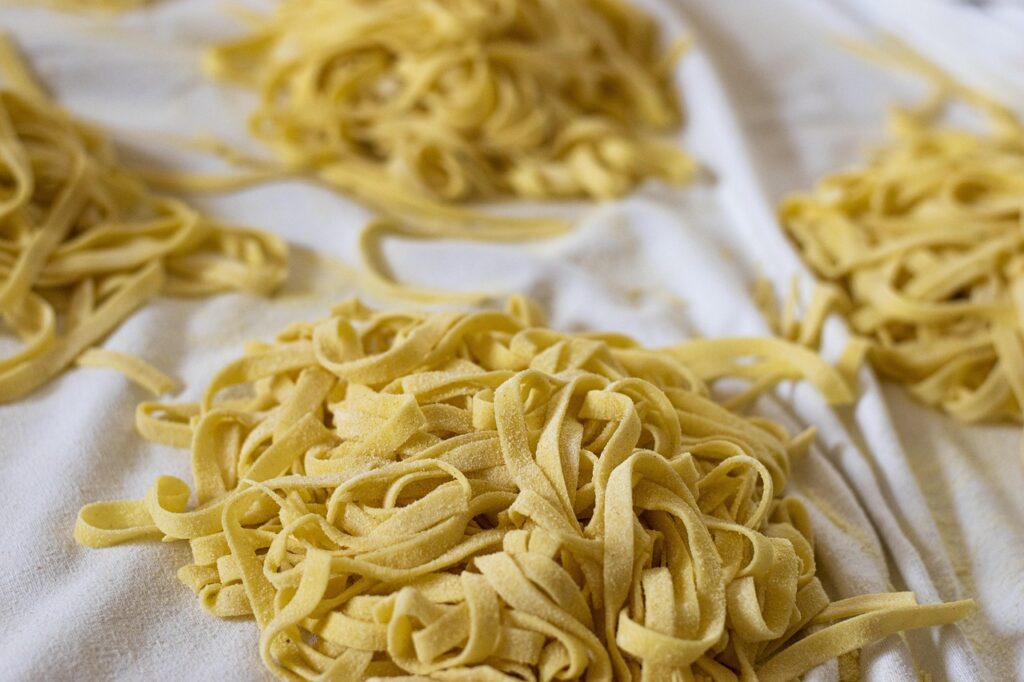
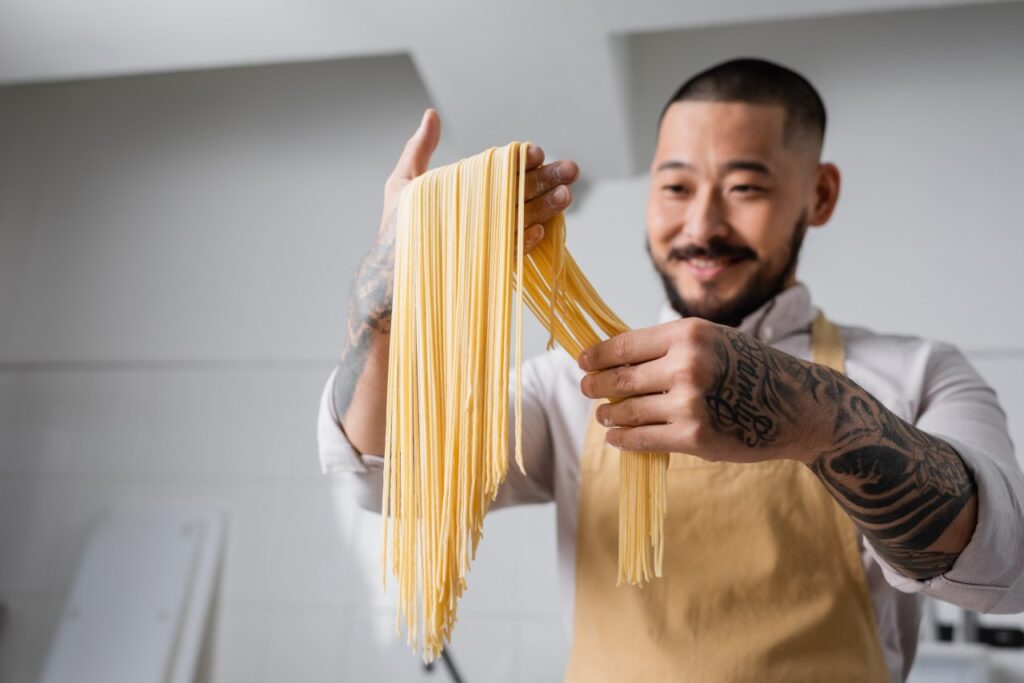
Many traditional dishes from around the world rely on cooking techniques that demand patience, practice, and a deep understanding of the process. Methods such as careful fermentation, hand-pulling noodles, clay oven baking, or maintaining slow-simmered broths have often been passed down through generations of cooks. These skills take time to master and usually require hands-on experience rather than quick training. In American restaurant kitchens, where staff turnover can be high and operations move quickly, finding cooks who can consistently perform these techniques the right way is not always easy.
Restaurant kitchens in the United States also operate under strict time pressures and limited labor resources. Complex preparation methods can slow down service, particularly when a dish involves several stages or requires close attention from trained cooks. Long-simmering broths, handmade doughs, and carefully layered preparations can take hours before they are ready to serve. While these methods produce remarkable depth of flavor, they are difficult to maintain during busy meal periods. Because of this, some restaurants simplify traditional techniques, but those adjustments can change the texture, flavor, and authenticity that originally defined the dish.
Menu Names That Confuse Customers
Restaurant menus strongly influence how diners decide what to order, and unfamiliar dish names can create hesitation before a meal even begins. Many international foods appear on menus using their original names, which often carry cultural meaning but may be difficult for new customers to pronounce or recognize. When guests quickly scan a menu, they tend to choose items that sound clear and easy to understand. If a name feels complicated or unfamiliar, diners may worry about ordering something they cannot identify, even if the dish itself is flavorful and appealing. This hesitation can quietly influence what people decide to try.
This uncertainty often leads customers to select meals they already recognize instead of trying something new. Even when a short description appears beneath the name, many diners still rely on familiarity when making quick decisions at a restaurant. To make dishes more approachable, some restaurants translate or simplify traditional names, but this solution can create another challenge. A direct translation may strip away cultural context or fail to communicate what makes the dish special. Striking the right balance between clarity for diners and respect for the dish’s original identity remains a delicate task for many international restaurants.
Preparation Times That Slow Restaurant Service
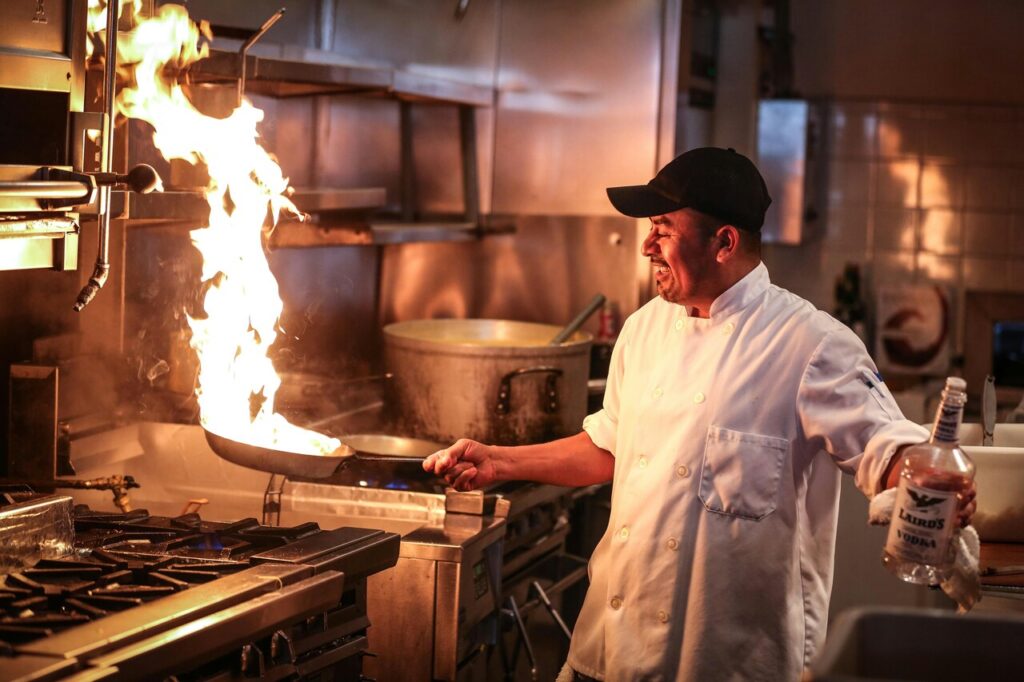
In many American restaurants, speed plays a major role in how kitchens are organized and how menus are designed. During busy lunch and dinner hours, chefs are expected to prepare meals quickly while maintaining consistency across all tables. Some international dishes, however, were never meant to be rushed. They are traditionally prepared with patience, allowing ingredients to develop deep and layered flavors over time. When these slow-cooked recipes are introduced into fast-paced restaurant environments, kitchens may struggle to balance authenticity with the need to keep orders moving steadily.
Many traditional recipes require hours of simmering, marinating, fermenting, or slow roasting before they are ready to serve. Other dishes involve careful preparation steps such as hand-shaping dough, layering ingredients, or building sauces from scratch. While these techniques create remarkable depth and texture, they also demand time and attention from skilled cooks. During peak dining periods, this extra preparation can slow the kitchen’s flow. As a result, some restaurants simplify recipes or remove time-intensive dishes altogether, making it harder for certain traditional foods to remain on American menus.