7 Mexican Inspired Desserts You’ve Probably Never Tried

Mexican-inspired desserts often hide in plain sight, passed down through families and regional traditions rather than showcased on restaurant menus. These sweets are built on simple ingredients, careful technique, and balance rather than excess sugar or decoration. Many were created out of necessity, shaped by what was available locally, and refined over generations. Their flavors tend to be comforting, thoughtful, and deeply tied to culture. Trying them feels less like discovering a trend and more like being welcomed into a kitchen where recipes are shared quietly and remembered forever. Each bite carries history, warmth, and a sense of place that lingers.
1. Capirotada
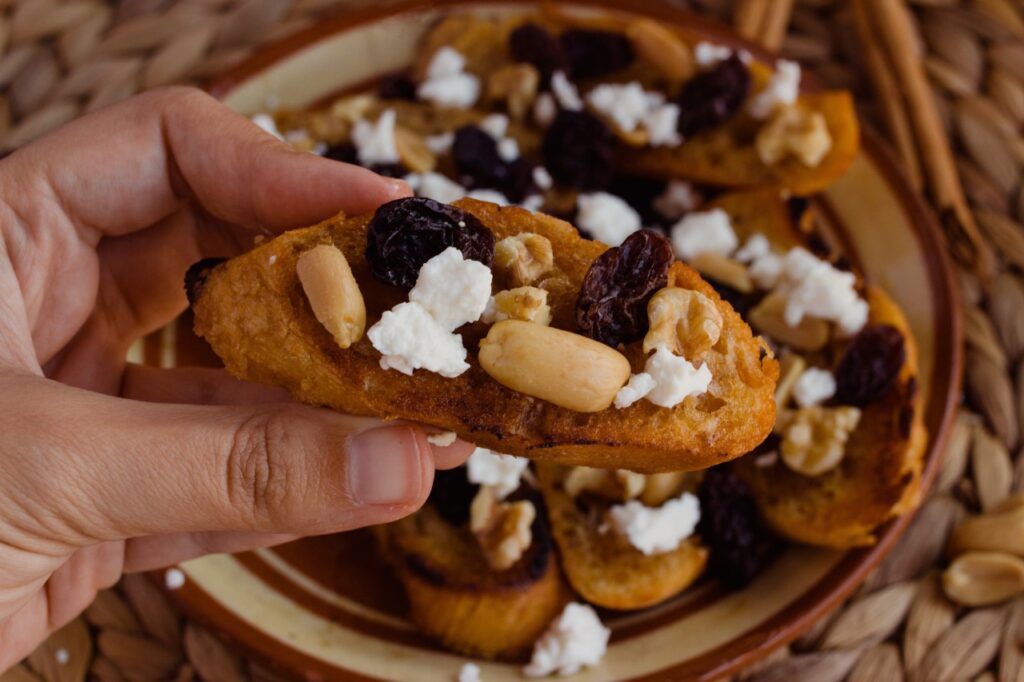
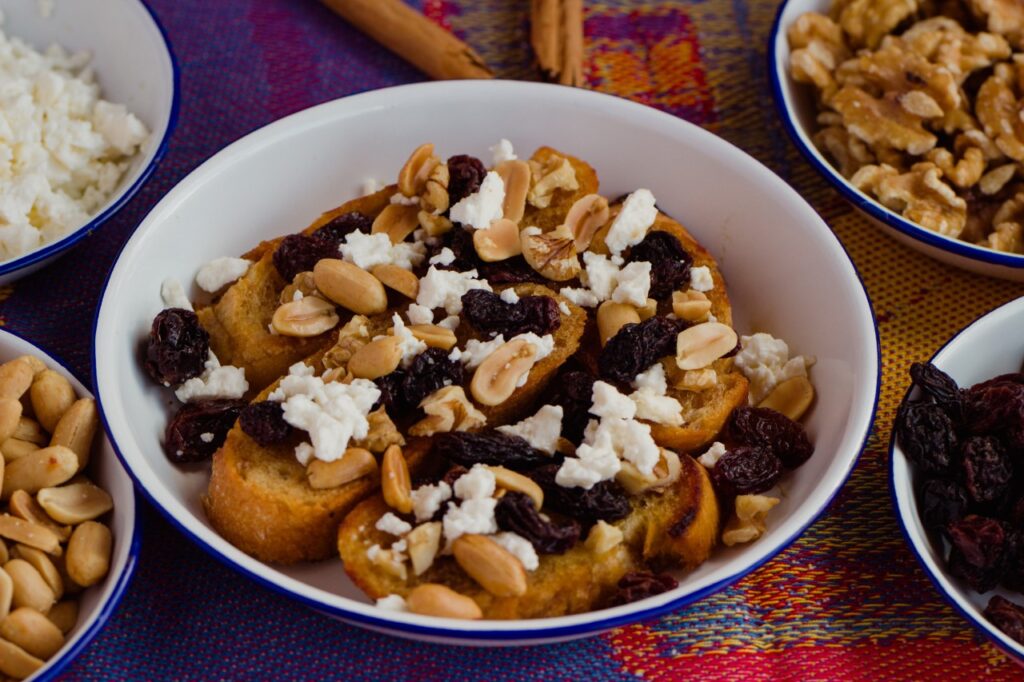
Capirotada tells a story before it ever tastes sweet. This traditional Mexican bread pudding is most closely associated with Lent, and its ingredients often carry symbolic meaning tied to faith and heritage. Thick slices of toasted bread are layered with piloncillo syrup made from unrefined cane sugar, then finished with nuts, dried fruit, spices, and cheese. The result is not a soft, custardy dessert like American bread pudding, but something sturdier and more complex. Sweetness is balanced by salt from the cheese and bitterness from spices like clove or cinnamon. The texture improves as it rests, allowing flavors to settle and deepen.
2. Jericalla
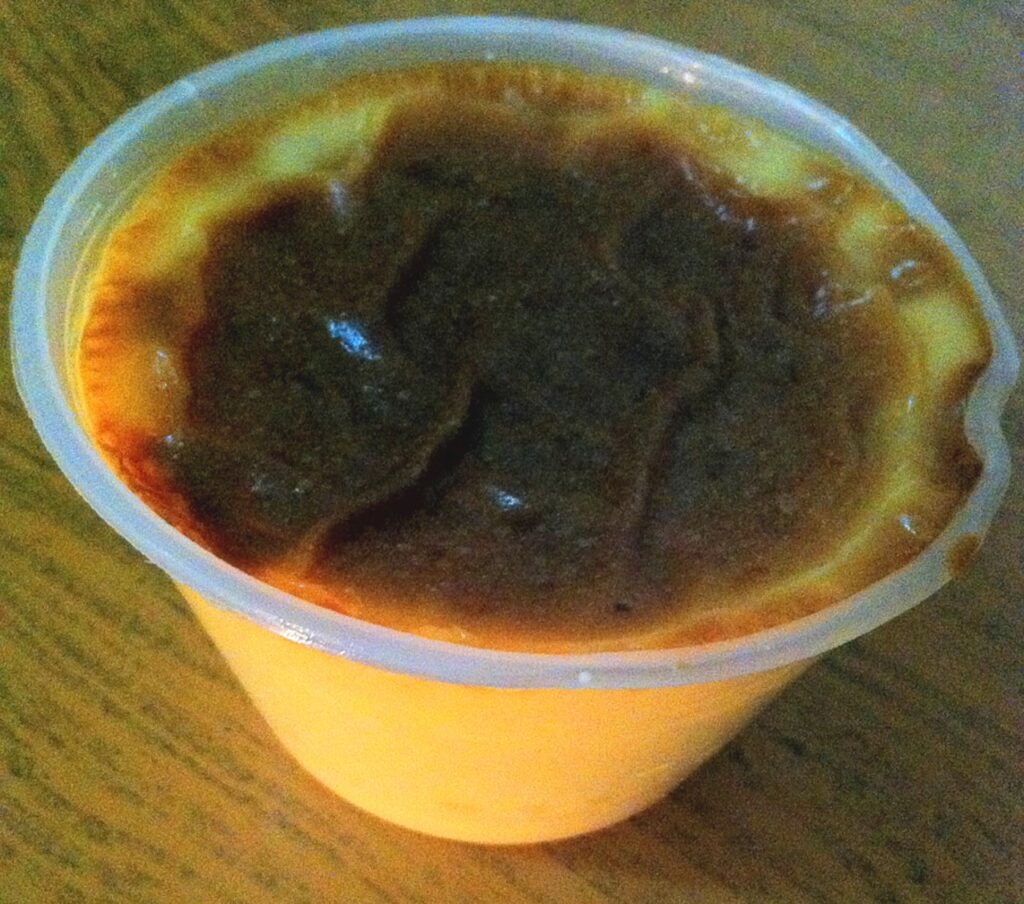
Jericalla feels familiar at first glance, but its character is uniquely its own. Originating in Jalisco, this custard is often compared to crème brûlée, yet it follows different rules. Instead of adding sugar on top and torching it, jericalla is baked until the surface naturally caramelizes and darkens. This creates a lightly bitter, toasted flavor that contrasts with the firm, creamy interior. The custard itself is less sweet than most Western versions, allowing egg and milk flavors to remain present. Texture is key here, set enough to slice but still smooth. Jericalla reflects a regional preference for restraint and balance, making it a dessert that rewards slow eating.
3. Ate de Membrillo con Queso
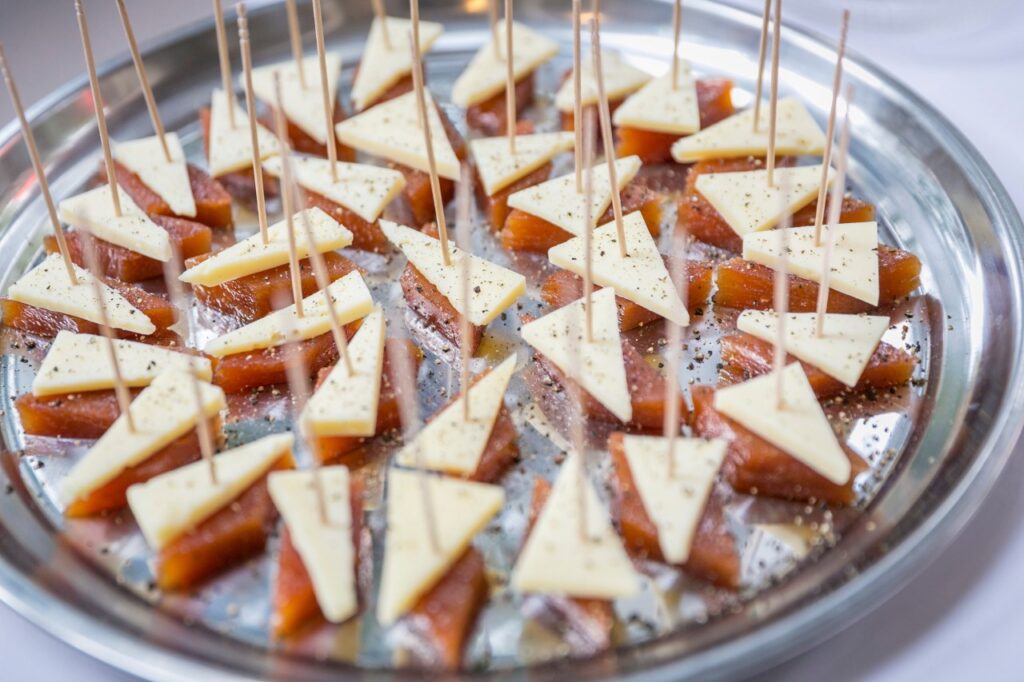
Ate de membrillo con queso proves that dessert does not need complexity to be memorable. Ate is a dense fruit paste made by slowly cooking quince with sugar until it sets into a firm block. On its own, it is intensely sweet and floral. Paired with salty, crumbly cheese, it becomes balanced and satisfying. The contrast between sweet and savory is the entire point, and portion size is intentionally small. This dessert often appears at the end of meals or during celebrations, sliced neatly rather than scooped. Its longevity comes from practicality as well as flavor, since both components store well. Ate con queso remains popular because it respects simplicity and balance over excess.
4. Nicuatole
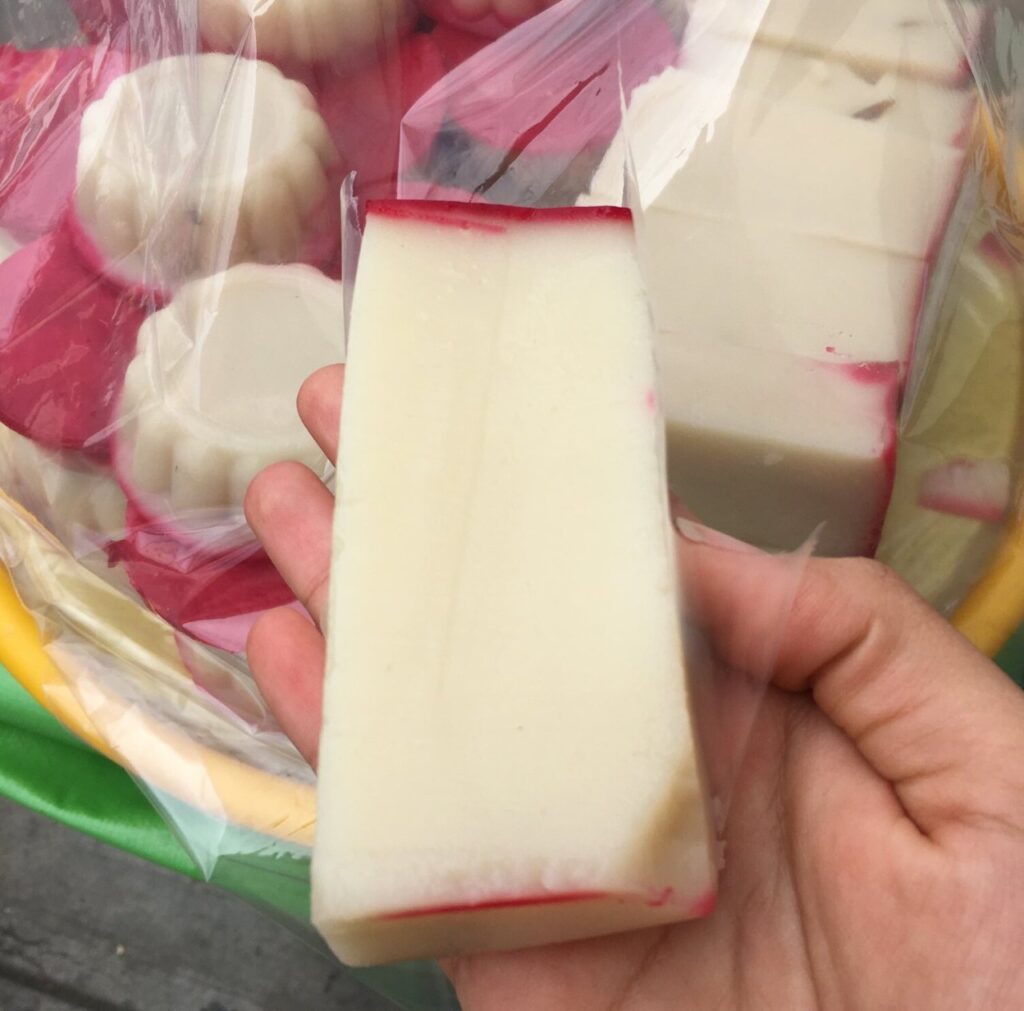
Nicuatole is one of Mexico’s oldest desserts, tracing its roots back to pre-Hispanic cooking. Made primarily from corn, sugar, and water or milk, it highlights corn’s natural sweetness rather than masking it. The mixture is cooked slowly until thickened, then poured into molds and left to set. Once firm, it can be sliced and served plain or lightly flavored with cinnamon, fruit, or cocoa. The texture sits somewhere between pudding and jelly, smooth but structured. Nicuatole reflects a time when corn was central to daily life and desserts were modest. Its appeal lies in how clearly it showcases a foundational ingredient rather than relying on richness or decoration.
5. Pan de Pulque
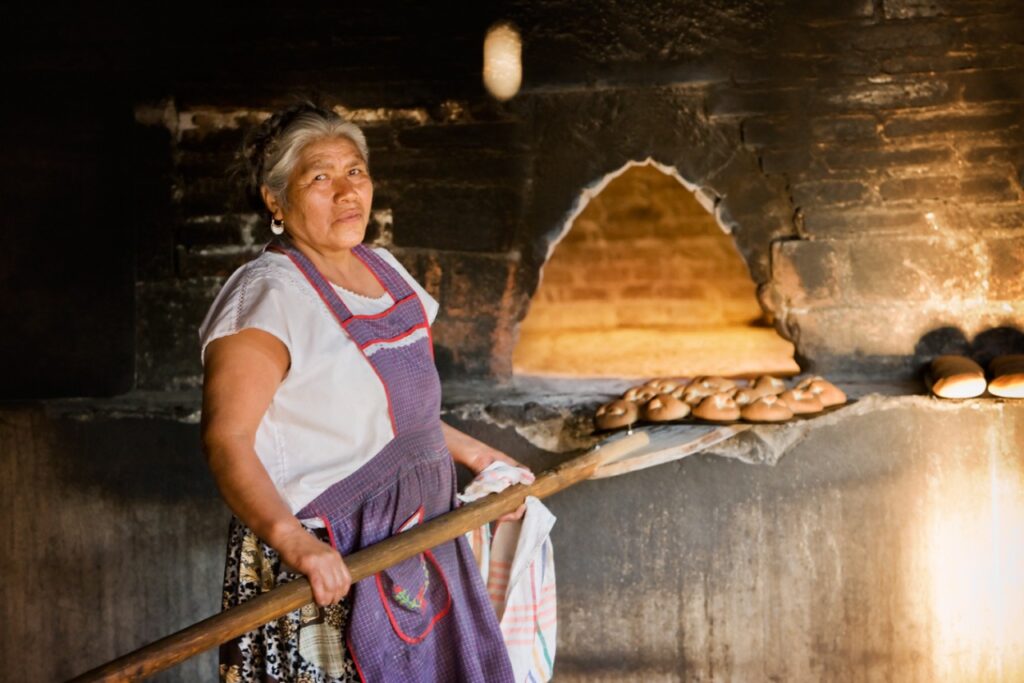
Pan de pulque stands apart from typical sweet breads because of its fermentation. Instead of commercial yeast, it uses pulque, a fermented agave beverage, to help the dough rise. This gives the bread a subtle tang and a dense, moist crumb that feels rustic rather than fluffy. Sweetness is mild, often coming from piloncillo or dried fruit rather than refined sugar. The bread keeps well, making it practical for households where baking was infrequent. Pan de pulque reflects regional baking traditions shaped by available ingredients rather than technique alone. Its flavor is quiet and earthy, rewarding those who appreciate bread that feels grounded and purposeful rather than dessert-like.
6. Charamusca
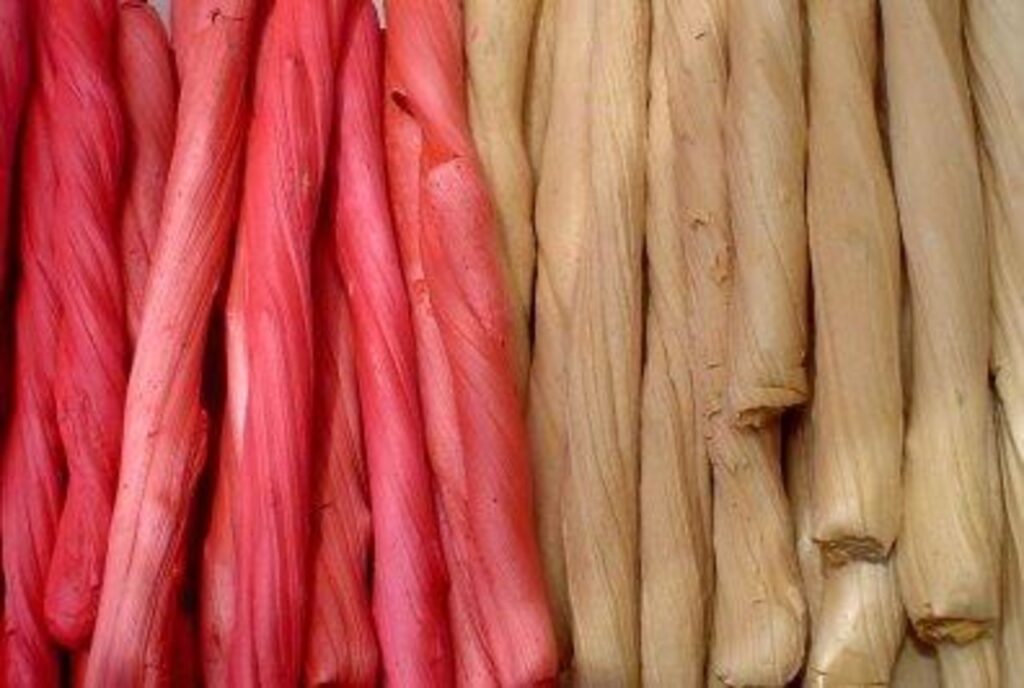
Charamusca is less about refinement and more about craft. This traditional candy is made by heating sugar or piloncillo until molten, then pulling and shaping it by hand as it cools. The result is a candy that can be brittle or chewy depending on how it is worked. Shapes often resemble figures, animals, or twists, reflecting street market traditions. Flavors are simple, usually vanilla, strawberry, or natural sugar notes. Charamusca is tied closely to festivals and local celebrations, where candy making becomes performance as much as food. Its appeal lies in texture and nostalgia rather than sweetness alone, making it a dessert rooted in community and memory.
7. Buñuelos Mexicanos
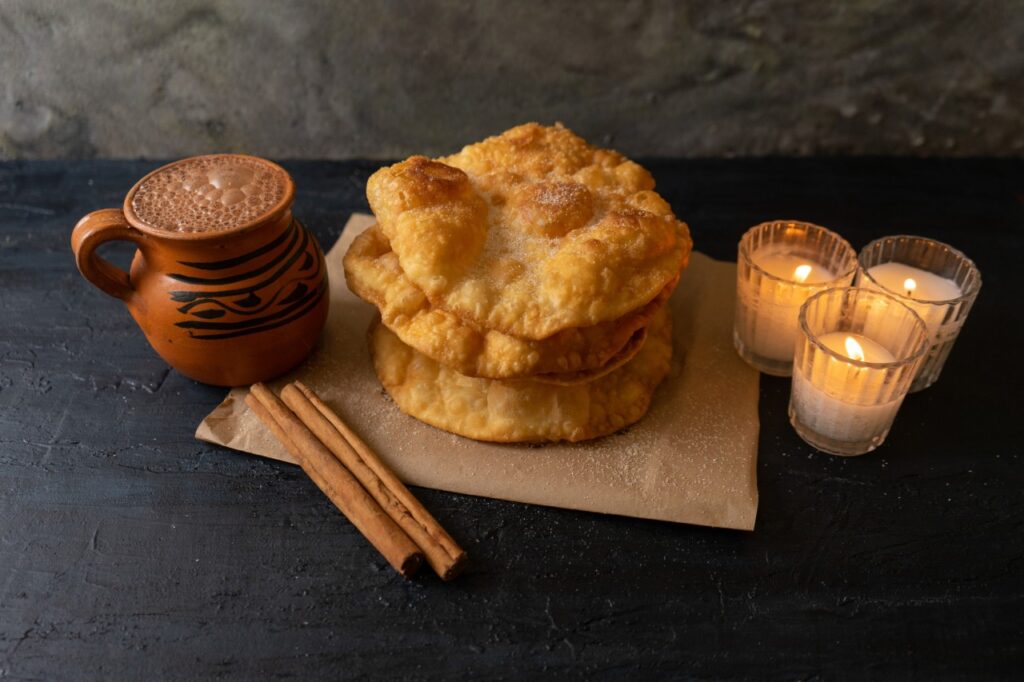
Buñuelos Mexicanos are defined by lightness and contrast. Thin sheets of dough are stretched, fried until crisp, and then finished with sugar or syrup. Unlike heavier fried desserts, buñuelos shatter when bitten, creating an airy crunch. They are especially popular during holidays, when they are often eaten warm and shared. The dough itself is neutral, allowing toppings to shine without overwhelming the base. Buñuelos reflect a balance between indulgence and restraint, offering texture rather than richness. Their popularity endures because they feel celebratory without being heavy, making them a natural fit for gatherings where desserts are meant to be enjoyed slowly and together.