6 Classic Side Dishes That Vanished from American Tables

American tables once reflected practicality, presentation, and the rhythms of everyday life. Side dishes were designed to stretch ingredients, impress guests, or make use of what was readily available at the time. As tastes evolved and access to fresh foods expanded, many of these once-familiar sides quietly slipped away. They were not rejected overnight, but slowly replaced as textures, flavors, and expectations changed. What remains is a culinary memory of dishes that once felt essential, dependable, and even celebratory. Looking back at them offers a glimpse into how American cooking has shifted from formality and efficiency toward freshness and simplicity.
1. Aspic Salad
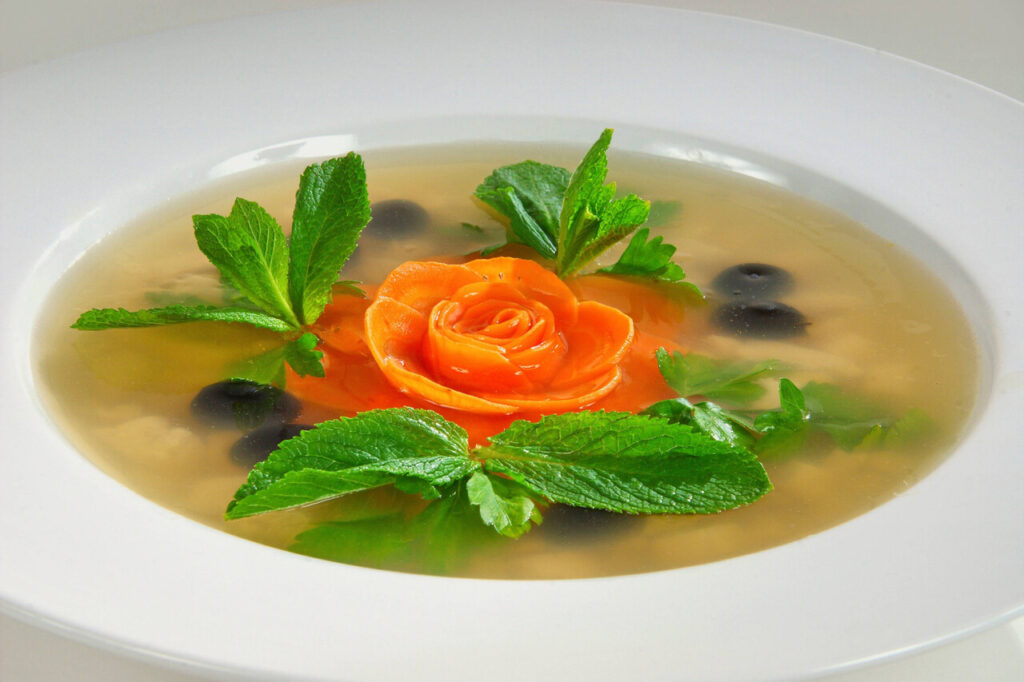
Aspic salad once represented elegance and modernity in American cooking. Clear gelatin was used to suspend vegetables, meats, seafood, or eggs in carefully arranged molds, creating a dish meant to impress guests before it was ever eaten. During the mid-20th century, refrigeration was a symbol of progress, and aspic showcased control, cleanliness, and culinary precision. The dish also allowed cooks to preserve leftovers attractively, reducing waste. Over time, however, tastes shifted toward fresher textures and warmer presentations. The cold, slippery mouthfeel of aspic began to feel artificial rather than refined.
2. Creamed Chipped Beef
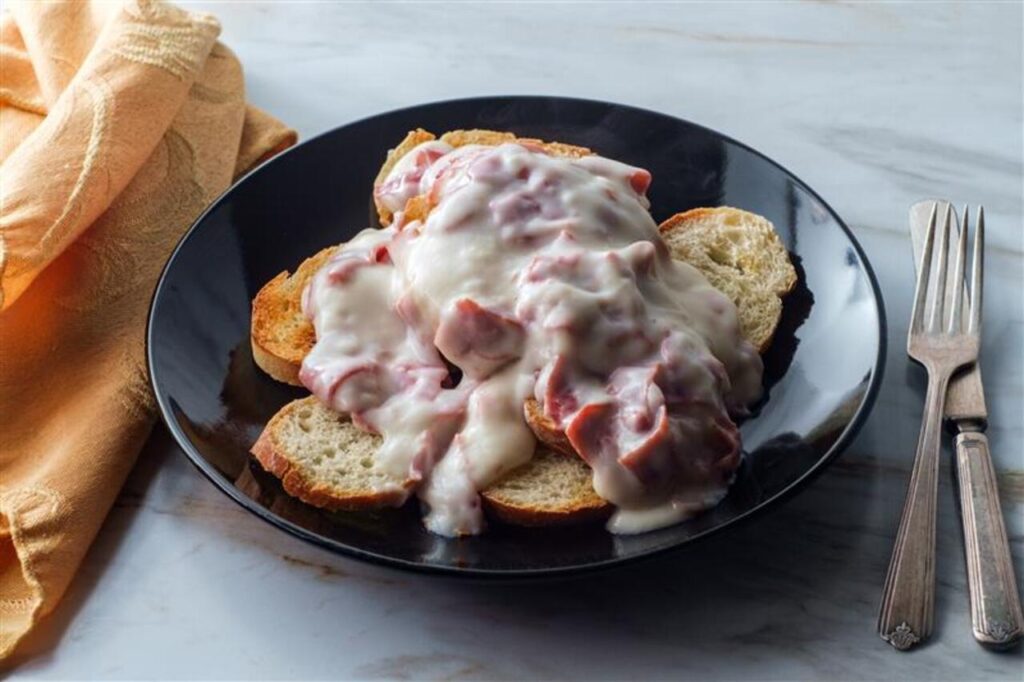
Creamed chipped beef thrived because it was practical, affordable, and filling. Thin slices of dried beef were simmered in a thick white sauce and spooned over toast, creating a hearty side or light meal that relied on shelf-stable ingredients. It was especially common during economic downturns and wartime, when stretching food mattered. The dish delivered salt, fat, and warmth, qualities that once defined comfort food. As refrigeration improved and fresh proteins became more accessible, heavily processed meats lost favor. Modern diners also moved away from heavy cream sauces as nutritional awareness grew.
3. Liver and Onions
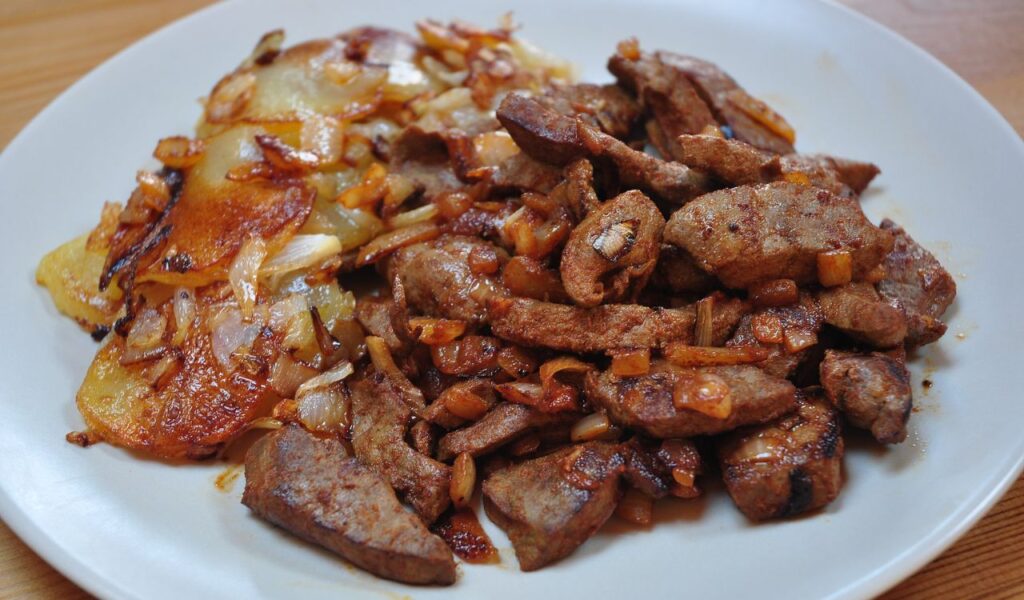
Liver and onions were once praised for their nutrition and affordability. Liver is rich in iron, vitamins, and protein, making it a logical side or accompaniment in households focused on nourishment over indulgence. Onions helped balance the strong flavor with sweetness when properly cooked. Despite its benefits, the liver’s metallic taste and soft texture proved polarizing. As grocery stores expanded meat options and diners became more selective, organ meats fell out of favor. Cultural shifts also played a role, as younger generations associated liver with obligation rather than enjoyment. For many, the dish became a symbol of forced meals rather than comfort.
4. Cottage Cheese and Fruit
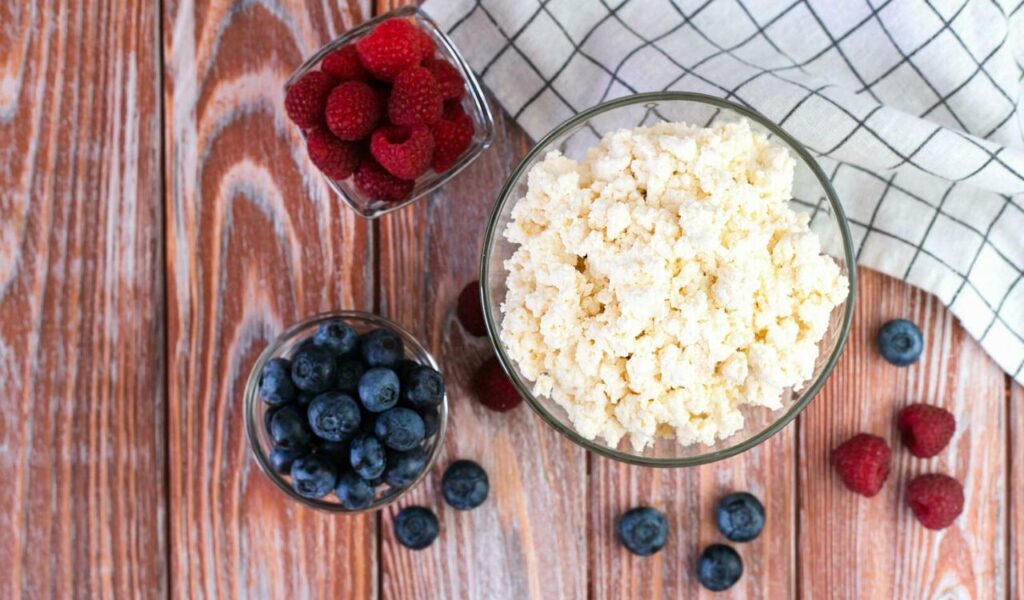
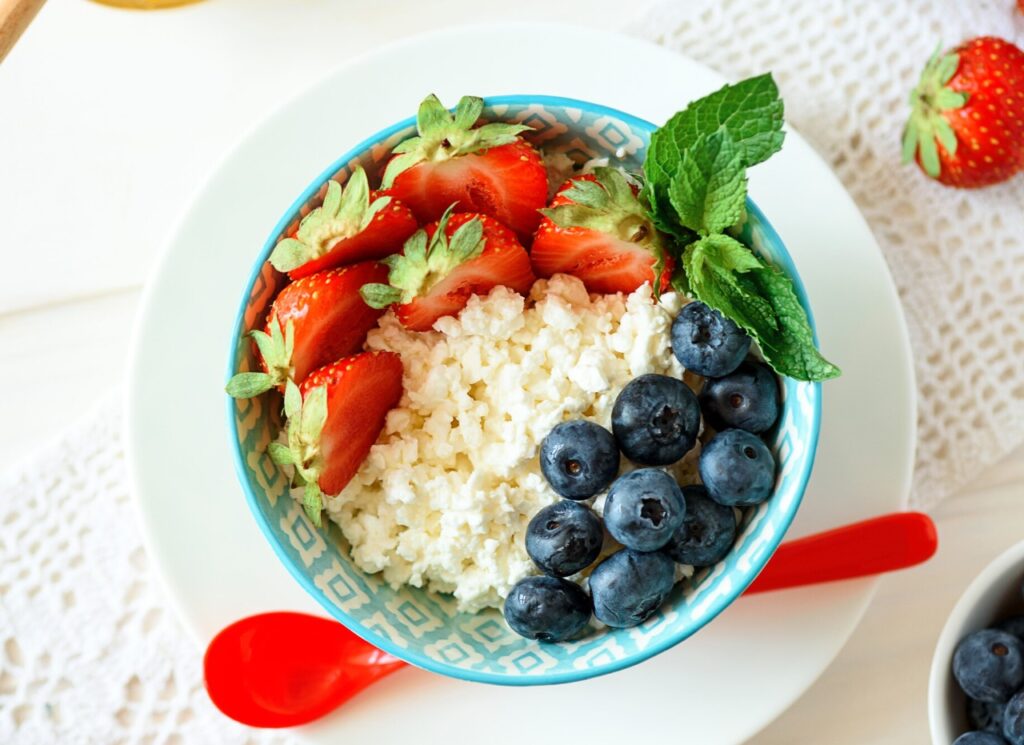
Cottage cheese paired with canned fruit or gelatin was once viewed as a wholesome, modern side dish. It gained popularity during periods when low-fat eating and protein-forward meals were heavily promoted. The combination was easy to assemble, required no cooking, and fit neatly into mid-century ideas of balanced meals. Over time, however, its blandness and reliance on canned fruit caused it to lose appeal. As tastes shifted toward bolder flavors and fresher textures, this mild pairing felt more medicinal than satisfying. While cottage cheese has seen renewed interest, this classic combination rarely appears on today’s tables in its original form.
5. Salmon Loaf
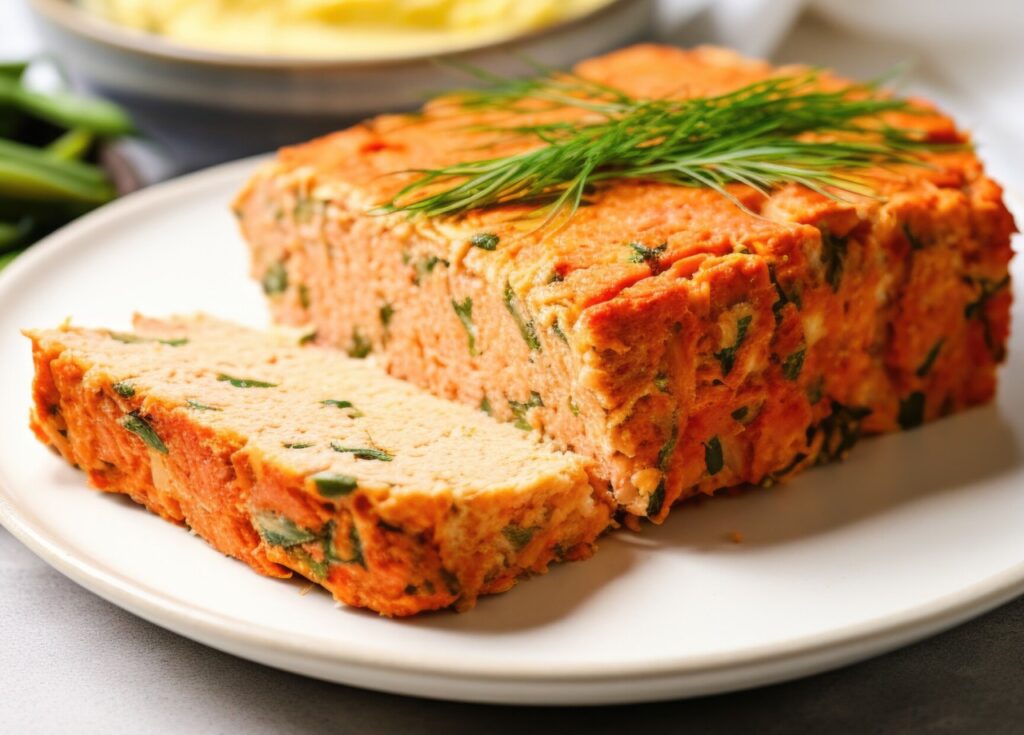
Salmon loaf was born from necessity and efficiency. Using canned salmon, eggs, and breadcrumbs, it provided a protein-rich side that could feed a family affordably. It was easy to prepare, sliced cleanly, and paired well with simple sauces. At a time when fresh fish was less accessible inland, salmon loaf made seafood approachable. As distribution improved and fresh fish became more common, molded loaves lost appeal. Casseroles and loaf-style dishes also declined as cooking trends moved toward lighter preparations. While practical, salmon loaf lacked the texture and freshness modern diners expect, causing it to quietly slip away from everyday American meals.
6. Waldorf Salad (Original Style)
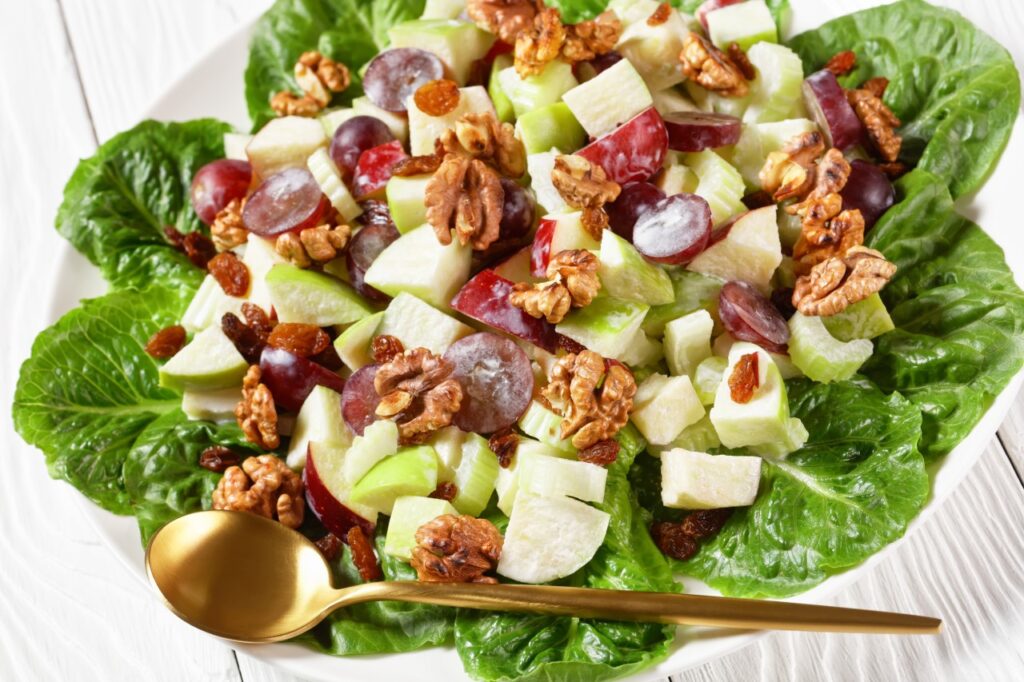
The original Waldorf salad was restrained and savory, built from apples, celery, walnuts, and mayonnaise with minimal sweetness. It was designed as a refined side, offering crunch and richness rather than a dessert-like flavor. Over time, American tastes shifted toward sweeter versions with grapes, marshmallows, or whipped toppings. As lighter dressings and vinaigrettes became popular, mayonnaise-based salads fell out of favor. The original Waldorf salad did not disappear entirely, but its classic form did. Modern versions barely resemble the original, showing how evolving palates can transform a dish until its roots are almost unrecognizable.