7 Items Labeled Fresh You Should Skip at the Grocery Store

The word fresh has become one of the most persuasive labels in the grocery store. It suggests quality, purity, and food that is closer to its natural state, all without needing further explanation. But in many cases, that label is more about marketing than reality. Modern grocery systems rely on processing, refrigeration, and extended storage to keep shelves stocked, and those steps often work against true freshness. Items can look vibrant, smell appealing, and still fall short in flavor, texture, or value once you take them home. Understanding how these foods are prepared, handled, and stored helps explain why some “fresh” products disappoint so quickly.
1. Fresh-Baked Bread
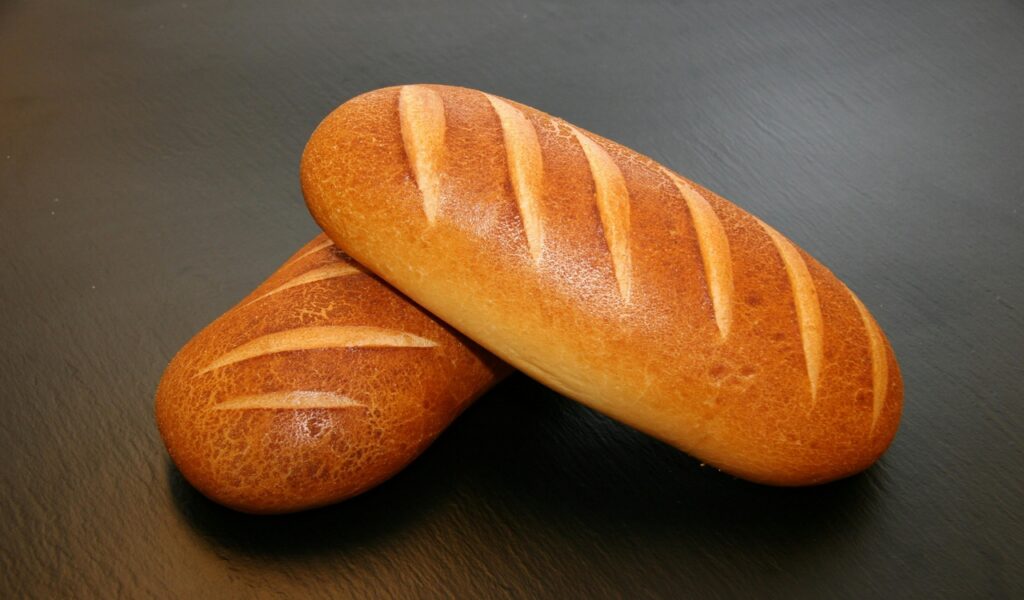
The smell of warm bread in a grocery store is powerful, and it is meant to be. In many supermarkets, bread labeled fresh baked is actually produced elsewhere, partially baked, frozen, and shipped to the store where it is finished in an oven. This process creates the illusion of freshness without delivering the full quality of bread made start to finish the same day. These loaves often rely on dough conditioners and preservatives to survive freezing and transport, which affects flavor and texture. While the crust may feel crisp for a short time, the interior can turn dry or gummy within hours. True fresh bread has depth from fermentation and holds its structure longer.
2. Fresh-Squeezed Juice
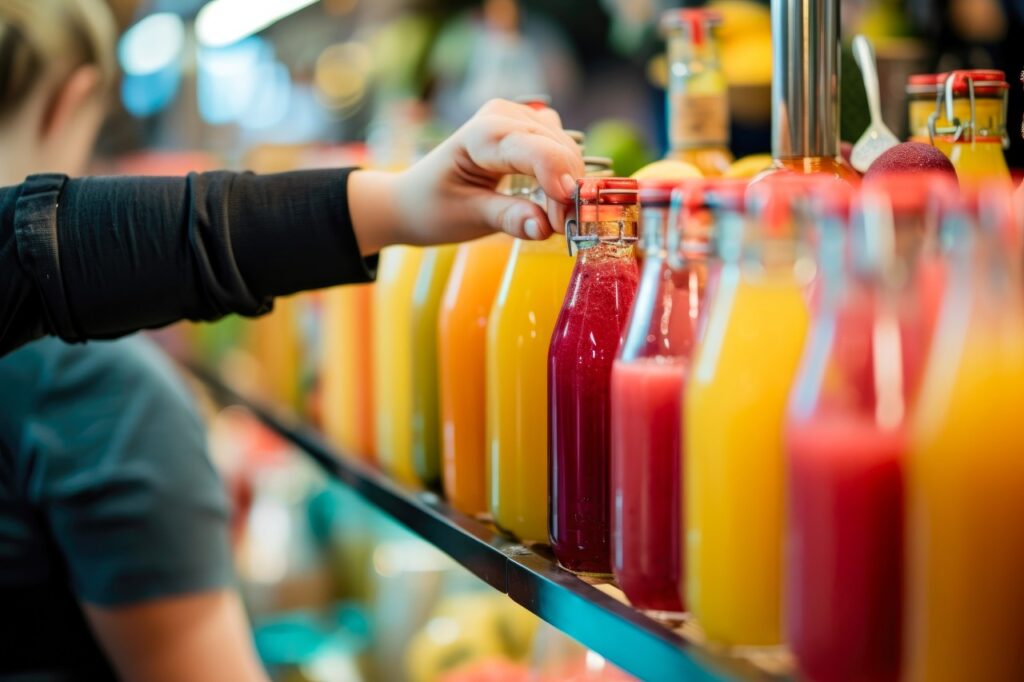
Juice labeled fresh squeezed sounds simple, but the reality is more complex. Many grocery store juices are processed using pasteurization or high-pressure methods to extend shelf life and meet safety standards. While these methods reduce risk, they also dull brightness and alter flavor. Some juices may sit refrigerated for several days before being sold, losing freshness with each passing hour. The vitamin content also declines over time, especially with exposure to light and oxygen. Because these juices are often expensive, shoppers assume they are getting peak quality. In many cases, freshly juiced at home or made to order juice delivers better flavor and nutrition at a lower cost.
3. Fresh-Cut Fruit
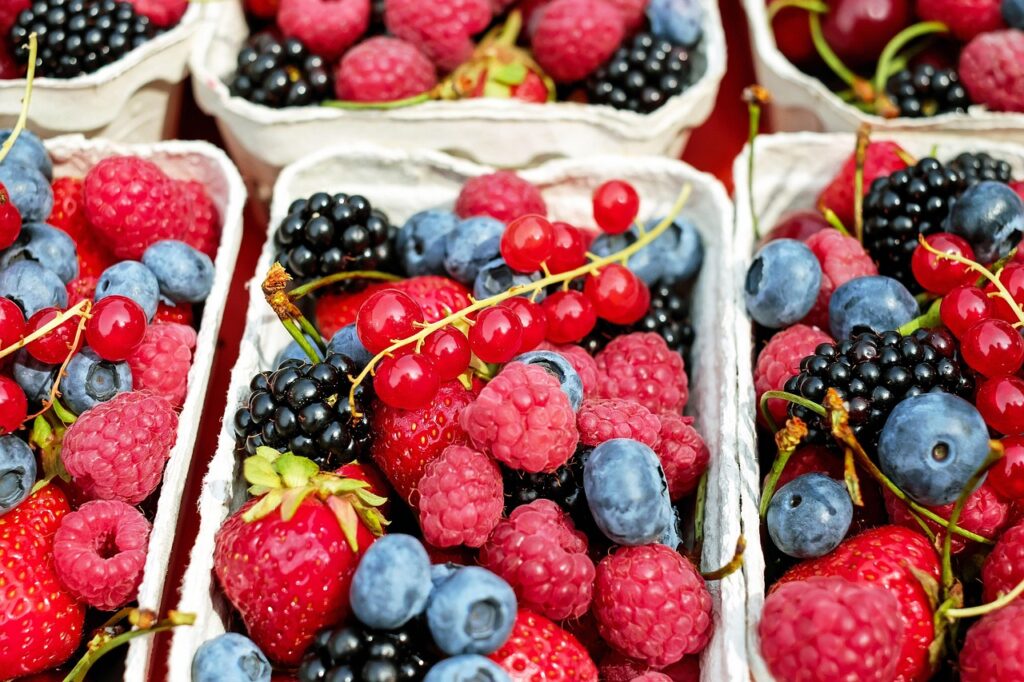
Pre-cut fruit is marketed as a healthy shortcut, but cutting is the moment freshness begins to fade. Once fruit is sliced, it is exposed to oxygen, which accelerates oxidation and moisture loss. This leads to softer texture, muted sweetness, and shorter shelf life. To slow browning and spoilage, stores often rinse fruit with preservative solutions that can change taste. There is also a higher food safety risk because more surface area is exposed to handling and bacteria. Even when refrigerated, cut fruit rarely matches the quality of fruit prepared just before eating. While convenient, these containers trade peak flavor and freshness for time savings, making the fresh label misleading.
4. Fresh Marinated Meat
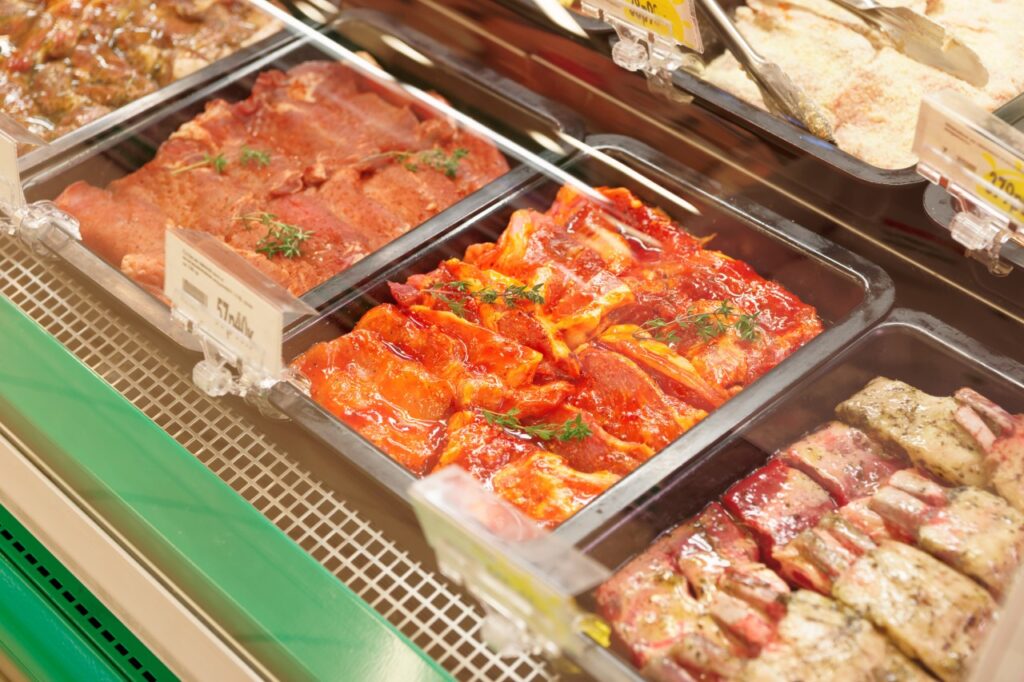
Marinated meat at the grocery store may look ready to cook, but the marinade often serves more than one purpose. Strong flavors and acids can mask meat that is nearing the end of its shelf life. Acidic ingredients like vinegar or citrus begin breaking down proteins as soon as they are applied, which can lead to a mushy texture if the meat sits too long. The cut quality is also harder to judge once it is coated. While marinating at home gives you control over timing and ingredients, pre-marinated meat removes that control. The fresh label focuses on appearance, not on how long the meat sat before seasoning or how the marinade has already altered it.
5. Fresh Salsa
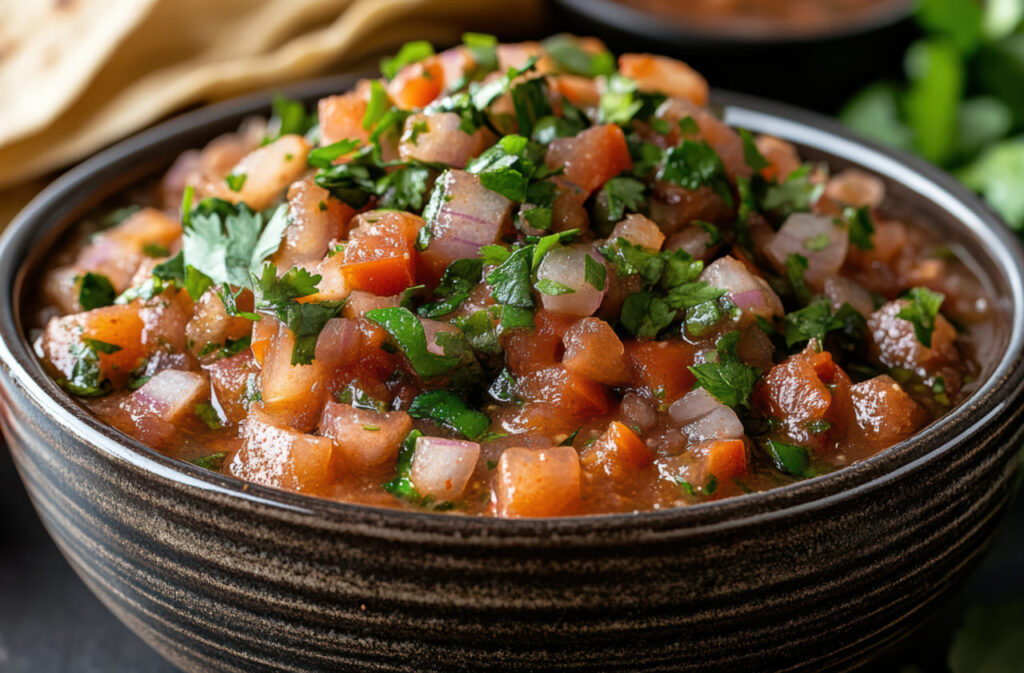
Refrigerated salsa labeled fresh often starts with raw ingredients, but it rarely stays that way. To maintain color and safety, many store-made salsas undergo heat treatment or stabilizing processes. These steps flatten the bright flavors that define truly fresh salsa. Tomatoes lose acidity, herbs dull, and the overall taste becomes muted. The texture may also separate over time, creating excess liquid. While it looks vibrant behind glass, the flavor usually reflects processing rather than immediacy. Fresh salsa made close to serving time has sharper contrast and aroma. Store versions prioritize shelf life and uniformity, which undermines the very freshness they advertise.
6. Fresh Pasta from the Refrigerated Case
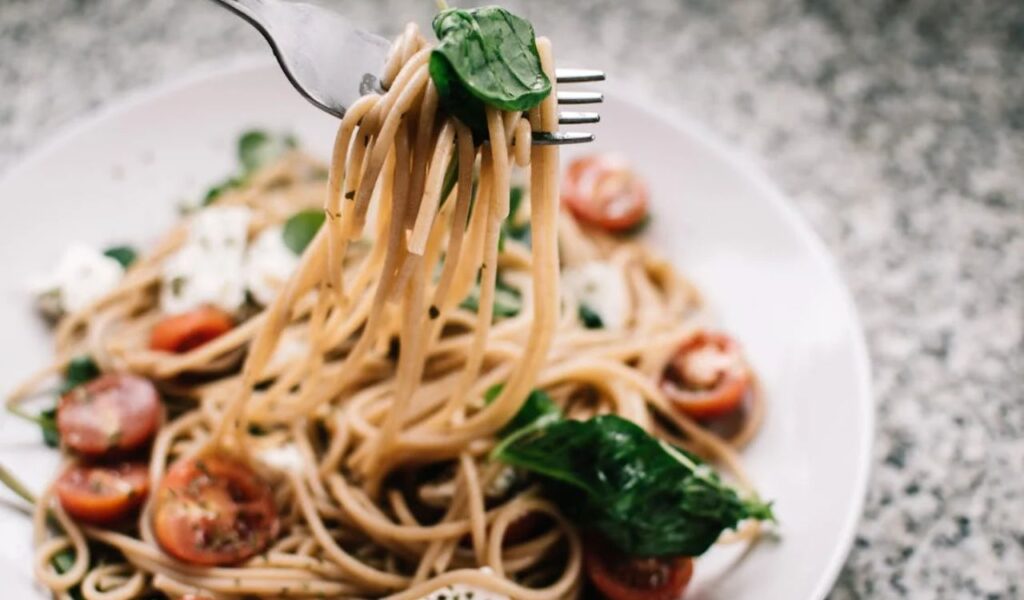
Refrigerated pasta is often marketed as a premium alternative to dried pasta, but it is rarely as fresh as implied. Many versions are produced weeks in advance and rely on preservatives to prevent spoilage. This affects both texture and cooking performance. Instead of a tender bite, the pasta can turn gummy or unevenly cooked. True fresh pasta is made and cooked within a short window, preserving delicate structure and flavor. Refrigerated pasta is convenient, but the label encourages shoppers to equate softness with freshness. In reality, high-quality dried pasta often delivers better consistency, structure, and value than store-bought fresh pasta.
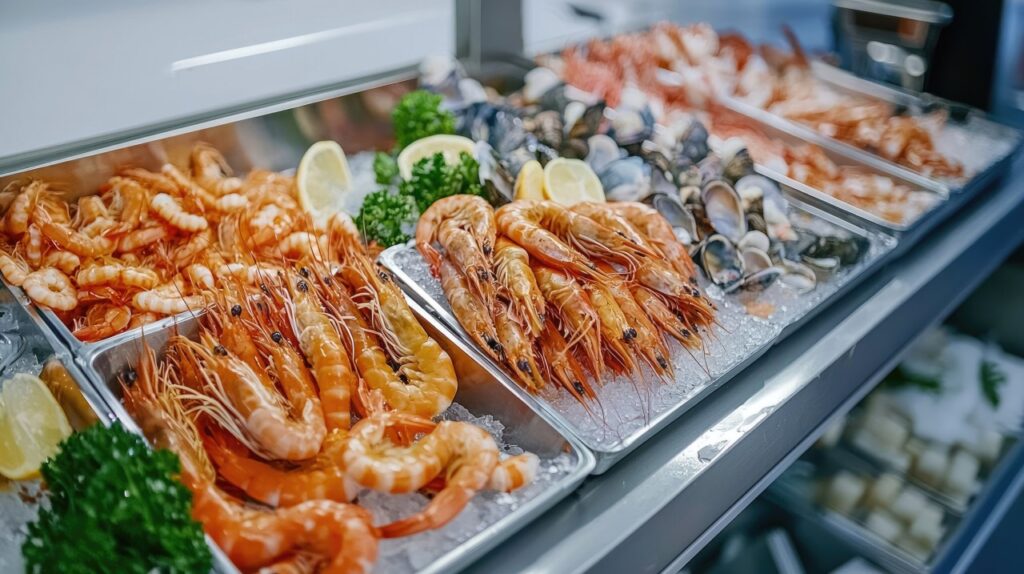
7. Fresh Seafood at the Display Case
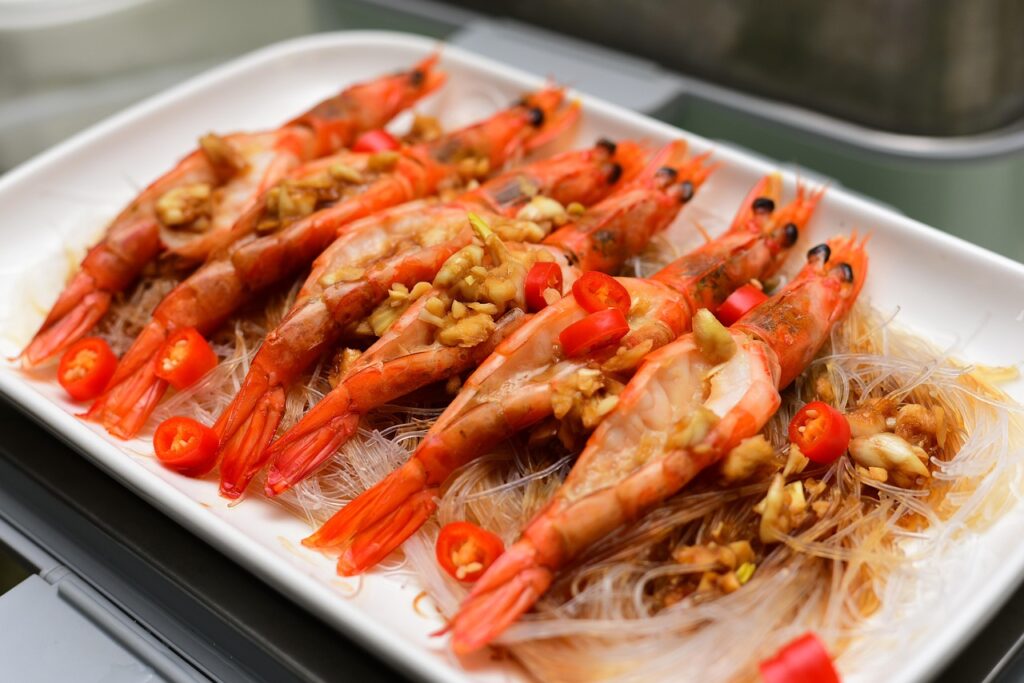
Seafood labeled fresh in a grocery store is often previously frozen and thawed for display. Freezing is not inherently bad, but thawing and holding fish for sale shortens its usable life and compromises texture. Once thawed, seafood begins deteriorating quickly, especially under bright lights and fluctuating temperatures. Refreezing it at home further degrades quality. Many fish are actually frozen at sea shortly after being caught, preserving freshness better than store display cases. In those cases, frozen seafood can be the superior option. The fresh label reflects current state, not journey or handling, which makes it one of the most misleading labels in the store.