8 Authentic Mexican Tacos That Are Actually American Inventions

Tacos feel universal. They show up at backyard parties, fast food counters, and trendy restaurants, often labeled as “authentic” without hesitation. For many diners, the version they grew up with defines what a taco is supposed to be.
But Mexican cuisine is deeply regional and rooted in tradition. Tortillas, fillings, and preparation methods vary by state, climate, and history. What thrives in American chains often reflects convenience, branding, and local taste adaptation rather than direct cultural lineage.
This list takes a closer look at taco creations widely assumed to be Mexican, yet shaped largely by American innovation and market demand.
1. Hard-Shell Ground Beef Tacos
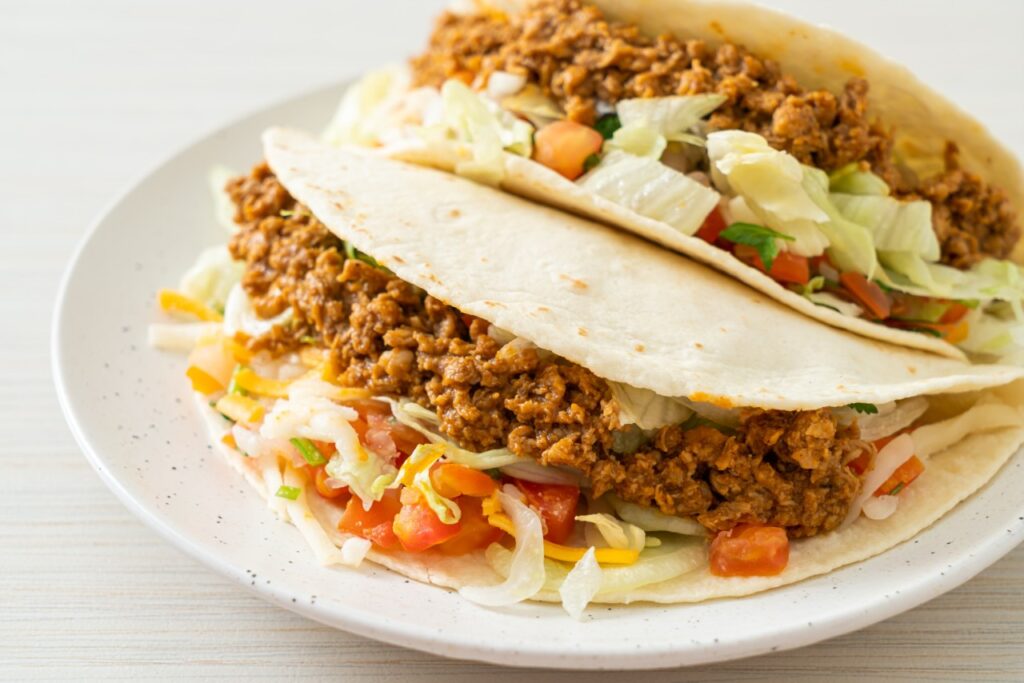
The image many Americans picture when they hear “taco” is a crisp, pre-shaped shell filled with seasoned ground beef, lettuce, tomato, and shredded orange cheese. That version became popular in the United States through packaged taco kits and fast food chains. The rigid shell was practical and easy to mass-produce.
In Mexico, tacos are traditionally built on soft corn tortillas warmed on a flat griddle called a comal. The tortilla is flexible and meant to fold around the filling. Proteins are usually grilled or braised rather than browned ground beef with powdered seasoning.
The hard-shell format reflects American convenience culture more than Mexican street tradition. It draws from Mexican flavors, but its structure was shaped in the U.S.
2. Taco Salad in a Fried Bowl
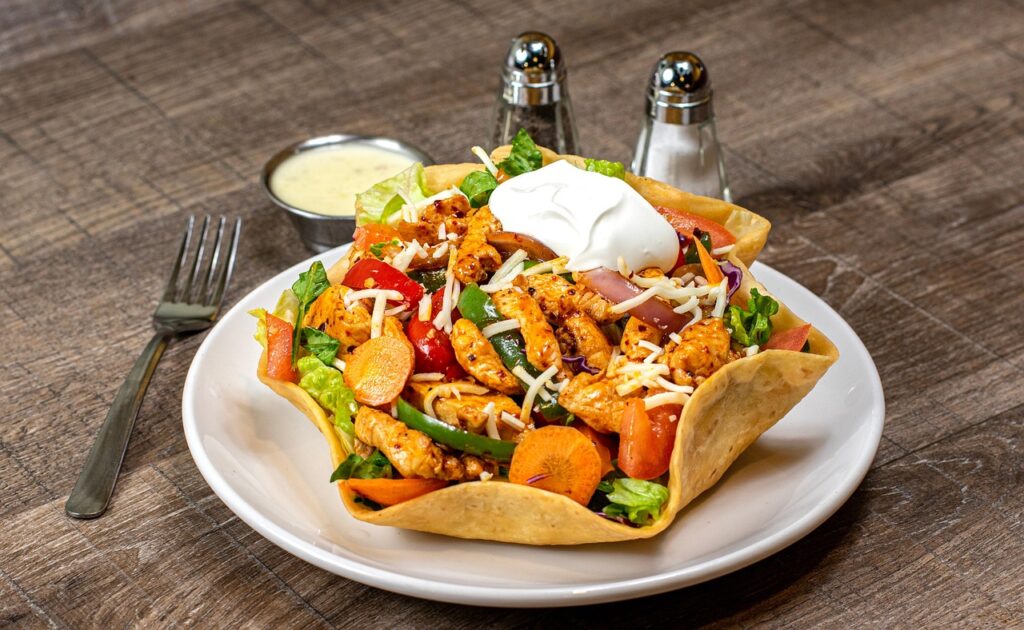
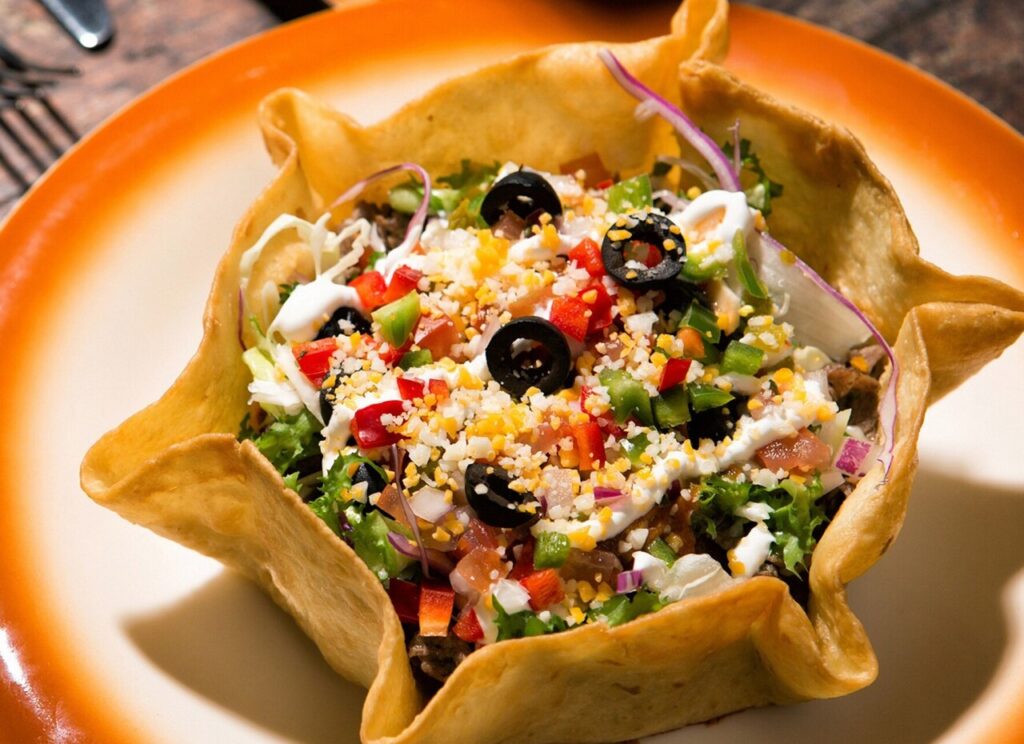
The dramatic fried tortilla bowl filled with lettuce, beans, ground beef, cheese, sour cream, and salsa is a visual centerpiece in many American restaurants. It was developed as a way to combine Tex-Mex flavors with the presentation of a large entrée salad. Portion size and visual appeal drove its popularity.
Mexican cuisine certainly includes tostadas and layered dishes, but they are typically built on flat tortillas rather than oversized edible bowls. The deep, basket-shaped shell is a restaurant innovation designed for display and convenience.
The taco salad reflects American dining habits that favor large, mixed plates. It borrows ingredients from Mexican cooking but presents them in a format shaped by U.S. restaurant trends.
3. Doritos-Style Tacos
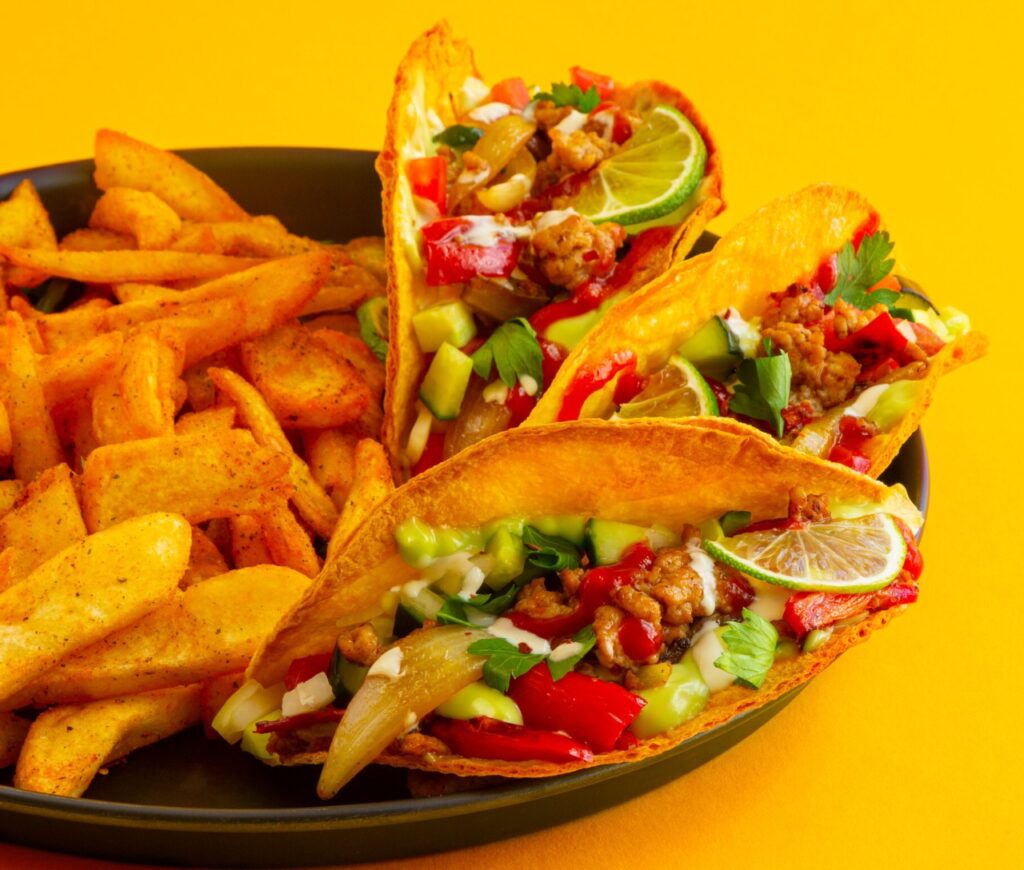
Brightly colored, flavored taco shells coated in chip seasoning are a recent development tied closely to brand marketing. These shells are engineered for crunch and intense flavor, often using processed coatings designed to mimic snack chips.
In Mexican cuisine, the tortilla is central to the meal. It is typically made from nixtamalized corn and prepared fresh or warmed before serving. Its flavor is meant to complement the filling rather than compete with it.
The chip-inspired shell transforms the taco into a hybrid snack-food product. While popular and creative, it represents corporate innovation rather than regional Mexican culinary tradition.
4. Fish Tacos with Creamy Slaw and Flour Tortillas
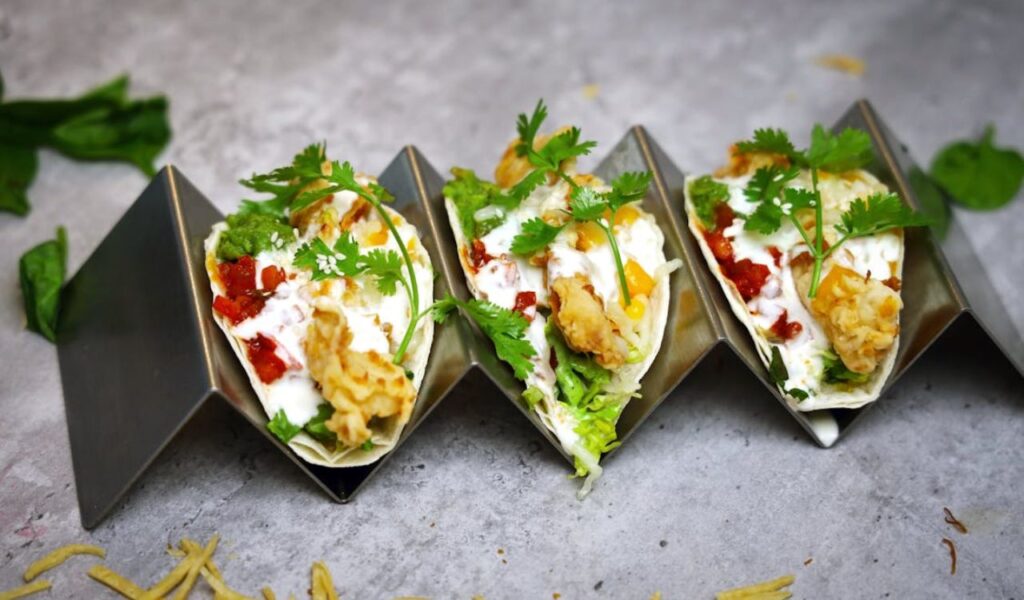
Fish tacos have authentic roots in Baja California, where battered or grilled fish is served on soft corn tortillas with cabbage and fresh salsa. The focus is on balance between crisp fish, light toppings, and a squeeze of lime.
In many American versions, the tortilla is swapped for flour, and heavy creamy slaw or thick sauces replace lighter garnishes. Portion sizes also tend to increase.
The result is richer and more indulgent. While inspired by Baja tradition, the flour tortilla and heavy dressing reflect adaptation to American taste preferences rather than strict adherence to regional Mexican style.
5. Breakfast Tacos Loaded with Bacon and Cheddar
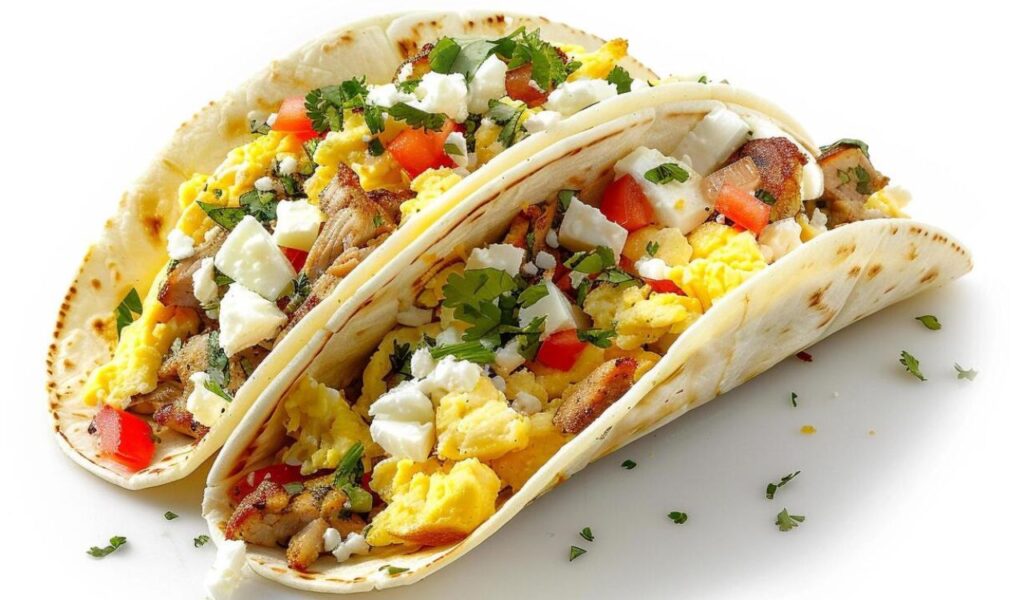
Mexico has long wrapped morning staples such as eggs, beans, and chorizo in tortillas. However, the American breakfast taco often centers on bacon, cheddar cheese, and large flour tortillas. This combination gained traction particularly in Texas.
Cheddar is not a traditional Mexican cheese, and bacon plays a different role in Mexican cooking compared to cured pork like chorizo. The flour tortilla itself is more common in northern Mexico but expanded widely in the U.S.
This version blends Mexican influence with American breakfast traditions. It feels authentic to border regions but developed largely through cross-cultural adaptation.
6. Taco Pizza
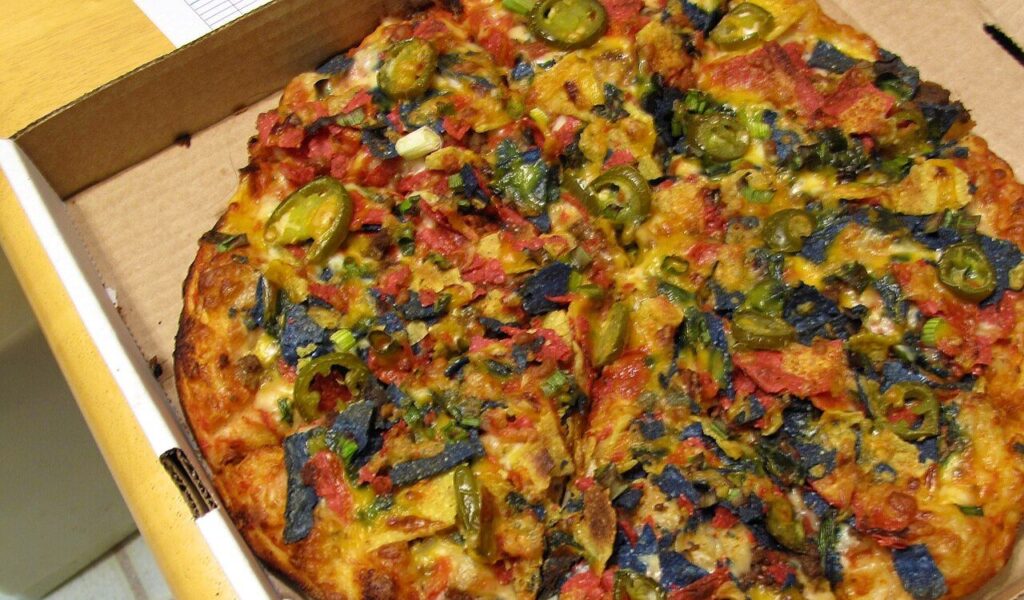
Taco pizza layers seasoned ground beef, lettuce, tomato, and cheese over a pizza crust. It became popular in American chain restaurants seeking to merge Italian American and Tex-Mex flavors. The concept thrives on novelty and familiar ingredients.
Mexico has its own flatbreads, such as tlayudas in Oaxaca, but they differ significantly in preparation and topping style. Taco pizza follows the structure of American pizza rather than Mexican street food.
The dish represents culinary fusion shaped by market demand. It borrows recognizable taco components but rearranges them into a distinctly American format.
7. Loaded Steak Tacos with Shredded Yellow Cheese
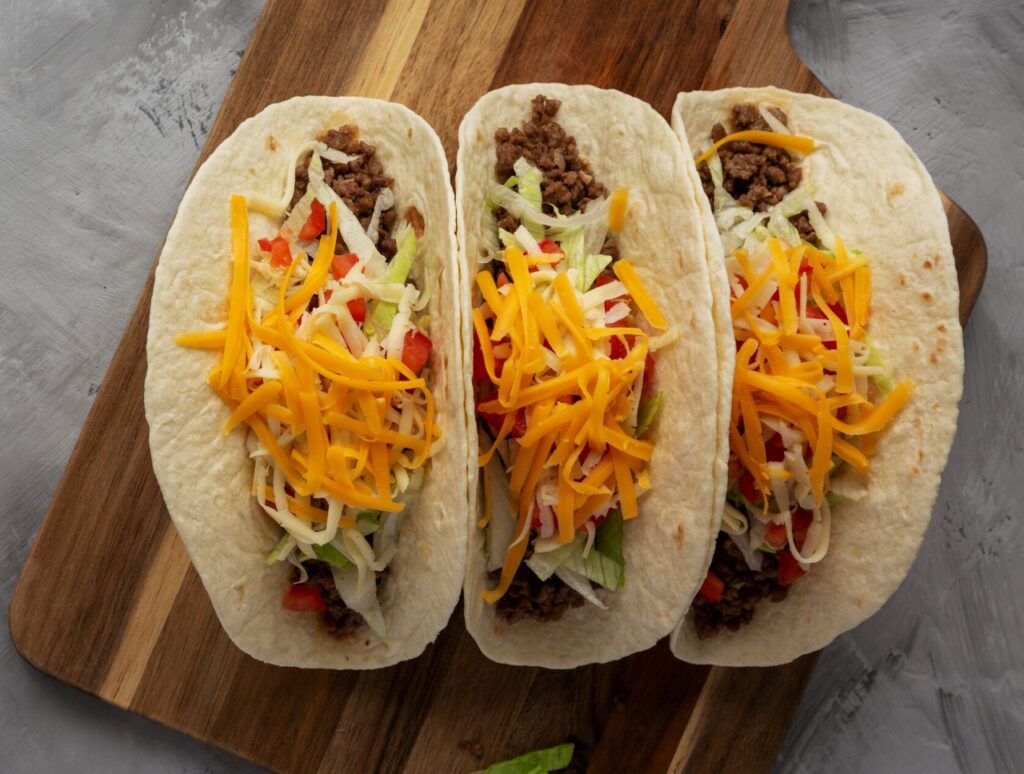
At its core, a traditional carne asada taco is built on restraint. Grilled beef is seasoned simply, chopped finely, and placed on warm corn tortillas. Fresh onion, cilantro, and salsa add brightness and contrast. The meat remains the centerpiece, supported rather than buried by toppings.
In many American versions, that balance shifts quickly. Generous handfuls of shredded yellow cheddar, sour cream, and lettuce are layered on top. These additions reflect Tex-Mex evolution and American preferences for dairy-forward richness and texture.
The result is heavier and more indulgent. Melted cheddar and creamy condiments dominate the flavor profile. The simplicity that defines many regional Mexican tacos becomes secondary to bulk and boldness.
8. Deep-Fried Tacos Covered in Cheese Sauce
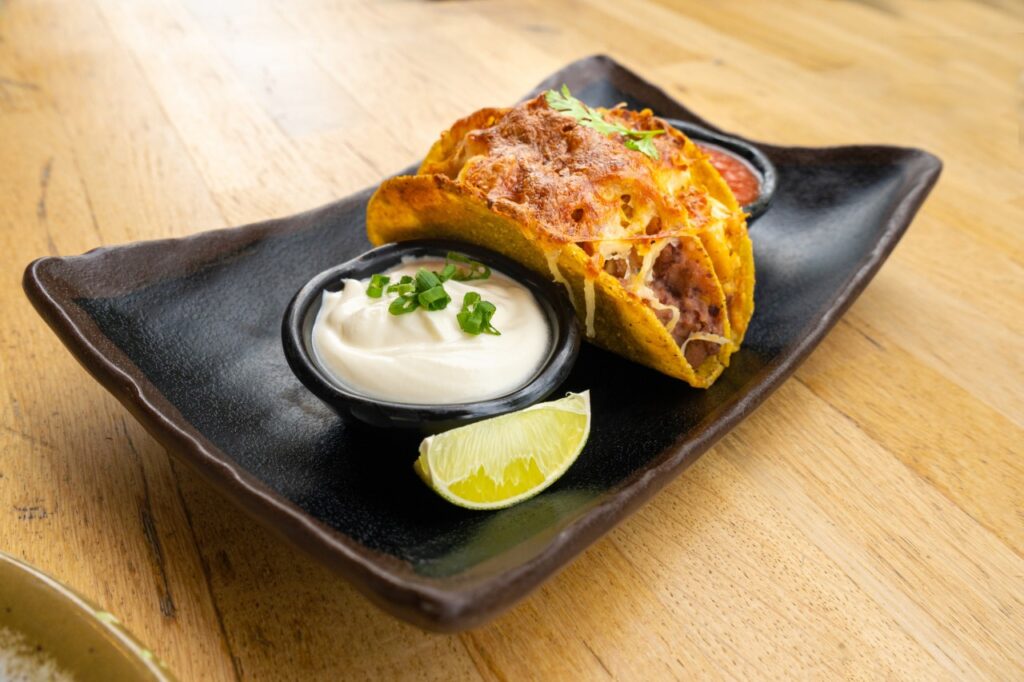
Fried tacos are not foreign to Mexico. Known as tacos dorados, they are typically folded, lightly fried until crisp, and topped with lettuce, crema, cheese, and salsa. Texture contrast is central to the experience.
In American adaptations, the technique intensifies. Tacos may be fried more deeply and then smothered in thick, melted cheese sauce. This processed topping adds weight and uniform creaminess across the shell.
The heavy coating changes the dish’s identity. Instead of crispness paired with fresh toppings, the focus becomes richness and density. The cheese-covered version aligns more closely with American comfort food expectations than traditional taco presentation.