Why Restaurant Nutrition Labels Often Confuse More Than They Help

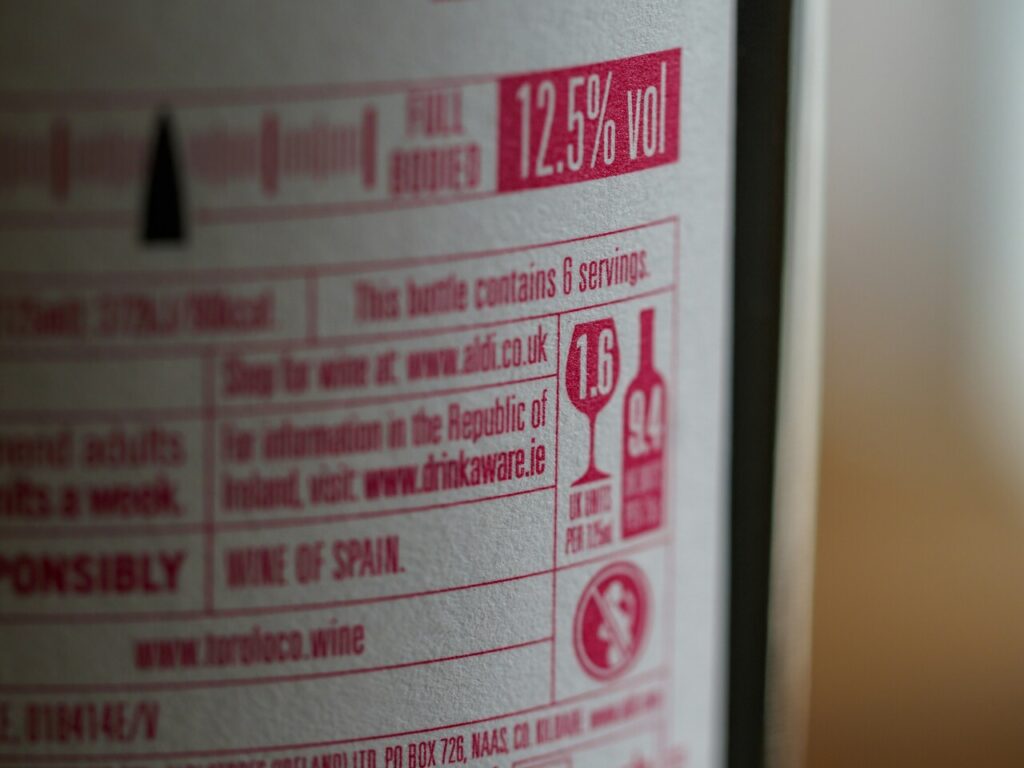
Restaurant menus today often display calorie counts and other nutrition details, but the information does not always guide diners the way policymakers expected. While these labels were introduced to promote healthier eating, many people find them difficult to interpret during the quick decisions that happen when ordering food. Serving size confusion, marketing language, and the social nature of dining can make the numbers harder to use in practice. As a result, nutrition labels sometimes create uncertainty instead of clarity.
The Rise of Restaurant Nutrition Labels
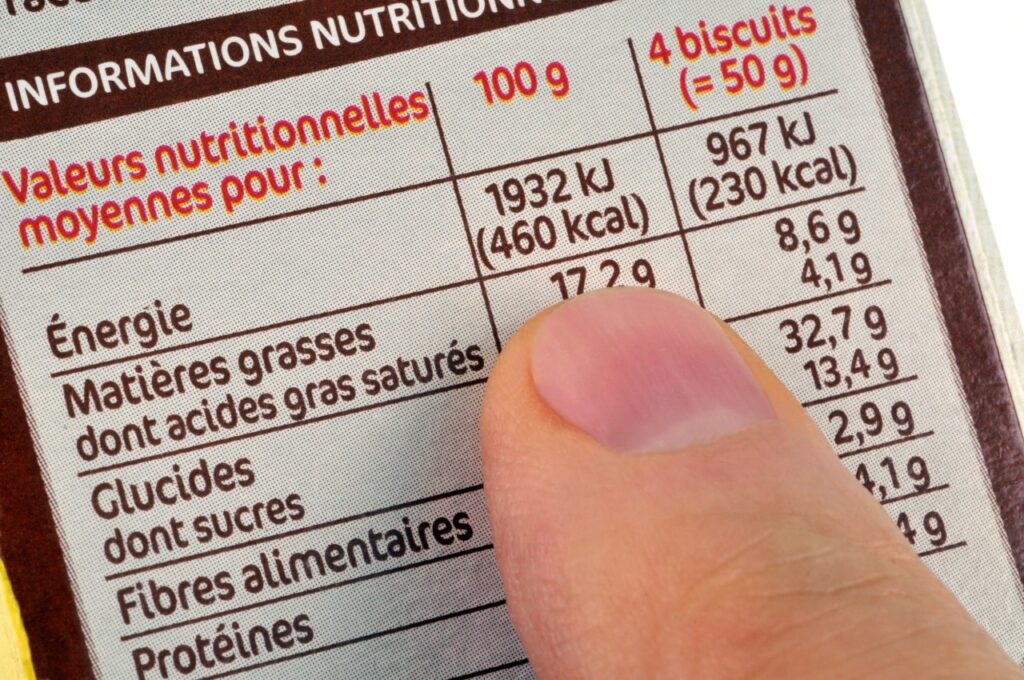
Few changes in modern dining have been as visible as the appearance of calorie counts directly on restaurant menus. These labels were introduced as part of public health efforts aimed at helping diners make more informed choices. Policymakers believed that displaying calorie information beside menu items would encourage people to consider nutrition while ordering. As the idea spread, large restaurant chains across the United States began including these numbers on menu boards, digital screens, and printed menus. The expectation was simple. The presence of calorie numbers gradually became a normal part of the dining environment.
The goal behind menu labeling was rooted in concerns about rising rates of obesity and diet-related health conditions. Public health experts hoped that transparency about calorie content would promote healthier eating patterns. Restaurants were required to display this information in a clear and standardized format. In theory, this made it easier for diners to compare options within the same menu. A customer could see that one sandwich contained far more calories than another and adjust their order accordingly. Policymakers believed the information would empower consumers. Clear labeling was expected to influence daily food decisions.
Despite these intentions, the reality has proven more complicated. While some diners do pay attention to calorie numbers, many others find the information difficult to interpret in the moment. Ordering food often happens quickly and casually, especially in busy restaurants. When people are focused on taste, convenience, or social experiences, the numbers on the menu may not have the intended influence. As a result, the presence of nutrition labels does not always translate into healthier decisions. Some customers glance at the numbers but still order the same meal. Others ignore the information entirely during the ordering process.
Calorie Numbers Can Be Hard to Interpret
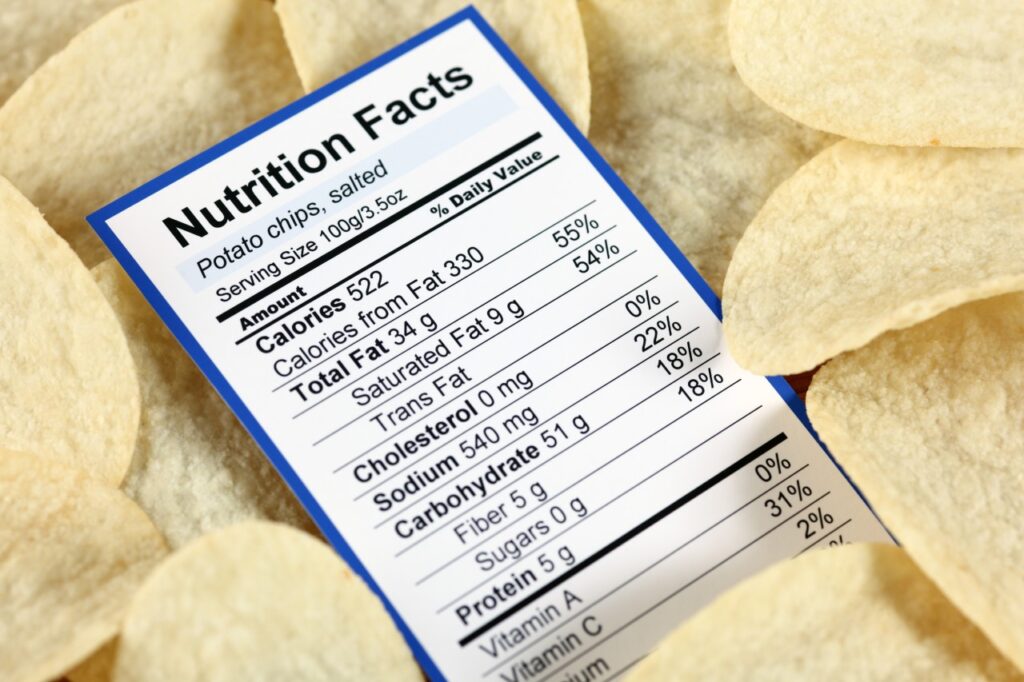
Numbers alone rarely tell the full story, and calorie counts are no exception. Many diners see a number next to a menu item but struggle to understand what it actually means for their diet. A meal containing eight hundred calories may seem high or low depending on the person looking at it. Without clear context about daily nutritional needs, the information can feel abstract rather than helpful. This lack of context often leaves diners unsure how to use the numbers when making a choice. A single number cannot explain the entire nutritional picture. Many people do not know their recommended daily calorie intake.
Understanding calorie needs requires knowledge about daily energy intake, which varies widely between individuals. Factors such as age, activity level, and metabolism influence how many calories a person should consume in a day. Most restaurant menus provide only the calorie number without explaining how it fits into overall nutrition. Because of this, diners may not know whether a particular meal represents a reasonable portion of their daily intake. The number becomes visible but not necessarily meaningful. Some diners attempt to estimate their needs but remain uncertain. Others simply ignore the numbers due to the lack of clear guidance.
This confusion is especially noticeable in fast-paced environments where decisions happen quickly. Customers may glance at the calorie information but still rely on familiar ordering habits. Taste preferences and cravings often outweigh the effort required to interpret nutritional data. Without simple guidance or clearer explanations, calorie numbers alone can feel more like background information than practical advice. People tend to choose meals they already enjoy. Comfort and familiarity often guide the final decision. The nutrition label becomes only one of many details on the menu.
Serving Sizes Often Create Confusion
Another challenge with restaurant nutrition labels involves serving size. Many menu listings display calories based on a specific portion defined by the restaurant or manufacturer. However, that portion does not always match what diners actually eat. A dish might technically contain two servings even though it is presented as a single plate. When people assume the label reflects the entire meal, they may underestimate the total calories they are consuming. This misunderstanding happens frequently with large dishes. Portion expectations vary widely between diners. Many people rely on visual cues rather than reading the information carefully.
Serving size confusion becomes even more noticeable with shareable items and combination meals. A large appetizer might be labeled with calorie information based on a partial serving. If one person ends up eating most of it, the total intake can easily exceed the number shown on the menu. This difference between labeled servings and real eating behavior creates misunderstanding. Diners often assume the numbers represent a realistic portion rather than a technical measurement. In group settings, this confusion becomes even more common. Sharing plates makes it difficult to estimate personal intake. The label may not reflect how food is actually consumed.
Restaurants sometimes struggle to present serving information clearly because menu space is limited. Adding detailed explanations can clutter the design and make menus harder to read. As a result, calorie counts are often simplified into a single number without much context. While this keeps menus visually clean, it can leave customers guessing about how much food the label actually represents. Designers must balance clarity with simplicity. Too much information can overwhelm the reader. Too little explanation can create misunderstanding. Some restaurants solve this by placing additional details online.
Label Information Competes With Real Dining Decisions

Eating at a restaurant is rarely a purely nutritional decision. People often choose meals based on flavor, cravings, convenience, or recommendations from friends. When a diner opens a menu, the first thing they notice is usually the description of the dish rather than the calorie count. Words like crispy, creamy, or smoky capture attention in a way that numbers rarely do. This means nutritional information often competes with stronger influences during the decision-making process. Descriptive language makes food sound appealing. Sensory details create excitement about the meal. Calorie numbers rarely have the same emotional impact.
Price is another factor that frequently outweighs calorie awareness. Many diners evaluate menu items based on perceived value or portion size rather than nutritional content. A large portion for a reasonable price can feel like a better deal even if the calorie count is higher. When customers are balancing budget and satisfaction, calorie labels may not be the deciding factor. Price comparisons happen quickly during ordering. People want meals that feel worth the cost. Nutrition information becomes only one part of the evaluation. Taste expectations and hunger levels also influence the final choice.
The social nature of dining also plays a role. Restaurants are places where people gather with friends, family, or colleagues. Conversations, celebrations, and shared experiences often take priority over nutritional calculations. In these settings, menu labels can become secondary details rather than guiding tools. Even diners who care about nutrition may choose to focus on enjoyment during the meal. Eating out often feels like a special occasion. Many people relax their usual dietary habits. Social context, therefore, shapes how labels are interpreted. The atmosphere encourages indulgence rather than strict monitoring.
Health Claims and Marketing Add More Confusion
Restaurant menus frequently include words that suggest healthier choices, but these terms can sometimes be misleading. Labels such as light, natural, or wholesome may create the impression that a dish is better for you than it actually is. These descriptions are often used for marketing rather than strict nutritional classification. As a result, diners may rely on these cues instead of carefully examining calorie information. Attractive wording can influence expectations quickly. Many people trust these descriptions without further checking. Marketing language, therefore, shapes perception before numbers are read.
When a dish is described as healthy or fresh, people often assume it contains fewer calories or better ingredients. However, a salad with creamy dressing and added toppings can easily contain more calories than a grilled sandwich. The language used in menu descriptions can shape expectations before the nutrition label is even considered. This creates a gap between perception and reality. Diners may feel surprised after reviewing the actual numbers. Descriptive language often influences first impressions. The label must compete with these expectations. Words like “light,” “fresh,” or “garden-style” can suggest healthfulness automatically.
Marketing language also simplifies complex nutritional information into appealing phrases. While this makes menus easier to read, it can blur the line between health guidance and promotion. Diners who rely on these cues may overlook the detailed nutritional numbers entirely. The result is a menu environment where marketing messages and calorie labels compete for attention. Customers often trust simple descriptions more than numbers. Words feel easier to interpret than detailed nutritional data. This tension explains why labels sometimes fail to guide decisions. Emotional appeal often outweighs analytical thinking during ordering.
Simplified Labels May Work Better
Some experts believe that restaurant nutrition labels could be more effective if they were easier to understand at a glance. Color-coded systems and simple visual guides have been proposed as alternatives to plain calorie numbers. These systems often use colors such as green, yellow, and red to indicate healthier or less healthy options. By simplifying the information, they help diners make faster decisions. Visual cues communicate meaning quickly. People can interpret colors faster than numbers. This approach aims to reduce confusion during ordering. Clear visual signals can guide choices without requiring careful reading.
Visual systems reduce the need for complex interpretation. Instead of calculating whether eight hundred calories is reasonable, a diner might simply notice that an item falls into a higher calorie category. This quick understanding can be useful in busy restaurant environments where people make decisions quickly. The goal is to present information in a way that fits natural decision-making habits. Symbols can convey meaning without lengthy explanations. Many consumers respond well to simple visual indicators. These designs aim to make nutrition more accessible. Clear icons or labels can quickly highlight lighter options.
Some restaurants and food companies have experimented with these simplified approaches. Early research suggests that clear visual cues can improve comprehension for many consumers. People tend to respond more quickly to symbols and colors than to detailed numbers. While not perfect, these systems may help bridge the gap between providing information and making it usable. Simpler formats encourage quick understanding. Clear visuals reduce the effort required to interpret labels. This may improve the overall effectiveness of menu information. Over time, familiarity with these symbols can build stronger nutritional awareness.
Nutrition Labels Still Provide Some Benefits

Despite the challenges surrounding menu labeling, nutrition information still offers certain benefits. The most important thing is awareness. When diners see calorie numbers regularly, they become more familiar with the energy content of different foods. This exposure can gradually improve understanding of how restaurant meals fit into a balanced diet. Repeated exposure builds basic nutritional knowledge. People begin to recognize high-calorie foods more easily. Awareness alone can influence long-term eating habits. Even casual observation can help diners develop better judgment about portion sizes.
Even small changes in ordering behavior can have meaningful effects over time. Some diners may switch from a higher-calorie side dish to a lighter option after noticing the numbers. Others might share a large meal rather than ordering separate portions. These decisions may seem minor in isolation, but repeated choices can add up across many meals. Small adjustments can reduce total calorie intake. People often make subtle improvements rather than dramatic changes. Incremental choices can still support healthier habits. Gradual improvements are often easier to maintain long-term. Sustainable habits usually develop through small, consistent decisions.
Nutrition labels also encourage transparency within the food industry. Restaurants must analyze and disclose the nutritional content of their menu items. This process can motivate businesses to reconsider portion sizes or ingredient choices. While labels alone cannot transform eating habits, they contribute to a broader conversation about food, health, and informed decision-making. Transparency helps consumers make comparisons. It also encourages accountability from food providers. The presence of information keeps nutrition part of the public discussion. Clear disclosure allows diners to understand what they are consuming.