Viral Cooking Hacks Often Fail When Home Cooks Try Them

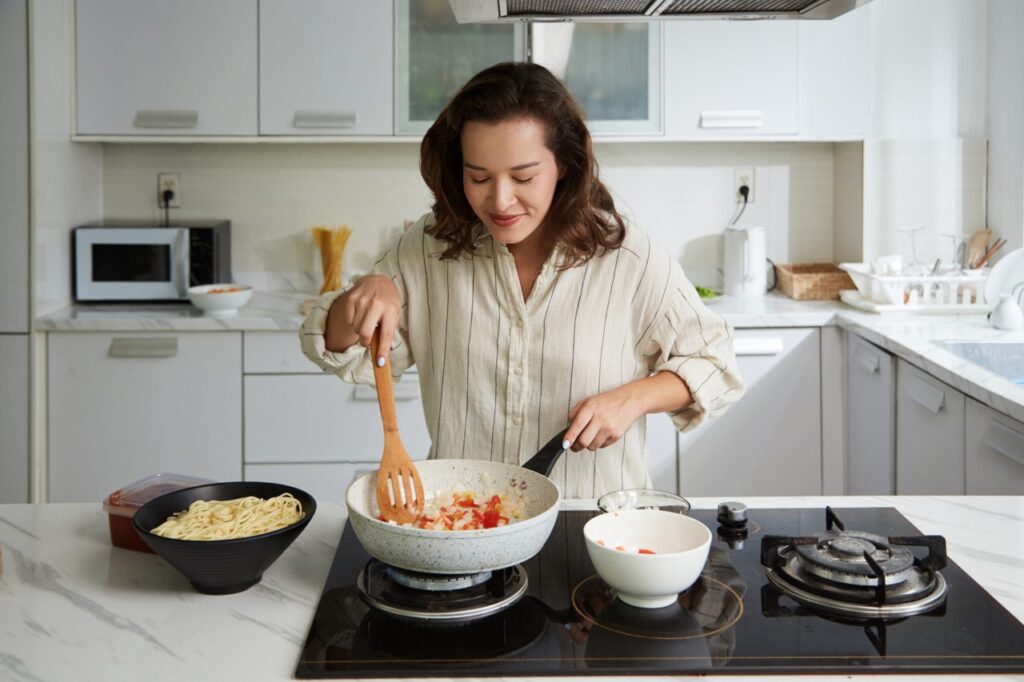
Scrolling through social media can make cooking look almost effortless. In just a few seconds, a video might promise a faster way to peel garlic, cook pasta, or bake a perfect dessert with a surprising shortcut. These viral cooking hacks are designed to grab attention and create the impression that anyone can achieve impressive results with minimal effort. For many home cooks, the appeal is immediate and easy to understand. A simple trick that saves time or reduces effort feels like a useful discovery, especially for people who want practical ways to prepare meals more efficiently at home. The idea of mastering cooking through quick tricks can feel both exciting and approachable.
Yet when people try these trending hacks in their own kitchens, the results often fall short of what the video suggested. Ingredients can behave differently depending on freshness, brand, or storage conditions, and home equipment rarely matches the tools used by content creators. Important steps may also be shortened, skipped, or edited out entirely to keep the video fast and entertaining. Because cooking relies heavily on timing, temperature, and technique, missing details can quickly change the outcome. What appears foolproof in a short clip may turn out to be far less reliable once the camera stops rolling.
Why Viral Hacks Rarely Replace Real Cooking Skills
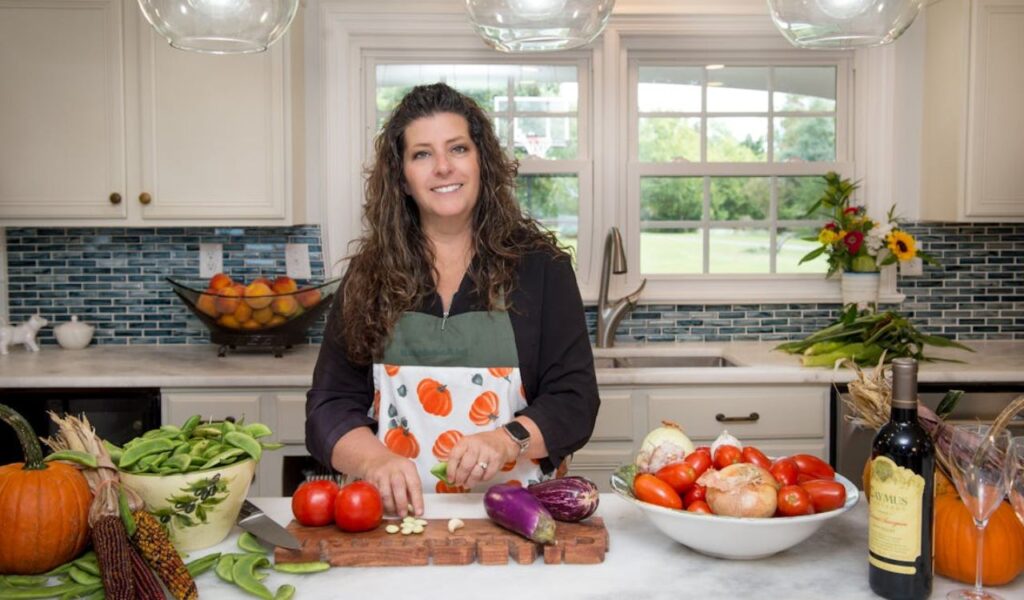
At first glance, viral cooking hacks promise to make kitchen tasks faster, easier, and almost foolproof. Short videos often show impressive results in just a few seconds, suggesting that complex techniques can be replaced with simple tricks. However, many of these demonstrations compress the cooking process through heavy editing or omit important steps that influence the outcome. When home cooks attempt to follow the same shortcuts, the results can look very different because the deeper techniques behind the dish are not fully explained. What appears effortless in a polished clip may actually depend on preparation, timing, or conditions that viewers never see.
Cooking success depends on a careful balance of timing, temperature control, ingredient ratios, and hands-on experience. Professional cooks develop these abilities gradually through repetition, observation, and adjustments in real kitchen situations. Viral hacks may simplify a process for entertainment or quick viewing, but they rarely teach the knowledge needed to adapt when ingredients behave differently or equipment varies. Without those underlying skills, it becomes difficult to reproduce the results shown online. For this reason, experienced cooks often view viral hacks as creative ideas rather than dependable techniques for everyday cooking.
How Food Science Explains Kitchen Success
Behind every successful dish lies a series of chemical and physical reactions that determine how ingredients behave during cooking. Heat transforms the structure of proteins in foods such as meat and eggs, starches absorb liquid and thicken sauces, and sugars caramelize to produce deeper flavor and color. These reactions follow predictable patterns, which is why traditional recipes often emphasize proper timing and controlled temperatures. When cooks understand these changes, they can guide ingredients through each stage of cooking more effectively, helping food develop the right texture, aroma, and balance of flavor.
Many viral cooking hacks overlook these scientific principles or simplify them to make the process appear faster and easier on camera. A shortcut may look impressive in a brief video, but it may not create the right conditions for these reactions to occur correctly. Some foods need gradual heating, careful moisture control, or steady temperatures to achieve the desired result. When these factors are ignored, dishes can end up with uneven browning, undercooked centers, or textures that feel dry or dense. Understanding the science behind cooking helps explain why dependable techniques usually outperform quick online shortcuts.
Why Social Media Trends Can Be Misleading
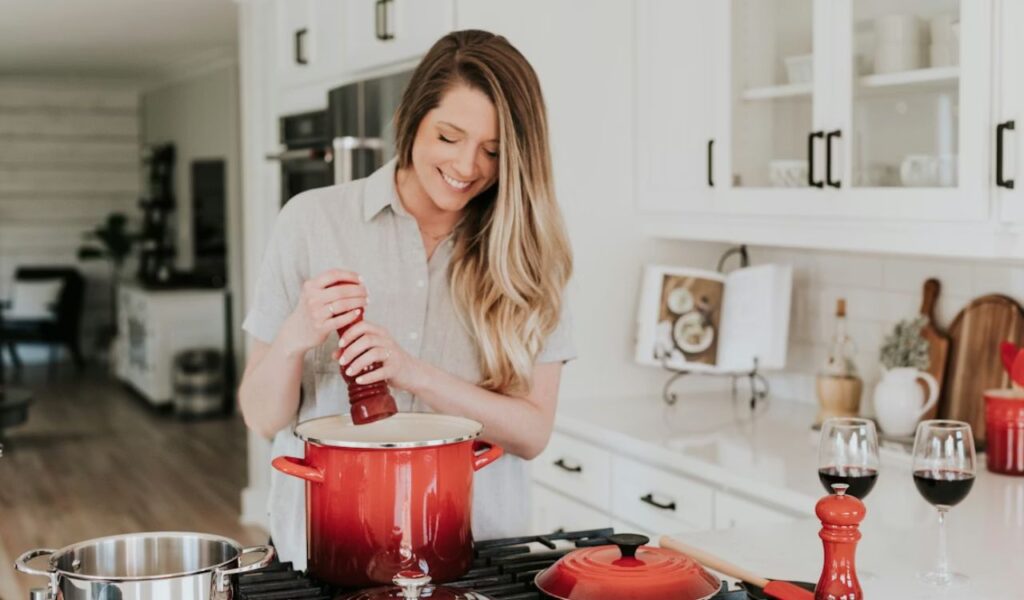
Social media platforms are designed to reward content that captures attention within seconds. Because of this, cooking videos are often created to look fast, dramatic, and visually satisfying. Quick edits, close camera angles, and simplified explanations help keep viewers engaged and encourage them to watch until the end. While this style works well for entertainment, it can leave out many details that affect how a recipe actually works. Cooking techniques that appear easy in a short video may depend on preparation steps, ingredient handling, or timing that are not clearly shown on screen, which can confuse viewers.
Many viral cooking hacks are also filmed under conditions that viewers cannot easily reproduce at home. Content creators may use professional lighting, carefully measured ingredients, or equipment that performs differently from what most kitchens have. In addition, the final clip is often recorded after several attempts, while mistakes and adjustments are edited out. When home cooks try the same trick, they may discover that the result depends on details that were never explained. Because of these hidden variables, viral hacks that look effortless online can often produce very different outcomes in real kitchens for many viewers.
What Home Cooks Should Watch for Online
When encountering a new cooking trick online, experienced cooks often look for signs that the method has been tested carefully before trusting it. One useful indicator is whether the creator explains the reasoning behind the technique rather than only showing a quick visual result. When a video describes why certain steps matter, how ingredients react to heat, or what changes to expect during cooking, it suggests that the method is grounded in real kitchen knowledge. Clear explanations also help viewers understand how to repeat the process instead of simply copying what they saw on screen more accurately.
Another important factor is whether the instructions acknowledge the differences that exist in home kitchens. Equipment, ingredient brands, oven temperatures, and even cookware materials can influence how a recipe turns out. Reliable cooking guidance usually includes suggestions for adjusting timing, heat levels, or ingredient amounts so the method works in different environments. Hacks that promise identical results without addressing these variables may appear impressive online, but often fail in real kitchens. Paying attention to these clues helps home cooks separate useful ideas from trends designed mainly for quick views.
Why Reliable Cooking Methods Still Matter
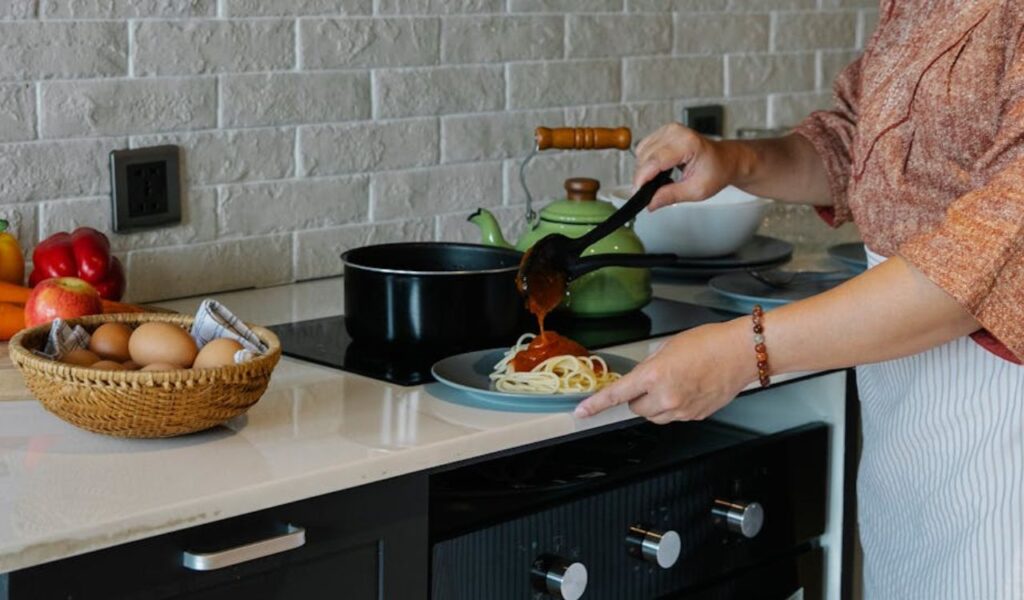
Traditional cooking methods remain valuable because they are built on years of testing, observation, and practical experience in real kitchens. Many well-known recipes were refined gradually as cooks learned how ingredients react to heat, moisture, and time. These methods provide clear instructions that guide each stage of the cooking process, helping people achieve predictable results. While they may not appear as flashy as viral online tricks, these techniques focus on flavor, texture, and proper preparation. Because they are grounded in reliable principles, they help cooks understand not only what to do, but also why each step matters.
Reliable cooking techniques also give home cooks the ability to adjust when something changes during preparation. Ingredients may vary in freshness, ovens may heat unevenly, and cookware can influence how food cooks. When someone understands the basic method behind a dish, it becomes easier to adapt to these differences and still produce a satisfying result. Viral hacks rarely provide this level of flexibility because they usually demonstrate a single shortcut without explaining the broader process. Learning dependable kitchen skills allows cooks to handle unexpected situations and build confidence with every meal they prepare.