7 Global Lunch Specialties Americans Tend to Avoid Ordering

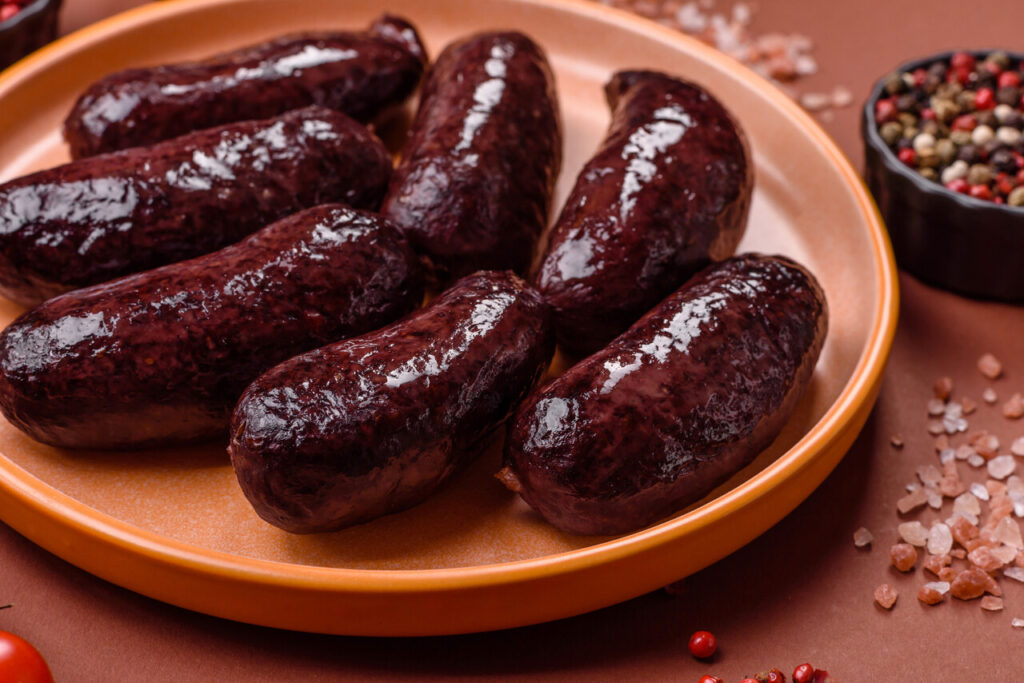
Ordering lunch in an unfamiliar cuisine can feel like stepping onto thin ice. Menus list ingredients you don’t recognize, temperatures that challenge your instincts, and textures that don’t match what you grew up eating. It’s easy to retreat to something safe, even when the kitchen is known for far better dishes. Here’s the thing. Many global lunch specialties that Americans skip aren’t strange because they taste bad. They’re unfamiliar because they break expectations around what meat should feel like, how soup should be served, or what counts as a comforting bite. Offal stews, cold broths, raw preparations, and fermented flavors all demand a small leap of trust. Once that leap happens, the payoff is often a deeper flavor, better balance, and a much richer understanding of how other cultures eat every day. What this really means is that hesitation usually comes from habit, not from quality. These are the lunch dishes that get unfairly overlooked, even though they often deliver some of the most memorable meals on the menu.
1. Tripe Soup Still Scares Off Curious Lunch Diners
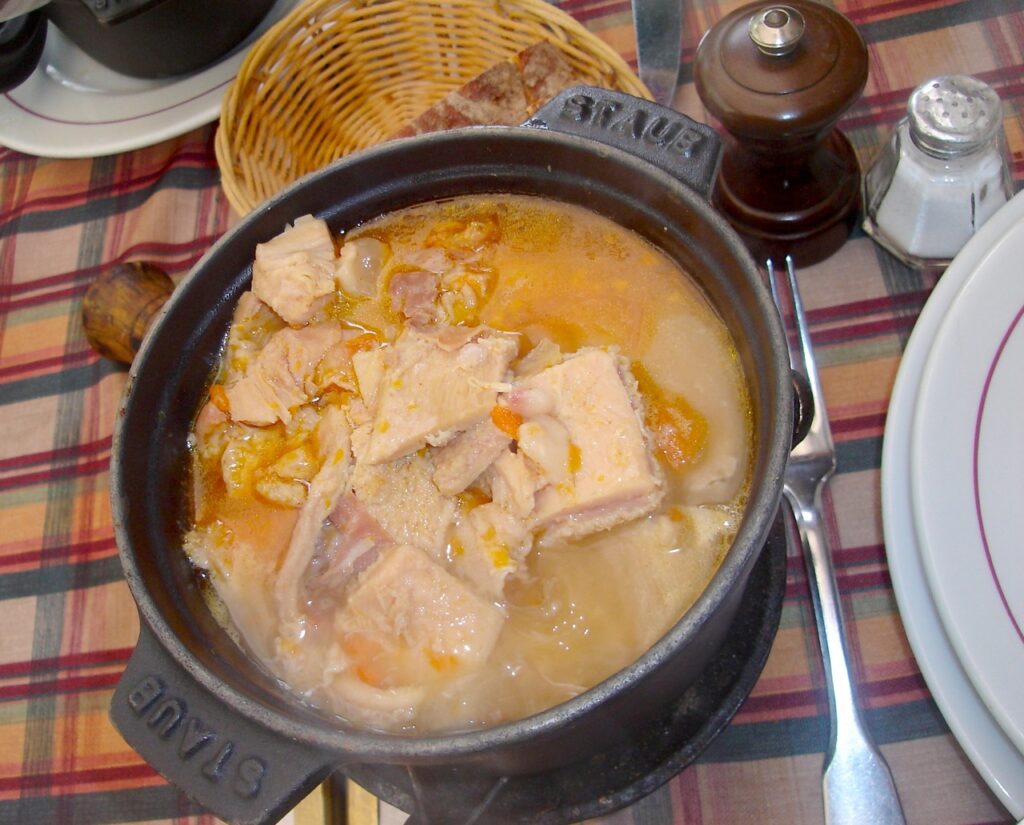
Tripe soup is one of those dishes that tests how adventurous someone really is. In many cultures, especially across Latin America, Southern Europe, and parts of Asia, tripe soups like menudo or mondongo are comforting, slow-simmered meals built on collagen-rich broth, chili depth, garlic, and long cooking times that soften the stomach lining into tender ribbons. The hesitation for many Americans starts with the word itself. Knowing the main ingredient comes from a cow’s stomach triggers an immediate mental block, even before the spoon reaches the bowl. Texture adds another hurdle. Tripe has a chewy, slightly springy bite that feels unfamiliar compared to muscle cuts of meat. Some diners expect soup meat to shred easily, and when it doesn’t, it creates uncertainty about doneness or quality. The aroma can also feel intense because long simmering releases mineral and gelatin notes that differ from chicken or beef stock. What this really means is that tripe soup challenges comfort expectations rather than flavor expectations. When prepared well, it is deeply savory, filling, and rich in protein and collagen. But unfamiliar anatomy and texture keep many lunch diners from giving it a fair try.
2. Cold Noodle Soup Feels Backwards to Many American Palates
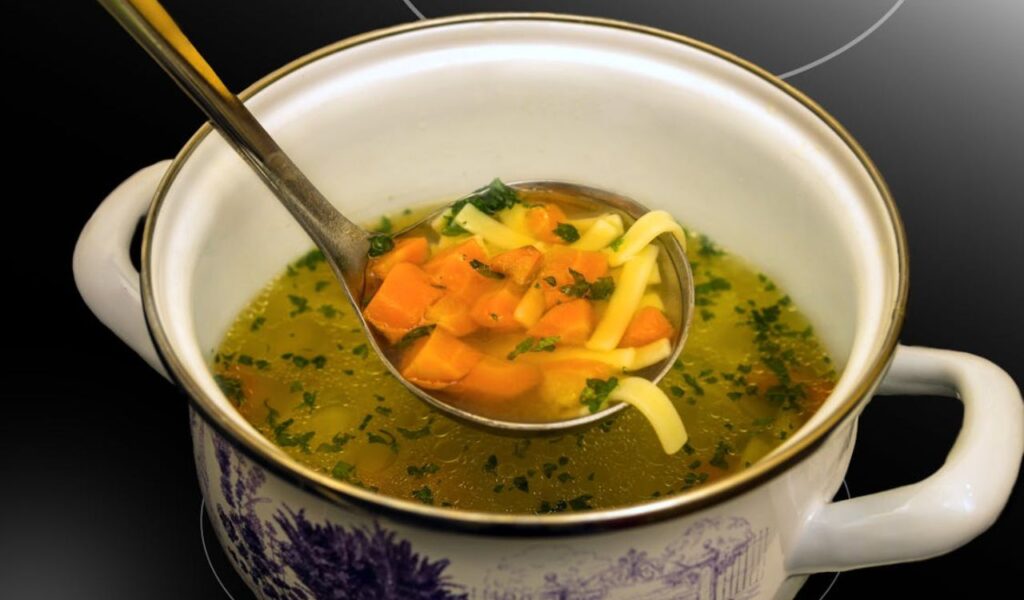
Cold noodle soup flips a deeply ingrained expectation about what soup should be. In dishes like Korean naengmyeon, icy broth is poured over chewy buckwheat noodles and topped with sliced beef, cucumber, pickled radish, and sometimes a boiled egg. It is designed to cool the body, refresh the palate, and stimulate appetite, especially in warmer weather. For many Americans, soup equals warmth, comfort, and steam rising from a bowl. Seeing ice floating in broth triggers confusion and sometimes suspicion about freshness or safety. Texture also plays a role. Buckwheat noodles are elastic and slightly slippery, which can feel unusual compared to pasta or ramen. Flavor profiles lean toward subtlety rather than boldness, balancing tangy vinegar, light sweetness, and clean beef notes rather than heavy seasoning. That quiet flavor can be misread as bland if someone expects salt-forward comfort food. Temperature perception matters too. Cold liquids mute certain aromas, so the dish feels gentler than hot soups. What this really means is that cold noodle soup requires a mental reset before enjoyment kicks in. Once understood, it feels refreshing, light, and surprisingly satisfying, but the temperature alone keeps many Americans from ordering it for lunch.
3. Blood Sausage Carries a Psychological Hurdle Few Want to Cross
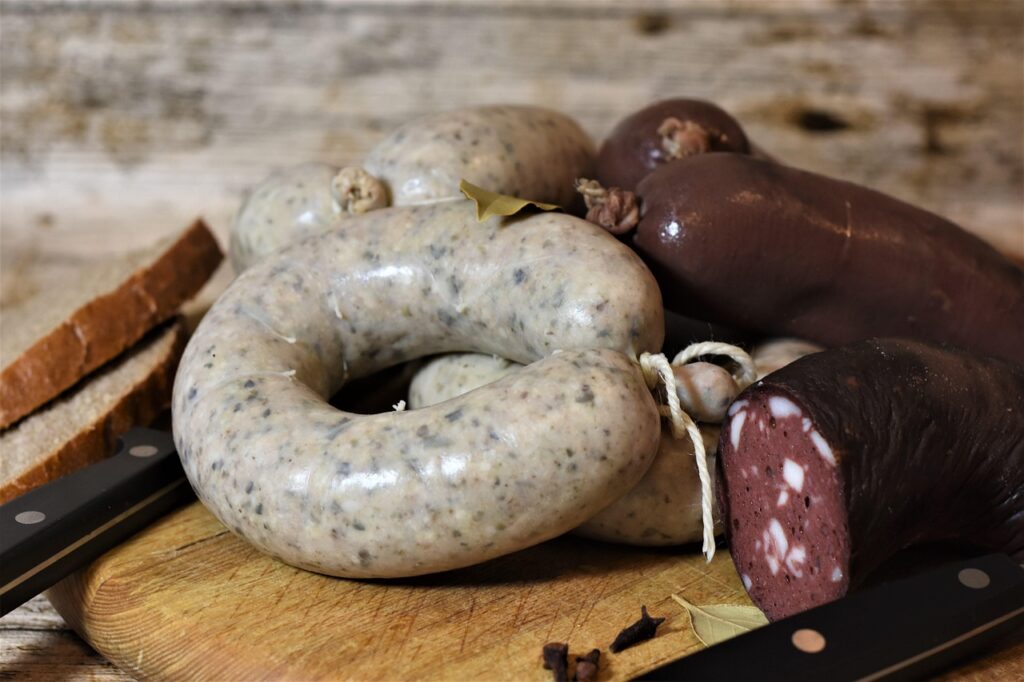
Blood sausage, known as morcilla, black pudding, or similar names across Europe and Latin America, faces one major obstacle: transparency. People know exactly what goes into it, and blood as an ingredient triggers instinctive hesitation. The irony is that blood sausage is usually balanced with grains, onions, spices, and fat that mellow the metallic notes and create a savory, almost earthy richness. In many cultures, it’s a comfort food served with potatoes, eggs, or crusty bread. For American diners, the color alone can be off-putting, appearing darker and denser than familiar sausages. Texture can also surprise, ranging from crumbly to custard-like, depending on regional preparation. Some expect a firm snap and instead encounter something softer and more delicate. There’s also lingering cultural distance. Blood-based foods never became mainstream in the U.S., so there’s little childhood exposure to normalize the idea. What this really means is that blood sausage often gets judged before tasting. Those who try it usually discover a deeply savory profile similar to well-seasoned meatloaf or spiced pâté, but the ingredient list keeps many lunch diners ordering safer options.
4. Fermented Fish Dishes Trigger Fear Before Flavor Has a Chance
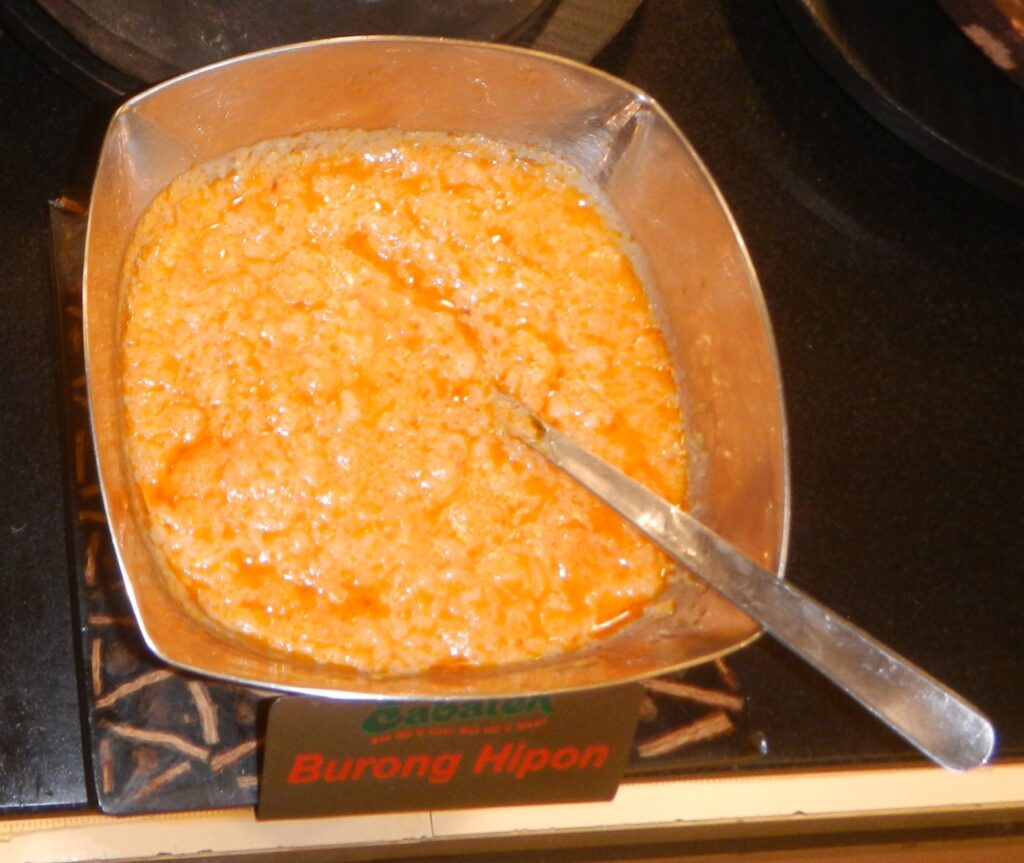
Fermented fish dishes appear across Southeast Asia, Scandinavia, and coastal regions where preservation traditions developed long before refrigeration. Ingredients like pla ra, fermented anchovy pastes, or strong fish sauces deliver concentrated umami that anchors entire cuisines. For Americans encountering these flavors at lunch counters or specialty restaurants, the aroma can feel overwhelming. Fermentation produces pungent compounds that signal intensity, even when used in small amounts. Visual cues also matter. Some fermented fish preparations appear cloudy, chunky, or darkened, which clashes with expectations of fresh seafood. Texture can be unfamiliar too, ranging from paste-like to semi-soft chunks. Flavor intensity creates another barrier. Fermented fish carries deep saltiness and funk that hits the palate quickly, which can surprise unprepared diners. Without cultural context, it’s easy to mistake complexity for spoilage. What this really means is that fermented fish isn’t meant to be eaten in large bites on its own. It’s designed to season dishes, add depth, and balance sweetness or acidity. When used correctly, it elevates food dramatically, but the sensory shock keeps many Americans from ordering it for lunch.
5. Offal Stews Challenge Comfort Zones More Than Taste Buds
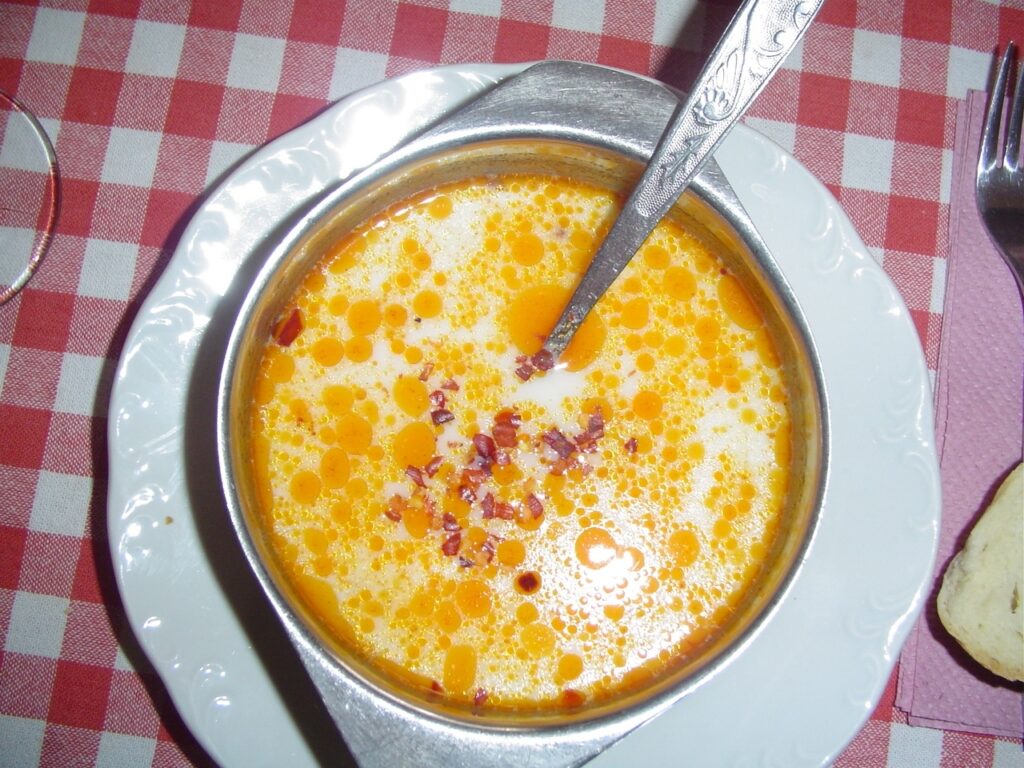
Offal stews built from liver, kidneys, heart, or other organs are everyday meals in many parts of the world, valued for nutrition, affordability, and deep flavor. In the U.S., organ meats largely disappeared from mainstream home cooking decades ago, replaced by muscle cuts marketed as cleaner and more predictable. That shift created a cultural distance that shows up on menus today. Offal has distinct textures that differ from those of steak or chicken. Liver is soft and mineral-rich, kidneys have a firm bite, and the heart is dense and muscular. These differences can feel unfamiliar and sometimes unsettling if someone expects traditional stew meat. Flavor profiles also lean more intense and iron-forward, which can feel bold without proper seasoning or sauces. Some diners worry about food safety or freshness, even though properly handled offal is no riskier than any other meat. What this really means is that offal stews challenge perception more than quality. When cooked correctly, they offer rich, satisfying depth and excellent nutrition. But the mental hurdle keeps many Americans from ordering them during a casual lunch.
6. Raw Beef Lunch Dishes Feel Risky to the Uninitiated
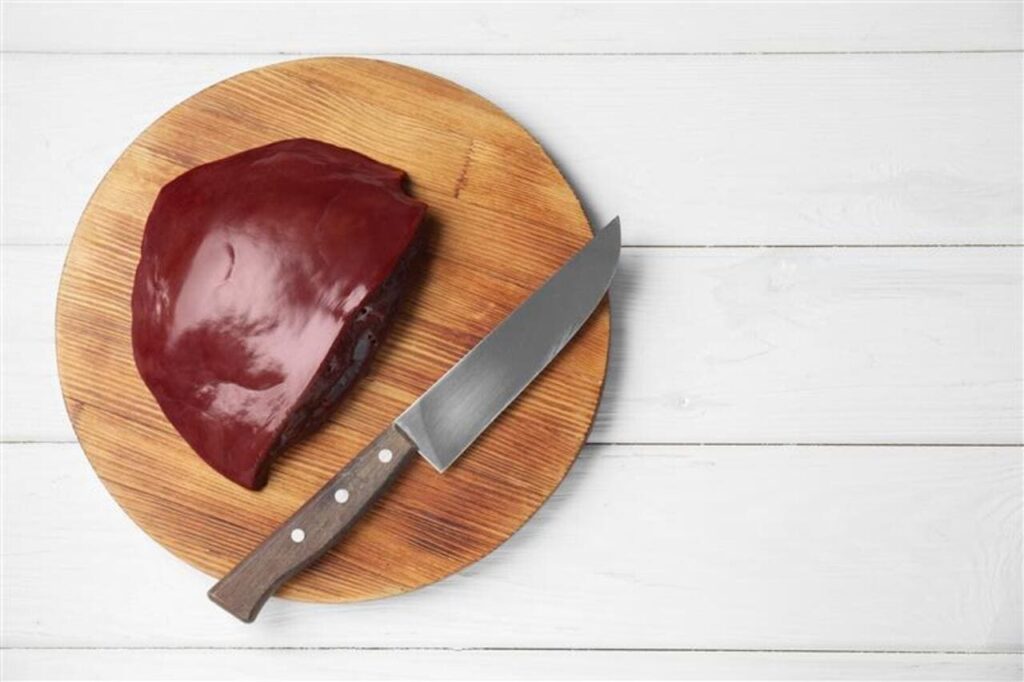
Raw beef dishes like steak tartare or Ethiopian kitfo are celebrated in many culinary traditions for their purity, texture, and seasoning precision. Finely chopped or minced beef is paired with capers, mustard, spices, egg yolk, or clarified butter to create layered flavor without heat. For many Americans, raw meat triggers immediate safety concerns tied to foodborne illness warnings and decades of public health messaging. Even in reputable restaurants, hesitation remains strong. Texture adds another challenge. Raw beef feels silky, cool, and soft rather than firm or fibrous, which can confuse diners expecting chew. Flavor relies heavily on seasoning balance, so without understanding the dish’s intent, it can taste underwhelming or strange. Cultural exposure also matters. Raw preparations are rarely served at home in the U.S., so there’s little baseline familiarity. What this really means is that raw beef dishes require trust in sourcing and technique. When prepared correctly, they offer clean, beef-forward flavor and elegant simplicity, but fear of risk keeps many lunch diners from exploring them.
7. Sea Urchin Bowls Divide Diners With Texture and Briny Intensity
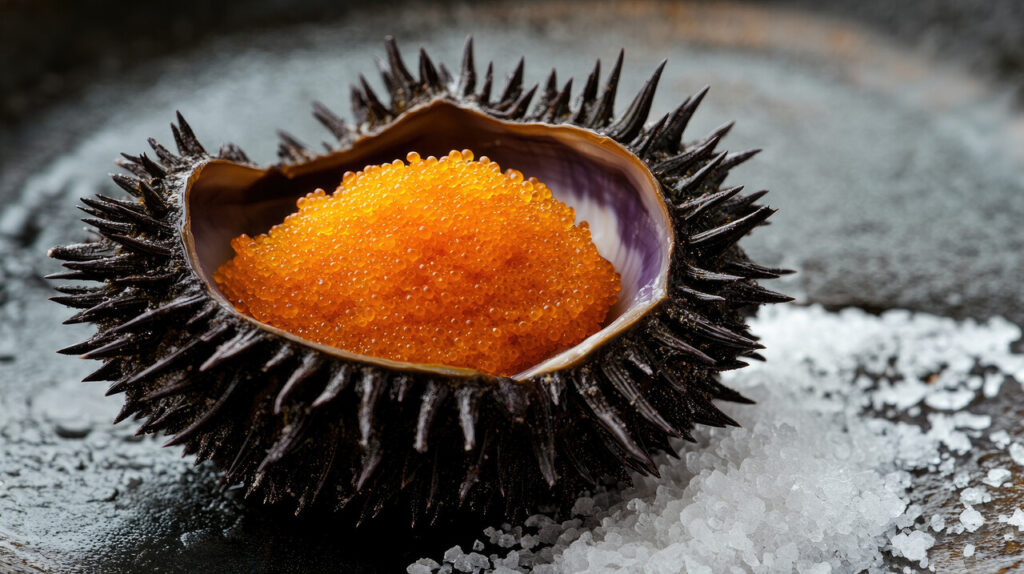
Sea urchin roe, commonly called uni, is considered a delicacy in Japanese and coastal cuisines for its creamy texture and ocean sweetness. Served over rice or alongside sushi, it delivers a buttery mouthfeel that melts quickly on the tongue. For many Americans, the appearance alone causes hesitation. Uni’s soft, custard-like lobes look unfamiliar and sometimes resemble something closer to paste than seafood. Texture can be polarizing as well. Instead of flaky or firm fish flesh, uni feels rich and almost pudding-like, which some associate with spoilage rather than freshness. Flavor intensity adds another layer. High-quality uni tastes sweet, saline, and deeply marine, which can overwhelm those accustomed to mild seafood. Freshness is critical, and poorly handled uni can taste bitter or metallic, reinforcing negative first impressions. What this really means is that uni demands context and quality to shine. When done well, it feels luxurious and complex, but its sensory uniqueness keeps many Americans from ordering it for lunch without encouragement.