9 Homemade Snacks That Never Quite Match Their Store-Bought Versions

Here’s the thing about homemade snacks. We’re taught that making something from scratch automatically makes it better, fresher, and more satisfying than anything pulled from a package. Sometimes that’s true. But there’s a whole category of snacks where the grocery store quietly wins. Chips that snap just right, crackers that shatter cleanly, marshmallows that melt exactly when you want them to, or ice cream sandwiches that never fall apart are all backed by serious food science, precision equipment, and carefully tuned recipes. At home, even skilled cooks fight uneven heat, humidity swings, inconsistent ingredients, and limited tools. The flavors may be good, but the texture, shelf life, and consistency often miss the mark. What this really means is that certain snacks aren’t about craftsmanship alone.
1. Potato Chips
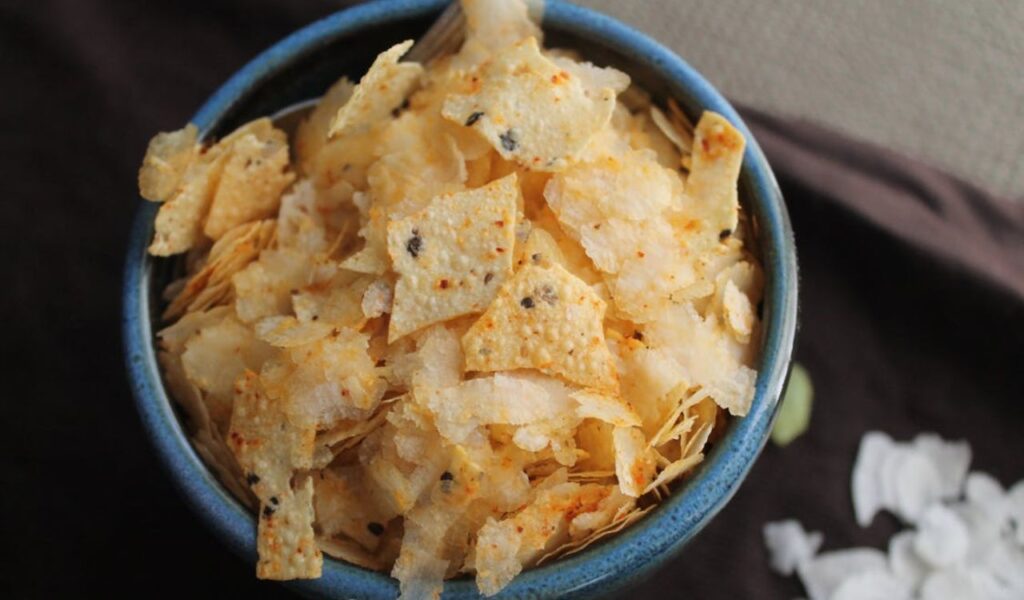
Nothing exposes the gap between home kitchens and food factories faster than a homemade potato chip. At first glance, it feels simple. Slice potatoes thin, fry or bake them, season, and snack. Here’s the thing. Store-bought chips rely on ultra-precise slicing equipment that produces paper-thin, uniform rounds that cook evenly in massive temperature-controlled fryers. At home, even a good mandoline creates small thickness variations, which means some chips burn while others stay limp. Oil temperature also fluctuates on household stoves, so moisture escapes unevenly, and the chips lose that brittle snap people expect. Seasoning is another quiet problem. Commercial chips tumble in rotating drums that coat every surface with microscopic layers of salt and flavoring. At home, salt often lands in patches or slides off once the chip cools. Shelf brands also use specific potato varieties bred for starch balance and low sugar, preventing dark spots and bitter notes during frying. What this really means is that homemade chips can taste fresh and pleasant, but rarely deliver the loud crunch, consistent color, and addictive seasoning punch that people associate with their favorite bag.
2. Crackers
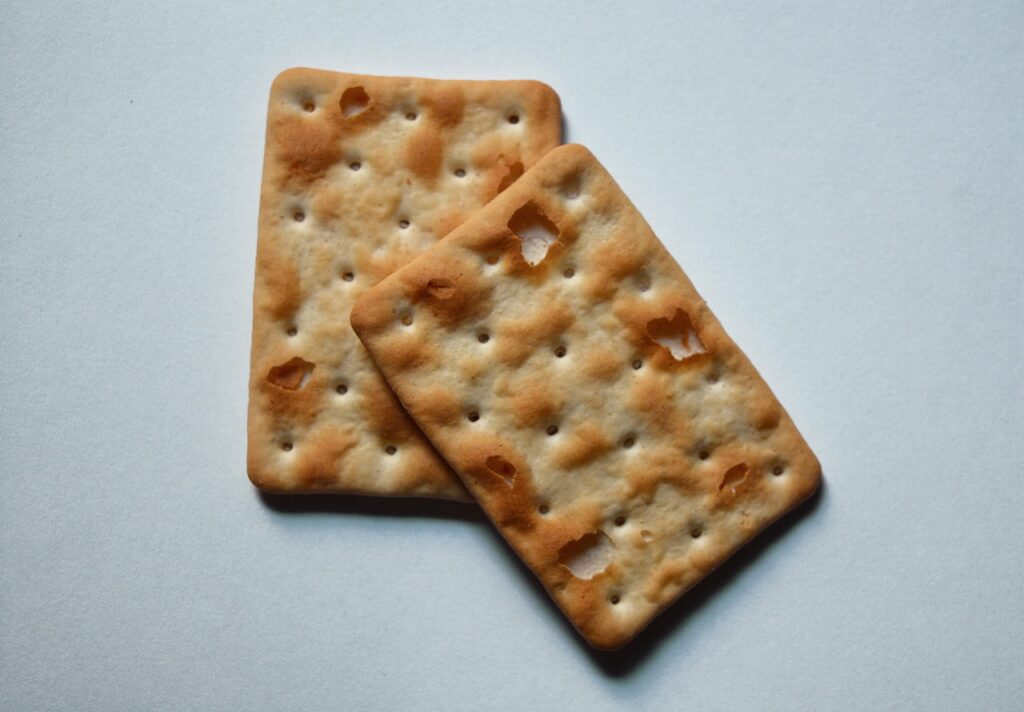
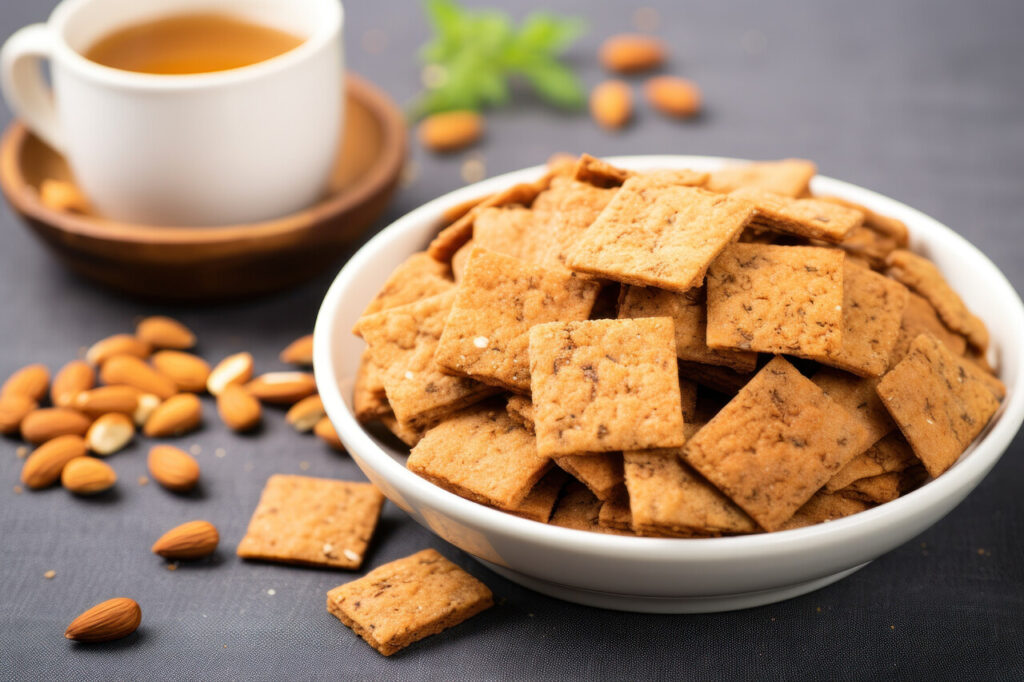
Crackers look humble, but they are a small engineering miracle. The goal is a dry, blistered structure that snaps cleanly without crumbling into dust. Store-bought crackers achieve this through carefully controlled dough hydration, lamination, docking patterns, and long baking tunnels that remove moisture evenly across thousands of pieces at once. In a home oven, heat distribution is uneven, air circulation is limited, and bake times fluctuate by rack position. This creates crackers that brown too fast on the edges while staying soft in the center, or that puff instead of staying flat. Texture consistency becomes the biggest letdown. One batch may be crunchy while the next turns slightly chewy after cooling. Flavor is also harder to dial in. Commercial crackers often rely on fermentation, malted flour, or enzyme-treated doughs to build depth without tasting heavy. Home versions tend to taste flatter unless extra fat or salt is added, which changes the eating experience. Crackers also lose crispness quickly when stored without commercial packaging and humidity control. So while homemade crackers can be satisfying for a special snack board, they rarely match the reliable snap, shelf stability, and neutral crunch people expect from store shelves.
3. Ice Cream Sandwiches
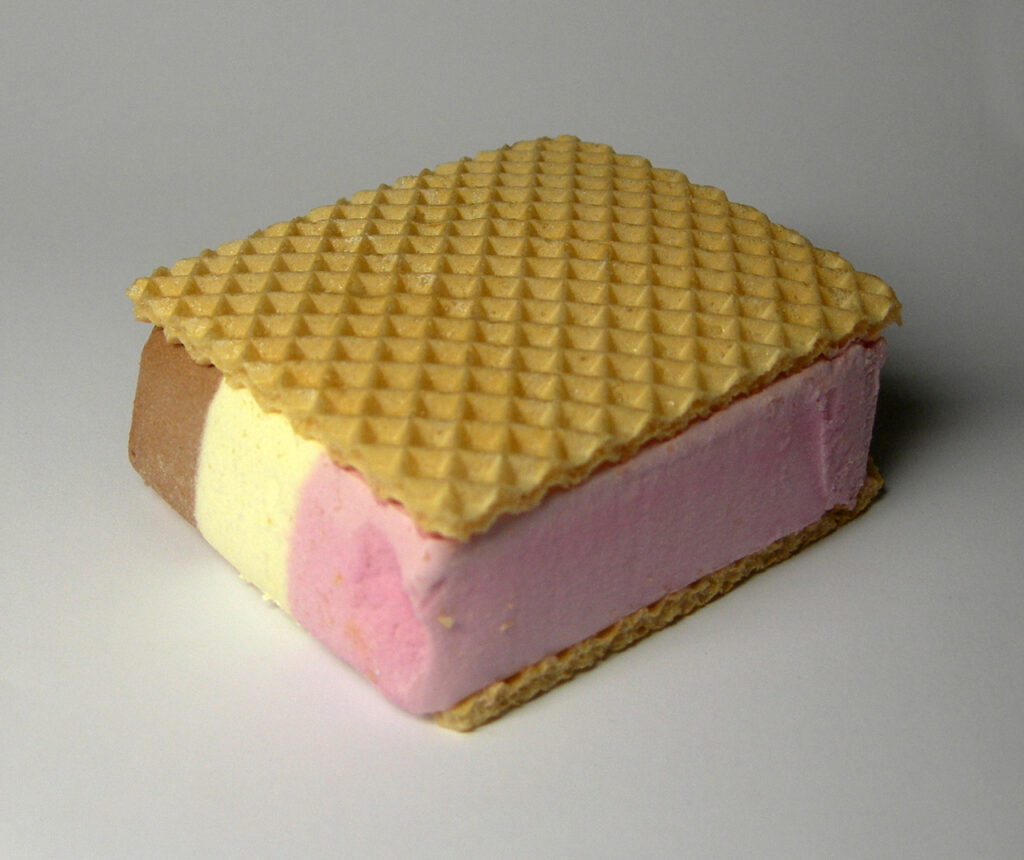
Ice cream sandwiches seem like an easy win for home bakers until the first bite falls apart. The magic of store versions is balance. The cookies stay soft straight from the freezer without turning rock hard or crumbly. The ice cream holds its shape but yields cleanly under pressure instead of squeezing out the sides. Achieving that balance at home is tricky. Homemade cookies often contain more butter and water, which freeze solid and become brittle. Homemade ice cream usually has lower stabilizer content, so it melts faster and refreezes with icy crystals. Assembly timing matters too. If cookies are warm, they melt the ice cream and create a mess. If everything is frozen too hard, the sandwich cracks. Commercial producers use specific sugar ratios, emulsifiers, and controlled freezing tunnels to lock in that perfect bite. They also compress the layers slightly so the sandwich holds together during transport and storage. What this really means is that homemade ice cream sandwiches can taste wonderful, but the eating experience often feels messy, uneven, or structurally fragile compared to the tidy, predictable version from the freezer aisle.
4. Marshmallows
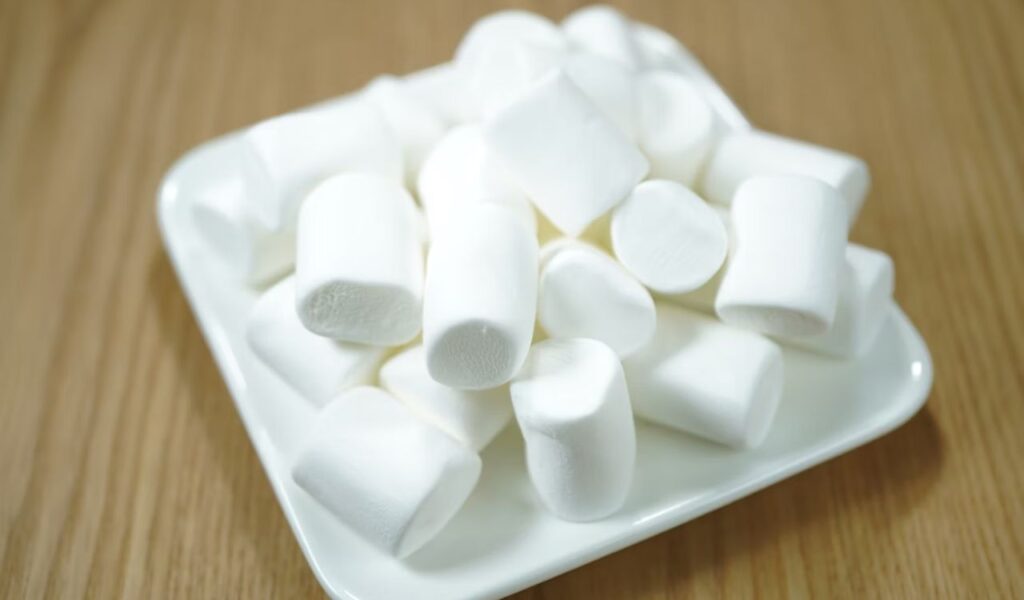
Homemade marshmallows impress at first. They’re fluffy, fragrant, and fun to cut into pillowy cubes. But side by side with store marshmallows, the differences become obvious. Commercial marshmallows are extruded under pressure to create uniform density and smooth surfaces that toast evenly and melt predictably in hot drinks. Home versions rely on whipped sugar syrup and gelatin, which traps air less consistently. This leads to bubbles of different sizes and textures that compress unevenly when bitten. Shelf stability is another challenge. Homemade marshmallows absorb moisture from the air, turning sticky or collapsing within days unless carefully stored. Store marshmallows are coated with starch blends and stabilized to resist humidity and temperature swings. Melting behavior also differs. In cocoa or s’mores, packaged marshmallows soften into a creamy foam, while homemade ones can dissolve too fast or become gummy depending on gelatin strength. The flavor of homemade versions may be more delicate or floral, which some people love, but it doesn’t always deliver the nostalgic sweetness people associate with marshmallow snacks. So while homemade marshmallows feel artisanal and charming, they rarely match the durability, consistency, and predictable melt of their packaged cousins.
5. Puff Pastry Snacks

Puff pastry is one of those foods that quietly exposes the limits of home equipment and time. True puff pastry requires hundreds of delicate butter layers created through repeated folding and chilling. Commercial pastry factories use temperature-controlled rollers that keep butter at the perfect firmness so layers remain distinct without melting or tearing. At home, kitchens fluctuate in temperature, and butter softens quickly, causing layers to merge and reducing lift. Even skilled home bakers struggle to replicate the dramatic rise and shatteringly crisp texture found in frozen store pastry. Baking consistency also plays a role. Commercial ovens circulate heat evenly, allowing moisture to escape cleanly and create dry, flaky layers. Home ovens can trap steam unevenly, leaving sections greasy or underbaked. When puff pastry is used for snacks like turnovers or cheese straws, the filling can also leak or weigh down the dough more easily at home. Store pastry benefits from stabilizers and precise thickness control that protect structure during freezing and transport. The result is reliable volume, flake, and crunch that homemade versions often fall short of, even when flavors are good.
6. Banana Pudding Mix Snacks

Boxed banana pudding and similar snack mixes carry a powerful nostalgia factor that homemade versions struggle to reproduce. The flavor profile is not simply banana and cream. It’s a carefully engineered blend of artificial banana esters, sweetness curves, and vanilla notes that hit the same sensory memory every time. When people make banana pudding from scratch, real bananas oxidize quickly, altering color and flavor within hours. The texture also changes as enzymes break down starches, thinning the pudding and making it less stable for snacking. Store mixes use modified starches and emulsifiers to hold structure for days without separation. The sweetness level is calibrated to remain bright even when chilled, while homemade custards often mute sweetness as they cool. Another subtle difference is mouthfeel. Boxed pudding sets into a smooth, uniform gel that coats the tongue evenly. Homemade versions may contain tiny lumps, variable thickness, or egg flavors that distract from the expected snack experience. What this really means is that homemade banana pudding can taste more natural and fresh, but it doesn’t trigger the same comfort and consistency people grew up loving from the boxed version.
7. Guacamole
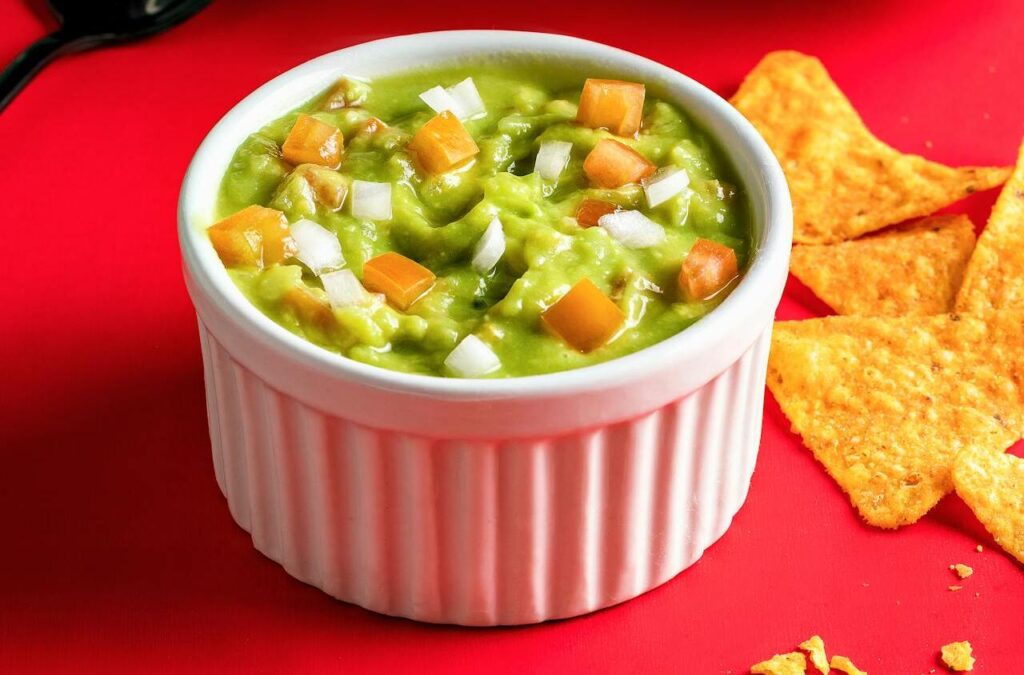
Fresh guacamole feels unbeatable until time becomes the enemy. At home, avocados oxidize within minutes of exposure to air, turning brown and slightly bitter despite lemon or lime juice. Texture also shifts quickly as cell walls break down, releasing moisture and thinning the mash. Store-bought guacamole uses controlled acid levels, oxygen-reduced packaging, and sometimes natural antioxidants to preserve color and brightness far longer than a bowl on the counter. Flavor consistency is another factor. Commercial batches are blended from massive avocado supplies that balance ripeness and fat content, delivering predictable creaminess year-round. Home avocados vary wildly in quality, leading to bland, watery, or overly fibrous results. Seasoning distribution also differs. Factory mixers create uniform salt and spice dispersion, while home mixing often leaves pockets of underseasoned or oversalted bites. Shelf stability makes a practical difference too. Store guacamole remains spreadable for days, while homemade versions often separate or dull in flavor overnight. The result is that homemade guacamole shines briefly, but rarely maintains the bright color, stable texture, and dependable taste that packaged versions deliver consistently.
8. Flavored Party Mix and Chips
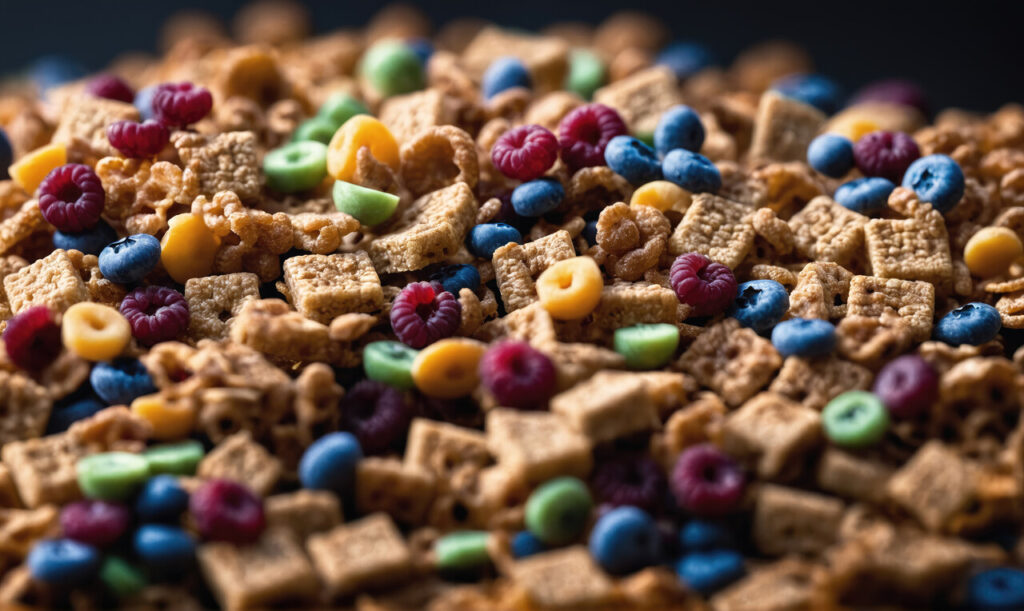
Recreating flavored chips or party mixes at home sounds simple until you taste the result. Store-bought snacks rely on industrial flavor chemistry that layers sweetness, salt, acid, fat, and aroma compounds in precise ratios. These seasonings cling to snacks through electrostatic coating methods that home kitchens cannot replicate. When you toss spices onto homemade chips or crackers, much of the seasoning falls off or burns during baking, leaving uneven flavor coverage. Another challenge is fat delivery. Commercial snacks often spray microscopic oil films that help flavors bloom instantly on the tongue. Home versions rely on heavier oils that can make snacks greasy without boosting flavor intensity. Texture consistency matters too. Factory-fried chips achieve identical moisture levels across every piece, ensuring seasoning adheres evenly. Home batches vary in dryness, leading to unpredictable flavor absorption. Storage also plays a role. Commercial snacks are packaged to lock in volatile aroma compounds that define barbecue, ranch, or cheese profiles. Homemade mixes lose those aromas quickly. What this really means is that home versions can taste pleasant, but they rarely deliver the bold, layered, addictive punch people expect from packaged snacks.
9. Corn Chips and Industrial Seasoned Snacks
Corn chips expose another gap between home cooking and large-scale food science. Commercial corn chips use masa treated with specific lime concentrations that control flavor, texture, and oil absorption. Extrusion machines shape chips uniformly and create internal air pockets that maximize crunch while minimizing greasiness. Home frying or baking rarely achieves this internal structure. Seasoning compounds in store chips are also engineered to dissolve quickly on the tongue, releasing flavor bursts that feel intense but balanced. At home, spice blends often taste harsh, dusty, or muted by comparison. Shelf brands also fine-tune salt crystal size so seasoning hits taste buds evenly rather than in spikes. Oil management matters too. Commercial fryers maintain constant temperature and filtration, preventing off-flavors and a soggy texture. Home oil degrades quickly, changing aroma and mouthfeel. Even corn quality differs. Snack manufacturers source consistent corn varieties optimized for milling and flavor stability. What this really means is that homemade corn chips can be satisfying and rustic, but they rarely reproduce the crisp structure, seasoning impact, and clean finish that define store-bought favorites.