A No Regrets Guide to Choosing the Right Kitchen Backsplash


A great kitchen backsplash does far more than fill the space between your countertops and cabinets; it sets the visual rhythm for the entire room. This hardworking feature blends beauty with everyday practicality, shielding your walls from splashes while adding personality, texture, and color. With the wide range of materials, finishes, and design styles available today, choosing the right one can feel daunting, especially when you want something that complements your kitchen’s layout, matches surrounding surfaces, and still reflects your personal taste. It’s one of those rare design choices where a little knowledge can completely transform your confidence.
But selecting a backsplash is also a chance to shape a kitchen that feels truly your own. Understanding how each material performs, ages, and influences the room’s overall atmosphere brings clarity to the decision-making process. Instead of feeling overwhelmed by options, you can confidently focus on what suits your cooking habits, maintenance preferences, and long-term vision. The right backsplash becomes a feature you admire every day a durable, stylish element that enhances your space and supports your lifestyle without leaving room for regret. And when everything aligns, it becomes the detail that ties your entire kitchen together.
Why Your Backsplash Matters
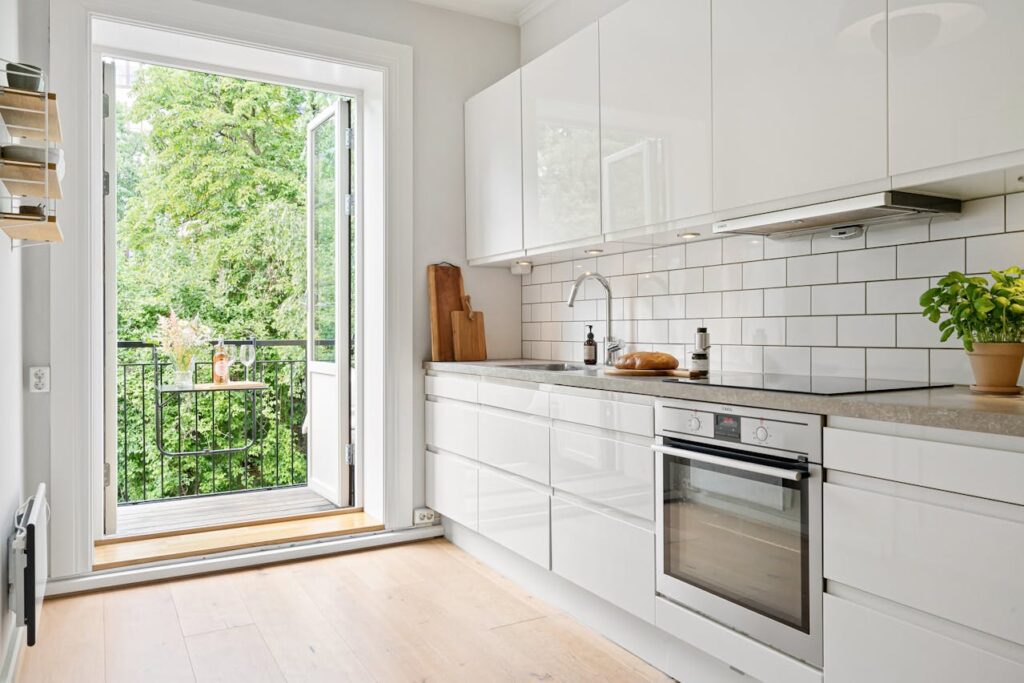
A kitchen backsplash may look like a small design choice, but it holds one of the most important jobs in your cooking space. It stands between your walls and everyday messes, oil splatter, boiling water, steam, sauces, and more. Without it, your kitchen walls would absorb stains, moisture, and odors far faster than you’d expect, making upkeep harder and long-term wear more noticeable. It quietly does the heavy lifting that keeps your kitchen looking clean and cared for year after year. By preserving the surface beneath it, the backsplash also helps maintain the overall value of your kitchen. Its presence ensures that even a busy cooking routine doesn’t leave permanent marks on the room.
Beyond protection, the backsplash sets the visual rhythm of your kitchen. It can instantly tie together cabinets, countertops, and hardware into a cohesive whole. Because it sits at eye level, it has the power to soften a room, add depth, or introduce color and personality. Whether subtle or bold, its influence shapes the atmosphere of the entire space. It’s often the detail guests notice first, even if they don’t realize why the room feels beautifully balanced. A well-chosen backsplash becomes a natural focal point, pulling the eye in and grounding the design. Its ability to elevate the room makes it one of the most transformative features in any kitchen.
What to Evaluate Before Choosing a Backsplash
Each kitchen behaves differently, which is why understanding your cooking habits makes such a difference. Frequent frying, baking, or stovetop simmering demands a material that can handle heat and wipe down easily. Even the area behind your sink matters; a backsplash must protect against daily splashes without degrading over time. The way you use your appliances, the size of your household, and how often you entertain all influence what will hold up best. A backsplash chosen with real-life habits in mind will save time, reduce stress, and perform better in the long run. It becomes a functional partner rather than a delicate feature you constantly worry about damaging.
Budget plays a major role, too. Some materials are inexpensive upfront but require more maintenance, while others cost more initially but offer long-term durability. Finally, your preferred maintenance level should guide your choice. If you don’t want to scrub grout or re-seal stone, certain backsplash types may not suit your lifestyle. Thinking about this early prevents regret once the kitchen is in daily use. A well-planned choice also ensures your investment looks good far beyond the first year. When your backsplash aligns with your budget, upkeep style, and expectations, it becomes a feature that supports your kitchen rather than complicating it.
Popular Backsplash Materials and Their Traits

Ceramic and porcelain tiles remain classics for a reason: they are durable, versatile, and available in endless shapes and colors. They hold up well against stains and heat, and they’re fairly budget-friendly. Glass tile and tempered glass panels offer a sleek, modern edge. Their reflective quality brightens a kitchen, and their smooth surface makes cleaning quick and effortless. Both tile and glass allow for creative layouts, letting you customize patterns or focal areas with ease. Their adaptability makes them suitable for everything from simple refreshes to bold statement designs.
Solid slabs such as quartz or engineered stone deliver a seamless, luxurious look. Without grout lines, they reduce maintenance and create a sense of spaciousness. Stainless steel and metal panels bring an industrial flair and exceptional heat resistance, making them ideal near cooktops. Natural stone options, like marble or slate, provide unmatched character and elegance, but they often require sealing and more careful upkeep. These materials elevate the kitchen instantly, giving it a high-end, cohesive feel. They’re especially appealing to homeowners looking for beauty and performance wrapped into one impressive feature.
How Material Choice Affects Maintenance and Longevity
Every backsplash material has its strengths and its maintenance needs. Tiles are hardy, but grout can stain or discolor if not cleaned regularly. Natural stone may fade, etch, or absorb oils unless sealed properly. Glass is one of the easiest surfaces to maintain, though fingerprints or hard-water spots may show more readily if not wiped down. Understanding these differences helps you choose a material that won’t become a burden over time. Regular upkeep becomes far simpler when the surface naturally supports your routine. The goal is to pick something that works with your habits, not against them.
Durability becomes especially important in high-heat or high-moisture zones. Stainless steel and engineered stone excel here, offering resistance to warping, cracking, and stains. A well-chosen material not only lasts longer but keeps the kitchen looking fresh without demanding constant attention. Matching the material to your lifestyle ensures your backsplash remains both functional and beautiful. When your choice aligns with your cooking patterns, it naturally stands up to daily wear. Investing in durability upfront reduces long-term repairs and keeps your kitchen feeling polished for years.
Matching Backsplash Style to Kitchen Personality

A backsplash is a visual bridge between your countertops and cabinets, which is why its style can shift the kitchen’s overall mood. Bold patterns, mosaic tiles, or vibrant colors can transform a simple room into a standout space. On the other hand, neutral tones or slab backsplashes create a calm, minimalist look that works well in modern or contemporary kitchens. The style you choose becomes a subtle expression of how you want the kitchen to feel every day. It can energize the space, soften it, or add just the right amount of character. Thoughtful styling ensures the backsplash supports the room rather than competing with it.
Scale matters too. Small tiles may overwhelm a compact kitchen, while large panels can make a tight space feel more open. Open-concept homes benefit from backsplashes that coordinate with adjoining spaces, allowing the design to flow naturally. Choosing details like finish, matte, glossy, textured helps bring personality into the room without overpowering it. These finishing touches influence how light moves across the surface, changing the room’s atmosphere throughout the day. They can highlight architectural features or quietly complement the rest of the décor. When chosen with intention, these subtle elements make the entire kitchen feel more harmonious and complete.
Common Pitfalls and What to Avoid
One of the most common missteps is choosing a backsplash based solely on trends. While unique patterns or porous stones may look stunning now, they may require upkeep that quickly becomes frustrating. Trend-driven choices can also date a kitchen sooner than expected if the design lacks long-term appeal. It’s easy to fall in love with a look online without considering how it will behave in real life. A backsplash should enhance your kitchen for years, not just during the moment a style is popular. Taking time to assess its practicality prevents disappointment down the road. And when beauty and function work together, the result feels timeless rather than temporary.
Another frequent issue is overlooking practical concerns, such as how difficult grout lines may be to clean or how some materials react to daily wear. Selecting a backsplash without considering the cleaning routine often leads to regret. Ensuring your choice aligns with both your taste and day-to-day lifestyle helps avoid these common traps. Even the most beautiful material can become a burden if it demands constant attention. Thinking through the maintenance it requires makes everyday life simpler and more enjoyable. A well-matched backsplash becomes a helpful part of your kitchen rather than a chore.
Smart Buying and Installation Tips

Successful backsplash installation begins before the first tile is set. Buying extra material is essential to account for cuts, breakage, and pattern alignment. It’s also wise to compare samples against your countertops and cabinets under your kitchen’s actual lighting, which can drastically affect color perception. Planning ahead also helps you avoid delays once the installation begins, ensuring every piece fits seamlessly. Even small differences in tile batches or lighting can alter the final look, so early preparation is key. Taking time to visualize the finished layout helps prevent surprises and creates a more cohesive result.
Installation quality matters just as much as material selection. Proper substrate preparation prevents cracking, shifting, and water intrusion. Sealing stone or grout as recommended, extends the life of the backsplash. When working with delicate materials like glass, metal, or stone, professional installation often results in a cleaner finish and greater longevity. Skilled installers also ensure grout lines are even and transitions are smooth, enhancing the overall appearance. Their expertise can help address tricky corners or outlets that might otherwise disrupt the design. Investing in proper installation ensures your backsplash performs beautifully for years to come.
How to Decide What’s Right for You
Choosing the perfect backsplash comes down to balancing practicality with style. Start by thinking through how you cook, how often you clean, and what visual tone you want to set in your kitchen. A quick checklist can help: durability, maintenance level, design cohesion, cost, and long-term satisfaction. It also helps to consider how the backsplash will look at different times of day as lighting shifts. Think about whether you want it to blend quietly into the background or stand out as a feature. Taking the time to visualize your daily routine makes the decision far more intuitive.
Some homeowners find hybrid approaches ideal a simple tile field with an accent panel behind the cooktop, or a mix of stone and ceramic for added texture. Whatever you choose, the best backsplash is the one that complements your lifestyle while enhancing your space. When all these elements align, your decision becomes one you’ll never regret. Paying attention to installation details ensures the final look matches your vision. Don’t hesitate to bring home multiple samples to test against your cabinetry and countertops. In the end, making an informed, confident choice turns your backsplash into a feature you’ll appreciate every day.
Reference
- A No-Regrets Guide to Choosing a Kitchen Backsplash – aol.com
- Kitchen Backsplash Guide: Top 3 Things to Consider When Designing Your Kitchen Remodel – patrickafinn.com