7 German Dishes You Wouldn’t Eat If You Know How It’s Made

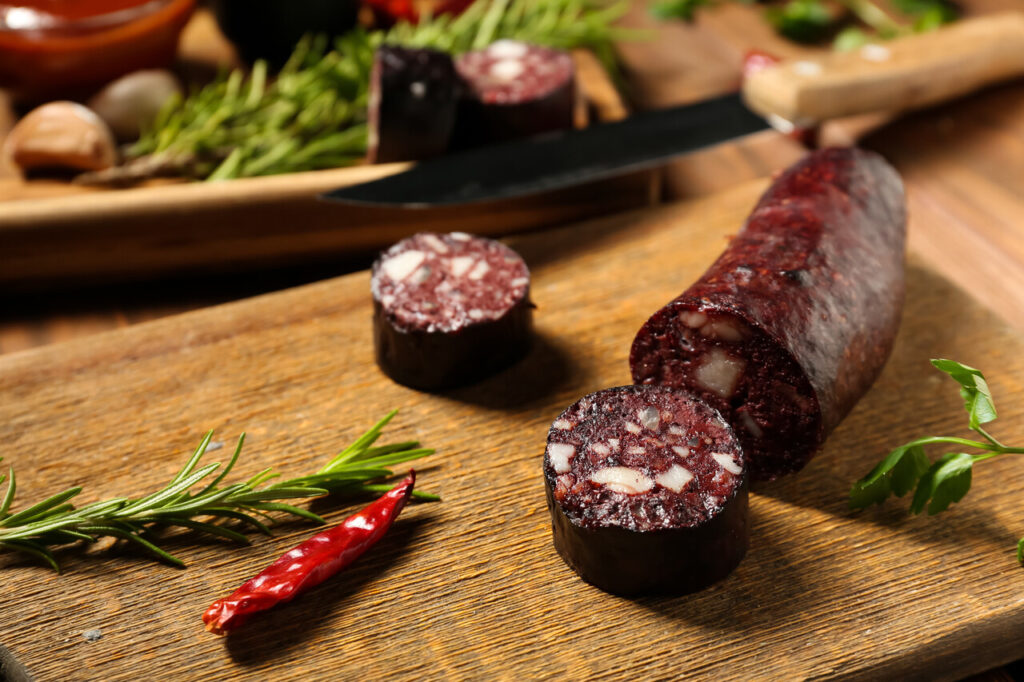
Food curiosity often fades the moment we learn exactly how a dish is made. Ingredients that sound unfamiliar, preparation methods that feel old-fashioned, or textures that challenge expectations can quickly override appetite, even when the flavor itself is perfectly fine. German cuisine has many beloved traditional foods rooted in thrift, preservation, and full use of the animal. Those practices made sense historically and still carry deep cultural value today. What catches many outsiders off guard is how direct and unapologetic some of these recipes remain. Taste alone isn’t always the deciding factor. Perception, texture, and mental comfort play just as large a role in what people choose to eat.
1. Mettbrötchen Raw Minced Pork on Bread
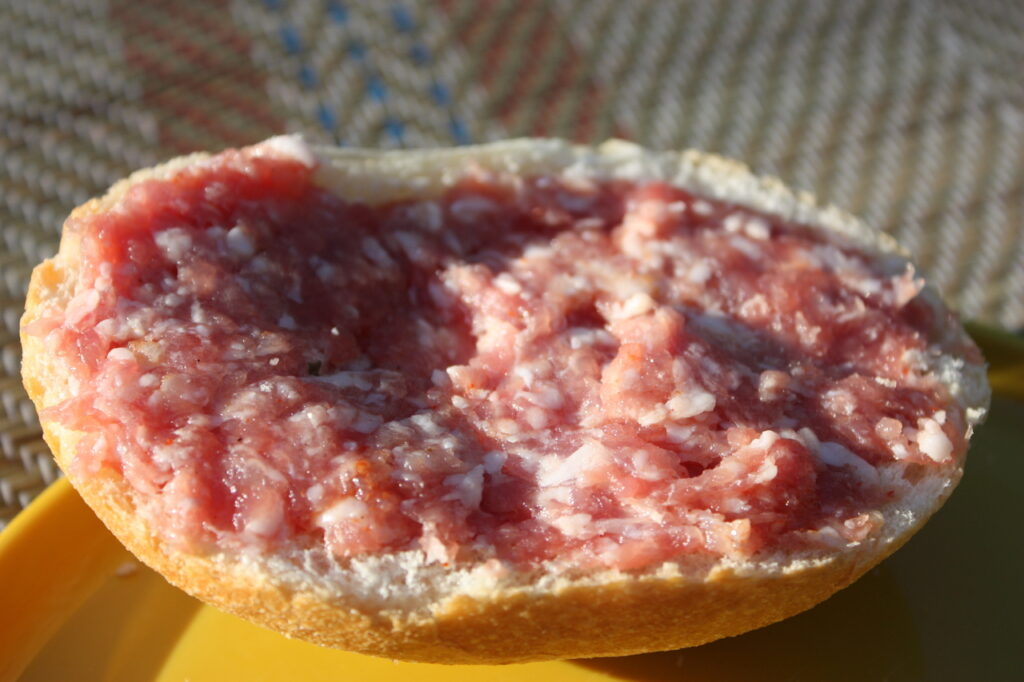
At first glance, Mettbrötchen looks harmless, even charming. A crusty roll topped with finely chopped onions and a generous layer of pale pink pork resembles a rustic sandwich you might grab from a bakery case. The surprise comes when you learn the pork is completely raw. In Germany, the meat is specially prepared, ground extremely fresh, and seasoned simply with salt and pepper. Strict food safety rules make it culturally acceptable, but for many outsiders the idea of eating uncooked pork immediately triggers concern. Raw pork carries higher risks of bacterial contamination than beef or fish, and that knowledge alone makes some people hesitate before taking a bite. Texture also plays a role. The meat is soft, slightly sticky, and spreadable, which can feel unsettling if you expect something firmer. The flavor is mild and clean, but mentally crossing the barrier of raw pork is the hardest part. Many visitors admit that if they had not been told what it was, they might have enjoyed it. Once they know, hesitation often replaces curiosity. It is a perfect example of how cultural food norms shape comfort levels more than taste alone.
2. Sülze Meat Aspic Made With Gelatin and Whole Cuts
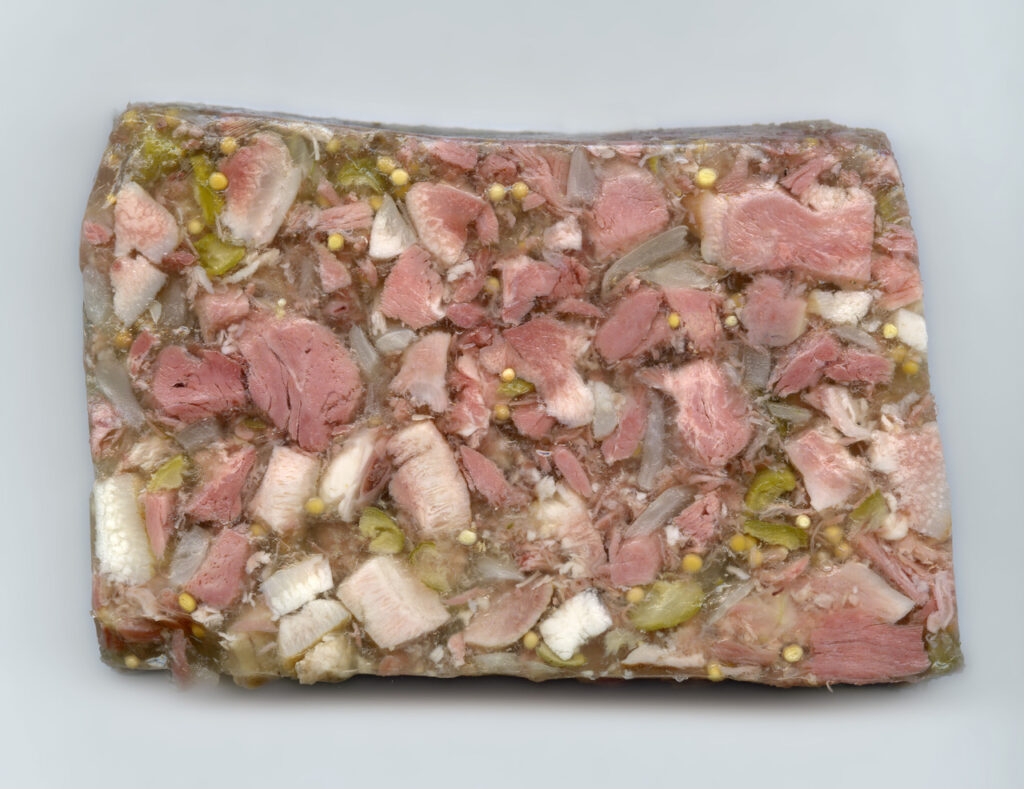
Sülze challenges expectations before the fork even touches the plate. It appears as a clear, wobbly block of gelatin with pieces of meat, vegetables, and herbs suspended inside like a savory mosaic. What surprises many people is how the gelatin is traditionally created. It comes from boiling down pork or veal parts rich in collagen, often including feet, skin, and connective tissue, until the natural gelatin sets when cooled. This method reflects old-school resourcefulness, using every part of the animal instead of wasting anything. For diners unfamiliar with nose to tail cooking, that origin can feel difficult to embrace. The texture is another hurdle. Cold, jiggly meat encased in firm jelly creates a mouthfeel that some find confusing or unappealing. Flavor-wise, Sülze is usually mild, tangy from vinegar, and refreshing when paired with potatoes or mustard. Still, the visual and textural experience dominates first impressions. Knowing exactly how the gelatin is made can quickly turn curiosity into reluctance, especially for those used to seeing gelatin only in desserts.
3. Blutwurst Blood Sausage With Rich Iron Flavor
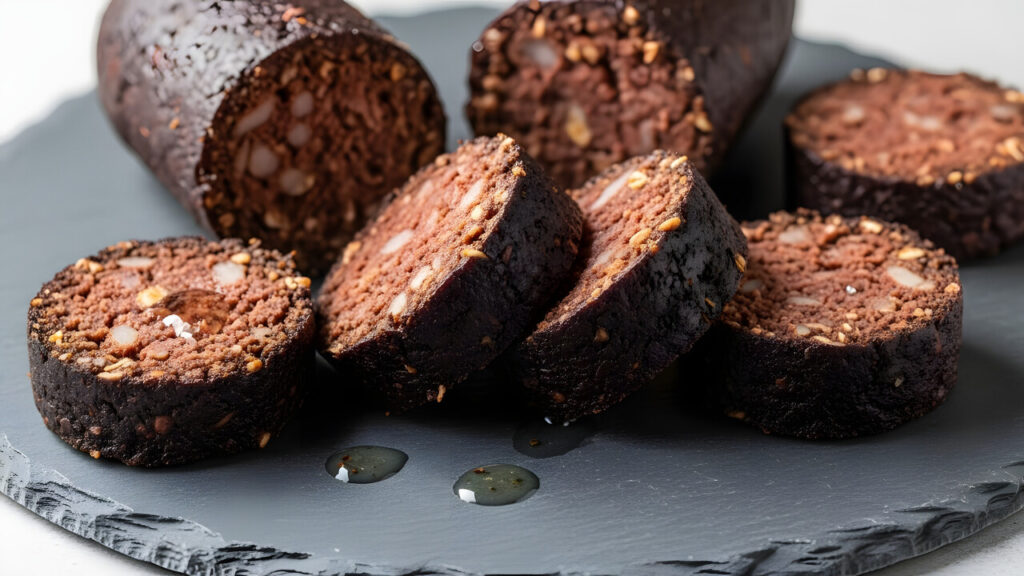
Blutwurst earns its reputation the moment people learn its main ingredient is animal blood. Blood is mixed with fat, spices, and grains or fillers, then cooked into a sausage that slices into dark, dense rounds. While this practice is common across many European cuisines, it remains psychologically challenging for many Americans. The word alone can stop appetite in its tracks. Texture adds another layer of hesitation. Blood sausage can be crumbly, soft, or slightly grainy depending on preparation, which contrasts sharply with the springy bite people expect from typical sausages. The flavor is deep, savory, and mineral-rich, often compared to liver or iron-heavy meats. Some love its complexity, while others find it overwhelming. Historically, Blutwurst represents efficiency and respect for the whole animal, especially in colder climates where preservation mattered. Yet modern diners who grew up disconnected from food production may struggle with the idea of consuming blood directly. Once someone knows what goes into it, the mental hurdle often outweighs the actual taste experience.
4. Labskaus Sailor Mash of Meat, Beets, and Potatoes
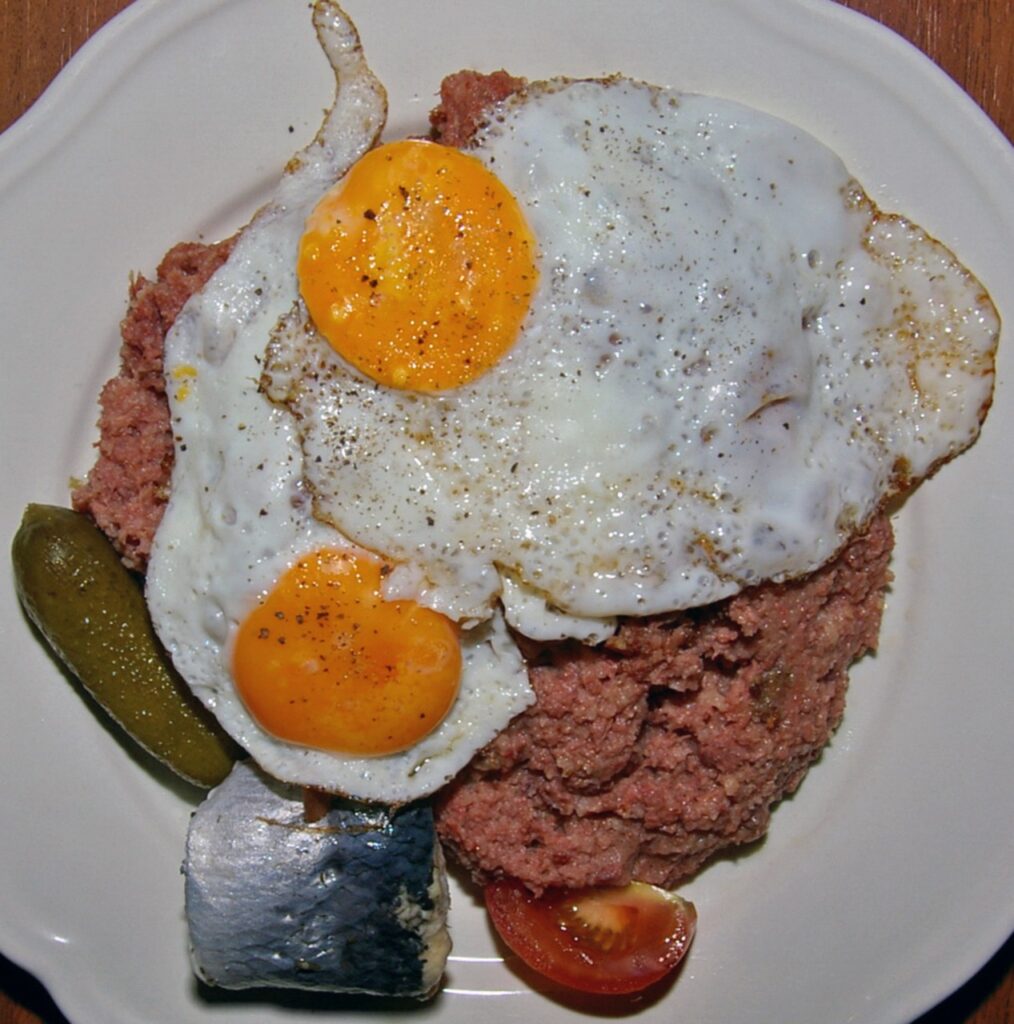
Labskaus looks like comfort food gone slightly wrong at first glance. A bright pink mash made from corned beef, potatoes, onions, and beets, often topped with a fried egg and served alongside pickled herring, it can appear chaotic on the plate. The dish originated among sailors who relied on preserved ingredients during long sea voyages, which explains its unusual combination. What unsettles many diners is how thoroughly the ingredients are blended together into a soft, almost paste-like consistency. Visually, it can resemble something closer to baby food than dinner. The flavor is actually balanced, salty from the meat, sweet from the beets, and rich from the egg. Still, texture plays a major role in enjoyment, and Labskaus offers very little contrast or crunch unless paired carefully. Once people learn how the components are mashed and emulsified together, enthusiasm can fade quickly. It challenges modern expectations of what a composed meal should look and feel like, even though the dish itself is deeply rooted in history and practicality.
5. Knipp Sausage Made From Mixed Pork Cuts and Groats
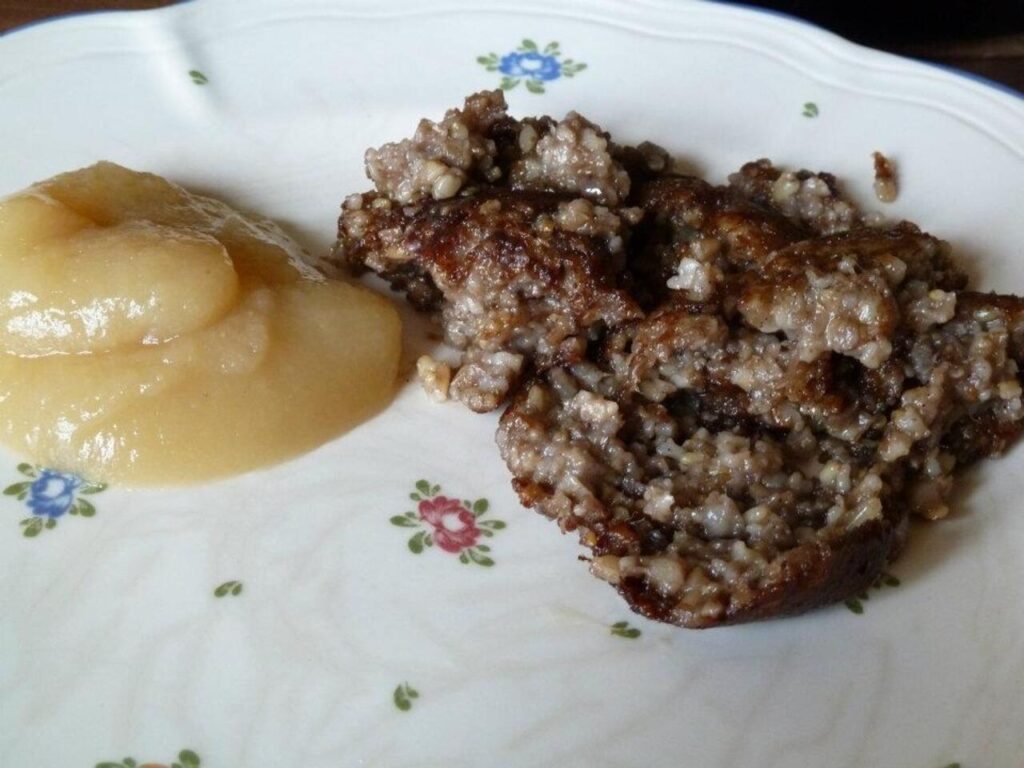
Knipp is a regional specialty that reflects traditional frugality. It is made from pork belly, pork head meat, bacon, oats or groats, and spices, then cooked and sliced or pan-fried. The ingredient list alone can make some people pause, especially when they realize it includes less familiar cuts such as head meat. While these parts are perfectly edible and flavorful, modern consumers often prefer muscle cuts they recognize. Knipp has a dense, crumbly texture once fried, similar to a savory pudding or stuffing rather than a classic sausage. The flavor is rich, salty, and comforting, especially when paired with potatoes or applesauce. Still, knowing how many different pork components go into the mixture can challenge appetites that favor simplicity. It represents a time when nothing was wasted and every part of the animal had value. For diners unfamiliar with that mindset, the knowledge of its composition can overshadow the actual eating experience, even if the taste itself is satisfying.
6. Handkäs mit Musik Sour Milk Cheese With Onions
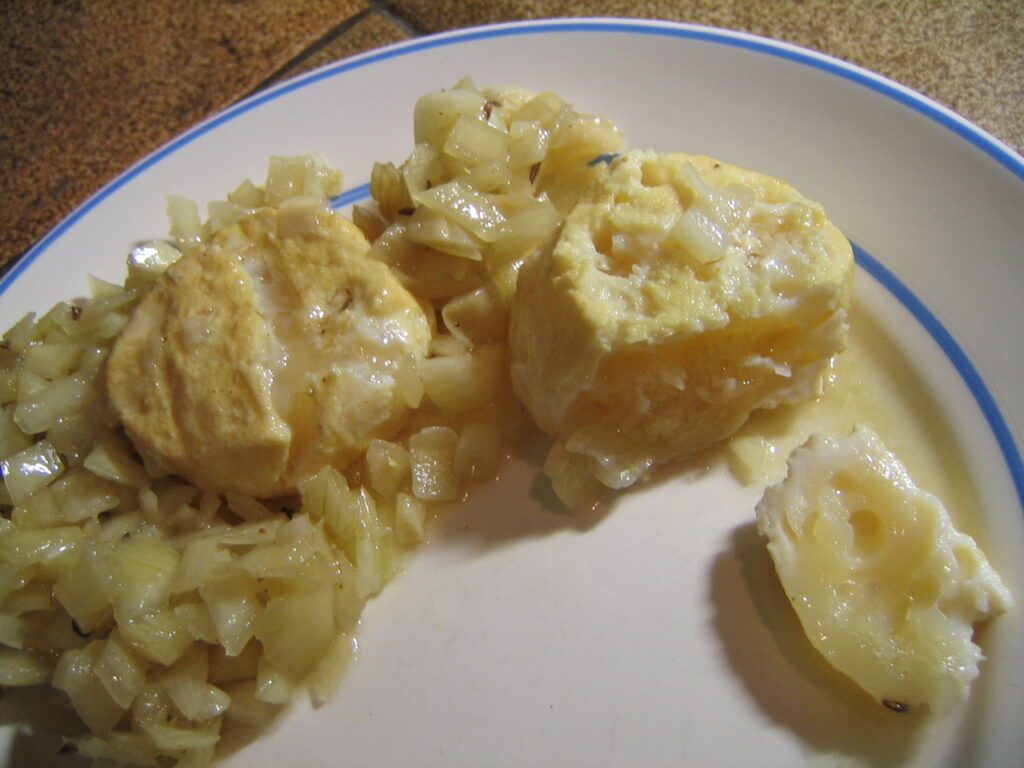
Handkäs mit Musik tests tolerance more through aroma than appearance. The small, pale cheese wheels are made from sour milk and aged until they develop a strong smell that can fill a room quickly. They are typically served with raw onions, vinegar, oil, and caraway seeds. The nickname refers to the onion marinade causing audible digestion later, which already sets expectations in a playful but honest way. For many people, the sharp, pungent smell creates hesitation before tasting. The cheese itself has a firm, rubbery texture and a tangy, almost acidic flavor that intensifies as it ages. It is low in fat and high in protein, making it popular among those seeking lighter fare. Still, knowing it is fermented sour milk with a powerful aroma can push some diners away. Smell heavily influences taste perception, and when the nose signals danger or decay, the brain often follows. Appreciation usually comes only after repeated exposure and cultural familiarity.
7. Pinkel Sausage With Groats and Pork Fat
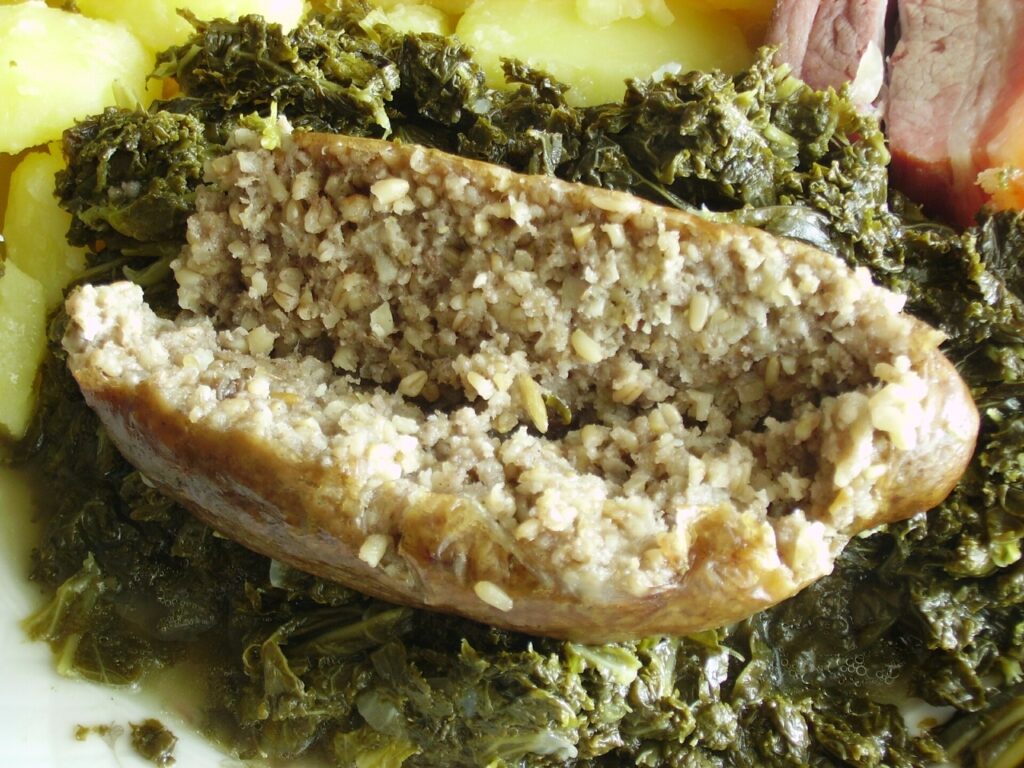
Pinkel is a hearty sausage traditionally eaten with kale during colder months. It contains pork fat, groats or grains, onions, and spices stuffed into a casing and simmered slowly. The richness comes from the high fat content and the way the grains absorb flavor during cooking. For many outsiders, the idea of eating a sausage built largely on fat and grains rather than recognizable meat cuts feels unusual. The texture is softer and more crumbly than typical sausages, sometimes resembling a savory porridge inside a casing. Flavor is comforting and deeply savory, especially when paired with bitter greens that balance the richness. Still, learning how much fat and filler goes into the sausage can be off-putting for those used to leaner proteins. It reflects a traditional approach to winter cooking, where calories and preservation mattered more than modern dietary preferences. Once people understand its construction, curiosity often gives way to hesitation, even though the dish itself remains beloved locally.