8 Table Setting Mistakes That Can Ruin a Dinner Mood

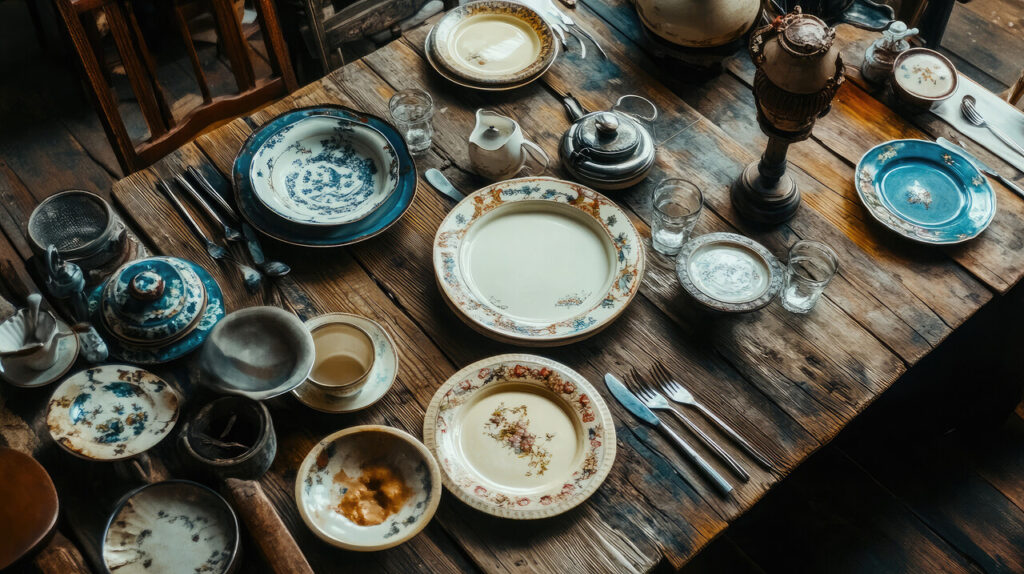
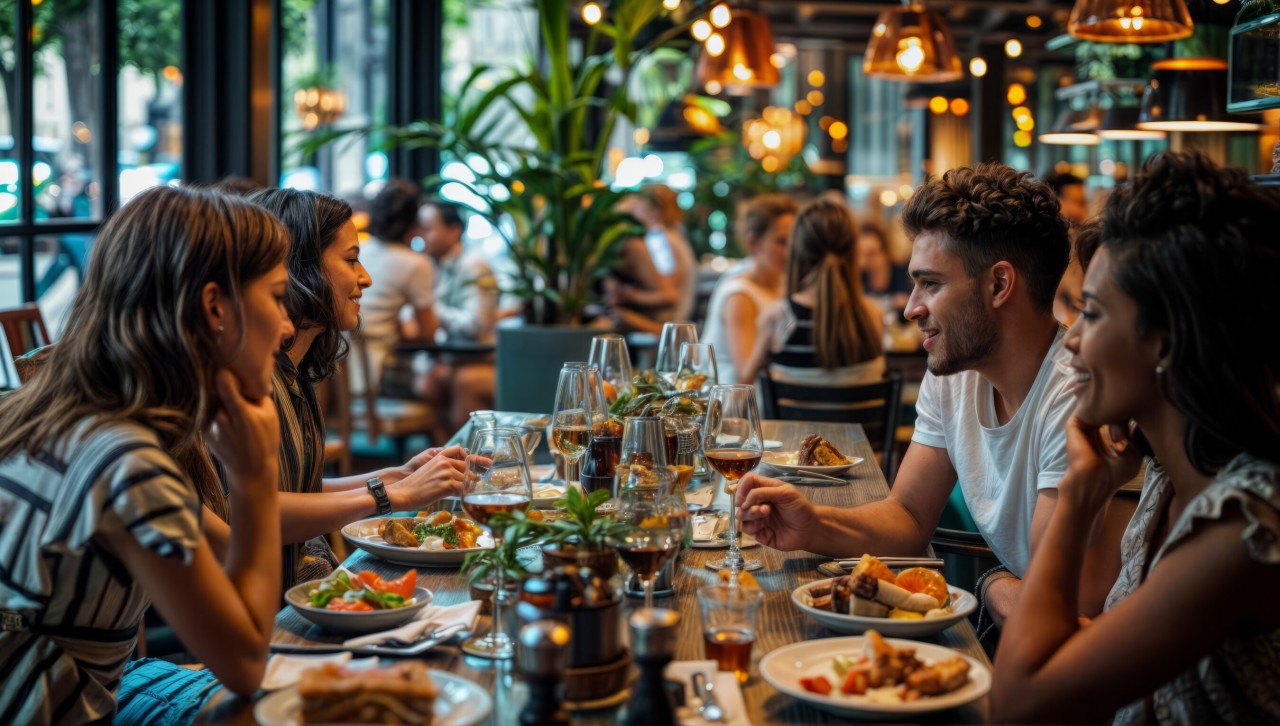
A great dinner doesn’t start with the food. It starts with how the table makes people feel the moment they sit down. Subtle details like spacing, lighting, sound, and surface flow shape whether guests relax or stay slightly on edge without realizing why. When a table feels crowded, visually noisy, or physically awkward, conversation tightens and the meal becomes something to manage instead of enjoy. The best settings quietly support comfort by giving people room to move naturally, see each other clearly, and focus on the experience rather than the setup. Small missteps often stack up, creating low-level friction that drains energy from the room. Paying attention to these common table mistakes can instantly improve how long guests linger, how openly they connect, and how memorable the evening becomes.
1. Cluttered or Overcrowded Table Layout
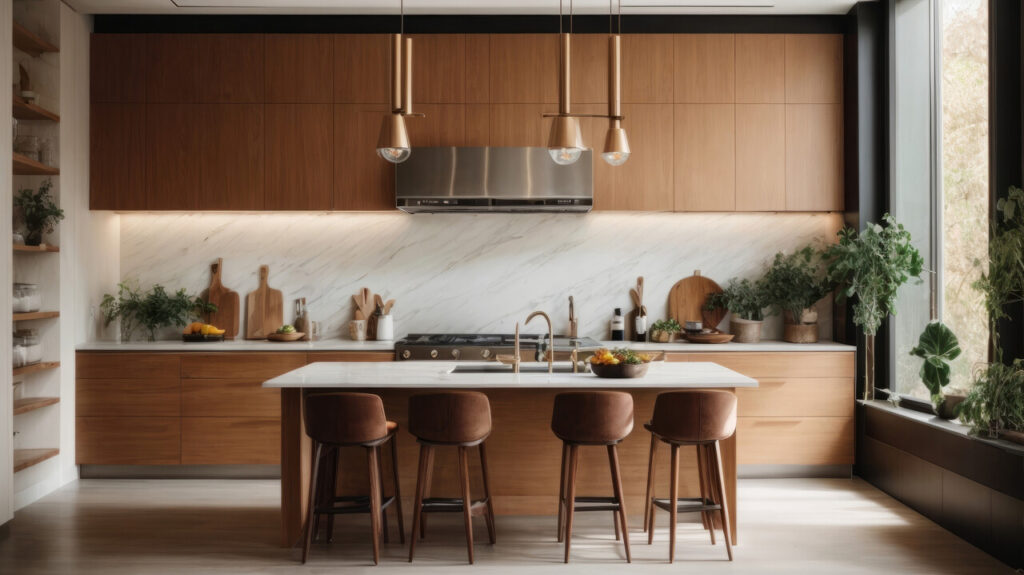
The fastest way to make a dinner feel tense instead of welcoming is to give guests nowhere to comfortably exist. When plates, serving dishes, candles, décor objects, condiment bottles, and drinkware all compete for the same limited surface, people instinctively tighten their posture, guard their space, and move cautiously. That subtle physical tension carries into conversation and enjoyment. Overcrowding also increases the risk of spills, bumped elbows, and awkward reaching across others, which quietly interrupts the flow of a meal. Even beautiful objects lose their charm when they block sightlines or prevent guests from resting their arms naturally. A table should allow each person enough room to place their plate, cutlery, and drink without negotiating space. Negative space matters just as much as decoration because it creates visual calm and physical comfort. When the table feels breathable, guests relax, lean in, and linger longer.
2. Mismatched or Dirty Tableware
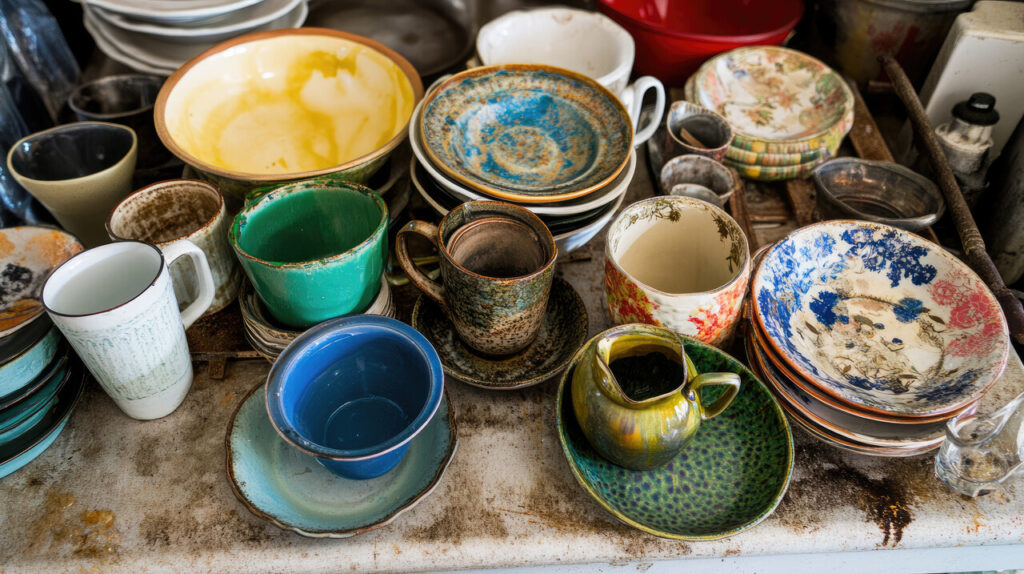
Nothing breaks the sense of care faster than noticing a smudge on a glass, lipstick on a fork, or chipped plates that feel rough in the hand. Even if the food is excellent, guests subconsciously associate visible wear or residue with rushed preparation or overlooked hygiene. Mismatched tableware can work in intentional, curated settings, but random combinations often feel accidental rather than charming. Different plate sizes cause uneven portions, awkward spacing, and unstable stacking when clearing dishes. Scratched cutlery can feel uncomfortable to hold and reflects poorly under lighting. Dirty glassware dulls the sparkle of drinks and makes people hesitate to sip. These small visual cues register immediately and influence how relaxed guests feel about the meal. Clean, consistent tableware signals attention, respect, and reliability, which encourages people to settle in and enjoy themselves. It also helps food presentation look cohesive, making even simple meals feel more thoughtful.
3. Improper Lighting That Feels Harsh or Too Dim
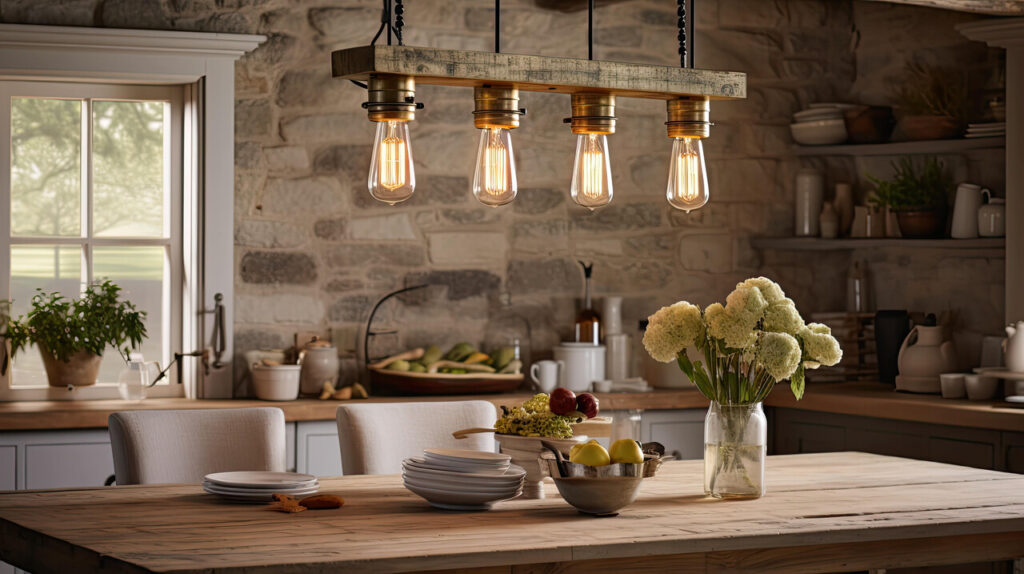
Lighting quietly shapes how people feel at the table long before the first bite lands. Bright overhead lights can make a dining space feel clinical or rushed, similar to a cafeteria or office break room. Faces appear flat, food loses warmth, and conversation tends to stay surface level because the environment feels exposed rather than intimate. On the opposite extreme, overly dim lighting forces guests to squint, lean forward, and strain to see what they are eating, which becomes tiring and distracting. Poor lighting also increases the chance of spills and makes shared dishes harder to navigate. Warm, balanced lighting encourages people to relax their shoulders, linger in conversation, and enjoy the sensory experience of the meal. Soft side lamps, dimmed fixtures, or low-profile candles create gentle contrast without sacrificing visibility.
4. Ignoring Comfortable Seating and Proper Spacing
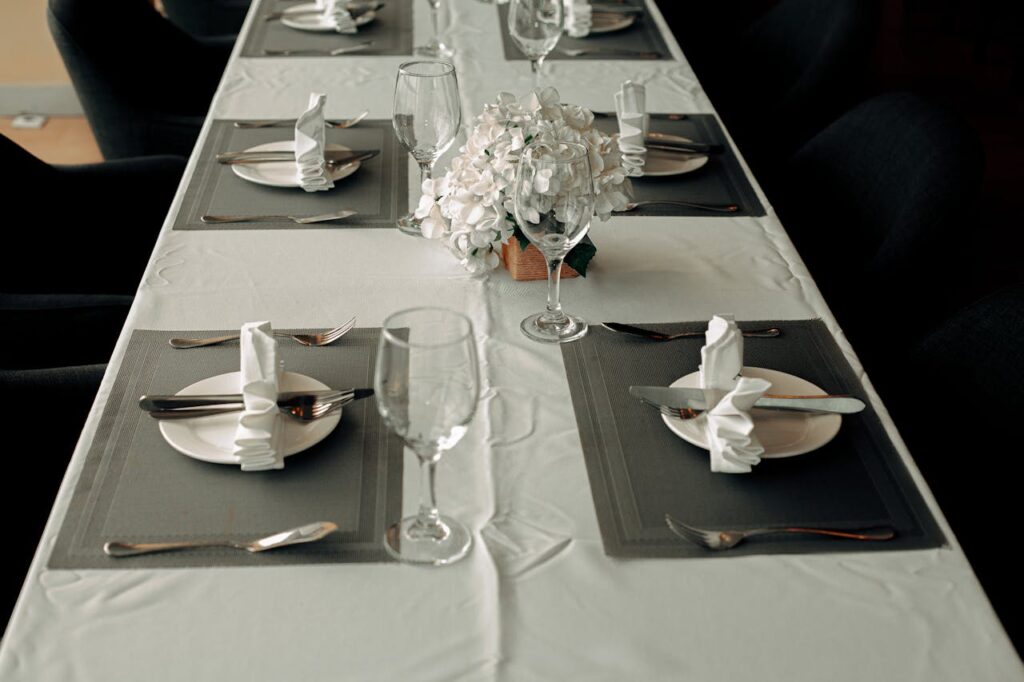
Even the most beautiful table setting fails if guests are physically uncomfortable. Chairs that are too hard, too low, too narrow, or unstable cause people to shift constantly, lose focus, and feel restless. Crowded seating forces elbows to collide and personal space to shrink, creating low-level irritation that builds over the course of a meal. When spacing is tight, serving becomes awkward, and guests may hesitate to reach for shared dishes or refill drinks. Proper chair height allows feet to rest flat and backs to stay supported, which encourages longer, more relaxed sitting. Adequate spacing between place settings gives each person a sense of autonomy and ease. Comfort directly affects how long guests stay engaged and how positive the overall experience feels. When bodies are relaxed, conversation flows more naturally, laughter comes easier, and people linger without watching the clock.
5. Overdecorating With Large or Obstructive Centerpieces
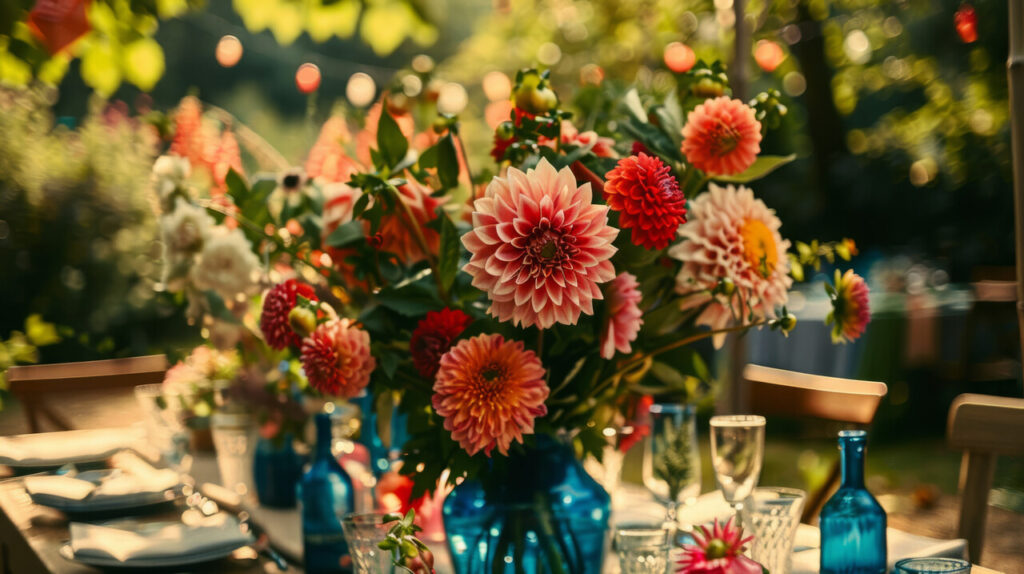
A centerpiece should enhance the table, not dominate it. Oversized floral arrangements, tall sculptures, or bulky seasonal displays block sightlines, forcing guests to lean sideways or raise their voices to communicate. Eye contact is a powerful social connector, and when it’s constantly interrupted, conversation becomes fragmented. Large centerpieces also steal valuable surface space, reducing room for shared dishes and creating awkward reaching angles. Strong fragrances from heavy florals or scented décor can interfere with the smell and taste of food, which subtly dampens appetite. Decorations that shed glitter, petals, or dust introduce mess into the meal experience. While visual drama looks great in photos, it often performs poorly in real dining situations where people need functional space.
6. Neglecting Practical Tableware Placement
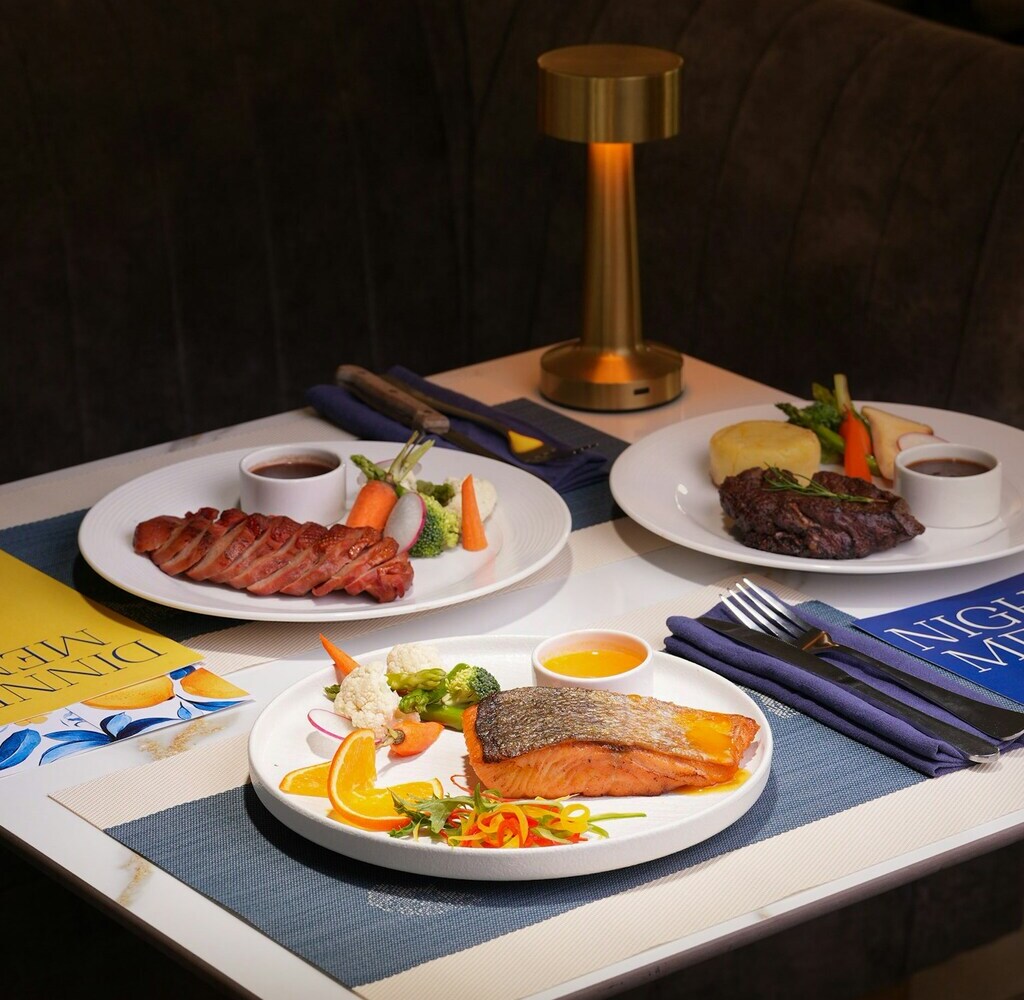
A table can look beautiful but still feel awkward if items are placed without functional logic. When cutlery is positioned incorrectly, guests hesitate, rearrange settings, or feel unsure which utensil to use first. Plates placed too close to the table edge create instability and increase the chance of accidents. Glasses squeezed into tight corners are easily knocked over during natural hand movements. Serving utensils placed far from dishes slow down the flow of sharing and create unnecessary reaching across others. Good placement supports intuitive movement so guests don’t have to think about mechanics while eating. The more automatic the setup feels, the more attention stays on conversation and flavor. Practical placement also improves efficiency when clearing and refilling during the meal. Small adjustments in spacing and alignment can dramatically improve comfort without changing aesthetics. A table that works smoothly allows the evening to unfold naturally rather than feeling choreographed or awkward.
7. Forgetting Functional Napkin and Cutlery Organization
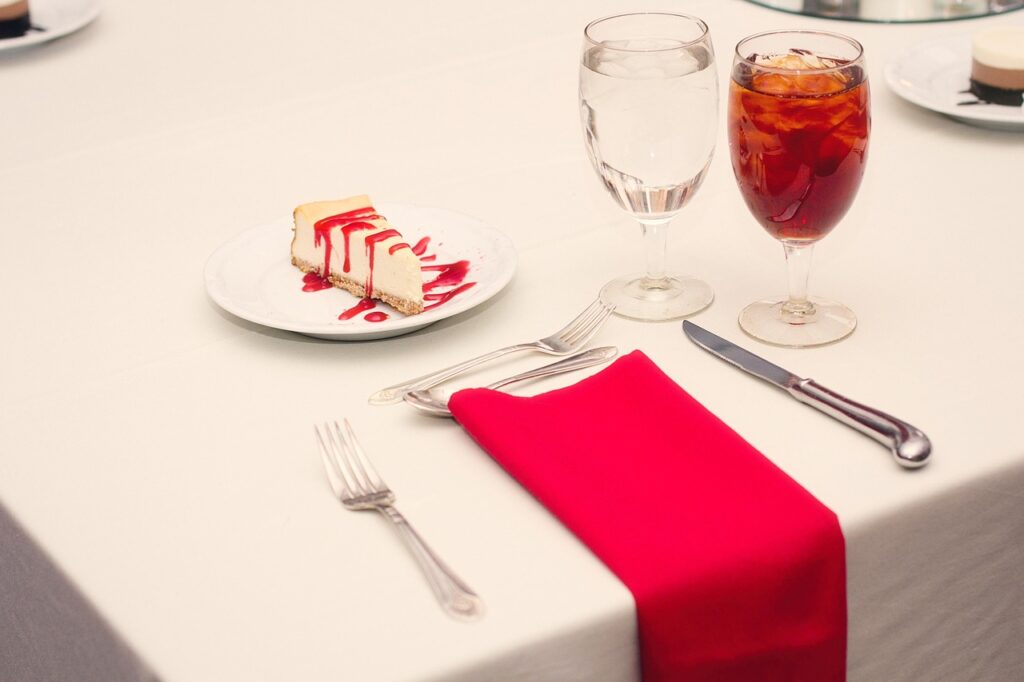
Napkins and utensils play a constant role throughout the meal, yet they’re often treated as decorative afterthoughts. Napkins that are tucked too tightly under plates, folded in complicated shapes, or placed inconsistently slow down guests when they need them quickly. Poorly organized cutlery creates confusion and forces guests to rearrange their settings, breaking the rhythm of the meal. When people feel unsure where to place used utensils or napkins, the table becomes cluttered fast. Functional organization keeps the eating process smooth and reduces visual mess as the meal progresses. Cloth napkins placed within easy reach encourage cleanliness and comfort. Clear utensil placement removes hesitation and supports polite flow without instruction. These details seem small but directly influence how effortless the meal feels. When everything has an intuitive place, guests relax and focus on enjoyment instead of logistics.
8. Too Much Noise or Distractions Around the Table

Sound plays a larger role in mood than most hosts realize. Loud background music, clattering décor, nearby televisions, or echo-heavy rooms force people to speak louder and repeat themselves. This creates vocal strain and gradually drains energy from conversation. Competing audio distractions pull attention away from shared moments and fragment group interaction. When guests struggle to hear each other clearly, dialogue becomes shorter and less meaningful. A calm sound environment supports deeper conversation, laughter, and relaxed pacing. Soft background music can enhance ambiance when kept at a low volume, but it should never dominate the room. Acoustic balance also matters, with soft furnishings helping absorb harsh echoes. A quiet, comfortable sound environment signals safety and ease to the nervous system. When ears are relaxed, minds stay present, and the table naturally becomes a space for connection rather than sensory overload.