How Viral Social Media Recipes Are Reshaping Home Cooking Habits

Home cooking is undergoing a noticeable shift as viral recipes take over social media feeds. Short videos now guide millions of people through quick and visually appealing dishes, replacing traditional cookbooks and long written recipes. These trends make cooking feel more accessible and encourage experimentation with new ingredients and techniques. At the same time, they are changing how people learn, choose, and even think about food. As more home cooks rely on digital platforms for inspiration, social media continues to reshape everyday cooking habits in subtle but lasting ways.
The Viral Recipe Wave
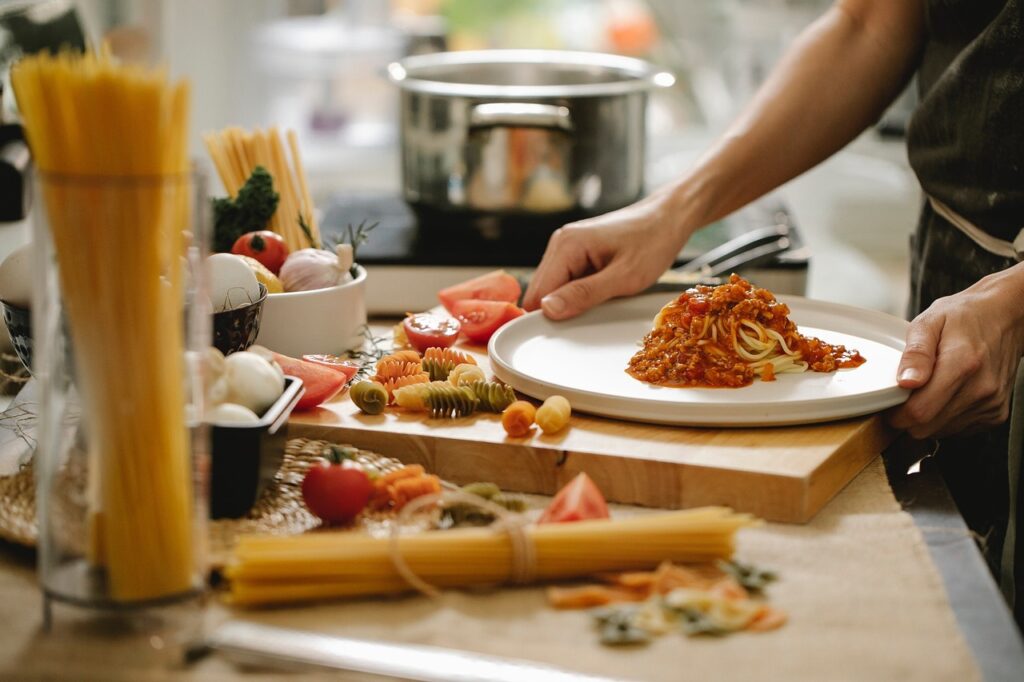
A new kind of recipe discovery has taken over home kitchens. Instead of flipping through cookbooks or searching long articles, people now scroll through short videos that show a dish being made in seconds. These clips often condense an entire cooking process into a quick and engaging format. As a result, recipes spread rapidly across platforms, reaching millions of viewers within hours. This speed has changed how quickly food trends emerge and disappear. Algorithms actively push popular videos to wider audiences, accelerating their reach. Viewers often save or share these clips for later use. The ease of access encourages repeated viewing of the same content.
The reach of viral recipes is unlike anything seen before in home cooking. A single dish can be recreated by thousands of people across different countries within days. This shared experience creates a sense of participation where users feel part of a larger trend. People often try recipes not just for the food itself, but also to engage with what others are making online. Participation becomes part of the appeal of cooking. Social interaction plays a role in motivating users. Many people post their own versions to join the conversation. It also encourages ongoing engagement with similar content.
This shift has reduced reliance on traditional recipe sources. Cookbooks and long-form blogs still exist, but they no longer dominate everyday cooking decisions. Social media platforms have become the primary source of inspiration for many home cooks. The convenience and accessibility of these videos make them an attractive alternative. Searching for recipes now feels faster and more intuitive. Users can quickly compare multiple dishes in minutes. Visual previews help them decide what to cook. This change has redefined how recipes are discovered and selected. It has also shortened the decision-making process significantly.
The Influencer Effect
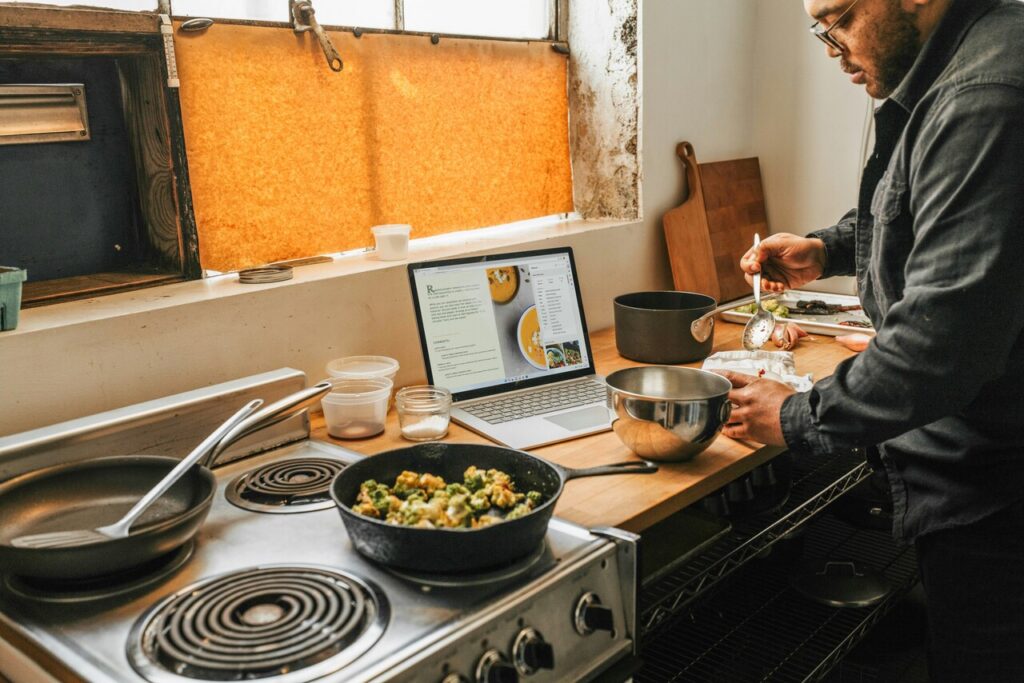
Home cooking habits are increasingly shaped by online personalities rather than professional chefs. Food influencers present recipes in a relatable and approachable way. Their content often feels less formal, which makes viewers more comfortable trying new dishes. This connection builds trust and encourages followers to replicate what they see. Personal storytelling adds authenticity to their content. Viewers feel a sense of familiarity with these creators. This bond strengthens engagement over time. Influencers often share everyday cooking experiences that feel realistic. This relatability increases their influence on cooking habits.
Influencers also play a role in setting trends. When a popular creator shares a recipe, it can quickly gain attention and spread across platforms. Followers often associate the success of a dish with the creator who introduced it. This influence gives individuals significant power in shaping what people cook at home. A single post can trigger widespread interest. Engagement metrics help amplify popular content. Followers often imitate recipes soon after viewing them. The cycle repeats as new creators contribute similar ideas. This visibility accelerates how quickly a simple idea can turn into a widespread movement.
The relationship between viewers and creators also drives engagement. People return to the same accounts regularly, creating a sense of familiarity. Over time, these creators become trusted sources of inspiration. This shift has changed how authority is perceived in the cooking space. Trust is built through consistent content and interaction. Audiences value authenticity over professional credentials. Comments and feedback create a sense of community. This dynamic strengthens long-term audience loyalty. Strong engagement often leads to sustained influence over followers. Personal storytelling and behind-the-scenes glimpses make creators feel more relatable to their audience.
The Simplicity Trend
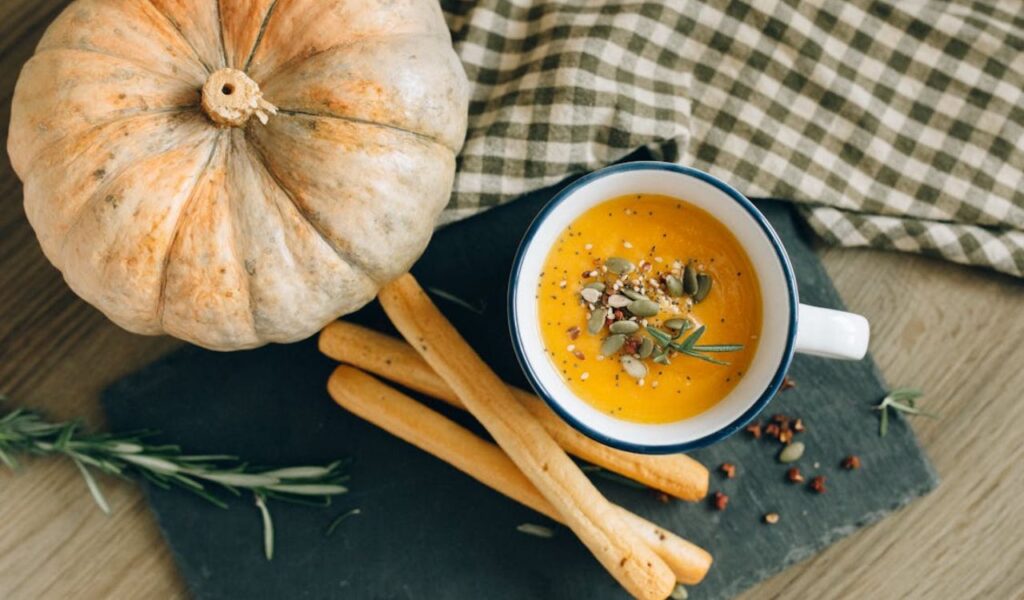
One of the most noticeable changes in home cooking is the preference for simple recipes. Viral dishes often require only a few ingredients and minimal preparation time. This approach appeals to people with busy schedules who want quick and easy meal solutions. Complexity is often replaced with convenience. Short preparation times make cooking more manageable. Simple recipes reduce the effort required for meal planning. Fewer ingredients lower the overall cost of cooking. This practicality increases their popularity. The simplicity also reduces hesitation for first-time attempts. Many people feel more confident trying a dish when the steps appear easy to follow.
Short videos reinforce this trend by focusing on straightforward steps. Recipes are presented in a way that removes unnecessary detail and highlights the essential process. This format makes cooking feel more accessible, especially for beginners. The simplicity encourages more people to try cooking at home. Clear visuals replace lengthy explanations. Quick demonstrations make each step easy to understand. Viewers can replicate the process without confusion. This clarity improves confidence in the kitchen. The format supports faster learning and execution. The condensed format also keeps attention focused without overwhelming the viewer.
This trend also reflects a broader shift in lifestyle. Many households prefer meals that can be prepared quickly without sacrificing taste. Simple recipes reduce the effort required while still delivering satisfying results. As a result, they continue to dominate online cooking trends. Time efficiency has become a priority for many people. Cooking is often balanced with other daily responsibilities. Quick meals fit better into modern routines. This practicality ensures the continued success of simple recipes. It also encourages more consistent home cooking habits. Over time, these habits can improve both budgeting and dietary choices.
The Visual Appeal
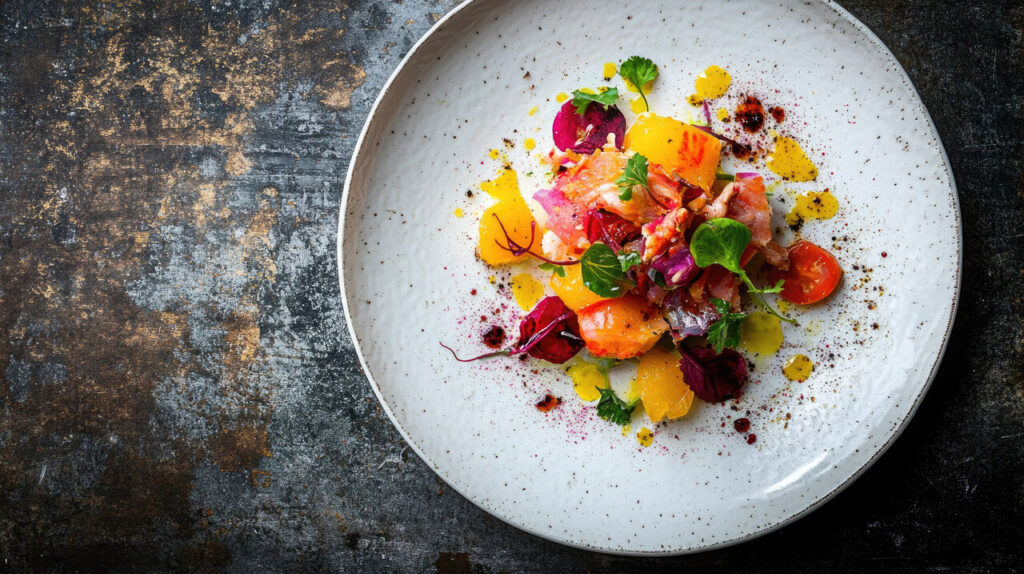
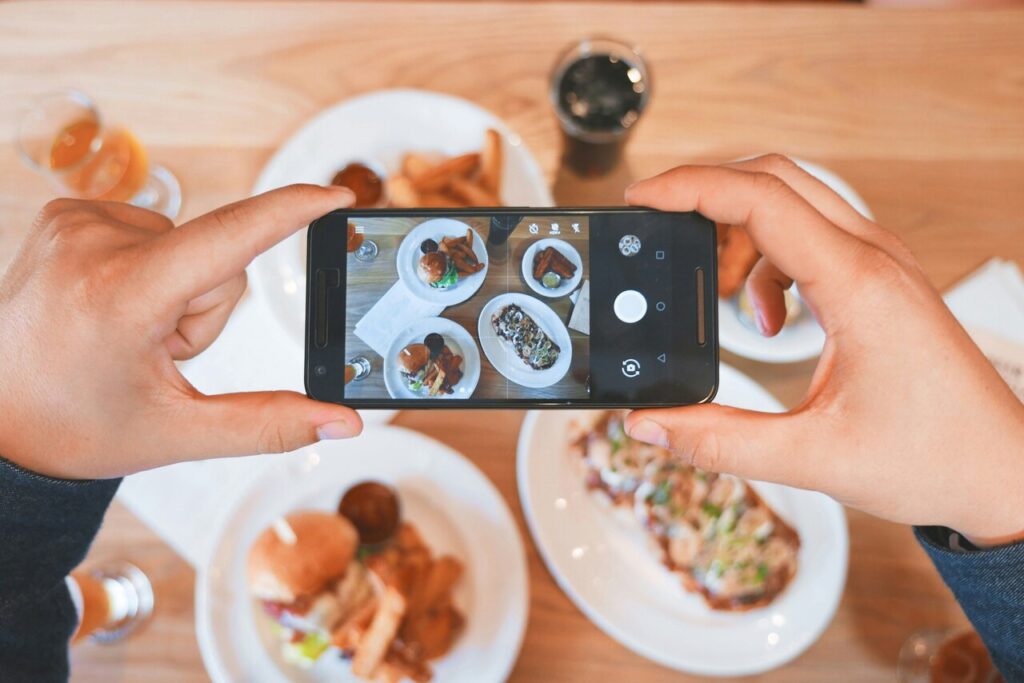
The visual presentation of food has become a key factor in recipe popularity. Dishes that look appealing on camera are more likely to be shared and recreated. Bright colors, layered textures, and visually satisfying steps often attract more attention. This focus on appearance influences what people choose to cook. Aesthetic presentation enhances the perceived quality of the dish. Visual appeal often determines whether a video is watched fully. Attractive dishes encourage more shares and likes. This visibility increases the reach of certain recipes. It also affects how recipes are prioritized by viewers.
Social media platforms reward visually engaging content. Recipes that include dramatic transformations or satisfying visuals tend to perform better. Melting cheese, pouring sauces, and neatly arranged ingredients create moments that capture the viewer’s interest. These elements make the cooking process more engaging. Eye-catching visuals hold the viewer’s attention for longer periods. Dynamic shots make the content more memorable. Editing techniques enhance the overall presentation. These features contribute to higher engagement rates. Strong visuals often increase the chances of a recipe going viral.
As a result, some recipes are designed specifically for visual impact. While taste remains important, presentation plays a larger role than before. Home cooks often consider how a dish will look before deciding to make it. This shift highlights the growing importance of aesthetics in everyday cooking. Presentation becomes part of the cooking process itself. People experiment with plating and arrangement. Social sharing influences these decisions. This trend continues shaping cooking habits. Visual appeal has become an essential part of the cooking experience. It also influences how dishes are remembered and repeated.
The Experimentation Shift
Viral recipes have encouraged home cooks to try new ingredients and cuisines. Exposure to global dishes through social media has expanded culinary curiosity. People are now more willing to experiment with flavors they may not have considered before. This openness has broadened cooking habits. Access to diverse recipes increases awareness of global cuisine. Ingredients once considered unfamiliar are becoming more common. Curiosity drives exploration in the kitchen. This shift makes cooking more adventurous. This exposure helps break traditional cooking boundaries. It introduces new cooking styles into everyday routines.
Many viral trends introduce unique combinations or techniques. These ideas inspire users to step outside their usual routines. Trying something new becomes part of the experience rather than a risk. This mindset has made home cooking more dynamic and diverse. Creative combinations attract attention online. Users feel encouraged to test unconventional ideas. Success stories motivate others to try similar recipes. This cycle promotes continuous experimentation. It keeps the cooking experience fresh and engaging. New ideas often spread quickly across different platforms. This rapid spread encourages more people to participate in the trend.
Experimentation is also supported by the accessible format of online recipes. Step-by-step videos reduce uncertainty and make unfamiliar dishes easier to attempt. This guidance builds confidence and encourages continued exploration. Over time, it leads to a more varied approach to cooking. Visual instructions simplify complex techniques. Users gain confidence through repeated attempts. Mistakes become part of the learning process. This encourages ongoing experimentation. Continuous practice strengthens cooking skills over time. This steady improvement supports long-term engagement. It also helps users develop their own unique cooking style.
The Skill Building Impact
Social media has changed how people learn to cook. Short videos provide clear visual guidance that is easy to follow. Instead of reading instructions, viewers can watch each step in real time. This method makes learning more intuitive and engaging. Visual demonstrations improve understanding of techniques. Observing the process helps users replicate actions accurately. Learning becomes faster through repetition. This approach makes cooking more accessible. It also encourages independent learning without formal training. This shift has made cooking education more widely available. It allows people to learn at their own pace.
For beginners, this format removes many barriers. Seeing the process helps them understand techniques that might be difficult to explain in text. Simple demonstrations can improve confidence and encourage more frequent cooking. This accessibility has introduced many people to home cooking. Beginners feel less intimidated by complex recipes. Clear instructions reduce uncertainty. Visual learning improves retention of techniques. This encourages continued practice. Confidence grows as skills improve with experience. This progress motivates users to keep learning. It also reduces the fear of making mistakes.
Over time, repeated exposure to these videos builds practical skills. Users pick up techniques through observation and repetition. Even without formal training, many home cooks develop a strong understanding of basic methods. This shift has made cooking knowledge more widely accessible. Skills improve gradually through consistent practice. Users become more comfortable experimenting. Confidence grows with each successful attempt. This development supports long-term engagement with cooking. It also leads to greater independence in the kitchen. This independence encourages more frequent cooking at home.
The Trend Fatigue Factor
While viral recipes create excitement, they can also lead to fatigue. When similar dishes appear repeatedly, they may lose their appeal. Constant exposure to trends can make them feel less special over time. This effect changes how people engage with new recipes. Repetition reduces the sense of novelty. Users may skip familiar content. Interest declines when ideas feel predictable. This pattern affects long-term engagement. It can also reduce the impact of future trends. This decline forces creators to constantly innovate. It pushes content toward more unique ideas. Audiences begin to crave originality rather than repetition.
Some users become more selective about which trends they follow. Instead of trying every popular dish, they choose only those that genuinely interest them. This shift reflects a more thoughtful approach to cooking. People begin focusing on quality rather than novelty. Selective behavior improves satisfaction. Users prioritize meaningful experiences. Personal preferences guide decisions. It leads to more intentional cooking habits. This selectivity helps maintain long-term interest in cooking. It also encourages more mindful food choices. It also allows individuals to build a more consistent and enjoyable cooking routine.
Brands and creators also face the challenge of maintaining interest. New ideas must stand out in a crowded space to capture attention. As trends evolve, originality becomes increasingly important. This dynamic keeps the content landscape constantly changing. Innovation becomes essential for visibility. Creators experiment with new formats and ideas. Unique concepts attract more engagement. This competition drives continuous content evolution. It ensures that only the most engaging content remains relevant. This constant evolution shapes the future of food content. It also raises the standards for creativity in the space.