11 Leek Recipes That Sound Better Than They Taste

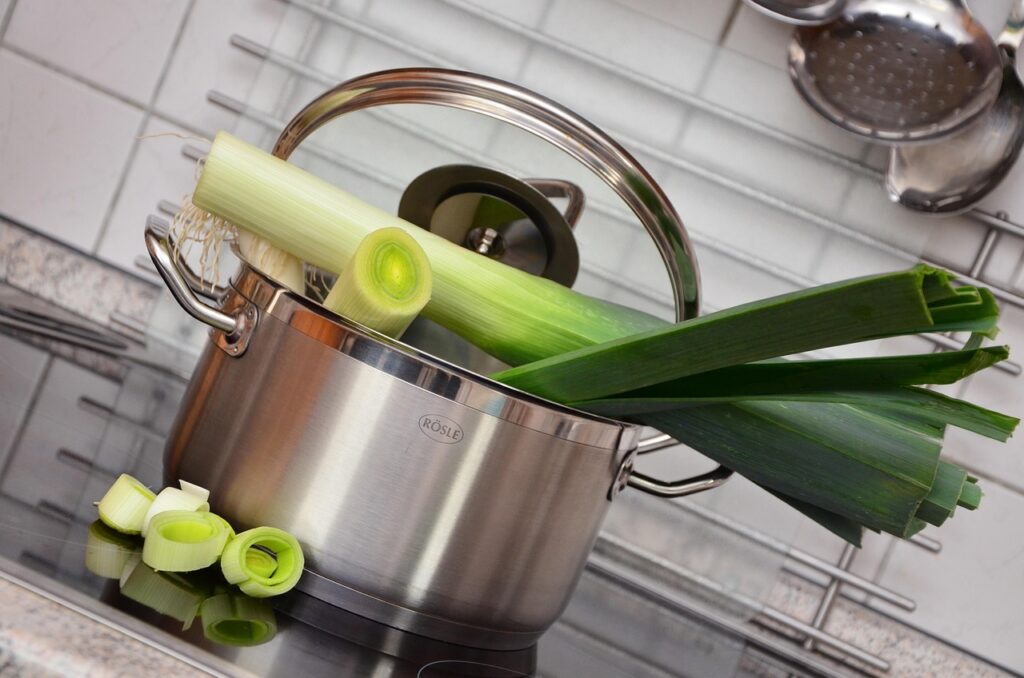
Leeks are often described as elegant and versatile, which gives many leek-centered recipes an air of promise before they reach the table. In practice, their gentle sweetness and low intensity can struggle to stand out, especially when paired with cream, starch, or eggs. Cooking methods that emphasize softness over browning further mute their flavor. These recipes are not failures, but they frequently underdeliver compared to how appealing they sound. Understanding how leeks behave helps explain why so many dishes look impressive on paper yet taste quieter and less distinctive when served.
1. Classic Potato Leek Soup

Potato leek soup sounds like the ultimate cozy bowl, but it often underdelivers because the two main ingredients naturally mute each other. Potatoes are starchy and mild, and leeks are gentle and sweet rather than sharp like onions. When they cook together and get blended, the starch smooths everything into a uniform texture that can taste pleasant but indistinct. Many home versions also use a lot of stock or water to help blend, which can dilute the flavor further. If the leeks are not cooked long enough, they taste grassy. The end result can feel like warm mashed potatoes in liquid form, comforting but less interesting than the name suggests.
2. Vichyssoise
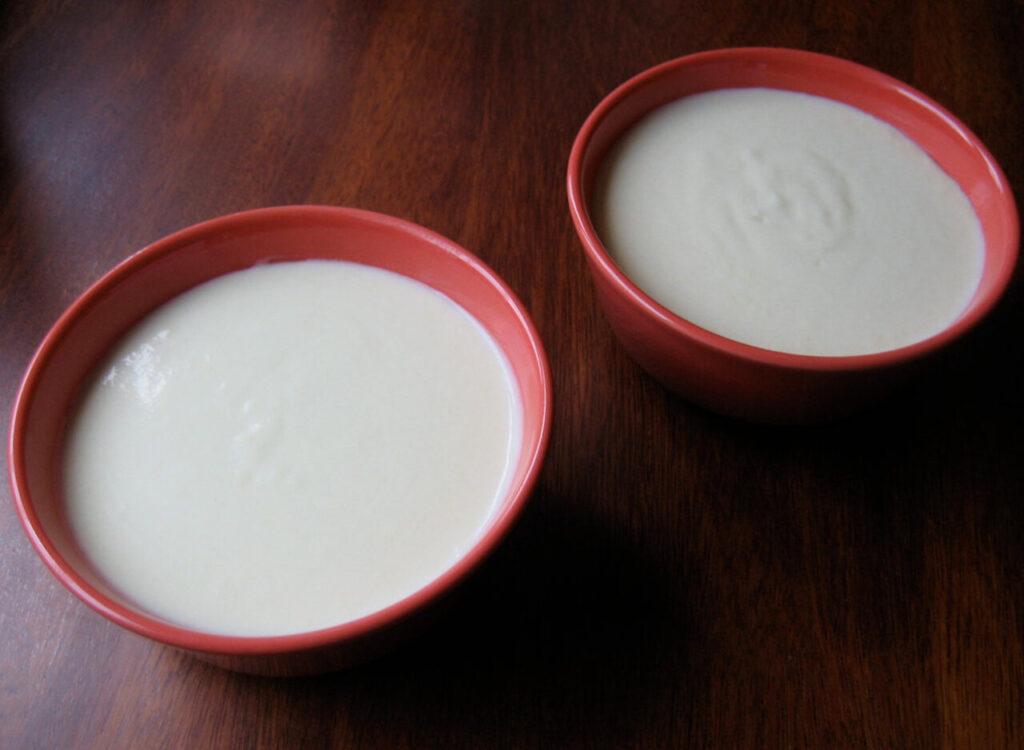
Vichyssoise has a refined reputation, and that is exactly why it can disappoint. It is a chilled soup, usually made from leeks, potatoes, and cream, which sounds luxurious and restaurant-level. The problem is that cold temperatures dull flavor and reduce aroma, especially for ingredients as subtle as leeks. What tastes balanced when warm can taste flat when served cold. The creamy texture can also read as heavy without offering enough contrast. If the soup is not seasoned assertively, it becomes bland quickly. Even small issues, like using watery potatoes or not fully sweating the leeks, show up more when the soup is chilled.
3. Creamy Leek Soup
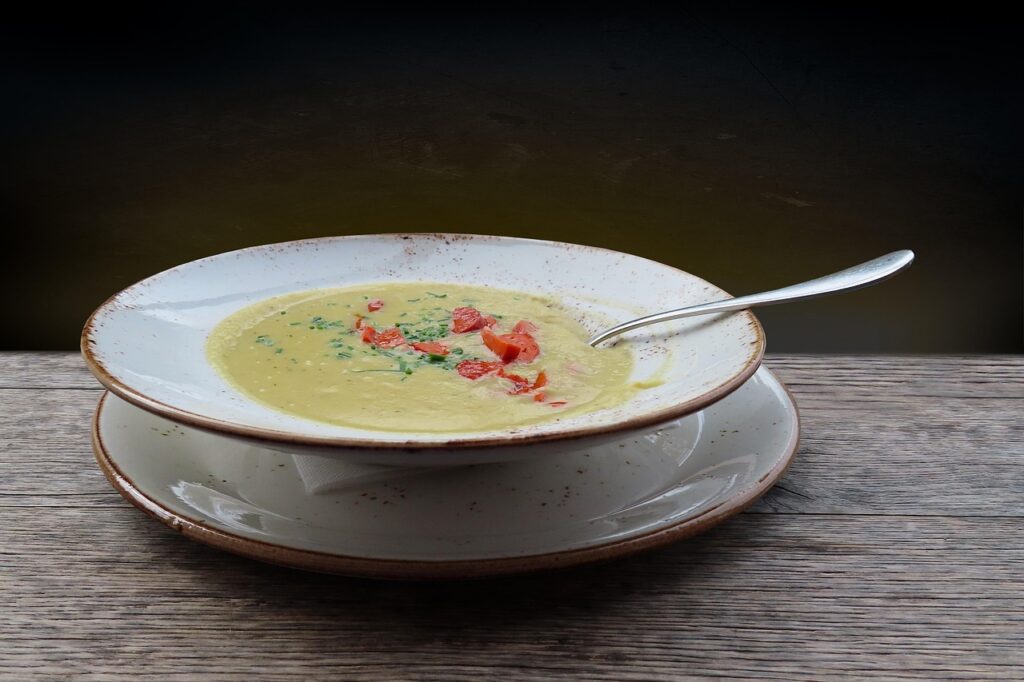
Creamy leek soup promises a bold leek experience, yet cream is one of the easiest ways to hide leek flavor. Leeks have a delicate onion sweetness that needs careful cooking to bring out. If they are only softened, they stay mild. If they are browned slowly, they become deeper and more aromatic. Many recipes lean heavily on dairy early, which coats the palate and rounds off sharpness. That can be pleasant, but it reduces the leek’s presence instead of highlighting it. Texture can also become too smooth, making the soup feel one-note. The result can taste rich but vague, like cream with a hint of onion rather than a leek-forward bowl.
4. Leek and Potato Gratin
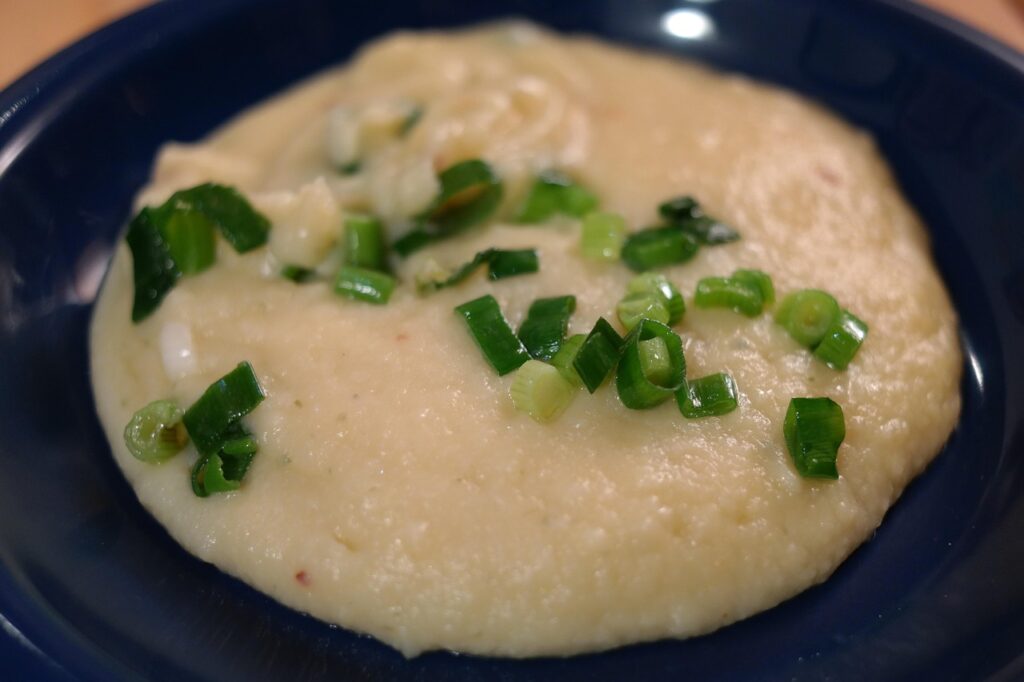
A leek and potato gratin sounds like a layered, savory masterpiece, but it often turns into a soft, beige blur on the palate. Potatoes bring creaminess and bulk, while leeks bring gentle sweetness. In a gratin, both ingredients soften and merge into the same texture, especially if the slices are thin. Cream and cheese add richness, but they also dominate. If the leeks are not sautéed first, they can release moisture and dilute the dish. If they are cooked too long, they lose their aroma before the gratin even hits the oven. Many cooks also underseason because cheese feels salty enough, but potatoes require more salt to taste lively.
5. Leek Tart
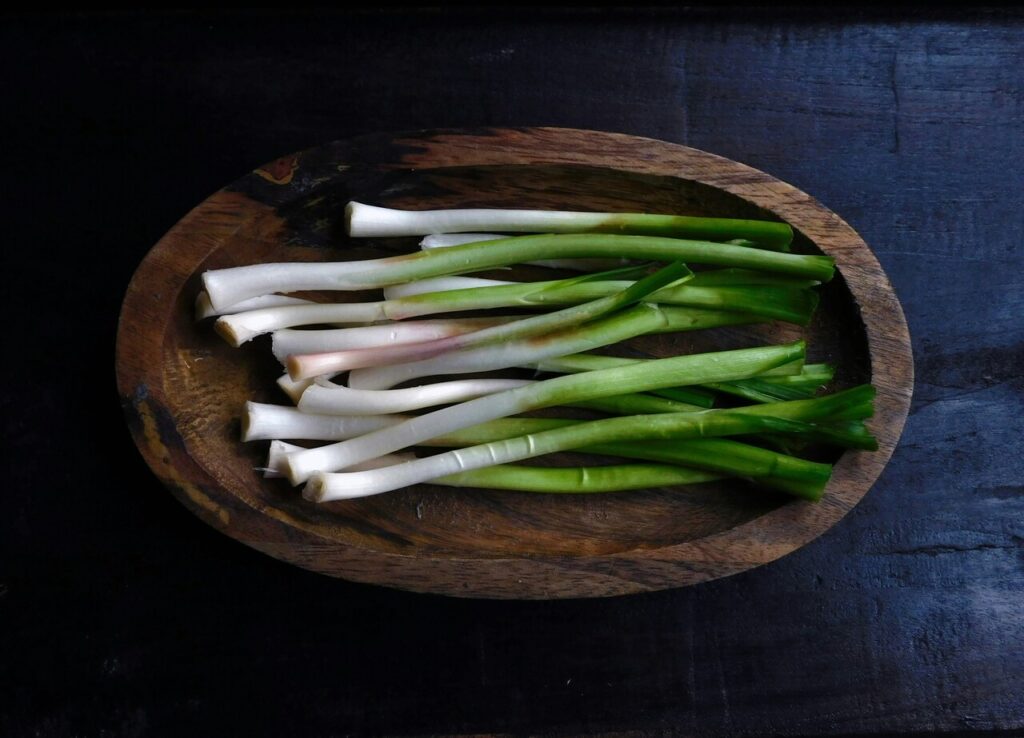
Leek tart looks impressive and sounds sophisticated, but the flavor can end up surprisingly muted. Leeks are mild, and tart fillings often include eggs, cream, and cheese, which create a rich custard that easily overwhelms delicate aromatics. If the leeks are not cooked down properly before baking, they can taste watery or raw. If they are cooked too gently, they remain sweet but not deep. The pastry base adds another layer of neutrality, which means the filling has to work harder to stand out. Many versions also lack acidity, so the flavor feels heavy and uniform rather than bright and savory.
6. Skillet Gnocchi with Leeks and Bacon

This dish sounds like a guaranteed win because gnocchi, bacon, and leeks all signal comfort. The issue is that bacon is so dominant that it often erases what leeks bring to the table. Bacon’s smoke, salt, and fat coat the palate quickly, and leeks do not have the sharpness to compete. Gnocchi also contributes a soft, starchy base that further mutes subtle flavors. If cream is added, the leek flavor becomes even more background. In theory, leeks should provide sweetness and aroma to balance the bacon. In practice, they can disappear unless they are cooked carefully and seasoned with enough salt and acid.
7. Braised Leeks with Lemon and Parsley
Braised leeks with lemon and parsley sounds bright and elegant, yet it often disappoints because the cooking method emphasizes softness more than flavor. Braising turns leeks tender and silky, but it also reduces their bite and aroma. Without browning, the flavor stays mild and can feel faint, especially if the leeks were large and fibrous. If the dish is served as a side, it can feel like a vegetable with dressing rather than a standout plate. This recipe works best when leeks are well seasoned and lightly caramelized first, but many versions skip that step and end up tasting gentle to the point of being forgettable.
8. Leek Quiche

Leek quiche sounds like the kind of dish that should taste rich and savory with clear onion sweetness. In reality, the custard base can swallow the leek flavor. Eggs and cream create a smooth, mild filling, and cheese often takes over the aroma. Leeks can also release water as they bake, which dilutes the seasoning and softens the structure. If leeks are not sautéed until fully tender and dry, the quiche can taste bland and slightly watery. Crust adds more neutral starch, which can make the whole slice feel mild unless the filling is assertively seasoned. People often expect leeks to behave like onions, but they are softer and sweeter.
9. Pan-Fried Leek Buns

Leek buns sound bold because they hint at street food energy and savory aromatics, but leeks alone rarely provide enough punch for a filling. The common issue is that leeks are mild and turn sweeter when cooked, which can feel flat without stronger companions like garlic, ginger, or fermented sauces. If the filling is not salted properly, it can taste like warm greens rather than something rich. Texture also matters. Leeks soften quickly, and if they are overcooked, they become mushy inside the bun. The dough exterior can be delicious, but it can also dominate if the filling is subtle. When seasoned well, leek buns are satisfying.
10. Leek Pasta Primavera
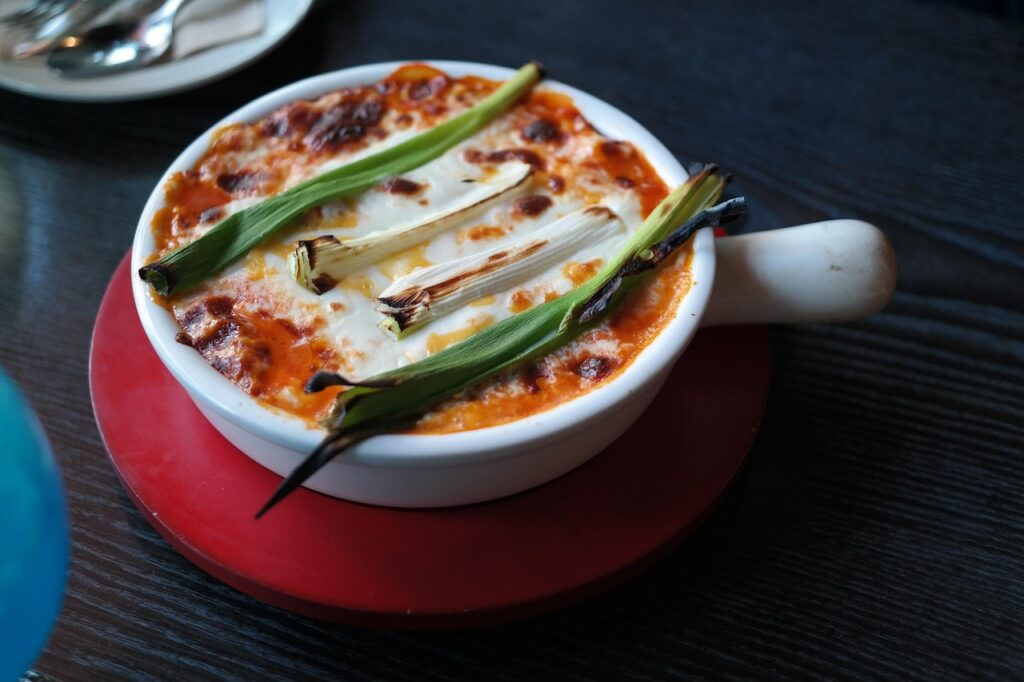
Leek pasta primavera sounds like a springtime dish full of freshness, yet it can end up tasting surprisingly bland. Leeks add sweetness, but pasta primavera often includes other mild vegetables like zucchini or peas, which do not provide a strong contrast. Without a bright acid or a bold cheese, the flavors can blend into a soft, vegetal profile. Pasta absorbs sauce quickly, so if the dish relies on broth or light oil, it can taste dry and muted. Leeks also need enough heat to develop aroma. The dish can be healthy and pleasant, but it often fails to deliver a clear leek forward payoff, making the name feel more exciting than the final bite.
11. Leeks Vinaigrette
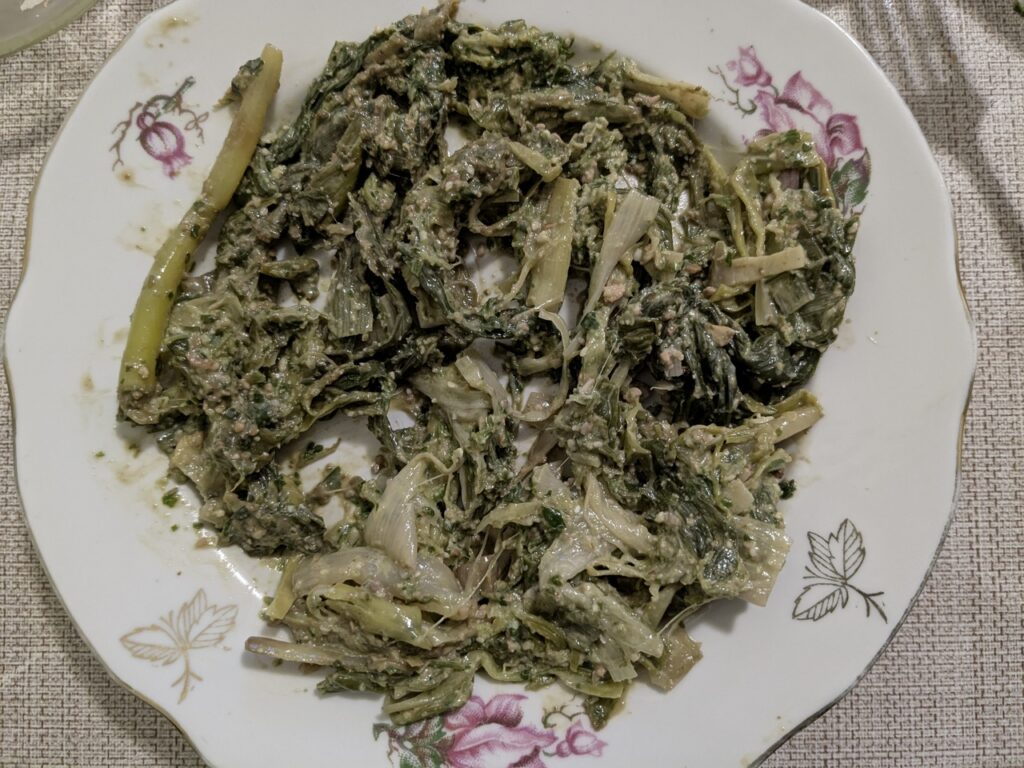
Leeks vinaigrette sounds sharp and vibrant, but the reality can be surprisingly subdued. The leeks are usually boiled or steamed until tender, which removes much of their aroma and leaves a soft texture. Vinaigrette adds acidity, yet it sits on the surface rather than transforming the leek itself. If the leeks are not drained well, the dressing becomes diluted quickly. The dish also lacks texture contrast, so it can feel limp even when seasoned correctly. Many people expect vinaigrette to create brightness and punch, but leeks do not hold bold flavor as strongly as firmer vegetables. When done well, it is delicate and balanced.