Safeway Shoppers Are Starting to Notice Some Changes

Something subtle is shifting inside Safeway, and regular shoppers are starting to notice it with every visit. What once felt familiar now carries small but clear differences, from how stores look to how purchases are made. These changes reflect a larger transformation across the grocery world.
Step inside, and things feel faster, smarter, and more structured. Technology, security, and convenience now shape the experience, making it efficient yet slightly unfamiliar. It is a shift that blends modern expectations with everyday needs.
Understanding these changes helps explain what you are seeing and why it matters. What is happening at Safeway is not just about one store. It is a glimpse into the future of grocery shopping.
1. Safeway Is Quietly Shrinking Its Store Footprint
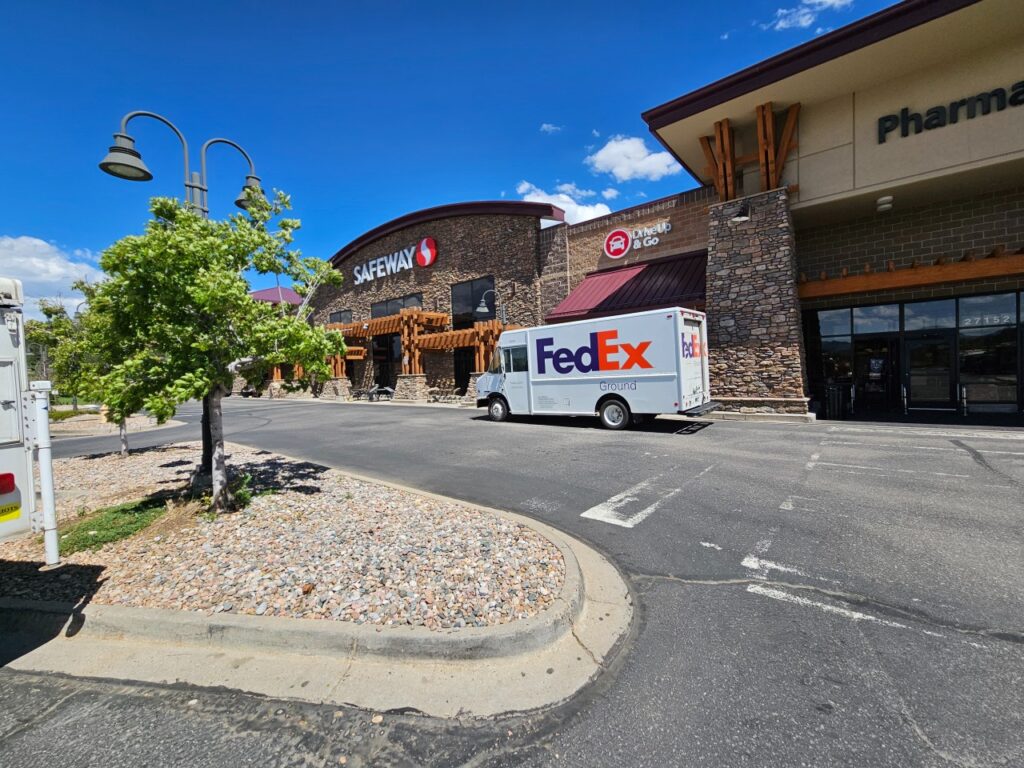
A noticeable shift is happening in how Safeway operates its physical stores. Instead of expanding widely, the company is closing locations that no longer perform well. This reflects a broader strategy by its parent company to focus on stronger, more profitable stores.
For shoppers, this can feel personal. When a nearby store shuts down, it often means traveling farther for everyday essentials. In some areas, especially those already underserved, this reduces access to affordable groceries and limits choice.
There is also a ripple effect on pricing. With fewer nearby competitors, prices can edge higher since options are limited. While the move supports business efficiency, it quietly reshapes how and where people shop.
2. Security Has Become Part of the Shopping Experience
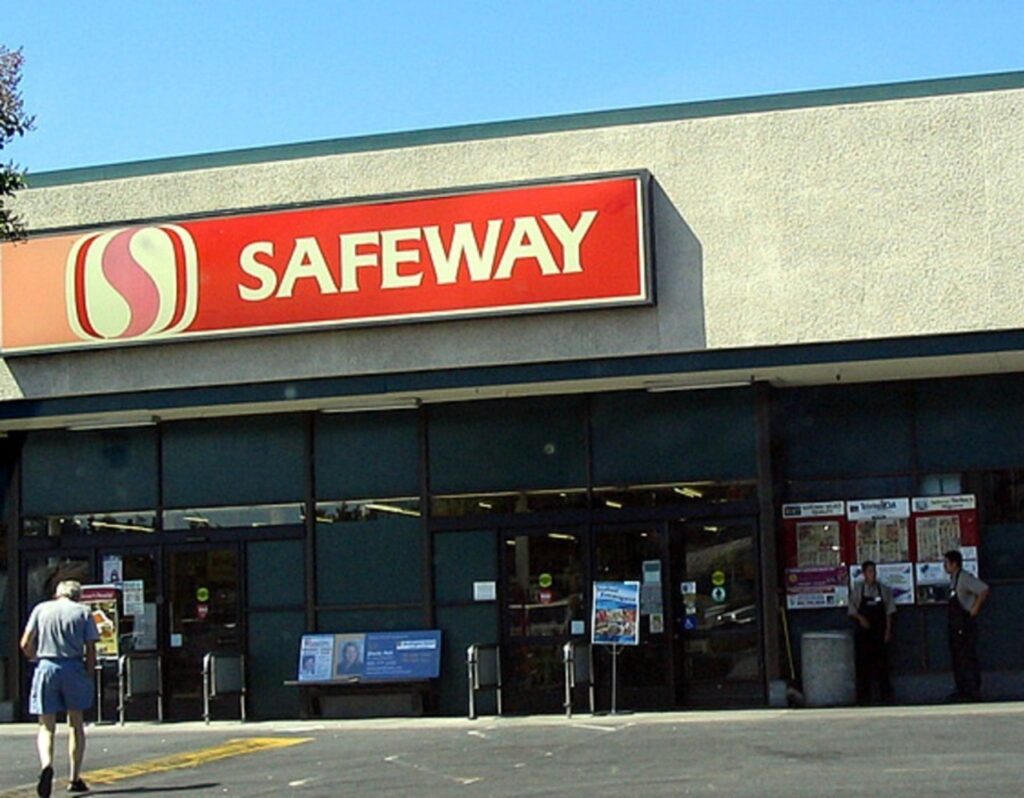
Walking into Safeway today feels a bit different, and much of that comes down to tighter security. Stores have introduced receipt-scanning gates and other deterrents, especially around self-checkout areas. These systems are designed to reduce theft, which has become a growing concern across the grocery industry.
For customers, this means an extra step before leaving the store. You may now need to scan your receipt just to exit, which can slow things down during busy hours. Some stores also use locked product displays or increased staff monitoring.
While these measures aim to keep prices stable and protect inventory, they also change the overall atmosphere. What used to feel like a quick, easy trip can now feel more controlled and structured.
3. Price Tags Are Going Digital and Dynamic

One subtle but impactful change is the shift from paper price tags to electronic shelf labels. These digital tags let Safeway update prices instantly across the store, removing the need for manual replacements.
On paper, this improves efficiency and accuracy. Staff spend less time changing tags and more time assisting customers. However, some shoppers find these displays harder to read, especially when multiple prices or promotions appear.
There is also growing talk around pricing flexibility. Because digital tags can change in real time, some shoppers worry about how often prices may shift. Even small changes can influence how people shop.
4. Artificial Intelligence Is Stepping Into Grocery Shopping
Behind the scenes, Safeway is leaning more into technology, especially artificial intelligence. These tools aim to personalize the shopping experience, from recommending products to tailoring discounts based on past purchases.
For customers, this can feel convenient. You may get offers that match your habits, making it easier to save or try new items. Over time, AI could even help plan meals or build shopping lists.
At the same time, this shift raises awareness about data use. Personalized features rely on tracking behavior, meaning more information is collected. While many enjoy the convenience, others are becoming more mindful of how their data is used.
5. Stores Are Becoming Fulfillment Centers
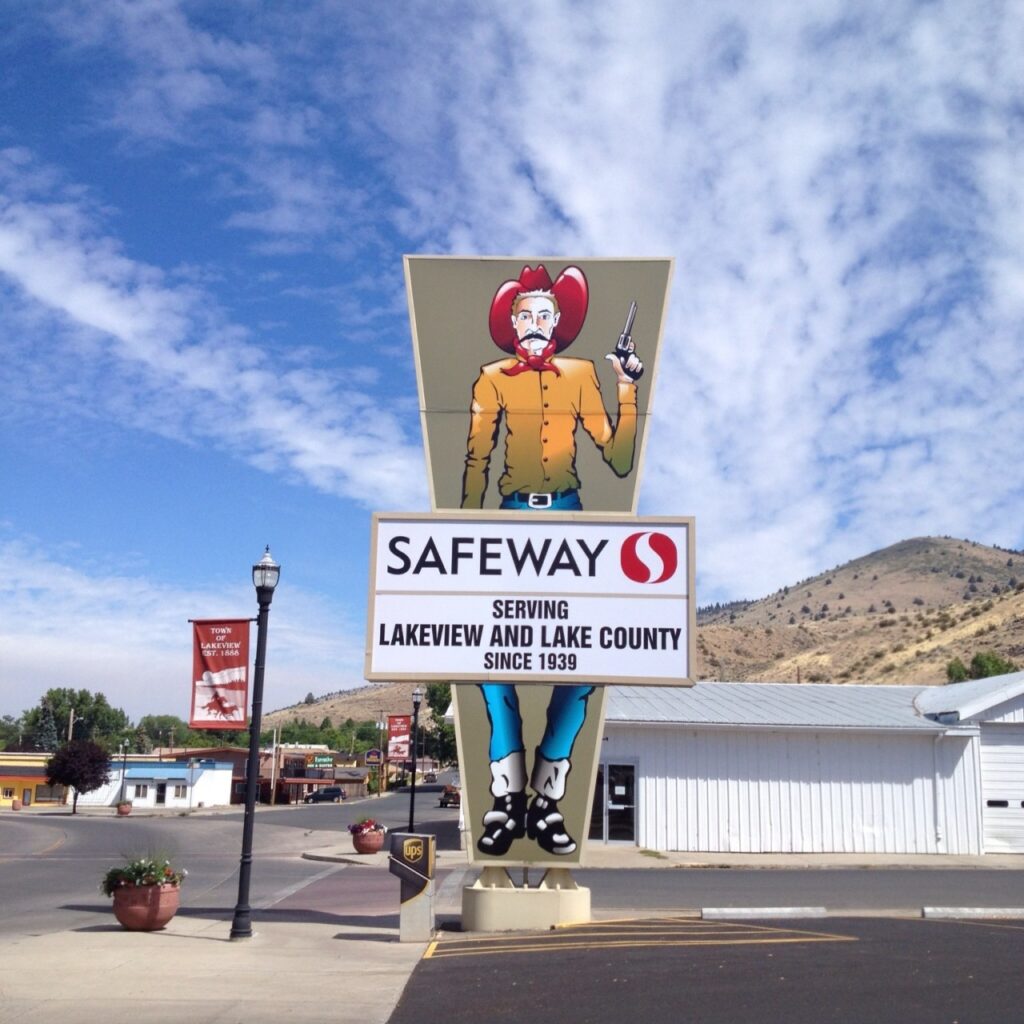
Another quiet transformation is happening in how Safeway uses its physical space. Many stores now function partly as fulfillment hubs for online orders. Employees can often be seen picking items directly from shelves to prepare delivery or pickup orders.
This change reflects the rapid growth of online grocery shopping. Instead of separate warehouses, stores themselves are being used to process orders quickly and efficiently. It helps reduce delivery times and keeps operations flexible.
For in-store shoppers, the experience can feel slightly different. Aisles may be busier with staff gathering items, and some layouts are adjusted to make picking faster. The focus is shifting from browsing to efficiency.
6. Online Shopping Is No Longer Optional

Safeway has been steadily expanding its digital services, including home delivery and curbside pickup. Programs like subscription-based delivery options encourage customers to shop through apps rather than visit stores physically.
This shift is driven by changing consumer habits. Many shoppers now prefer the convenience of ordering groceries from home, especially for routine purchases. Safeway is adapting by investing in logistics and digital platforms.
As a result, the traditional in-store experience is no longer the center of the business. Stores are just one part of a larger ecosystem that includes apps, delivery networks, and automated systems working together.
7. Human Interaction Is Gradually Decreasing
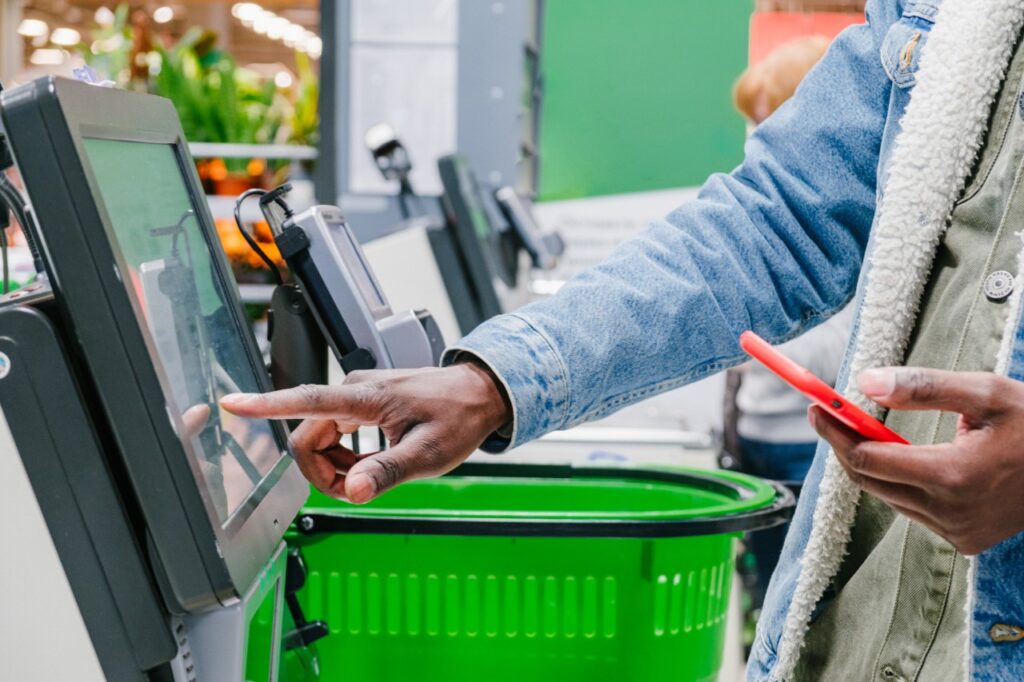
The role of staff inside Safeway stores is evolving. With more self-checkout options and automated systems, there are fewer traditional cashier interactions. This change is largely about efficiency and cost control.
For some shoppers, this offers speed and independence. You can scan and pay quickly without waiting in line. However, others miss the personal touch that comes with human interaction, especially when dealing with issues or special requests.
Interestingly, some locations have even adjusted their approach to self-checkout depending on theft concerns, showing that this shift is still evolving. The balance between automation and service is still being tested.
8. The Overall Store Experience Feels More Functional
Perhaps the most noticeable change is the overall atmosphere. Safeway stores are moving away from a warm, leisurely shopping environment toward a more practical, efficiency-driven layout. Lighting, design, and aisle organization are being updated to support faster movement and clearer visibility.
This makes sense from an operational perspective. A well-lit, streamlined store is easier to navigate and manage. It also aligns with the growing focus on quick trips and online order fulfillment.
For shoppers, though, the experience feels different. The emphasis is no longer on browsing or discovery but on getting in, finding what you need, and leaving quickly. It reflects a broader shift in how grocery shopping fits into everyday life.