Common Grill Cleaning Mistakes That Spread Thick Nightmare Smoke

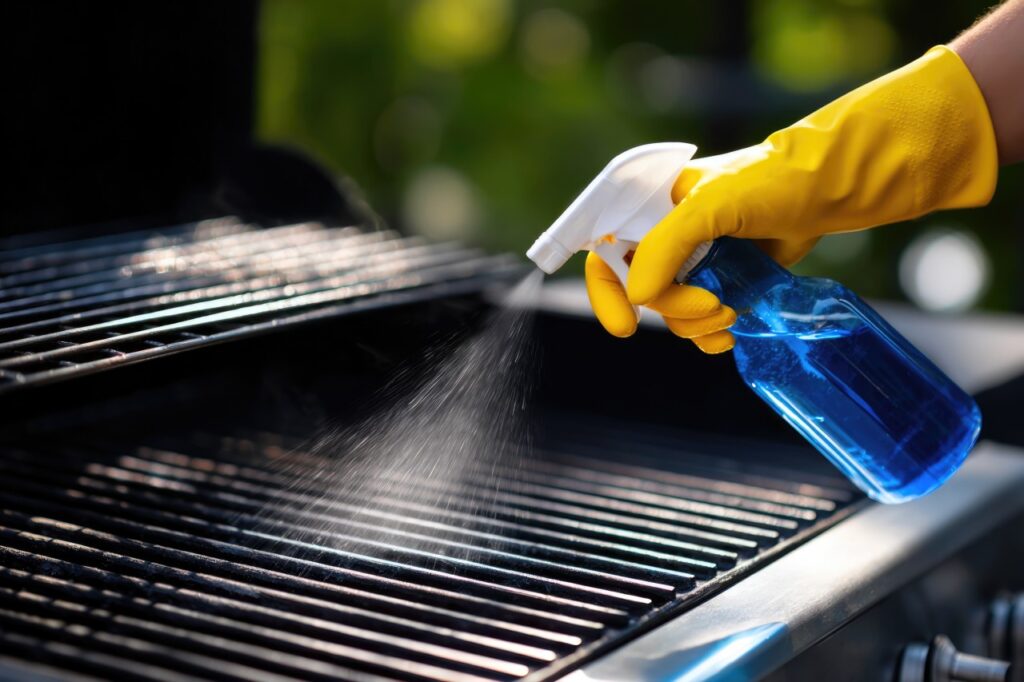
Nothing ruins a backyard cookout faster than a grill that erupts in thick, choking smoke before the food even touches the grates. Many people blame poor charcoal, windy conditions, or cheap equipment, but the real cause usually builds quietly over time. Grease, fat drippings, and food residue collect inside the grill after every cookout, especially when cleaning is rushed or skipped. As these layers thicken, they become fuel waiting to ignite. Once heat is applied, old residue burns aggressively, producing heavy smoke that overwhelms flavors and irritates eyes. What feels like a sudden problem is often the result of many small oversights adding up.
That smoke doesn’t just ruin taste, it signals deeper issues that affect performance and safety. Built-up grease interferes with airflow, causing uneven heat and sudden flare-ups that scorch food. Overlooked parts like drip trays and burner covers trap residue that ignites beneath the cooking surface, sending smoke upward before food even cooks. Learning where smoke really comes from helps grill owners make smarter choices about maintenance. With consistent cleaning and better habits, grills burn cleaner, food tastes better, and outdoor cooking becomes relaxed again instead of stressful. Small routine fixes often prevent the biggest smoke problems before they start.
Why Your Grill Keeps Smoking

Thick, choking smoke is often the first warning sign that something has gone wrong long before the grill is lit. In most cases, the issue has nothing to do with the food itself, but with what remains from earlier cookouts. Grease, rendered fat, marinades, and tiny food particles slowly coat grates, lid walls, and interior surfaces every time the grill is used. When that buildup is reheated, it doesn’t gently smoke, it burns aggressively. Old residue ignites all at once, creating dense clouds that overpower food and cling to everything nearby. What feels like a sudden problem is usually the result of repeated skipped cleanings that allowed fuel to pile up unnoticed.
Smoke problems are also closely tied to airflow, a factor many grill owners overlook. When vents, burners, and interior panels are coated with grease, heat can no longer move freely through the grill. That restricted circulation causes hot spots that burn residue faster and colder zones that encourage grease to pool. Many people assume heavy smoke is just part of grilling, but excessive smoke almost always points to poor maintenance. A properly cleaned grill produces light, steady smoke that enhances flavor rather than ruining it. When smoke stings eyes or turns food bitter, it’s a sign the grill needs attention, not higher heat.
Grease Buildup That Gets Dangerous
Grease buildup is more than a cosmetic problem, it is one of the most common causes of dangerous grill behavior. Every time meat cooks, fat drips and melts, coating grates, burner covers, and the bottom of the grill with a sticky layer that hardens over time. That residue becomes highly flammable fuel. When the grill reaches cooking temperature, old grease doesn’t slowly melt away; it ignites quickly and unevenly. This sudden ignition creates flare-ups that scorch food, spike temperatures, and release thick smoke that can quickly get out of control. What many people see as normal grilling smoke is often grease burning, far hotter than intended.
Drip trays are one of the biggest contributors because they sit out of sight and are easy to forget. As grease collects and pools, trays can overflow or coat nearby surfaces underneath the burners. When heat hits that hidden buildup, it burns directly below the cooking area, producing heavy smoke before food even cooks. This constant exposure to burning grease also stresses metal parts, shortens burner life, and increases the risk of grease fires. Regularly emptying and cleaning trays keeps grease from becoming fuel. Allowing buildup to burn off may seem harmless, but it is one of the fastest ways to turn a simple cookout into a smoky and unsafe situation.
Cleaning Tools That Backfire
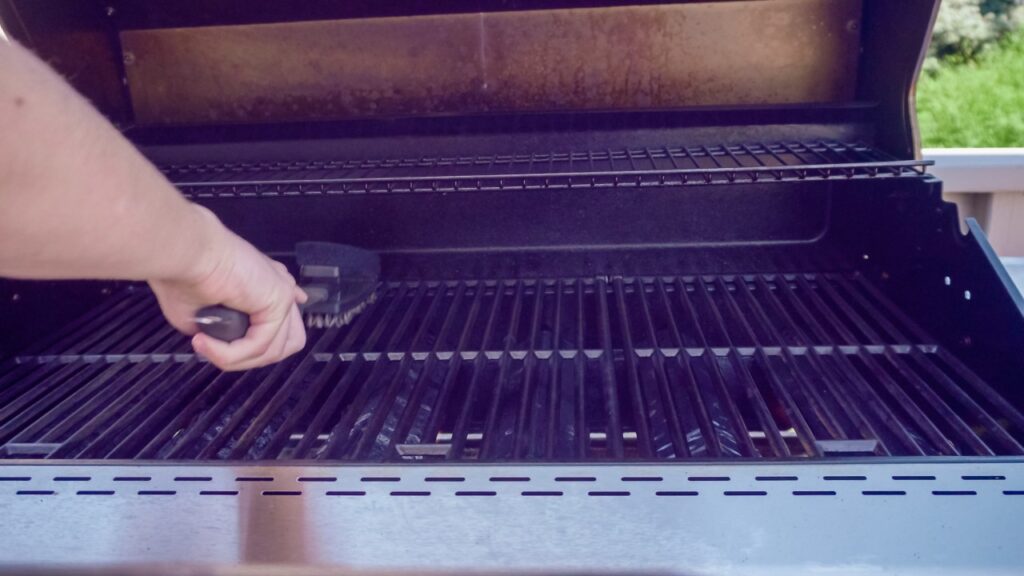
The wrong cleaning tools often create the very smoke problems grill owners are trying to avoid. Wire brushes are a common culprit because their stiff bristles can scrape away protective coatings on grill grates, especially porcelain or enamel finishes. Once those smooth surfaces are damaged, grease no longer slides off easily. Instead, it clings to rough spots and builds up faster with each cook. That trapped residue becomes fuel the next time the grill heats up, producing thicker smoke and stronger flare-ups. What feels like a deep clean at first actually shortens the life of the grates and makes future smoke issues more likely rather than less.
Abrasive pads and worn brushes can also push debris deeper into the grill instead of removing it. Tiny food particles and grease flakes often fall through the grates and settle on burners, heat shields, and interior panels. When the grill is lit again, those leftovers burn beneath the cooking surface, sending smoke upward before the food even starts cooking. Frayed wire bristles introduce another risk, as they can detach and stick to grates or food. Softer brushes, wooden scrapers, and grill-safe pads clean effectively without damaging surfaces. Using the right tools helps prevent buildup, reduces smoke, and keeps the grill performing as intended over time.
Mistakes Made at the Wrong Time
Timing mistakes are one of the most overlooked reasons grills continue to produce heavy smoke even after being cleaned. Scrubbing a grill while it is extremely hot may seem efficient, but high heat can actually bake grease deeper into metal surfaces. Instead of lifting residue away, heat causes fats and sugars to bond tightly, forming a stubborn layer that hardens as the grill cools. This makes future cleaning harder and encourages faster buildup. On the opposite end, waiting until the grill is completely cold allows grease to solidify and stick firmly to grates, burner covers, and drip trays.
The most effective cleaning happens when the grill is warm, not scorching and not cold. At that temperature, grease softens enough to release without spreading or hardening further. Unfortunately, rushed cleanings often miss interior walls, burner shields, and grease channels, allowing residue to linger where it’s hardest to see. Those leftovers become the source of tomorrow’s smoke and flare-ups. Consistent timing turns cleaning into a routine rather than a dreaded task. When residue is removed before it layers, grills heat more evenly, airflow improves, and smoke stays controlled. Cleaning at the right moment prevents small problems from compounding into thick, eye-watering smoke.
Habits That Keep Smoking Under Control
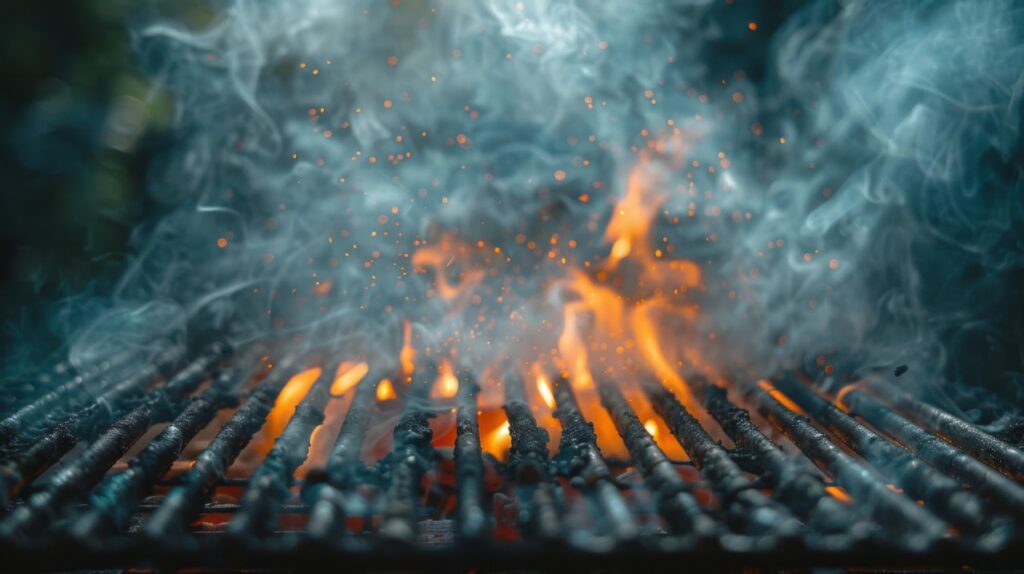
The cleanest grills are rarely spotless, but they are consistently maintained through small habits repeated after every cook. Light cleaning while residue is fresh prevents grease from ever reaching the stage where it produces heavy smoke. Brushing grates gently after use removes food particles before they harden, while wiping interior walls limits buildup that later ignites. Regularly emptying drip trays is especially important, since trapped grease becomes concentrated fuel over time. These simple steps take only minutes but dramatically reduce flare-ups, improve heat distribution, and keep smoke levels manageable during future grilling sessions.
Storage habits play an equally important role in controlling smoke. Leaving a grill exposed allows rain, humidity, and debris to mix with leftover grease, creating sticky grime that burns harsher and faster when reheated. Using a proper cover protects surfaces and slows the breakdown of residue between uses. When cleaning becomes routine rather than occasional, smoke problems fade quickly. The goal isn’t perfection, but control. Consistent care keeps heat steady, airflow clear, and smoke light, allowing food to taste like fire and seasoning instead of old grease. Even small changes in storage can dramatically extend a grill’s performance and safety.
Reference
- Chef Reveals The Most Common Mistakes You’re Making While Cleaning Your Grill – mashed.com
- Common Grill Cleaning Mistakes and Safety Practices – bar-b-clean.com
- The Most Common Grilling Mistakes And How To Avoid Them – huffpost.com