9 One Pot Curries Packed with Spice and Tangy Flavor

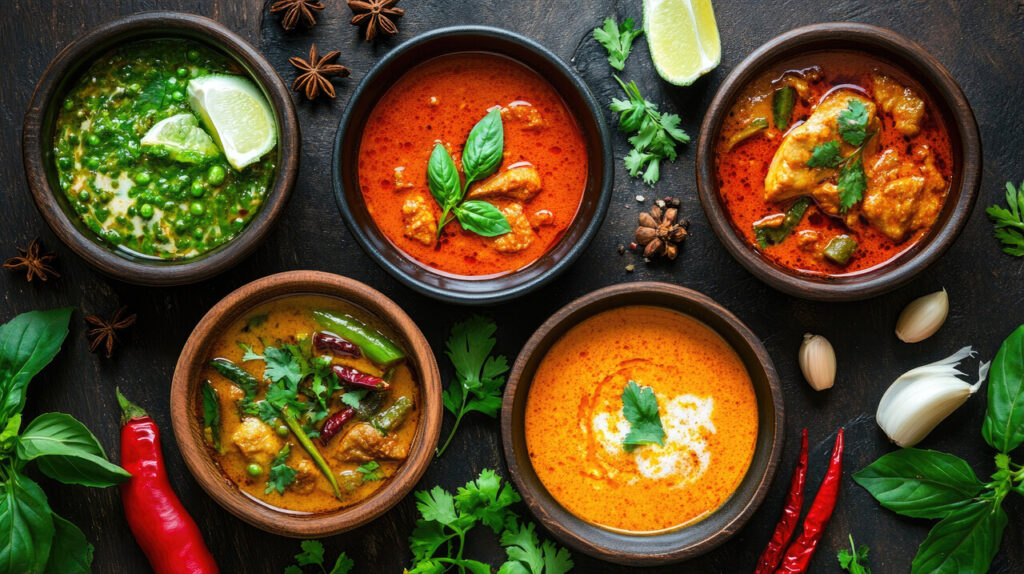
There is something deeply satisfying about a curry that delivers heat and tang in the same spoonful. These one-pot curries are built on bold spices, bright acids, and slow simmering that allows every ingredient to earn its place. From coconut-based gravies sharpened with citrus to vinegar-driven sauces that wake the palate, each dish proves that complexity does not require clutter. Everything cooks together, letting spice, sourness, and aroma blend into a curry that feels cohesive and flavorful. These recipes celebrate balance rather than excess, showing how thoughtful use of chilies, fermented ingredients, and natural acids can create meals that are warming, vibrant, and unforgettable.
1. Thai Green Curry
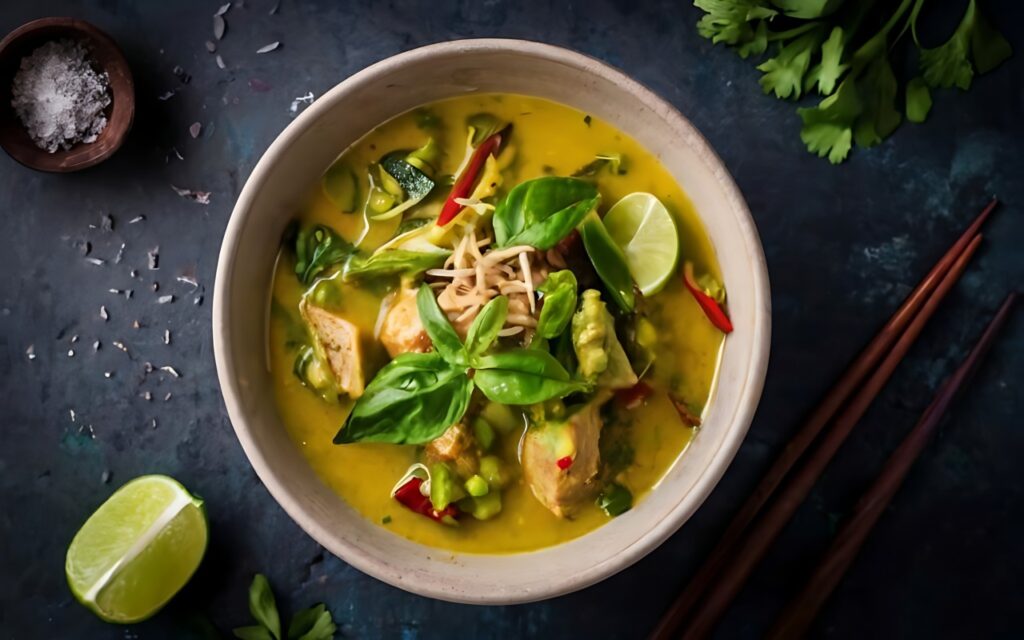
Thai green curry stands out because its heat feels fresh rather than aggressive. The backbone comes from green chilies, lemongrass, galangal, garlic, and coriander roots, all pounded into a paste that releases aroma as soon as it hits hot oil. Coconut milk is added early, not to dull the spice, but to carry it evenly through the dish. Vegetables like eggplant, bamboo shoots, or green beans cook directly in the sauce, soaking up flavor instead of sitting beside it. A splash of lime juice or kaffir lime leaves adds brightness that keeps the curry from tasting flat. Because everything simmers together in one pot, the flavors blend smoothly without losing definition.
2. Goan Fish Curry
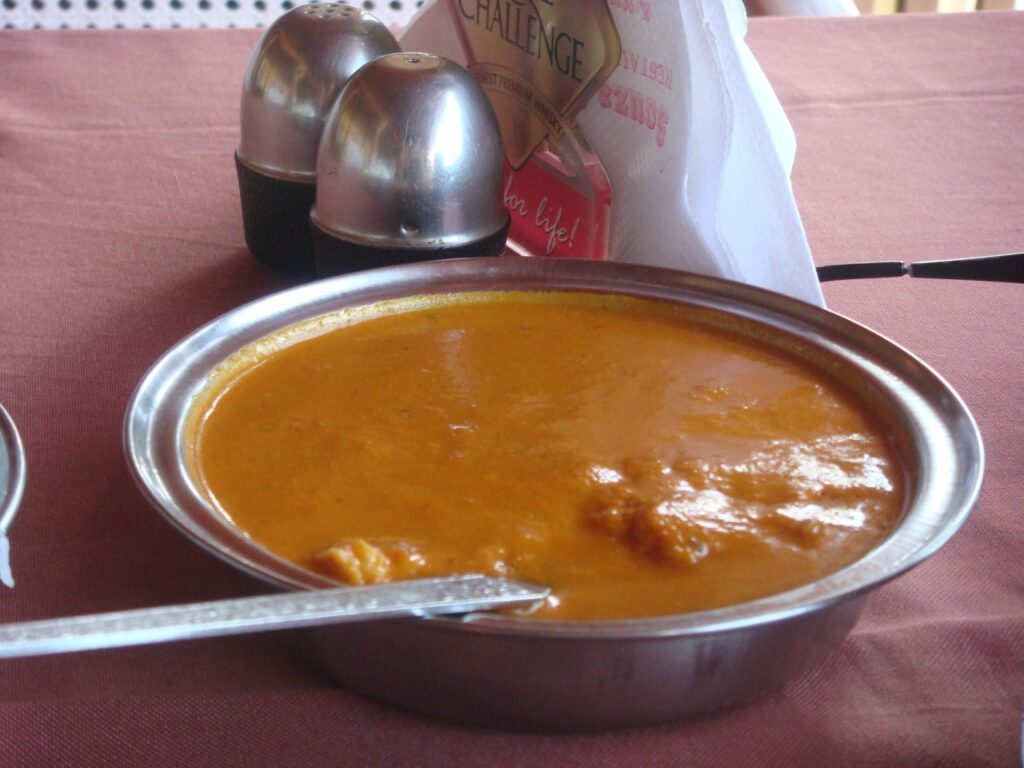
Goan fish curry is built around contrast. The heat from dried red chilies meets sharp sourness from tamarind or kokum, while coconut adds body without sweetness. Fish like kingfish or mackerel cook gently in the sauce, releasing natural oils that enrich the curry rather than thinning it. Spices such as cumin, coriander, and turmeric are used carefully, supporting the sour base instead of competing with it. Cooking everything in one pot matters because fish absorbs flavor quickly. The acidity keeps the curry light, even when served with rice. Fresh curry leaves and garlic add aroma that lifts the entire dish without adding heaviness.
3. Rajasthani Laal Maas
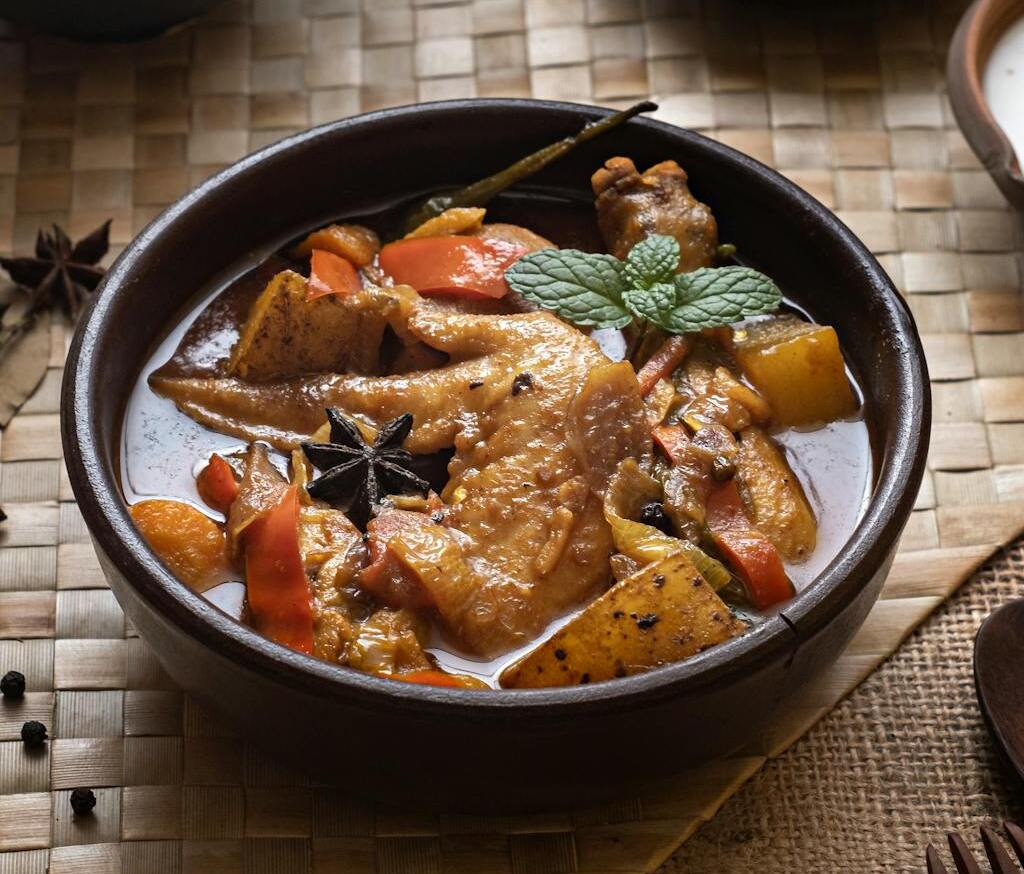
Laal Maas announces itself through color and aroma before the first bite. Its deep red hue comes from dried chilies, traditionally soaked and ground, rather than tomatoes or artificial color. The heat is intense but focused, built slowly as the chilies cook in fat and release their oils. Yogurt adds subtle tang and helps tenderize the meat, usually lamb or goat, while also rounding out the spice. Cooking in one pot allows the meat to soften gradually as the sauce thickens, concentrating flavor without becoming heavy. Unlike many rich curries, Laal Maas stays sharp and savory, not creamy. Its strength lies in restraint, using few ingredients well and letting time do the work.
4. Sri Lankan Sour Fish Curry
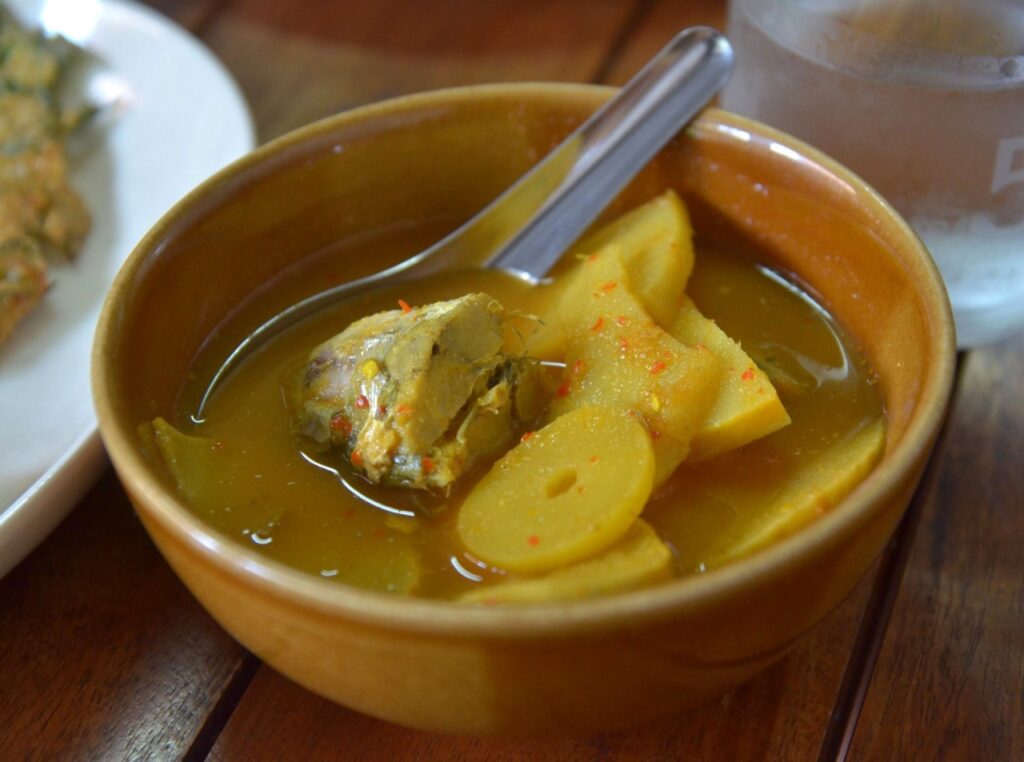
Sri Lankan sour fish curry is defined by clarity. The sauce is thin but deeply flavored, relying on ingredients like garcinia or tamarind to provide sharp acidity. Black pepper, curry leaves, and mustard seeds add warmth and aroma rather than overwhelming heat. Fish is added early and cooks quickly, infusing the broth with flavor while staying firm. Because everything simmers together briefly, the curry tastes clean and direct, with no muddiness from overcooking. The sourness is intentional and strong, meant to stimulate appetite and cut through the richness of rice or coconut sambals. This one-pot method preserves freshness while allowing spice and acid to work in harmony.
5. Malaysian Laksa Curry
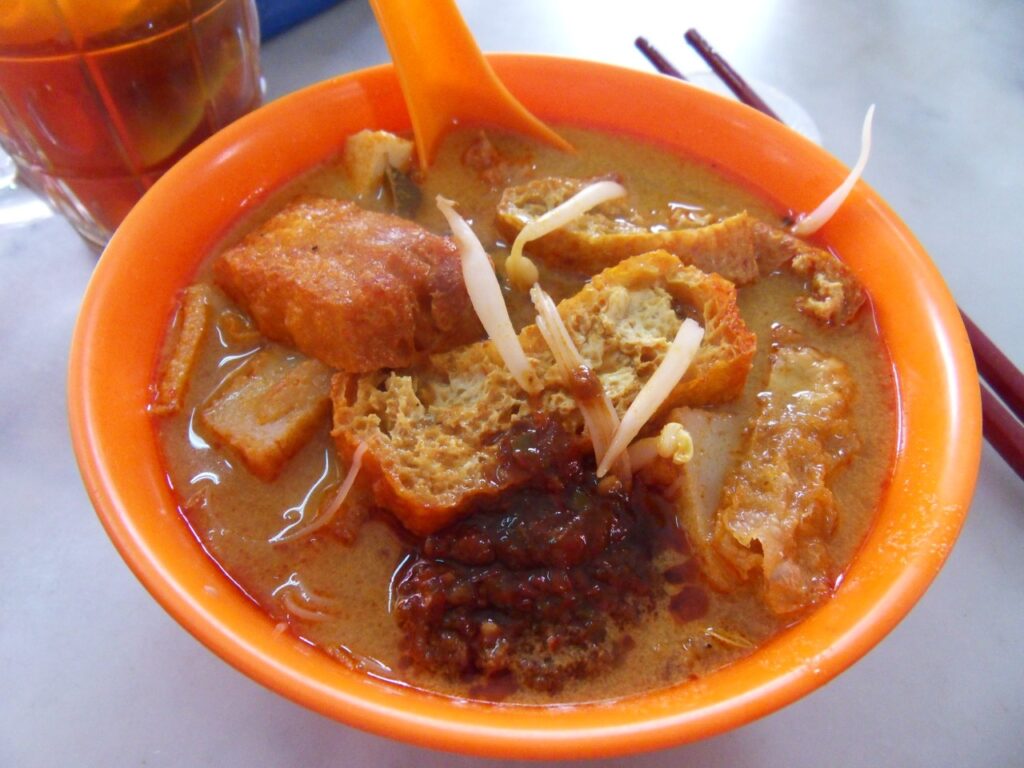
Laksa curry brings complexity without chaos. Its base often includes chili paste, shrimp paste, garlic, and shallots, fried until fragrant before coconut milk and tamarind are added. This creates a balance of heat, umami, and tang that defines the dish. Cooking noodles, seafood, or chicken directly in the broth allows starch and protein to enrich the curry naturally. The tangy edge from tamarind keeps the coconut from tasting heavy, while aromatics like lemongrass add freshness. One-pot cooking matters here because laksa relies on cohesion, not separation. Every component contributes to the final taste.
6. Vindaloo
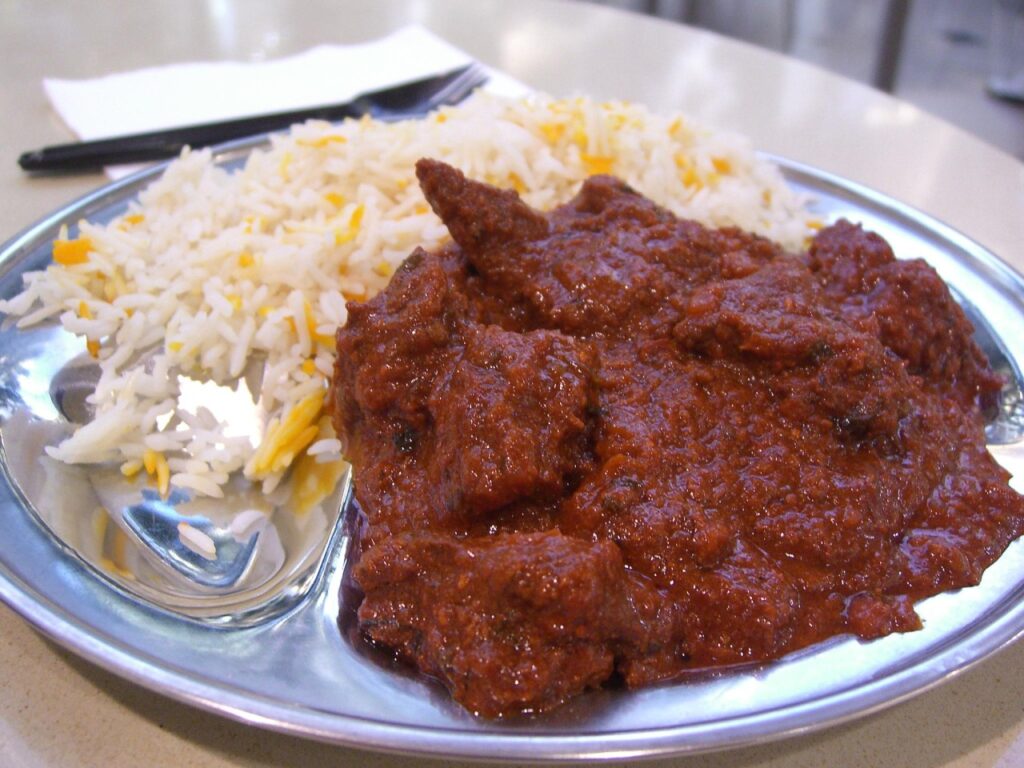
Vindaloo’s reputation for heat often overshadows its defining feature, acidity. Vinegar and garlic form the foundation, giving the curry a sharp, savory bite that sets it apart. Chilies add heat, but the sourness keeps the flavor grounded and balanced. Meat, traditionally pork but often chicken, simmers in the spiced liquid, absorbing flavor while releasing juices that thicken the sauce. Cooking in one pot allows the vinegar to mellow over time, transforming sharpness into depth. The curry becomes more cohesive as it cooks, not harsher. Vindaloo is bold without being greasy, spicy without being muddy.
7. Kerala Mango Curry
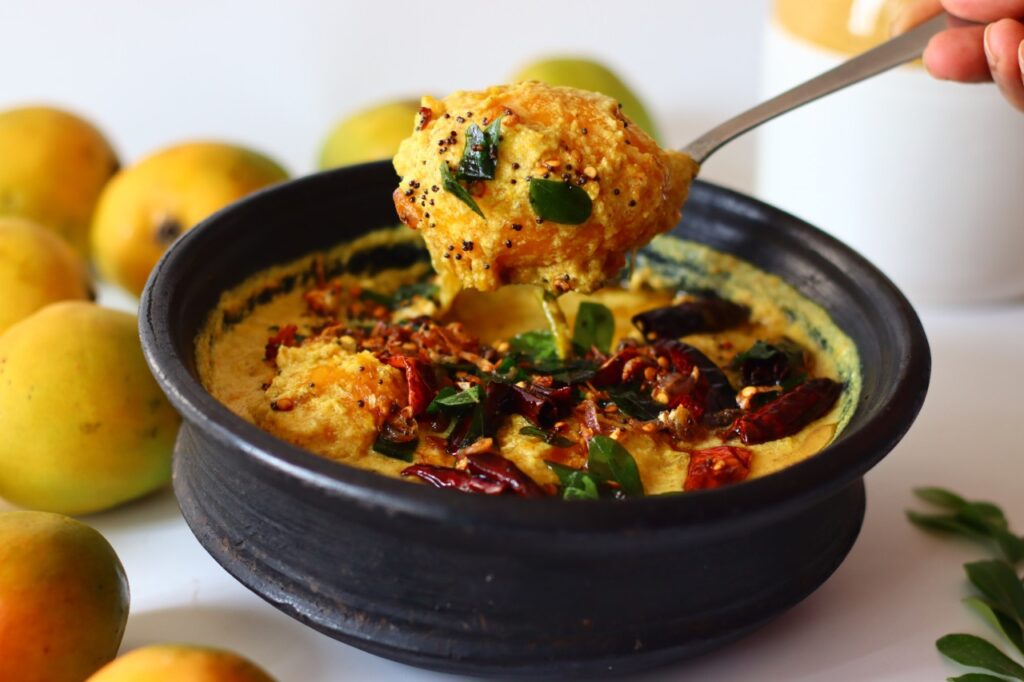
Kerala mango curry uses fruit not for sweetness, but for controlled sourness. Raw mango slices release tartness as they cook, softening into the coconut-based sauce. Mustard seeds, curry leaves, and green chilies provide heat and aroma without overwhelming the mango. Cooking everything in one pot allows the mango to break down naturally, thickening the curry slightly while spreading the tang evenly. Coconut milk or grated coconut adds richness, but the acidity keeps the dish light. This curry feels cooling despite its spice, making it especially appealing in hot weather. The balance of sour, spicy, and creamy flavors shows how restraint and timing can create depth without heaviness.
8. Ethiopian Doro Wat
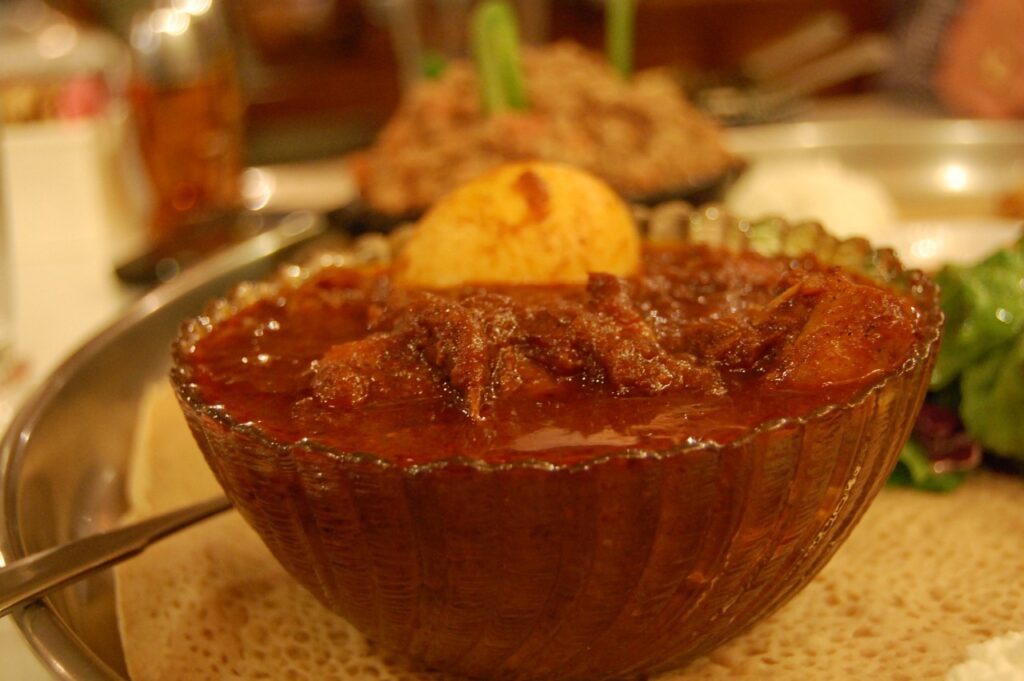
Doro Wat is built on patience. Finely chopped onions cook slowly until they release moisture and turn deeply flavorful, forming the base of the curry. Berbere spice adds heat and warmth, while garlic and ginger build aroma. Lemon juice is used sparingly to cut through the richness and add brightness. Chicken simmers in the thick sauce until tender, absorbing spice rather than sitting in it. Cooking in one pot allows the onions to thicken the curry naturally, eliminating the need for added fats. The result is intense but balanced, with heat, tang, and savory depth working together. Doro Wat feels hearty and comforting while still tasting sharp and alive.
9. Indonesian Rendang (Tangy Style)
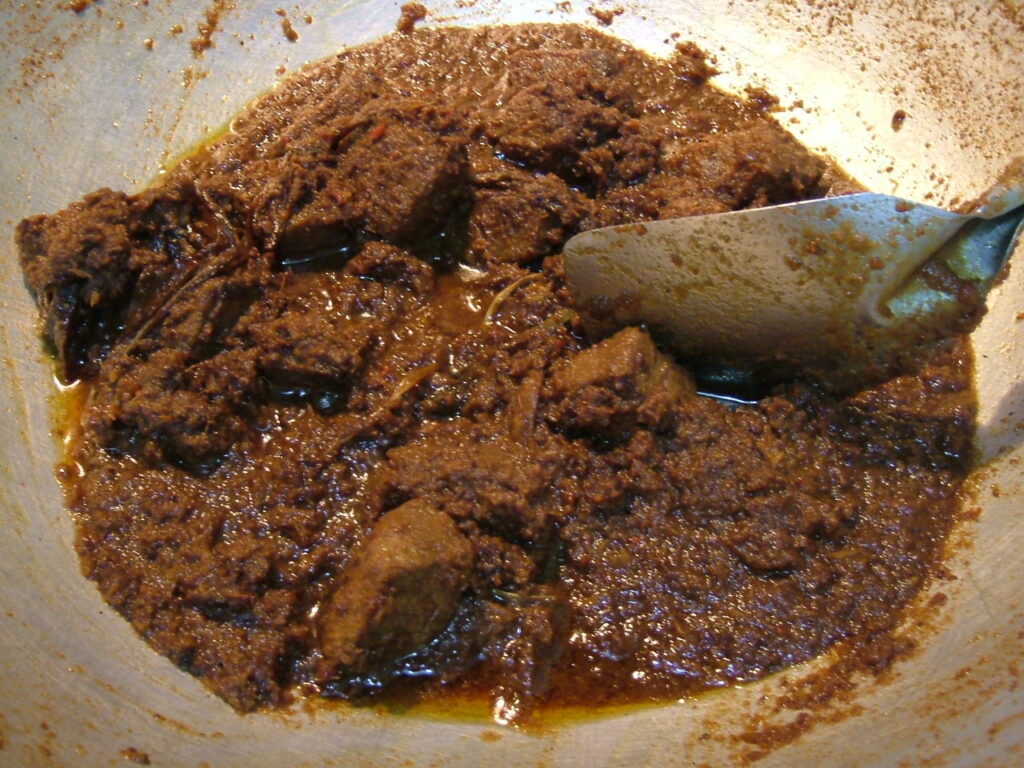
Rendang is often described as rich, but its best versions rely on balance. Tamarind, lime leaves, or other acidic elements keep the long-cooked curry from becoming heavy. Meat simmers in coconut milk and spices, allowing the liquid to reduce and flavors to concentrate. Cooking in one pot is essential because the gradual evaporation transforms the sauce into a coating rather than a broth. The tang cuts through the fat, sharpening the spice and keeping each bite engaging. This careful balance between richness and acidity is what makes rendang deeply satisfying without feeling overwhelming. Proper heat control ensures the spices bloom slowly without scorching, preserving depth and clarity.