10 Classic Midwestern Dishes We Rarely See Anymore

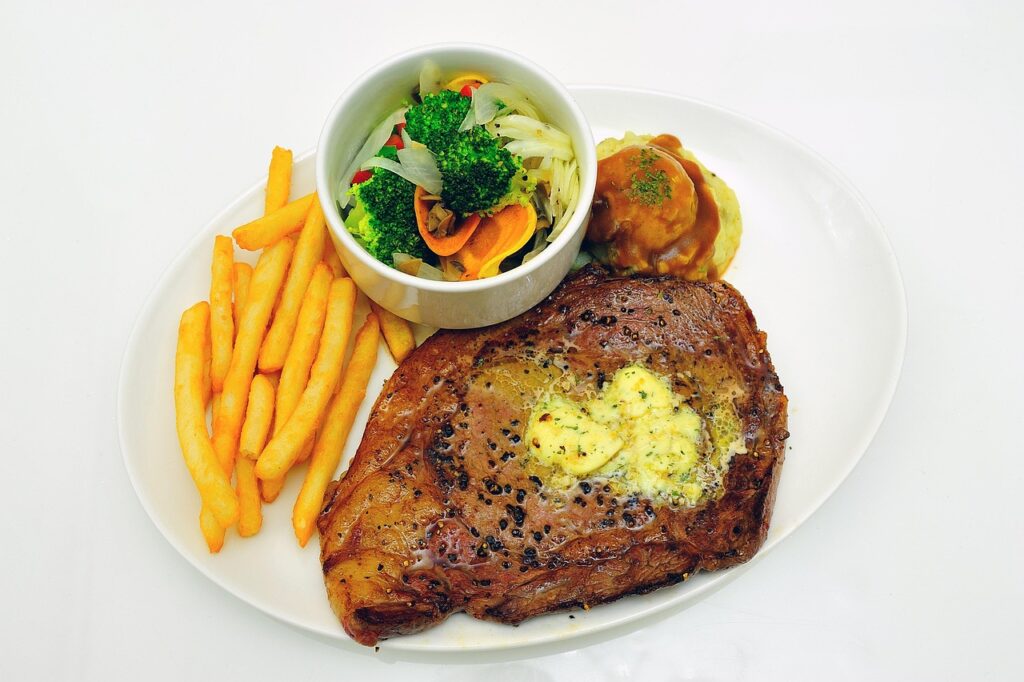
Midwestern cooking was built on practicality, comfort, and making the most of what was available. Many classic dishes reflected family budgets, church suppers, and weeknight routines rather than trends. Over time, changing health standards, ingredient access, and modern preferences pushed some of these meals out of regular rotation. Looking back at these forgotten dishes reveals how regional food traditions evolve and why certain flavors and textures no longer match the way most people cook and eat now.
1. Sloppy Joe
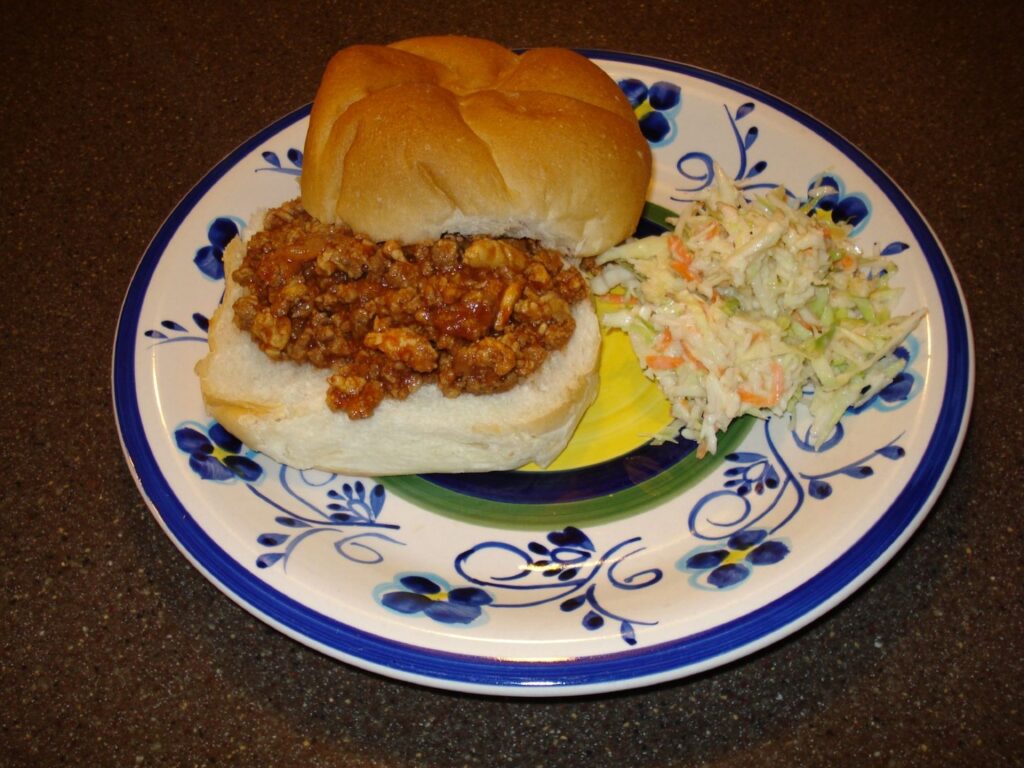
The Sloppy Joe was once a dependable Midwestern dinner because it balanced affordability, speed, and familiarity. Ground beef stretched easily to feed families, and the sweet, savory sauce appealed to both kids and adults. Over time, its reputation suffered as processed versions and overly sugary sauces replaced simple homemade recipes. As tastes shifted toward fresher ingredients and less sugar, the Sloppy Joe began to feel dated rather than comforting. Many households also moved away from loose meat sandwiches in favor of burgers or tacos. Despite its decline, the dish reflects an era when practicality mattered more than presentation.
2. Chicken à la King
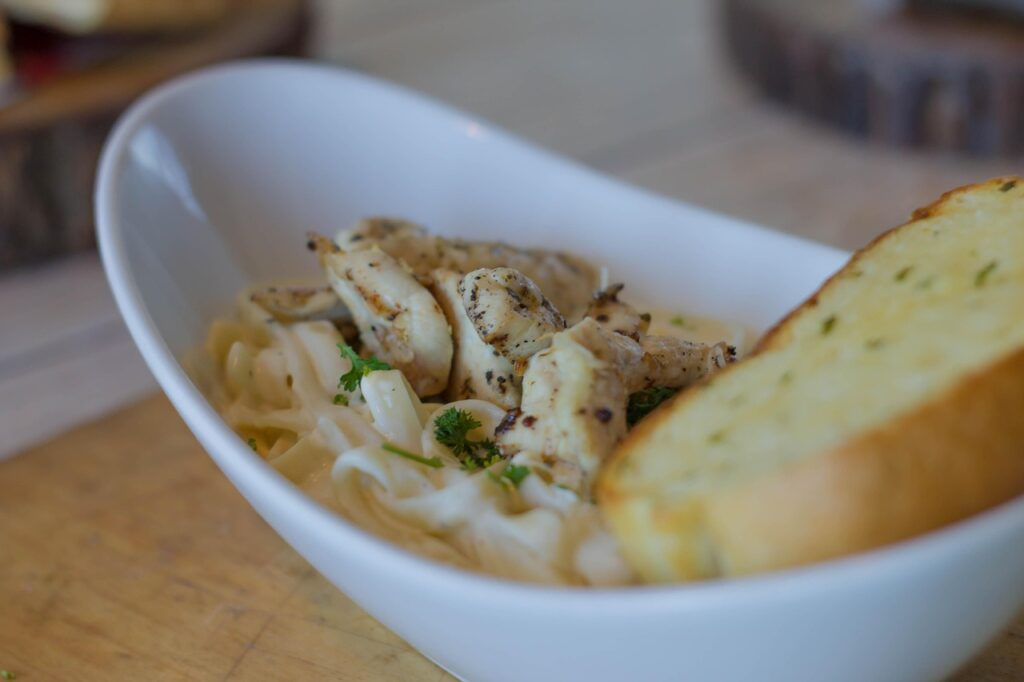
Chicken à la King represents a period when creamy, sauce-driven dishes were considered elegant home cooking. Built on a rich base of butter, cream, and egg yolks, it was meant to feel indulgent and refined. Over time, changing health awareness around heavy dairy and cholesterol pushed it out of regular rotation. The dish also requires careful temperature control to avoid curdling, which makes it less appealing to modern cooks seeking simplicity. As convenience foods evolved, fewer people were willing to manage delicate sauces at home. What was once a sign of hospitality now feels fussy and overly rich.
3. Deviled Ham
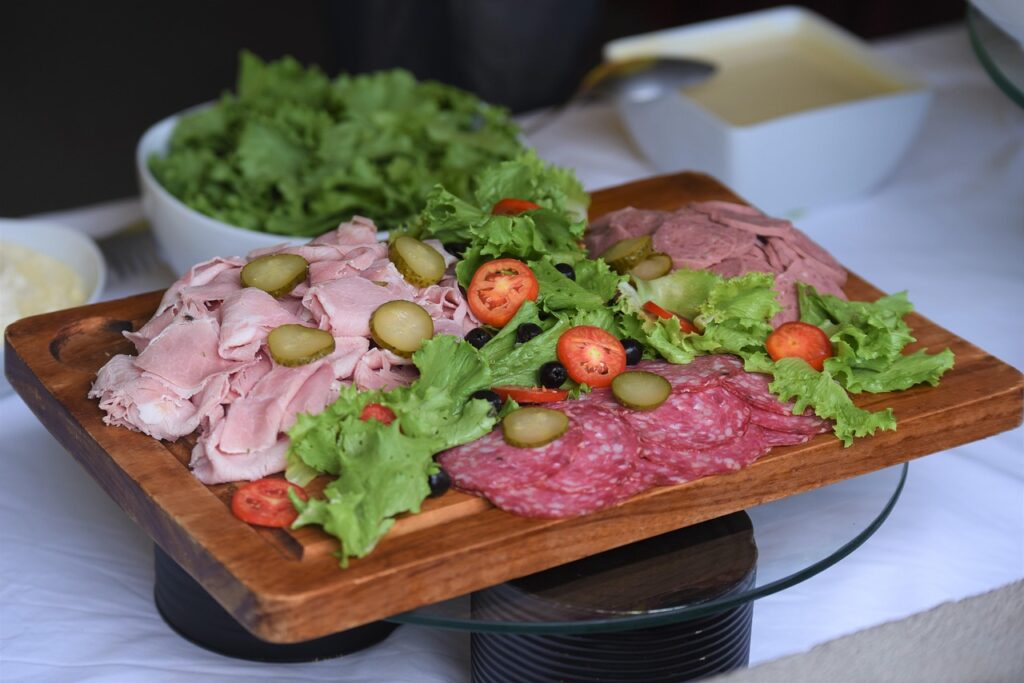
Deviled ham thrived when preservation and thrift defined Midwestern cooking. Minced ham seasoned with mustard and spices turned leftovers into spreads for sandwiches and crackers. As fresh deli meats and pre-sliced options became widely available, the appeal of grinding and seasoning ham at home faded. Texture also played a role, as modern palates favor clean slices over soft spreads. Concerns about sodium and processed meats further reduced its popularity. While still available in canned form, it lacks the cultural presence it once had at lunches and potlucks. Its decline highlights how convenience and perception can erase once common foods.
4. Tuna Casserole
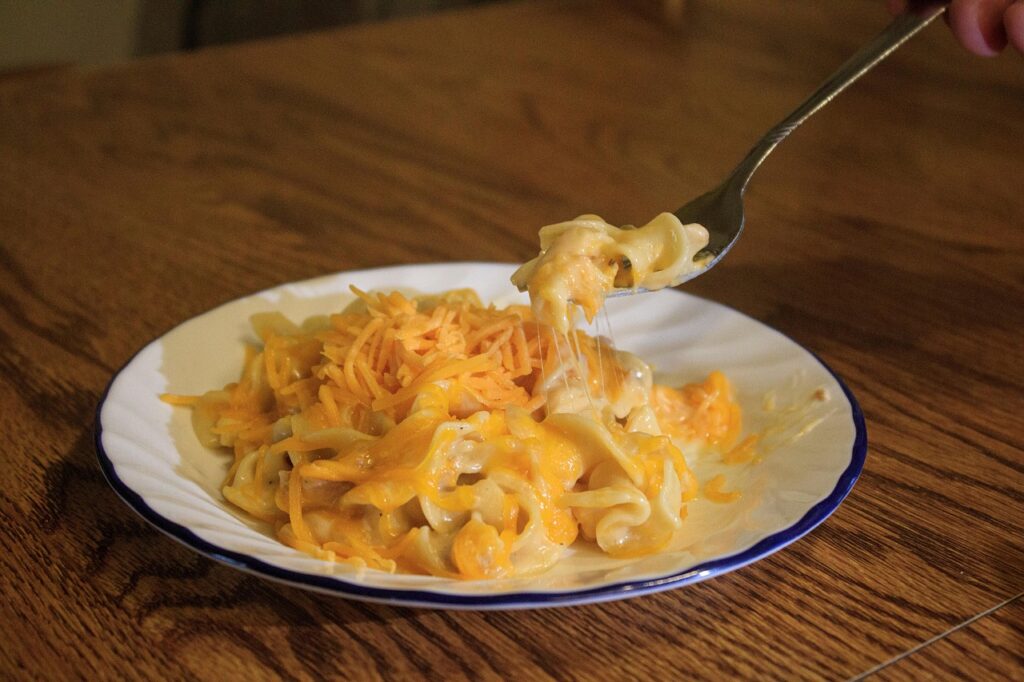
Tuna casserole was a symbol of budget-conscious cooking, especially during times when canned fish and pantry staples were essential. It combined noodles, tuna, and a creamy binder into a filling meal that could stretch across days. As food culture shifted toward fresher proteins and lighter sauces, canned tuna began to feel uninspiring. The casserole’s uniform texture also fell out of favor as people sought contrast and brightness in meals. While still remembered fondly, it is now associated more with necessity than choice. Its absence reflects a move away from one-dish meals built around cans and condensed soups.
5. Steak Diane
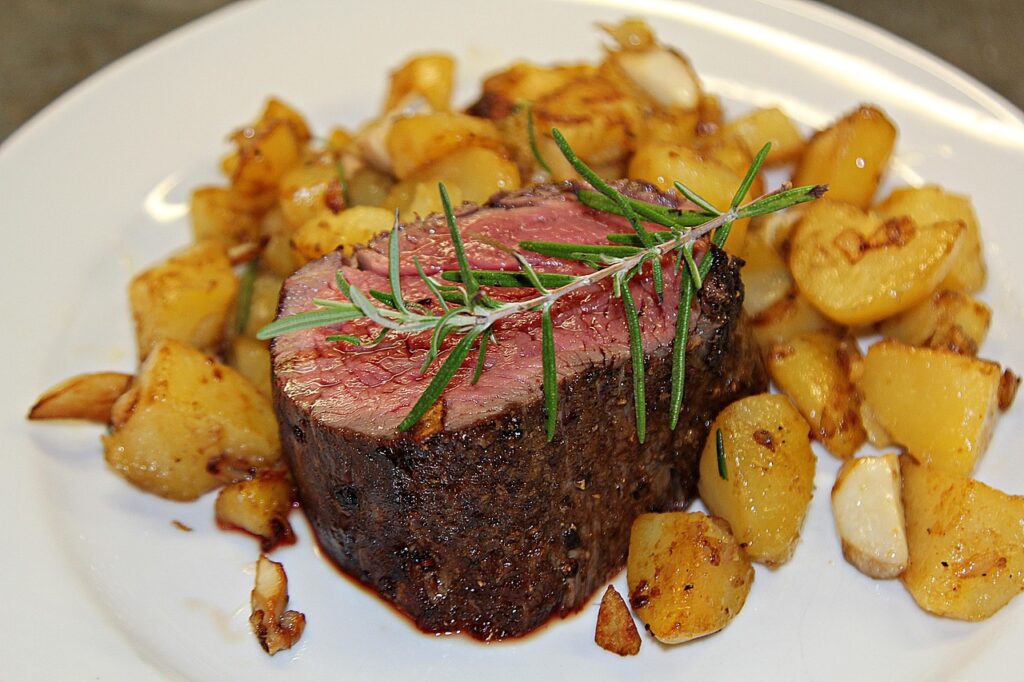
Steak Diane brought restaurant flair into Midwestern dining rooms with its tableside theatrics and rich sauce. The dish relies on pan sauces, butter, cream, and sometimes flambéing, all of which demand confidence and timing. As home cooking trends shifted toward casual and minimal prep, such elaborate steps became less attractive. The cost of quality steak also made it less accessible for everyday meals. Over time, simpler preparations involving other ingredients replaced sauced steaks. Steak Diane’s disappearance mirrors the decline of formal home entertaining and the move toward straightforward cooking styles.
6. Chili with a Cinnamon Roll

This combination may seem unusual outside the Midwest, but it was once a beloved school lunch pairing. The sweetness of the roll balanced the spice of the chili, creating a complete meal that felt comforting and filling. As school nutrition standards changed and regional traditions faded, the pairing became less common. New generations often encounter chili alone, without the sweet counterpoint. The dish also relies heavily on nostalgia, which does not translate easily into modern menus. Its rarity today reflects how institutional food traditions can vanish quietly when policies and preferences shift.
7. Creamed Chipped Beef on Toast
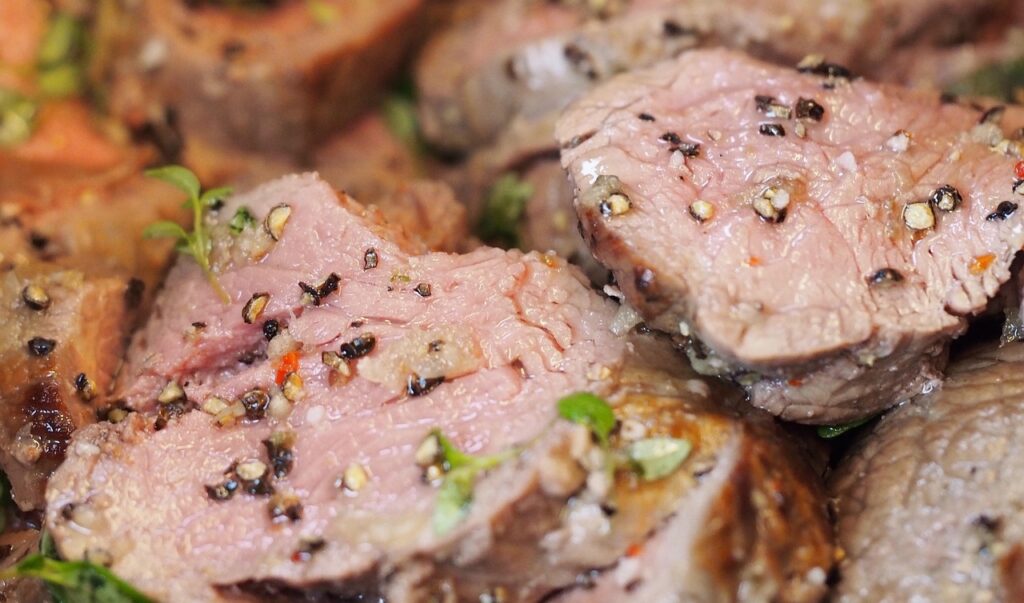
Creamed chipped beef on toast was valued for its simplicity and ability to use shelf stable ingredients. Thin slices of dried beef folded into a creamy sauce provided protein and warmth at low cost. As refrigeration improved and fresh meats became standard, dried beef lost relevance. The dish’s salty profile also clashed with modern health guidelines. While still remembered by older generations, it feels heavy and monotone to many younger cooks. Its decline illustrates how preservation methods shape cuisine and how those dishes fade when the methods are no longer needed. The rise of fresher breakfast options also pushed it aside.
8. Jello Salad

Jello salad once represented creativity and celebration, especially at Midwestern potlucks and holidays. Gelatin allowed cooks to suspend fruit, marshmallows, and even vegetables in visually striking forms. As tastes evolved, texture became a barrier rather than a novelty. Modern diners often find gelatin based dishes artificial or confusing. The rise of fresh fruit desserts and lighter sides pushed Jello salad away. While it remains iconic in memory, it is now more symbolic than practical. Its disappearance reflects changing ideas of what feels appetizing. Today, it often appears only as a nostalgic reference rather than a serious menu choice.
9. Waldorf Salad
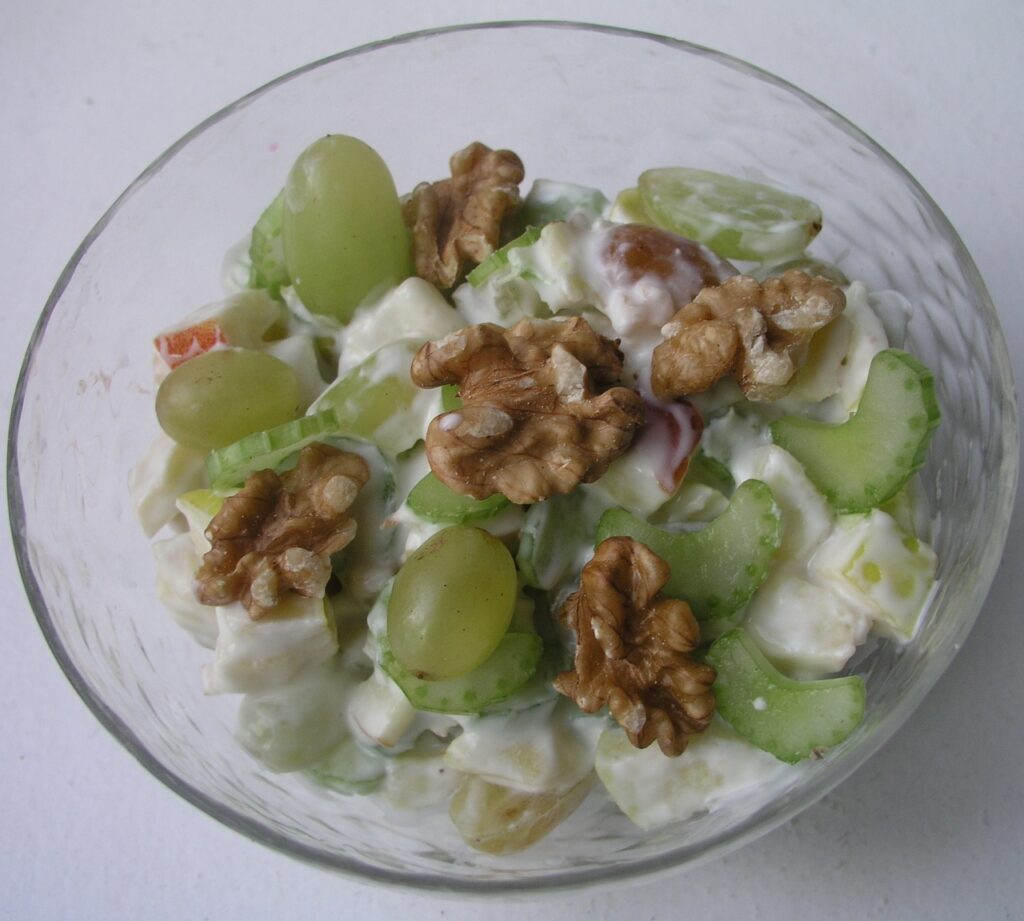
Waldorf salad combined fruit, nuts, and mayonnaise into a dish that once felt sophisticated and refreshing. Over time, mayonnaise based fruit salads fell out of favor as lighter dressings and vinaigrettes became popular. The contrast between sweet fruit and creamy dressing now feels dated to many palates. Ingredient availability also improved, making simpler fruit preparations more appealing. While still served occasionally, Waldorf salad no longer holds a central place at Midwestern tables. Its decline shows how subtle shifts in texture preference can redefine what feels modern. What once signaled elegance now feels more like a relic of another era.
10. Johnny Marzetti
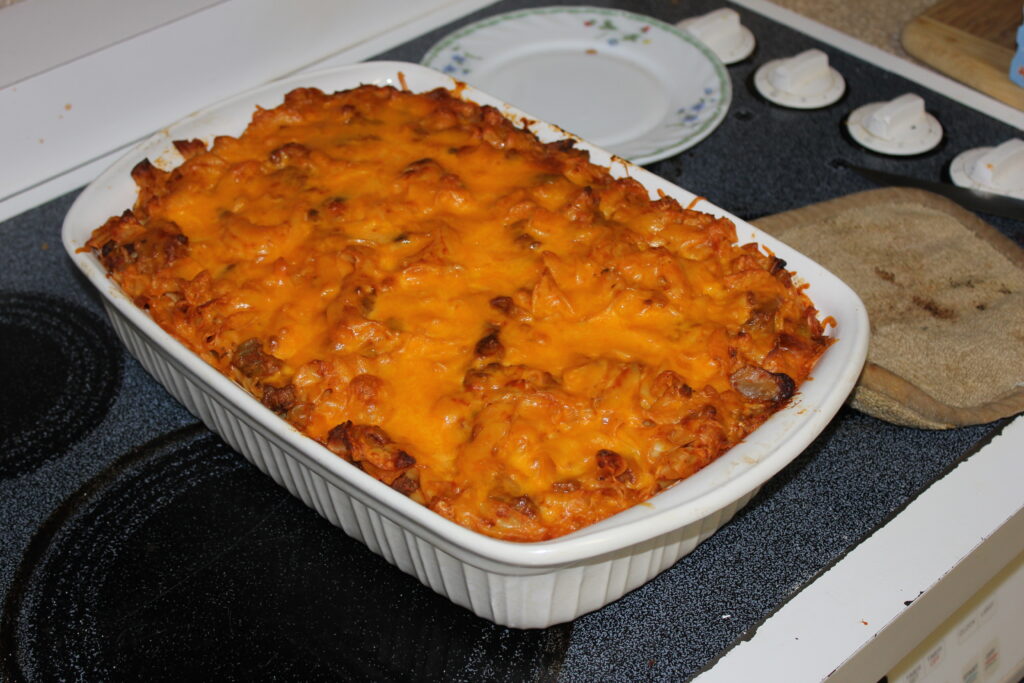
Johnny Marzetti was a practical casserole designed to feed many with minimal expense. Pasta, ground meat, tomato sauce, and cheese came together in a single dish that reheated well. As cooking diversified and global flavors became common, this straightforward combination began to feel bland. Younger generations often prefer more defined seasoning and variety within meals. The casserole also reflects an era when efficiency outweighed individuality. While still cherished in certain regions, Johnny Marzetti has largely become a nostalgic reference rather than a regular meal, signaling how food traditions evolve as expectations change.