Something Is Changing in Target Grocery Aisles and You Can See It

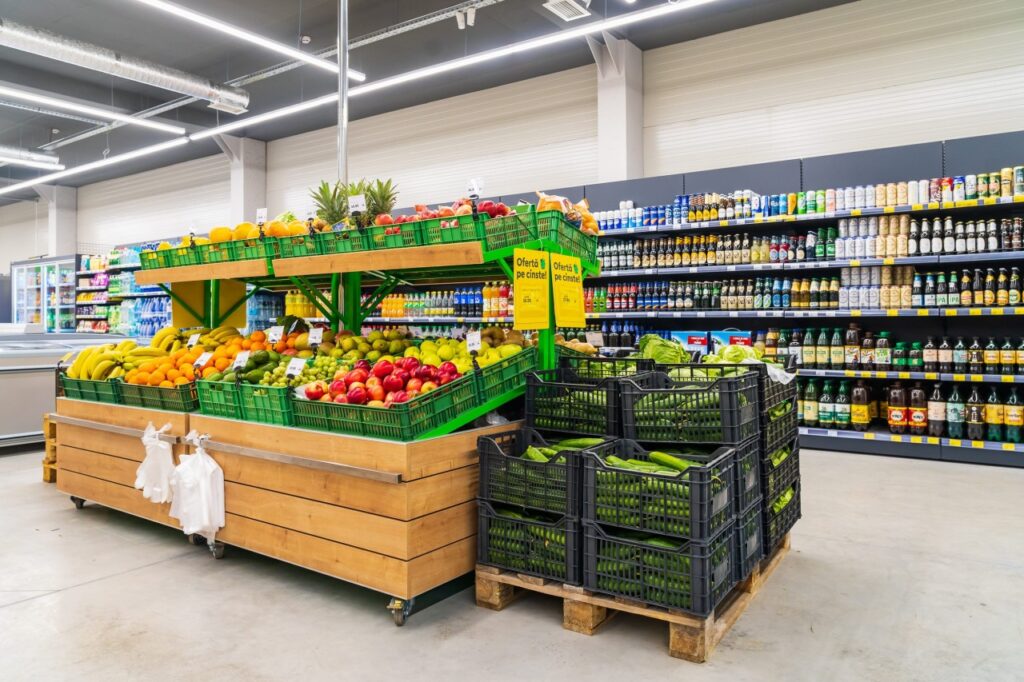
Something is shifting inside the grocery aisles at Target, and regular shoppers are starting to notice. What once felt like a secondary section is now more focused, strategic, and central to the overall shopping experience.
As you move through the aisles, the changes appear in small but meaningful ways. From the products on display to how shelves are arranged, everything feels more intentional. The balance between convenience, pricing, and variety is being adjusted.
These updates are not random. They reflect a broader effort to redefine how grocery shopping fits into Target’s identity. Understanding them explains why the experience feels different and what it means for future visits.
1. Store Brands Are Taking Center Stage
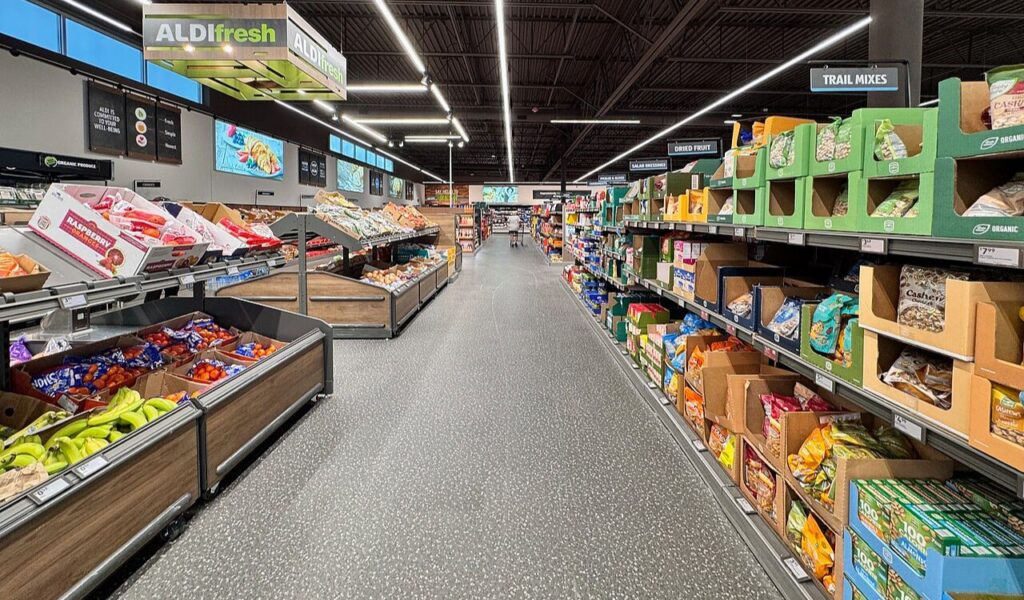
Walk into the grocery section at Target, and you will quickly notice more in-house labels on the shelves. Brands like Good & Gather and Favorite Day are no longer side options. They are becoming the main focus across many categories.
This shift allows Target to control pricing, quality, and supply more directly. By reducing reliance on national brands, the company can offer products that meet its standards while keeping costs competitive. It also gives more flexibility in responding to trends.
For shoppers, this means more consistent pricing and a growing range of exclusive items. Over time, these store brands are becoming trusted choices rather than simple alternatives.
2. Shelf Space Is Being Rebalanced
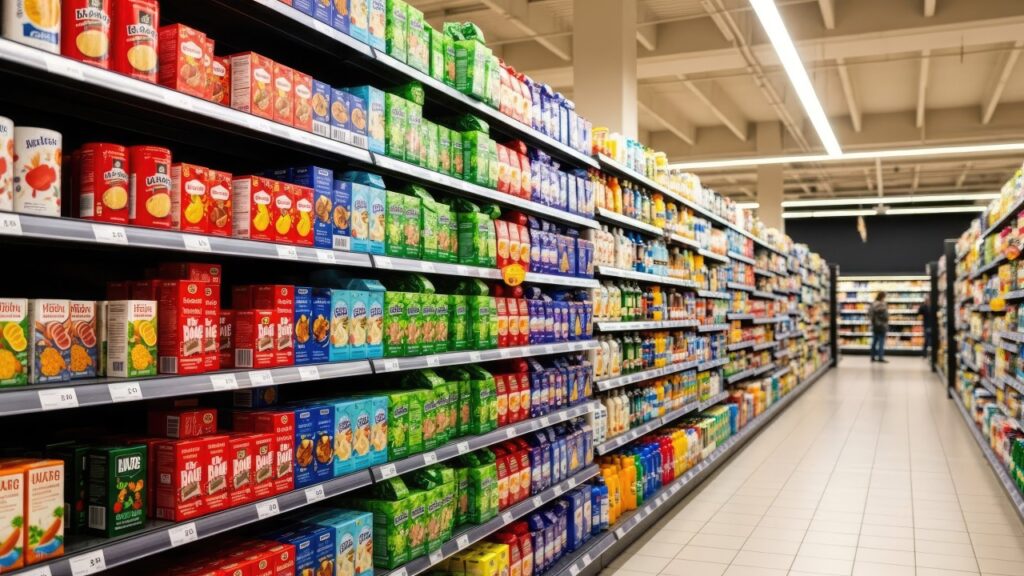
Another noticeable change is how shelf space is allocated. Target is giving more room to its own brands and exclusive products, while some national brands are being reduced or repositioned. This is a strategic move rather than a random adjustment.
Controlling shelf space allows the company to highlight items with better margins and stronger brand alignment. It also helps simplify choices for customers by focusing on curated selections instead of overwhelming variety.
For shoppers, the experience feels more streamlined. While there may be fewer options in some categories, the products that remain are often more aligned with Target’s pricing and quality goals.
3. Everyday Essentials Are Getting More Attention
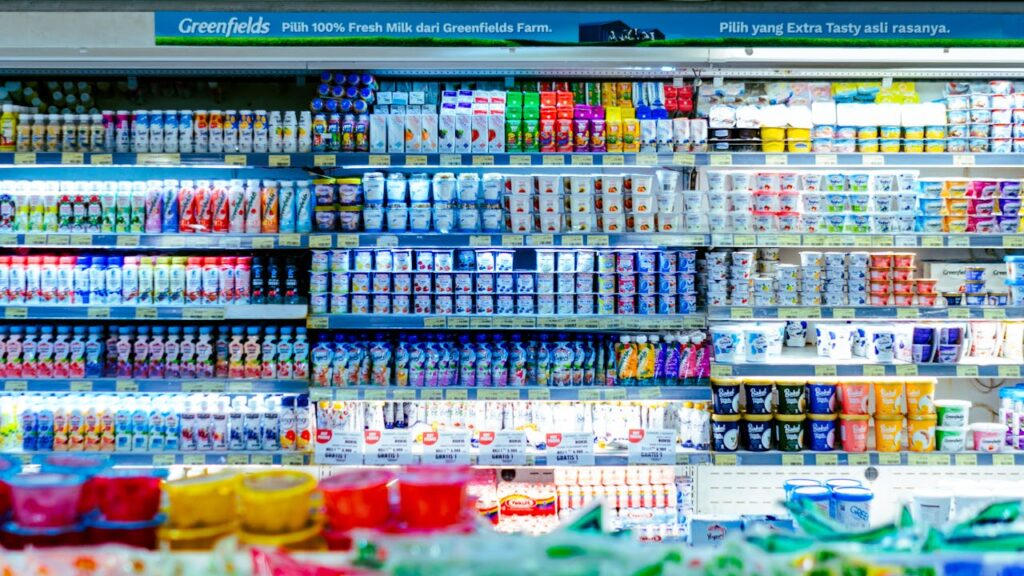
Target is placing a stronger emphasis on affordable grocery staples. Items like milk, eggs, bread, and pantry basics are being priced more competitively to attract regular shoppers. This reflects increased competition from discount grocery chains.
By focusing on essentials, Target aims to become a more practical stop for routine shopping rather than just a place for occasional purchases. Competitive pricing on these items encourages repeat visits.
For customers, this makes grocery shopping at Target more viable for everyday needs. It shifts the perception from a convenience stop to a more complete grocery destination.
4. Layouts Are Designed for Faster Trips
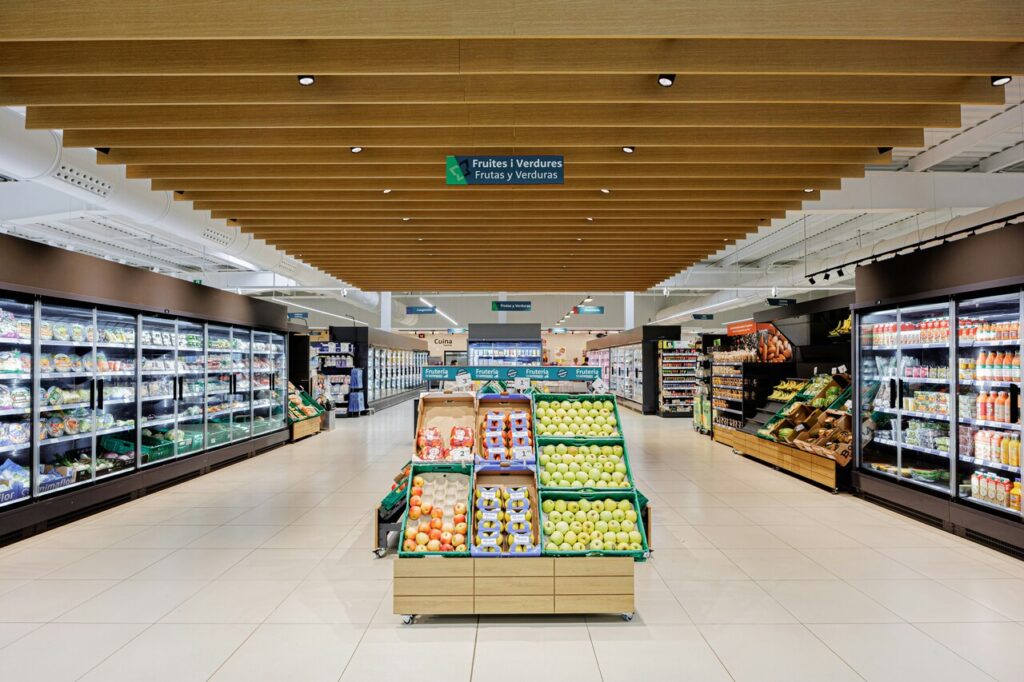
The way grocery aisles are arranged at Target is evolving to support quicker, more efficient shopping trips, especially for customers who come in with a short list of essentials. The focus is on reducing time spent navigating the store.
High-demand products are placed in easy-to-reach areas, and pathways are designed to minimize unnecessary movement. This helps shoppers locate items faster without walking through every section, making the experience more direct and less tiring.
This change reflects modern shopping habits. Many customers prefer quick visits rather than long browsing sessions. The updated layouts support this shift, helping shoppers move in, find what they need, and leave without delays or confusion.
5. Online Orders Are Blending Into Store Shopping
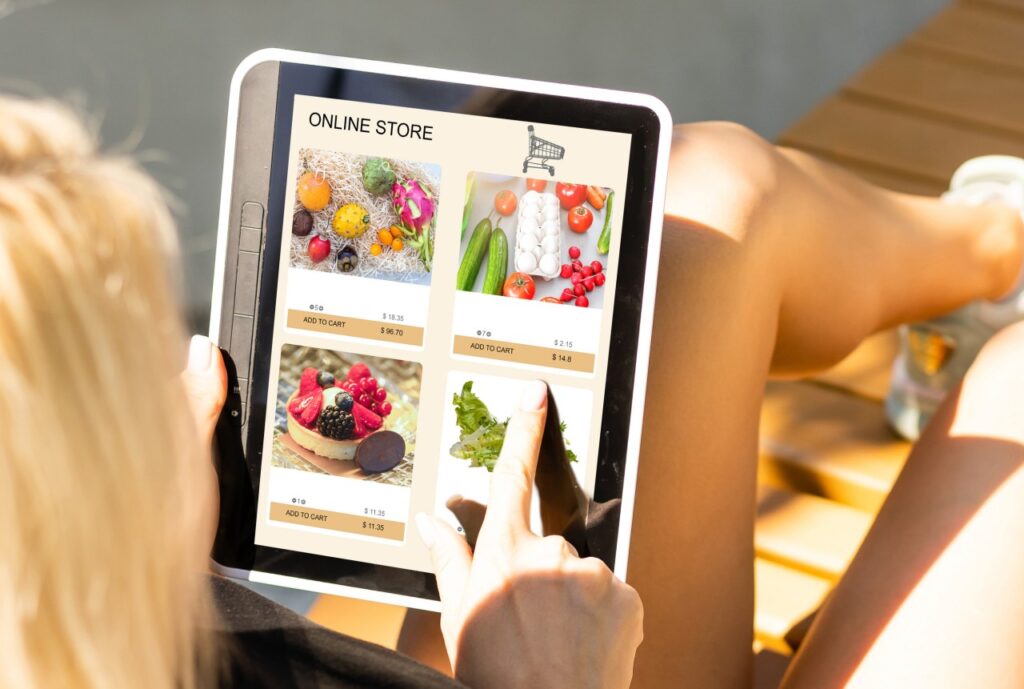
A growing presence of online order fulfillment is shaping what happens inside Target stores. Employees picking items for Drive Up and delivery orders are now a regular part of the grocery aisle environment.
This integration allows stores to function as local fulfillment hubs, speeding up order processing and improving delivery times. It also helps maintain better inventory flow, since products are constantly being tracked and moved.
For in-store shoppers, this slightly changes the experience. Aisles may feel busier at times, but the tradeoff is faster service overall. It also ensures that products are restocked and managed more efficiently throughout the day.
6. Pricing Is Becoming More Responsive
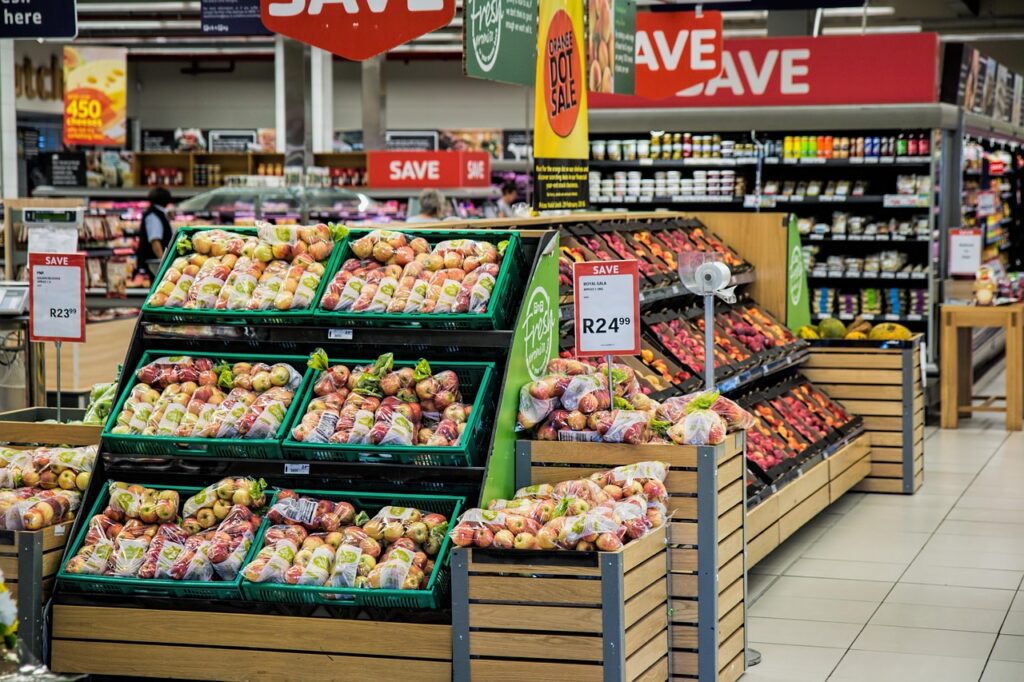
Target is adjusting how it handles pricing, making it more competitive and flexible across grocery categories. Promotions, discounts, and price matching are used more actively to keep pace with both traditional supermarkets and discount chains.
This approach allows the company to respond quickly to changing market conditions and customer expectations. Prices may shift more often, especially on popular or frequently purchased items.
For shoppers, this can lead to better deals and savings opportunities. However, it also means paying closer attention to offers and timing purchases. The goal is to balance value with consistency while staying competitive.
7. Seasonal and Trend Items Are More Visible
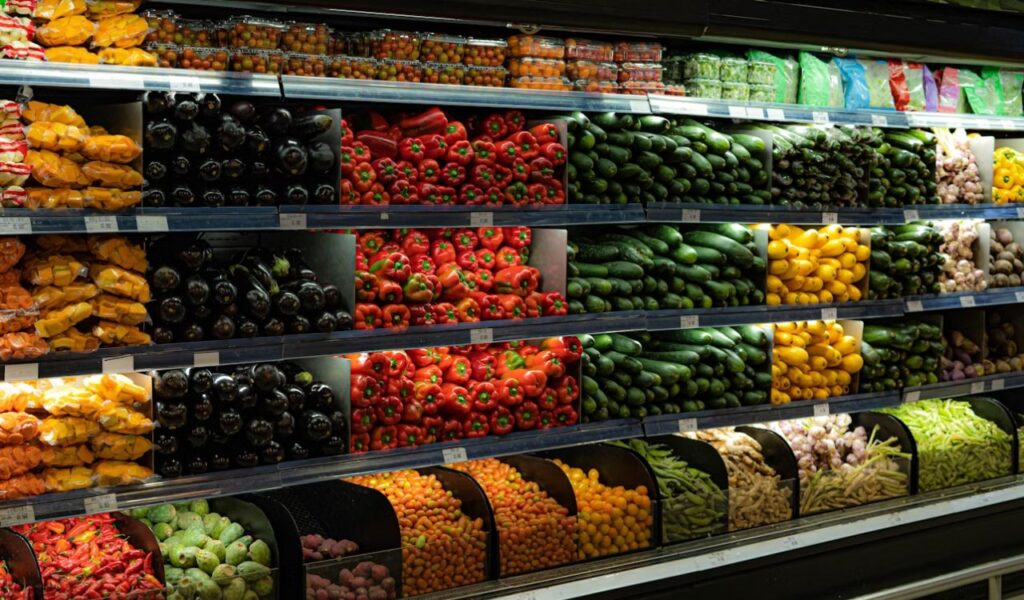
Target is placing greater emphasis on seasonal and trend-driven food products. Limited-time items, holiday-themed snacks, and trending flavors are displayed more prominently to capture attention.
This strategy keeps the grocery section feeling fresh and engaging throughout the year. It encourages discovery and impulse buying while allowing the store to quickly adapt to changing preferences and food trends.
For shoppers, this adds variety to routine trips. Alongside everyday essentials, there is always something new to explore, making each visit feel slightly different and more interesting without overwhelming the experience.