11 Fried Snacks You Should Enjoy Only Once in a While

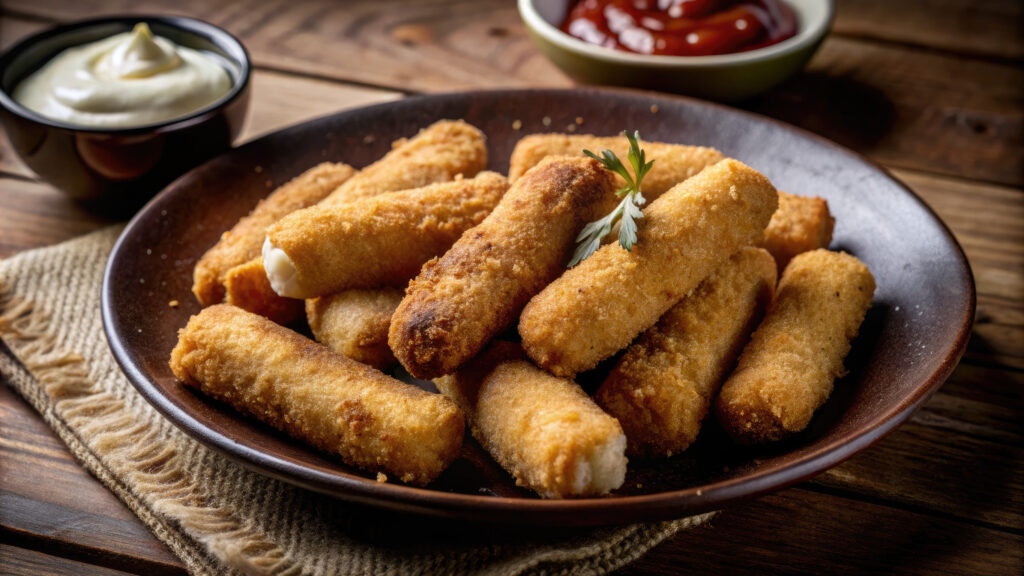
Fried snacks have a way of drawing us in. The crunch, the aroma, and the instant satisfaction make them feel like harmless little rewards. They appear at celebrations, street stalls, and comfort-food moments when we crave something warm and familiar. But beneath that golden exterior, fried snacks carry more weight than they let on. Oil, refined carbohydrates, and high heat change how foods affect the body, making them richer and more taxing than they appear. These snacks are not meant to be off-limits, but they are best enjoyed with awareness. Knowing when to indulge and when to pause helps keep pleasure from turning into discomfort.
1. French Fries
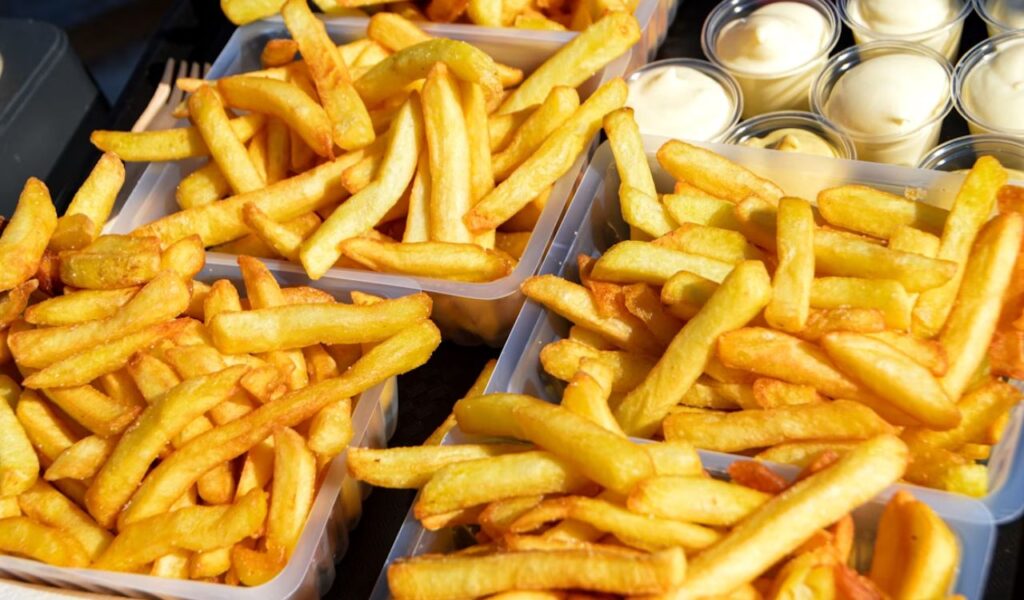
Few snacks feel as universally tempting as French fries. They are inexpensive, widely available, and engineered to deliver crunch followed by softness. The problem lies in how they are made and eaten. Fries are typically cut from starchy potatoes and fried in oil at high temperatures, which dramatically increases calorie density. During frying, potatoes absorb fat while losing moisture, turning a simple vegetable into a refined carbohydrate soaked in oil. Salt is added generously to enhance flavor and drive repeat eating. Because fries digest quickly and lack fiber or protein, they do little to promote fullness.
2. Fried Chicken Wings
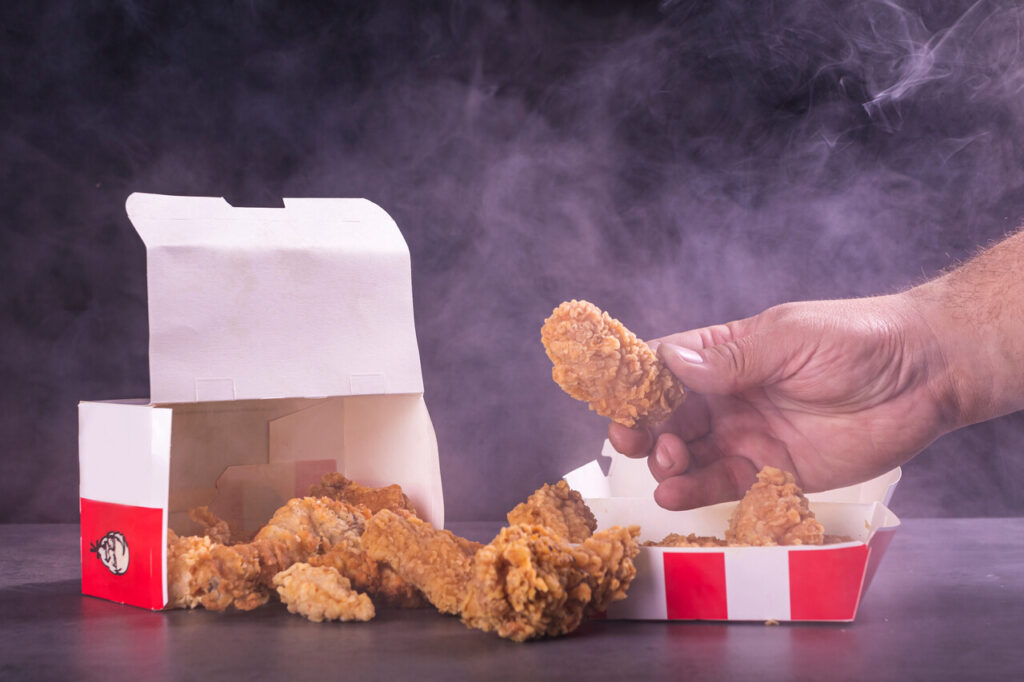
Fried chicken wings are often seen as a casual snack, but nutritionally they behave more like a heavy meal. The skin and breading absorb oil during frying, significantly increasing fat content. Wings are also commonly seasoned with salty coatings or sauces that raise sodium levels. Because they are small and eaten by hand, portion control becomes difficult. It is easy to consume several servings without realizing it. The combination of fat, salt, and crunch makes them highly palatable but not especially filling in a balanced way. Protein is present, but it is paired with excessive calories from oil.
3. Onion Rings
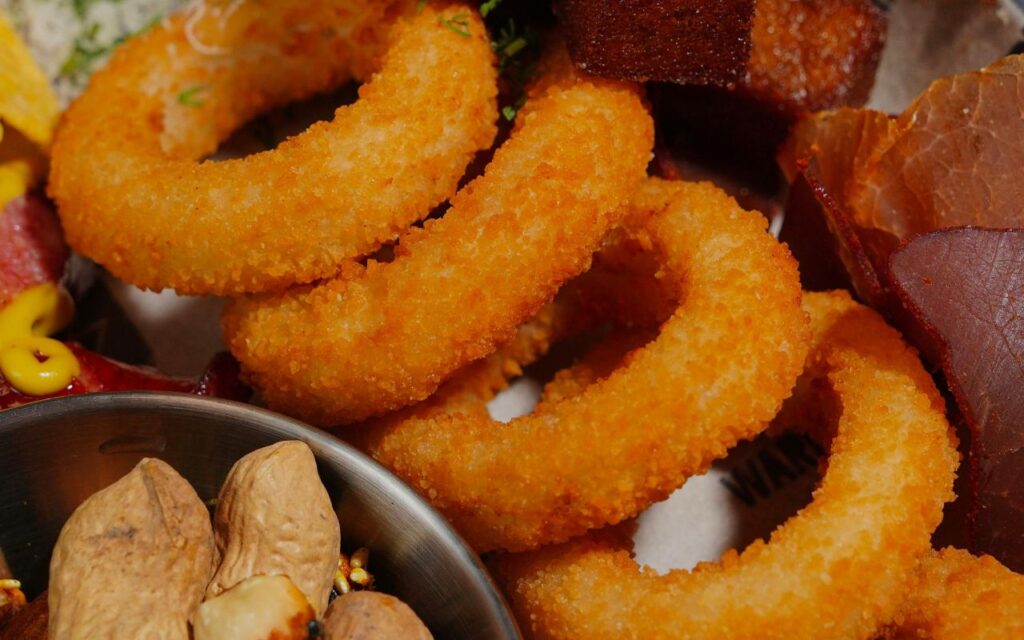
Onion rings often appear lighter than other fried snacks because the vegetable inside feels familiar and wholesome. In reality, the onion itself becomes secondary once it is coated in thick batter and submerged in oil. The batter absorbs fat quickly, sometimes holding more calories than the onion does. Frying also removes much of the onion’s natural sharpness, replacing it with uniform richness. Because onion rings are airy and crisp, they do not create lasting fullness. Like fries, they are easy to snack on mindlessly. Their mild flavor encourages dipping sauces, which further increase fat and calorie intake.
4. Mozzarella Sticks
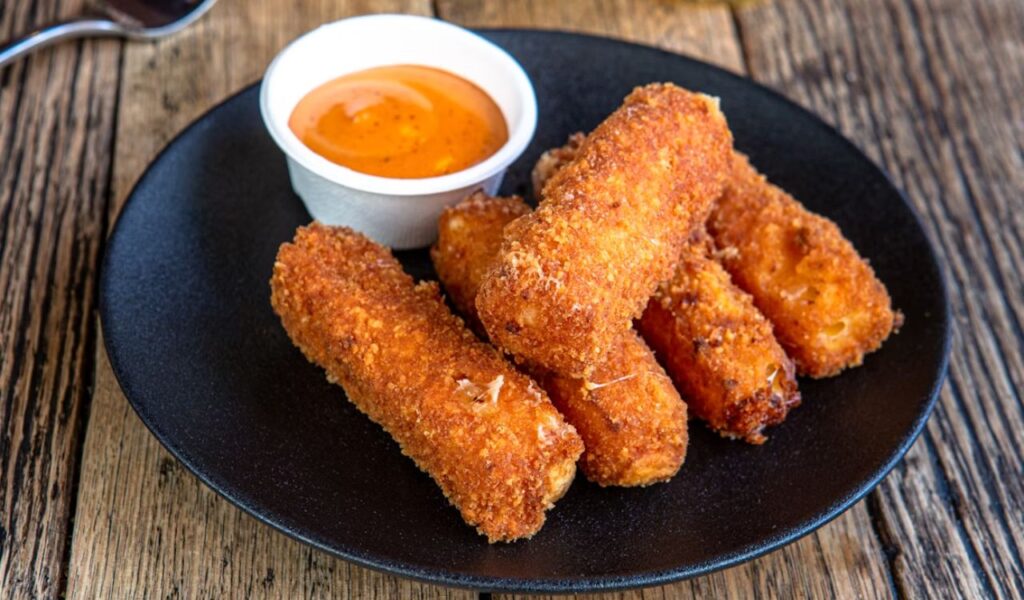
Mozzarella sticks rely on contrast for their appeal, crisp coating outside and melted cheese inside. That contrast comes at a cost. Cheese is already dense in saturated fat and calories, and frying adds another layer of oil. When heated, cheese becomes easy to eat quickly, reducing the body’s natural satiety signals. The breading adds refined carbohydrates with little fiber. Dipping sauces often include sugar and additional fat, amplifying the effect. While mozzarella sticks feel indulgent and comforting, they offer limited nutritional value and high calorie density. Eaten frequently, they contribute to excess saturated fat intake, which is best kept moderate.
5. Samosas
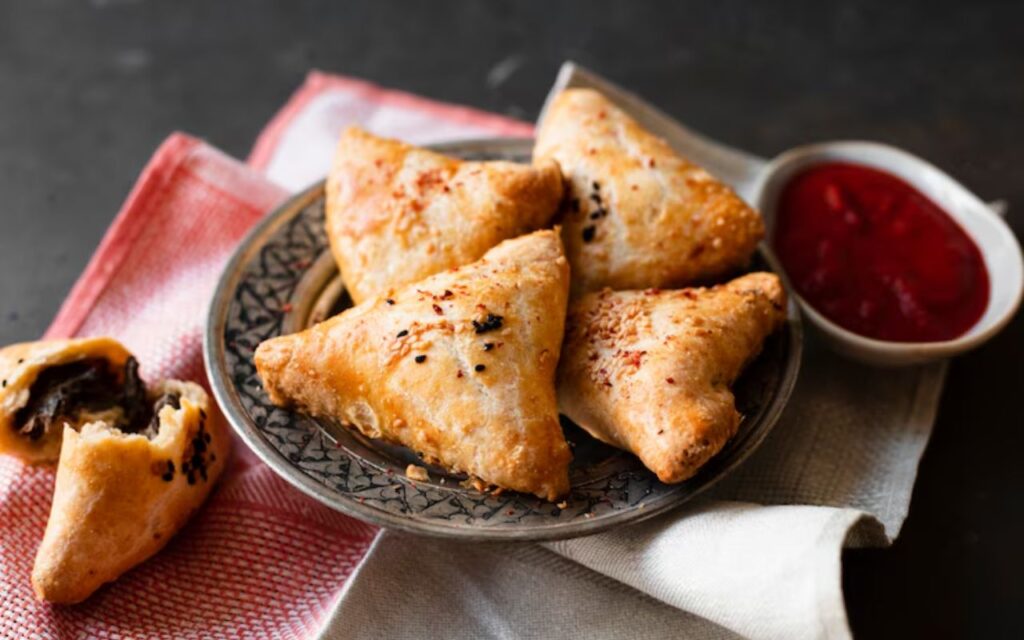
Samosas are deeply flavorful and filling, but their structure makes them heavy. The outer pastry is fried until crisp, trapping oil within the dough. Inside, the filling may include potatoes, peas, or meat, which already provide carbohydrates or fat. Frying adds another layer of richness that slows digestion. Because samosas are often eaten as snacks rather than meals, they are easy to stack on top of regular eating rather than replacing it. Their size can be misleading, making them feel lighter than they truly are. While culturally cherished and satisfying, samosas are best treated as an occasional indulgence rather than a frequent snack due to their fat content.
6. Fried Doughnuts
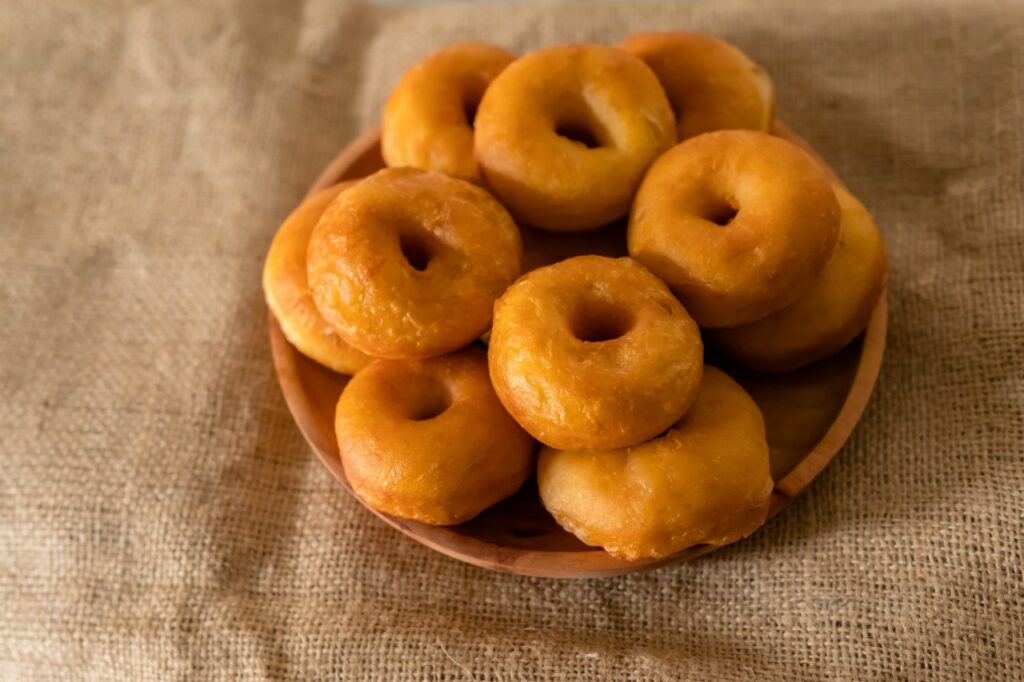
Fried doughnuts feel light and airy, which hides how calorie-dense they are. The dough absorbs oil as it cooks, while sugar glazes or fillings add fast-digesting carbohydrates. This combination causes quick spikes in blood sugar followed by equally fast drops. Because doughnuts lack fiber, protein, or fat balance, they do not provide lasting energy. The body processes them quickly, often leading to hunger soon after. Their sweetness and softness encourage fast eating, making portion control difficult. While enjoyable as a treat, frequent consumption can strain energy balance and blood sugar regulation. Their comfort is brief, and the aftereffects are often less pleasant.
7. Spring Rolls
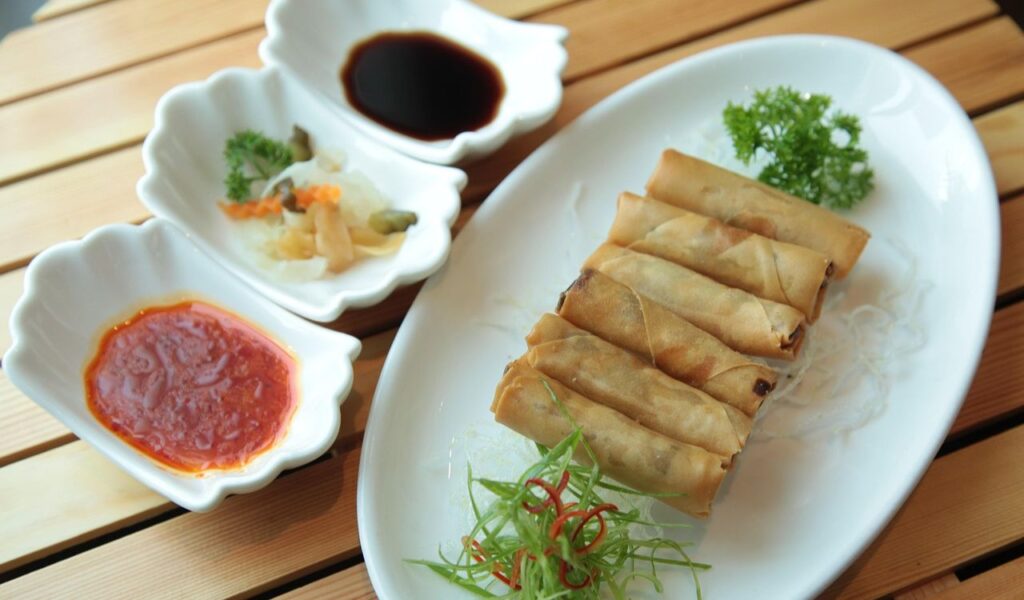
Spring rolls are often mistaken for a lighter fried snack because of their thin wrapper and vegetable filling. Once fried, however, the wrapper absorbs oil and seals it inside. The high heat reduces moisture in the vegetables, concentrating calories while reducing volume. Protein content is usually minimal, which limits satiety. Dipping sauces add sugar and sodium, further shifting the nutritional profile. Because spring rolls are small and crisp, they are easy to eat in multiples. The result is a snack that feels light but delivers more fat and calories than expected. They work best as an occasional addition rather than a regular choice.
8. Chicken Nuggets
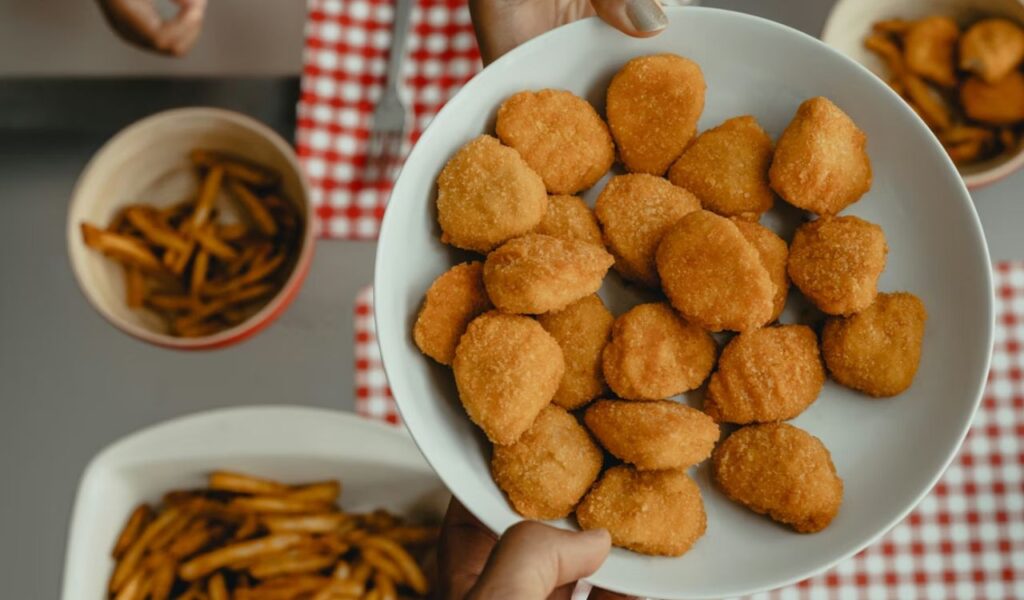
Chicken nuggets are designed for convenience and mass appeal. They are typically made from processed meat mixed with fillers, coated in breading, and fried. This process increases fat and sodium while reducing the integrity of the protein source. Frying adds calories without improving nutritional value. Nuggets are easy to eat quickly and often paired with sugary sauces. Because they are marketed as small portions, people tend to underestimate how many they consume. While they provide protein, it comes packaged with refined carbohydrates and oil. Eating them occasionally is reasonable, but relying on them frequently can crowd out more nutrient-dense foods.
9. Tempura Vegetables
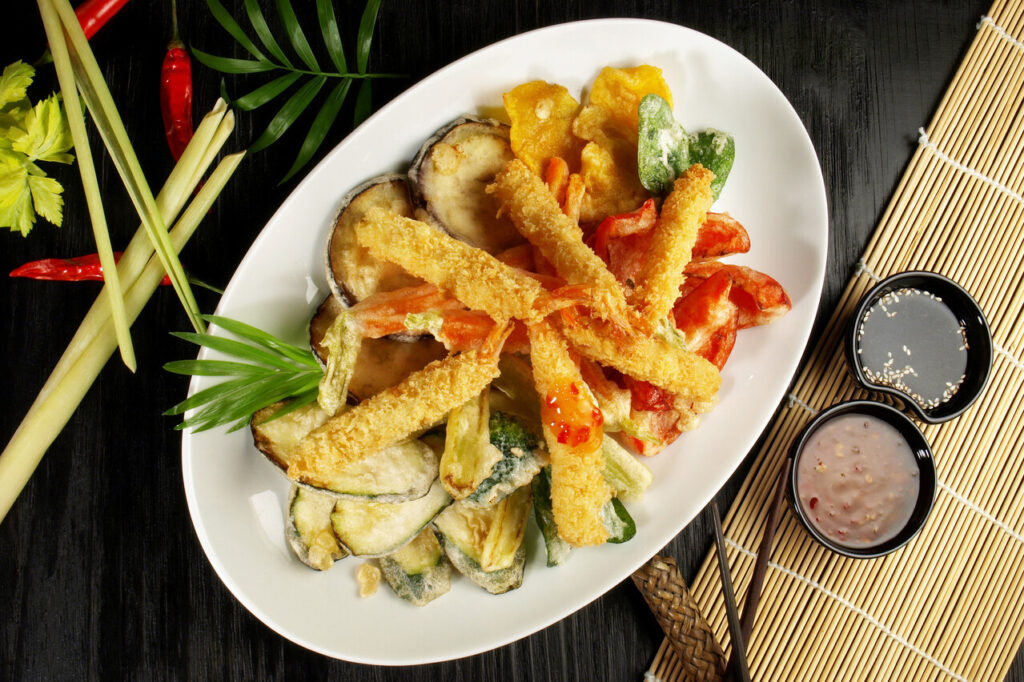
Tempura vegetables appear healthy because they start as vegetables, but frying changes their impact. The light batter absorbs oil rapidly, increasing calorie density while masking natural flavors. High heat destroys some heat-sensitive nutrients, reducing the benefit of the vegetables themselves. Because the coating becomes the dominant feature, portion sizes grow without increasing fiber intake proportionally. Tempura often encourages dipping sauces that add sodium and sugar. While enjoyable and less heavy than some fried snacks, tempura still delivers more fat than the vegetables would on their own. Moderation keeps the balance intact.
10. Pakoras
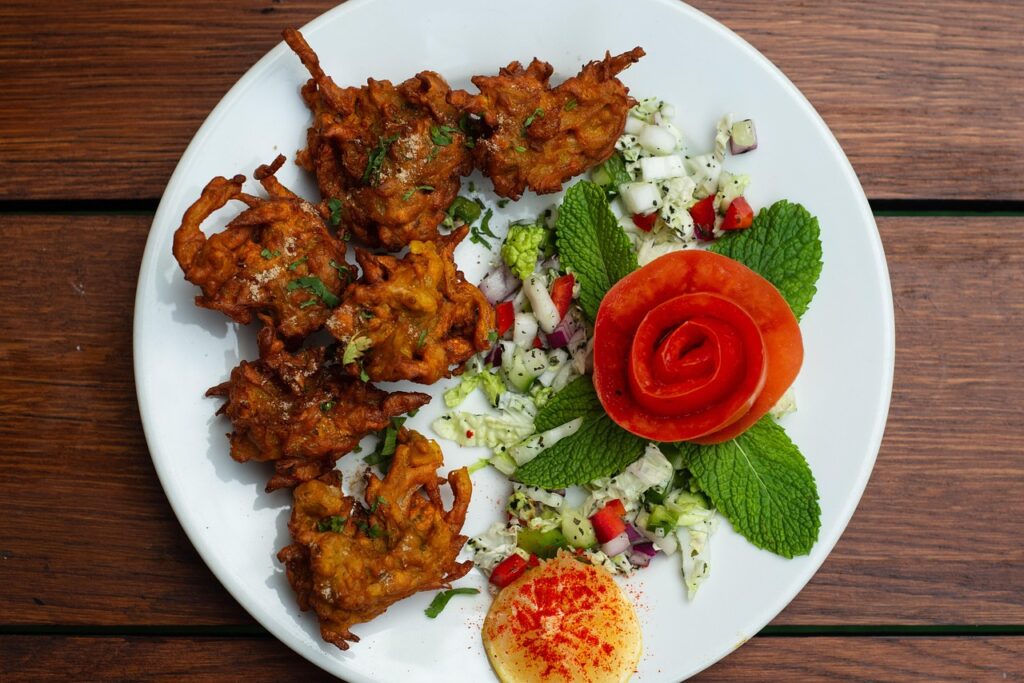
Pakoras feel hearty and comforting, especially when freshly fried. The chickpea batter provides protein, but frying saturates it with oil. Vegetables inside release moisture, which the batter absorbs along with fat. This makes pakoras dense and slow to digest. They are often eaten in clusters, especially during social settings, which encourages overconsumption. Chutneys and sauces add extra calories and salt. While filling and flavorful, pakoras can feel heavy after eating. Enjoying them occasionally allows for tradition and taste without turning them into a routine strain on digestion. The crisp texture fades quickly, leaving a feeling of fullness that can linger longer than expected.
11. Churros
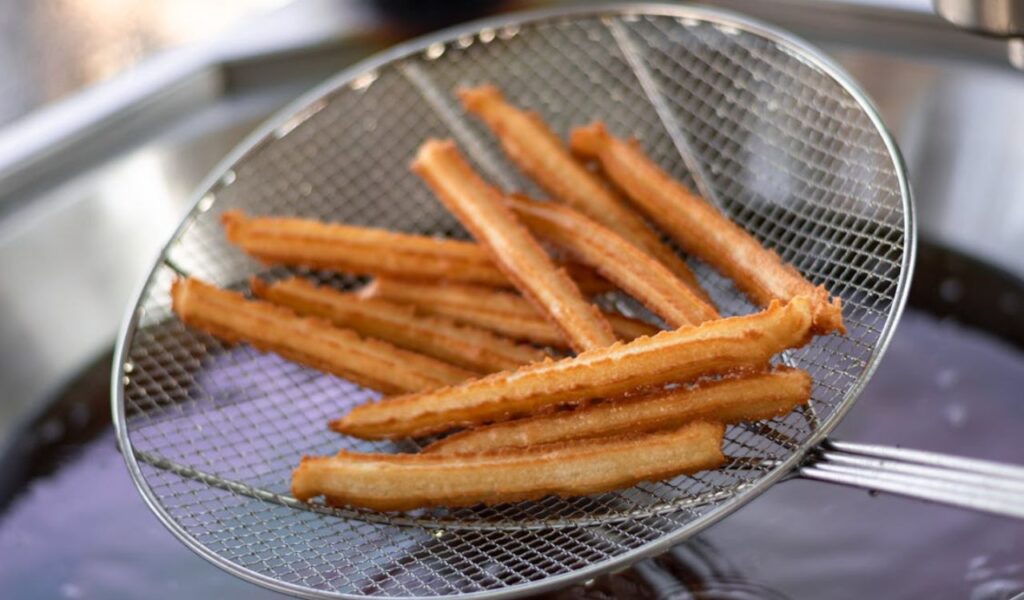
Churros are built around indulgence. Fried dough creates a crisp shell, while sugar coating adds sweetness that hits quickly. The lack of fiber or protein means the body processes churros rapidly, leading to short-lived satisfaction. Oil absorbed during frying increases calorie density without adding nutrients. Because they are often eaten warm and fresh, it is easy to overlook how rich they are. Churros deliver pleasure efficiently, but not balance. Treating them as an occasional dessert rather than a frequent snack helps preserve enjoyment without negative effects on energy or digestion. What feels light and playful at first can quickly tip into excess when eaten too often.