7 Cooking Oil Myths That Might Actually Be True

Cooking oil is one of the most familiar ingredients in the kitchen, yet it is also one of the most misunderstood. We use it daily without thinking much about what happens to it under heat, light, and time. Popular advice often sounds contradictory, leaving many people unsure which oils are truly healthy and which fears are overblown. Some warnings are exaggerated, but others are grounded in real chemistry and nutrition. Understanding how oils behave when cooked, stored, and reused can quietly improve both flavor and health. These common oil myths are not just kitchen folklore. Many of them carry more truth than we tend to believe.
1. Cooking with Olive Oil Destroys All Its Benefits
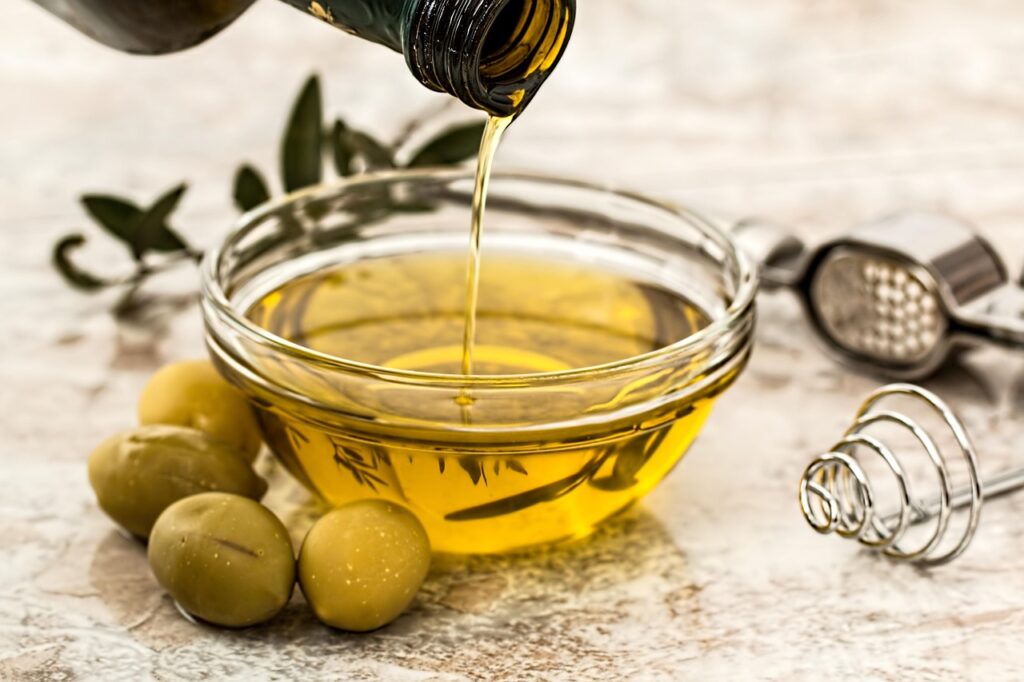
Olive oil has long been praised for its heart-friendly fats and antioxidant compounds, yet many people worry that heat ruins everything it offers. This concern is not entirely misplaced. Extra virgin olive oil contains polyphenols and volatile compounds that are sensitive to heat, light, and air. When exposed to high temperatures for extended periods, some of these protective compounds do break down. That does not mean the oil becomes unhealthy or unsafe for cooking. Its monounsaturated fats remain relatively stable compared to many other oils. However, the nutritional edge that makes olive oil special is reduced when it is overheated.
2. Coconut Oil Is Not as Healthy as It Sounds
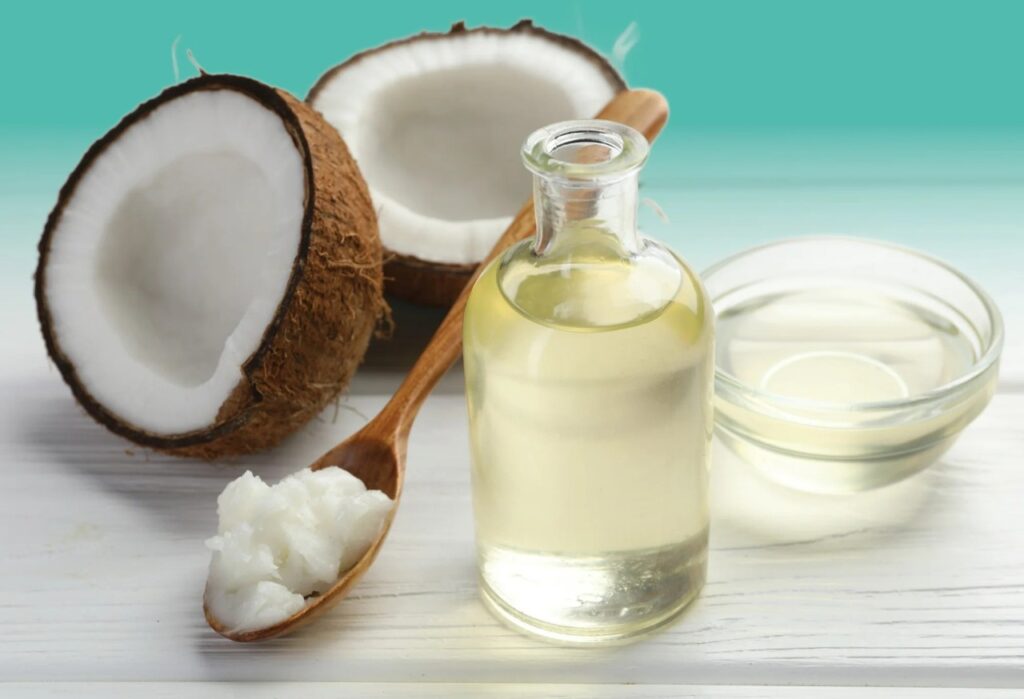
Coconut oil earned a reputation as a superfood, but the science paints a more cautious picture. It is made up mostly of saturated fat, far more than butter or lard by percentage. Saturated fat is known to raise LDL cholesterol in many people, which is linked to heart disease risk. While coconut oil is stable at higher cooking temperatures and resists oxidation, that stability does not cancel out its fat profile. It does not provide essential fatty acids in meaningful amounts, nor does it contain many vitamins. Its health image often comes from marketing rather than evidence. Coconut oil can be used occasionally for flavor, but treating it as a daily oil ignores its effect on cholesterol.
3. Heating Oil Too Much Can Make It Harmful
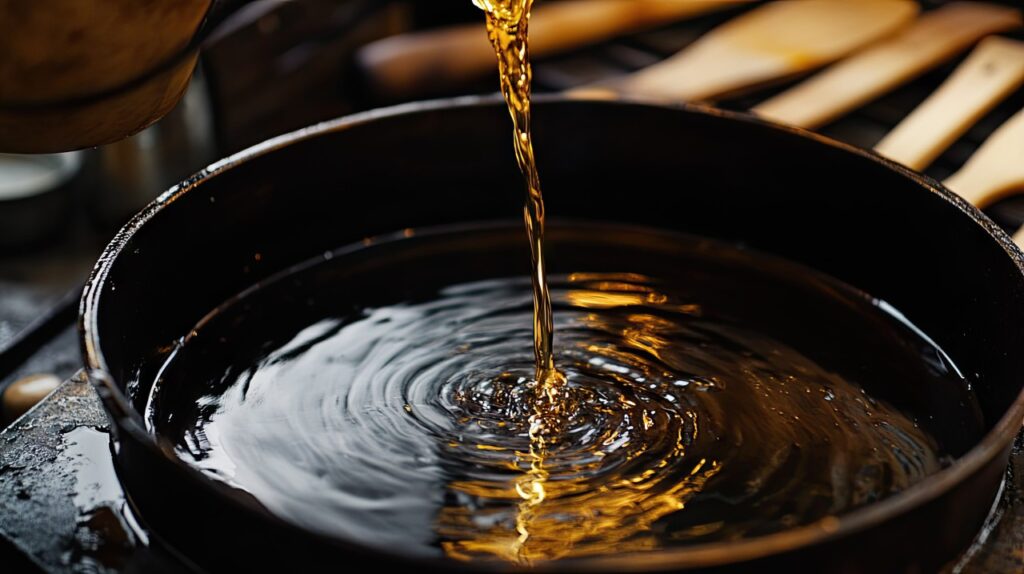
The idea that overheated oil becomes harmful is grounded in chemistry. Every cooking oil has a smoke point, which is the temperature at which it begins to break down. Once this point is reached, the oil releases smoke and forms degradation products that affect both taste and stability. Continued heating accelerates oxidation, producing compounds that the body must work harder to process. Repeated overheating, especially in deep frying, worsens this breakdown. Oils that are reused multiple times degrade faster with each cycle. Choosing the right oil for the cooking method matters. High-heat cooking requires more stable oils, while lower heat allows for more delicate options.
4. All Vegetable Oils Are Automatically Healthy
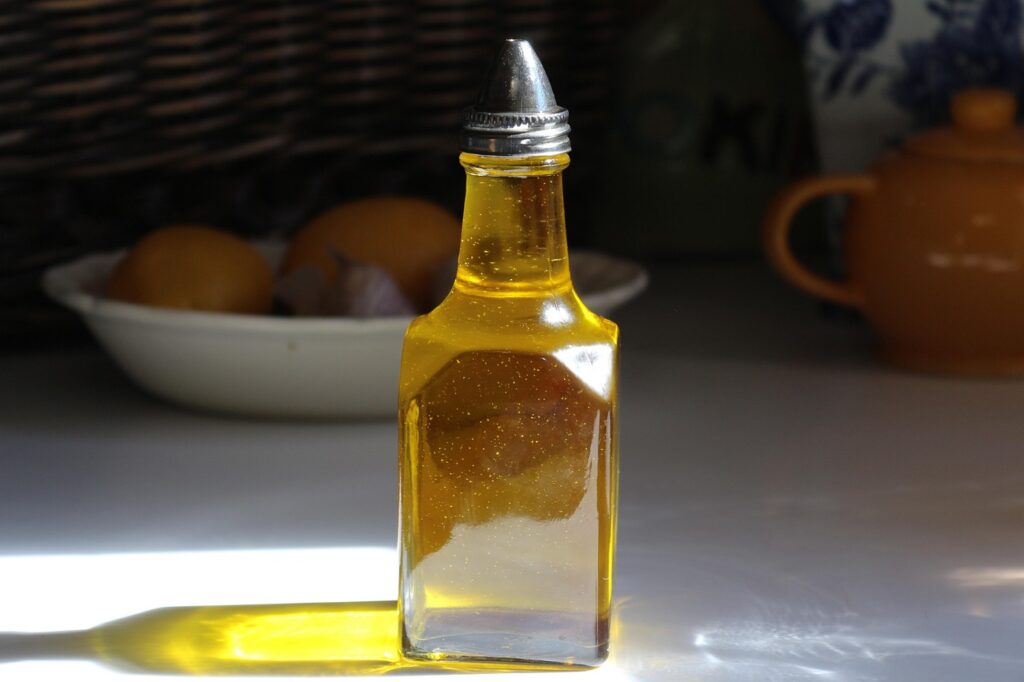
The word vegetable creates an impression of wholesomeness, but vegetable oils vary widely in quality and impact. Many commonly used vegetable oils are refined through high heat and chemical processes that strip away natural antioxidants. Some are high in omega-6 fatty acids, which are not harmful on their own but can contribute to an imbalance when consumed excessively without enough omega-3 fats. This imbalance may promote inflammation in some people. Highly refined oils also lack flavor and nutrients, encouraging heavier use. Cold-pressed or minimally processed oils retain more natural compounds, but they are often treated the same as refined ones in the kitchen.
5. You Should Never Reuse Cooking Oil
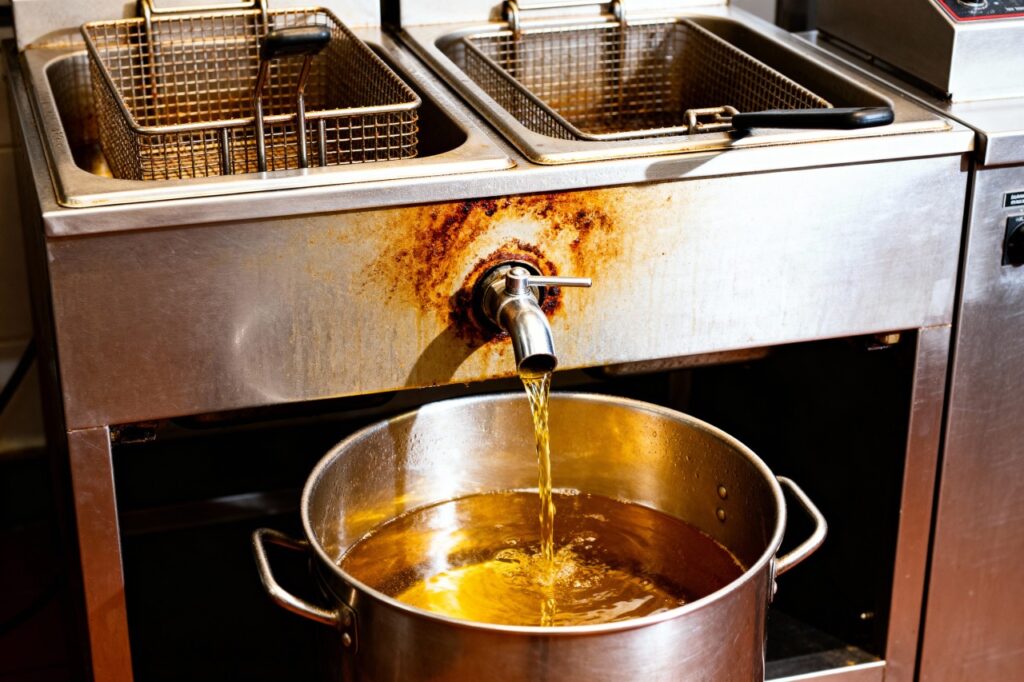
This belief is rooted in caution, but the truth sits somewhere in the middle. Oil does degrade with use, especially when exposed to high heat, moisture, and food particles. Each heating cycle increases oxidation and breakdown. However, oil that has not been overheated and has been properly strained can sometimes be reused once or twice at home. The problem arises when oil is reused repeatedly, darkens, thickens, or develops off odors. At that point, harmful compounds are more likely to form. Home kitchens lack the filtration and monitoring systems used in commercial frying. While reuse is not automatically dangerous, frequent reuse raises risks quickly.
6. Dark Oil Bottles Really Do Matter
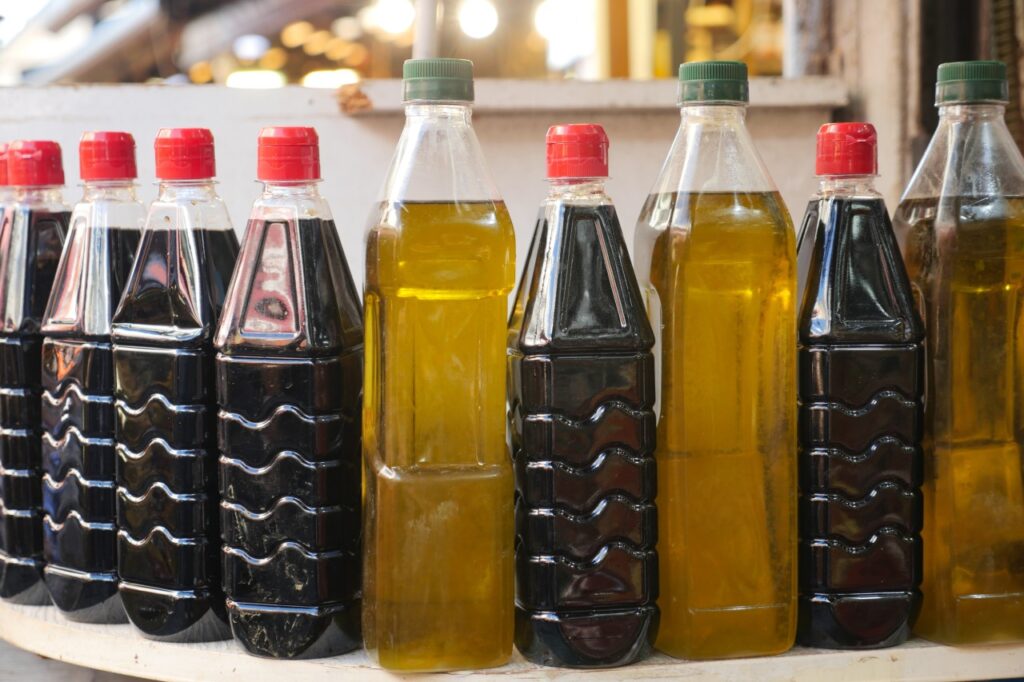
Dark bottles are not just a marketing trick. Light exposure accelerates oxidation in oils, especially those rich in unsaturated fats. Over time, light breaks down delicate compounds, affecting flavor and nutritional quality. Clear bottles allow constant exposure, shortening shelf life even when the oil is unopened. Dark glass slows this process by blocking much of the light that triggers degradation. Storage conditions matter just as much as packaging. Heat and air also speed up spoilage, which is why oils should be kept tightly sealed and away from stoves or windows. The bottle color plays a real role in preserving quality, especially for oils meant to be used raw or minimally heated.
7. Oil Can Go Bad Even If It Looks Fine
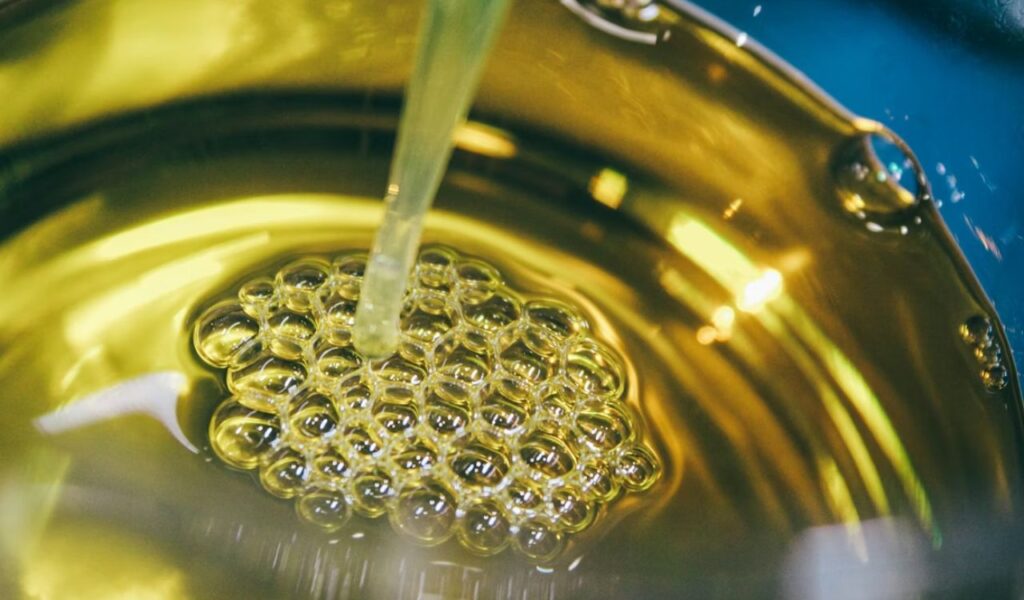
Oil does not spoil in obvious ways like dairy or bread, which makes rancidity harder to spot. Oxidized oil often looks normal but develops subtle changes in smell and taste. It may smell slightly bitter, stale, or like old nuts or crayons. These changes signal chemical breakdown that affects both flavor and nutritional value. Consuming rancid oil does not usually cause immediate illness, but it introduces oxidized fats that the body must neutralize. Over time, this adds unnecessary stress. Proper storage slows this process, but it does not stop it completely. Trusting appearance alone leads many people to use oil past its prime without realizing it.