9 Better Sides to Try Instead of Fast Food Fries

Fast food fries are easy to love. They are salty, crisp, familiar, and designed to feel comforting from the very first bite. But that comfort often fades quickly, replaced by heaviness, sluggishness, or the sense that the meal never truly satisfied. Fries are usually deep-fried, heavily salted, and low in fiber, which makes them easy to overeat and hard for the body to balance. The good news is that you do not have to give up satisfying sides to move away from them. Many alternatives deliver the same warmth, texture, and fullness while offering better nutrition and longer-lasting energy. These sides still feel indulgent, but they work with your body instead of against it.
1. Roasted Sweet Potatoes
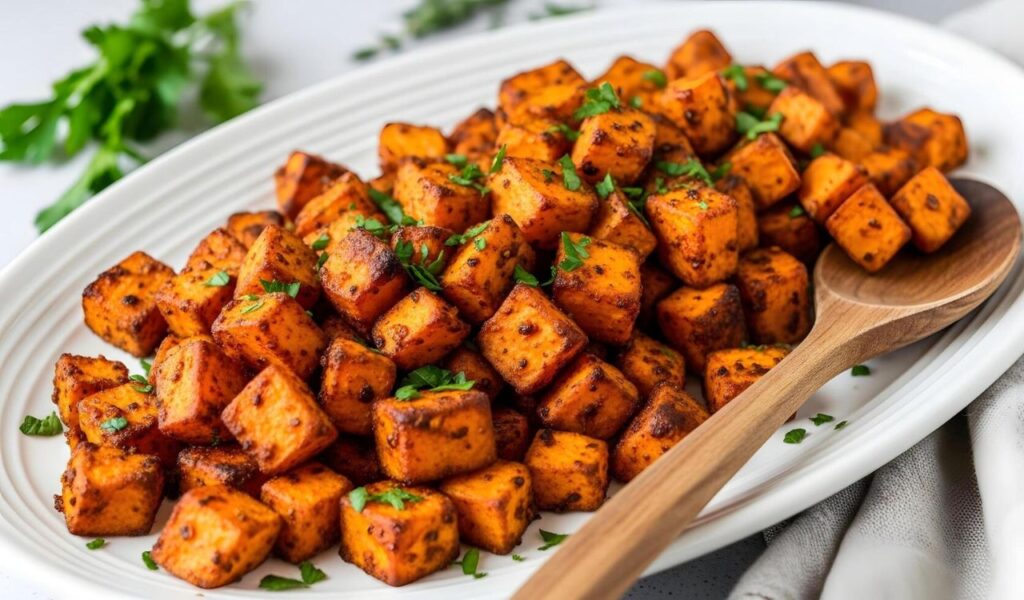
Sweet potatoes feel indulgent, yet they behave very differently from fast food fries in the body. Their natural sweetness comes from complex carbohydrates that digest more slowly, helping maintain steadier energy levels. Roasting uses dry heat, which allows the exterior to caramelize without soaking the food in oil. Sweet potatoes also provide fiber, potassium, and beta carotene, which support eye and immune health. Unlike fries, which are stripped of moisture and saturated with fat, roasted sweet potatoes retain structure and nutrients. Using a small amount of oil enhances flavor without overwhelming the dish.
2. Grilled Vegetables
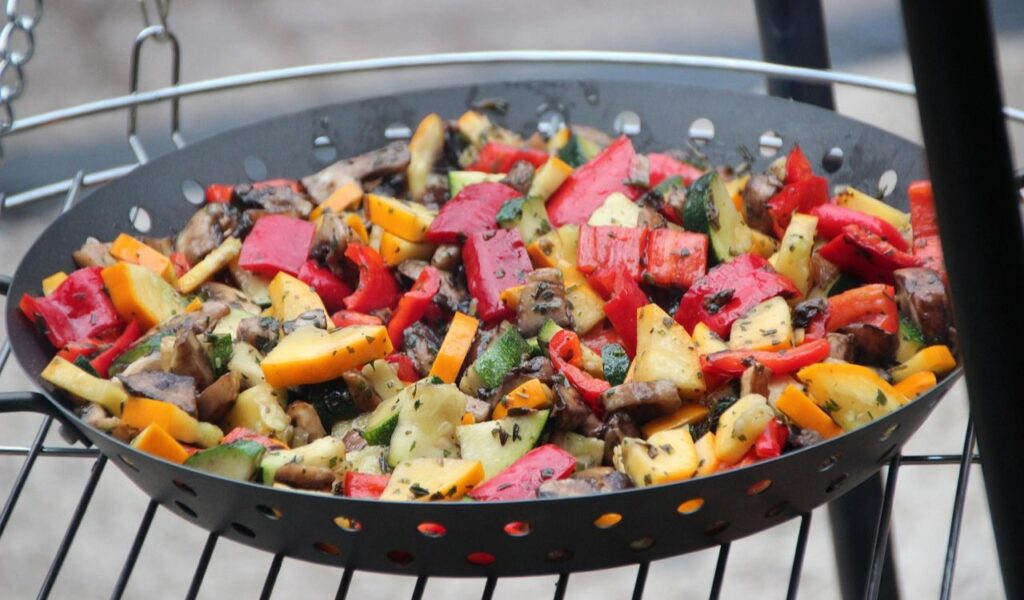
Grilled vegetables prove that flavor does not need deep frying to shine. High heat encourages natural sugars in vegetables to caramelize, adding depth without excess oil. Zucchini, peppers, onions, mushrooms, and corn all develop smoky notes that feel rich and satisfying. Grilling preserves much of the fiber and water content, which helps promote fullness without heaviness. Unlike fries, grilled vegetables do not rely on salt and fat for appeal. Their variety of textures keeps meals interesting and balanced. They also pair well with protein-heavy main dishes, adding freshness and contrast. As a side, grilled vegetables support digestion and provide vitamins while still delivering comfort.
3. Baked Potato Wedges
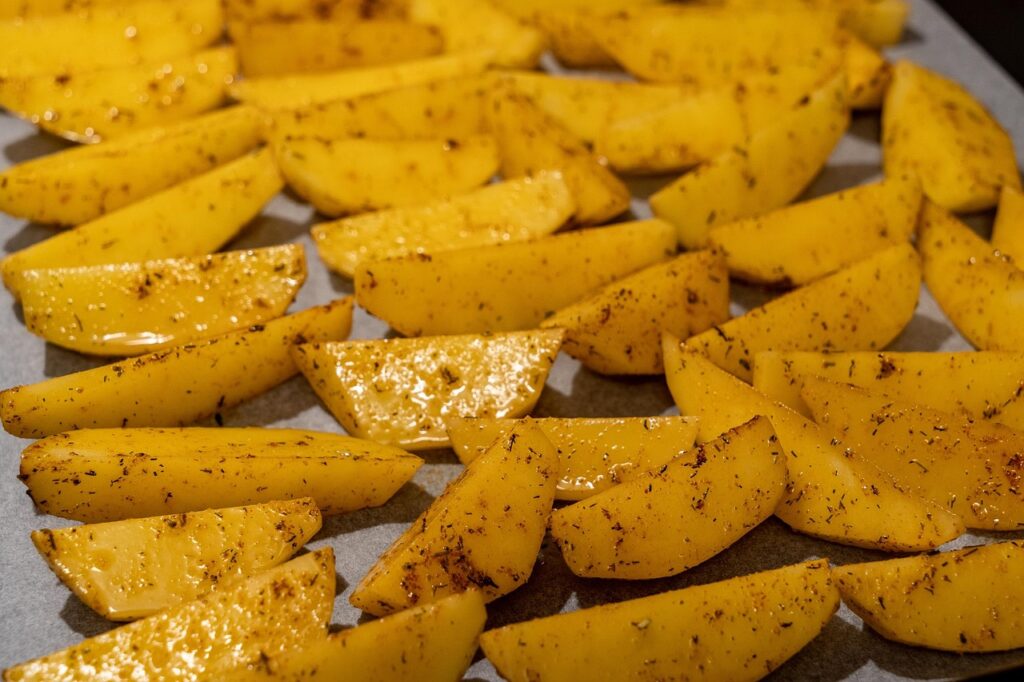
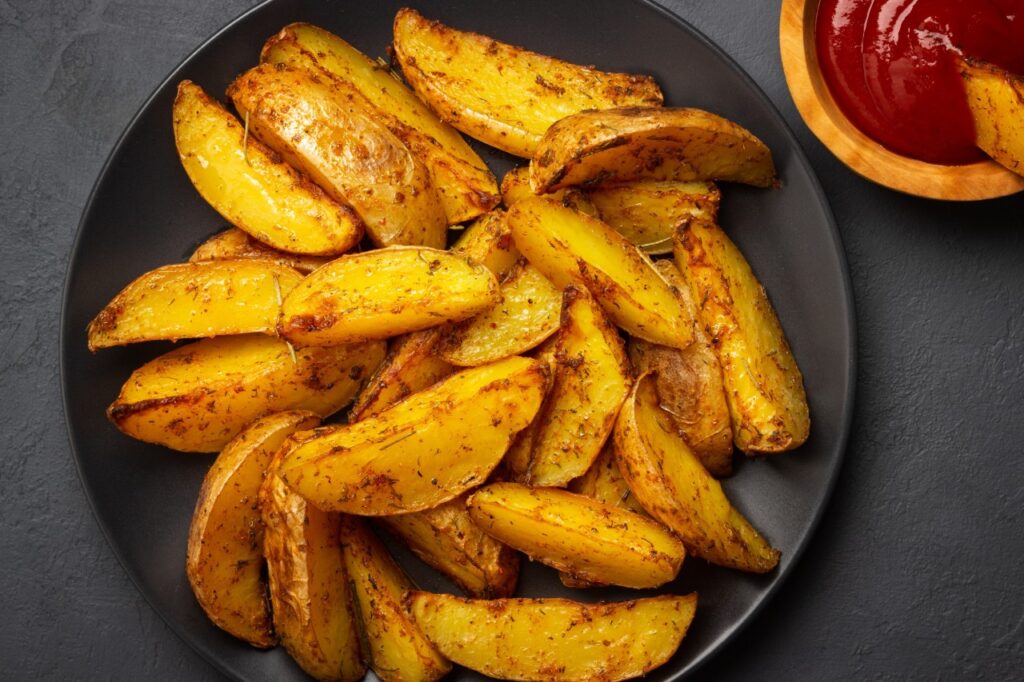
Baked potato wedges strike a balance between comfort and moderation. They keep the familiar taste of potatoes while avoiding the oil saturation of deep frying. Baking allows moisture to escape gradually, creating crisp edges and soft centers without excessive fat. Potatoes naturally contain potassium and vitamin C, nutrients that are often overshadowed by frying. Seasoning with herbs and spices adds flavor without needing heavy salt. Because baked wedges retain more structure, they feel more filling per serving than fries. They satisfy the desire for something hearty and familiar, but with far fewer downsides.
4. Side Salad with Olive Oil Dressing
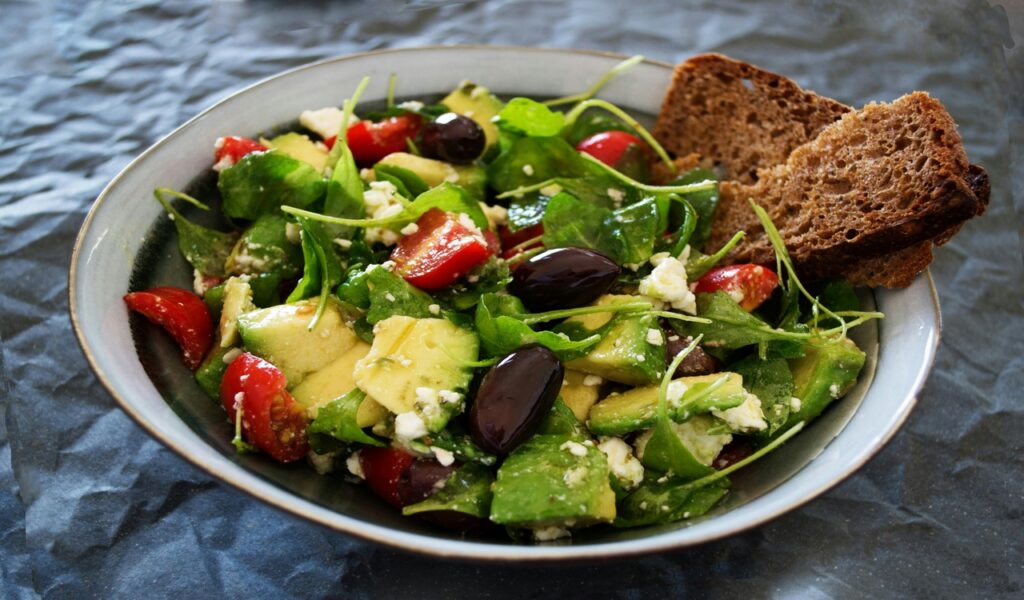
A well-made side salad can be surprisingly satisfying when done right. Fresh greens provide volume, fiber, and hydration, which help create fullness without heaviness. Olive oil dressing adds healthy fats that improve the absorption of fat-soluble vitamins. Unlike creamy dressings, olive oil enhances flavor without masking freshness. The crunch of vegetables adds texture that fries lack, while acidity balances richer main dishes. Salads also slow eating, encouraging mindful portions. When paired with protein and whole foods, a salad supports digestion and steady energy. It feels light but complete, offering contrast that fast food fries rarely provide.
5. Steamed Broccoli or Green Beans
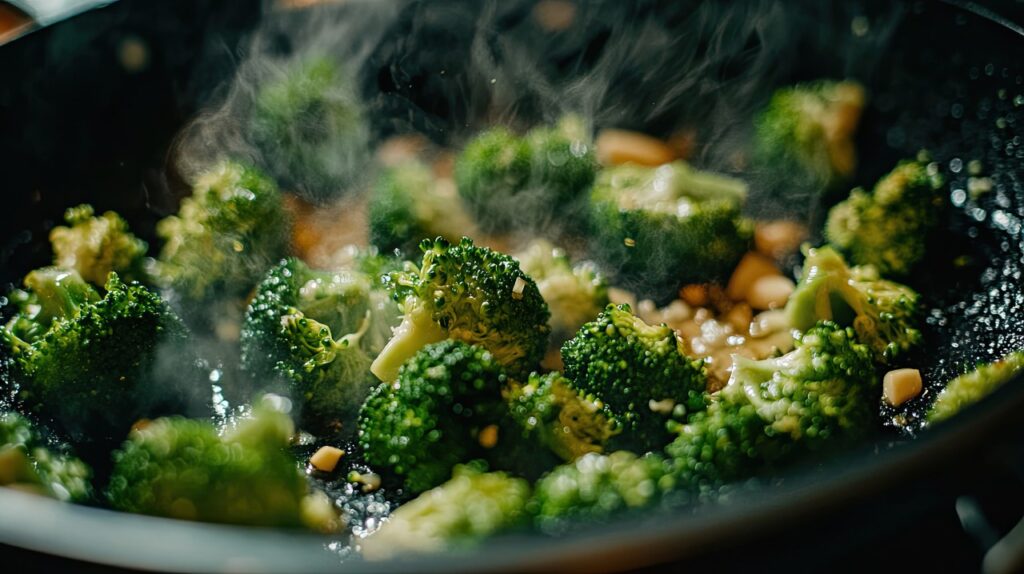
Steamed vegetables may sound simple, but they deliver benefits fries cannot match. Steaming preserves nutrients while keeping calories low. Broccoli and green beans provide fiber, vitamins, and antioxidants that support overall health. Their natural texture encourages slower eating and better satiety. Light seasoning enhances flavor without excess sodium or fat. Unlike fries, these vegetables do not trigger the urge to overeat due to oil and salt. They support digestion and balance heavier meals. As a side, steamed vegetables offer clarity and freshness, making the entire plate feel more satisfying and complete.
6. Coleslaw with Vinegar Dressing
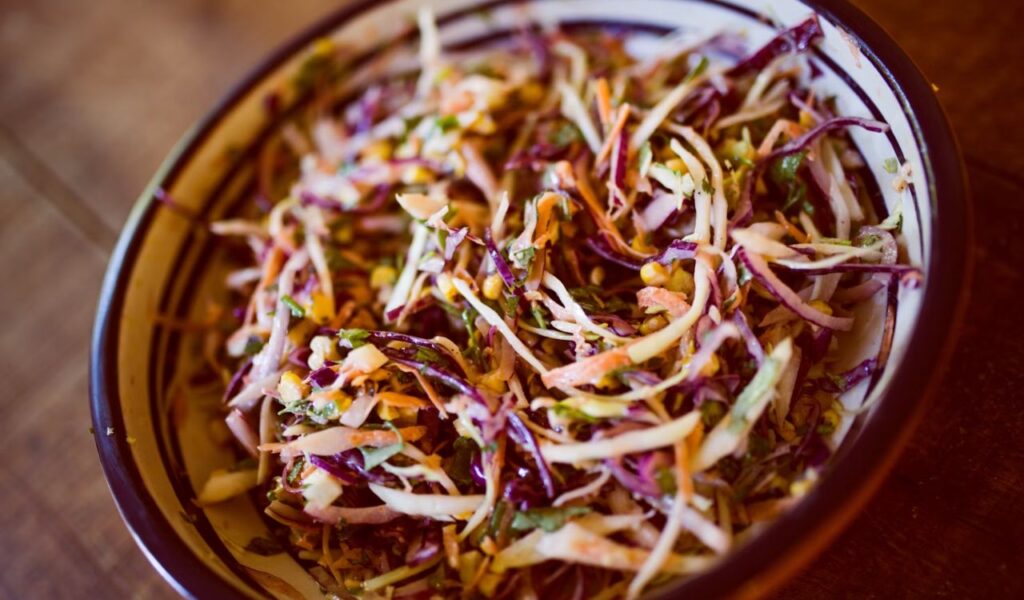
Vinegar-based coleslaw offers crunch and tang without the heaviness of mayonnaise. Cabbage is naturally high in fiber and vitamin C, supporting digestion and immunity. Vinegar adds acidity that balances rich foods and enhances flavor without excess calories. Unlike creamy slaw, vinegar-based versions feel refreshing rather than dense. The crunch provides sensory satisfaction similar to fries, but with far fewer downsides. Coleslaw also holds up well over time, making it a practical side. It complements grilled and savory foods while keeping meals light and balanced. Because it is raw and fiber-rich, it also supports gut health better than many cooked sides.
7. Roasted Chickpeas
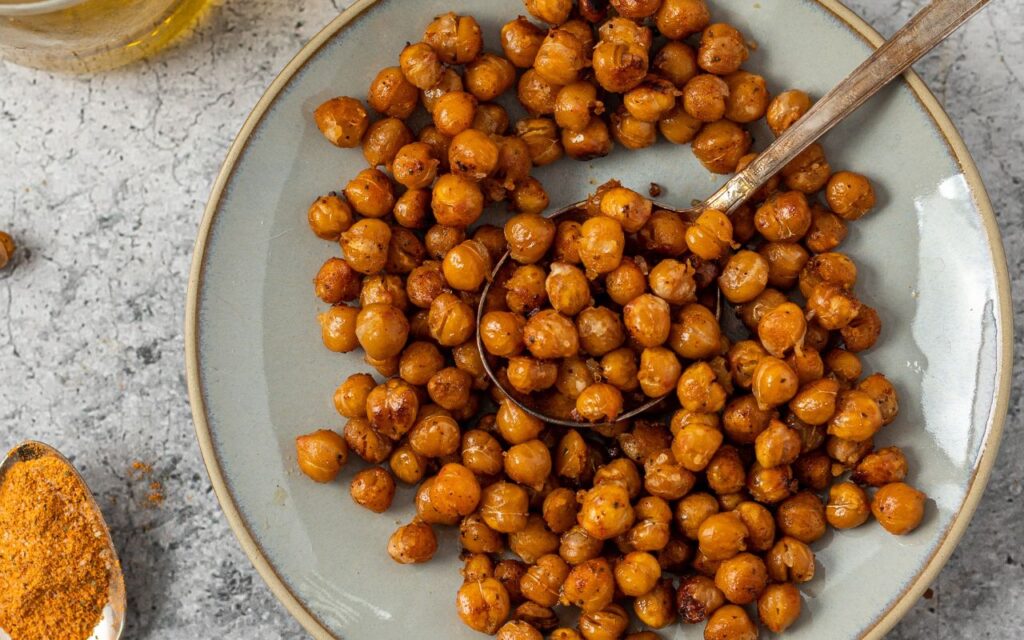
Roasted chickpeas bring crunch, salt, and satisfaction without deep frying. Chickpeas are rich in plant protein and fiber, which promote fullness and stable energy. Roasting removes moisture and creates a crisp texture using minimal oil. Seasonings add variety without overwhelming the dish. Unlike fries, roasted chickpeas provide nutritional staying power rather than quick energy spikes. They are satisfying in smaller portions and pair well with many meals. Their crunch satisfies snack cravings while supporting balanced eating. They also digest more slowly, helping prevent the hunger rebound common after fried sides.
8. Fruit Cup or Fresh Fruit Slices
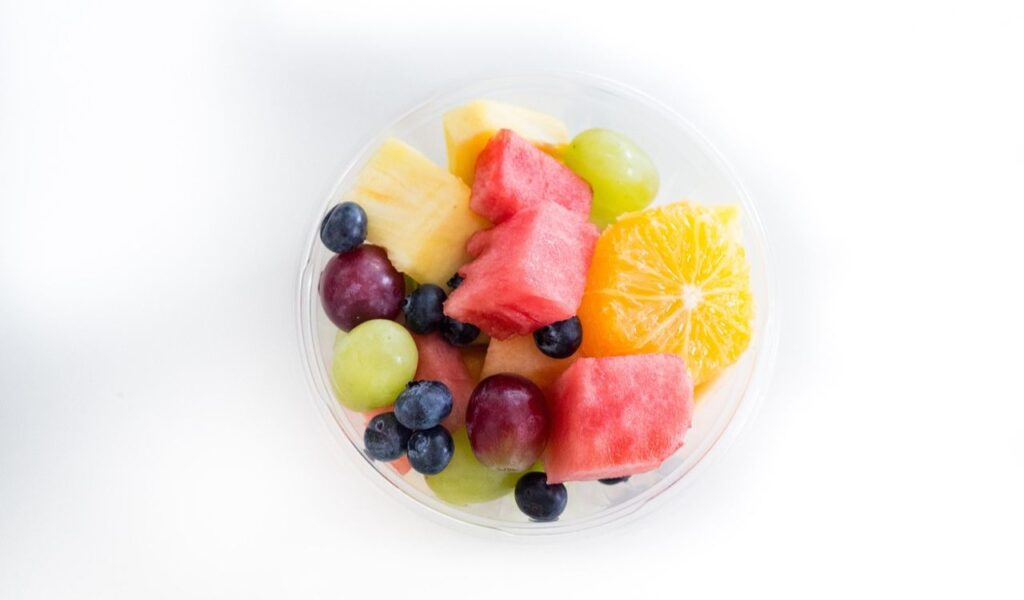
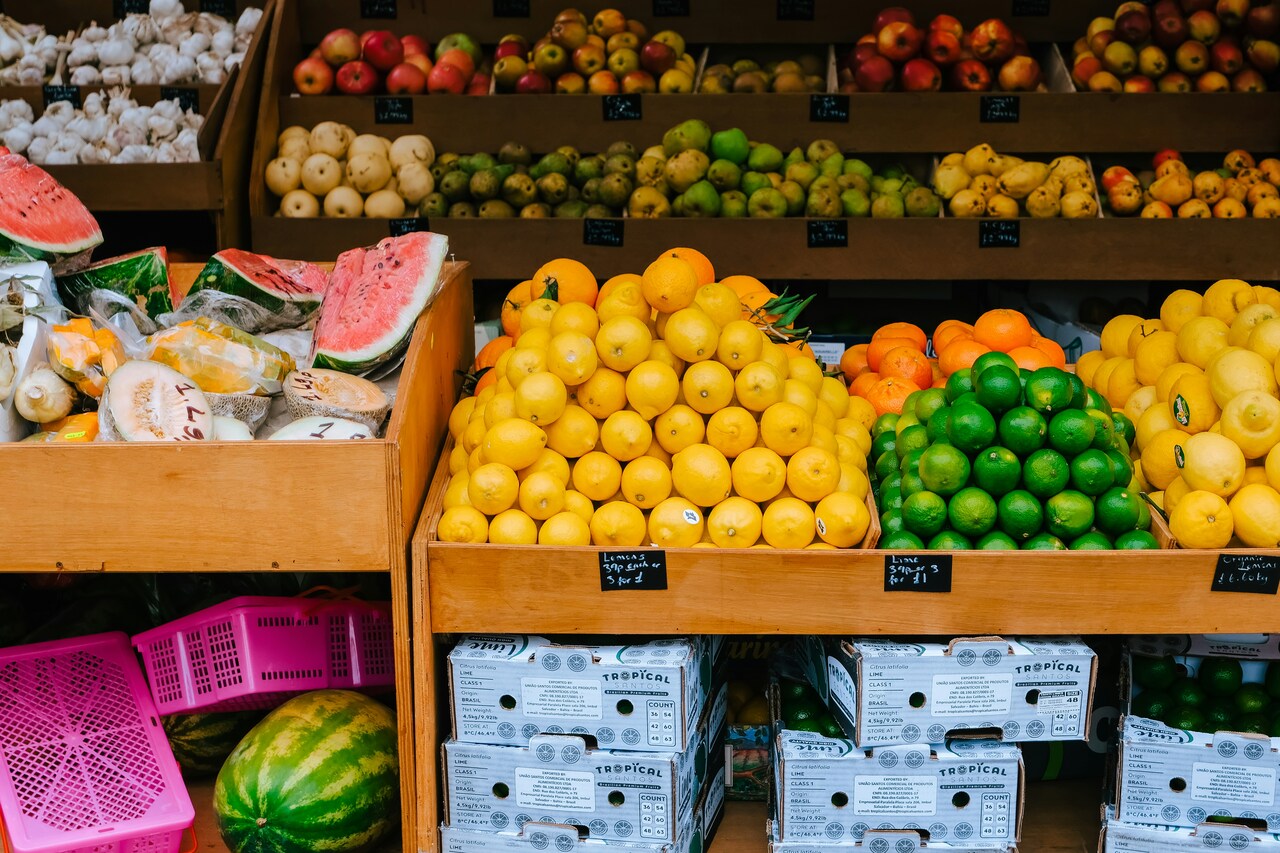
Fresh fruit offers natural sweetness that contrasts savory meals without the burden of oil and salt. Fruits provide fiber, water, and natural sugars that digest more gently than refined carbohydrates. A fruit side refreshes the palate and helps regulate appetite. Unlike fries, fruit does not encourage mindless overeating. It adds brightness and balance to meals, especially those that are rich or salty. Fruit also supports hydration and nutrient intake. As a side, it feels light yet satisfying, making it a smart choice for both comfort and health. The natural volume from water and fiber helps you feel full with fewer calories.
9. Brown Rice or Quinoa
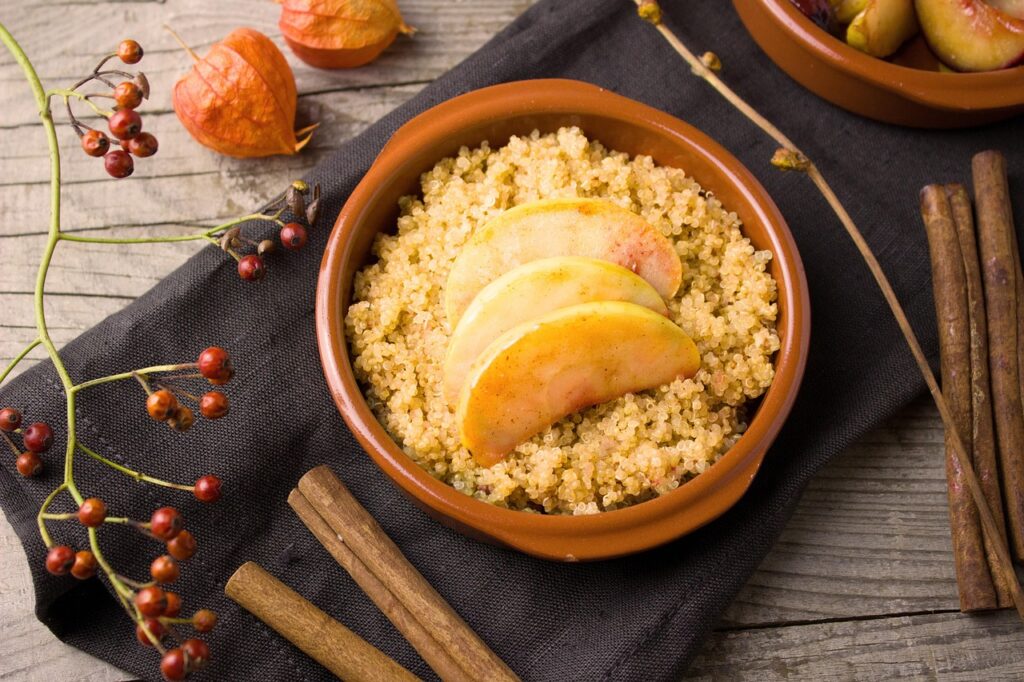
Whole grains like brown rice and quinoa provide structure and nourishment that fries lack. Their fiber content supports digestion and sustained energy. Quinoa also offers complete protein, adding balance to meals. These grains absorb flavor without relying on oil, making them versatile and satisfying. Unlike fries, they do not cause rapid blood sugar spikes. Their chewy texture encourages slower eating and better portion awareness. As a side, whole grains offer warmth, fullness, and nutritional depth, helping meals feel complete without heaviness. They also help anchor meals nutritionally, reducing the urge to over-snack later.