8 McDonald’s Myths People Still Debate Today

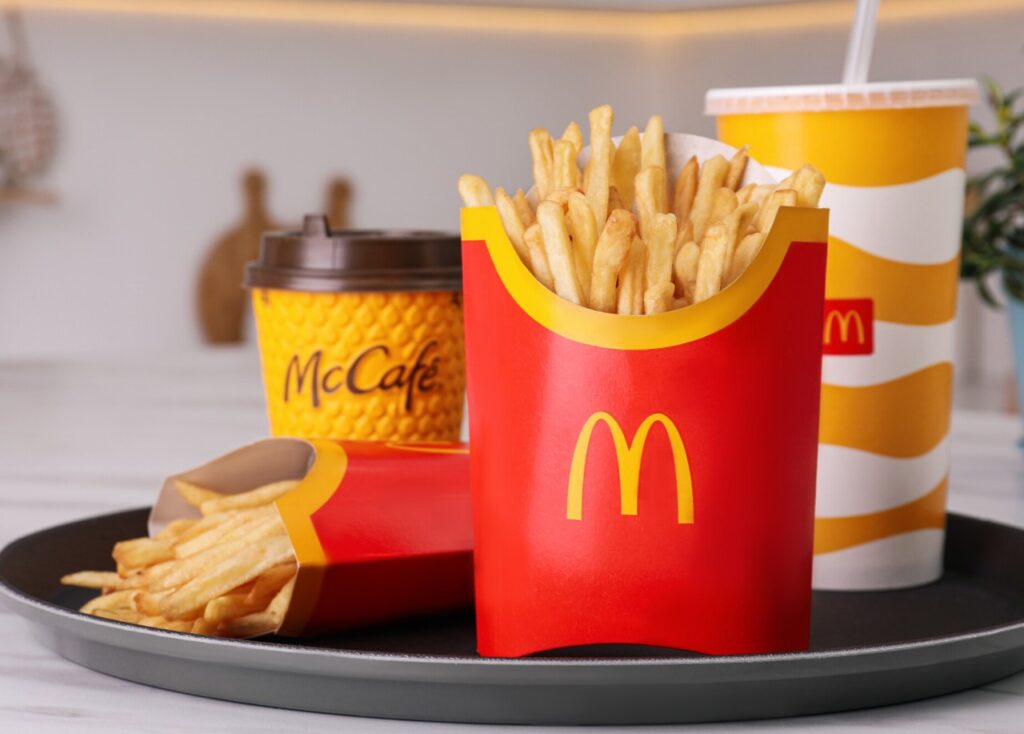
McDonald’s is one of the most recognizable brands in the world, which makes it a magnet for speculation, rumors, and long-running debates. Stories about what goes into the food, how it is made, and what really happens behind the counter have circulated for decades. Some of these claims sound extreme, others oddly believable, and many sit somewhere in between. The reason these myths endure is simple. They tap into curiosity, skepticism, and the mystery surrounding large-scale food production. While some ideas are rooted in misunderstanding, others hold just enough truth to keep people arguing. Together, they blur the line between fact and fiction in ways that keep public curiosity alive.
1. The Food Never Decomposes
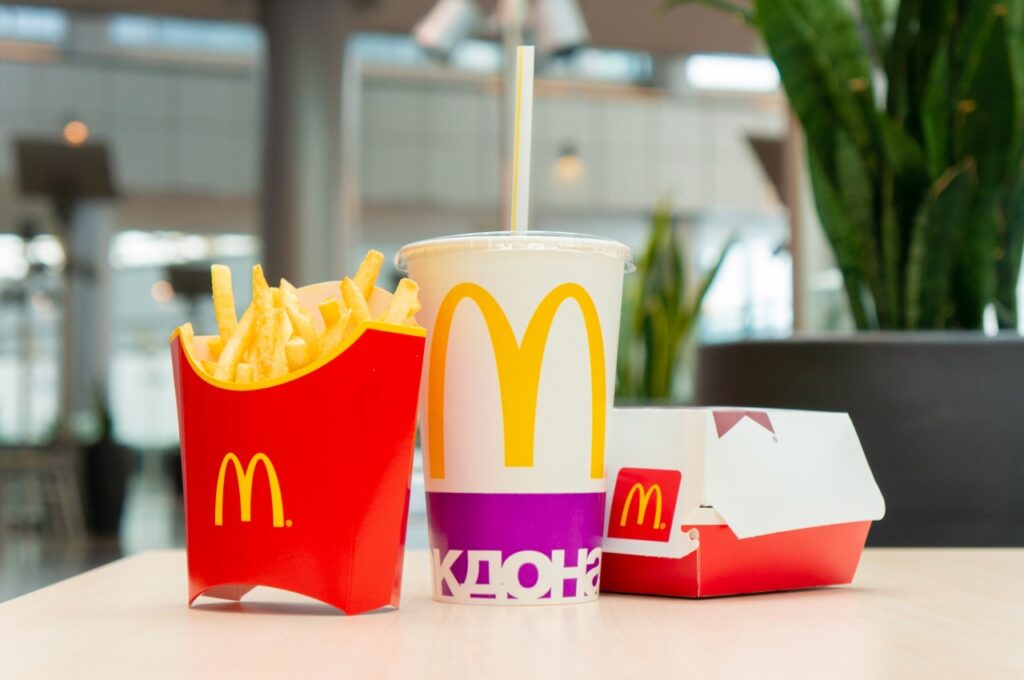
The idea that food from McDonald’s never decomposes has circulated for years, often backed by photos of old burgers that look strangely unchanged. What is actually happening is dehydration, not preservation. When a burger or fries are left in a dry, well-ventilated space, moisture evaporates quickly. Mold and bacteria need moisture to grow, so without it, decay slows dramatically. The food dries out, hardens, and shrinks rather than rotting in the way people expect. This can happen to homemade food as well, under similar conditions. In humid environments, the same items will mold like any other food.
2. McDonald’s Uses Fake Meat
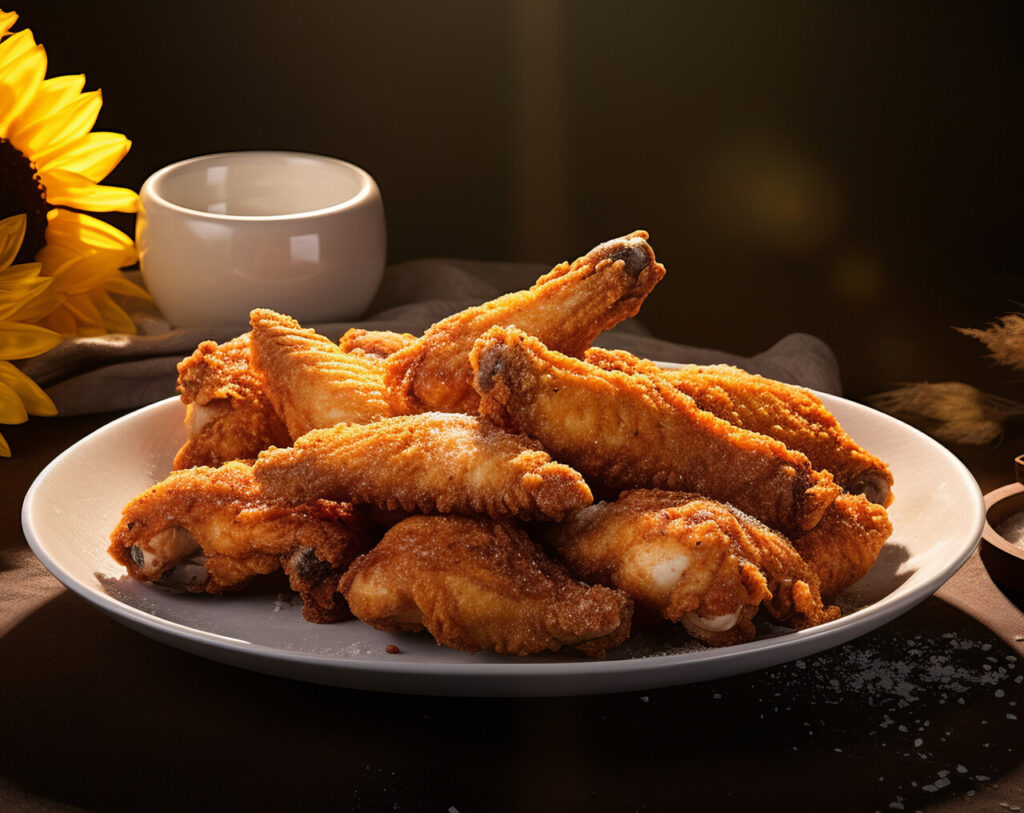
This myth taps into distrust of large food chains, but it does not match reality. Beef patties served are made from real beef, not synthetic or lab-created substitutes. What fuels the confusion is how the meat is processed. Patties are ground, shaped, frozen, and cooked quickly, which changes their texture and appearance compared to fresh butcher meat. Seasoning is minimal and added during cooking, which can make the flavor seem different from home-cooked beef. The uniform size and shape also contribute to suspicion, since they look identical every time. Regulations in many countries strictly define what can be labeled as beef.
3. The Fries Contain Dangerous Chemicals
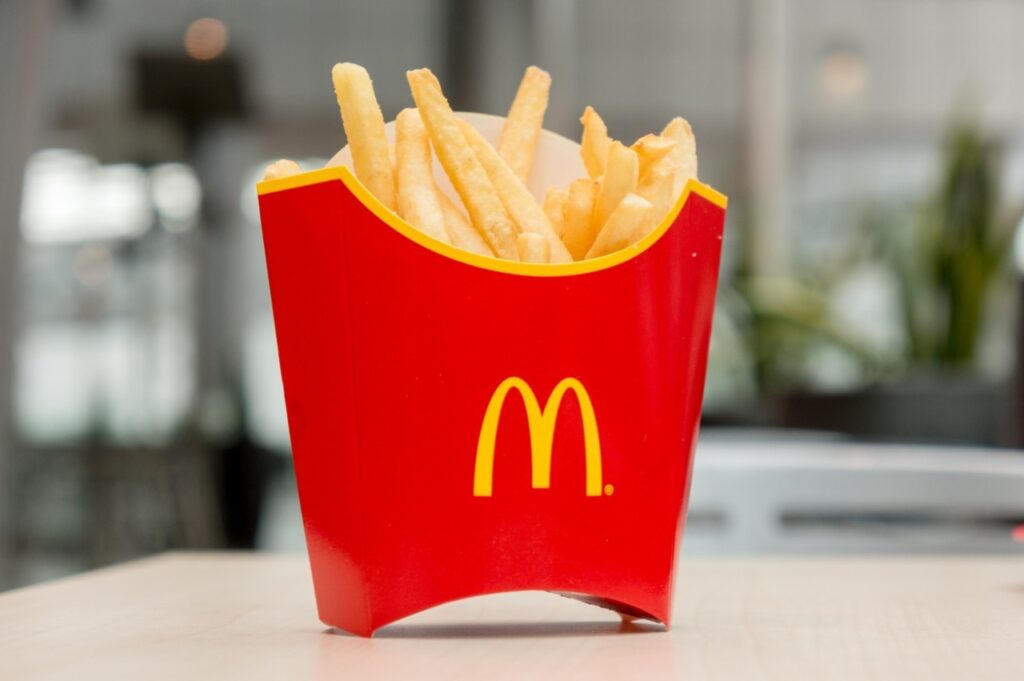
French fries have long been criticized for their ingredients, but many claims rely on outdated information. In the past, fries contained more additives and were cooked in beef fat blends, which sparked concern. Today, the ingredient list is shorter and more transparent in most regions. Potatoes are still fried in oil, which increases calorie density and fat content, but that does not make them chemically dangerous. Concerns often confuse processing with toxicity. Frying at high temperatures can create compounds when oils are reused or overheated, but this applies to any fried food. The fries are indulgent and best eaten occasionally rather than frequently.
4. Big Macs Are Packed With Preservatives
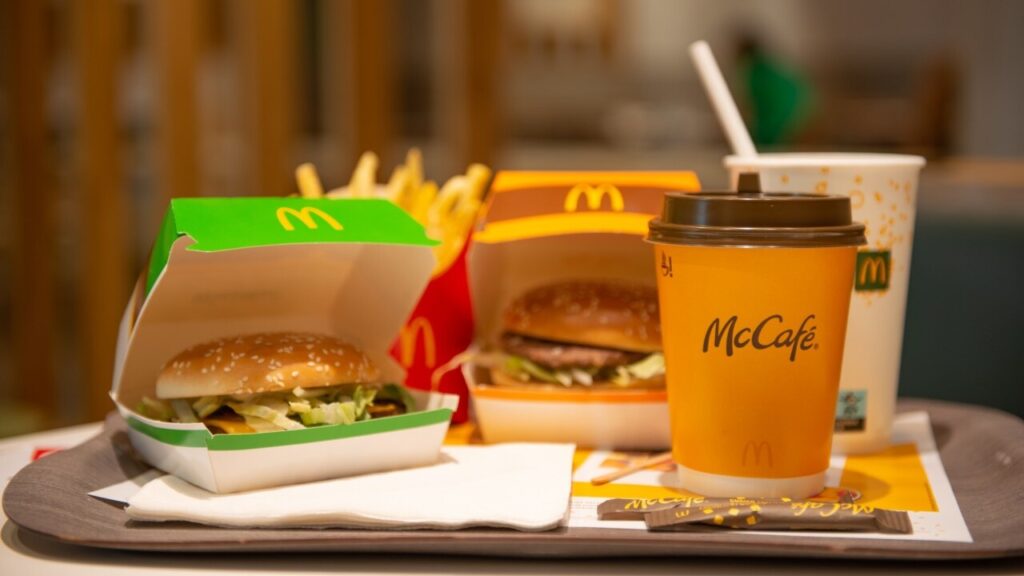
Many assume that a sandwich sold worldwide must rely on heavy preservatives to last. In practice, shelf life is controlled more by freezing, refrigeration, salt content, and rapid turnover. Individual components like buns and sauces may contain preservatives similar to those found in grocery store bread or condiments, but the assembled sandwich is not designed to sit for days. Restaurants prepare items continuously and discard them if held too long. The perception of extreme preservation comes from the scale of the operation, not from unusual ingredients. The food is processed for consistency, but it still behaves like food when left out under normal conditions.
5. McDonald’s Coffee Is Low Quality

Fast food coffee often gets dismissed automatically, yet blind taste tests regularly challenge that assumption. The coffee served is designed to be approachable, consistent, and mild rather than complex. Beans are sourced and roasted to appeal to a wide audience, not specialty coffee enthusiasts. Brewing equipment is standardized to reduce variation between locations. While it may not satisfy those seeking artisanal flavors, it meets basic quality standards. The reputation lags behind improvements made over time, and many people are surprised by how drinkable it is. The myth persists because expectations are shaped more by branding than by the cup itself.
6. The Ice Cream Machine Is Always Broken
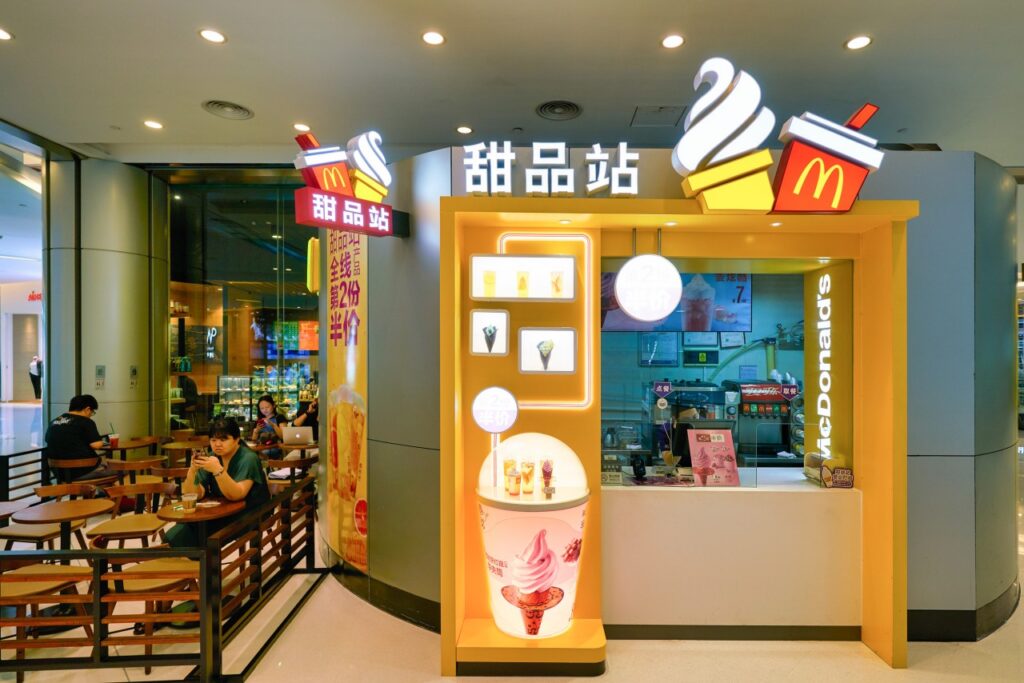
This myth has become a running joke, and unlike many others, it has some truth behind it. Ice cream machines require frequent cleaning cycles for food safety. These cycles can lock the machine for hours, during which it appears broken. The machines are also complex and sensitive, meaning minor errors can trigger shutdowns. Staff are often trained to follow strict protocols rather than troubleshoot freely. To customers, repeated downtime feels intentional or constant. In reality, it is a mix of maintenance requirements, design complexity, and operational limits. The result is frustration that reinforces the myth every time someone hears the familiar response.
7. McDonald’s Food Causes Instant Weight Gain
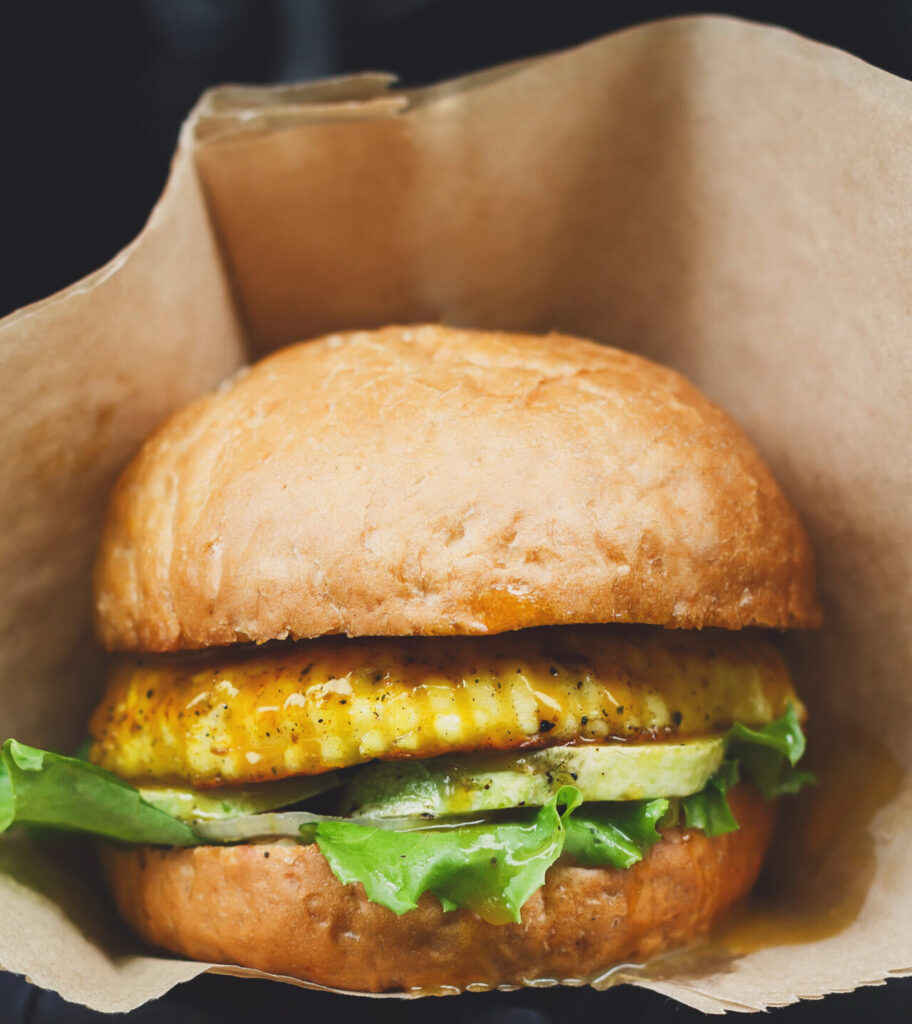
The belief that one meal causes immediate weight gain misunderstands how the body works. Weight gain happens over time when calorie intake consistently exceeds energy use. A single meal, even a high-calorie one, does not automatically turn into body fat. However, frequent consumption of calorie-dense fast food can make it easier to exceed daily needs without feeling full. The myth persists because people notice bloating or heaviness afterward and confuse that sensation with fat gain. While the food can contribute to long-term weight changes if eaten often, the effect is cumulative, not instant. Temporary water retention and digestion are usually what people feel right after eating.
8. Employees Can Eat Unlimited Free Food
Many imagine fast food employees eating freely behind the counter, but policies are far more controlled. Most locations offer limited free items, discounted meals, or specific staff meals during shifts. These rules vary by franchise and location, not by a universal corporate standard. Strict inventory tracking means food is accounted for carefully. Employees taking unlimited food would quickly be noticed. The myth likely comes from occasional perks or misunderstandings about shift meals. In reality, access is regulated, and free food is not endless or unrestricted. Most staff meals are carefully timed and portioned to reduce waste and cost.