10 Slicing Tools That Make Cutting Faster and Easier

Cutting and slicing are the workhorses of every kitchen. Nearly every meal begins with prep, and how smoothly that prep goes often decides whether cooking feels satisfying or exhausting. The right slicing tools remove friction from the process. They reduce strain on your hands, improve consistency in your cuts, and save valuable time without sacrificing accuracy. More importantly, they help ingredients behave the way they should. Even slices cook evenly, textures stay intact, and flavors develop as intended. From classic knives refined over centuries to modern tools built for speed and safety, these slicing tools are designed to work with your natural movements rather than against them.
1. Mandoline Slicer
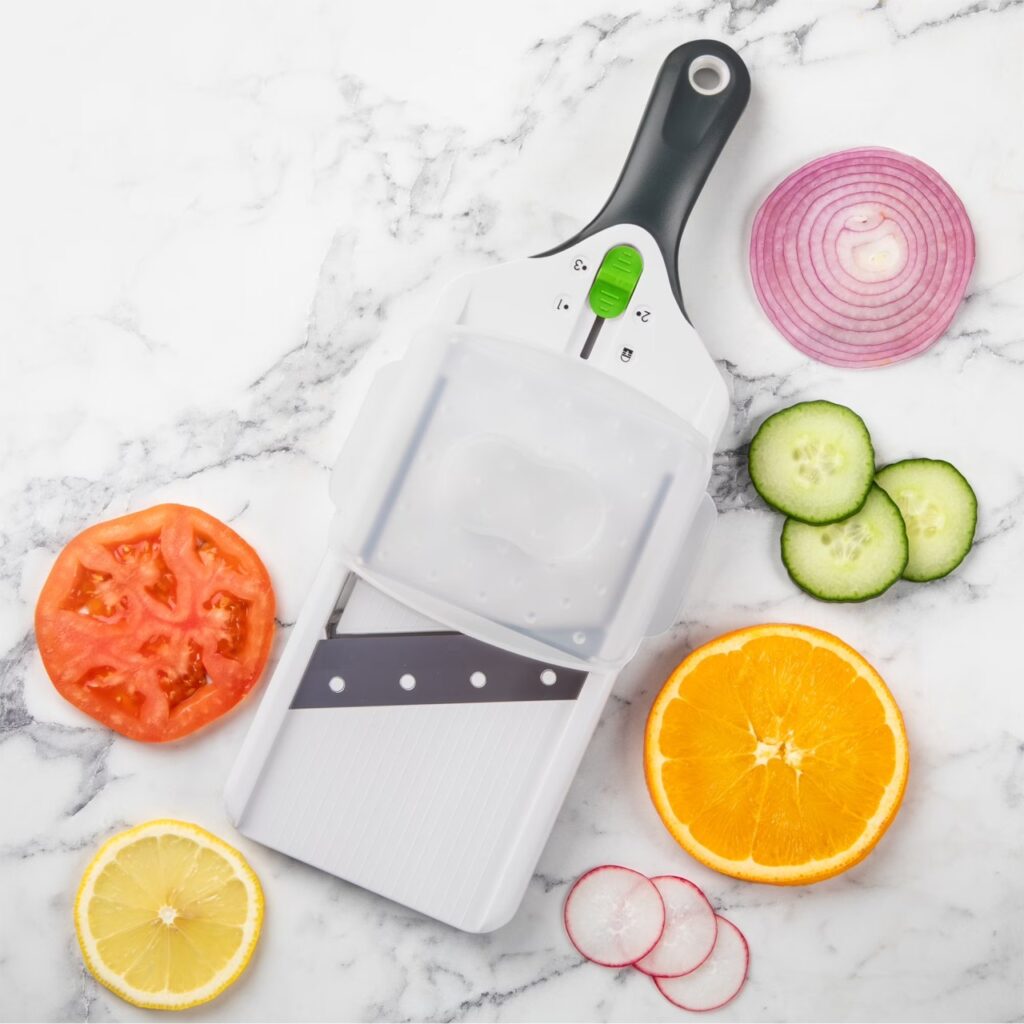
The mandoline slicer is built for speed through precision. Its flat surface and razor-sharp blade allow ingredients to glide across in one smooth motion, producing slices that are nearly identical every time. This consistency is not just about appearance. Even thickness helps food cook evenly, which matters when making chips, gratins, or quick sautés. Most mandolines include adjustable settings that control slice thickness and cutting style, letting you switch from paper-thin rounds to thicker slabs quickly. The real advantage is efficiency. Instead of stopping to measure or adjust your knife angle, the tool does the work for you.
2. Chef’s Knife
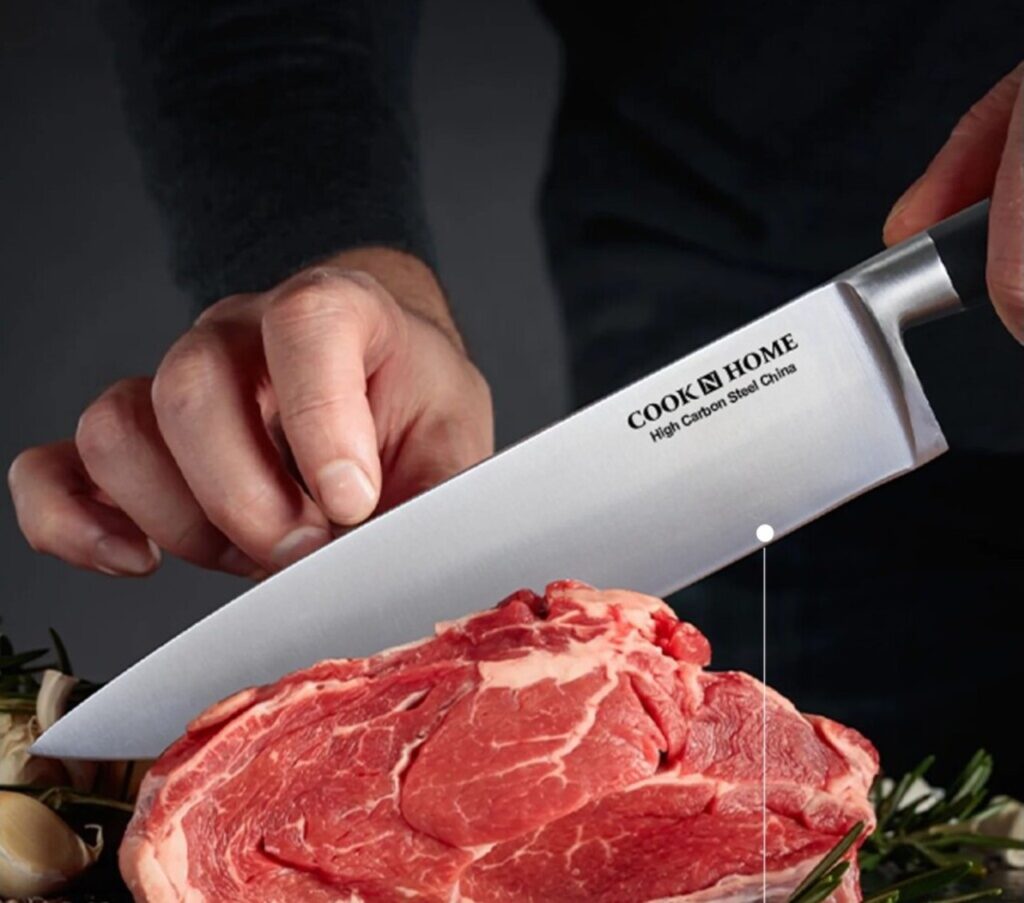
A chef’s knife is the foundation of fast and efficient cutting. Its wide blade, balanced weight, and gentle curve are designed to work with the natural movement of your hand. When properly sharpened, it slices cleanly instead of crushing food, which helps preserve texture and moisture. The curved edge supports a rocking motion that speeds up repetitive tasks like chopping onions or slicing herbs. Blade length also matters. A longer blade means fewer strokes, saving time and reducing fatigue. Quality steel holds its edge longer, reducing the need for sharpening. Unlike single-purpose tools, a chef’s knife adapts to nearly any ingredient, from dense root vegetables to delicate proteins.
3. Serrated Bread Knife
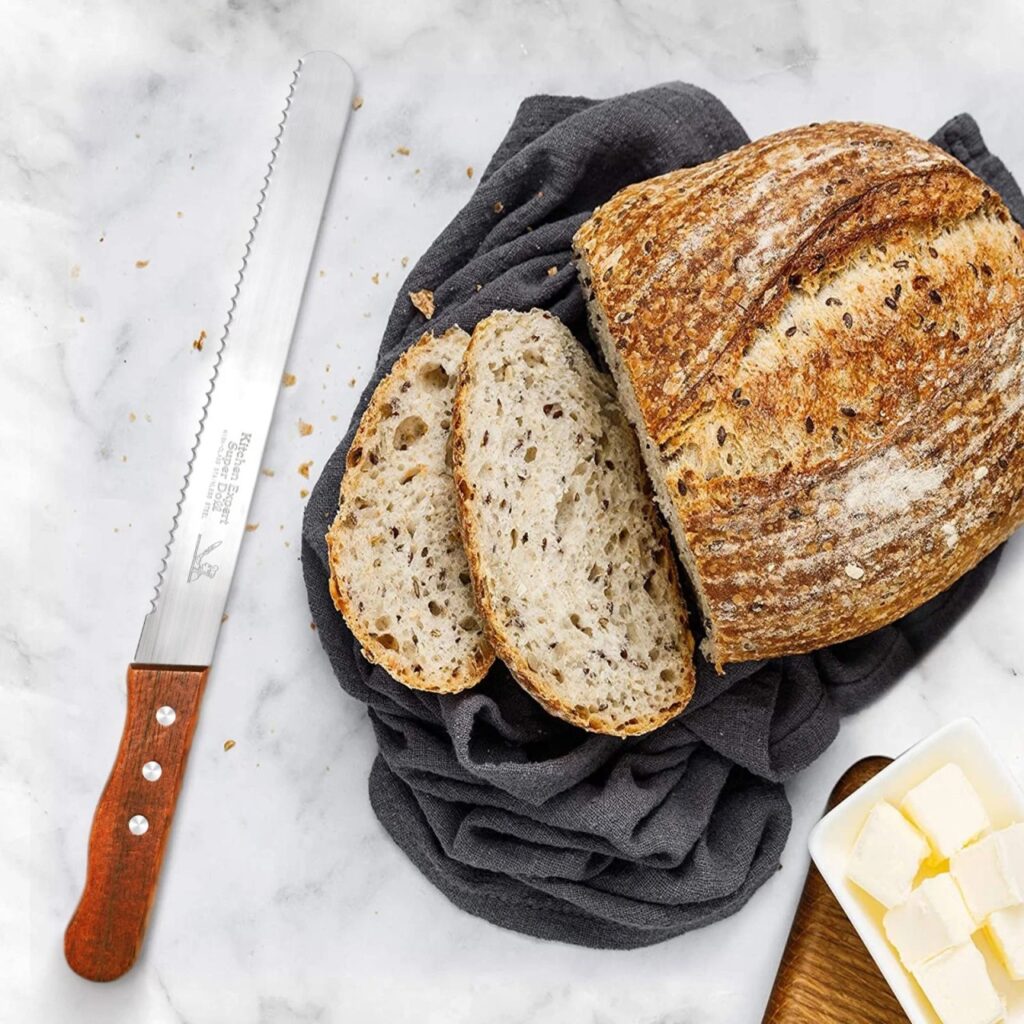
A serrated bread knife cuts through grip rather than pressure. Its small teeth catch the surface of crusty or soft foods, allowing the blade to move forward smoothly without crushing what is underneath. This makes it ideal not only for bread, but also for tomatoes, citrus, and soft cakes. The long blade length means fewer back-and-forth motions, which speeds up slicing and improves consistency. Because the teeth protect the cutting edge, serrated knives stay effective longer than smooth blades. They require less maintenance while delivering reliable performance. The gentle sawing action keeps slices clean and controlled, even on fragile foods.
4. Electric Knife
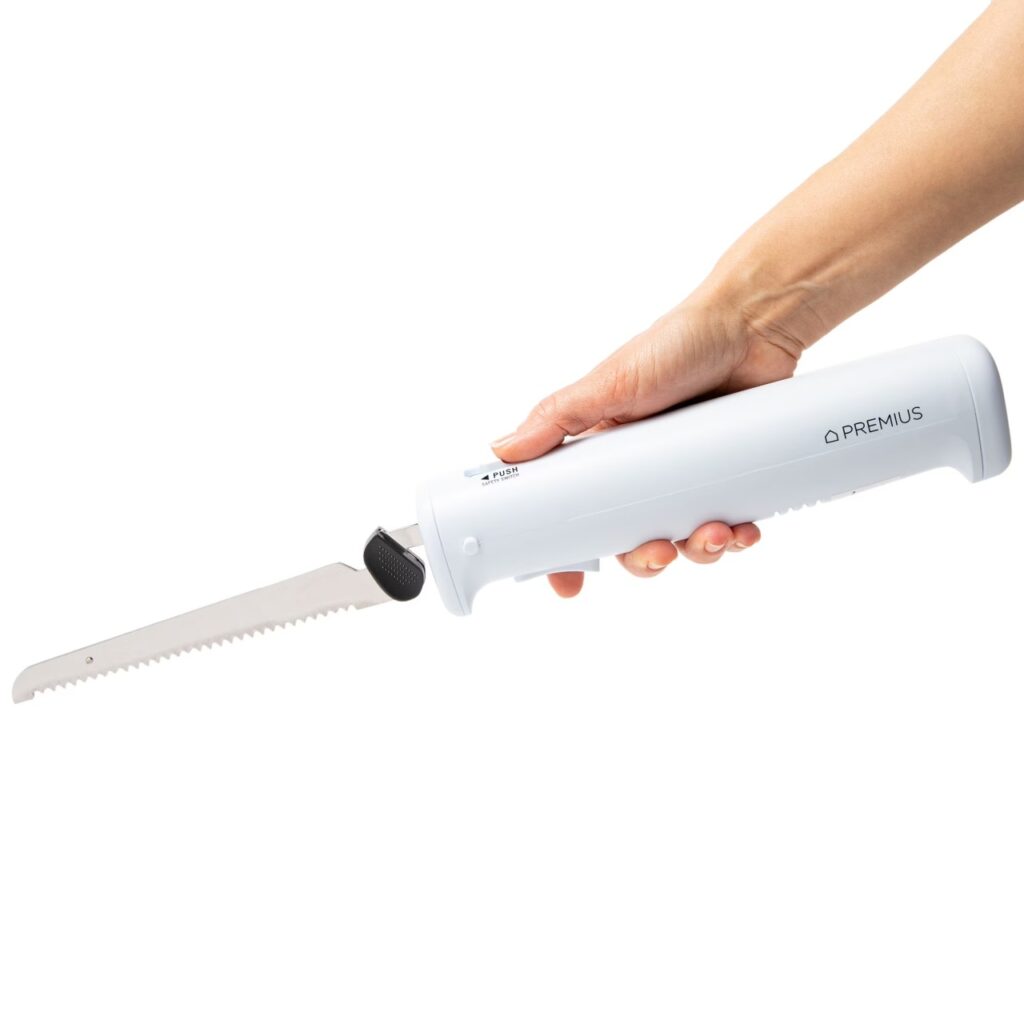
An electric knife transforms cutting into a guided process instead of a physical one. Two serrated blades move back and forth automatically, creating smooth, even slices with very little effort from the user. This is especially useful for large roasts, poultry, and dense breads that are difficult to cut evenly by hand. The powered motion reduces tearing and helps maintain shape, which matters when presentation is important. Hand strain is also reduced, making it a helpful option for long prep sessions or limited grip strength. Modern electric knives are lighter and easier to handle than older models. The biggest advantage is consistency.
5. Vegetable Chopper with Interchangeable Blades
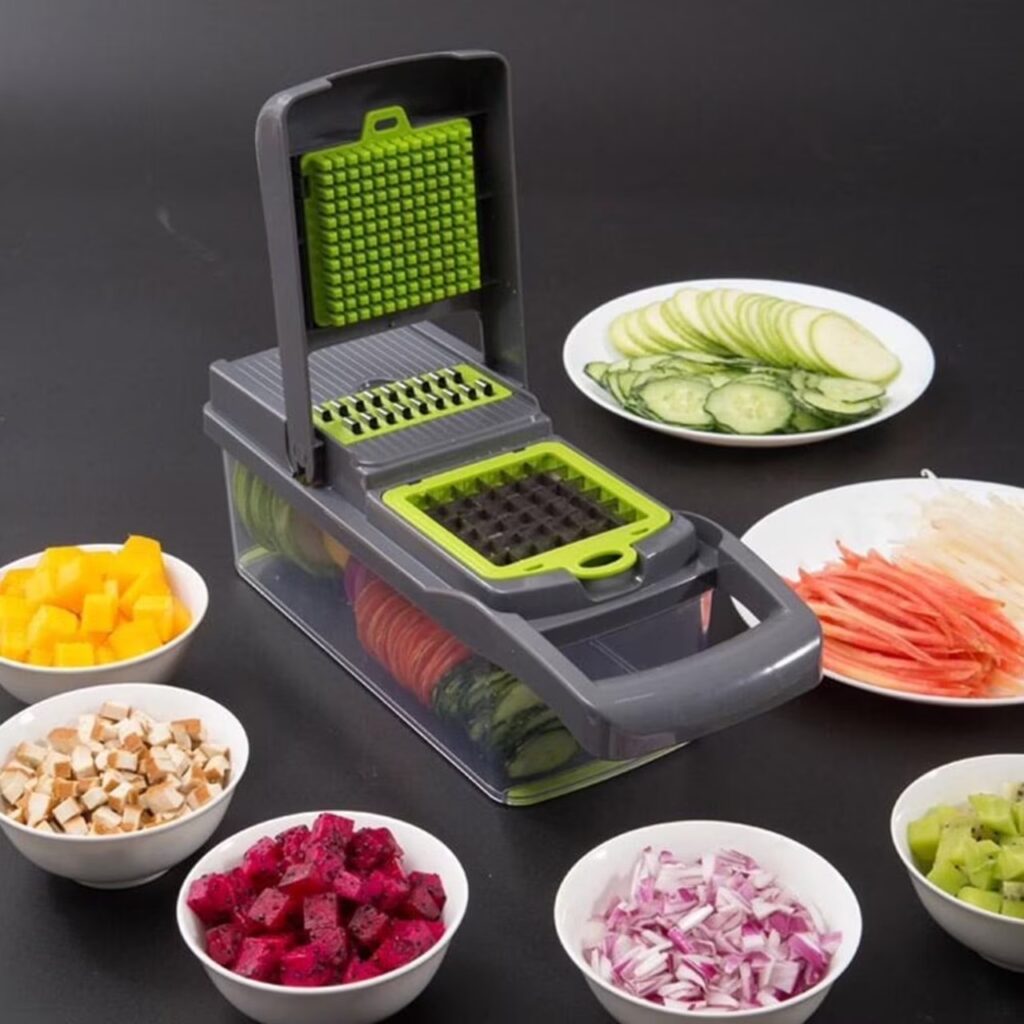
This tool is designed to eliminate repetitive knife work. By pressing food through sharp grid blades, vegetables are sliced or diced in a single downward motion. Interchangeable blades allow you to change cut size without switching tools or adjusting technique. This consistency improves cooking results, especially for dishes that rely on even heat distribution. The enclosed design keeps food contained, reducing mess and cleanup time. Most choppers use leverage instead of strength, making them efficient and easy to use. They are especially useful for meal prep or cooking in larger quantities. While not a replacement for all knife tasks, this tool excels at speed when volume matters most.
6. Adjustable Handheld Food Slicer
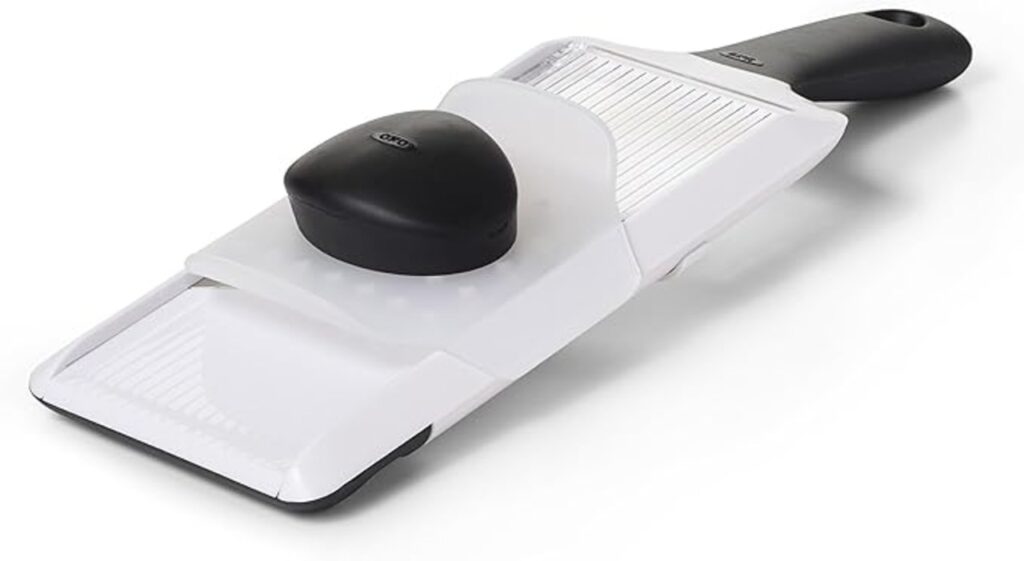
A handheld food slicer offers quick precision in a compact form. Adjustable settings let you control slice thickness easily, making it ideal for slicing items like mushrooms, cucumbers, or boiled eggs. Its lightweight design encourages frequent use because it is easy to store and clean. The fixed slicing angle removes guesswork and produces uniform results, even for beginners. Many models include finger guards to improve safety while maintaining speed. This tool is especially useful for small kitchens or quick meal preparation. Its strength lies in convenience. When you need fast, consistent slices without pulling out equipment, this slicer delivers reliable results with minimal effort.
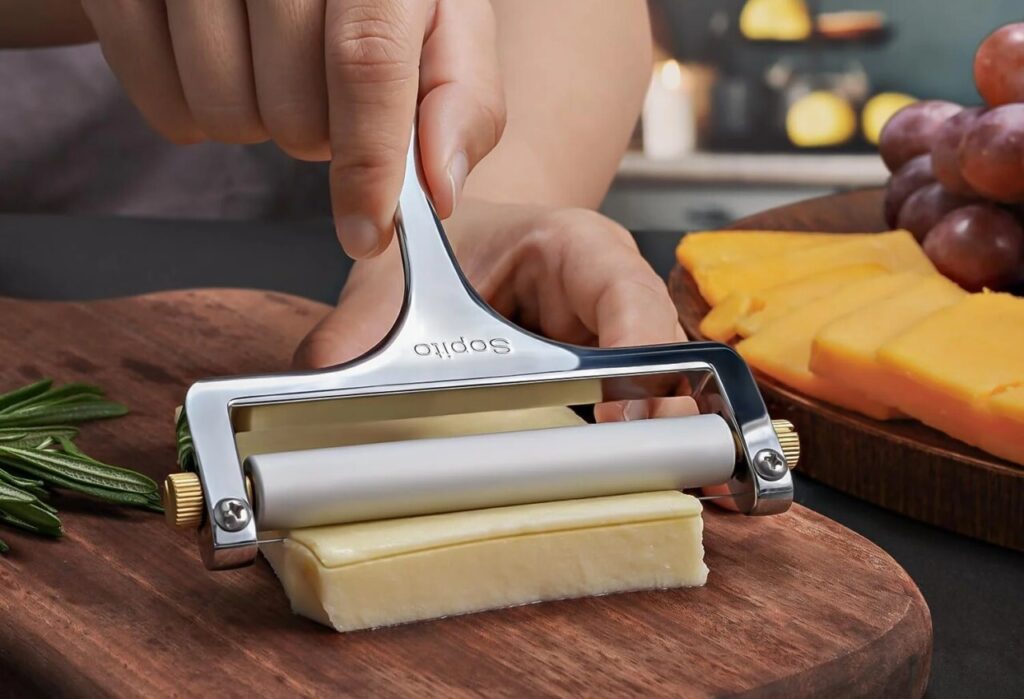
7. Cheese Slicer or Wire Cutter
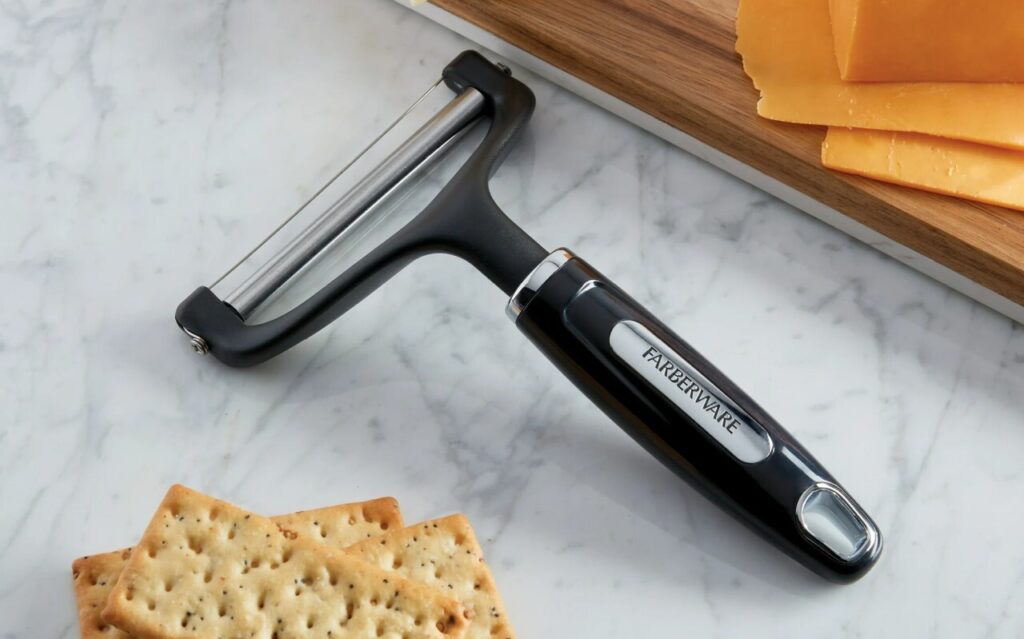
Cheese slicers work by separating rather than forcing. Thin metal wires or flat blades glide through cheese smoothly, preventing crumbling and sticking. This is especially important for soft and semi-hard cheeses, where knives often produce uneven cuts. Adjustable designs allow you to control thickness, which helps with portioning and presentation. The structure also keeps hands farther from the cutting surface, improving safety. Because there is very little resistance, slicing is quick and effortless. This becomes especially noticeable when preparing multiple servings. Instead of sawing or adjusting angles, each slice is made in one smooth motion, saving time while maintaining clean edges.
8. Sushi or Sashimi Knife
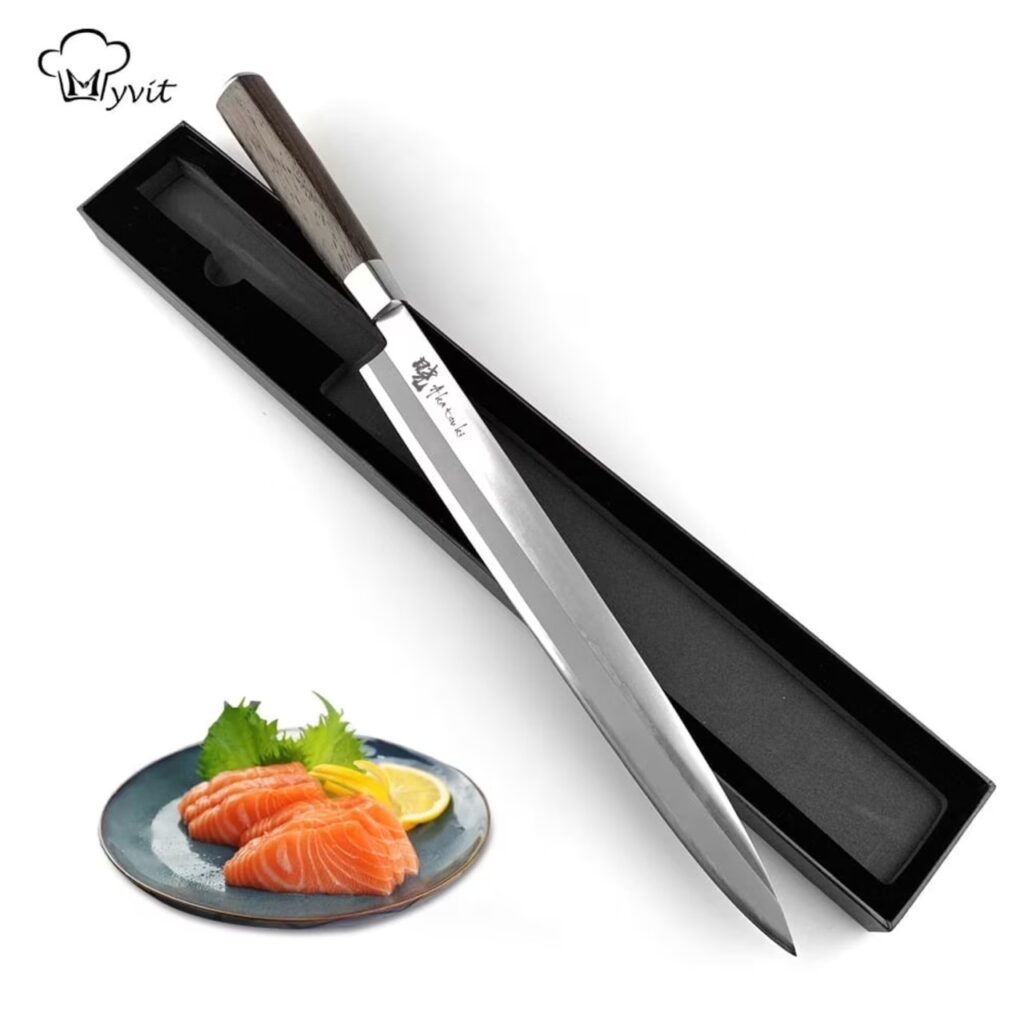
This long, narrow knife is designed for precision through length and sharpness. Its blade allows fish and other delicate foods to be sliced in a single uninterrupted motion, which preserves texture and appearance. Multiple strokes can tear proteins, but this knife avoids that problem entirely. The sharp edge reduces resistance, making cuts smoother and faster once the technique is learned. Balance and blade shape guide the motion, encouraging clean, intentional slicing. While often associated with raw fish, it also performs well on other delicate ingredients. Speed comes from efficiency of movement, where one controlled stroke replaces several smaller cuts.
9. Carving Knife and Fork Set
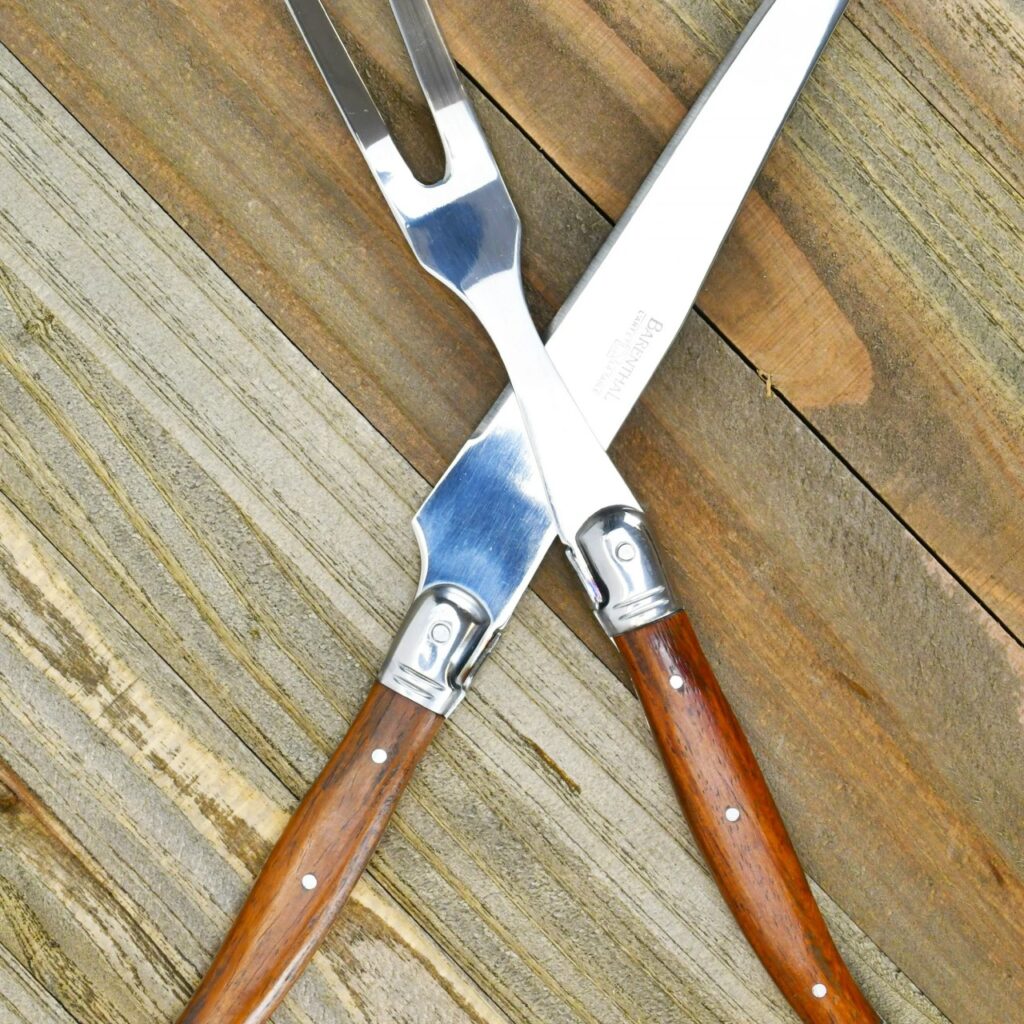
This tool pairing increases speed by adding stability. The carving fork holds large cuts of meat firmly in place, preventing slipping during slicing. The long, narrow carving knife is designed to produce thin, even slices with minimal resistance. Together, they reduce the need for repeated adjustments or sawing motions. This is especially important when serving roasts or poultry, where clean slices affect both texture and presentation. The blade length allows each slice to be completed in fewer strokes, saving time and preserving juices. Using both tools also improves safety by keeping food controlled throughout the process.
10. Rotary Cheese or Vegetable Slicer
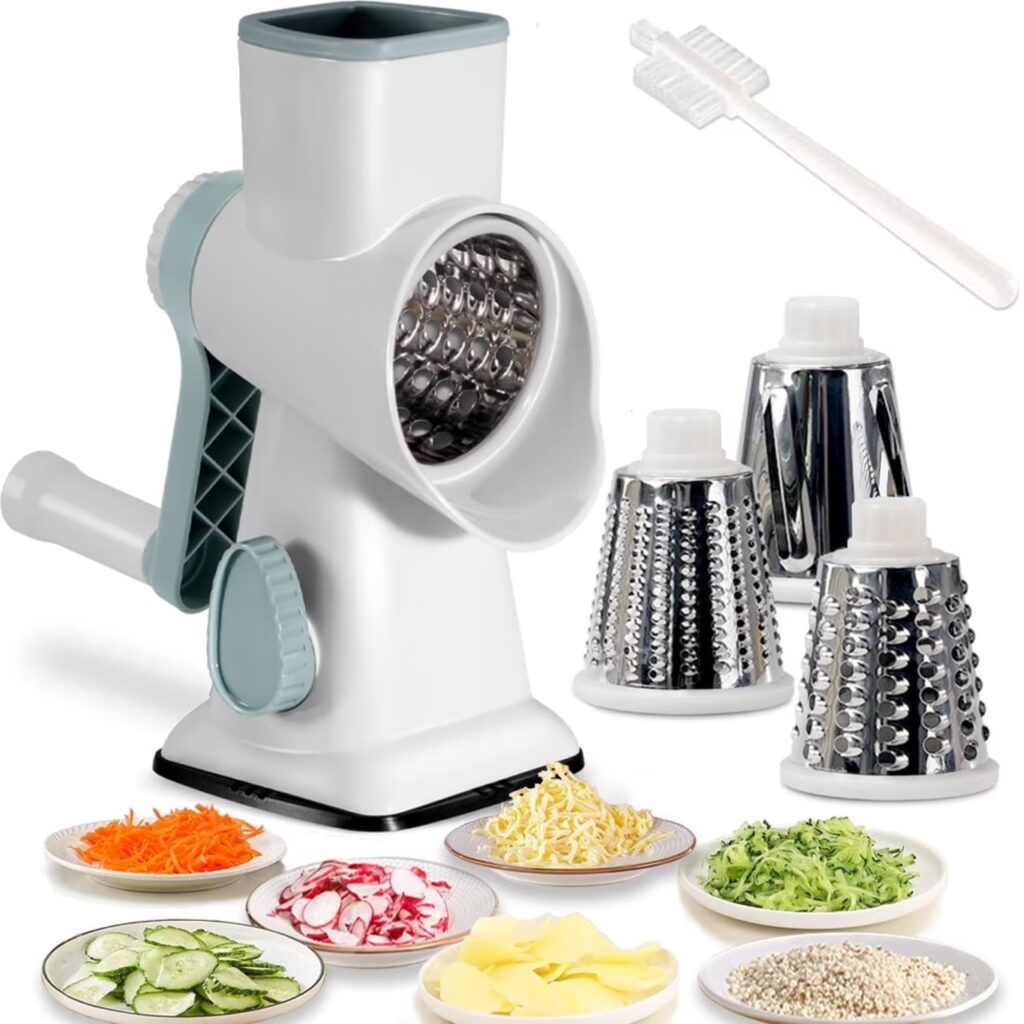
A rotary slicer turns steady hand motion into consistent cutting through a simple crank mechanism. Food is guided toward a fixed blade while the handle controls speed and pressure. This design keeps hands away from sharp edges, improving safety. It works especially well for firm vegetables and cheeses, producing uniform slices with minimal effort. The circular motion feels smooth and controlled, reducing fatigue during bulk slicing. Many models include suction bases that keep the slicer stable during use. Cleanup is quick thanks to removable parts. The main advantage is rhythm. Once started, the slicer maintains a steady pace that turns large slicing tasks into a fast, low-effort process.