12 Store-Bought Juices That Never Live Up to the Fresh Version

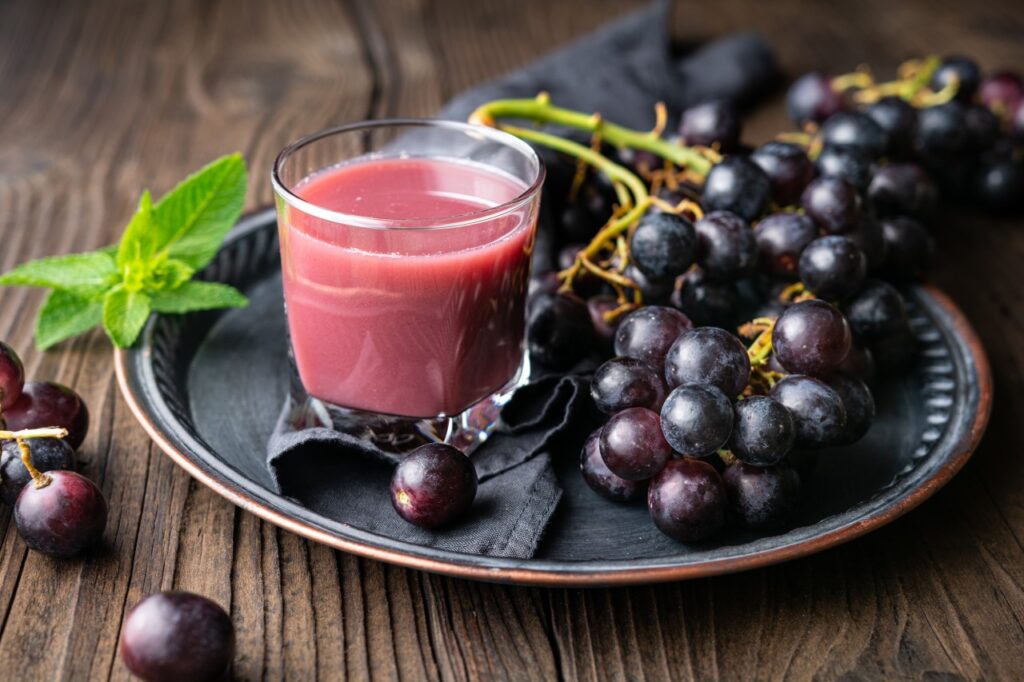
There is something almost magical about fresh-pressed juice. The scent, the color, the way the flavor feels alive on your tongue. Store-bought juices promise convenience, but in the process, they sacrifice the very qualities that make fruit and vegetables worth drinking in the first place. Heat, storage, and standardization quietly strip away aroma, texture, and natural balance. What is left may look familiar, but it rarely tastes honest. This list explores the popular juices that sound refreshing on the label yet fall short of their fresh-made counterparts, revealing why squeezing, pressing, or blending at home still delivers a noticeably better experience.
1. Orange Juice
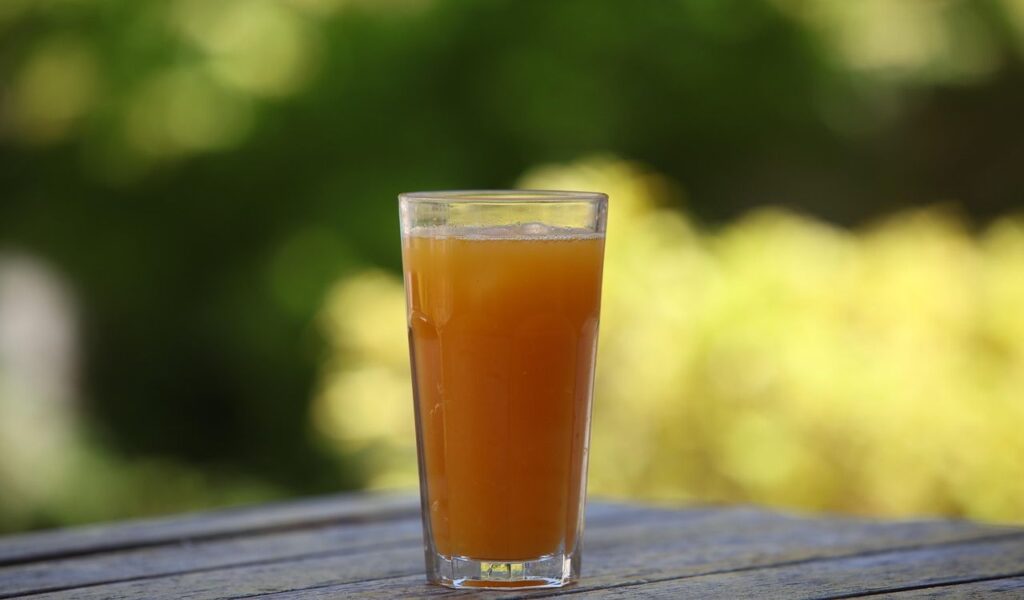
Fresh orange juice announces itself before you even taste it. The scent is sharp, floral, and unmistakably citrus, created by volatile oils released the moment the fruit is cut. Store-bought orange juice loses much of this character because it is pasteurized and stored for long periods. Heat treatment dulls aroma compounds, while oxygen exposure flattens flavor. To compensate, manufacturers often rely on flavor packs derived from orange byproducts, which restore consistency but not freshness. Nutritionally, bottled juice also suffers losses in vitamin C over time. Freshly squeezed juice delivers brighter acidity, natural sweetness, and a fuller mouthfeel because pulp and oils remain intact.
2. Apple Juice
Apple juice from a bottle tends to taste like sweetness without a story. That is because most commercial apple juice is filtered, clarified, and made from concentrate. This process strips out tannins, aromatic compounds, and much of the apple’s natural complexity. Fresh apples contain a balance of sugar, acid, and subtle bitterness that varies by variety, but bottled juice blends multiple sources to achieve uniform flavor. Heating during concentration further mutes freshness and changes texture. Fresh apple juice, whether pressed or blended, carries a crisp snap and slight cloudiness that signals intact fiber and polyphenols.
3. Grape Juice
Grapes are delicate fruits whose flavor depends heavily on freshness and balance. Store-bought grape juice often tastes thick and overly sweet because it is usually made from concentrated juice with water added back. This boosts sugar levels while flattening acidity and aroma. Heat processing also alters the natural grape profile, pushing it toward a cooked or jam-like taste. Freshly pressed grapes retain their bright acidity, subtle bitterness from skins, and complex fruity notes that vary by grape type. These elements prevent sweetness from becoming cloying. Fresh juice also contains more natural antioxidants like resveratrol, which can degrade with processing and storage.
4. Pineapple Juice
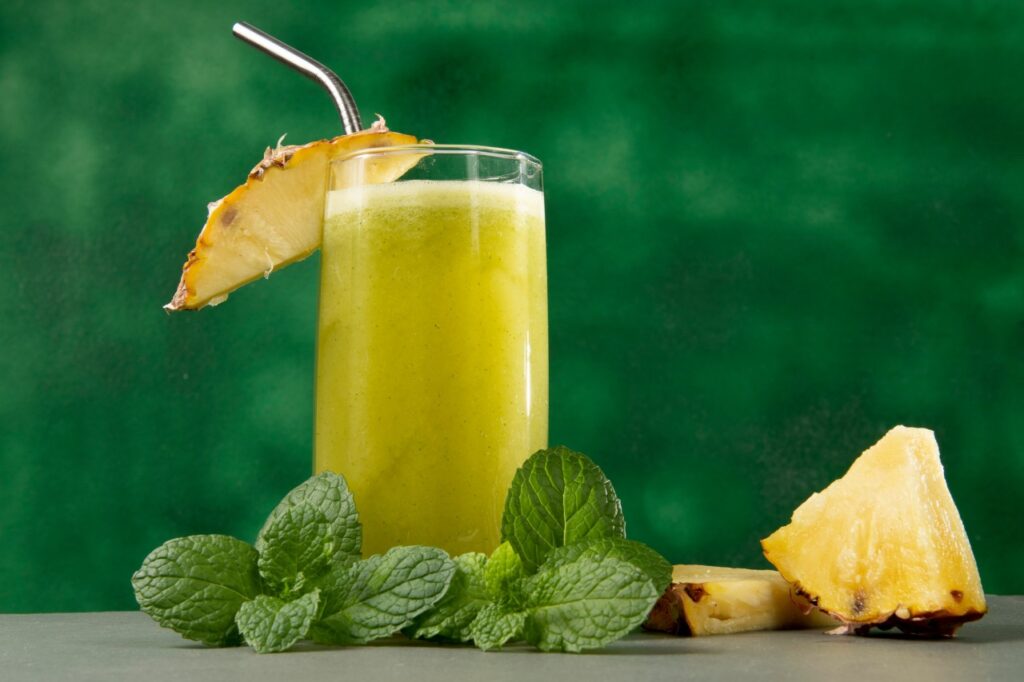
Pineapple juice is most impressive when it tastes sharp, tropical, and slightly prickly on the tongue. That sensation comes from fresh enzymes and acids that do not survive industrial processing well. Store-bought pineapple juice is typically pasteurized, which destroys bromelain, the enzyme responsible for pineapple’s fresh bite. Without it, the juice tastes sweeter and less dynamic. Many bottled versions are also diluted or sweetened to standardize flavor. Fresh pineapple juice delivers natural brightness, balanced sweetness, and a clean finish that does not linger heavily on the palate. Its aroma is also more expressive, signaling ripeness and freshness.
5. Cranberry Juice Cocktail
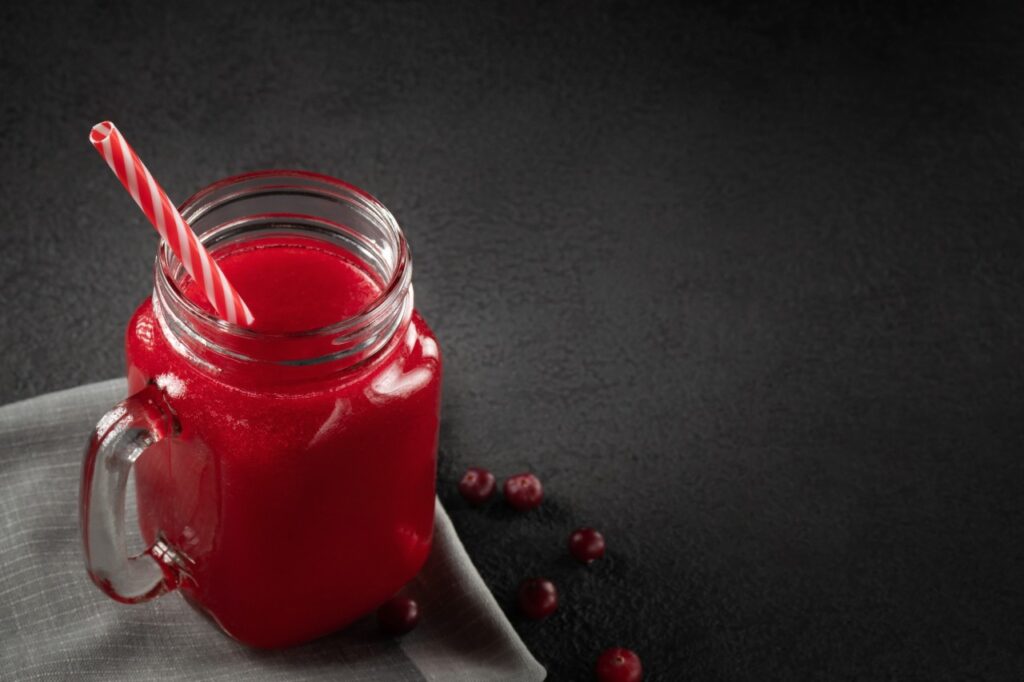
Cranberries are naturally tart, which makes them difficult to bottle without heavy modification. Most store-bought cranberry juice is labeled as a cocktail, meaning it contains added sugars or other fruit juices to mask bitterness. This shifts the flavor profile away from cranberry’s sharp, clean tang. Processing further reduces the fruit’s natural acidity and aromatic compounds. Fresh cranberry juice, though intense, delivers a crisp sourness that feels refreshing rather than syrupy. It also retains more of the fruit’s polyphenols, which contribute to both flavor and health benefits. When diluted and sweetened, cranberry juice loses its identity.
6. Carrot Juice
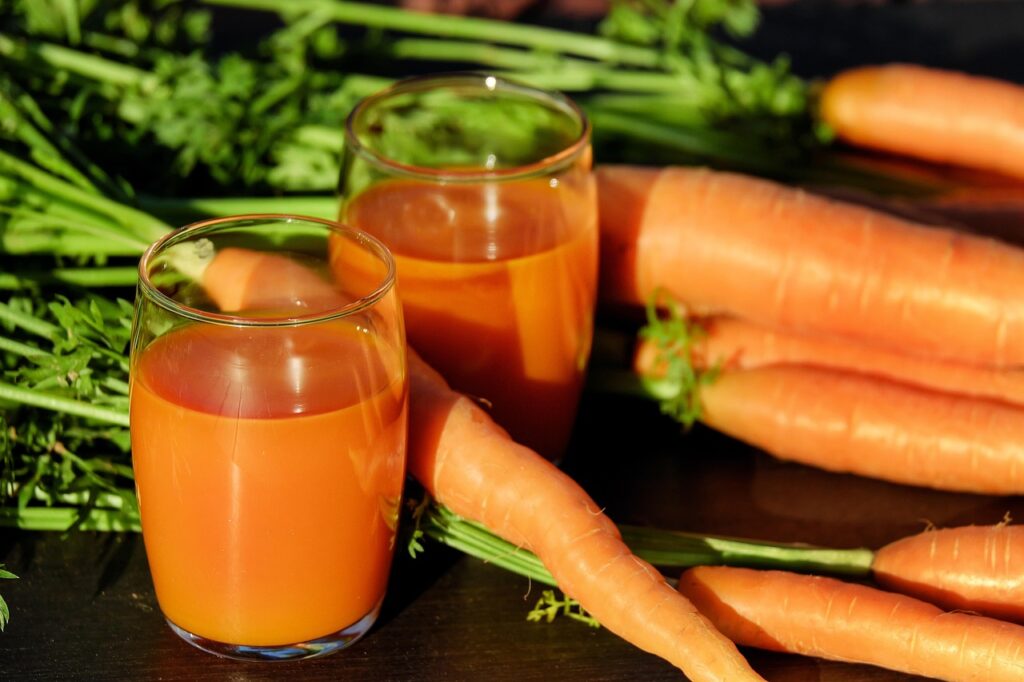
Carrots are surprisingly aromatic when freshly juiced. Their sweetness is balanced by earthy notes that fade quickly after processing. Store-bought carrot juice often tastes flat because pasteurization reduces volatile compounds responsible for aroma. Oxygen exposure during bottling further dulls flavor and color. Over time, natural sugars become more pronounced while complexity disappears. Fresh carrot juice, by contrast, tastes clean and slightly grassy with a natural sweetness that feels light rather than heavy. It also preserves more beta carotene in its natural state, especially when consumed soon after juicing. The difference is subtle but important.
7. Tomato Juice

Tomato juice from a bottle tastes cooked because it usually is. Heat processing is necessary for safety, but it changes tomato chemistry. Acidity softens, natural sweetness becomes heavier, and fresh green notes disappear. Salt is often added to boost flavor, which further distances it from the taste of fresh tomatoes. Fresh tomato juice retains brightness, natural acidity, and a clean vegetal flavor that reflects ripe fruit rather than sauce. It also has a lighter mouthfeel and clearer aroma. When tomatoes are juiced fresh, their flavor feels crisp and refreshing instead of dense and savory. Bottled tomato juice may be convenient, but it tastes closer to soup than produce.
8. Beet Juice
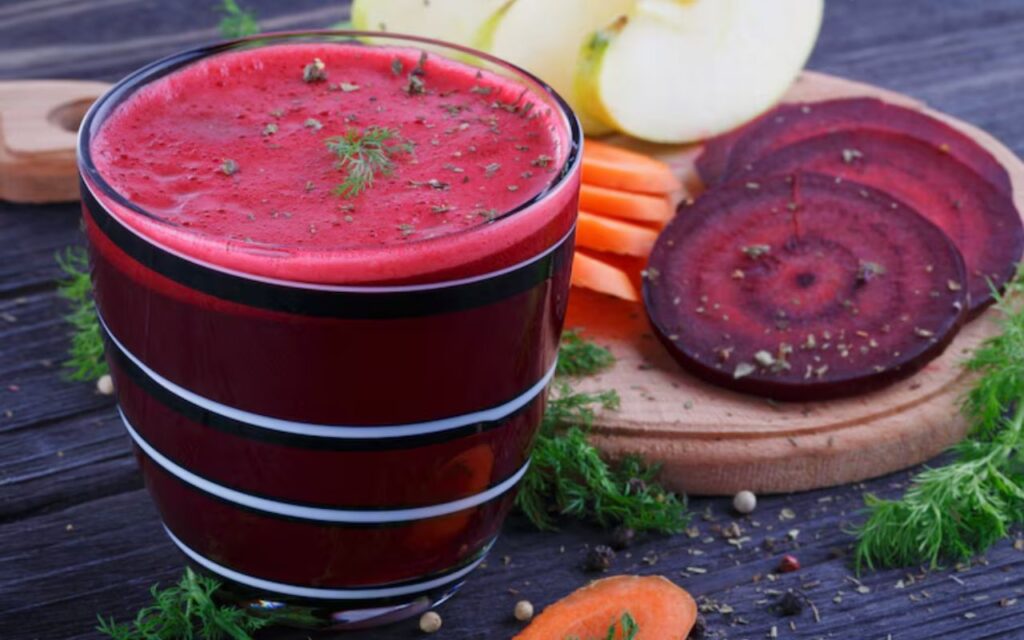
Beets have an earthy sweetness that requires careful handling. Store-bought beet juice often tastes muddy or metallic because processing amplifies certain compounds while suppressing others. Heat and storage can exaggerate earthy notes and create off flavors. Fresh beet juice, when properly extracted, tastes cleaner and slightly sweet with balanced earthiness. It also maintains more natural nitrates, which contribute to both flavor and functional benefits. Fresh juice has a smoother finish and brighter color, signaling minimal oxidation. Bottled versions tend to darken and thicken over time, which affects both taste and texture.
9. Pomegranate Juice
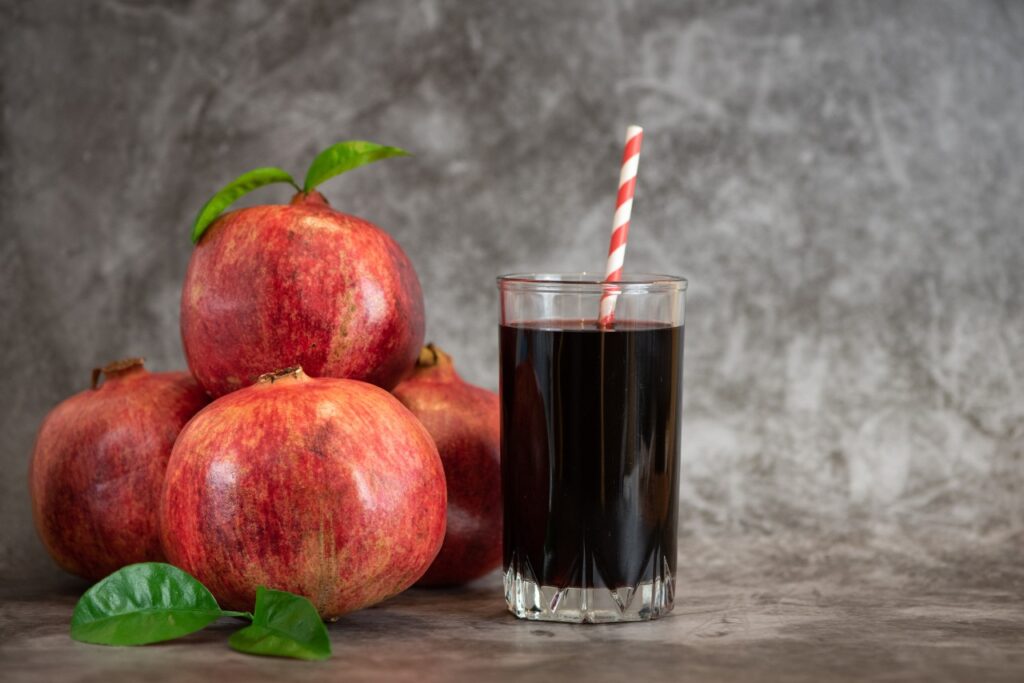
Pomegranate juice should taste sharp, tangy, and slightly dry. Many bottled versions miss this balance because they are diluted, sweetened, or made from concentrate. Processing reduces acidity and flattens the fruit’s complex tannins. These tannins are essential for pomegranate’s distinctive bite. Freshly pressed pomegranate juice preserves this structure, delivering a crisp, wine-like profile with layered sweetness and tartness. It also retains more antioxidants that contribute to both flavor and color stability. Bottled juice often tastes round and sugary instead of precise. Fresh juice keeps pomegranate honest, bold, and refreshing rather than soft and generic.
10. Coconut Water
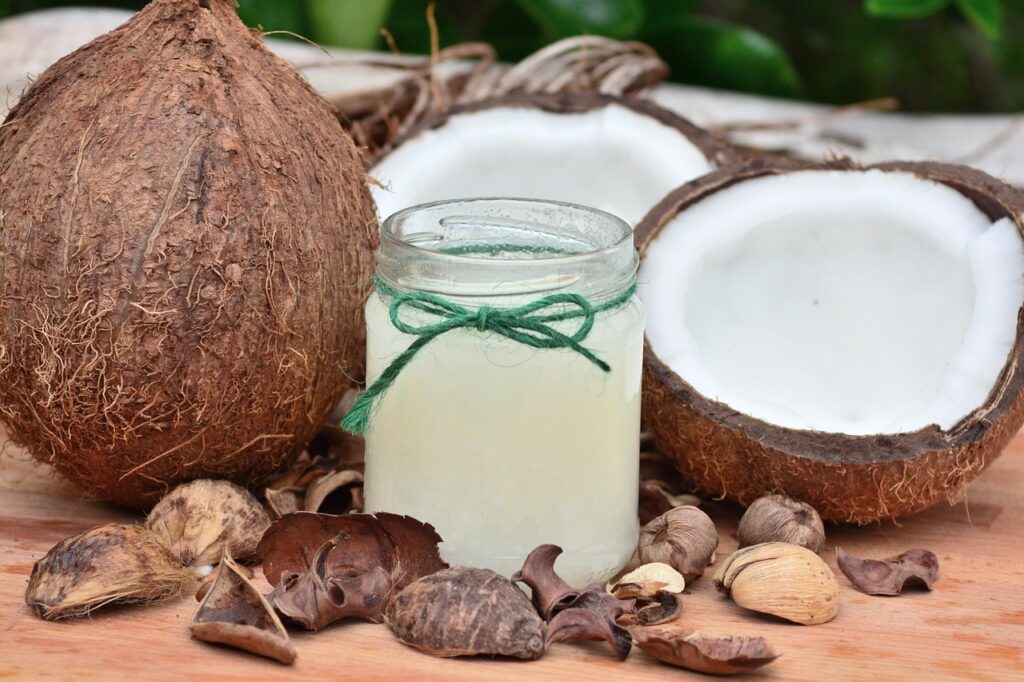
Coconut water is prized for its clean, subtle sweetness and light mineral taste. Store-bought versions often disappoint because they are heat-treated or pressure-processed to extend shelf life. These methods alter delicate sugars and minerals, creating a cooked or flat taste. Some brands add sweeteners or flavors to compensate, which further distances the product from fresh coconut water. Fresh coconut water tastes crisp, lightly nutty, and refreshing, with a gentle sweetness that never overwhelms. It also has a thinner texture that signals freshness. Bottled coconut water may look similar, but its flavor is heavier and less precise.
11. Mixed Fruit Punch Juice
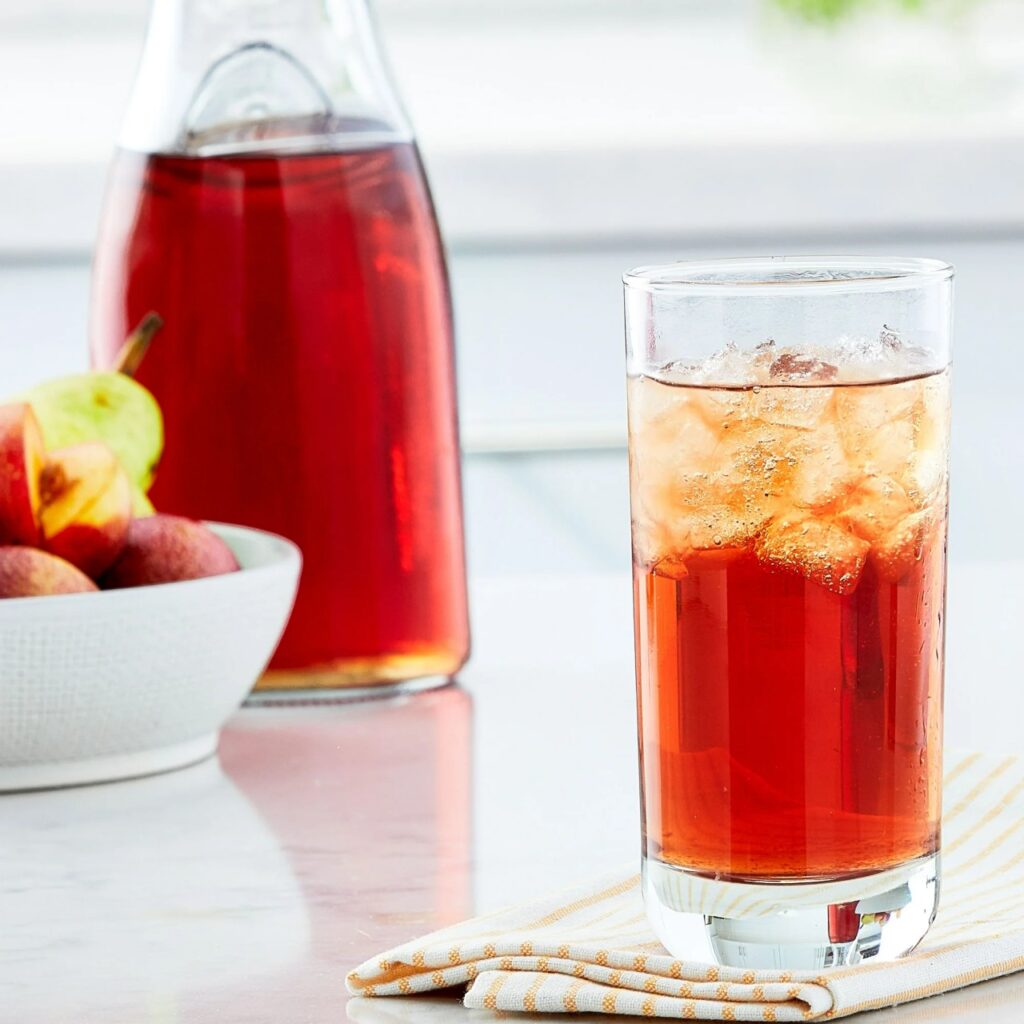
Fruit punch juices are designed for consistency, not freshness. They usually combine multiple concentrates, added sugars, and flavorings to create a sweet, familiar taste. This approach eliminates the unique characteristics of individual fruits. Fresh mixed fruit juice, when made thoughtfully, allows each ingredient to contribute its own acidity, sweetness, and aroma. The result feels layered and balanced rather than sugary and vague. Bottled fruit punch often tastes artificial because flavor is engineered rather than extracted. Fresh blends taste brighter, cleaner, and more natural, even when simple fruits are used.
12. Vegetable Juice Blends

Store-bought vegetable juice blends prioritize shelf stability over flavor clarity. Heat processing dulls vegetal brightness, while salt is often added to restore taste. This creates a heavy, savory profile that masks the individual flavors of the vegetables. Fresh vegetable juice retains crispness, natural sweetness, and clean bitterness from greens and roots. Each ingredient remains recognizable, contributing to a more dynamic flavor. Fresh blends also preserve more heat-sensitive nutrients and natural enzymes. Bottled versions may be convenient, but they feel dense and muted. Fresh vegetable juice tastes lighter, clearer, and closer to the vegetables themselves.