Premium Food Subscription Boxes Are Facing a Slow Shift in Consumer Interest


What once felt like a modern luxury has gradually become a point of reconsideration for many consumers who are now more mindful of how they spend. Premium food subscription boxes originally promised convenience, curated selections, and a sense of discovery delivered directly to the doorstep. For a while, they fit easily into busy routines, offering both novelty and time-saving benefits. However, as spending habits evolve and expectations become more defined, people are starting to examine what they truly receive in return, questioning whether the overall experience still justifies the cost, consistency, and ongoing commitment involved.
This gradual shift is less about abandoning subscriptions and more about refining how consumers approach their choices. Shoppers today are far more aware of value, flexibility, and long-term usefulness, especially in a market filled with convenient alternatives. As priorities move toward greater control and practical benefits, subscription services are being evaluated more carefully. People are paying closer attention to how often they use products and whether they fit into their daily lives. This growing awareness highlights a clear change in behavior, where once automatic subscriptions are now thoughtful and deliberate decisions.
The Lasting Shift in Consumer Subscription Behavior
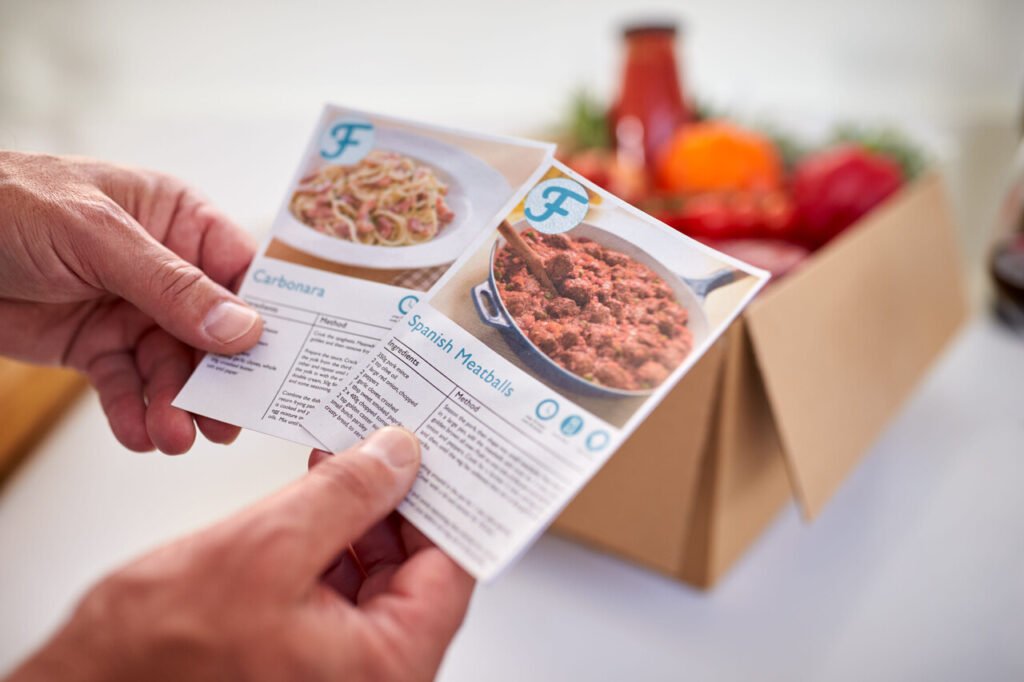
What once felt like a convenient upgrade to everyday shopping is now being reconsidered more carefully as consumer priorities continue to shift. Premium food subscription boxes first gained attention through curated selections, exclusive products, and the ease of doorstep delivery, making them appealing for busy lifestyles. Over time, however, these services have become part of routine spending, prompting users to take a closer look at their true value. Many subscribers are now questioning whether these boxes still meet their current needs, especially as concerns around flexibility, cost, and practicality become more important in daily decision-making.
This shift is not sudden, but develops gradually through repeated use and changing expectations. Consumers who once enjoyed the excitement and novelty are now focusing more on long-term usefulness and consistency. Instead of maintaining subscriptions out of habit, they are evaluating how often the products are actually used and whether they justify the expense. As a result, subscription behavior is becoming more selective and intentional, with people choosing services that clearly deliver value while moving away from those that no longer fit their evolving lifestyle and priorities, often comparing them with simpler and more flexible alternatives.
Balancing Convenience With Perceived Value
Convenience has long been the main reason many consumers signed up for premium food subscription boxes, offering curated selections delivered directly to their doorstep without the need to shop. In the early stages, this time-saving benefit felt valuable enough to justify the cost. However, as consumers become more mindful of their spending, convenience alone is no longer seen as sufficient. People are now paying closer attention to whether the products they receive truly match their expectations in terms of quality, variety, and usefulness in everyday meals and routines, especially when balancing busy schedules and household needs.
This growing awareness has led shoppers to more carefully evaluate what they are actually paying for with each delivery. Many now compare subscription boxes with local grocery options, where similar or even better products may be available at a lower price or with more flexibility. This side-by-side comparison encourages a more practical approach to spending, where convenience is still appreciated but only when it clearly delivers real value. As a result, consumers are becoming more selective, choosing services that offer both ease and meaningful benefit, while avoiding options that feel repetitive or less worthwhile over time.
How Brands Are Rethinking Their Subscription Strategies
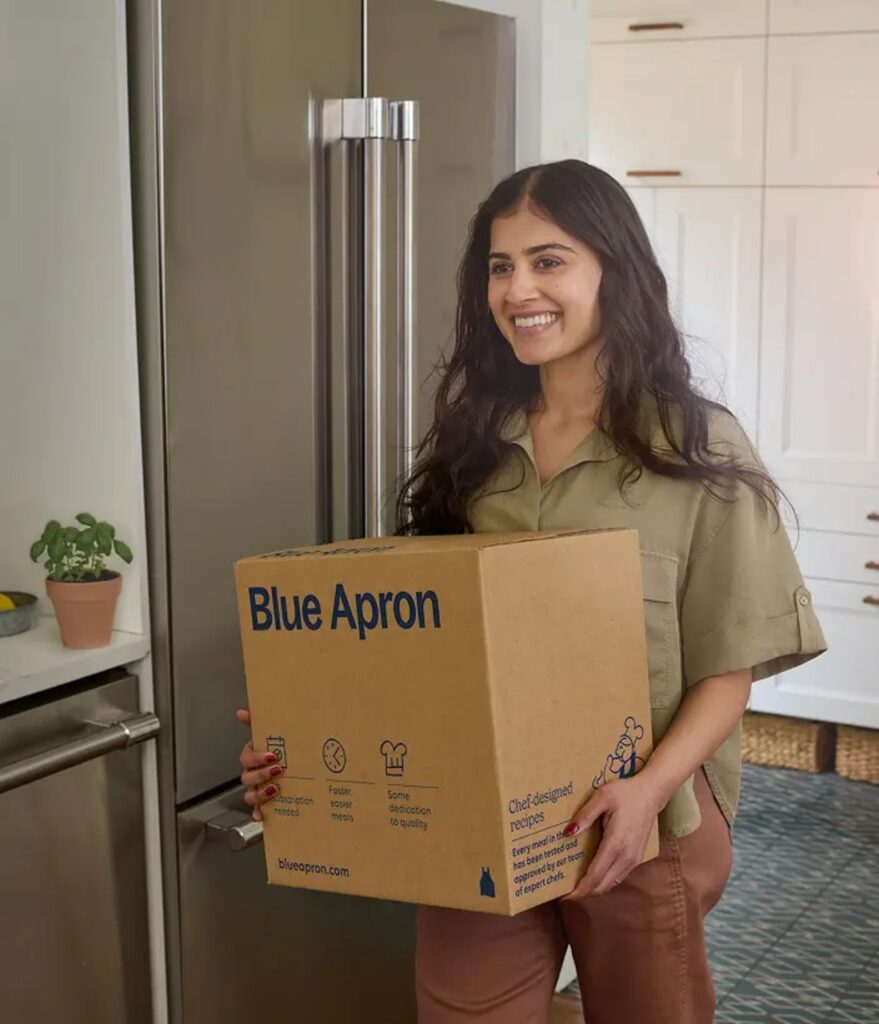
As consumer expectations continue to evolve, many brands are actively rethinking how they structure and present their subscription services to remain relevant. Instead of relying solely on premium positioning or exclusivity, companies are introducing greater flexibility into their offerings. Features such as customizable boxes, adjustable delivery schedules, and easy skip options are becoming more common. These changes are designed to reduce the sense of commitment that once defined subscriptions, making them feel more adaptable to individual needs and more aligned with modern, dynamic lifestyles and spending habits.
At the same time, brands are placing stronger emphasis on listening to customer feedback and using it to improve their overall service experience. Product selections are being refined, quality is being monitored more closely, and communication is becoming clearer and more transparent. By giving customers greater control and a better understanding of what they receive, companies aim to rebuild trust and encourage long-term loyalty. This shift highlights a growing recognition that maintaining customer interest now depends on continuous improvement, responsiveness, and the ability to evolve alongside changing consumer expectations.
The Growing Demand for Flexibility and Transparency
Modern consumers are placing far greater importance on having control over how they spend, and this expectation is clearly reflected in how they approach subscription services today. Fixed plans with limited room for changes are becoming less attractive, especially for those who prefer to manage their budgets and consumption more actively. People now expect the ability to adjust delivery frequency, skip orders when needed, or cancel without facing unnecessary complications. This level of flexibility is no longer viewed as a bonus feature, but as a basic standard that determines whether a service feels practical and worth continuing.
At the same time, transparency has become a key factor in building and maintaining trust with customers. Consumers want a clear understanding of what they are paying for, including where products come from, how pricing is structured, and what to expect with each delivery. When companies communicate this information openly and consistently, it creates a sense of reliability and confidence. Without that clarity, even well-designed services may struggle to retain interest, as customers are less willing to commit to offerings that feel unclear or difficult to evaluate, often leading them to explore simpler and more transparent alternatives.
What Lies Ahead for Premium Food Subscription Boxes
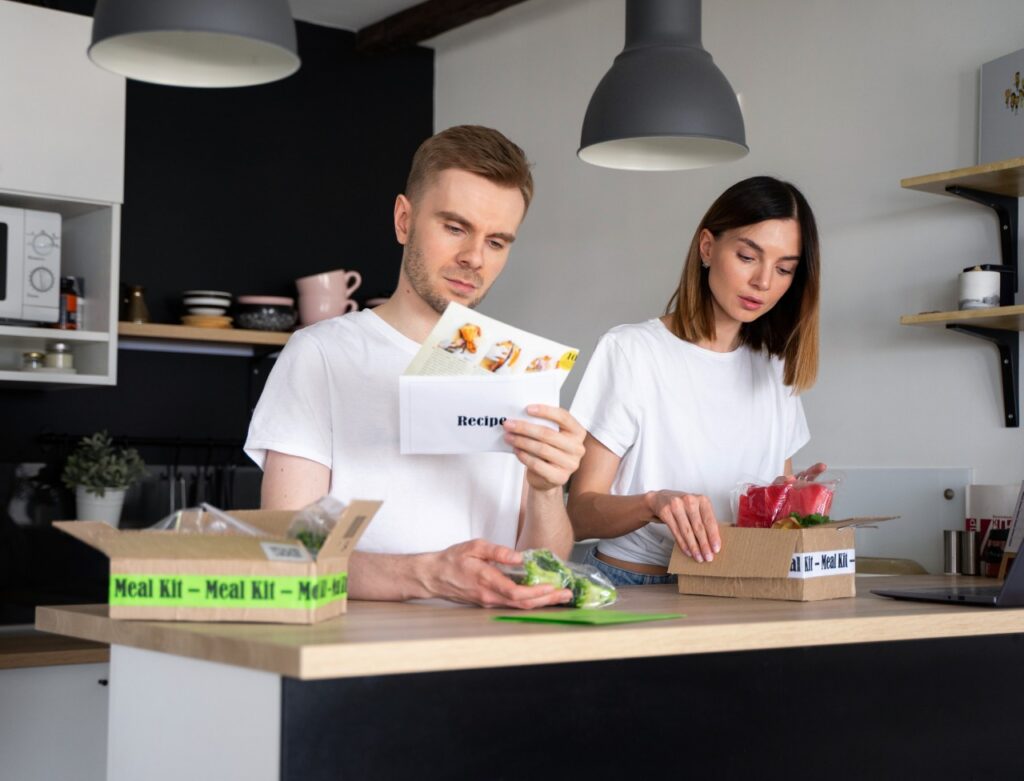
The future of premium food subscription boxes will largely depend on how effectively companies respond to steadily changing consumer expectations. While the concept itself is not disappearing, it is clearly undergoing a transformation shaped by demand for greater practicality, stronger value, and more user control. Services that continue to rely on rigid models or outdated assumptions may struggle to maintain interest. In contrast, those that adapt to evolving preferences have a stronger chance of remaining relevant, especially as consumers become more deliberate in how they choose and spend on recurring services.
Moving forward, the focus is expected to shift toward more precise personalization, reduced packaging waste, and carefully curated product selections that feel genuinely useful. Consumers are becoming more intentional, seeking options that fit seamlessly into their daily routines rather than offering short-lived novelty. This means subscription services must deliver consistent, real-world value to remain appealing. The shift reflects a broader change in behavior, where people are prioritizing thoughtful, efficient choices over convenience alone when engaging with subscription-based food services.