11 “Healthy” Foods Nutrition Experts Say Are Often Overrated


Foods labeled as healthy often enjoy a strong reputation on grocery shelves and restaurant menus. Words like natural, low-fat, gluten-free, or plant-based can make certain products appear automatically better for your diet. However, nutrition experts frequently point out that some of these foods are not as beneficial as their image suggests. Added sugars, heavy processing, and misleading marketing can turn seemingly healthy items into less balanced choices. Understanding which foods are often overrated can help consumers make smarter and more informed decisions about what they eat.
1. Granola

Granola often carries a strong reputation as a wholesome breakfast choice. The mix of oats, nuts, and seeds sounds naturally nutritious, which is why many people consider it a healthier option than traditional cereals.
Most packaged granola is baked with oils and sweeteners such as honey, maple syrup, or brown sugar. These ingredients help create the crunchy texture people enjoy, but they also raise the calorie and sugar content significantly.
Portion size becomes another concern. Because granola is dense and flavorful, it is easy to pour more than the recommended serving. When combined with yogurt or milk, the calorie count climbs quickly. Nutrition experts often suggest using granola as a topping rather than a full bowl if someone wants to keep the meal balanced.
2. Flavored Yogurt

Yogurt is widely promoted as a healthy food because it contains protein, calcium, and beneficial bacteria. Plain yogurt can indeed support digestion and overall nutrition. The problem appears when sweetened varieties enter the picture.
Many flavored yogurts contain large amounts of added sugar to make the taste more appealing. Fruit-flavored versions often rely on syrups, fruit concentrates, or sweetened fruit mixtures. These additions can turn a nutritious food into something closer to a dessert.
Some single-serving cups contain as much sugar as a small candy bar. Nutrition experts often recommend choosing plain yogurt and adding fresh fruit instead, which allows people to enjoy natural sweetness without the extra sugar.
3. Protein Bars
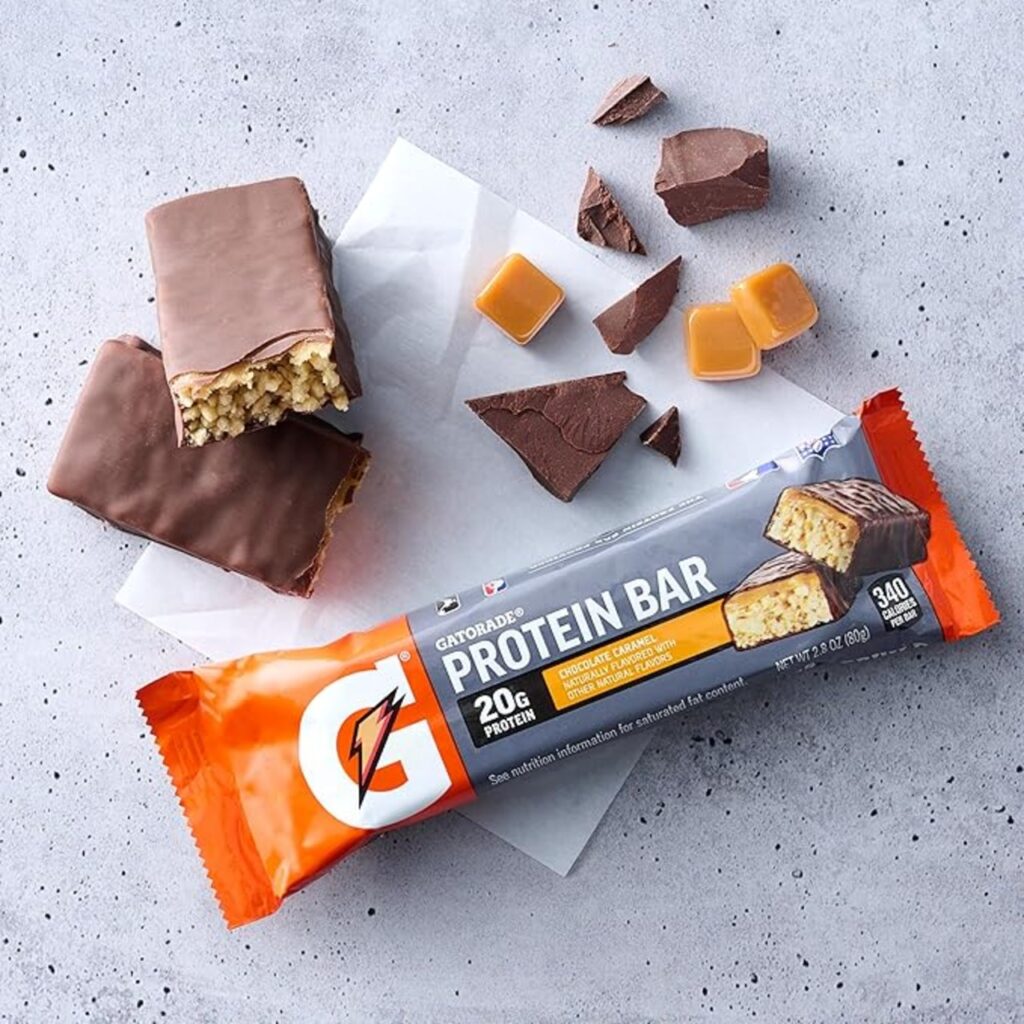
Protein bars are marketed as convenient nutrition for busy lifestyles. They promise quick energy, muscle support, and balanced nutrients in a compact package. For people who exercise frequently, they can sometimes serve a useful purpose.
The concern arises from the ingredients used in many commercial bars. Some varieties contain large amounts of sugar, syrups, and chocolate coatings that make them taste more like candy.
Another issue is the long ingredient lists. Protein bars often rely on stabilizers, artificial sweeteners, and isolated protein powders to maintain shelf life and texture. While they may provide some nutrients, nutrition experts often suggest whole foods such as nuts, fruit, or yogurt as simpler snack options.
4. Sports Drinks
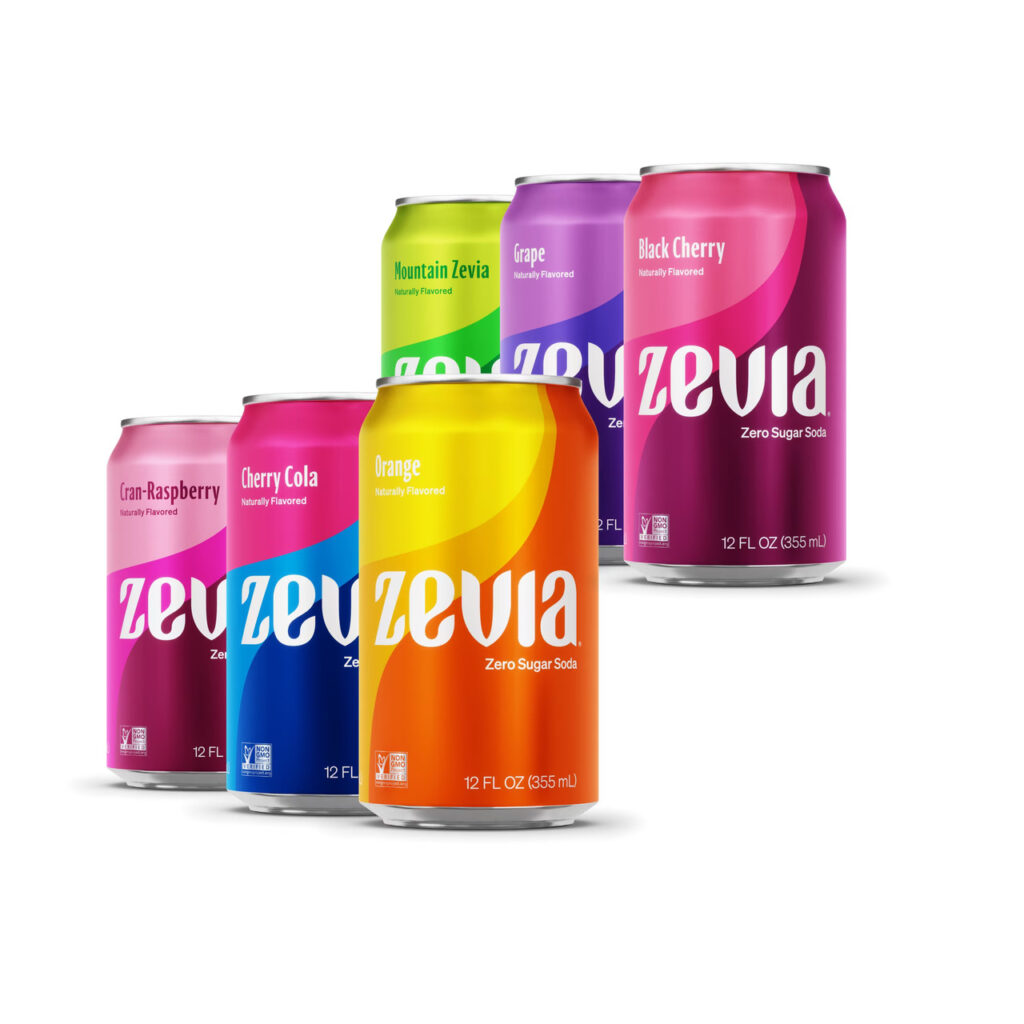
Sports drinks are designed to replace fluids, electrolytes, and carbohydrates lost during intense physical activity. For endurance athletes who train for long periods, these beverages can play a useful role in maintaining hydration and energy levels.
Many people consume them during everyday activities that do not require extra electrolyte replacement. In these situations, the drink simply adds additional sugar to the diet.
The sugar content in some sports drinks can be similar to that found in soda. When consumed regularly without heavy exercise, these beverages can contribute to excess calorie intake. For most daily routines, water remains the simplest and most effective way to stay hydrated.
5. Gluten-Free Packaged Snacks
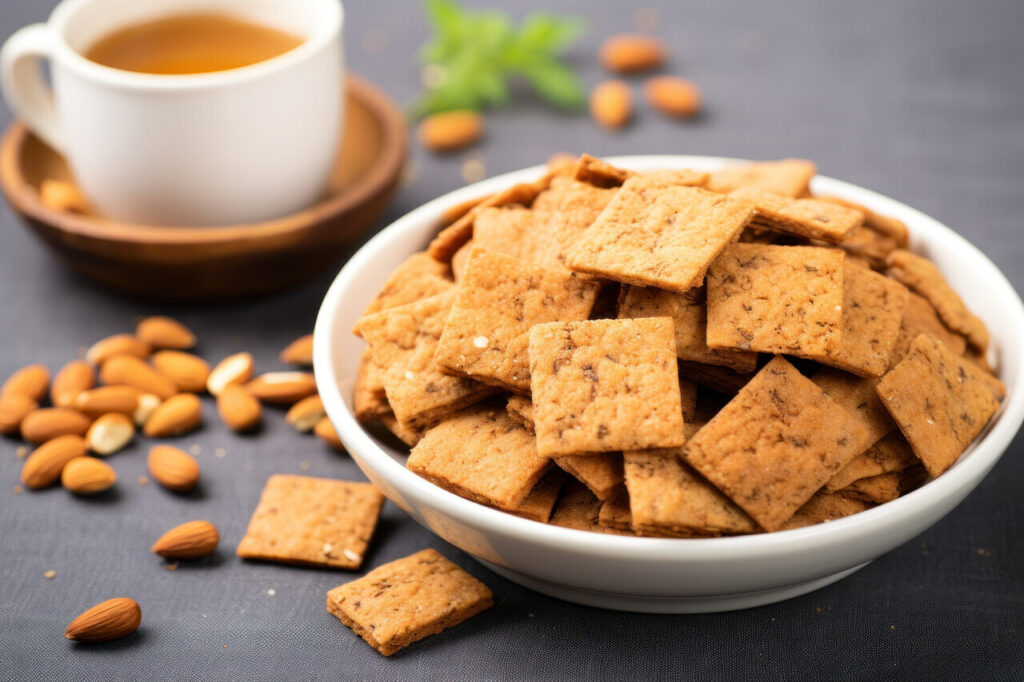
Gluten-free foods have become widely available in grocery stores, often promoted as a healthier alternative to traditional products. For people with celiac disease or gluten sensitivity, avoiding gluten is essential for health.
For those without these conditions, gluten-free snacks do not automatically provide nutritional advantages. Many packaged gluten-free foods replace wheat with refined starches such as rice flour, potato starch, or tapioca flour.
Manufacturers also add sugar, oils, and flavorings to improve taste and texture. As a result, the final product may contain similar or even higher calories than the regular version. Nutrition experts often emphasize that gluten-free does not necessarily mean healthier.
6. Low-Fat Products

Low-fat foods gained popularity during decades when dietary fat was widely blamed for weight gain and heart disease. Supermarket shelves quickly filled with reduced-fat cookies, salad dressings, and dairy products marketed as healthier choices.
Removing fat from food often changes its taste and texture. To make up for this loss, manufacturers frequently add sugar, starches, or flavor enhancers. These additions can raise the overall calorie content and reduce the product’s nutritional quality.
Another effect involves perception. When people see the label low fat, they may assume the product is automatically healthier and eat larger portions. This behavior can unintentionally increase calorie intake rather than reduce it.
7. Breakfast Cereals

Breakfast cereals are commonly marketed as nutritious morning meals, often highlighting added vitamins and whole grains on the packaging. For busy mornings, they offer convenience and quick preparation.
Despite these claims, many cereals contain refined grains and significant amounts of sugar. Some varieties marketed toward families and children have sugar levels comparable to sweet desserts. This can cause rapid spikes in blood sugar early in the day.
The portion sizes shown on cereal boxes can also be misleading. People often pour much larger servings than the recommended amount. Nutrition experts suggest choosing cereals with minimal sugar and higher fiber if someone wants to maintain steady energy levels throughout the morning.
8. Premade Smoothies

Smoothies are widely associated with healthy eating because they often contain fruits, vegetables, and dairy or plant-based milk. When prepared at home with balanced ingredients, they can indeed provide vitamins and fiber.
Premade smoothies sold in stores or cafes sometimes tell a different story. Many rely on fruit juices, sweetened yogurt, or fruit concentrates to create a smoother texture and stronger flavor. These ingredients can significantly increase sugar levels.
Calorie content can also rise quickly. Large smoothie servings may contain several portions of fruit along with sweeteners and creamy additions. What appears to be a light drink can easily become a high-calorie beverage that resembles a dessert.
9. Plant-Based Meat
Plant-based meat alternatives have gained attention as environmentally friendly and animal-free options. These products attempt to mimic the texture and taste of traditional meat using plant-derived ingredients.
To achieve that similarity, manufacturers often use processed proteins from soy, peas, or wheat along with oils, flavorings, and stabilizers. While these ingredients help recreate the experience of meat, they also make the product highly processed.
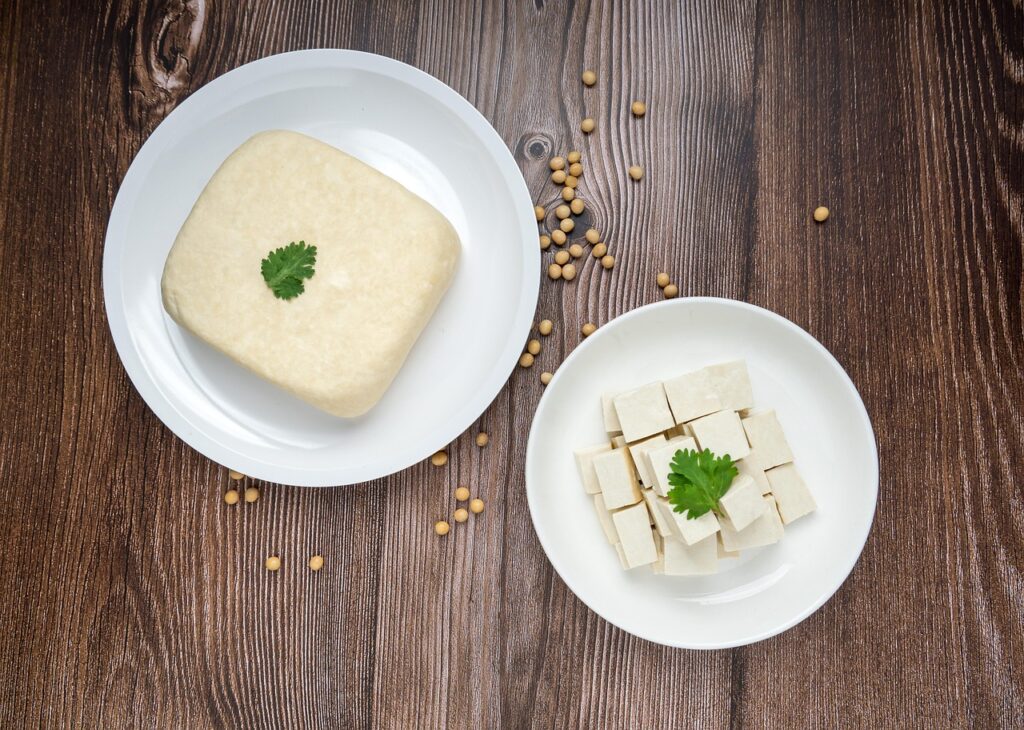
Some varieties also contain notable amounts of sodium to enhance flavor. Although plant-based meats can still fit into certain diets, nutrition experts often point out that whole plant foods such as beans, lentils, and tofu provide simpler and less processed sources of protein.
10. Frozen Yogurt

Frozen yogurt gained popularity as a lighter alternative to ice cream. Many dessert shops present it as a healthier treat because it contains less fat than traditional ice cream.
The difference becomes less clear when sugar and toppings enter the equation. Frozen yogurt itself can still contain substantial amounts of sugar to achieve its creamy texture and appealing flavor.
Self-serve shops often encourage large portions as customers fill cups with toppings like candy, syrups, and cookie pieces. These additions can quickly turn the dessert into something with calorie levels similar to or higher than ice cream.
11. Plant-Based Milk
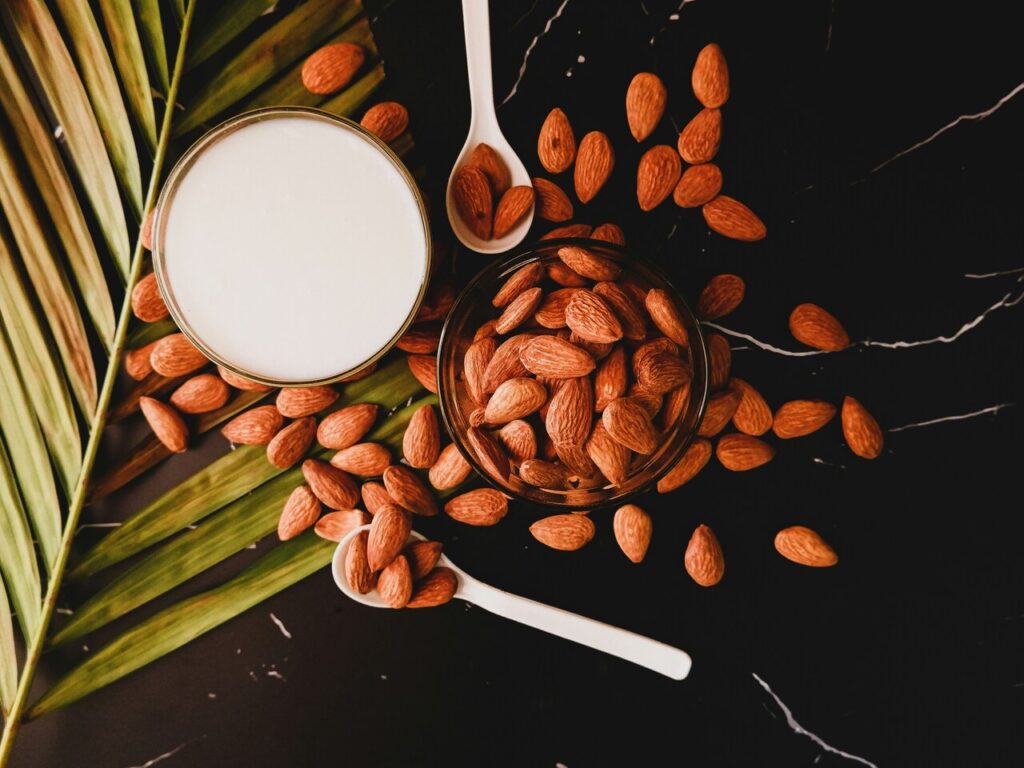
Plant-based milk alternatives such as almond, oat, and rice milk have become popular choices for people who avoid dairy. These beverages can work well for individuals with lactose intolerance or those following plant-focused diets.
However, not all plant-based milks provide the same nutritional balance as dairy milk. Wide varieties are relatively low in protein unless they are fortified with additional ingredients. This difference can matter for people who rely on milk as a protein source.
Some brands also include added sugars, stabilizers, or flavorings to improve taste and texture. Choosing unsweetened versions and checking the nutrition label can help consumers understand what they are actually getting in each serving.