10 American Foods International Visitors Say Taste Surprisingly Bland


American cuisine is known around the world for its variety and bold comfort foods, yet some dishes leave international visitors puzzled rather than impressed. Travelers who are used to stronger spices, fermented flavors, or rustic cooking styles sometimes find certain American favorites surprisingly mild. In many cases, the ingredients, preparation methods, or heavy sweetness create a taste that feels unfamiliar. Cultural expectations around food also shape these reactions. What feels nostalgic and satisfying to Americans can taste very different to someone experiencing it for the first time.
1. American Bread

For many international visitors, the first surprise appears in the bread aisle. Bread in the United States often tastes noticeably sweeter than the loaves found in Europe, Asia, or parts of the Middle East.
Large-scale bread production relies on fast-rising yeast and dough conditioners that allow bread to be produced quickly and consistently. While efficient, these processes reduce the time normally used for fermentation, which is what develops deeper flavor in traditional breads.
As a result, the final product tends to be very soft and mild in taste. Visitors from countries where bread is crusty, chewy, and slightly tangy sometimes find American bread lacking character. The sweetness and sponge-like texture can feel closer to cake than to the rustic loaves they are used to eating daily.
2. Hershey’s Chocolate

Chocolate lovers visiting the United States often notice a difference in taste when they try popular American chocolate bars. Hershey’s chocolate, in particular, has a flavor that many international visitors describe as slightly sour or tangy compared to European varieties.
This distinctive taste comes from the way the milk in the chocolate is processed. During manufacturing, the milk undergoes a treatment that produces small amounts of butyric acid.
While this flavor is familiar and nostalgic for many Americans, it can feel unusual to people raised on smoother European chocolate. In countries where chocolate contains higher cocoa content and different milk processing methods, the taste is often described as richer and more balanced.
3. Grits
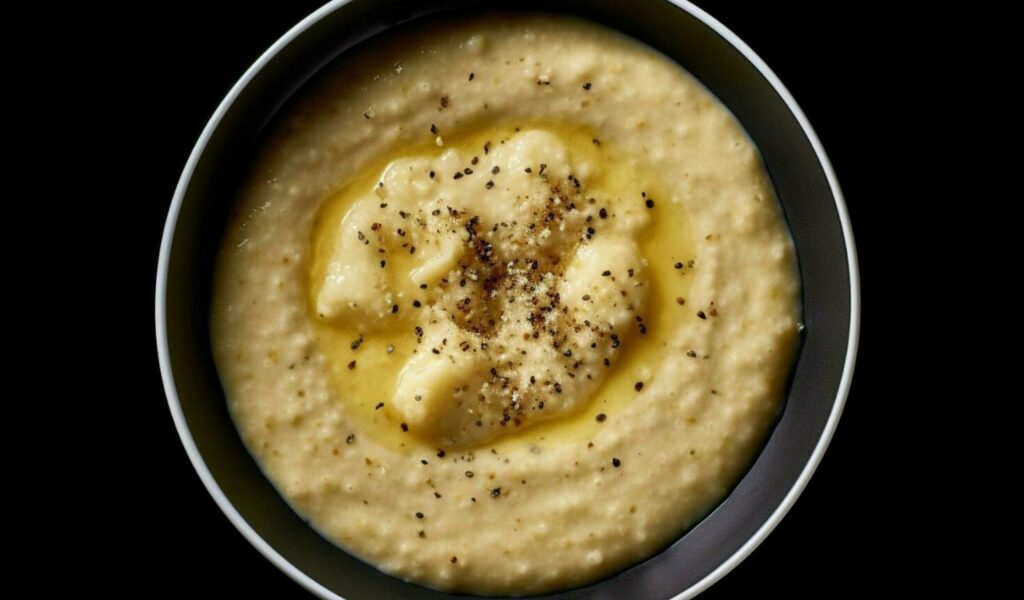
Grits are a traditional Southern dish made from ground corn that is cooked slowly in water or milk until it becomes thick and creamy. In the United States, the dish carries strong cultural significance, especially in Southern breakfast traditions.
For visitors unfamiliar with the dish, the first impression can be confusing. Plain grits have a naturally mild flavor because cornmeal itself does not have a strong taste. Without added butter, cheese, or seasoning, the dish may feel bland to someone trying it for the first time.
The soft, porridge-like consistency is very different from the rice or bread-based breakfasts common in many countries. Once seasoned properly, grits can become rich and comforting.
4. Peanut Butter and Jelly Sandwich

Few foods feel more nostalgic to Americans than a peanut butter and jelly sandwich. The combination of creamy peanut butter and sweet fruit jam between slices of bread is a classic lunchbox staple in the United States.
For international visitors, the flavor pairing can seem unusual at first. In many parts of the world, peanut butter is used mainly in savory dishes such as sauces or stews.
The texture also contributes to the surprise. Peanut butter is thick and slightly sticky, while jelly adds a smooth sweetness. For people who did not grow up with this combination, the contrast may feel overpowering rather than balanced, which explains why some visitors find the sandwich difficult to appreciate.
5. Root Beer

Root beer is one of the most distinctive soft drinks in the United States. The beverage was developed in the nineteenth century and was originally flavored with roots, herbs, and spices such as sassafras and wintergreen.
Many international visitors react strongly to the drink because its flavor resembles medicinal syrups used in other countries. Ingredients like wintergreen and sassafras create a taste that some people associate with cough medicine or herbal remedies rather than soda.
The sweetness of modern root beer can make that herbal flavor even more pronounced. While Americans often grow up enjoying the drink, people encountering it for the first time sometimes struggle with the unfamiliar taste.
6. American Cheese

American cheese is a familiar sight in grocery stores and fast food restaurants across the United States. It melts smoothly and evenly, which makes it popular for burgers, grilled sandwiches, and other comfort foods.
The product is technically a processed cheese made by blending natural cheeses with emulsifiers and other ingredients. This process creates the smooth texture and uniform melting quality that many restaurants rely on when preparing hot sandwiches.
Visitors from countries with strong cheese traditions sometimes find the flavor surprisingly mild. Its smooth texture and subtle flavor are designed for convenience, but that simplicity can feel bland to those accustomed to sharper cheeses.
7. Sweet Potato Casserole
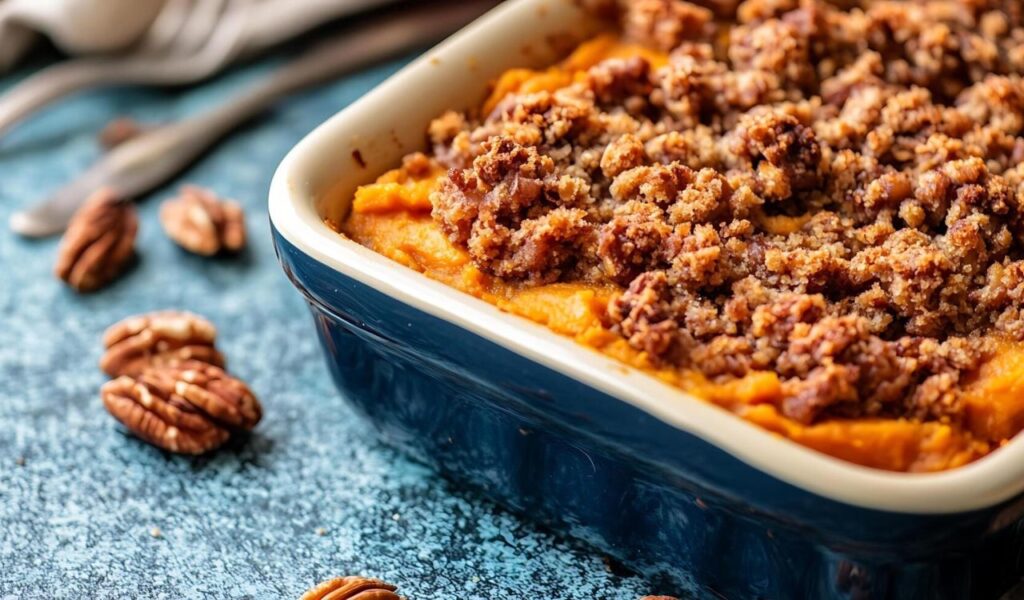
Sweet potato casserole is a well-known holiday dish in the United States, especially during Thanksgiving. The recipe typically combines mashed sweet potatoes with butter, sugar, and spices, and it is often topped with marshmallows or a sugary crumb topping.
For many international visitors, the dish blurs the line between dessert and side dish. In many cultures, vegetables are prepared in savory ways, so the sweetness can feel unexpected.
The contrast between the vegetable base and the dessert-like topping can make the dish confusing for newcomers. While Americans often enjoy it as a comforting holiday tradition, visitors sometimes struggle to categorize the dish within their own culinary expectations.
8. Corn Dogs

Corn dogs are a popular fairground and street food in the United States. The dish consists of a hot dog placed on a stick, coated in cornmeal batter, and deep-fried until golden brown.
The combination of processed sausage and fried batter can feel unusual to international visitors who are not familiar with carnival-style foods. The flavor itself is fairly simple, relying mainly on saltiness and the sweetness of the cornmeal coating.
Texture also shapes the experience. The crisp outer layer contrasts with the soft sausage inside, which some people enjoy while others find it heavy or greasy. For those encountering corn dogs for the first time, the novelty of the presentation often stands out as much as the taste.
9. Chicken and Waffles
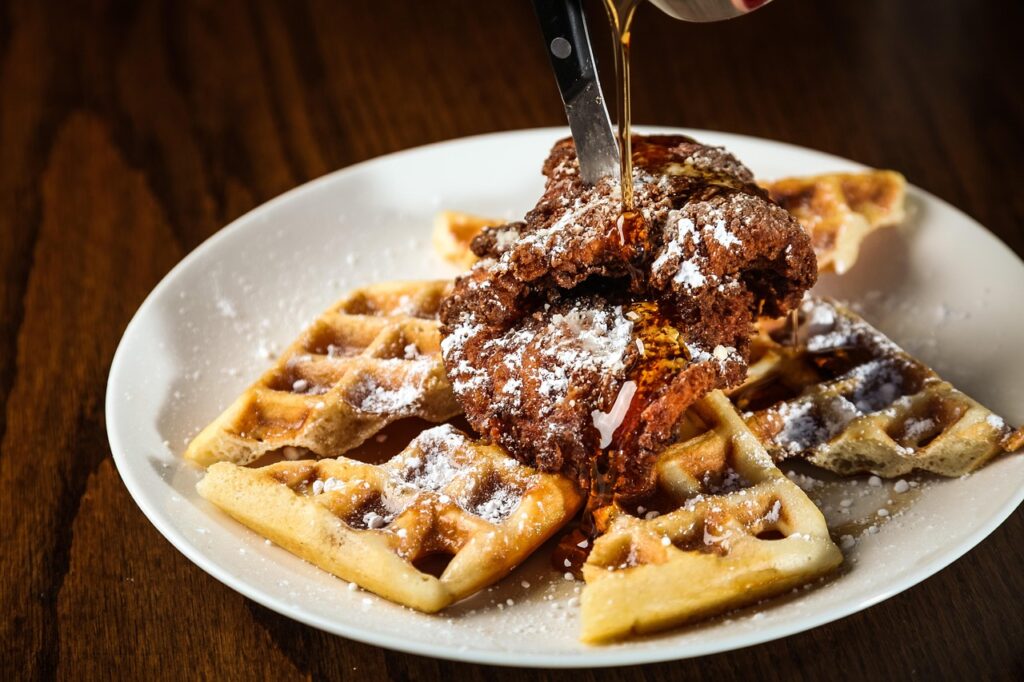
Chicken and waffles is a dish that surprises many visitors simply because of the pairing. The meal combines crispy fried chicken with soft waffles and is often served with butter and maple syrup.
In many food traditions, fried chicken is paired with savory sides such as rice, bread, or vegetables. Adding syrup introduces a strong sweetness that can feel unusual to people who expect chicken dishes to remain fully savory.
Despite the initial surprise, the contrast between salty fried chicken and sweet syrup is what makes the dish appealing to many Americans. For newcomers, however, the balance of flavors can take some getting used to before it becomes enjoyable.
10. Processed Cheese Spreads

Processed cheese spreads such as Cheez Whiz or spray cheese are another uniquely American grocery product that often puzzles visitors. These products are designed for convenience and long shelf life rather than traditional cheese flavor.
Manufacturers create them by blending cheese with oils, emulsifiers, and stabilizers. The mixture is heated and processed until it forms a smooth spread that can be stored for extended periods without spoiling quickly.
For people accustomed to natural cheeses, the flavor can seem artificial or overly mild. While these products remain popular in certain American snacks, visitors often view them as very different from the cheeses they know at home.