12 Restaurant Menu Changes Customers Notice Immediately


Restaurant menus evolve constantly as kitchens respond to rising costs, staffing pressures, and shifting dining trends. While many changes happen behind the scenes, customers immediately notice when familiar dishes look different, portions shrink, or favorite items disappear. Price adjustments, altered recipes, and added charges can quickly reshape the dining experience. For regular guests, even small menu updates stand out, influencing satisfaction and loyalty long before restaurants realize the impact.
1. Smaller Portions on Familiar Plates

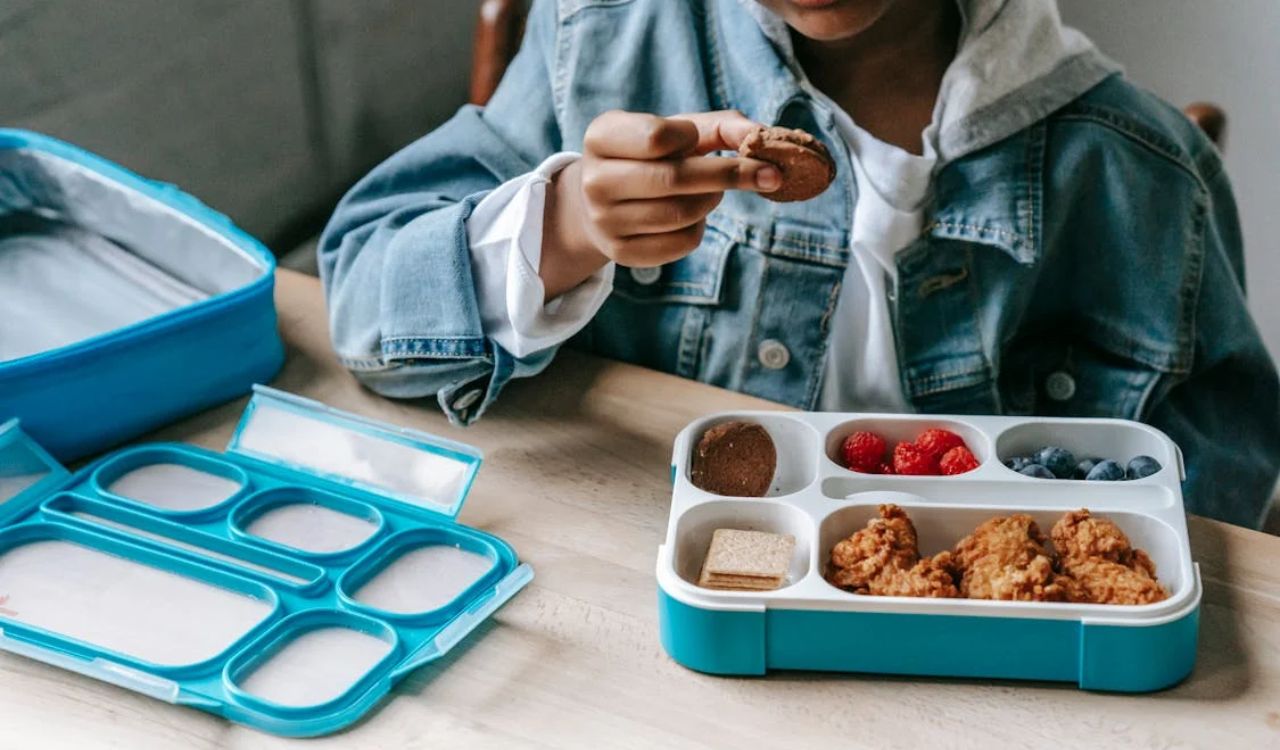
Regular diners quickly recognize when their usual order arrives looking smaller than before. Portion reductions often appear subtly, such as fewer fries, thinner protein cuts, or slightly reduced serving sizes.
Restaurants sometimes shrink portions to offset rising ingredient and labor costs while avoiding sharp price increases. Maintaining menu prices feels safer than risking customer backlash over visible cost hikes, but guests often feel disappointed when meals seem less satisfying.
Even small changes affect perception. When guests leave feeling less full than expected, the value of the meal feels diminished. Portion size remains one of the first things repeat customers notice, making reductions difficult to hide.
2. Menu Prices Rise Overnight

Few changes stand out faster than price increases on favorite dishes. Returning customers instinctively scan menus for familiar items and immediately recognize when prices jump beyond expectations.
Restaurants often adjust pricing to handle inflation, higher wages, and supply costs, yet customers rarely see those behind-the-scenes pressures. Instead, diners compare current prices with memory, sometimes deciding meals no longer feel worth the expense.
When increases occur without noticeable improvements in food or service, customers may feel frustrated. Price sensitivity influences loyalty, and even loyal guests may visit less often when familiar meals begin to strain dining budgets.
3. Favorite Dishes Disappear
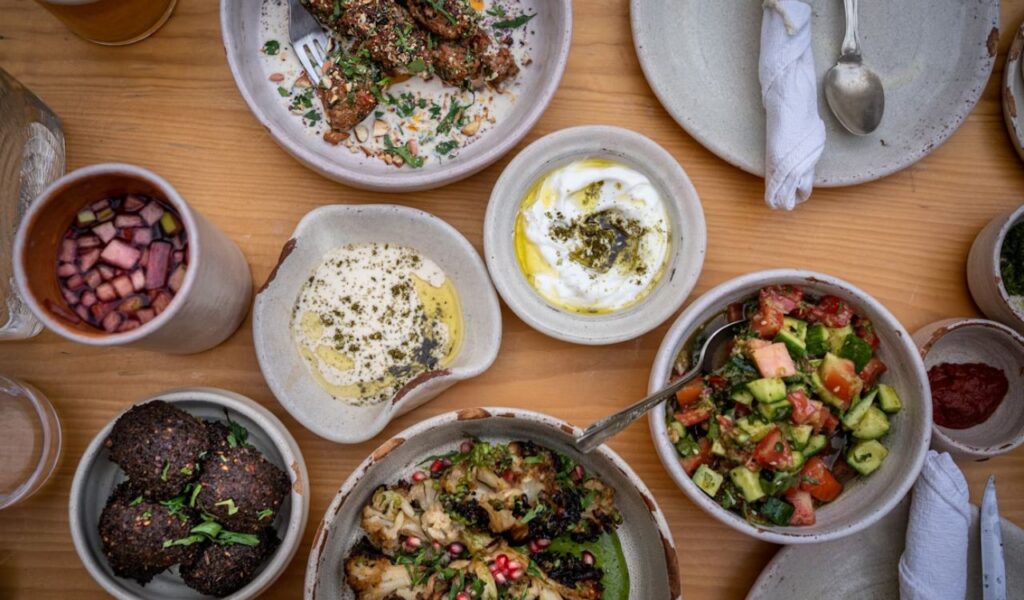
Customers often build emotional attachments to favorite menu items, returning specifically for dishes they enjoy. When those items suddenly disappear, guests feel the loss instantly.
Restaurants streamline menus to reduce kitchen complexity, manage inventory, or speed service, often eliminating slower-selling dishes. While operationally efficient, these removals sometimes frustrate regular patrons.
Even when replacements appear, diners may struggle to find suitable alternatives. Losing a signature dish disrupts routine, making customers feel the restaurant no longer caters to what originally drew them in.
4. Fresh Ingredients Get Replaced
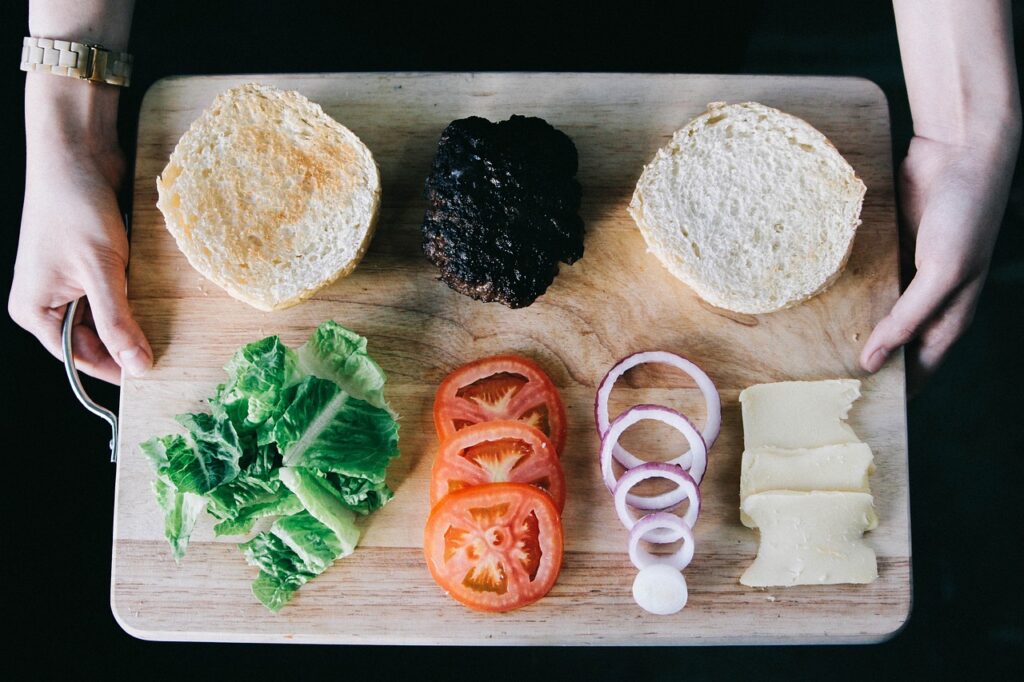
Taste and texture differences become obvious when restaurants switch from fresh ingredients to frozen or pre-prepared alternatives. Regular guests often notice vegetables tasting softer or meats lacking previous freshness.
Supply challenges and cost pressures push some kitchens toward pre-made components that reduce preparation time and waste. These choices help operations run smoothly but may affect flavor quality.
Customers familiar with earlier versions of dishes often detect these subtle differences. Even when meals still look similar, small changes in ingredient quality can alter overall satisfaction and influence repeat visits.
5. Specials Become Less Frequent
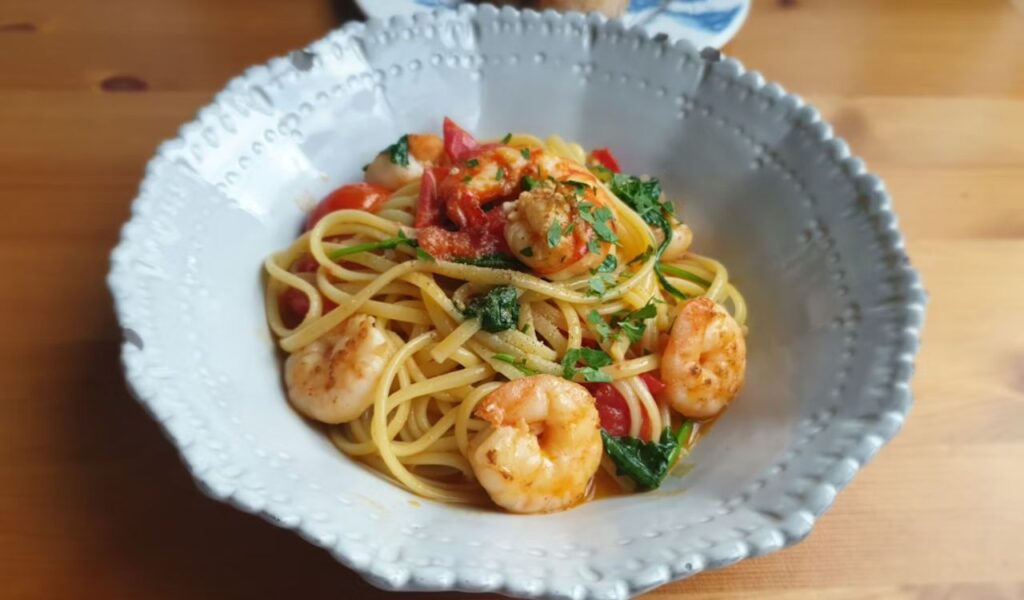
Daily or weekly specials give diners reasons to return, offering variety beyond the standard menu. When rotating specials disappear, menus feel repetitive to regular customers. Specials also allow chefs to test new dishes without permanently changing the menu.
Restaurants sometimes eliminate specials to simplify kitchen operations or reduce unpredictable ingredient costs. Consistent menus streamline preparation but remove excitement for guests seeking something new.
Without changing offerings, returning diners feel fewer incentives to revisit frequently. Specials often create anticipation, so their absence quickly signals a shift in restaurant atmosphere.
6. Protein Portions Shrink Noticeably

Diners paying for steak, chicken, or fish tend to notice immediately when protein servings shrink. Smaller cuts or thinner fillets change how satisfying a meal feels.
Protein costs fluctuate more than many other ingredients, prompting restaurants to trim portions slightly to maintain profit margins. These adjustments often occur quietly to avoid altering menu descriptions. Smaller portions help restaurants absorb price swings without constant menu revisions.
However, guests familiar with previous portions quickly recognize changes. When centerpiece proteins appear smaller, customers may feel they are paying more for less, affecting perceived value.
7. Classic Recipes Get Lighter Versions
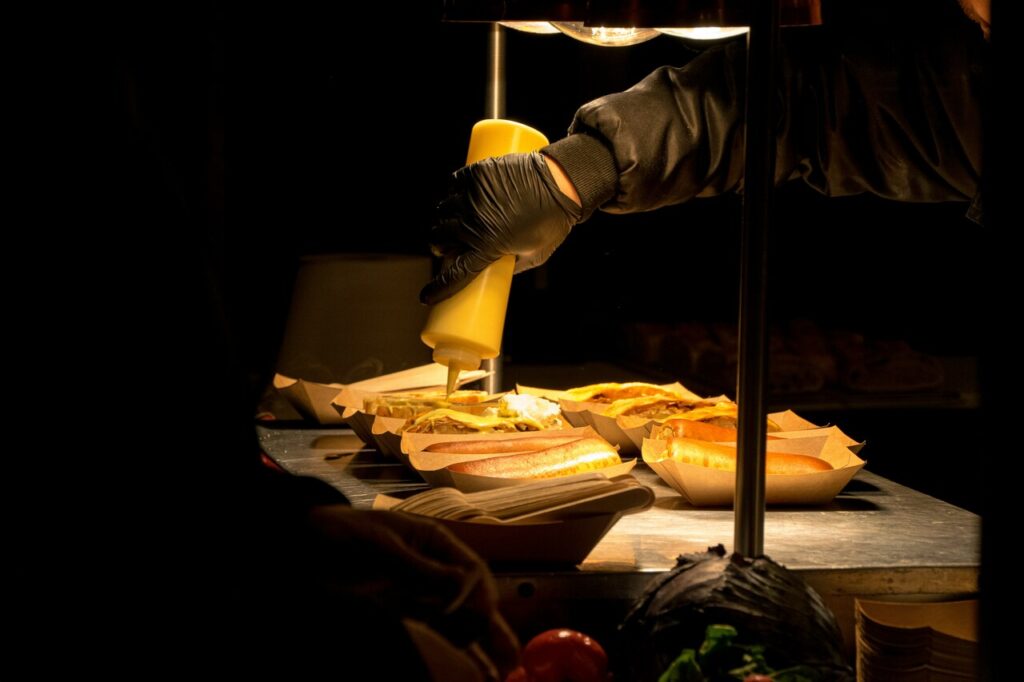
Health-focused menu updates sometimes replace rich original recipes with lighter versions. Sauces become thinner, cheeses are reduced, or frying is replaced with grilling, altering familiar flavors.
Restaurants respond to customer demand for healthier options, yet longtime patrons sometimes miss the indulgent qualities they once enjoyed. Flavor and texture changes stand out to repeat visitors.
While healthier options attract some guests, others feel disappointed when comfort dishes taste different. Balancing nutritional trends with customer expectations remains challenging for restaurants updating their menus.
8. Signature Sauces Taste Different

Regular customers often identify restaurants by their signature sauces or spice blends. Even minor recipe adjustments can feel obvious to diners who know the original flavor well.
Restaurants sometimes reformulate sauces to reduce costs or adjust for supply shortages. Changes in ingredient sourcing or preparation methods subtly alter taste. Even small shifts in seasoning or ingredient quality can change how familiar dishes are perceived.
Guests expecting familiar flavors quickly notice when sauces taste sweeter, thinner, or less bold. Because sauces define many dishes, alterations often stand out more than other ingredient changes.
9. Side Dishes Get Removed
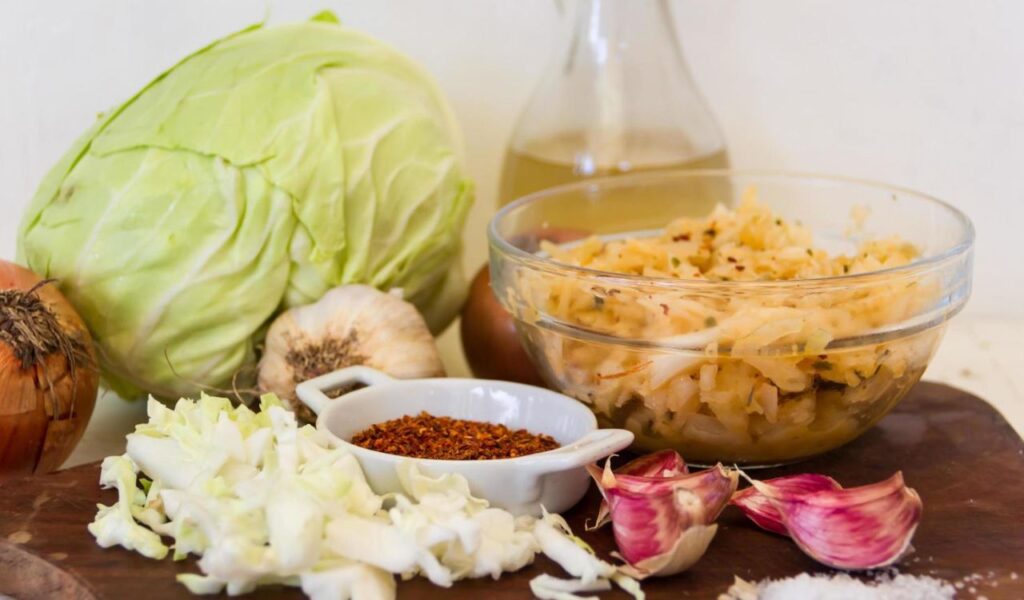
Meals often feel incomplete when familiar sides disappear. Fries replaced by smaller portions, or salads removed entirely, leave returning diners feeling that something is missing.
Restaurants sometimes eliminate sides to reduce waste or encourage customers to purchase add-ons separately. Operational logic drives decisions, yet guests often notice value changes first.
When meals no longer include expected accompaniments, diners perceive reduced generosity. Removing popular sides can quickly alter customer impressions of the restaurant experience. What once felt like a complete plate can suddenly seem stripped down or less satisfying.
10. Extra Charges Appear for Add-Ons
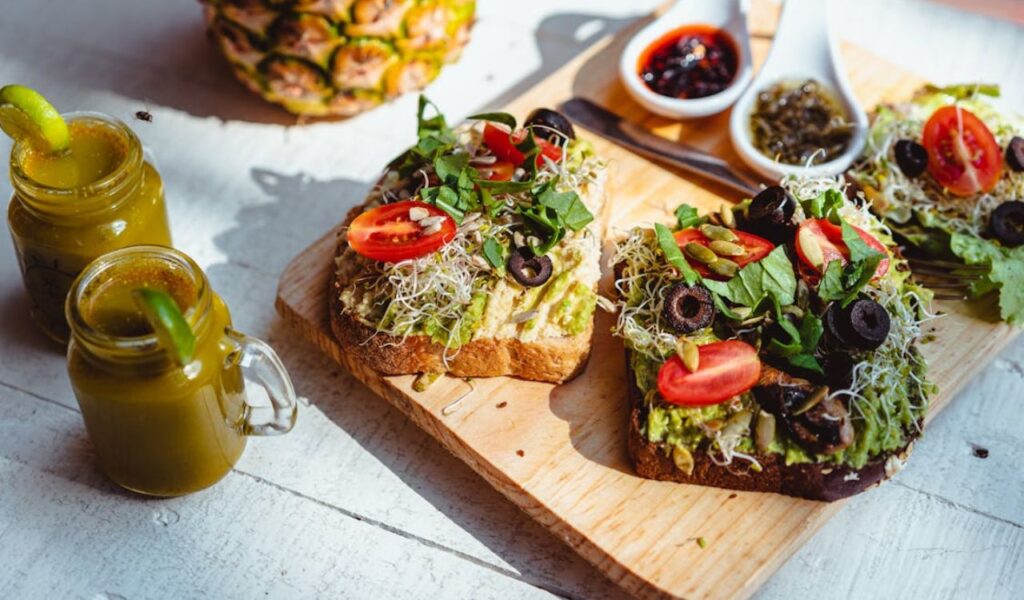
Customers feel surprised when items once included now cost extra. Charging for sauces, bread baskets, or toppings stands out, especially for diners who remember when these additions came automatically.
Restaurants increasingly separate menu components to offset rising costs, turning optional items into paid upgrades. Though financially sensible, customers often perceive this as nickel-and-diming. Charges that were once included can suddenly feel like hidden fees when they appear separately on the bill.
Even small charges affect dining satisfaction. Guests may accept price increases more easily than unexpected add-on fees that change how meals are ordered and enjoyed.
11. Plating Styles Suddenly Change

Presentation influences how customers perceive meals, so noticeable plating changes stand out immediately. Smaller plates, different arrangements, or altered garnish styles create a different dining impression.
Restaurants update plating to modernize appearances or speed kitchen assembly. While these adjustments improve efficiency, guests sometimes feel dishes look less generous or familiar. Smaller plates or minimalist layouts can make portions appear reduced even when quantities remain unchanged.
Visual differences often trigger expectations before diners taste food. When plating changes dramatically, returning guests feel the restaurant experience has shifted even if recipes remain unchanged.
12. Menu Layout Gets Rearranged
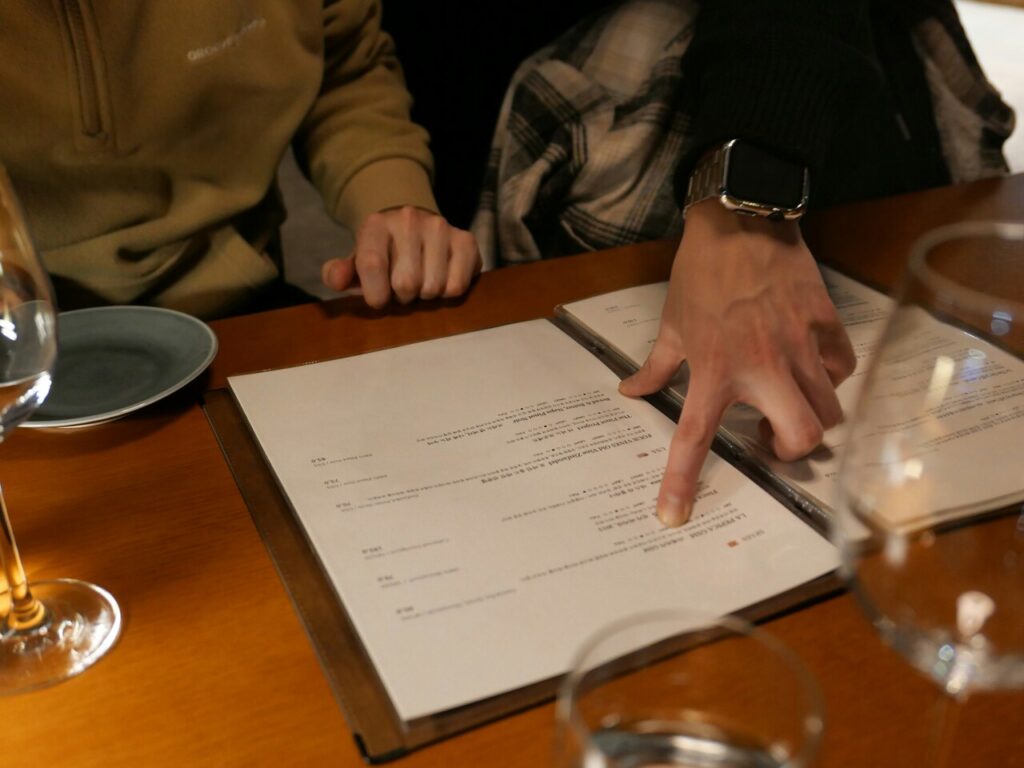
Even without altering dishes, reorganizing menus can disorient regular customers. Items moved between categories or renamed sections make menus feel unfamiliar.
Restaurants redesign menus to highlight profitable dishes or simplify choices, yet returning guests often search longer for favorite items. Familiar navigation patterns suddenly disappear. Regular customers may feel disoriented when favorite dishes move or vanish entirely.
Although layout updates aim to improve ordering efficiency, customers notice disruption quickly. Menu organization shapes expectations, so rearrangement alone can make a restaurant feel different from previous visits.