The Egg Monopoly Why You’re Paying Double for Basic Grocery Needs


Eggs, once among the most affordable staples in American kitchens, have become a symbol of rising grocery bills. Supply disruptions, disease outbreaks, higher production costs, and market concentration have combined to push prices sharply upward, often doubling what shoppers paid just a few years ago. Because eggs are essential in everyday cooking and baking, households feel the impact immediately. Understanding what drives these price spikes helps explain why relief has been slow and why egg costs remain stubbornly high.
The Price Puzzle
Eggs have become one of the most visible symbols of how grocery prices have changed dramatically in recent years. Where a dozen eggs once cost only a few dollars, prices have climbed sharply and left many households shocked at checkout counters. Eggs are not luxury items but daily staples used in breakfasts, baking, and quick dinners, so price changes are immediately felt in household budgets. When such a common ingredient suddenly costs more, families feel the impact across multiple meals each week. Higher egg prices also influence spending decisions in other grocery categories. Households may shift meal plans to compensate for rising staple costs.
This escalation also shows how food price volatility can hit staples harder than specialty goods. Even when wholesale prices briefly fall, retail prices tend to stay high because demand remains steady and supply rebuilding takes time. Eggs are difficult to avoid in everyday cooking, so consumers keep buying even when prices climb. Seasonal demand during holidays, when baking and celebrations increase egg use, often worsens these spikes and keeps prices elevated longer than expected. Retail pricing also reflects storage, transport, and retailer margins beyond farm costs. Consumers often notice prices rise faster than they fall.
Supply Chain Squeeze
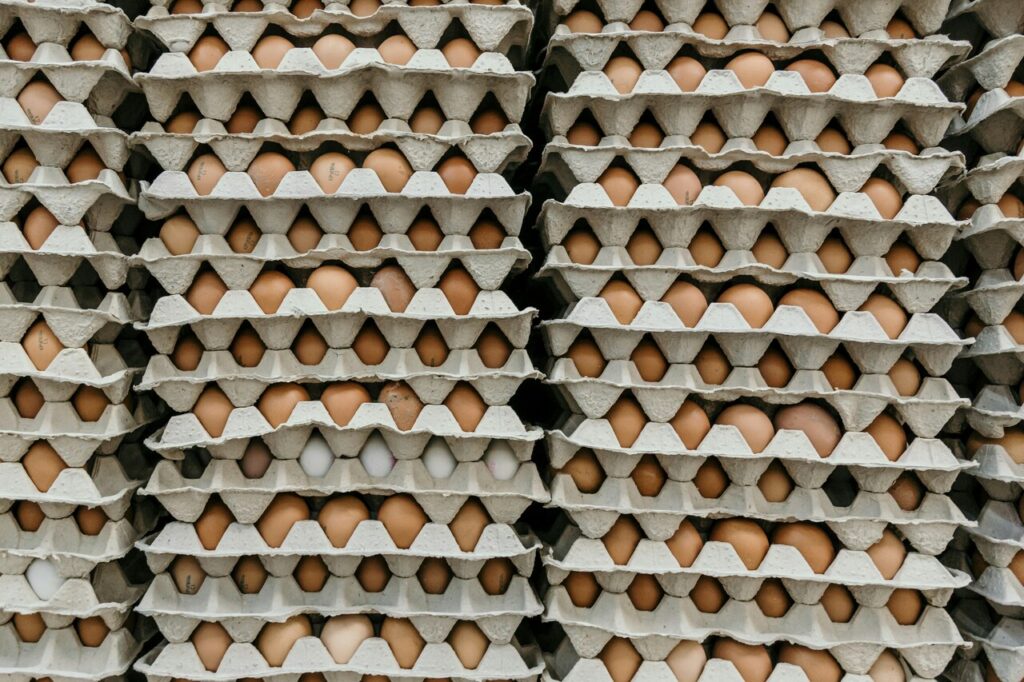
Egg production depends on a supply chain that must operate smoothly from feed production to distribution trucks. When disruptions occur, the effects quickly appear in stores. Disease outbreaks have forced farms to reduce flock sizes, limiting egg supply nationwide. Because hens take months to mature and begin laying, shortages linger well beyond the initial crisis. Supply shortages also lead retailers to compete for available shipments. This competition further pushes prices upward in tight markets. Recovery periods tend to stretch longer than shoppers expect. Farmers also face higher insurance and biosecurity costs during recovery periods.
At the same time, higher feed prices, rising fuel costs, and labor shortages have increased production expenses for farmers. Transportation delays and packaging costs add further pressure before eggs even reach grocery shelves. Farms still recovering from pandemic disruptions face tighter logistics and fewer backup options when problems arise. Longer supply routes also increase the chance of spoilage or delays. Transportation costs ripple through every stage of the process. Even minor disruptions can significantly raise final shelf prices. Fuel price changes can quickly translate into retail price changes.
Disease and Production Disruption
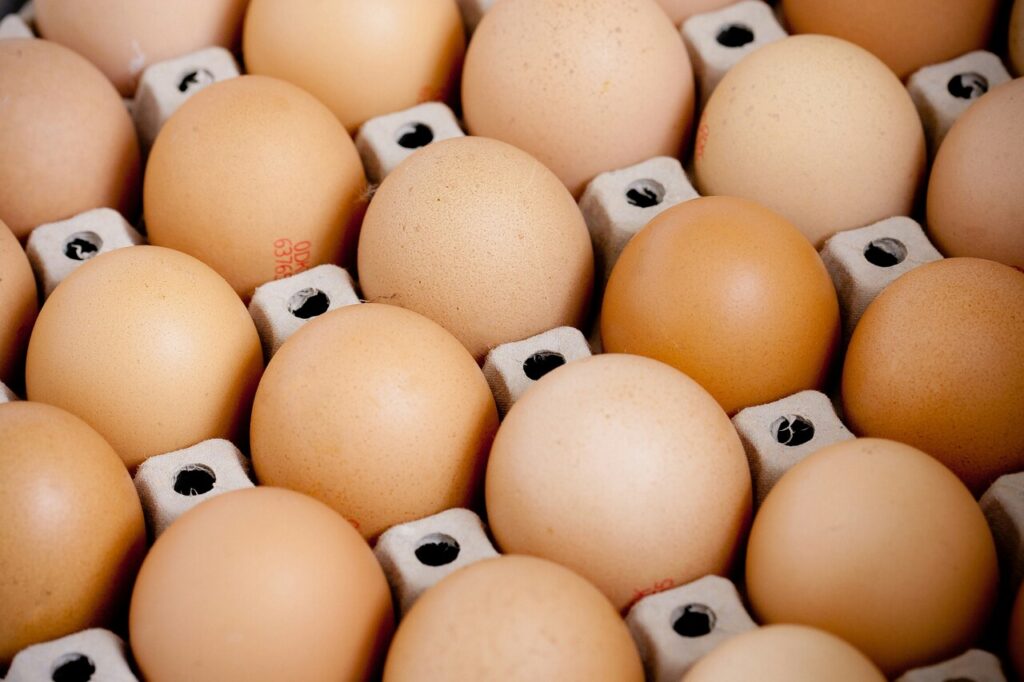
Avian influenza outbreaks have been among the most damaging events affecting egg supply. When infections appear, producers must remove large numbers of hens to stop the virus from spreading. Each lost flock represents months of lost egg production, creating sudden supply shortages across markets. Replacing those hens requires time, careful biosecurity, and additional investment from farms already facing financial pressure. Outbreaks also create uncertainty for farmers planning future production. Farms may delay expansion to reduce risk exposure. These pauses slow overall market recovery. Disease monitoring also increases operating costs across farms.
Even after outbreaks subside, production recovery is gradual because young hens must grow before reaching peak laying capacity. During that gap, demand continues at normal levels, keeping prices high. Holiday demand spikes or regional shortages further intensify price pressure. Consumers often assume prices will fall quickly once outbreaks end. In reality, recovery stretches across multiple production cycles. Market stability returns only after new flocks fully mature. Supply often stabilizes unevenly across regions. Some markets recover faster than others. Price differences between regions may therefore persist.
Market Power and Vertical Control
The egg industry has become increasingly consolidated, with a small number of companies controlling large portions of production and processing. When a few firms dominate supply, pricing responses to shortages or cost increases can move quickly across the market. Smaller producers often lack the scale to counterbalance supply gaps when major players face disruptions. Consolidation also limits competition in some regional markets. Fewer suppliers mean fewer alternatives when prices rise. Consumers may feel they have limited purchasing options. Market dominance also shapes retailer negotiation power.
Some analysts argue that concentrated market power allows producers to maintain higher prices even when costs begin easing. Large firms can influence supply decisions and contract negotiations with retailers. This structure makes it harder for prices to return quickly to previous levels after disruptions fade. Industry concentration also reduces flexibility during emergencies. Smaller producers may struggle to expand quickly enough to help. Market dynamics, therefore, favor larger companies during shortages. Critics argue that transparency in pricing could improve consumer trust. Market investigations sometimes arise during prolonged price spikes.
Consumer Demand Dynamics

Demand for eggs remains strong because they are an affordable source of protein compared with many meats and play an essential role in cooking. Families continue purchasing eggs despite rising prices, making demand relatively resistant to change. Eggs serve as quick meal solutions, baking necessities, and protein sources across cuisines. Their versatility keeps them in shopping carts even when budgets tighten. Households often adjust other purchases before cutting egg consumption. Demand stability keeps prices supported. Eggs also remain common in school and restaurant meals. Commercial demand supports continued high purchasing levels.
Seasonal factors also influence egg-buying habits. Holidays associated with baking or traditional meals create predictable surges in demand each year. During these periods, already limited supplies face additional pressure, keeping prices elevated. Some shoppers experiment with substitutes, but alternatives often fail to replicate eggs’ culinary functions fully. Restaurants and bakeries also increase orders during peak seasons. Commercial demand competes directly with household purchases. Seasonal demand, therefore, magnifies supply stress. Temporary shortages often appear during holiday weeks. Seasonal buying patterns influence annual price cycles.
Inflation and Broader Grocery Prices
Egg price increases occur within a wider pattern of food inflation affecting groceries across categories. Rising energy costs, packaging expenses, and transportation fees influence the entire food system. When staple prices increase, shoppers become more sensitive to overall grocery spending. Consumers begin comparing prices more carefully across stores. Budget-conscious shoppers may shift toward discount retailers. Inflation awareness shapes shopping behavior nationwide. Families often cut discretionary food spending first. Grocery shopping trips become more planned and cautious. Inflation awareness affects meal preparation decisions.
Because eggs are purchased frequently, their price swings become symbolic of grocery inflation as a whole. When shoppers see staple items rise sharply, overall confidence in grocery affordability drops. Households may adjust meal planning, cooking habits, and shopping frequency in response. Staple price increases often influence perceptions more than specialty goods. Families monitor egg prices as indicators of market stability. Grocery budgeting becomes a larger concern during inflationary periods. Consumers increasingly track price trends through store apps and flyers. Media coverage amplifies awareness of staple price changes. Grocery price perception often shapes consumer confidence broadly.
Policy and Regulation Impact
Government policies affect egg production through safety regulations, disease control measures, and agricultural standards. Biosecurity requirements and disease prevention programs raise operating costs but protect long-term supply stability. Import policies sometimes help offset shortages when domestic production struggles. Regulatory measures also ensure food safety standards remain high. Compliance expenses add to operational costs for producers. Balancing safety with affordability remains a policy challenge. Producers must continuously adapt to changing regulations. Government intervention often occurs during severe shortages.
Regulators sometimes investigate pricing behavior when spikes appear extreme or prolonged. Consumer advocates often question whether consolidation contributes to sustained high prices. Policymakers debate how to protect consumers while maintaining fair competition within agriculture. Discussions often include proposals to strengthen market transparency. Oversight aims to prevent unfair pricing practices. Regulatory decisions influence long-term market behavior. Public pressure often drives regulatory review during price crises. Industry cooperation sometimes follows government investigations. Policy responses may reshape market structures over time.
Long-Term Price Outlook
Market analysts suggest egg prices may stay elevated while supply recovery continues and production costs remain high. Rebuilding flocks takes time, and disease risks persist seasonally. Uncertainty surrounding feed and fuel prices also clouds future forecasts. Producers remain cautious about rapid expansion due to recent losses. Supply rebuilding often proceeds slowly to avoid further risk. Price stability depends heavily on successful disease control. Unexpected outbreaks could quickly reverse recovery gains. Market uncertainty keeps retailers cautious about pricing changes. Long-term forecasts remain sensitive to agricultural conditions.
Price relief may eventually occur if production stabilizes and supply chains become more resilient. Increased domestic production or imports could ease shortages over time. However, prices may settle above past norms due to higher operating costs and structural market changes. Consumers may need to adjust expectations about long-term pricing. Market volatility could remain common for staple foods. Future stability will depend on both production and policy responses. Producers continue exploring efficiency improvements to control costs. Consumer demand trends will also shape recovery patterns. Long-term price normalization may take several years.
Smart Shopping Strategies
Consumers cannot control national supply trends, but they can adapt shopping strategies to manage rising costs. Comparing store prices, choosing larger cartons when cheaper per unit, and watching weekly promotions can help reduce spending. Some households reduce egg usage in recipes or substitute alternatives when practical. Planning meals around sales also lowers grocery bills. Buying only needed quantities reduces waste and expense. Flexibility helps households adjust during price swings. Coupon programs and store loyalty discounts sometimes offer savings. Comparing prices online before shopping improves budgeting.
Exploring local farms or community markets sometimes reveals competitive pricing or fresher options. Adjusting meal planning to use eggs where they add the most value can stretch budgets further. Creative cooking that balances proteins also reduces dependence on any single ingredient. Learning substitution techniques improves cooking flexibility. Bulk buying during price dips offers temporary savings. Community buying groups sometimes secure lower prices through volume purchases. Seasonal promotions occasionally offer better value than supermarkets. Flexible cooking habits help households maintain budgets despite price shifts.
References
- Grocery Supply Chains: Understanding Why Eggs Cost What – foodprint.org
- Industry Analysis – eggindustrycenter.org
- The Market for Eggs: How Prices Are Hatched – Federal Reserve Bank of St. Louis