Something Costco Gets Right About Bulk That Most People Overlook in 8 Ways

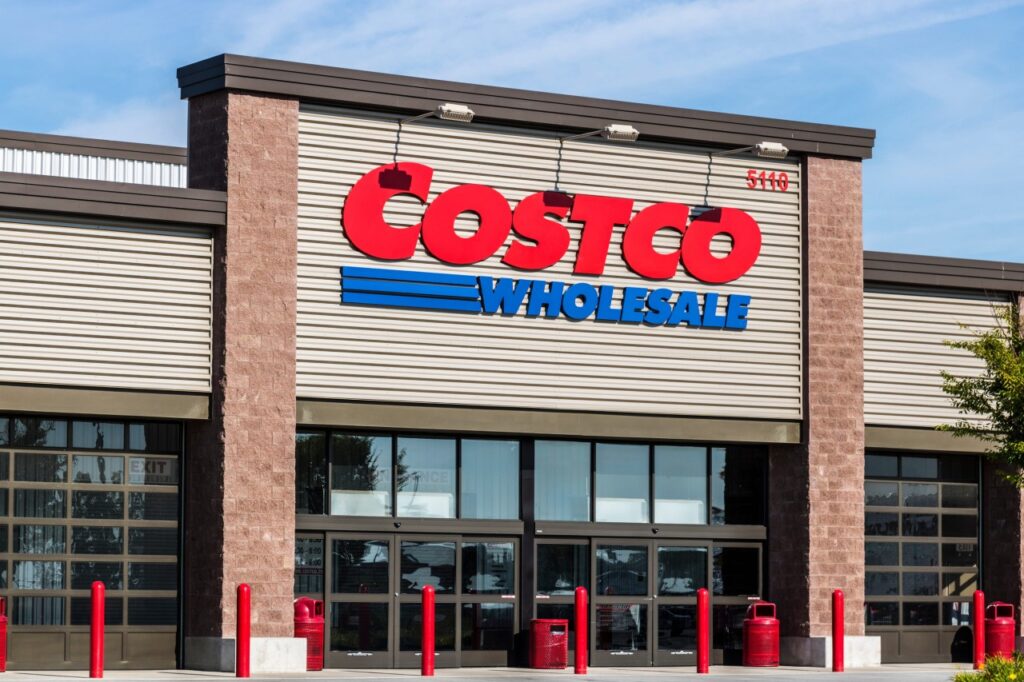
Costco has built its reputation on bulk buying, but the real value goes far beyond just bigger quantities. What many shoppers overlook is how thoughtfully that bulk is designed, from packaging to pricing to product selection. It is not just about buying more; it is about buying smarter.
There is a system behind the shelves that makes bulk feel practical instead of overwhelming. From consistent quality to carefully chosen items, each detail is meant to make everyday shopping easier and more reliable for households of all sizes.
Once you start noticing these details, the experience feels different. These are the subtle ways Costco gets bulk right, often without shoppers even realizing it.
1. Smart Portioning Within Bulk Packs
Bulk does not have to mean inconvenient, and this is where Costco stands out. Instead of selling one oversized unit, many products are divided into smaller, usable portions within the same package. This makes it easier to store, handle, and use items without waste.
Think of snack packs, individually wrapped frozen foods, or multi-pouch pantry items. These formats allow households to open only what they need while keeping the rest fresh. It also makes sharing and packing more practical.
This approach reduces spoilage, which is a common concern with bulk buying. By designing packaging around real usage habits, Costco ensures that bulk feels manageable rather than overwhelming for everyday shoppers.
2. Consistent Product Quality Across Large Quantities
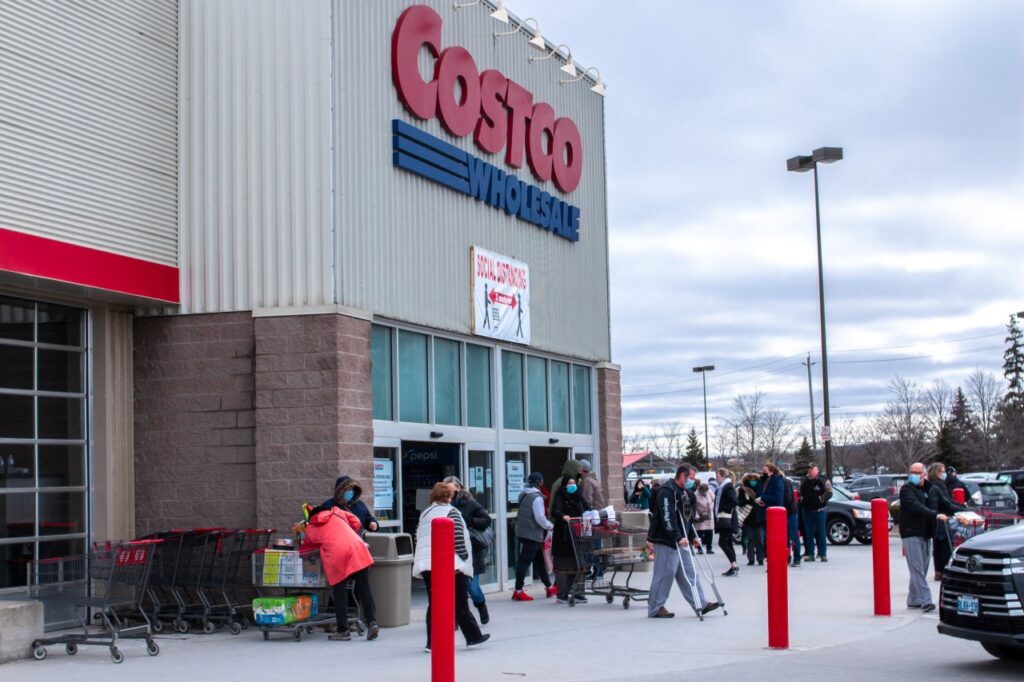
Buying in bulk only works if quality stays consistent from the first use to the last. Costco places strong emphasis on maintaining the same standard across every unit in a large pack, which builds trust with shoppers.
This consistency comes from strict supplier requirements and controlled sourcing. Products are tested and monitored to ensure they meet expectations across batches, not just in small samples.
For customers, this means fewer surprises. Whether it is food, household goods, or essentials, the last item in the pack is expected to perform just as well as the first, making bulk purchases feel dependable.
3. Bulk Pricing That Reflects Real Savings

Not all bulk deals are truly cost-effective, but Costco focuses on clear value per unit. Pricing is structured so that larger quantities genuinely reduce the cost per item, rather than simply increasing the overall spend.
Price tags often include unit breakdowns, helping shoppers compare value quickly. This transparency allows people to make informed decisions instead of guessing whether they are saving money.
Because of Costco’s scale and supplier relationships, it can offer lower margins on high-volume items. This ensures that bulk pricing reflects real savings rather than just the perception of a deal.
4. Strong Rotation of Fresh Inventory
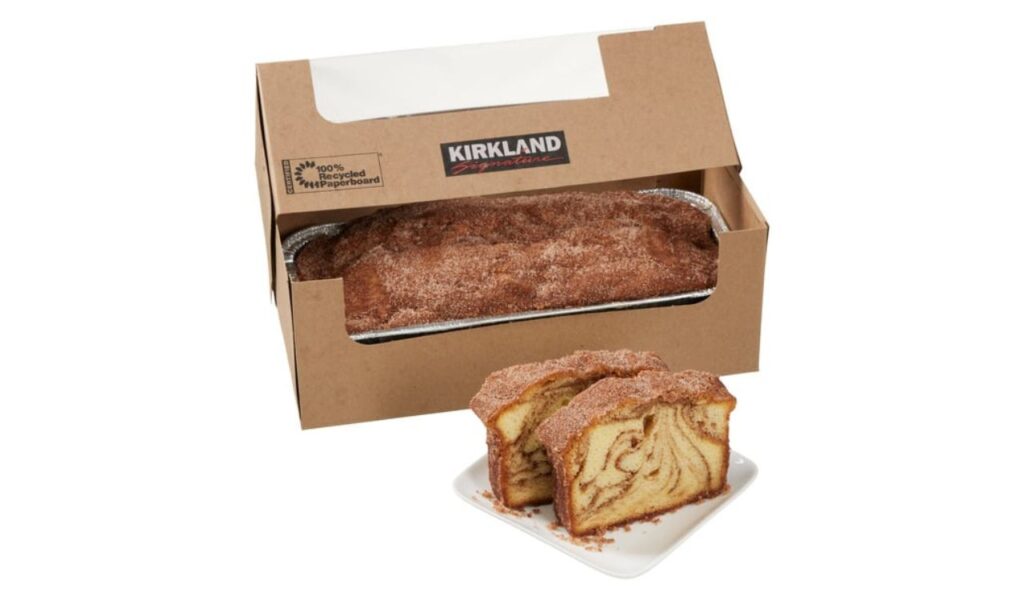
One of the less obvious advantages of Costco is how quickly inventory moves. High sales volume means products are constantly restocked, which helps maintain freshness, especially for perishable goods. This steady flow ensures items are not sitting idle for long periods.
Items like produce, dairy, and baked goods benefit from this rapid turnover. They spend less time sitting on shelves compared to slower-moving retail environments, which directly impacts quality and taste in a noticeable way.
This system reduces the risk often associated with buying perishables in bulk. Shoppers can feel more confident that what they are purchasing is relatively fresh, even in larger quantities, making bulk purchases feel more practical and less risky overall.
5. Packaging Designed for Longer Shelf Life
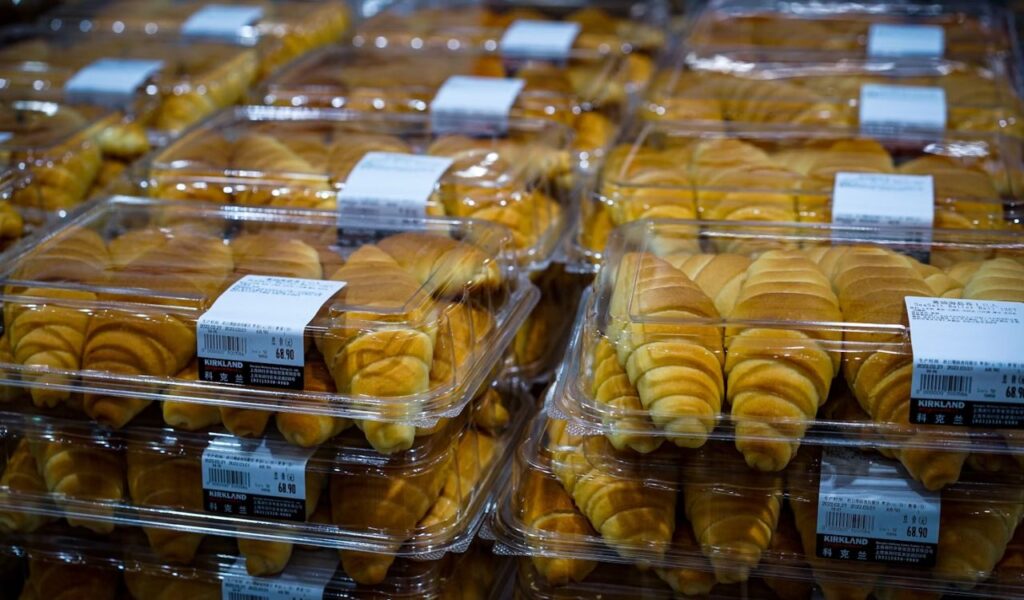
Bulk buying only works when products stay usable for longer periods. Costco focuses on packaging that helps extend shelf life without compromising quality. This includes resealable bags, vacuum sealing, and durable containers designed for repeated use.
These features help protect items from air, moisture, and contamination. For pantry goods and frozen items, this makes a noticeable difference in how long they remain fresh after opening and during storage.
The goal is practical longevity. Instead of forcing quick consumption, the packaging supports gradual use, which aligns better with real household habits and reduces unnecessary waste while maintaining product quality over time.
6. Curated Selection Instead of Overwhelming Choices
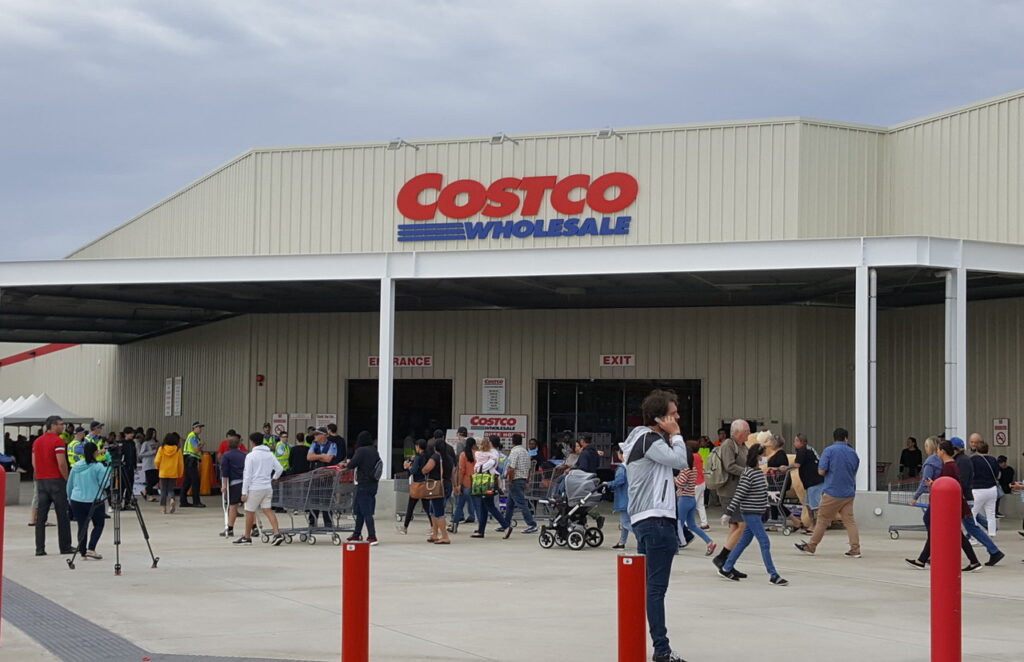
Unlike many large retailers, Costco limits the number of options within each category. This curated approach simplifies decision-making and helps shoppers focus on products that meet specific quality and value standards without confusion.
Fewer choices also mean better negotiation with suppliers. Costco can commit to higher volumes for selected items, which often results in better pricing and consistent quality across batches.
For customers, this reduces decision fatigue. Instead of comparing dozens of similar products, they can choose confidently from a smaller, well-vetted selection that balances reliability, value, and everyday usability.
7. Reliable Private-Label Alternatives (Kirkland Signature)
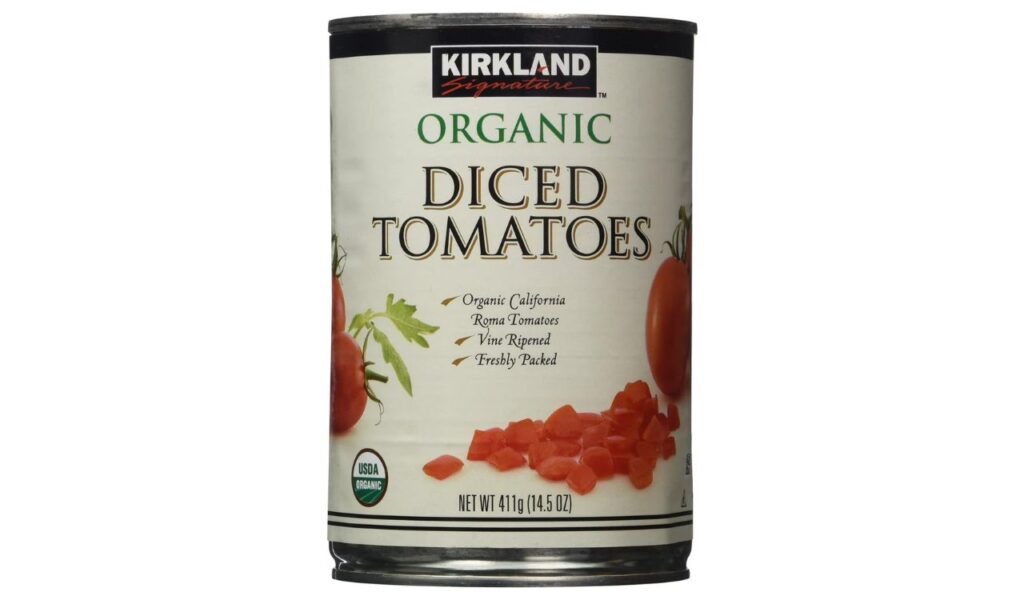
Costco’s private label, Kirkland Signature, plays a major role in its bulk strategy. These products are designed to match or exceed the quality of national brands while maintaining competitive pricing across categories.
Many Kirkland items are produced by established manufacturers, ensuring familiarity in performance and taste. The difference lies in branding and cost structure rather than quality, which benefits the shopper.
This gives shoppers a dependable alternative when buying in bulk. Instead of experimenting with unknown products, they can rely on a brand that consistently delivers value, making repeat purchases easier and more predictable.
8. Easy Return Policy That Reduces Buying Risk
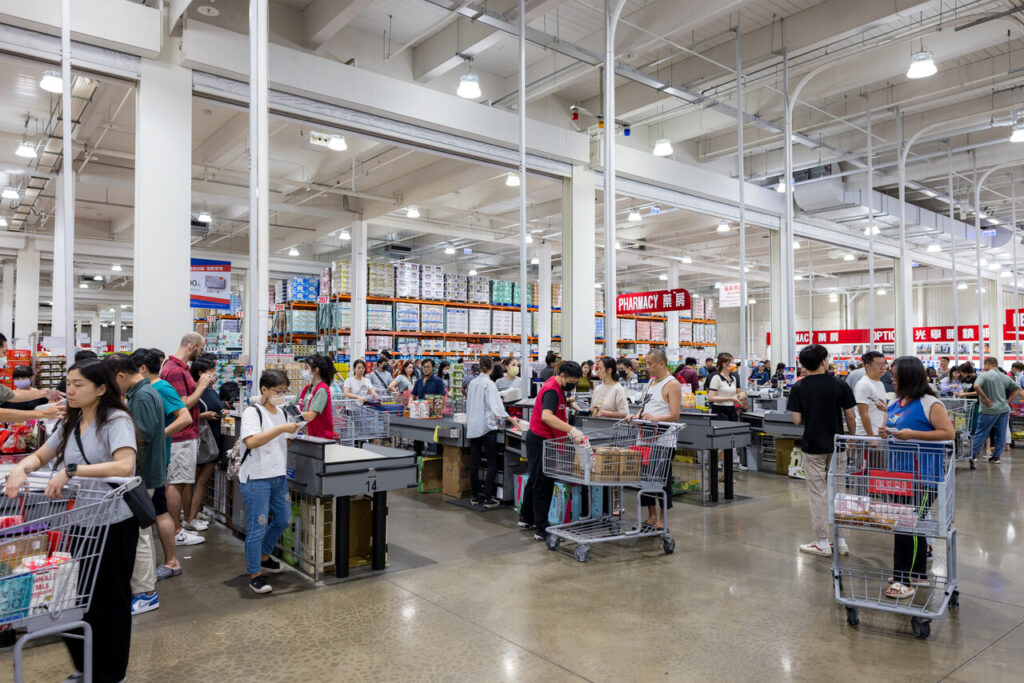
Bulk purchases can feel risky, especially when trying something new. Costco addresses this with a flexible return policy that allows customers to return items if they are not satisfied with the product.
This policy lowers hesitation when buying larger quantities. Shoppers are more willing to try unfamiliar products because they know they have an option if it does not meet expectations or personal preferences.
The result is increased confidence in bulk buying. Instead of worrying about being stuck with something unsuitable, customers can focus on value and convenience, knowing the risk is minimized, and the shopping experience remains stress-free.