9 Ramsay Secrets Lazy U.S. Cooks Keep Falling For

Most home cooks aren’t failing because they lack skill. They’re tripped up by habits that feel efficient, familiar, and harmless. These small shortcuts slowly flatten flavor, ruin texture, and drain confidence in the kitchen. Inspired by the principles Gordon Ramsay hammers home, this piece breaks down where everyday cooking quietly goes wrong and why. Each section focuses on one overlooked mistake, explains the science or logic behind it, and shows how a simple shift in approach can completely change the outcome. No fluff, no theatrics, just clear, practical insight that helps food taste better without making cooking feel complicated or intimidating.
1. Bottled Sauces Quietly Erase Real Flavor
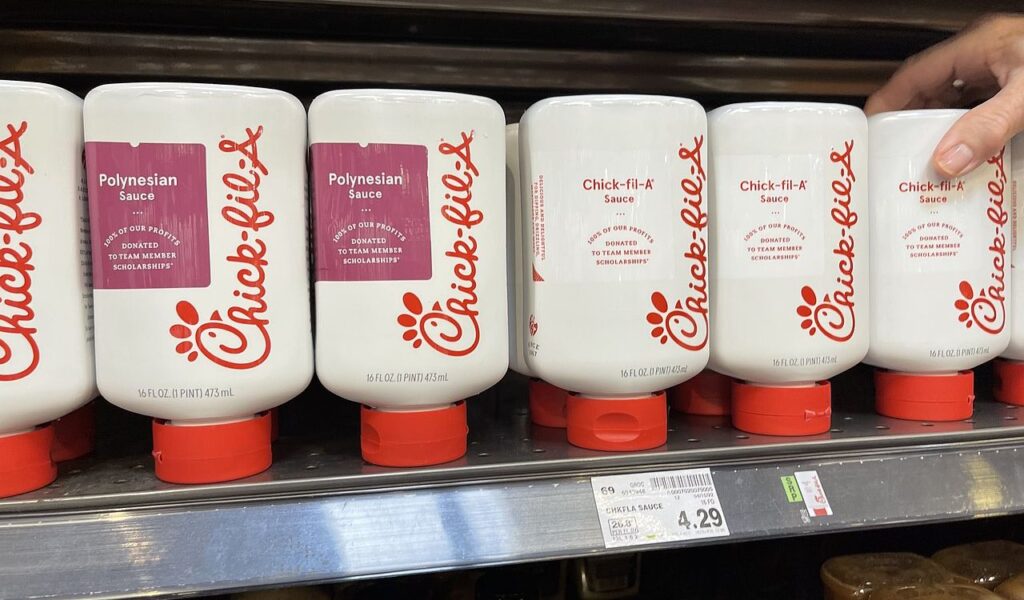
The biggest lie lazy cooks believe is that bottled sauces save time without sacrificing taste. In reality, most jarred sauces are engineered for shelf life, not flavor. They rely on sugar, excess salt, and stabilizers to stay consistent, which smothers the natural taste of meat and vegetables. When heat hits these sauces, sugars burn quickly and turn bitter, while gums create a sticky, heavy coating that never truly integrates. Gordon Ramsay pushes simple pan sauces because they respect the ingredient instead of masking it. Garlic, butter, herbs, and stock react to heat in real time, allowing flavor to build and adjust.
2. Overcrowded Pans Ruin Texture Before Flavor Even Forms
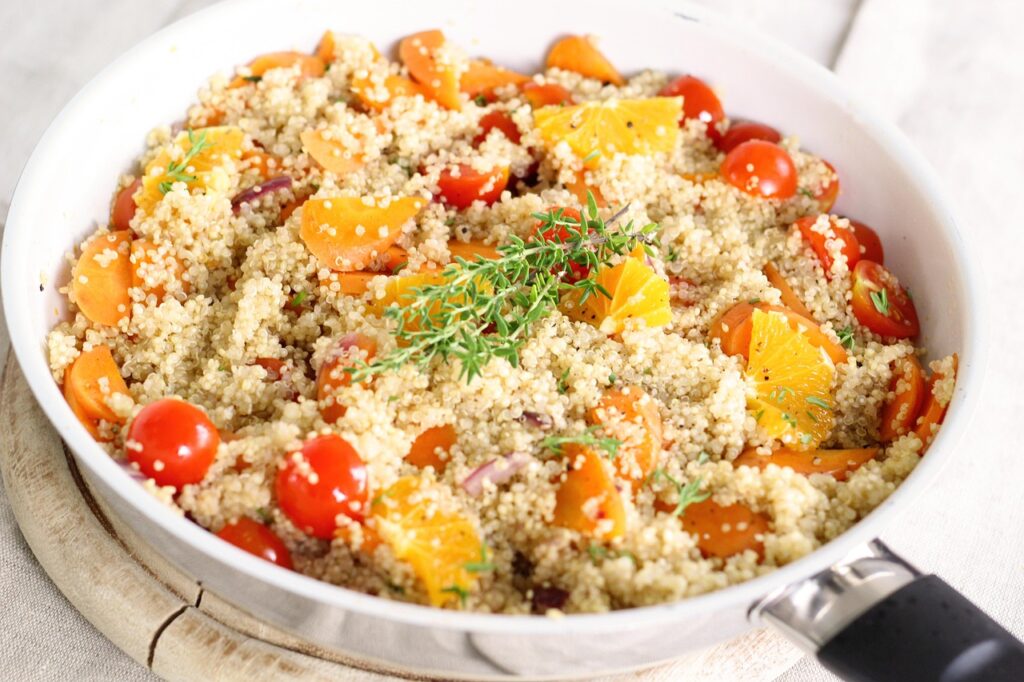
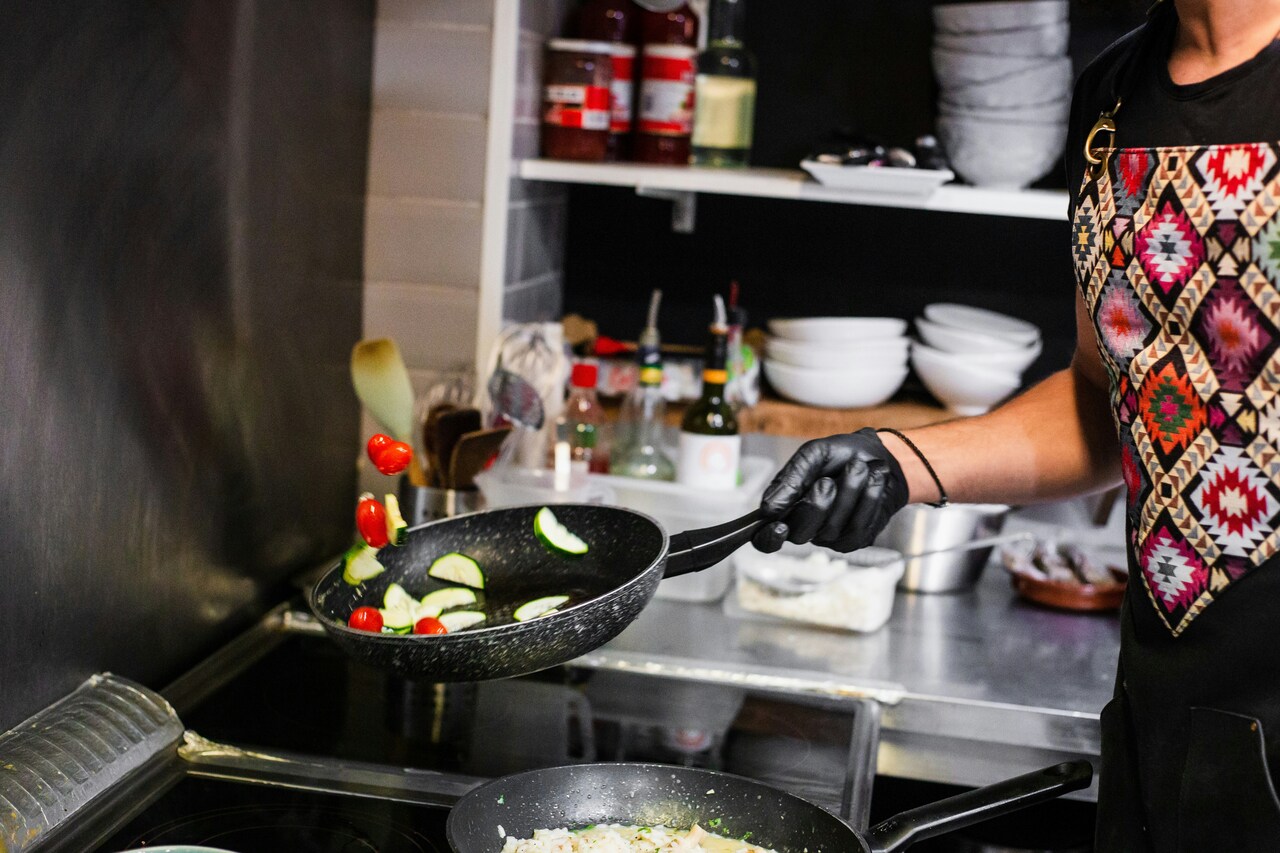
A crowded pan feels efficient, but it works against basic cooking physics. When too much food hits the pan at once, moisture has nowhere to escape. Instead of searing, the food steams in its own liquid, preventing browning. Browning triggers the Maillard reaction, which creates depth, aroma, and savory complexity. Without it, meat turns gray and vegetables soften without sweetness. Many home cooks blame the stove or the recipe, but the issue is space. Restaurants cook in batches for a reason. Heat needs contact and airflow to work properly. Cooking fewer pieces at a time may seem slower, but it actually shortens total cooking time and delivers food with better structure and flavor.
3. Cold Meat Creates Uneven Cooking From the First Second
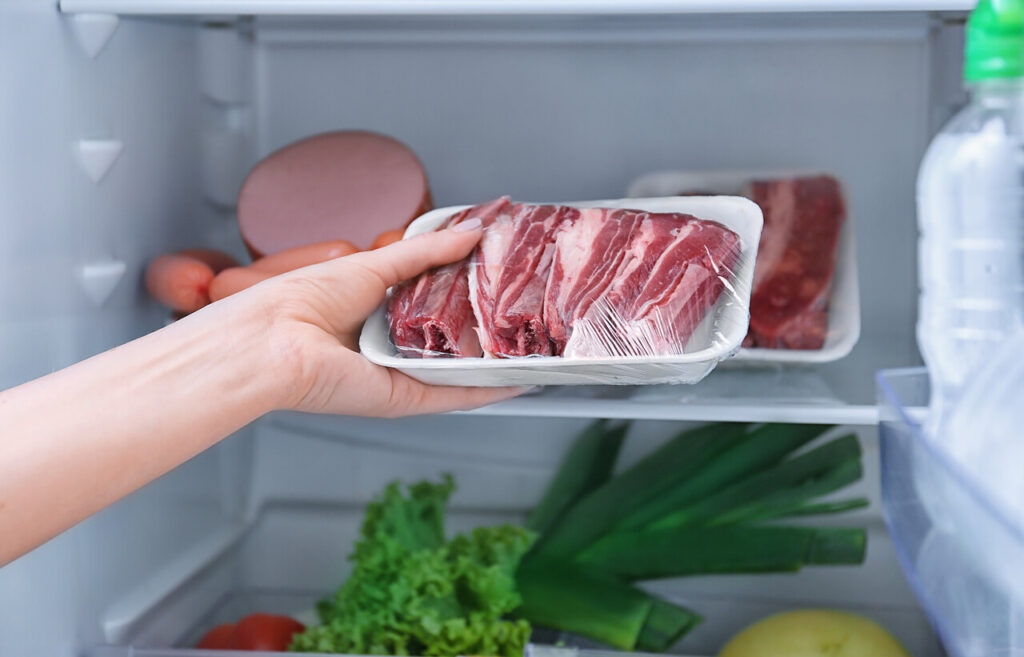
Cooking straight from the fridge is a patience problem disguised as efficiency. Cold meat placed in a hot pan cooks unevenly because the exterior heats much faster than the center. This causes the outside to tighten and overcook while the inside struggles to catch up. The result is dry edges and an underdone middle. Letting meat rest briefly at room temperature does not make it unsafe. It simply allows internal temperature to stabilize so heat travels evenly. This step improves texture, color, and moisture retention. Skipping it forces cooks to choose between burning the outside or undercooking the inside.
4. Dull Knives Turn Prep Into Damage Control
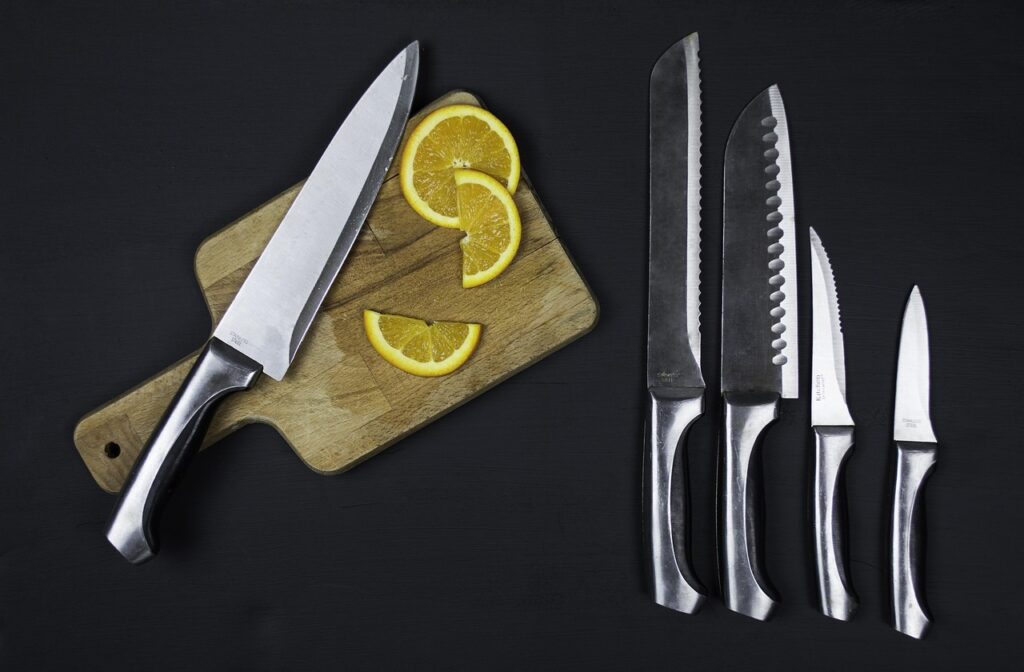
A dull knife does more harm than most people realize. Instead of slicing cleanly, it crushes ingredients, rupturing cell walls and releasing bitter compounds. Herbs bruise instead of staying fragrant. Onions release harsher sulfur notes. Tomatoes collapse into pulp. Dull blades also slow down prep, increasing fatigue and frustration, which leads to rushed cooking decisions later. Sharp knives improve accuracy, safety, and speed. They allow clean cuts that preserve texture and flavor. Many home cooks avoid sharpening because it feels advanced, but basic maintenance is enough to make a difference.
5. Late Seasoning Leaves Food Hollow Inside
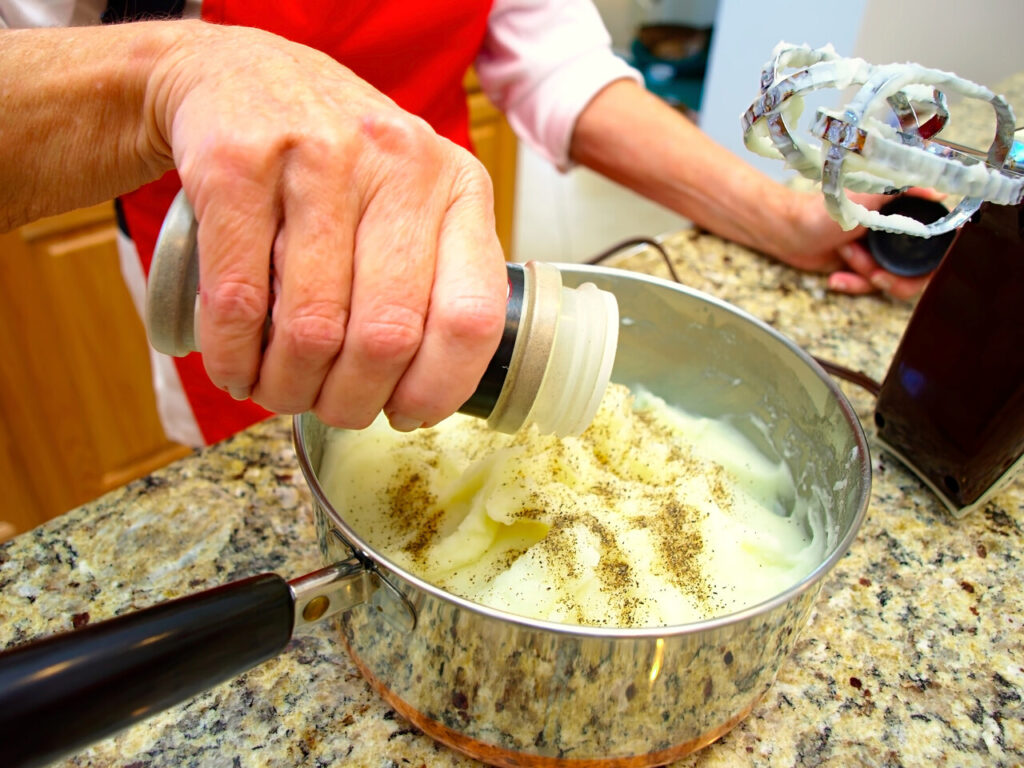
Seasoning only at the end is one of the most common reasons food tastes flat. Salt does more than sit on the surface. When added early, it penetrates ingredients, enhancing natural flavor and improving texture. Salt draws out moisture, allowing meat to brown properly and vegetables to soften evenly. Waiting until plating limits salt to the exterior, creating an uneven taste. Proper seasoning happens in stages. Small amounts added throughout cooking allow adjustments without overpowering the dish. This approach creates depth rather than surface saltiness. Lazy cooks treat salt like a finishing touch, but skilled cooks treat it as a tool used gradually and intentionally.
6. Overcooked Chicken Is Driven by Fear, Not Safety
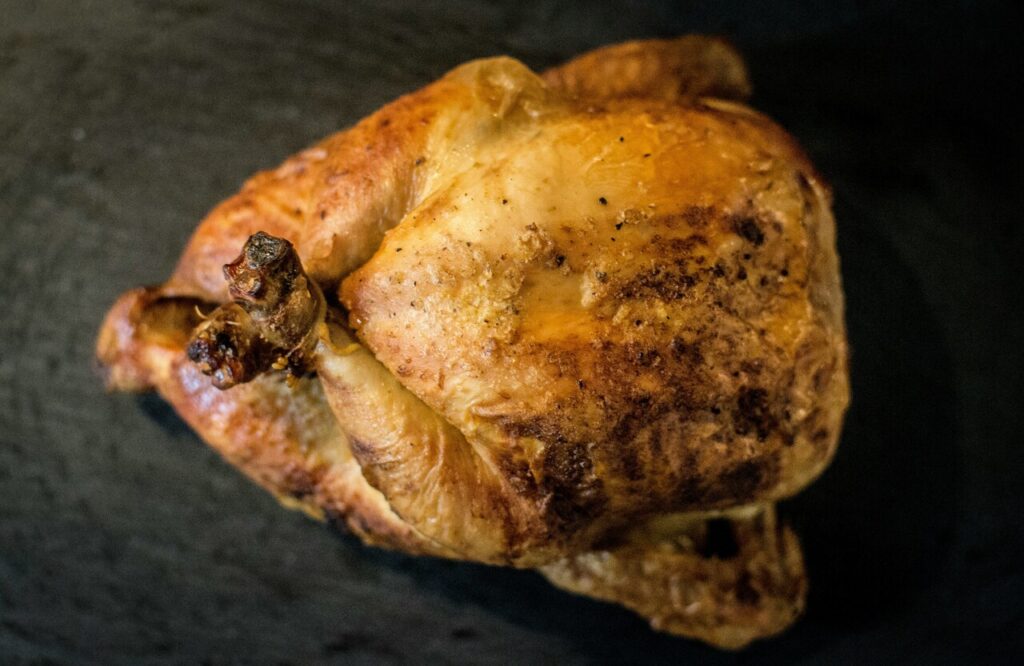
Dry chicken is usually the result of anxiety, not caution. Many cooks believe longer cooking equals safer food, but excessive heat forces moisture out of the meat, leaving it stringy and tough. Chicken continues to cook after being removed from the heat due to residual heat. This is why resting matters. Allowing meat to rest lets juices redistribute and finish cooking gently. Proper timing and temperature control make chicken both safe and juicy. Visual cues like firmness and clear juices are more reliable than panic-driven overcooking. Fear-based cooking sacrifices texture without adding real safety.
7. Ignoring Acidity Makes Food Feel Heavy and Dull

Acidity is often missing in home cooking, yet it is essential for balance. Acid brightens flavor, cuts through richness, and sharpens the overall taste of a dish. Without it, food feels heavy, greasy, and one-note. Lazy cooks compensate by adding more salt or fat, which only makes the dish denser. A small splash of lemon juice, vinegar, or wine at the right moment can transform a dish instantly. Acid works by activating the palate, making flavors feel clearer and more defined. It does not make food sour when used correctly. Instead, it restores balance and prevents richness from becoming overwhelming.
8. Skipping Tasting Turns Cooking Into Guesswork
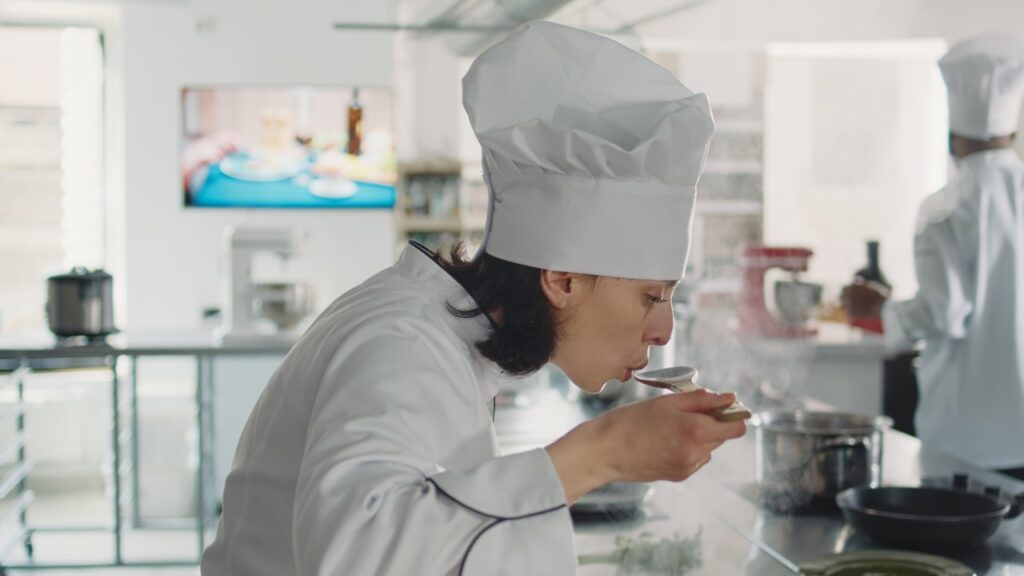
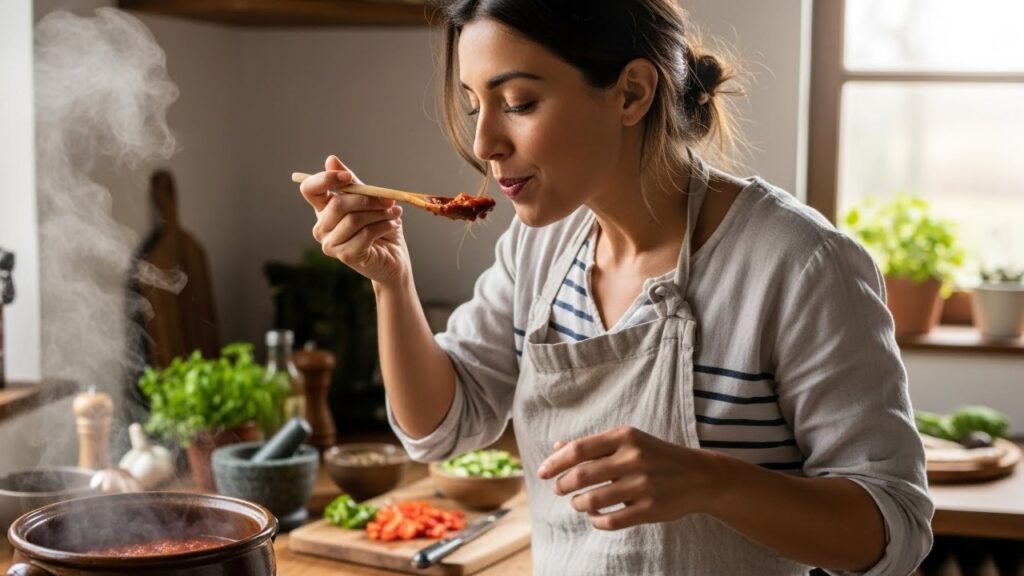
Cooking without tasting is like driving with your eyes closed. Ingredients vary in strength, freshness, and salt content. Recipes cannot account for these differences. Tasting as you cook allows you to correct seasoning, adjust acidity, and catch mistakes early. Waiting until the end limits your ability to fix problems. Many home cooks avoid tasting out of habit or distraction, not logic. Professional kitchens taste constantly because accuracy depends on feedback. Tasting does not slow cooking. It prevents wasted time and ruined meals. Each small adjustment compounds into a final dish that tastes deliberate rather than accidental.
9. Treating Cooking Like a Task Invites Sloppy Results
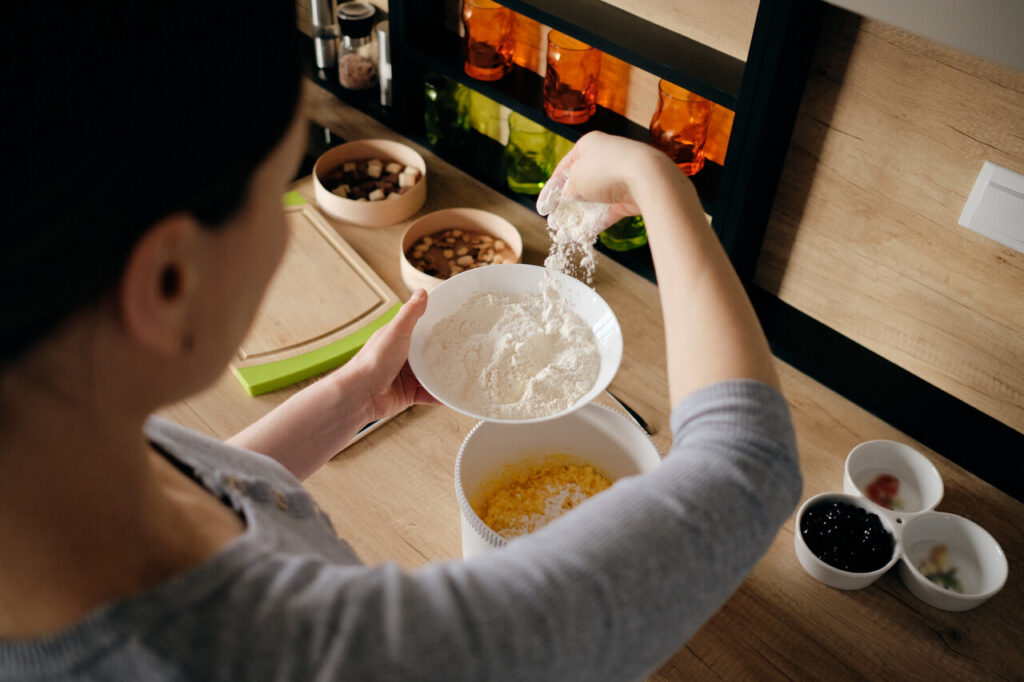
The most damaging habit is disengagement. When cooking is treated as something to rush through, attention drops and mistakes multiply. Heat gets ignored, timing slips, and shortcuts stack up. Good cooking does not require complexity. It requires presence. Paying attention to sound, smell, and visual cues leads to better decisions without extra effort. Food responds immediately to care. When cooks slow down just enough to stay focused, results improve naturally. Cooking punishes distraction but rewards involvement. The difference between average food and great food is rarely skill. It is attention given at the right moment.