11 Seafood Appetizers That Are Banned Elsewhere

Around the world, seafood appetizers can reveal as much about laws and ethics as they do about taste. Some dishes are restricted because they pose serious health risks, while others are banned to protect endangered species or fragile marine ecosystems. What may appear on a menu in one country can be illegal just across the border. This list explores seafood starters that spark fascination and controversy, showing how culture, conservation, and food safety often collide. Each dish has a story rooted in science, tradition, or environmental concern, reminding us that what we eat is shaped by far more than flavor alone.
1. Fugu (Pufferfish Sashimi)
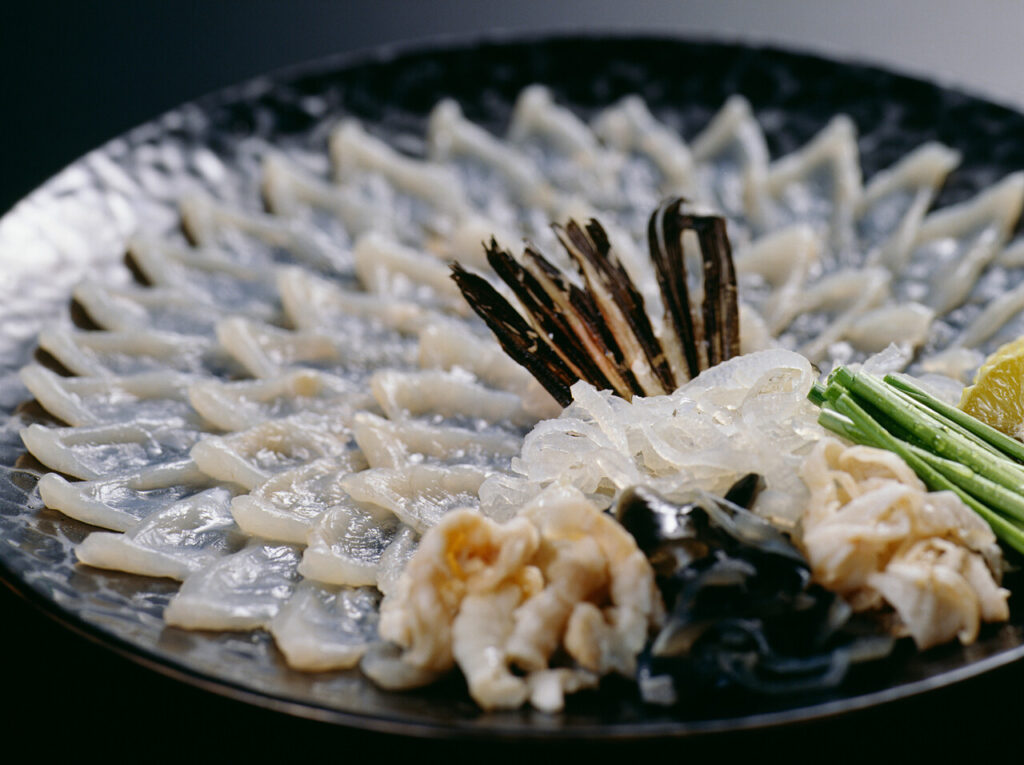
Few appetizers inspire both awe and fear like fugu, the famously poisonous pufferfish served as delicate sashimi. The danger comes from tetrodotoxin, a powerful neurotoxin concentrated in the fish’s organs. Even a tiny mistake during preparation can be fatal, which is why many countries ban fugu outright. In Japan, where it is legal, chefs must train for years and pass strict licensing exams before they are allowed to serve it. The appeal lies in its clean, subtle flavor and the thrill of eating something so risky. Elsewhere, regulators see the risk as unnecessary, especially since modern food safety standards aim to eliminate even small chances of lethal contamination.
2. Raw Oysters From Unregulated Waters
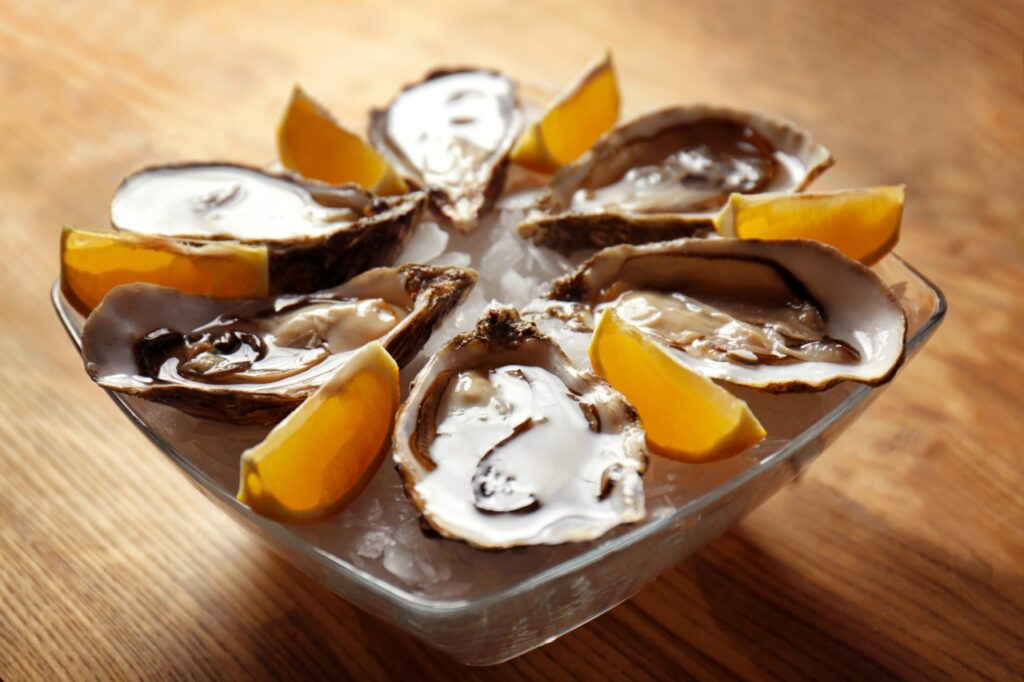
Raw oysters are often seen as a symbol of luxury, but when harvested from unregulated or polluted waters, they become a serious public health concern. Oysters are filter feeders, meaning they absorb whatever is in the water around them, including bacteria, viruses, and toxins. In some regions, raw oyster appetizers are banned unless they come from certified waters and follow strict handling rules. Illnesses like norovirus and Vibrio infections have been traced back to contaminated oysters, sometimes with deadly results for people with weakened immune systems. Countries with tighter food safety laws choose to ban these oysters entirely rather than rely on inconsistent enforcement.
3. Live Octopus (Sannakji)
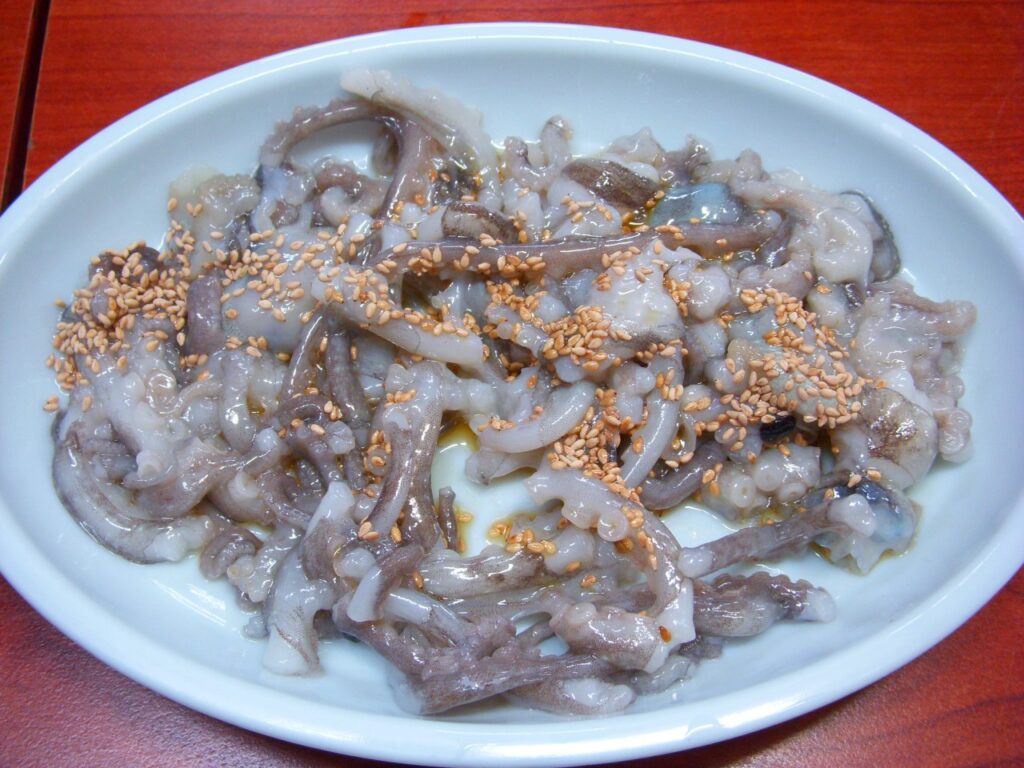
Live octopus, often served freshly chopped and still moving, is known for its shock value as much as its taste. While popular in parts of South Korea, many countries ban this appetizer due to the real risk of choking. The suction cups on the octopus arms can stick to the throat, even after the animal has been cut, making it difficult to dislodge. Deaths have been reported over the years, leading food safety authorities elsewhere to classify it as unsafe. Cultural significance plays a strong role in where it remains legal, but regulators in other regions prioritize consumer protection. From their perspective, an appetizer that can kill through choking is not worth the novelty it provides.
4. Shark Fin Soup
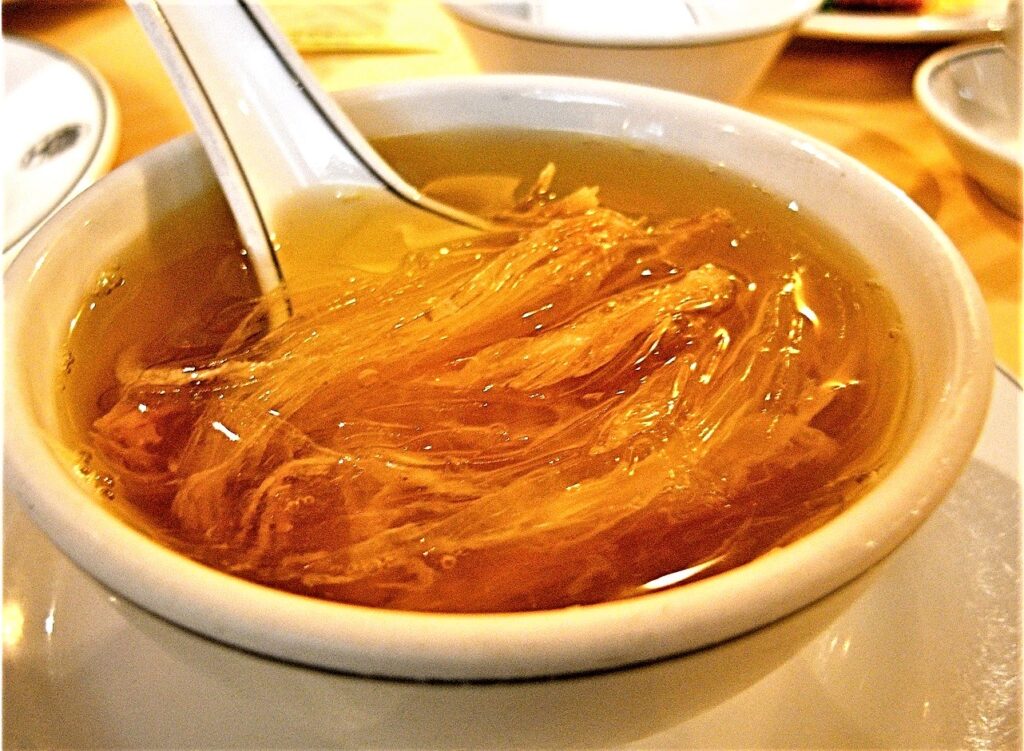
Shark fin soup has long been associated with celebration and status, but growing awareness of its environmental cost has led to widespread bans. Sharks are often caught, have their fins removed, and are then discarded back into the ocean to die. This practice has devastated shark populations worldwide, disrupting marine ecosystems. Many countries now ban shark fin appetizers entirely, even when the meat itself is legal. Conservation laws focus on preventing cruelty and preserving species that reproduce slowly and cannot sustain heavy fishing pressure. Beyond ethics, shark fins offer little flavor on their own, relying mostly on broth for taste.
5. Baby Eel Dishes (Elvers)
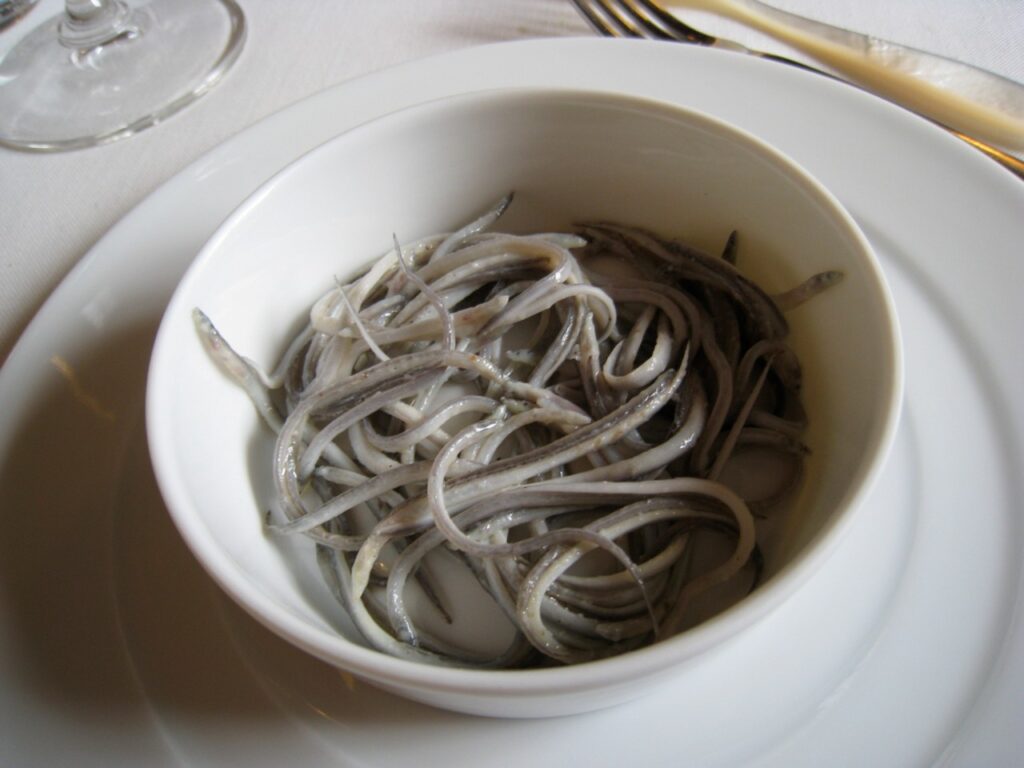
Elvers, or baby eels, are prized for their tender texture and mild flavor, often served as upscale seafood appetizers. However, their popularity has pushed eel populations into serious decline. Eels have complex life cycles, migrating thousands of miles to spawn, and harvesting them so early threatens the survival of the species. Several countries have banned elver fishing and sales to protect collapsing stocks. Illegal trafficking remains a global problem due to high demand. Regulators argue that allowing elvers as appetizers undermines conservation efforts. While diners may see a delicate dish, authorities see the loss of a species struggling to reproduce in a stressed environment.
6. Sea Turtle Meat Appetizers
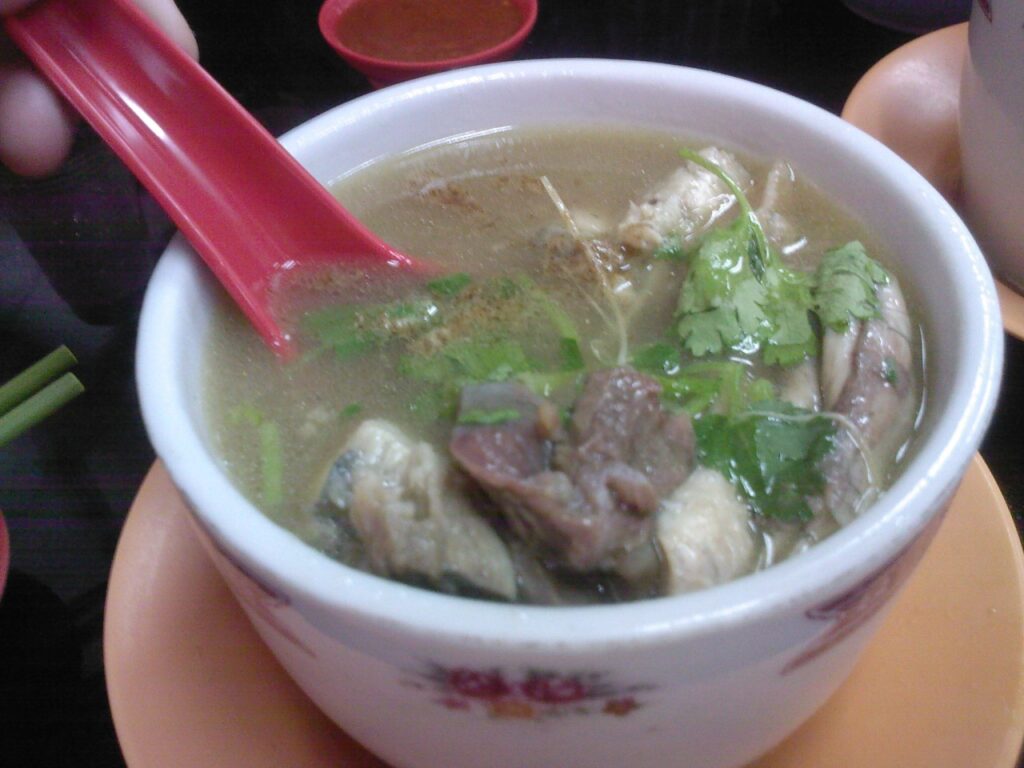
Sea turtle meat has appeared in traditional dishes in some coastal cultures, but it is now banned in most of the world. All sea turtle species are protected under international conservation agreements due to dramatic population declines. Turtles mature slowly and lay relatively few eggs that survive to adulthood, making them extremely vulnerable to overharvesting. Beyond conservation concerns, turtle meat can also carry harmful bacteria and toxins. Governments enforce strict penalties to discourage consumption, even when traditions are deeply rooted. The ban reflects a broader effort to protect endangered wildlife and preserve marine biodiversity.
7. Raw Blood Clams
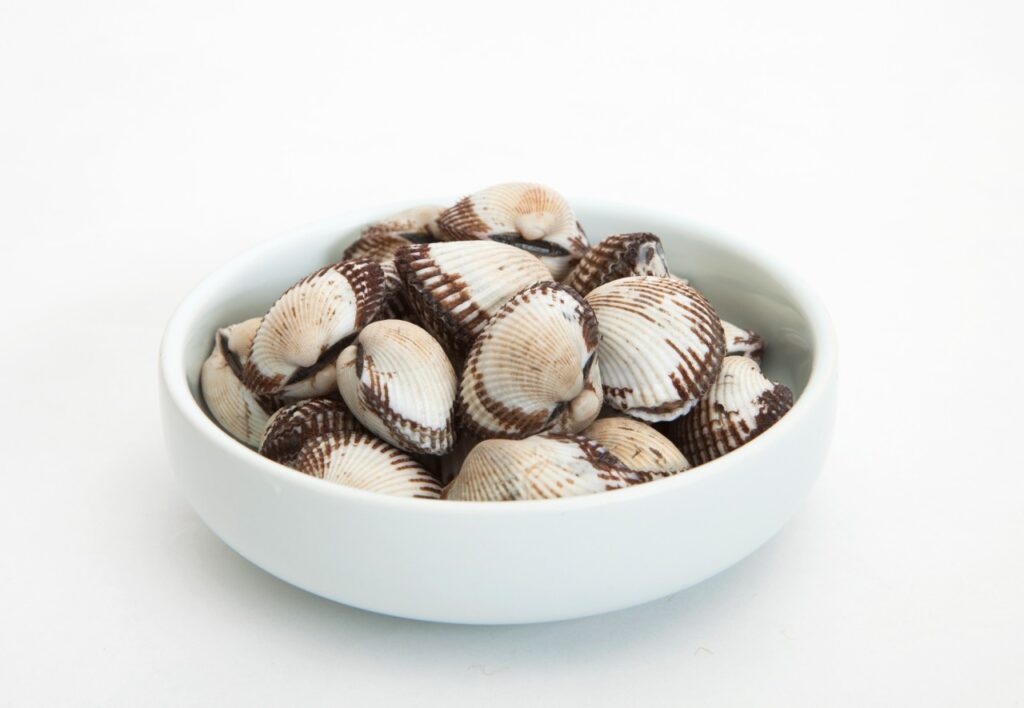
Blood clams get their name from their hemoglobin-rich blood, which gives them a striking red appearance. They are often eaten lightly cooked or raw in some cuisines, but this is exactly why they are banned in many places. Blood clams live in muddy, low-oxygen environments where they are more likely to harbor pathogens. Outbreaks of hepatitis and other serious illnesses have been linked to improperly prepared blood clams. Because thorough cooking is the only reliable way to kill these pathogens, regulators in many countries prohibit serving them raw or undercooked. The ban is rooted in public health rather than taste, aiming to prevent avoidable disease outbreaks.
8. Raw Abalone
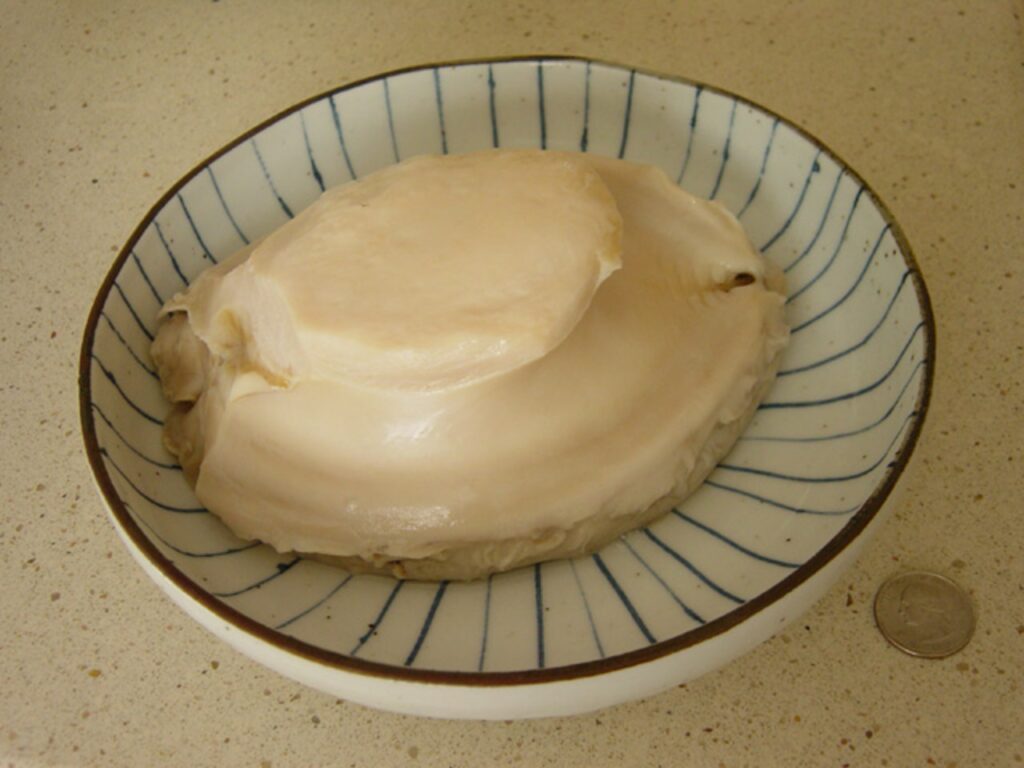
Raw abalone is considered a delicacy in some coastal cuisines, valued for its firm texture and subtle ocean flavor. However, many countries restrict or ban it when served raw due to food safety concerns. Abalone can harbor naturally occurring marine toxins and harmful bacteria, especially when harvested from warmer or polluted waters. Unlike oysters, abalone does not have a long global tradition of raw consumption, and improper handling increases the risk of foodborne illness. Overfishing also plays a role, as wild abalone populations have declined sharply in many regions. Governments often combine health protections with conservation laws, making raw abalone appetizers illegal in places where stocks are fragile or monitoring is limited.
9. Whale Meat Appetizers
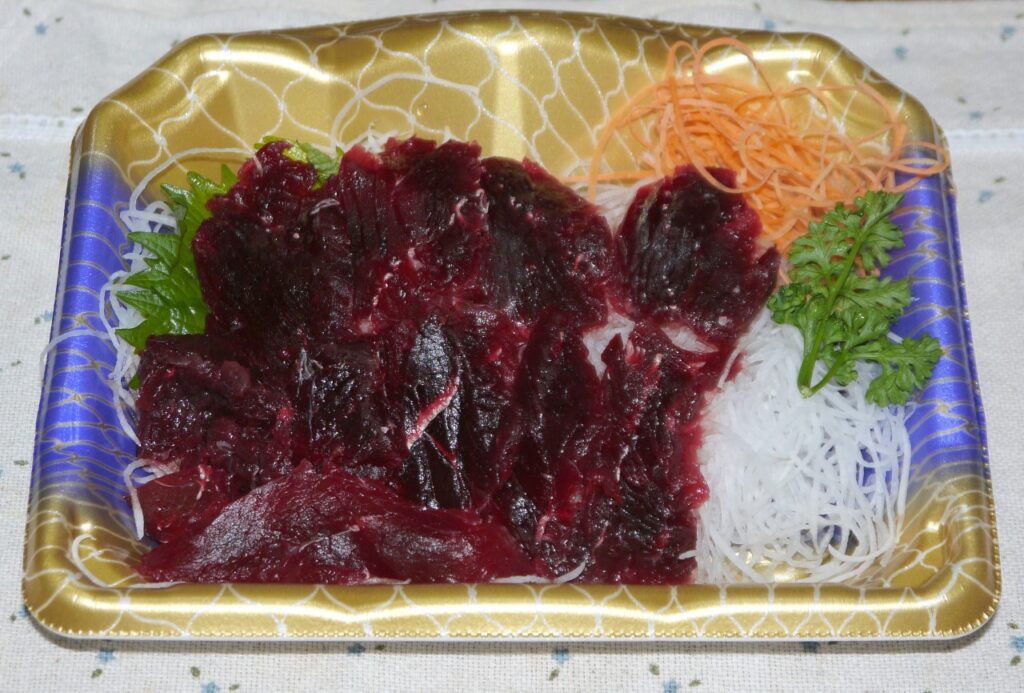
Whale meat remains legal in only a few countries, while most of the world bans it entirely. Whales are protected under international agreements due to past overhunting that pushed several species to the brink of extinction. Beyond conservation, whale meat can contain high levels of mercury and other toxins that build up over long lifespans. Serving whale meat as an appetizer raises ethical and health concerns. Many nations see whales as keystone species with high intelligence and social complexity, strengthening opposition to their consumption. Banning whale appetizers reflects a global shift toward marine conservation and a reevaluation of how humans interact with ocean mammals.
10. Undercooked or Raw Scallops
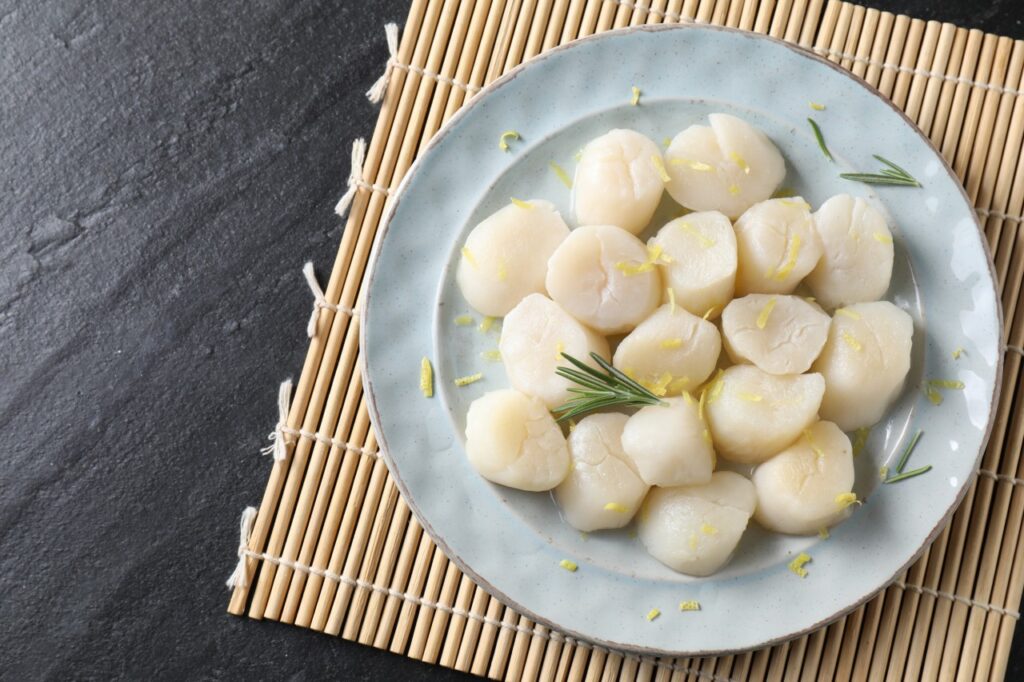
Scallops are often enjoyed for their sweet, delicate flavor, but serving them raw or undercooked is restricted in many regions. Unlike oysters, scallops are not typically eaten raw worldwide because they can carry harmful bacteria and parasites. Improper handling increases the risk of foodborne illness, especially when scallops are harvested from warmer waters. Some countries allow raw scallops only under strict freezing and inspection rules, while others ban the practice outright. Regulators aim to reduce the chance of contamination by requiring thorough cooking. The ban is less about tradition and more about ensuring seafood appetizers do not become a source of preventable illness.
11. Certain Imported Shrimp and Prawn Appetizers
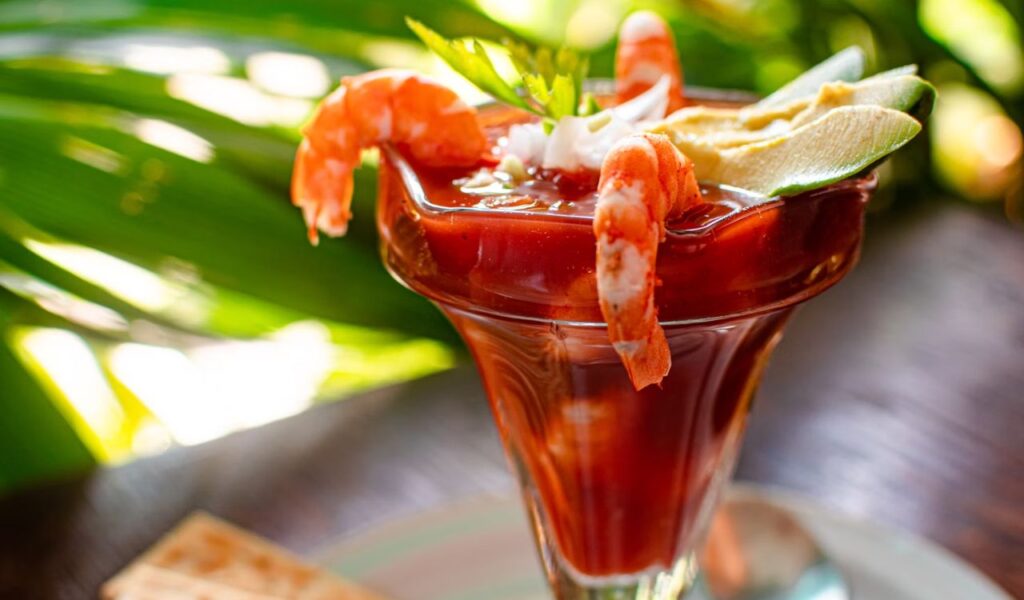
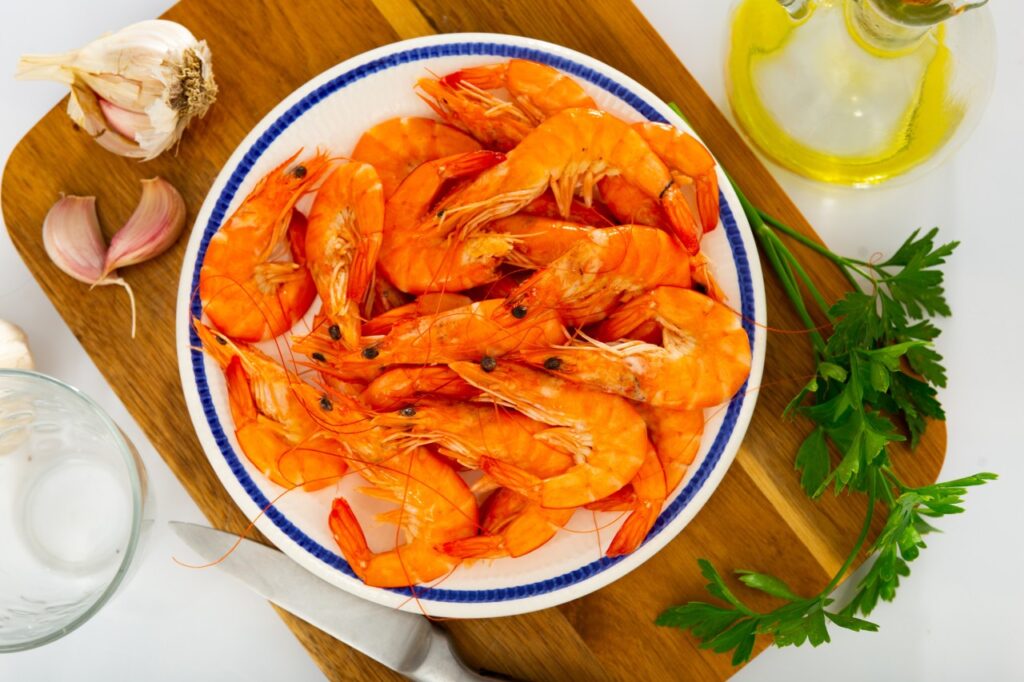
Shrimp and prawn appetizers are common worldwide, but imports from certain regions are banned in many countries due to safety and ethical concerns. Issues include antibiotic overuse, poor sanitation, and labor abuses in aquaculture operations. Residues of banned antibiotics have been found in shrimp shipments, raising concerns about antibiotic resistance and consumer health. Environmental damage from mangrove destruction also plays a role in these bans. Governments restrict or prohibit these imports to protect both consumers and ecosystems. While shrimp itself is not the problem, the conditions under which it is produced can turn an appetizer into a symbol of global food system failures.