11 Unique Chili Recipes with a Touch Of International Ingrediants

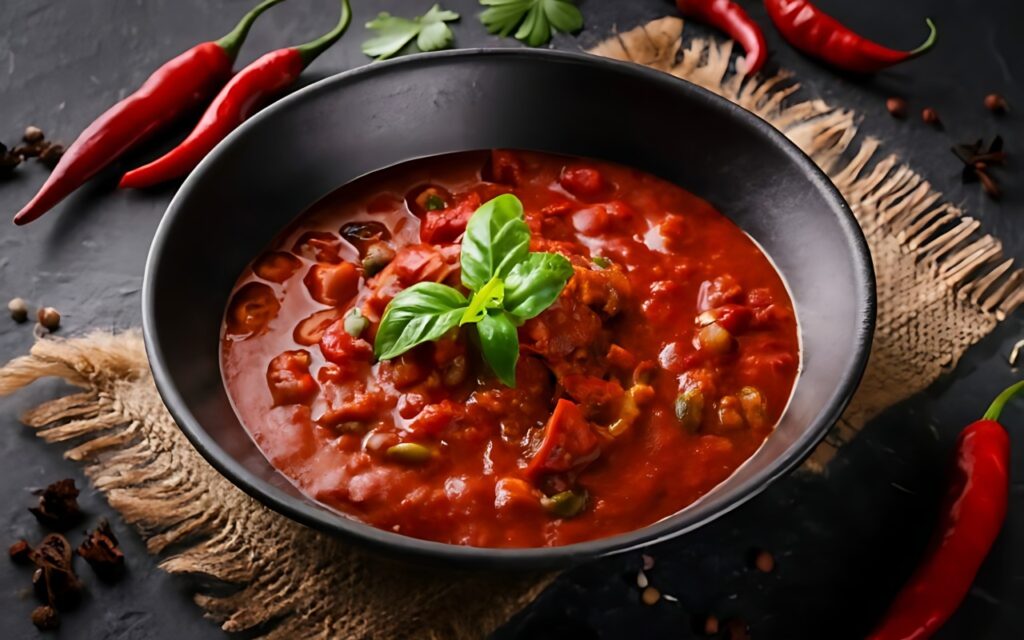
Chili is a dish that welcomes creativity, and international ingredients bring new life to its familiar comfort. By borrowing spices, pastes, and techniques from kitchens around the world, these recipes build bold flavor through balance rather than heat alone. Each chili blends global influences with the slow-simmered warmth people love, creating bowls that feel both comforting and exciting. These dishes prove that chili can travel far beyond tradition while still feeling hearty, familiar, and deeply satisfying. They invite you to explore new flavors without leaving the comfort of a one-pot meal. Every recipe offers a fresh perspective while staying true to Chili’s soul-warming purpose.
1. Mexican Mole Chili
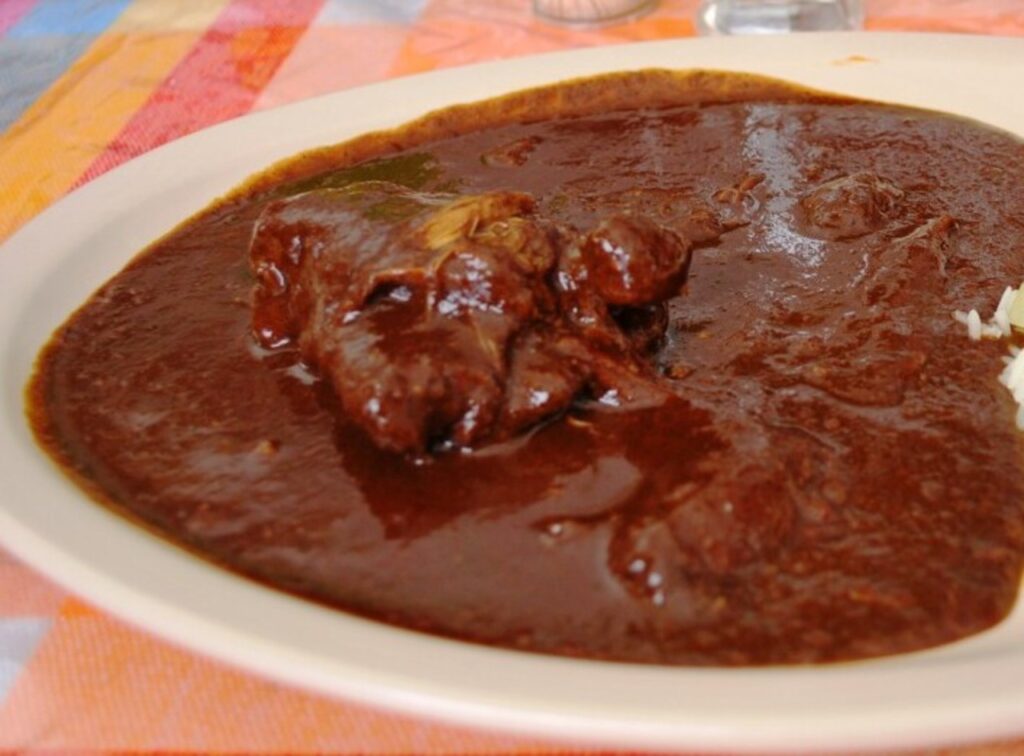
Mexican mole chili brings depth through layers rather than heat alone. Mole sauces are known for combining chilies with unexpected ingredients like cocoa, nuts, seeds, and warm spices. In chili form, this translates to a rich, dark base where dried chilies provide smokiness and mild bitterness, while cocoa adds depth without sweetness. Ground nuts or seeds help thicken the chili naturally, giving it a velvety body. Tomatoes still play a role, but they stay in the background, supporting rather than dominating. Slow simmering is essential so the flavors can merge and mellow. The result is a chili that tastes bold, savory, and deeply satisfying, with each spoonful revealing something new.
2. Thai Coconut Curry Chili
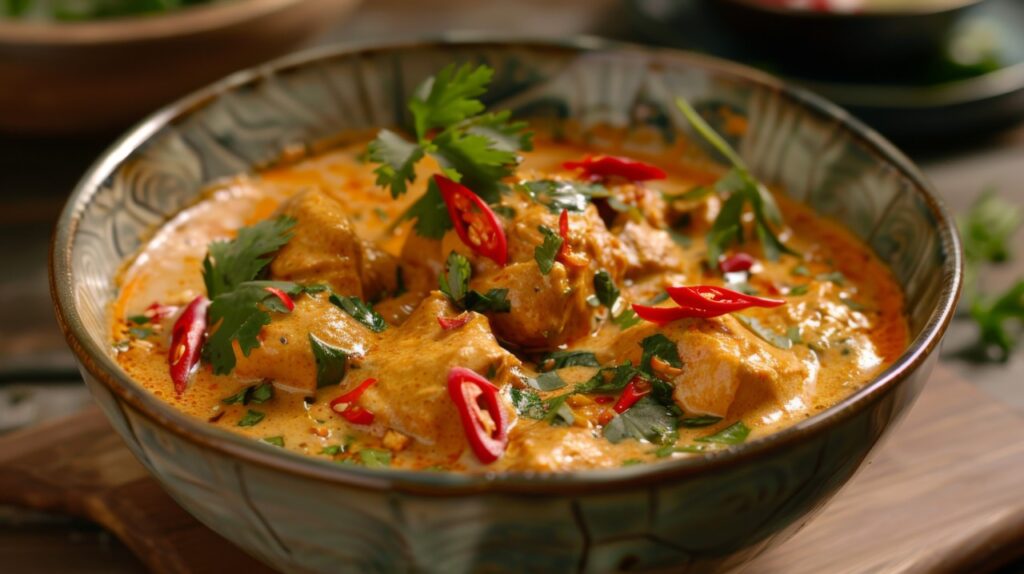
Thai coconut curry chili leans into contrast, balancing richness with brightness. Coconut milk replaces traditional tomato-heavy bases, creating a creamy texture that softens heat and carries spice evenly. Red or yellow curry paste adds layers of flavor from lemongrass, garlic, galangal, and chilies. Beans and meat absorb these aromatics as the chili simmers, becoming tender and fragrant. A splash of lime or fish sauce at the end sharpens the flavor and prevents heaviness. This chili feels warming but not dense, making it ideal for those who want bold flavor without excessive heat. The coconut milk also helps the chili reheat beautifully, maintaining its smooth texture.
3. Indian Masala Lentil Chili
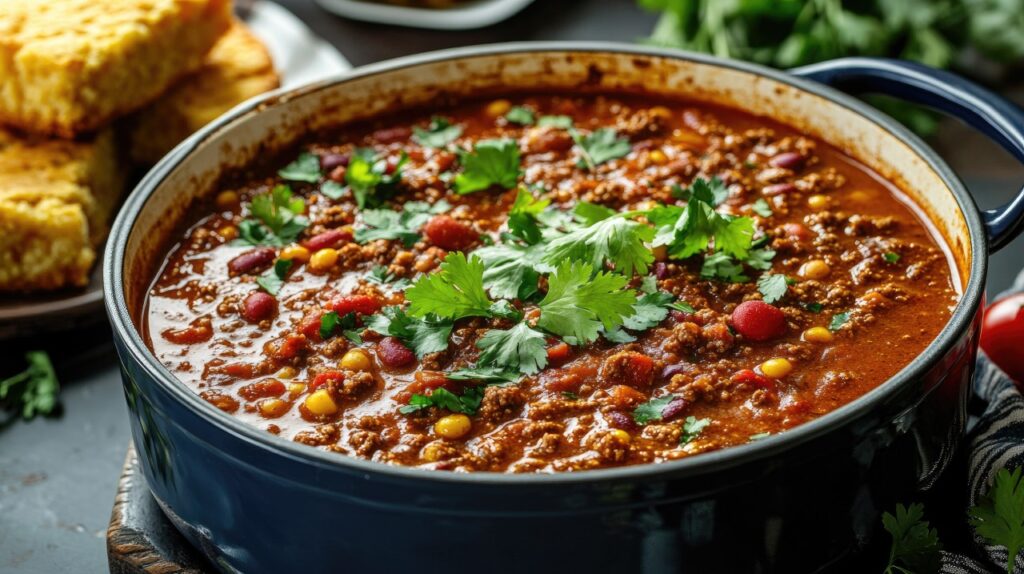
Indian masala lentil chili builds intensity through spice blends rather than chilies alone. Lentils replace or supplement meat, offering protein and thickness while absorbing flavor easily. Spices like cumin, coriander, turmeric, and garam masala form the backbone, layered gradually to avoid bitterness. Tomatoes add acidity, while onions and garlic provide sweetness and depth. Lentils break down slightly during cooking, naturally thickening the chili without flour or cream. This dish improves as it rests, since spices continue to bloom over time. The result is hearty, warming, and deeply spiced without being overpowering.
4. Korean Gochujang Beef Chili
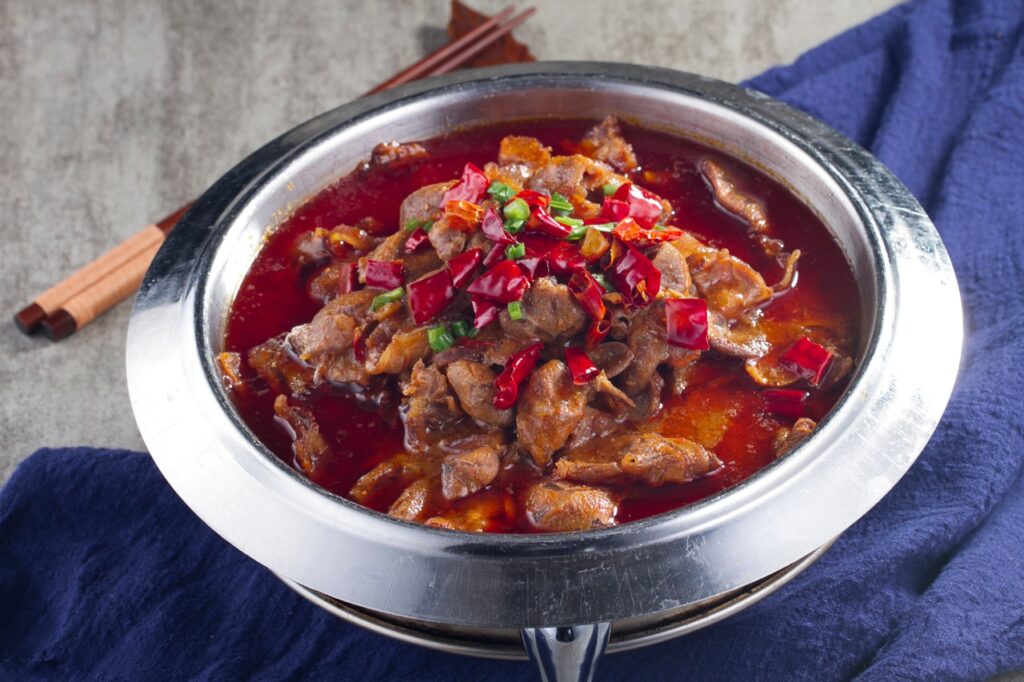
Korean gochujang beef chili focuses on savory heat and fermentation. Gochujang, a fermented chili paste, brings sweetness, umami, and controlled spice all at once. When combined with beef, it creates a robust base that feels rich but balanced. Soy sauce and garlic enhance savoriness, while a touch of sugar smooths sharp edges. Tomatoes still play a role, but they are secondary to the fermented depth of the paste. Slow cooking allows the beef to soften and absorb flavor fully. This chili tastes bold and complex, with heat that builds gradually rather than hitting all at once. It feels comforting yet exciting, offering a modern twist that stays deeply satisfying.
5. Moroccan Spiced Lamb Chili
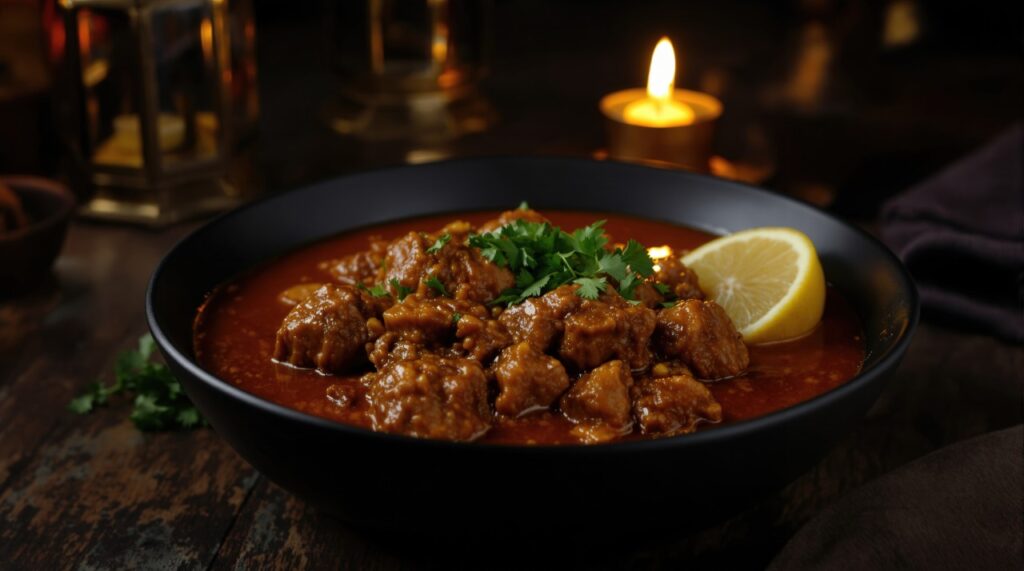
Moroccan spiced lamb chili emphasizes warmth over heat. Lamb provides richness and pairs naturally with spices like cumin, cinnamon, coriander, and paprika. These spices are aromatic rather than fiery, creating a rounded flavor profile. Tomatoes and chickpeas often share the pot, adding balance and texture. Slow simmering allows the lamb fat to melt into the chili, enriching the broth without greasiness. A hint of sweetness from dried fruit or honey is sometimes used to enhance contrast. This chili feels cozy and fragrant, perfect for colder days. It shows how North African spice traditions can create boldness through aroma and balance instead of raw heat.
6. Italian Tomato Basil Chili
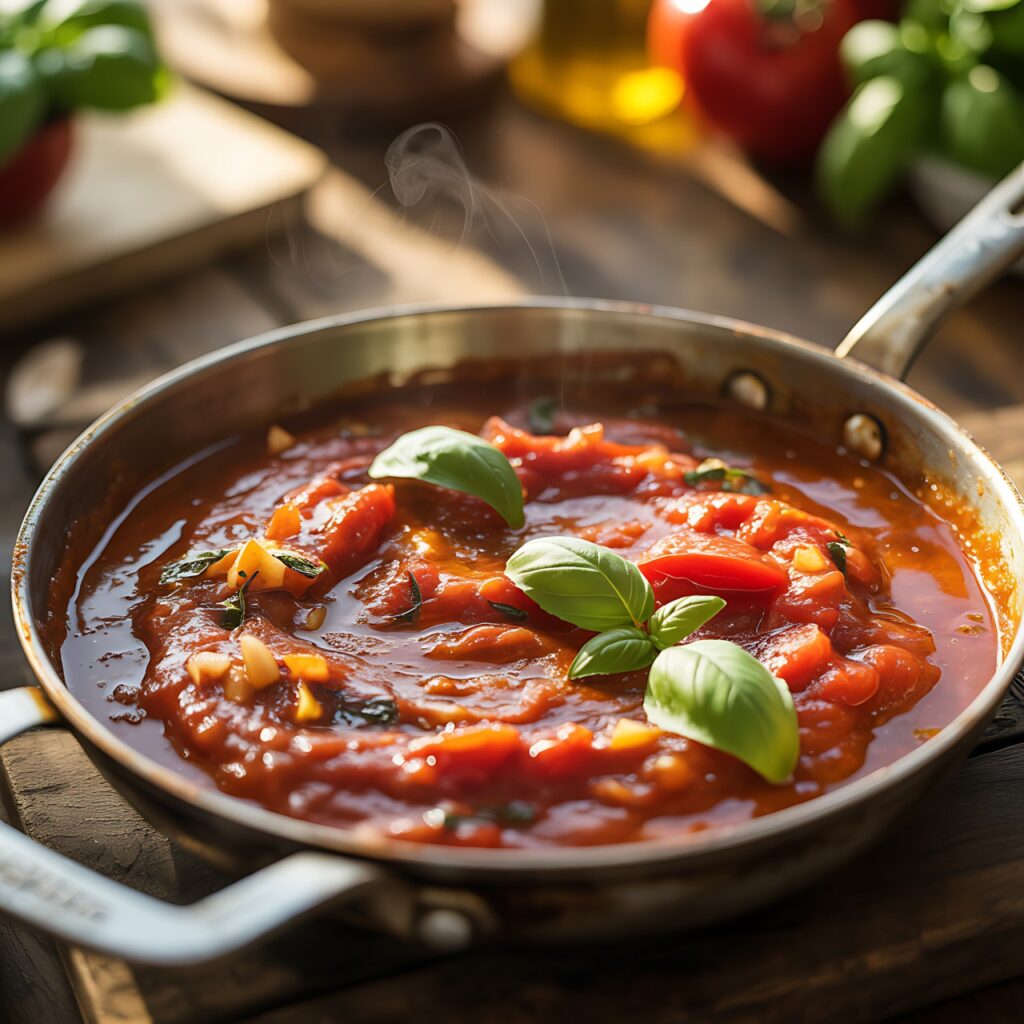
Italian tomato basil chili highlights acidity, herbs, and restraint. Instead of aggressive spice, it leans on slow-cooked tomatoes, garlic, and basil for depth. Ground meat or beans soak up the sauce, while olive oil adds richness. Oregano and basil provide an herbal backbone, creating familiarity with an Italian accent. This chili simmers gently to avoid bitterness and preserve freshness. The result is lighter and brighter than traditional chili, yet still hearty and comforting. It pairs especially well with bread and cheese. This version proves that chili can be bold without heat, relying instead on well-developed tomato flavor and herbs.
7. Jamaican Jerk Chicken Chili
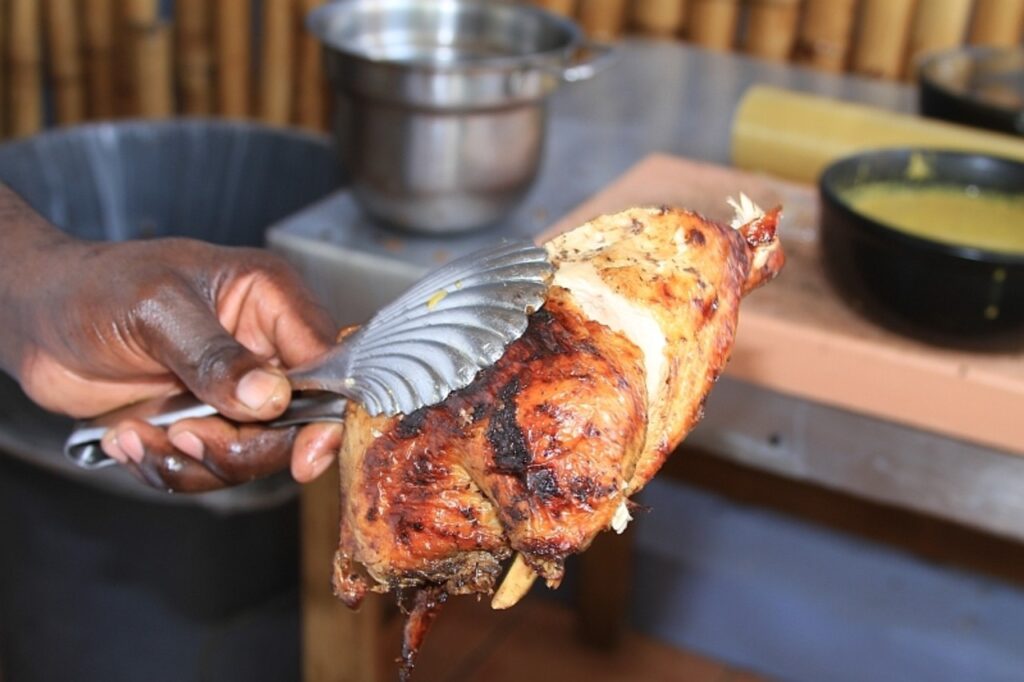
Jamaican jerk chicken chili brings boldness through spice blends and smoke. Jerk seasoning combines allspice, thyme, garlic, chilies, and warming spices that deliver heat and aroma together. Chicken absorbs these flavors quickly, making it ideal for chili. Tomatoes balance the spice, while beans add body. Slow cooking softens the intensity and allows smoky notes to shine. The heat is assertive but rounded, never sharp. This chili feels lively and warming, with flavors that linger pleasantly. It is bold, aromatic, and deeply comforting, showing how Caribbean seasoning can transform a familiar dish.
8. Japanese Miso Chili

Japanese miso chili focuses on umami and subtlety. Miso paste replaces part of the salt and spice, delivering fermented depth and savoriness. White or red miso blends into the broth, thickening slightly while enriching flavor. Ginger and garlic add warmth without heaviness. Beans and meat absorb the miso’s complexity as the chili simmers. Tomatoes are used sparingly, allowing umami to take center stage. The result is mellow yet deeply flavorful, with heat kept minimal. This chili feels soothing and balanced, offering comfort through richness rather than spice intensity. A small drizzle of sesame oil at the end can further enhance aroma and depth.
9. Greek Lamb and Chickpea Chili
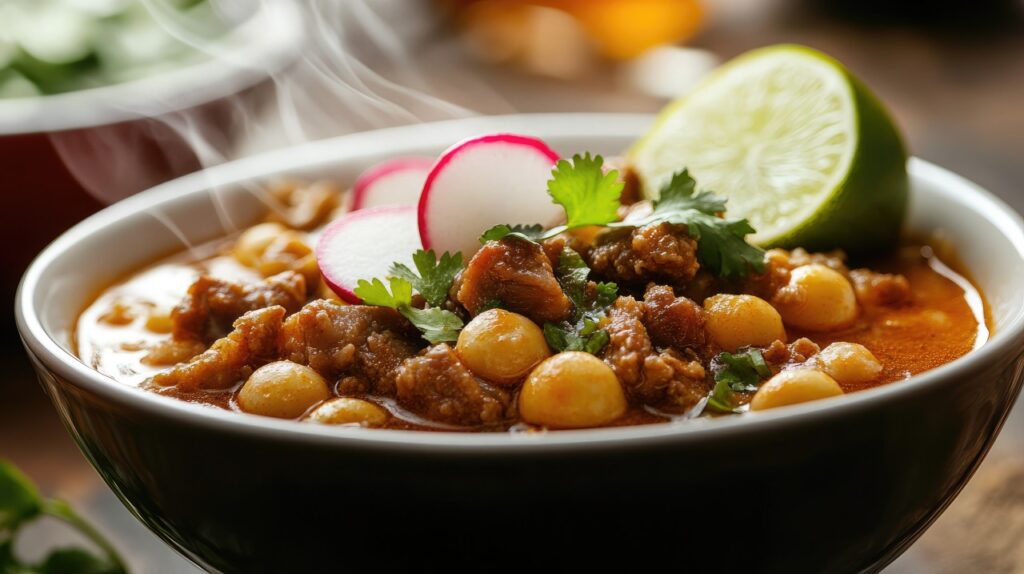
Greek lamb and chickpea chili relies on herbs and acidity for boldness. Lamb provides richness, while chickpeas add texture and absorb flavor well. Oregano, garlic, and onion form the aromatic base, with tomatoes adding brightness. A splash of lemon at the end lifts the dish and prevents heaviness. Slow cooking allows flavors to blend into a cohesive whole. This chili feels hearty yet fresh, with a clean finish that keeps each bite interesting. It reflects Greek cooking’s focus on balance, making it filling without feeling dense. Fresh herbs like parsley or dill can add a final layer of brightness before serving.
10. Ethiopian Berbere Chili
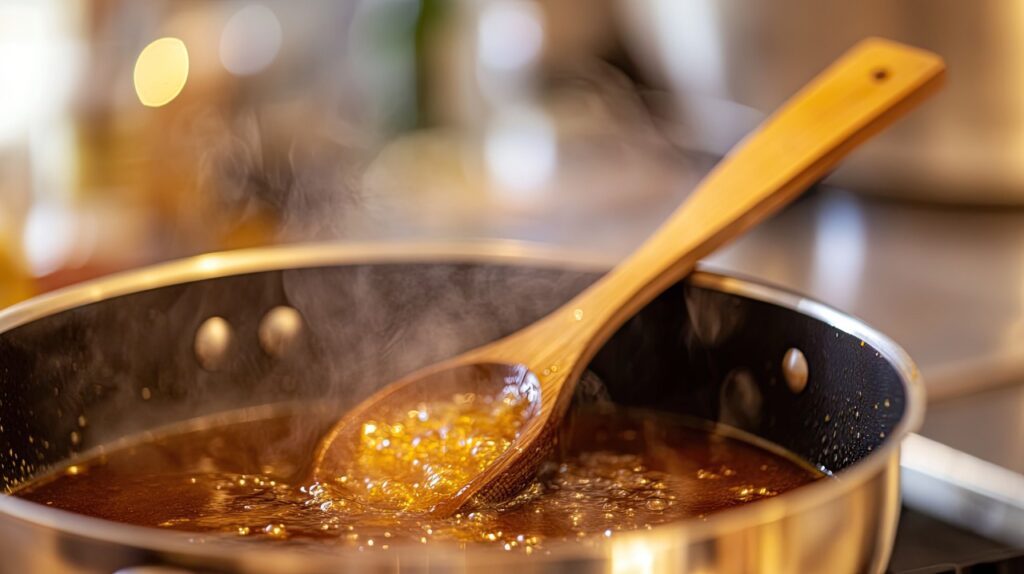
Ethiopian berbere chili is built around a powerful spice blend. Berbere combines chilies with spices like fenugreek, cloves, and ginger, creating heat with depth. Used carefully, it delivers warmth without bitterness. Beans and meat absorb the spice during long simmering, resulting in a thick, aromatic chili. Onions cooked down slowly add sweetness that balances the spice. This chili improves with time, as flavors deepen and smooth out. It is bold, warming, and aromatic, showcasing how Ethiopian spice traditions create intensity through complexity rather than raw heat. Serving it with flatbread or rice helps balance the spice and soak up the rich sauce.
11. Spanish Smoked Paprika Chili
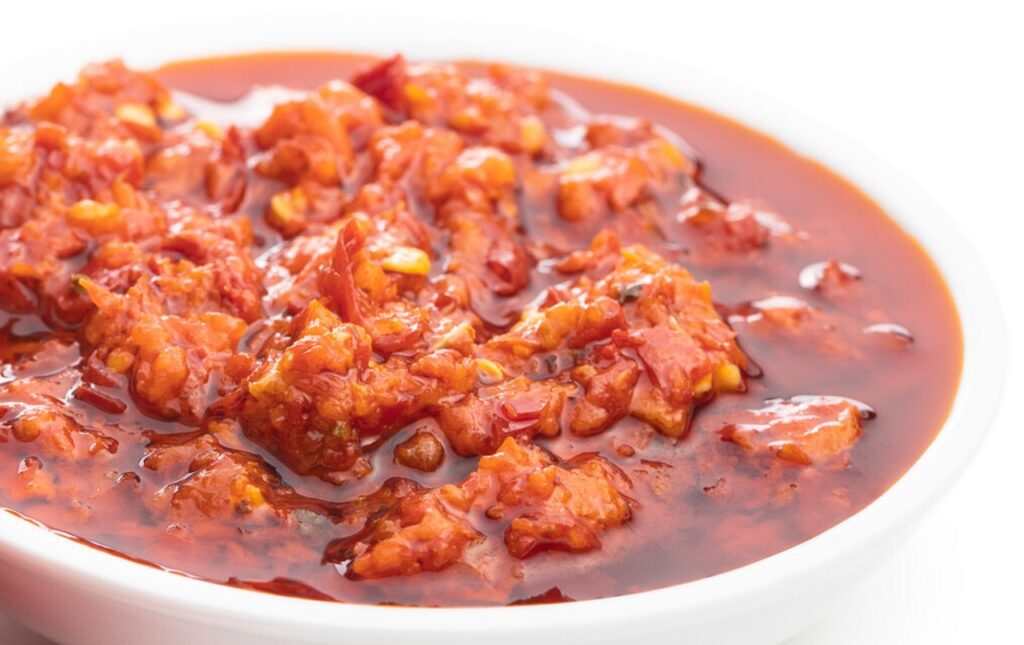
Spanish smoked paprika chili centers on smoke rather than spice. Smoked paprika adds depth and color, giving the chili a rich, woodsy aroma. Tomatoes and onions form a mellow base, while beans and meat provide substance. The paprika infuses slowly as the chili simmers, creating a cohesive, smoky profile. Garlic and olive oil enhance richness without overpowering. This chili tastes bold yet smooth, with no harsh heat. It is comforting and approachable, proving that international influence can add character without overwhelming familiar flavors. Using smoked paprika in stages can deepen the smoky flavor without making it bitter.