Influencer Food Crazes Trigger Grocery Surges That Fade Faster Than Expected


A single viral video can transform an everyday ingredient into a must-have item almost overnight, shifting it from unnoticed to in-demand within hours. One moment, it sits quietly on grocery shelves with little attention, and the next, it is being searched, shared, and rapidly sold out across multiple stores. These sudden spikes are driven by visually appealing recipes and influencer enthusiasm, which make certain foods feel essential and exciting. The speed at which content spreads creates a sense of urgency, encouraging shoppers to act quickly before the trend passes or supplies run low, often leading to impulse buying without much planning.
But as quickly as these trends rise, they often lose momentum just as fast, leaving behind fully stocked shelves and fading interest. What initially appears to be a lasting craze is often a short-lived burst of curiosity shaped by online attention. As new trends emerge, focus shifts almost immediately, reducing demand for previously popular items. This cycle highlights how social media influences purchasing behavior in temporary ways, showing that many food trends are driven more by visibility and novelty than by long-term usefulness or consistent consumer need, making their impact brief and unpredictable.
Why Food Trends Rise and Fall So Fast
A viral food trend can take hold almost instantly, often sparked by a single post or short video that captures widespread attention across platforms. Social media algorithms quickly amplify these moments, pushing specific ingredients or recipes into millions of feeds within a short time. This sudden exposure creates urgency, making people feel like they need to try the trend before it disappears. As more users recreate, share, and adapt the idea, the trend gains momentum, giving the impression that it is more widespread and essential than it actually is in everyday life, even if its practical use remains limited for most households.
However, the same speed that drives this rapid rise also leads to an equally fast decline once interest begins to fade. As soon as the novelty wears off or a new trend takes its place, attention shifts almost immediately. Many of these foods are not designed for long-term use, lacking practicality in regular cooking routines. This causes demand to drop just as quickly as it rose, leaving retailers with excess stock and consumers with unused ingredients, reinforcing how short-lived and cyclical these trends tend to be, often repeating the same pattern with new ingredients, and highlighting how quickly consumer focus moves from one idea to the next.
How Hype Influences Everyday Grocery Choices
Influencer content has a powerful and immediate impact on how people approach everyday grocery shopping, often shaping decisions in ways that feel natural but happen quickly. When a recipe or ingredient gains attention online, it can move from a screen to a shopping list within hours, driven by repeated exposure across multiple platforms. The visual appeal and simplified presentation of many viral foods make them appear easy to recreate, encouraging people to purchase items without fully considering how often they will actually use them in daily cooking routines, especially when the trend feels easy to follow and widely accepted.
This behavior is closely tied to the desire to take part in a shared and highly visible experience. Trying a trending food can feel like joining a larger conversation that is happening in real time, even if that participation is brief. As a result, shoppers may begin to prioritize trending ingredients over their usual purchases, shifting their buying patterns in subtle ways. Over time, these choices reflect how exposure and social influence can temporarily outweigh practicality and routine needs in everyday grocery decisions, making shopping habits more reactive than planned, and often leading to short-term buying decisions that are not sustained over time.
The Gap Between Viral Appeal and Real Use
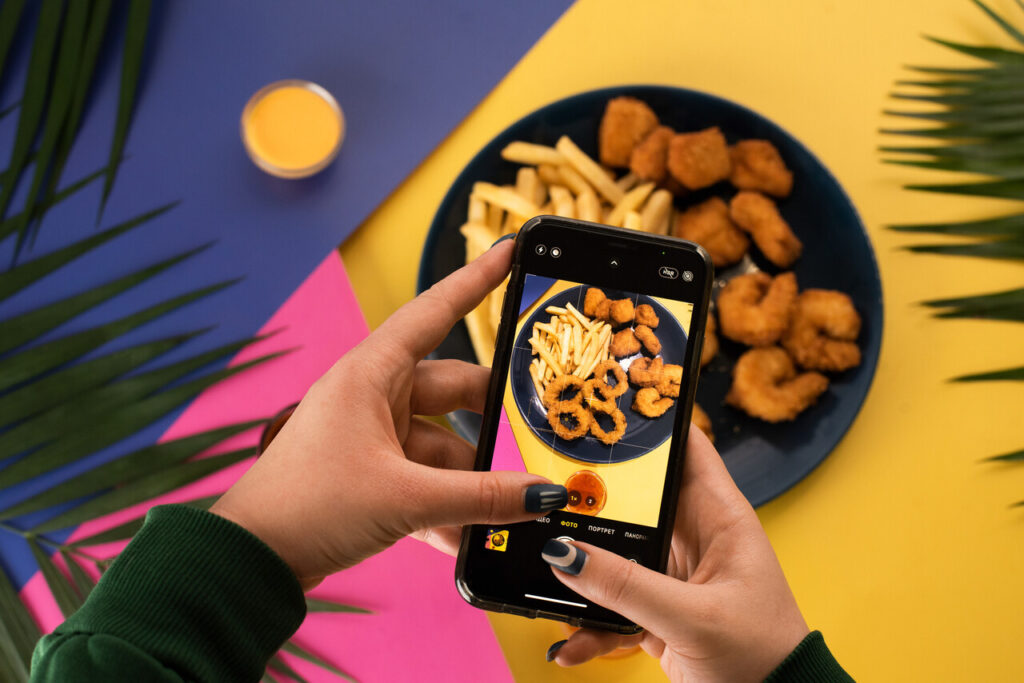
Many viral food trends are created with visual impact in mind, designed to capture attention quickly rather than fit seamlessly into everyday cooking routines. Short videos often present recipes in a simplified and appealing way, making them look easy to prepare and highly rewarding. However, the actual process can involve multiple steps, specific tools, or uncommon ingredients that are not always practical for regular use. This difference between presentation and reality can make the experience feel less convenient than expected once someone tries it at home, especially when time or resources are limited, and when the effort required outweighs the initial appeal seen online.
This gap between online appeal and real use often becomes clear after the initial excitement fades. Ingredients purchased for a single trending recipe may not integrate easily into daily meals, leading to leftovers that go unused. Over time, this can create a sense of frustration or reduced interest in repeating the dish. As a result, products that once saw a sharp rise in demand can quickly lose relevance, showing how short-term curiosity does not always translate into lasting changes in cooking habits or grocery choices, often resulting in wasted food and unnecessary spending, especially when trends move on too quickly.
What Shoppers Can Learn From Short-Lived Trends
Short-lived food trends offer a clear window into how quickly consumer behavior can shift in response to online influence. A product can move from being overlooked to highly demanded within days, only to return to normal just as quickly once attention fades. This pattern highlights the importance of recognizing the difference between temporary excitement and lasting value when making purchasing decisions. By understanding how these cycles work, shoppers can become more aware of how external influences shape their choices and avoid being driven entirely by short-term trends, especially when trends appear repeatedly across platforms.
Planning and focusing on ingredients that serve multiple purposes can help reduce unnecessary spending and food waste over time. Instead of reacting instantly to every trending recipe, consumers can pause and consider whether the item will be useful beyond a single use. This more thoughtful approach encourages balanced shopping habits that combine curiosity with practicality. It allows room for trying new ideas while still prioritizing everyday needs, helping shoppers make decisions that are both flexible and sustainable in the long run, while also improving overall planning and consistency.
The Future of Social Media-Driven Food Habits
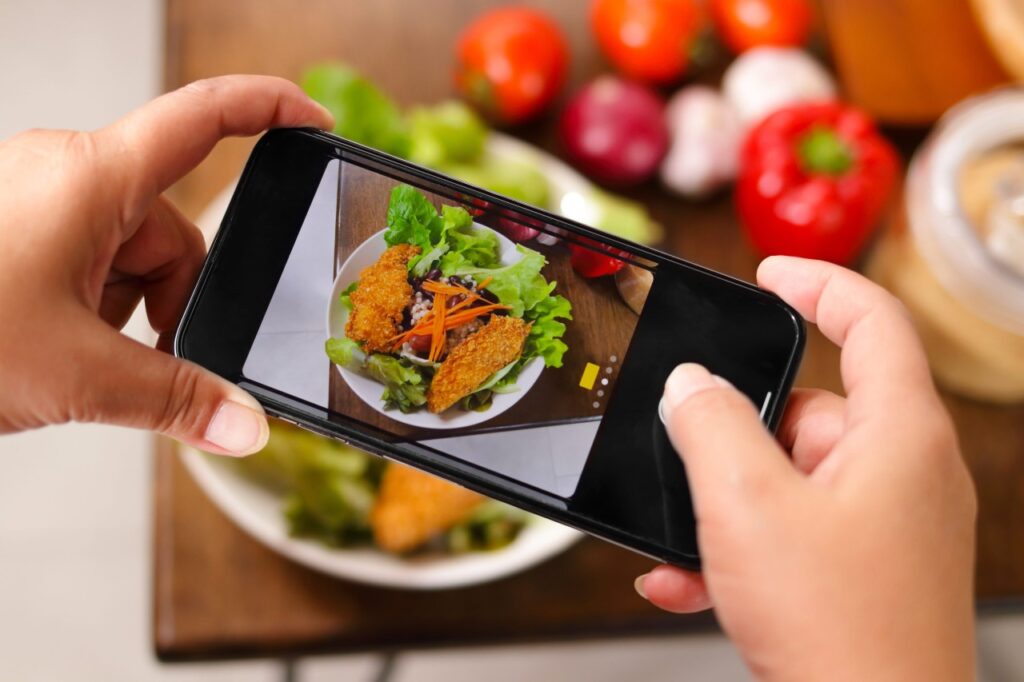
Social media is expected to remain a powerful force in shaping how food trends emerge and spread, but the way people respond to these trends may continue to evolve. As consumers become more familiar with how quickly viral foods rise and fade, they are likely to approach new trends with greater awareness and a more selective mindset. Instead of reacting immediately to every popular post, many may begin to evaluate whether a trend fits into their routine, budget, and actual cooking habits before making a purchase decision, especially as past experiences shape more cautious and informed behavior, leading to more balanced and thoughtful choices.
At the same time, brands and retailers are adapting to this fast-moving environment by becoming more responsive and data-driven in their approach. Improved demand forecasting, flexible sourcing, and quicker inventory adjustments are helping businesses manage sudden spikes more efficiently. While viral food crazes are unlikely to disappear, their long-term impact may become more balanced as both consumers and companies learn to navigate the speed and influence of digital trends in a more measured and sustainable way, reducing waste and improving overall efficiency, and creating more stable supply and demand patterns.