How Organic Food Labels Differ and What They Really Mean

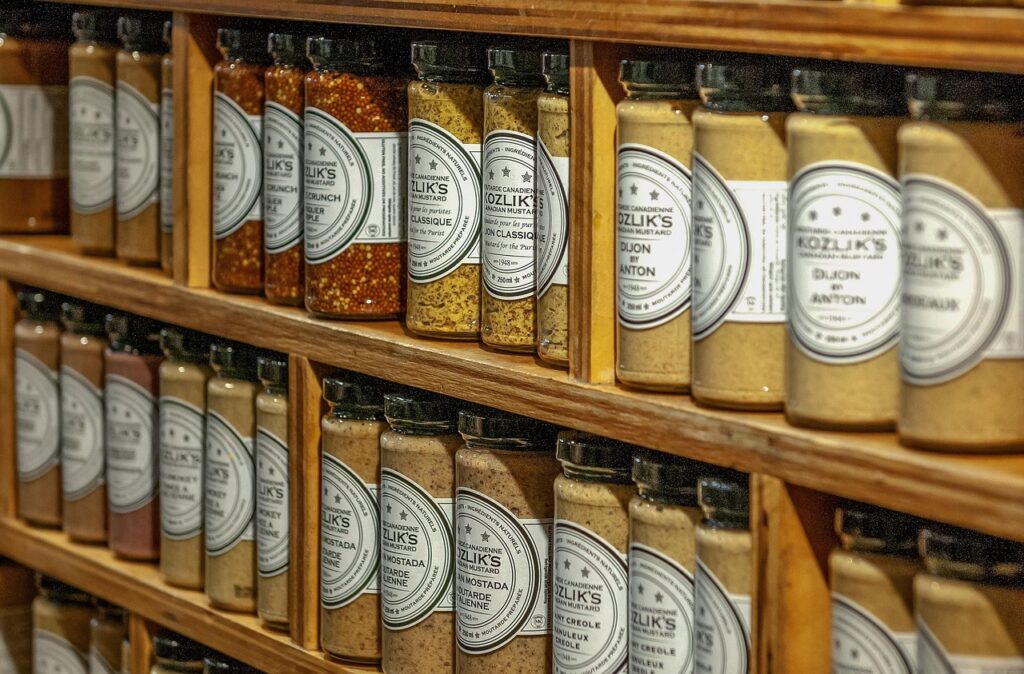
Organic labels often give the impression of simplicity, suggesting that what you see is exactly what you get at first glance. A quick look at packaging filled with earthy tones, green symbols, and familiar terms can make products appear healthier and more trustworthy without much thought. These visual cues are designed to create a sense of reassurance, encouraging shoppers to feel confident in their choices. Yet beneath that clean and appealing presentation lies a detailed system of classifications, certifications, and definitions that are not always immediately clear to the average shopper navigating busy store shelves.
As more people turn toward organic choices, understanding what these labels truly represent becomes increasingly important for making informed decisions. Not every “organic” claim carries the same meaning, and even small differences in wording can point to significant variations in standards and ingredient composition. Taking a closer look at these details helps reveal how labeling systems actually work in practice. This awareness allows shoppers to move beyond surface impressions and make choices that feel more deliberate, accurate, and aligned with their personal expectations and priorities when selecting food products.
Why Organic Labels Can Be Misleading

At first glance, organic labels appear simple and easy to understand, giving the impression that the product clearly meets a consistent standard. Terms like “100% organic,” “organic,” and “made with organic ingredients” may look similar on packaging, but each one represents a different level of certification and ingredient composition. Many shoppers interpret these labels as equal, which can lead to confusion when expectations do not match reality. Packaging design, including earthy colors and natural imagery, further reinforces this perception, making products seem more uniformly organic than they actually are.
The difficulty increases when these certified labels appear alongside marketing language that is not regulated in the same way. Words such as “natural,” “farm fresh,” or “wholesome” often create a sense of authenticity, even though they do not guarantee specific production standards. This overlap makes it harder for consumers to distinguish between verified claims and promotional messaging. Without taking the time to read ingredient lists and certification details carefully, shoppers may believe they are choosing a fully organic product when it only meets partial criteria, leading to misunderstandings about what they are actually buying.
How Consumers Can Read Labels With Confidence
Understanding organic labels with confidence starts by looking beyond the front of the package and focusing on the details that carry verified meaning. Terms such as “100% organic,” “organic,” and “made with organic ingredients” are not interchangeable, and each reflects a specific percentage of certified organic content. Certification symbols, ingredient lists, and clearly stated percentages provide the most accurate insight into a product’s true status. Paying attention to these elements helps separate regulated claims from general marketing language, allowing shoppers to rely on facts rather than assumptions formed by packaging design.
Consumers can further strengthen their understanding by noticing the certification bodies listed on the label, as these organizations are responsible for verifying that products meet established standards. Recognizing these certifiers adds an extra layer of trust and clarity when evaluating different options on the shelf. Over time, developing the habit of reading beyond bold front labels and focusing on detailed information can significantly improve decision-making. This approach allows shoppers to feel more confident in their choices, ensuring that what they purchase truly aligns with their expectations and intended preferences.
The Importance of Knowing Certification Standards

Organic certification is built on a structured set of standards that guide how food is grown, processed, and handled before it reaches consumers. These standards generally limit the use of synthetic pesticides, artificial fertilizers, and genetically modified organisms, while promoting practices that support soil health and ecological balance. However, these rules are not identical worldwide, as different countries and regulatory bodies establish their own criteria. This means that a product labeled as organic in one region may follow slightly different requirements than one certified elsewhere, even if the overall intent remains similar.
Because of these differences, it becomes essential for consumers to understand which certification standards apply to the products they are buying. Recognizing official logos and knowing the authority behind them helps clarify what the label truly represents in practical terms. Without this awareness, it is easy to assume all organic products meet the same level of regulation, which is not always the case. Taking time to understand these distinctions allows shoppers to better evaluate whether a product aligns with their expectations and the level of organic integrity they are seeking, especially when comparing imported and locally certified products.
What Truly Defines an Organic Product
An organic product is defined by more than simply avoiding certain chemicals, as it reflects a broader system of farming and food production that follows specific principles. These practices focus on maintaining soil health, supporting biodiversity, and using natural methods to manage pests and nutrients. Instead of relying heavily on synthetic inputs, organic farming works with ecological processes to create a more balanced and sustainable system. This approach influences not only how crops are grown but also how animals are raised, handled, and integrated into the overall agricultural environment, ensuring a more holistic and environmentally conscious method of production.
At the same time, not every product labeled as organic represents the same level of purity or composition. Some items may contain a high percentage of organic ingredients without being fully organic, depending on how they are classified under certification rules. Understanding this distinction is important for accurately interpreting labels and avoiding assumptions. It encourages consumers to look beyond the term itself and consider ingredient lists, percentages, and certification details to gain a clearer picture of how the product is actually produced and what standards it truly meets, helping them make more informed and confident purchasing decisions.
The Future of Transparent Food Labeling
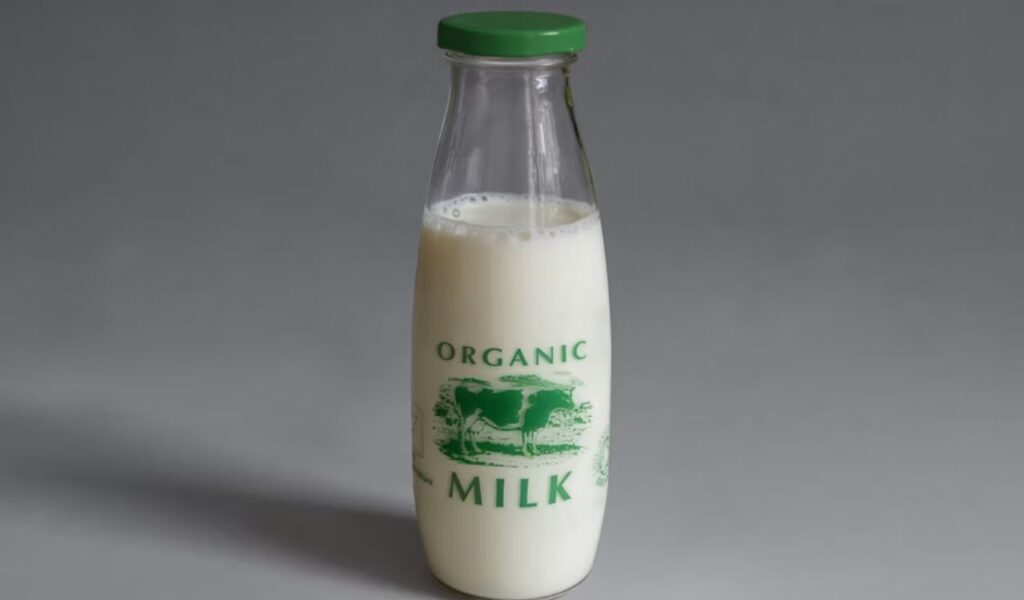
As consumer awareness continues to grow, the demand for clearer and more transparent food labeling is becoming increasingly noticeable across global markets. Shoppers are no longer satisfied with vague claims or visually appealing packaging alone, as they seek information that is easy to understand and genuinely informative. This shift is encouraging both regulators and food brands to rethink how organic claims are presented, focusing on clarity, accuracy, and accessibility. The goal is to help consumers quickly interpret what they are buying without needing extensive background knowledge or guesswork.
Advancements in labeling practices are expected to play a key role in reducing confusion and improving trust over time. Greater standardization, clearer definitions, and more consistent use of certification terms can make labels easier to compare across products and regions. In addition, digital tools such as QR codes and traceability systems are beginning to offer deeper insights into product origins, farming methods, and supply chains. As these innovations continue to develop, organic labeling is likely to become more transparent and user-friendly, allowing consumers to make more confident and well-informed choices with less uncertainty.